
2027 Online Reading & Literacy Degree Programs With No Letters of Recommendation Required

Co-Founder and Chief Data Scientist
Applying to an online Reading & Literacy program can be difficult when you do not have recent professors or supervisors available to recommend you. Programs with no required letters of recommendation can simplify that step while still reviewing your academic record and readiness. This guide is for current teachers, career changers, and working adults comparing flexible literacy degrees.
Federal Student Aid set the maximum Pell Grant at $7,395 for the 2024-25 award year, underscoring why total program cost and aid eligibility matter alongside admissions convenience. Learn how to identify credible options, confirm requirements, and choose a program aligned with your goals.
Key Things You Should Know
- "No letters of recommendation required" means the published application checklist does not require references; it does not mean transcripts, a qualifying GPA, an essay, a résumé, teacher licensure, or prerequisite coursework are waived.
- Look first for institutional accreditation, then confirm whether a literacy, reading specialist, or reading intervention track meets your state's educator-licensure rules; a convenient online format alone does not qualify a graduate for endorsement.
- Compare the full price, required practicum support, and aid options before applying. Graduate students may generally borrow up to $20,500 per academic year in Direct Unsubsidized Loans, subject to federal eligibility and remaining program cost.
Which Online Reading & Literacy Degree Programs Require No Letters of Recommendation?
A small but meaningful group of online literacy-focused graduate programs use streamlined admissions and list no recommendation letters on their standard application checklists. The most common options are master's degrees in literacy, reading, curriculum and instruction with a literacy emphasis, and reading intervention. Requirements can change by term, degree level, and applicant type, so treat "no letters required" as a condition to verify directly in the current graduate catalog rather than a permanent promise.
The examples below illustrate the types of programs worth checking. They are not rankings or admissions guarantees; applicants should confirm the exact degree title, state availability, practicum expectations, and current checklist before paying an application fee.
| Program type to search for | Typical student | Recommendation-letter policy to verify | Important outcome question |
| Online M. Ed. in Literacy | Teachers and education professionals seeking literacy expertise | Whether references are absent from the standard graduate application | Whether the degree includes a state-approved reading endorsement pathway |
| Online M. Ed. in Reading or Reading Instruction | Licensed teachers pursuing reading intervention or specialist roles | Whether letters are not required for admission, even if needed for a later practicum placement | Whether field experiences can be completed in the student's state |
| Online M. Ed. in Curriculum and Instruction with literacy coursework | Educators seeking broader curriculum roles | Whether the concentration has additional materials beyond university admission | Whether it prepares for literacy leadership without claiming specialist licensure |
| Graduate certificate in reading or literacy | Teachers who need fewer credits or an endorsement-related sequence | Whether certificate admission differs from master's admission | Whether credits can later apply to a master's degree |
Start with the university's graduate admissions page and the program-specific page, not a third-party directory. A school may advertise "no GRE" or "streamlined admission" while still requiring references. If you are also exploring adjacent clinical communication careers, compare the distinct prerequisites and costs of online SLP masters programs; speech-language pathology is a separate licensure path from literacy education.
Ask an admissions representative for a written answer to this precise question: "For the online Reading & Literacy degree and my intended start term, are recommendation letters required, optional, or waived only for applicants who meet a stated condition?" Save the response with the catalog link.
What Are the Admission Requirements for Online Reading & Literacy Degree Programs With No Recommendation Letters?
Most no-recommendation online Reading & Literacy programs replace external references with evidence the admissions office can evaluate directly. Graduate programs usually require a bachelor's degree from an accredited institution and official transcripts. A minimum cumulative GPA is common, although the threshold varies and some schools consider applicants below it through conditional review.
Applicants should expect some combination of the following materials even when letters are not requested:
- Official transcripts from undergraduate institutions and, when applicable, prior graduate coursework.
- A completed application and fee or approved fee waiver.
- A personal statement explaining literacy interests, professional goals, and readiness for graduate-level study.
- A current résumé documenting teaching, tutoring, education, intervention, or related experience.
- Proof of teaching licensure or eligibility when the program includes a reading specialist or endorsement pathway.
- Writing samples, prerequisite-course verification, or an interview for programs that need additional readiness evidence.
GRE requirements are increasingly uncommon in professionally oriented online education programs, but "test optional" is not the same as "no requirements." A state-approved reading specialist track may also require a valid teaching license, classroom experience, background clearance, and access to a suitable school site for supervised fieldwork. Applicants without those qualifications may still be admissible to a non-licensure literacy degree but may not qualify for a state endorsement.
Are Online Reading & Literacy Programs With No Letters of Recommendation Easier to Get Into?
Not necessarily. Removing recommendation letters reduces administrative friction, especially for applicants who have been away from college or cannot reasonably contact a former instructor. It does not show that a program has lower academic standards, broader acceptance practices, or less demanding coursework.
Admissions offices may shift weight toward transcripts, GPA trends, prior degrees, work history, and the applicant's statement. Programs leading toward reading specialist credentials can be particularly structured because they must screen for teacher licensure, placement access, and field-experience eligibility. A candidate with strong references but no required licensure may be less prepared for that pathway than a licensed teacher whose application has no letters.
Streamlined admission is most useful for experienced paraprofessionals, tutors, classroom teachers, military-connected learners, and adults returning after a long break. It may be a poor reason to choose a program if your real goal is state certification, a doctoral pathway, or employment in a district that expects a particular endorsement. Evaluate the curriculum and authorization first; treat the reference policy as a convenience factor.
What Do Online Reading & Literacy Programs Evaluate Instead of Letters of Recommendation?
Without letters, schools generally look for documented evidence that you can complete advanced reading, writing, assessment, and instructional-design work. They may also want assurance that you understand the learner population and professional setting connected to your selected track.
This comparison shows how common substitute materials help an admissions team make a decision.
| Material | What it can demonstrate | How to strengthen it |
| Transcript and GPA | Academic preparation and consistency | Address an isolated low grade briefly if the application provides space. |
| Personal statement | Career fit, writing ability, and literacy goals | Connect your goals to specific coursework, practicum expectations, and learner needs. |
| Résumé | Teaching, tutoring, leadership, or intervention experience | Use concrete duties, such as progress monitoring, lesson planning, or family literacy support. |
| License or certification | Eligibility for educator-focused or endorsement tracks | Provide an active credential and disclose the issuing state accurately. |
| Interview or writing sample | Communication skills and program readiness | Prepare examples showing ethical, evidence-informed literacy instruction. |
A strong statement should not merely explain why letters are unavailable. Focus on your preparation and next step: the learners you want to serve, the literacy challenge you want to address, and the credential outcome you need. If a school allows optional letters, submit one only when it adds specific, credible evidence rather than generic praise.
How Can You Tell if an Online Reading & Literacy Degree With No Recommendation Requirement Is Accredited and Legitimate?
Begin with institutional accreditation. A legitimate U.S. college or university should hold accreditation recognized by the U.S. Department of Education or the Council for Higher Education Accreditation. Institutional accreditation affects credit transfer, federal aid access, employer confidence, and eligibility for many graduate pathways.
For Reading & Literacy programs, accreditation is only the first check. If you want a reading specialist license, endorsement, or another educator credential, confirm that the specific program is approved for that outcome in your state. A regionally available online program may be accredited but unable to place students, supervise practica, or recommend licensure in every state.
Use these steps before enrolling:
- Find the institution in the federal Database of Accredited Postsecondary Institutions and Programs and match the name exactly.
- Read the current catalog for the degree level, modality, graduation requirements, and admissions checklist.
- Check your state education agency's educator-preparation or endorsement rules, especially if you plan to work in a public school.
- Ask whether online students complete supervised practicum hours locally and who arranges the placement.
- Request the total estimated cost, including technology, testing, background-check, and field-placement expenses.
- Review withdrawal, refund, complaint, and state-authorization disclosures before signing an enrollment agreement.
Red flags include pressure to enroll immediately, vague faculty credentials, promises of automatic licensure, an unclear accreditor, or refusal to provide a catalog and state-authorization information. Employers generally evaluate an online degree by the institution's legitimacy, the credential's relevance, and demonstrated competence - not by whether recommendation letters were part of admission.
How Much Do Online Reading & Literacy Degree Programs With No Letters of Recommendation Cost?
No-recommendation admission does not make a degree less expensive. Total cost depends on graduate tuition per credit, required credits, residency policies, university fees, books, proctoring, and fieldwork-related expenses. A literacy master's may also include assessment materials, fingerprinting, background checks, or travel for required orientation or clinical experiences.
Compare the program's published total, not just its advertised per-credit rate. This cost framework identifies expenses that can change the real price.
| Cost factor | Why it varies | What to confirm |
| Tuition | Schools may charge by credit, term, or program | Total required credits and whether tuition can rise after enrollment |
| Mandatory fees | Online learning, graduation, technology, and university fees differ | Which fees are charged each term versus once |
| Practicum expenses | Licensure-oriented programs may require clearances or testing | Expected out-of-pocket placement and credential costs |
| Transfer credit | Accepted credits can reduce remaining coursework | Maximum transfer limit and whether credits fit required courses |
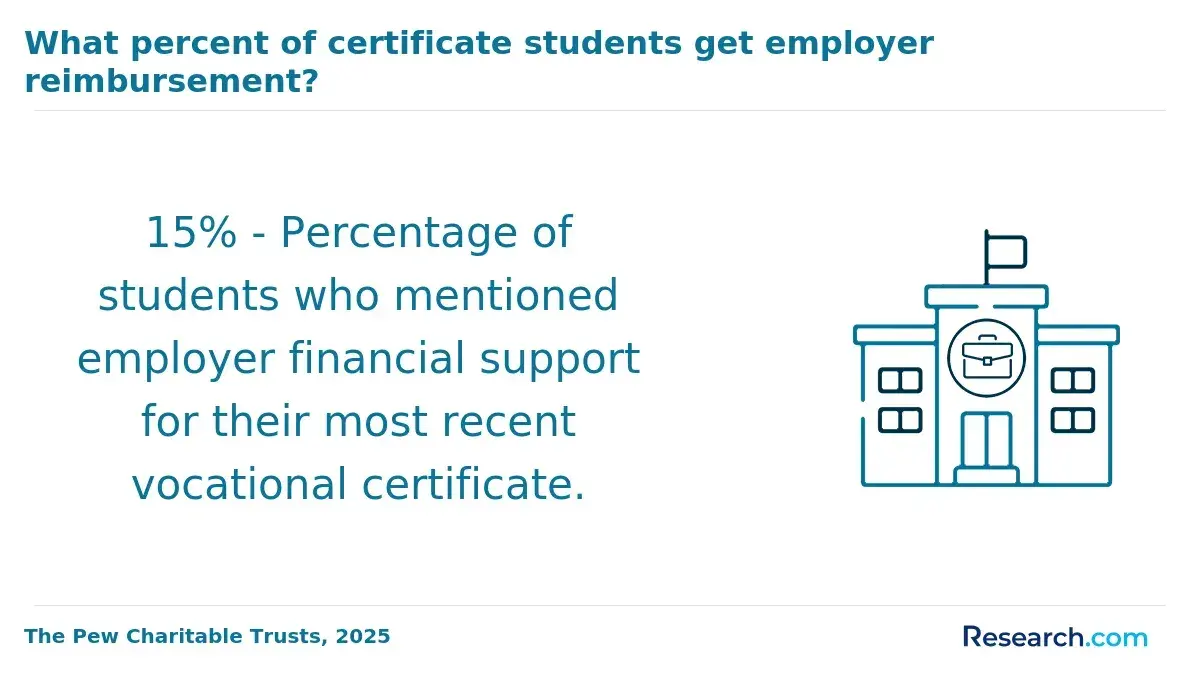
| Employer support | Districts and employers may offer reimbursement | Eligibility, service commitments, and reimbursement timing |
For a broader look at lower-cost undergraduate pathways before committing to graduate study, review affordable online colleges. For graduate applicants, request a written financial estimate based on your location and intended start date, then compare it with likely employer reimbursement and borrowing needs.
Do not choose a program solely because it has no application fee or no reference requirement. A lower-friction application can still lead to high debt if the program has extensive fees, poor transfer policies, or an outcome that does not support your intended job or license.
Can You Get Financial Aid for an Online Reading & Literacy Degree With Streamlined Admissions?
Yes. Admission without recommendation letters does not by itself affect federal financial aid eligibility. Students at eligible accredited institutions can submit the Free Application for Federal Student Aid (FAFSA) and may be considered for federal Direct Unsubsidized Loans, Graduate PLUS Loans, and school-administered aid. Graduate students are generally not eligible for Pell Grants, which are primarily for qualifying undergraduate students.
Financial aid decisions depend on enrollment, citizenship or eligible noncitizen status, satisfactory academic progress, program eligibility, borrowing limits, and other federal rules - not on whether references were submitted. The 2024-25 maximum Pell Grant was $7,395, a useful benchmark for undergraduate readers considering an initial education degree before graduate literacy study.
Before accepting aid, take these practical steps:
- Submit the FAFSA early enough to meet the institution's priority deadline.
- Ask the financial aid office whether the online program is eligible for federal aid and whether less-than-half-time enrollment changes eligibility.
- Check district tuition assistance, union scholarships, state teacher incentives, and literacy-focused professional associations.
- Compare net cost after grants and employer support before using Graduate PLUS or private loans.
- Read any reimbursement agreement carefully for work-service or repayment conditions.
Working educators who are comparing other business-oriented graduate options can also examine an online MBA under 30k, but an MBA generally does not replace the education coursework or state approval needed for a reading credential.
How Long Does an Online Reading & Literacy Degree With No Letters of Recommendation Take to Complete?
Completion time is determined by credit requirements, course sequencing, transfer credit, enrollment pace, and practicum scheduling - not by the absence of recommendation letters. Many online literacy master's programs are designed for part-time working educators and use asynchronous coursework, but field experiences may follow fixed school calendars.
A graduate certificate can take less time than a full master's degree because it contains fewer required credits. A reading specialist or licensure-oriented program may take longer if it requires multiple supervised experiences, observation hours, or a capstone aligned with state standards. Accelerated terms can shorten the calendar only when students can manage the workload and secure placements on time.
Ask for a term-by-term degree map showing the earliest and latest realistic completion points for a part-time student. Also confirm whether summer courses are offered, whether required classes run every term, and whether a delayed practicum postpones graduation. If you are weighing other accelerated helping-profession pathways, a human services degree online may have a different timeline and career purpose than literacy education.
Can You Transfer Credits Into an Online Reading & Literacy Degree Program With No Recommendation Letters?
Often, yes. Transfer-credit review is usually separate from admissions requirements, so a program may admit applicants without recommendation letters while still requiring official transcripts and course descriptions for transfer evaluation. Graduate transfer policies commonly limit how many credits can be applied and may require prior coursework to meet grade, recency, and accreditation standards.
Credits most likely to be considered include graduate-level courses in literacy assessment, reading methods, language development, differentiated instruction, educational research, or curriculum design. However, programs frequently require students to complete core literacy courses, capstones, and supervised practica at the awarding institution. Licensure-related requirements are especially difficult to transfer automatically because state rules and fieldwork standards vary.
To avoid paying twice for similar coursework, follow a deliberate transfer process:
- Send official transcripts before enrolling whenever possible.
- Request a written preliminary evaluation showing accepted credits and remaining requirements.
- Provide syllabi, catalog descriptions, and assignment information when a course title is unclear.
- Ask whether transferred courses satisfy degree requirements, endorsement requirements, or only elective credits.
- Confirm that transfer decisions will be documented in your degree plan before registering.
Do not assume credits from an associate program, including options discussed through barbados community college, will directly meet graduate Reading & Literacy requirements. Graduate programs normally require a completed bachelor's degree first, and acceptance of any prior credit remains institution-specific.
How Should You Compare Online Reading & Literacy Degree Programs That Do Not Require Letters of Recommendation?
Compare programs on fit and verifiable outcomes, not admissions simplicity alone. The best option for a licensed teacher seeking a reading specialist endorsement may be a poor match for a tutor seeking broader literacy instruction skills or for a career changer who does not yet meet educator-preparation requirements.
Use the following decision criteria to compare finalists consistently.
| Comparison criterion | Why it matters | Question to ask |
| Credential outcome | Degrees, certificates, and endorsements lead to different opportunities | Does this exact track lead to a degree only, an endorsement recommendation, or both? |
| State compatibility | Online programs may have placement or licensure restrictions | Is the program authorized and approved for students in my state? |
| Admissions checklist | Policies differ by term and track | Are letters truly not required, rather than optional or conditionally waived? |
| Practicum structure | Fieldwork can affect schedule, cost, and eligibility | Who secures the site, supervisor, and required approvals? |
| Curriculum | Coursework should match your literacy role | Are assessment, intervention, dyslexia-related instruction, and multilingual learner topics included where relevant? |
| Total cost and aid | Tuition alone may understate borrowing needs | What is my written estimated cost through graduation? |
| Student support | Online learners need responsive academic and placement support | What advising, tutoring, technical support, and career services are available? |
A sensible final step is to narrow your list to two or three accredited programs, obtain written answers on letters, licensure, transfer credit, and total cost, and then compare their degree plans side by side. Avoid schools that make broad career promises, cannot explain state requirements, or treat field placement as an afterthought. A no-letter policy is valuable when it removes an unnecessary barrier while the degree still meets your academic and professional needs.
Other Things You Should Know About Reading & Literacy
Usually, yes. No-recommendation programs can be especially useful for returning adults, but you will still need official transcripts and may need to explain your academic and professional background in a statement. Check whether the program has recency rules for prerequisite courses.
Submit optional letters only if they offer specific evidence of your teaching, literacy intervention, leadership, or academic ability. Otherwise, prioritize a focused statement, complete résumé, and accurate documentation of licensure and experience.
Read the current program page, graduate catalog, and online application checklist for your intended term. If the language is unclear, email admissions and ask for written confirmation that letters are neither required nor conditionally required for your applicant category.
Not automatically. Literacy educators may learn screening and evidence-based intervention methods, but diagnosis and scope-of-practice rules vary by state and profession. Review your state's education and professional regulations before selecting a program for that purpose.
References
- The Truth About Recommendation Letters https://www.ivywise.com/ivywise-knowledgebase/the-truth-about-recommendation-letters/
- Reading & Literacy Instruction (MSEd or EdS) Master's Degree Online https://www.baypath.edu/academics/graduate-programs/reading-literacy-instruction-msed-eds/
- How Important Are Letters of Recommendation for Graduate School Applications? - Graduate Programs for Educators https://www.graduateprogram.org/blog/how-important-are-letters-of-recommendation-for-graduate-school-applications/
- Master of Science in Literacy Instruction - Niagara University https://www.niagara.edu/programs/literacy-instruction/
- How to Get Into Grad School: What Admissions Committees Really Look For https://www.straighterline.com/blog/how-to-get-into-grad-school-what-admissions-committees-really-look-for
- College Admissions Rec Letters are a Waste of Time - Tex Admissions https://www.texadmissions.com/blog/2025/5/1/college-admissions-recommendation-letters-are-a-waste-of-time
- Master of Science inLiteracy Online or On Campus https://www.albany.edu/education/programs/ms-literacy
- Inside Online Master's Programs in Reading Literacy https://www.onlinemastersdegrees.org/best-programs/education/reading-literacy/
- Recommender guide https://www.commonapp.org/counselors-and-recommenders/recommender-guide/
- Understanding the Letter of Recommendation Process https://help.liaisonedu.com/WebAdMIT/Essential_Insights_into_the_CAS_Application/CAS_Application_Workflow_and_Processes/Understanding_the_Recommendation_Process


