
2027 Online Public Safety Degree Programs With Monthly Tuition Payment Plans

Co-Founder and Chief Data Scientist
Paying a semester bill all at once can make an online public safety degree seem out of reach, even when the program fits your career goals. Many colleges let eligible students split a term's balance into scheduled monthly installments. National Center for Education Statistics data released in 2024 show that about 7 million U.S. postsecondary students took courses exclusively online in fall 2022.
This guide helps working adults, first responders, and career changers compare payment plans, estimate monthly obligations, protect financial aid, and select a program they can realistically complete.
Key Things to Know About Public Safety Programs with Monthly Tuition Payments
- Online public safety and related programs may offer school-wide monthly payment plans, but the plan usually divides one term's balance rather than financing an entire degree over several years.
- Published online tuition can range substantially. For example, Southern New Hampshire University listed $330 per undergraduate credit, while UMGC listed $250 in-state and $330 out-of-state undergraduate tuition per credit for 2024-25.
- A payment plan is generally interest-free, but enrollment, returned-payment, and late fees can raise the cost. Confirm the number of installments, first-payment date, and excluded charges before registering.
Which online Public Safety degree programs have monthly tuition payment plans?
Monthly payment availability is often administered at the institution level rather than advertised on each public safety program page. That means a college may offer an online public safety, emergency management, criminal justice, homeland security, or public service degree and separately offer an installment option through its student accounts office.
The examples below illustrate programs to investigate. Tuition and installment availability can change by term, residency, course load, and account status, so applicants should obtain written confirmation before relying on a plan.
| Institution and online program | Published tuition reference | Monthly-payment availability to verify | Best question to ask |
| University of Maryland Global Campus, Bachelor's degree in Emergency Management | $250 per credit in-state; $330 per credit out-of-state undergraduate tuition for 2024-25 | UMGC offers tuition payment arrangements for eligible balances; installment timing may differ by session | Can my emergency management tuition and mandatory course charges be included in the plan? |
| Southern New Hampshire University, online BS in Criminal Justice | $330 per undergraduate credit in published online tuition information | Students should ask whether a term-based payment arrangement is available for their enrollment period | How many scheduled payments apply to a single course or term? |
| Arizona State University Online, BS in Public Service and Public Policy | Online undergraduate tuition varies by program, course load, and fees | ASU provides tuition payment-plan options, subject to published eligibility and enrollment dates | Does my ASU Online bill qualify, and what balance must be paid before classes begin? |
Do not treat the table as a guarantee that every student will qualify. Holds, an overdue balance, a late application, or a short session can limit installment choices even when the school normally offers a payment plan.
Start by identifying the degree's format, total credits, and term calendar. Then contact both admissions and student accounts; admissions can explain the program, while student accounts can confirm the binding payment terms.
How much do online Public Safety degree programs typically cost?
Public safety is a broad academic category, so there is no single national tuition average for online public safety degrees. Total cost depends most on degree level, transfer credit, residency rules, credits required, technology charges, and whether the program uses standard semesters or accelerated sessions.
For context, the College Board reported average published 2024-25 tuition and fees of $11,610 for in-state students at public four-year institutions and $43,350 at private nonprofit four-year institutions. Those figures are not online-public-safety averages and exclude important personal costs, but they show why comparing each program's net price matters more than comparing a monthly installment alone.
A transparent monthly estimate begins with the actual term bill. For example, a three-credit course priced at $330 per credit creates $990 in tuition. If a school permits four equal installments and no aid is applied first, the tuition portion would be $247.50 per installment. That is an illustration, not a promised payment amount, because fees and due dates may change the bill.
Students pursuing an entry-level credential may also compare an associates degree with a bachelor's program. A shorter credential can reduce near-term tuition and time to completion, while a bachelor's degree may better match supervisory, emergency-management, or administrative roles that require more education.
To compare offers fairly, calculate total program tuition after transfer credits, add required fees and materials, subtract confirmed grants or employer support, and divide only the remaining term balance by the available installments. Do not divide the advertised per-credit rate by 12 unless the institution actually bills on that schedule.
How common are monthly tuition payment plans among Public Safety programs?
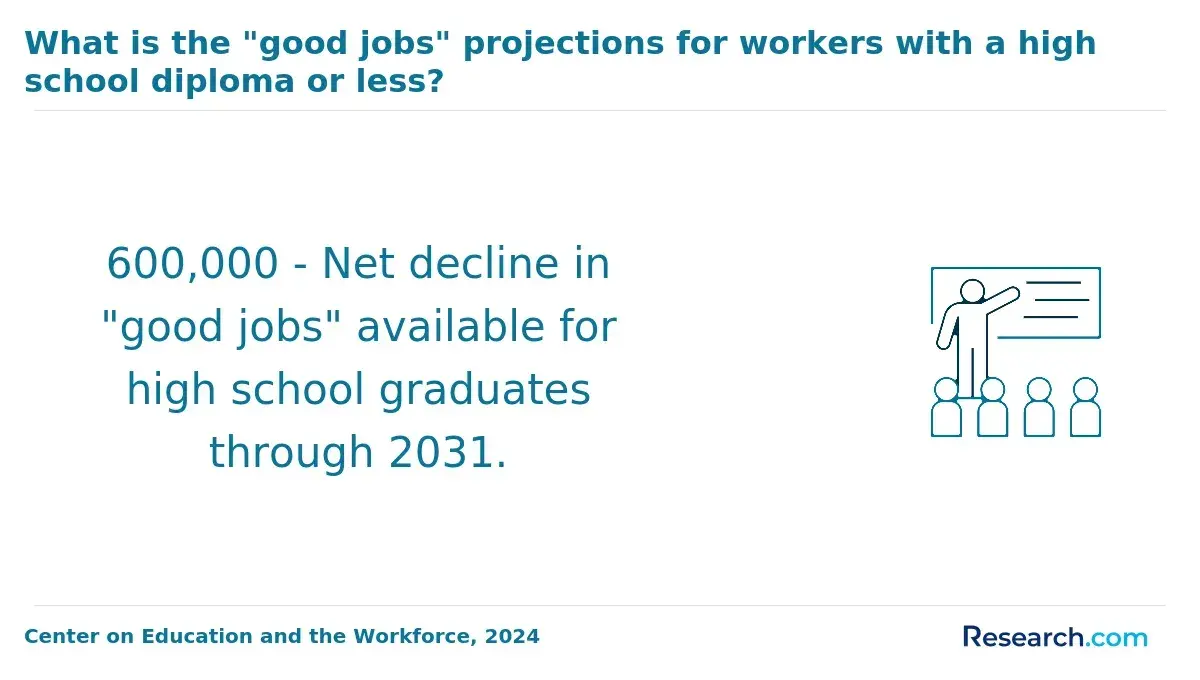
Monthly plans are common enough at U.S. colleges to be worth asking about, but they are not universal and are rarely unique to public safety programs. Institutions frequently use them as a billing option for many enrolled students, including online learners, rather than as program-specific financing.
Distance education's scale makes flexible billing relevant. NCES reported in 2024 that 28% of U.S. postsecondary students enrolled exclusively in distance education in fall 2022. That measure covers all fields, not public safety alone, but it helps explain why colleges increasingly maintain online account tools and installment options.
Availability is most likely to vary in the following situations, which should shape how you compare programs:
- Accelerated terms may have fewer installments because the academic session is shorter.
- Students registering close to the term start date may be required to make a larger first payment.
- Programs billed by a partner, cohort, or continuing-education unit may use different payment rules from the university's regular degree programs.
Ask for the plan's official name, the applicable term, and the date by which you must enroll. A school's general statement that it offers payment plans does not establish that the plan applies to your particular online degree or bill.
Can monthly tuition plans make paying for Public Safety degrees more attainable?
A monthly plan can make a public safety degree more manageable when you have predictable income and can repay the full term balance before the plan ends. It improves cash-flow timing; it does not reduce tuition, replace aid, or eliminate the obligation to pay.
This comparison shows when installment billing may be useful and when another funding route deserves priority.
| Option | When it may fit | Key trade-off |
| Monthly tuition plan | You can cover a term's balance from monthly income and want to avoid borrowing for a short gap | Payments are compressed into one term and missed payments can trigger fees or holds |
| Federal student aid | You qualify for grants, work-study, or federal loans after filing the FAFSA | Loans can spread repayment beyond enrollment but may accrue interest and create long-term debt |
| Employer tuition assistance | Your agency or employer pays eligible education expenses | Reimbursement may arrive after you pay the school and may require grades, continued employment, or approved courses |
| Upfront payment | You have savings earmarked for education and no better use for those funds | It may minimize payment-plan fees but can reduce your emergency cushion |
Monthly payments tend to fit police, fire, emergency medical services, security, and public-sector employees whose schedules and earnings are stable. They are less suitable if your income fluctuates, you are already behind on bills, or one unexpected expense would cause a missed installment.
Career value should also guide the decision. Reviewing the highest paying college majors can provide broader earnings context, but pay varies by occupation, location, employer, experience, certification, and whether a public safety role requires a specific credential. Do not choose a payment method based on an assumed salary outcome.
Does monthly payment plans have an effect on the overall cost of Public Safety degrees?
A monthly tuition payment plan normally does not change the stated tuition rate. Its effect on overall cost comes from plan enrollment charges, late fees, returned-payment charges, and the possibility of losing registration access or being sent to collections after nonpayment.
Unlike many private financing products, a school installment plan is often interest-free, but that should be confirmed in the written agreement.
Use the following cost check before accepting a plan. It separates a lower monthly bill from a lower total degree cost:
- Add tuition, mandatory institutional fees, course fees, books, supplies, travel for any required field activity, and the payment-plan enrollment fee.
- Subtract only financial aid, employer assistance, or scholarships that have been officially awarded and are expected to disburse for that term.
- Compare the resulting amount with the sum of every installment, including any required first payment and potential late-payment charges.
A longer payment schedule can feel safer because each installment is smaller, but it may not be available beyond the term and may carry additional administrative fees. Paying upfront can be cheaper when the plan has a fee and you have adequate savings; borrowing may be more realistic when the term balance cannot be paid from current income.
When comparing education costs across fields, an average cost of MLIS degree US resource can also illustrate why degree-level and program-length comparisons matter. It should not be used as a substitute for a public safety program's own cost of attendance.
Do monthly payment plans affect your financial aid eligibility for Public Safety programs?
Enrolling in a payment plan does not ordinarily reduce eligibility for federal financial aid. Eligibility is determined through the FAFSA, institutional processes, enrollment status, satisfactory academic progress, eligible-program rules, and other requirements - not by whether you pay the remaining balance in installments.
Timing still matters. Federal aid generally disburses according to the school's schedule, and the payment plan should reflect the aid that has actually posted to your account. For the 2024-25 award year, the maximum Federal Pell Grant was $7,395; actual awards depended on a student's eligibility and enrollment circumstances. Treat an estimated award as provisional until the school confirms it.
Before signing up, take these steps to prevent a cash-flow mistake:
- File the FAFSA early and complete every verification or document request from the college.
- Review your student account to distinguish awarded aid, accepted aid, and aid that has disbursed.
- Ask whether the school calculates installments before or after anticipated aid and what happens if aid is reduced or delayed.
- Keep enough funds for the first installment if aid will not arrive before the first due date.
Private scholarships, veterans' benefits, workforce grants, and employer reimbursement may follow different timelines. Confirm whether the college will defer payment while a third party processes benefits or whether you must pay first and seek reimbursement later.
Is there a deposit required before starting Public Safety monthly payment plans?
Some schools require an initial payment when you enroll in a monthly plan, while others require only a nonrefundable plan-enrollment fee. The first installment can function like a deposit because it is due immediately, but it is usually applied to your term balance rather than held separately.
There is no reliable standard deposit amount across online public safety programs. A required upfront amount may be higher when you enroll late, receive aid after the plan is set up, have a prior balance, or select a plan with fewer remaining due dates.
Get a written answer to these questions before committing:
- What amount is due today, and is it credited toward tuition and required fees?
- Is the plan-enrollment charge refundable if I drop a class before the add/drop deadline?
- Will pending aid reduce the initial payment, or must I pay until the aid disburses?
- What happens to payments already made if I withdraw or the school cancels a course?
A low initial payment is not automatically the best offer. It can leave a larger balance for later installments, so compare the full schedule against your pay dates and emergency savings.
Are there fees not covered by monthly tuition payment plans for Public Safety programs?
A plan may cover tuition and some institutional fees while excluding application fees, graduation fees, books, equipment, insurance, testing, travel, or charges billed by outside providers. Public safety programs may also involve background checks, physical requirements, certifications, or field-based activities that create separate costs.
The table identifies expenses that students should verify individually rather than assuming they are part of the monthly bill.
| Potential expense | Often included in a tuition plan? | What to confirm |
| Tuition for registered courses | Usually | Whether the plan covers all registered credits or only a stated balance |
| Mandatory university fees | Sometimes | Technology, distance-learning, student-service, and course-specific fee treatment |
| Books, digital access codes, and supplies | Often no | Whether charges appear on the student account or are purchased separately |
| Background checks, certifications, and licensing examinations | Often no | Whether the program requires them and who bills the charge |
| Late, returned-payment, or collection charges | No | Exact amount, grace period, and consequences of missed payments |
Review the degree's required-course list as well as the billing statement. A program with lower tuition can still cost more in practice if it requires equipment, travel, or externally billed credentials that another program does not.
What should you look for in payment plan terms for Public Safety programs?
Read the agreement as carefully as you would an admissions offer. The key question is not merely whether installments are available; it is whether the schedule, fees, cancellation rules, and academic consequences are workable for your situation.
Use this checklist when comparing two otherwise similar online programs:
- Number and dates of installments, including whether payments align with your pay schedule.
- Plan-enrollment fee, late fee, returned-payment fee, and whether the plan charges interest.
- Required initial payment, deadline to enroll, and whether late enrollment reduces the number of installments.
- Which tuition, institutional fees, and course charges are included or excluded.
- How financial aid, dropped courses, withdrawals, refunds, and employer payments change the balance.
- Consequences of a missed payment, including registration holds, course removal, transcript holds, or collection activity.
Keep a copy of the agreement, payment calendar, and your account statement. If an employee explains a term by phone, request confirmation through email or the official student portal. This is especially important when a program has short terms and little time to correct a billing error.
Applicants weighing graduate school financing can apply the same discipline when researching the most affordable online MSW programs option: compare the complete program cost and payment conditions, not just the first installment.
How do you know if online Public Safety degrees with monthly payments are right for you?
A monthly payment plan is right for you when it supports a credible education and career plan without creating a recurring bill you cannot reliably meet.
First confirm that the online program is institutionally accredited, fits your target role, accepts enough transfer credit to make the total cost reasonable, and meets any employer, state, or professional requirements relevant to your goal.
The following decision signals can help you choose between installments, upfront payment, aid, or another program.
| Your situation | Likely better approach | Why |
| Stable monthly income and a manageable remaining balance after grants | Monthly payment plan | It can match tuition due dates to predictable cash flow without necessarily using long-term credit |
| Aid covers most of the balance but disburses after the first due date | Plan with aid-aware scheduling or a temporary upfront payment | You need to avoid defaulting before expected aid posts |
| Balance exceeds what you can pay during one academic term | Review federal aid, employer support, lower-cost programs, or reduced course load | An installment plan may only postpone an unaffordable obligation |
| You have sufficient savings and the plan charges a fee | Upfront payment, if it preserves an emergency reserve | It may avoid an administrative charge and simplify billing |
Common mistakes include treating the monthly amount as the degree's total cost, assuming tuition assistance will arrive on time, and enrolling without checking withdrawal rules. Avoid these problems by building a term-by-term budget, saving the payment agreement, and leaving room for books, transportation, emergencies, and any required public safety training costs.
If your long-term goal includes management or administration, compare the required credential with alternatives such as an MBA without GMAT. The best choice depends on the job requirements and your background. A flexible payment plan should support, not determine, the academic path.
Other Things You Should Know About Public Safety Programs
Possibly. Some colleges extend installment plans to certificate students, while others limit them to degree-seeking students or specific billing units. Ask whether your exact certificate, session length, and course load qualify.
Yes. Confirm the institution's accreditation and review whether the curriculum meets requirements for your intended employer, promotion path, certification, or state-specific role. Institutional accreditation alone does not guarantee that every program meets every professional requirement.
It can, but reimbursement commonly occurs after course completion or after you submit grades. Ask the employer about approval rules and the college about whether it can defer charges; otherwise, plan to cover installments before reimbursement arrives.
Yes. Accepted transfer credits can reduce the number of courses and total tuition required, which may lower future term balances. Request an official transfer-credit evaluation before making a final budget or comparing payment schedules.
References
- Why Tuition Payment Plans Help Students Stay Enrolled - Campus Commerce https://campuscommerce.com/blog-why-tuition-payment-plans-help-students-stay-enrolled/
- How to Take Advantage of College Tuition Payment Plans Today https://www.edumed.org/financial-aid/tuition-payment-plans/
- St. Petersburg College https://www.spcollege.edu/future-students/degrees-training/public-safety-public-policy-and-legal-studies/public-safety/public-safety-administration-bas-degree
- Student Loan Repayment Options | Sallie Mae https://www.salliemae.com/student-loans/manage-your-private-student-loan/understand-student-loan-payments/explore-loan-repayment-options/
- Climb Credit Payment Plans for Certificate Programs | DWC https://digitalworkshopcenter.com/about/financial-aid/payment-plan/
- Cost of College by Country [2025]: Average Tuition Fees https://educationdata.org/average-cost-of-college-by-country
- 7 Ways to Pay for a Criminal Justice Education | All Criminal Justice Schools https://www.allcriminaljusticeschools.com/blog/how-criminal-justice-students-pay-for-school/


