2027 Online Legal Studies Degree Master's Programs with No GRE or GMAT Requirements

Co-Founder and Chief Data Scientist
Many working professionals aiming to advance their careers in law face challenges with GRE or GMAT requirements for online legal studies master's programs. These exams often delay application processes and add stress to already demanding schedules. Data shows that 42% of online graduate law applicants prioritize programs that do not require standardized test scores, seeking more flexible admission options. This trend reflects a growing demand for accessible pathways tailored to busy adults. This article explores online legal studies master's programs with no GRE or GMAT requirements, offering practical guidance to help applicants find suitable and efficient enrollment opportunities.
Key Benefits of Online Legal Studies Degree Master's Programs with No GRE or GMAT Requirement
- Online legal studies master's programs without GRE or GMAT streamline admissions, letting applicants focus on academic and professional achievements instead of standardized test scores.
- Skipping GRE or GMAT reduces application expenses and preparation time, saving candidates both hundreds of dollars and several weeks of dedicated study.
- These programs increase accessibility for working professionals and nontraditional students by eliminating common barriers, supporting flexible schedules and diverse educational backgrounds.
Why Do Some Online Legal Studies Master's Programs Waive the GRE or GMAT?
Many online legal studies master's programs have eliminated the GRE or GMAT requirements as part of a growing move toward test-optional admissions. Approximately 60% of online master's programs across various fields have adopted this approach to reduce barriers for applicants. Several factors explain why these programs choose to waive standardized tests, including:
- Holistic Review Policies: Admissions increasingly focus on a candidate's entire profile, such as academic history, professional achievements, and personal qualities, rather than relying solely on test scores. This method better captures potential for success in graduate legal studies.
- Professional Experience Emphasis: Many prospective students are working professionals whose practical experience is often more indicative of graduate readiness than standardized test results. Programs value this real-world expertise in online legal studies master's with test-optional admissions.
- Access and Equity Considerations: Standardized tests often present cultural biases and financial obstacles. Removing these requirements promotes inclusivity and provides fairer opportunities for underrepresented and financially disadvantaged applicants.
- Enrollment Flexibility: Waiving GRE/GMAT criteria allows institutions to expand and diversify their applicant pools quickly, adapting to the evolving needs of adult learners pursuing education online.
For students exploring the best graduate pathways, researching the top degrees in demand for the future may provide valuable insights when considering the benefits of no GRE or GMAT requirement in legal studies master's programs.
What Are the Best No GRE or GMAT Online Legal Studies Master's Programs?
The best no GRE or GMAT online legal studies master's programs are defined by factors that extend beyond simply waiving test requirements. Academic quality, regional accreditation, program flexibility, and clear career outcomes are essential markers of excellence. These attributes ensure students gain recognized credentials and practical skills suitable for various professional paths. Below are key qualities that distinguish top programs:
- Regionally Accredited Programs: Regional accreditation verifies that programs meet rigorous academic standards, which is crucial for credit transfer and future study opportunities. It provides assurance of value and recognition in the job market despite the absence of GRE or GMAT requirements.
- Career-Focused Curricula: Many programs offer coursework that blends legal theory with practical skills, preparing graduates for roles in compliance, paralegal services, or legal consulting. This approach enhances employability by aligning studies with current industry demands.
- Programs for Working Professionals: Flexibility through asynchronous classes, part-time options, and accessible faculty support is essential for students balancing career and education. Such structures allow working adults to pursue advanced degrees without sacrificing professional commitments.
- Research-Oriented Options: For students drawn to academic advancement or policy development, some programs emphasize analytical skills and original scholarship. These options deepen expertise and prepare graduates for research-focused careers.
When exploring the best no GRE or GMAT online legal studies master's programs, students should weigh accreditation, program design, and support systems over admissions ease. For more information on related opportunities, consider exploring accelerated online MSW programs that share similar accessibility and career-oriented features.
What Are the Admission Requirements for No GRE or GMAT Online Legal Studies Master's Programs?
While standardized tests such as the GRE or GMAT are not required for many online legal studies master's programs, applicants must still satisfy specific academic and professional benchmarks. Admissions committees focus on several essential components to evaluate preparation without test scores. Key elements of the application include:
- Professional Experience: Practical work in legal settings or related fields demonstrates an applicant's ability to engage with complex legal issues. Many programs emphasize real-world exposure to gauge readiness for advanced coursework.
- Letters of Recommendation: Endorsements from supervisors or mentors highlight the applicant's skills, work ethic, and suitability for graduate studies. Strong letters can offset the absence of GRE or GMAT results.
- Personal Statement or Essay: This narrative allows candidates to express their motivation, career objectives, and alignment with program goals. Admissions officers assess commitment and critical thinking through this writing.
- Resume or Portfolio Submission: A detailed document outlining education, work history, certifications, and achievements is crucial. As over 60% of graduate programs waive test requirements to attract experienced professionals, these materials become even more significant.
Applicants considering no GRE legal studies graduate programs should focus on presenting a well-rounded profile prioritizing professional documentation. For those interested in expanding career earnings, the correlation between advanced legal education and top paying degrees underscores the value of these accessible admissions pathways.
Although no GRE or GMAT scores are required for admission to many online legal studies master's programs, applicants must still fulfill specific academic and professional standards. For instance, some programs ask for a minimum of two years' relevant work experience to demonstrate readiness for graduate studies. Below are key factors considered during the holistic application review process:
- Professional Experience: Admissions committees evaluate your practical skills and career history to ensure you have the necessary foundation for graduate-level coursework.
- Letters of Recommendation: These provide insight into your character, work ethic, and intellectual capabilities, typically coming from supervisors or academic mentors familiar with your qualifications.
- Personal Statement or Essay: This component allows you to convey your motivations, goals, and suitability for the program while showcasing your communication and critical thinking skills.
- Resume or Portfolio Submission: A detailed record of your accomplishments and professional growth helps demonstrate preparedness to meet the program's demands.
When asked about the GPA needed for these programs, a graduate of an online legal studies master's degree without GRE or GMAT requirements shared that the focus was less on specific numbers and more on the overall strength of the application. He explained, "The admissions team cared about my work experience and how I articulated my goals much more than my GPA. It was a relief not having to stress over test scores or a high GPA, given my unconventional academic background." He emphasized that showcasing dedication through a compelling personal statement and strong recommendations "really made the difference" and helped offset academic metrics. "Applying felt more personal and less like a numbers game," he added, highlighting the value of presenting a complete picture of qualifications beyond grades.
Admissions policies that waive GRE or GMAT requirements for online legal studies master's programs do not alter the academic content or degree criteria. In fact, about 85% of accredited online master's degrees use the same curriculum as their on-campus equivalents, ensuring consistent educational standards across delivery methods. Below are important curriculum factors that remain comparable regardless of GRE stipulations.
- Core Coursework: Foundational subjects in law and legal processes are consistently included to maintain academic rigor. These core classes mirror what on-campus students receive, ensuring no compromise in essential knowledge.
- Elective Options: Both no-GRE and traditional tracks offer electives that let students focus on specialized areas such as compliance, litigation, or regulatory affairs, providing customization for career goals.
- Capstone or Thesis Requirements: Most programs retain a final project element-either a thesis or comprehensive capstone-that demonstrates a student's integration and application of learned concepts.
- Learning Outcomes Standards: Programs align their outcomes with professional and accreditation benchmarks, guaranteeing graduates develop key skills and competencies whether attending online or in person.
The primary purpose of waiving GRE requirements is to reduce admission obstacles, not to modify the academic experience or expected competencies within online master's programs in legal studies.
The lack of GRE or GMAT requirements does not usually impact the overall duration of an online legal studies master's program. Typically, students pursuing this degree full-time complete their studies within approximately two years. Several factors, however, can influence how long it takes to earn the degree, as outlined below:
- Full-Time vs. Part-Time Enrollment: Students attending full-time generally finish in about two years, while those studying part-time may extend their program to three or four years due to outside commitments like work or family.
- Accelerated Course Formats: Some institutions offer compressed terms or intensive sessions that enable learners to progress faster, potentially cutting down the total time needed to graduate.
- Transfer Credits: Individuals with prior graduate-level coursework relevant to the program can apply transfer credits to reduce the number of required courses and thereby shorten their study period.
- Capstone or Thesis Requirements: Programs that mandate a capstone project or thesis may add extra time because of the necessary research, writing, and revision phases involved.
A professional who gained admission into an online legal studies master's without GRE or GMAT stipulations shared that balancing work and study was initially daunting but manageable. She noted, "Not having to prepare for the GRE lifted a significant weight off my shoulders, allowing me to focus directly on course materials." While she chose a part-time schedule to maintain her job, she found that the program's flexible pacing supported steady progress. The capstone project required thoughtful planning, and though challenging, it was a rewarding experience that enriched her understanding of the field. Overall, she viewed the timeline as reasonable and appreciated the streamlined admissions process that aligned well with her professional and personal needs.
Waiving GRE or GMAT requirements in online legal studies master's programs does not automatically lower tuition fees but can reduce overall application and enrollment expenses. The average tuition for these programs typically ranges from $15,000 to $40,000, varying by institution and program length. Test fees average $205 for the GRE and $275 for the GMAT. Below are key cost considerations for affordable online legal studies master's degrees without GRE or GMAT.
- Tuition Structure: Most schools base tuition on credit hours or semesters, so removing test requirements rarely changes this. Program resources and length have more impact on total costs.
- Testing and Application Savings: Waiving exams cuts upfront expenses and simplifies admission, benefiting working professionals who seek accessible entry paths.
- Online Delivery Costs: Virtual programs sometimes reduce expenses related to facilities and commuting but may charge technology fees that influence affordability.
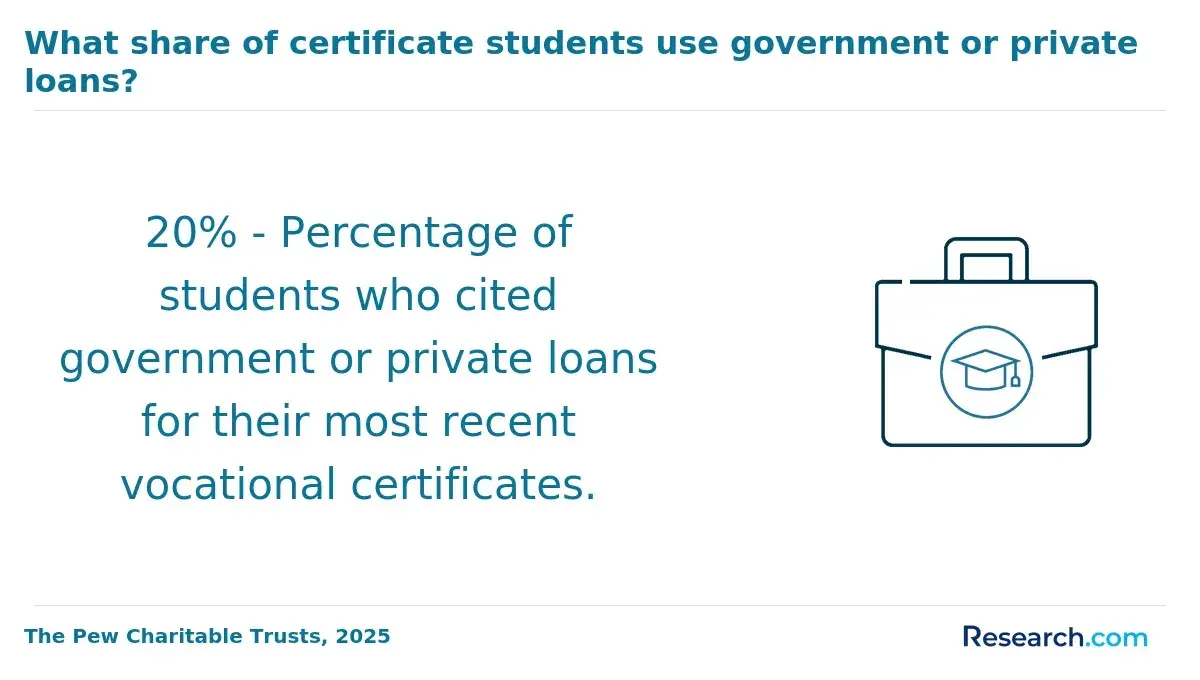
- Financial Aid Eligibility: Loans, grants, and scholarships generally remain available regardless of GRE or GMAT submission, supporting students financially.
Those exploring cheapest online graduate programs will find that while no gre or gmat required online legal studies master's programs cost savings appear in application fees, tuition rates and institutional policies primarily determine affordability. Choosing a program with lower tuition and accessible financial aid is key.
Employers' respect for online legal studies master's degrees that do not require GRE or GMAT scores has evolved alongside the rise of test-optional graduate programs. A 2023 survey by the National Association of Colleges and Employers (NACE) found that about 65% of employers prioritize the overall reputation and rigor of a graduate program over the submission of standardized test scores. This demonstrates growing acceptance of flexible admissions pathways, especially in online formats. Key factors shaping employer recognition include:
- Accreditation: Employers give greater trust to degrees from accredited institutions, considering this a reliable indicator of academic quality and standards.
- Program Rigor: Challenging coursework and relevant content assure employers that graduates possess comprehensive, practical legal knowledge, even without standardized test results.
- Professional Experience: Combining a master's degree with pertinent work history can often outweigh the absence of GRE or GMAT scores, as real-world skills matter greatly.
- Skill Application: Employers value demonstrated ability to apply legal knowledge effectively in professional settings, which is critical regardless of admissions testing.
The value of legal studies master's programs without standardized tests lies in their capacity to equip candidates with necessary skills and expertise. For working professionals seeking accessible options, these programs offer viable pathways. Prospective students might also explore related fields, such as an accelerated online construction management degree, to expand interdisciplinary career prospects within online graduate education.
Completing an online legal studies master's program without the GRE or GMAT requirement can significantly enhance earning potential and career advancement opportunities. Professionals who earn a test-optional master's degree in legal studies often find greater access to career growth and credential enhancement. The median annual salary for those holding a master's degree in legal studies is around $75,000. Key factors influencing salary expectations include the following:
- Median Annual Salary: This serves as a general benchmark, with legal studies master's degree holders typically earning more than those with only a bachelor's degree.
- Industry Variation: Salaries can vary widely depending on whether graduates work in corporate law, government agencies, nonprofit organizations, or other sectors.
- Experience Level Impact: Entry-level professionals may start with lower salaries, but compensation tends to rise noticeably with increased years of experience in the field.
- Long-Term Growth Potential: Advanced degrees often open doors to leadership roles or specialized positions that command higher pay over time.
Pursuing a no GRE or GMAT legal studies master's degree online provides flexibility for working professionals balancing education and careers. This approach positions graduates to improve both their credentials and salary outcomes, making it an appealing option for those seeking accessible pathways to advanced legal expertise.
Test-optional online legal studies master's programs are becoming a favored route for many applicants seeking more accessible graduate admission options. These programs allow candidates to highlight strengths beyond standardized exams, making the application process less stressful. Below are some key advantages and disadvantages to consider.
- Easier Admission: Removing GRE or GMAT requirements lowers barriers for busy professionals and reduces the time and financial resources needed to apply.
- Holistic Review: Admissions focus more on work experience, academic records, and personal statements, benefiting applicants whose test scores might not reflect their true potential.
- Academic Readiness Concerns: Without test scores, some programs may doubt applicants' preparedness, which could influence acceptance chances and the perception of program rigor.
- Limited Scholarship Opportunities: Candidates may face greater competition for financial aid since standardized tests often help distinguish high-achieving students.
What Graduates Say About Online Legal Studies Degree Master's Programs with No GRE or GMAT Requirement
- Derrick: "Pursuing my master's degree in legal studies online without the need for GRE or GMAT scores made the application process much less stressful and more accessible. The affordability of the program allowed me to balance my finances while gaining valuable knowledge. This degree has truly opened doors for career advancement I hadn't anticipated."
- Arjun: "Choosing an online legal studies master's program without GRE or GMAT requirements was a game-changer for me. It not only saved me time but also reduced the overall cost of continuing education. The flexibility and focus on relevant coursework have had a significant impact on my professional growth."
- Elias: "The absence of GRE or GMAT prerequisites made enrolling in an online legal studies master's very straightforward. Managing the tuition fees alongside work was easier than I expected, and the degree has enhanced my credibility in the field considerably. This experience has been a pivotal step in my career development."
Other Things You Should Know About Legal Studies Degrees
Yes. Many online legal studies master's programs require either a capstone project or a thesis in the final term. A capstone often asks students to complete an applied legal research project, while a thesis usually involves faculty approval, research methods, and a formal written defense or submission.
Online master's programs in legal studies for 2027 typically offer specializations in areas such as compliance, healthcare law, business law, and cybersecurity law. These specializations allow students to tailor their studies to specific career paths or industry interests without needing GRE or GMAT scores.
Not all online legal studies master's programs require internships or practical experiences, but some incorporate them to provide hands-on training. When required, these experiences are often flexible and can be completed remotely or locally to accommodate online students. Practical components help build real-world skills essential for careers in legal research, compliance, or administration.
- Master of Legal Studies Program | University of Pikeville https://www.upike.edu/graduate-studies/legal-studies/
- What Can You Do with a Master’s in Legal Studies? https://onlinemasteroflegalstudies.com/career-guides/mls/
- Explore Online Masters in Legal Studies Degree Programs https://teach.com/online-ed/law-degrees/online-masters-legal-studies/
- Master of Legal Studies Jobs: Career Paths, Salaries & ROI https://mls.law.wfu.edu/articles/what-can-you-do-with-a-master-of-legal-studies/
- Online Master of Legal Studies https://law.pepperdine.edu/online-master-of-legal-studies/
- Minimum admissions requirements | School of Graduate Studies - Concordia University https://www.concordia.ca/gradstudies/future-students/how-to-apply/minimum-requirements.html
- Best Online Master's Degrees in Legal Studies for 2025 https://www.onlinemastersdegrees.org/best-programs/legal-studies/
- Is a Master of Legal Studies Worth It? https://online.law.pitt.edu/blog/is-a-master-of-legal-studies-degree-worth-it
- Master of Legal Studies https://onlinegrad.pepperdine.edu/law/online-mls/
- Master of Studies in Law https://onlinelaw.fordham.edu/master-studies-law/