2027 Online Finance Degree Programs With No Letters of Recommendation Required

Co-Founder and Chief Data Scientist
Applicants who lack recent academic or professional references may prefer online finance degrees with admissions processes that do not require recommendation letters. "No letters required" means every applicant can apply without them; it is different from letters being optional or waived case by case.
In 2022, 54% of U.S. undergraduates took at least one distance-education course, according to NCES data, underscoring how common online study has become. This guide helps prospective students compare requirements, verify legitimacy, estimate costs, and choose a finance program that fits their career goals.
Key Things You Should Know
- A legitimate online finance program may require no recommendation letters while still reviewing official transcripts, GPA, prerequisite coursework, a personal statement, a résumé, or standardized test scores.
- Institutional accreditation is the first quality check; compare the school's accreditor, finance curriculum, faculty, total tuition, transfer policy, and career support before applying.
- Finance can lead to analytical and management roles: the U.S. Bureau of Labor Statistics reported a $101,910 median annual wage for financial analysts in May 2024, but outcomes depend on experience, location, role, and employer.
Which Online Finance Degree Programs Require No Letters of Recommendation?
Online finance programs without recommendation requirements are most common at the undergraduate level, including associate and bachelor's degrees in finance, business administration with a finance concentration, and applied business programs. Some online master's programs, particularly professionally oriented finance, business, or MBA pathways, also use streamlined applications, but policies differ by institution and may change by term.
Do not assume that an online program is no-recommendation simply because its application is short. Review the admissions page for the exact degree, delivery format, and start term. A school may waive letters for applicants meeting a GPA threshold while requiring them from applicants seeking conditional admission.
The comparison below distinguishes the most common degree paths and the admissions patterns prospective students are likely to encounter.
| Program type | Typical applicant | Recommendation-letter pattern | Common alternatives |
| Associate degree in business or finance | New college students and career changers | Often not required | High school transcript or GED, placement measures, application |
| Bachelor's degree in finance | Students seeking analyst, banking, corporate finance, or planning foundations | Often not required for standard admission | Transcripts, GPA review, prerequisite math, transfer records |
| Bachelor's completion program | Students with prior college credit or an associate degree | Frequently not required | Transfer evaluation, minimum transferable credits, cumulative GPA |
| Master's in finance or related business field | Working professionals and bachelor's degree holders | Varies substantially | Résumé, statement, quantitative coursework, work history |
| Online MBA with finance coursework | Applicants pursuing broader business management preparation | Varies by school and applicant profile | Undergraduate transcript, résumé, essay, GMAT/GRE policy review |
For applicants considering management preparation alongside finance, comparing MBA programs can clarify whether a specialized finance curriculum or a broader business credential better matches the intended role.
What Are the Admission Requirements for Online Finance Degree Programs With No Recommendation Letters?
A no-recommendation policy removes one application document, not the school's responsibility to assess readiness. Undergraduate programs commonly focus on prior education and foundational quantitative preparation. Graduate programs usually assess whether the applicant can handle advanced accounting, economics, statistics, and financial-analysis coursework.
Applicants should prepare for the following requirements, then confirm them with the program's current admissions office before paying an application fee.
- Official transcripts from high school, previous colleges, or both, depending on degree level and transfer status
- A minimum GPA, which may apply to overall coursework, transferable coursework, or the most recent credential
- Prerequisites such as college algebra, statistics, microeconomics, macroeconomics, accounting, or business foundations
- A completed application and identity or residency documentation when required for tuition classification
- A personal statement, résumé, or work-history summary for some bachelor's completion and graduate programs
- Test scores only when required; many programs are test-optional, but test-optional does not mean every applicant is automatically admitted
Ask whether the stated GPA is a minimum for consideration or a threshold for full admission. Also ask whether applicants missing a prerequisite can take it after enrollment, must complete it first, or may be admitted conditionally. These details affect both admission timing and total cost.
Students exploring a different flexible major can also review online interdisciplinary studies admissions and costs to see how transcript review and transfer policies can vary across online degree types.
Are Online Finance Programs With No Letters of Recommendation Easier to Get Into?
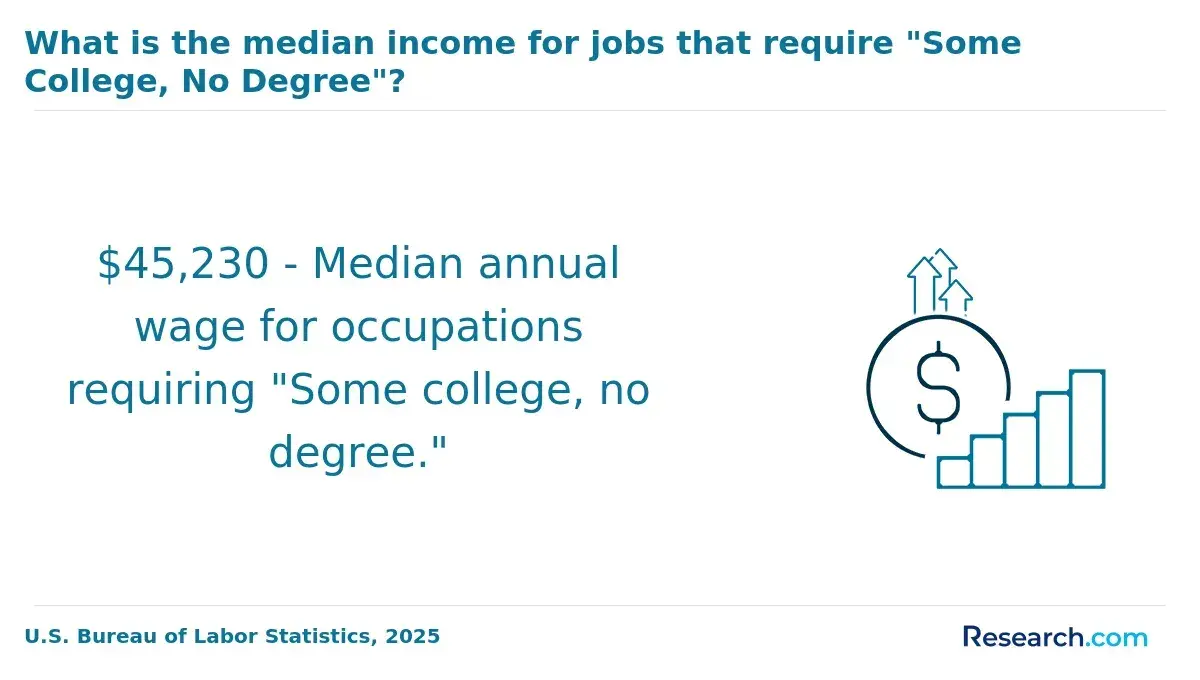
Not necessarily. A program may omit letters because transcripts, quantitative prerequisites, work experience, and standardized processes provide enough evidence for its admissions model. Selectivity depends on the institution, degree level, applicant pool, available seats, and whether the program uses minimum requirements or holistic review.
No-recommendation admissions can be more accessible for working adults, military-affiliated learners, transfer students, and applicants whose former instructors or supervisors are difficult to contact. That convenience does not lower the academic demands of finance coursework, which often includes accounting, corporate finance, investments, statistics, economics, and spreadsheet-based analysis.
A common mistake is treating "no letters required" as "guaranteed admission." Avoid this by reading the full policy for your intended term and documenting any GPA, prerequisite, or transcript conditions in writing. Applicants with weaker academic records should ask whether the school offers conditional admission, preparatory coursework, or academic advising rather than applying based on an assumption.
Admission simplicity should not be the main selection criterion. Compare the program's curriculum and career alignment with alternatives, including high paying degrees, before committing to a field of study.
What Do Online Finance Programs Evaluate Instead of Letters of Recommendation?
Recommendation letters normally provide outside evidence of academic ability, professional judgment, and communication skills. When letters are not required, schools typically rely more heavily on materials that are easier to standardize and verify, especially official transcripts and evidence of quantitative readiness.
This table shows what common application materials can tell an admissions team. It can also help applicants decide where to spend time strengthening an application.
| Application material | What it can demonstrate | How to strengthen it |
| Official transcript | Academic performance and completion of prerequisites | Submit records early and explain relevant improvement if the application permits |
| GPA | Consistency in prior coursework | Verify how the school calculates GPA, especially for transfer work |
| Personal statement | Career direction, preparation, and program fit | Connect prior experience to specific finance skills and realistic goals |
| Résumé | Professional experience, leadership, and technical exposure | Include measurable responsibilities involving budgets, reporting, analysis, or client service |
| Prerequisite grades | Readiness for quantitative finance courses | Complete missing math, economics, or accounting courses before applying when practical |
| Test score, if submitted or required | Additional academic evidence | Use it strategically only when it supports the application and the school accepts it |
Applicants should be candid but focused in optional statements. Explain employment gaps, low grades, or a change in direction only when context helps the reviewer understand current readiness. Unsupported claims or generic career goals are less useful than concrete evidence of preparation.
How Can You Tell if an Online Finance Degree With No Recommendation Requirement Is Accredited and Legitimate?
A streamlined application does not determine whether a degree is legitimate. Accreditation, transparent institutional information, qualified faculty, recognizable course requirements, and clear student-support policies are more meaningful signals. For most students, institutional accreditation is the essential baseline because it affects federal aid eligibility, transferability, and employer confidence.
Programmatic business accreditation can be an added quality signal, particularly for business-school programs, but it is not required for every credible finance degree. Employers generally evaluate the awarding institution, the candidate's skills, internships or experience, and the role requirements rather than whether an application requested references.
Use these steps to verify a program before enrolling.
- Confirm the institution's accreditation through the U.S. Department of Education or the Council for Higher Education Accreditation database.
- Check that the accreditor's name appears consistently on the school's official site, catalog, and federal database record.
- Read the curriculum for finance fundamentals, including financial management, investments, accounting, economics, and quantitative analysis.
- Review faculty credentials, course modality, proctoring expectations, student services, and complaint-resolution information.
- Request the complete tuition schedule, refund policy, transfer-credit policy, and graduation requirements in writing.
- Be cautious if a school promises unusually rapid degrees, guaranteed employment, automatic admission, or vague accreditation claims.
For finance careers that involve regulated activities, a degree alone may not qualify a graduate for every position. Securities licenses are generally sponsored by an employer, and credentials such as the CFA or CFP have separate education, examination, experience, and ethics requirements. Confirm requirements with the relevant employer or credentialing organization.
How Much Do Online Finance Degree Programs With No Letters of Recommendation Cost?
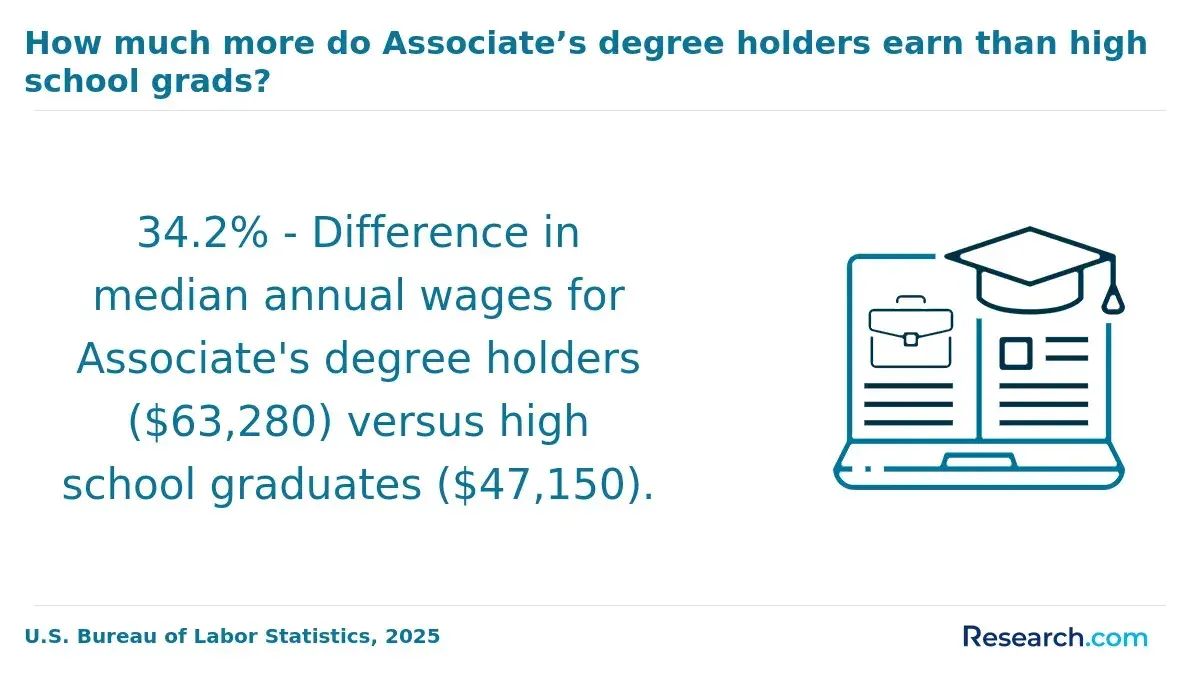
Recommendation-letter policies do not predict tuition. Online finance pricing depends on degree level, public or private status, residency rules, number of transferred credits, technology charges, course materials, and whether the school charges a flat online rate. Compare the total cost to finish, not just the advertised per-credit figure.
For context, College Board reported average published tuition and fees of $11,610 for in-state students at public four-year colleges in the 2024-25 academic year. That figure is not an online-finance price quote and excludes many living and education costs, but it provides a benchmark for evaluating whether a program's annual tuition is unusually high or low.
The table identifies the cost inputs applicants should request from each school. They matter because two programs with similar tuition per credit can have very different final bills.
| Cost factor | Why it changes total cost | What to verify |
| Tuition per credit | Determines the base price of required coursework | Rate for online students and whether it changes by residency |
| Credits required after transfer | More remaining credits generally mean higher tuition | Written transfer evaluation and residency-credit requirement |
| Mandatory fees | Technology, graduation, assessment, and course fees may add costs | Itemized charges by term and by course |
| Books and digital tools | Finance courses may use access codes, spreadsheets, or simulation platforms | Estimated materials budget and included software |
| Enrollment pace | Part-time attendance can extend fee exposure and delay completion | Term structure, minimum enrollment, and pricing by term |
Applicants considering a graduate business option should compare published totals with online MBA under 30000 options rather than assuming an accelerated format will automatically cost less.
Can You Get Financial Aid for an Online Finance Degree With Streamlined Admissions?
Yes. If an eligible institution participates in federal student-aid programs, online students may qualify for federal grants, loans, and work-study under the same general eligibility framework as campus students. Admission requirements and financial-aid eligibility are separate processes: not needing recommendation letters does not reduce or guarantee aid.
Complete the Free Application for Federal Student Aid as early as practical and ask the school's financial-aid office how online enrollment affects aid disbursement, satisfactory academic progress, and course-load calculations. Federal aid generally requires enrollment in an eligible program at an eligible institution and continued academic progress.
Before accepting an aid offer, compare the following components rather than focusing only on the total award.
- Gift aid, such as grants and scholarships, which generally does not require repayment if eligibility rules are met
- Federal direct loans, including annual and aggregate borrowing limits that vary by student status and dependency status
- Institutional scholarships, including separate deadlines or enrollment requirements for online learners
- Employer tuition assistance, which may require continued employment or grade thresholds
- Private loans, which can have different credit, interest-rate, repayment, and co-signer terms
Borrow only after estimating the amount needed to complete the credential. Students should also ask whether a scholarship applies to every term, whether tuition is locked, and whether dropped or repeated courses affect aid or billing.
How Long Does an Online Finance Degree With No Letters of Recommendation Take to Complete?
Program length is determined by required credits, transfer credit, prerequisite completion, and enrollment pace - not by whether recommendations are required. A traditional bachelor's degree commonly requires about 120 credits, while a master's degree often requires roughly 30 to 36 credits, though exact requirements vary by institution.
Students entering with no college credit may need about four years of full-time study for a bachelor's degree. Transfer students and degree-completion students may finish sooner if many credits apply. Part-time online students often take longer but may find the schedule more manageable alongside work or caregiving.
Accelerated terms can shorten the calendar between courses, but they increase weekly workload. Before choosing an accelerated option, calculate whether you can consistently complete readings, problem sets, group work, exams, and proctored assessments without sacrificing grades or employment obligations.
Ask each program whether finance courses are offered every term, whether courses must be taken in sequence, and whether internships or capstones have fixed dates. These details can create delays even in programs advertised as fully online or flexible.
Can You Transfer Credits Into an Online Finance Degree Program With No Recommendation Letters?
Many online finance programs accept transfer credit, but acceptance is separate from admission and is never automatic. Schools typically evaluate course content, grades, accreditation of the prior institution, age of coursework, and the number of credits that must be completed at the new school.
Transfer credit can improve affordability and completion time, especially for students bringing general education, accounting, economics, or business courses. However, major requirements such as upper-level finance, capstone courses, or residency credits may need to be completed through the awarding institution.
Take these steps before relying on a transfer estimate.
- Send official transcripts for a formal evaluation rather than relying only on an admissions estimate.
- Request a written list of accepted credits, remaining requirements, and the program's residency-credit rule.
- Compare transferred courses against the finance major map, not just the total number of credits accepted.
- Ask whether courses with low grades, older credits, or pass/fail grades will count toward prerequisites or graduation.
- Save syllabi and course descriptions in case the evaluator requests additional evidence.
A frequent mistake is enrolling before receiving a transfer decision. Waiting for a documented evaluation can prevent duplicate coursework and make financial planning more accurate.
How Should You Compare Online Finance Degree Programs That Do Not Require Letters of Recommendation?
Start with career fit, then use admissions convenience as a secondary filter. A finance degree may suit students interested in budgeting, corporate finance, investments, credit analysis, financial planning support, banking, risk, or business analytics. Students who strongly dislike quantitative coursework or want a career requiring a different professional license should examine alternatives before enrolling.
A practical comparison should measure academic quality, affordability, flexibility, and outcomes together. The following questions help applicants identify meaningful differences between programs with similarly streamlined applications.
- Does the institution hold recognized institutional accreditation, and is the exact online degree listed in the current catalog?
- Are recommendation letters truly not required for every applicant to this specific program and term?
- What GPA, math, accounting, economics, or work-experience requirements apply?
- How many credits will transfer, and what is the total estimated cost after transfer and mandatory fees?
- Does the curriculum include the finance topics needed for the intended career, such as investments, valuation, financial modeling, risk, or corporate finance?
- What online supports are available, including tutoring, career services, library access, technical support, and internship assistance?
- What are the course schedule, attendance expectations, exam-proctoring rules, and time zone requirements?
- What employment or graduate-school outcomes does the institution publish, and how are those outcomes measured?
Create a short list of three to five accredited programs and request the same information from each: a degree plan, transfer evaluation, all-in cost estimate, admissions checklist, and next available start date. Favor the school that clearly documents its policies and offers the curriculum and support needed for your goal, not merely the one with the fewest application documents.
Students comparing flexible online formats across fields may find the cost-comparison approach used for the cheapest online degree in psychology useful when reviewing tuition, fees, transfer rules, and completion requirements.
Other Things You Should Know About Finance
Only submit optional letters if the application explicitly allows them. Unrequested documents may not be reviewed. If letters are not accepted, use the personal statement and résumé to provide relevant context about your preparation and goals.
Some may, particularly at the graduate level, but many do not. An interview may be used to discuss professional goals, quantitative preparation, communication skills, or program fit. Check the requirements for the exact degree and enrollment term.
Useful foundations include algebra, basic statistics, spreadsheet skills, financial literacy, written communication, and comfort interpreting data. Introductory accounting and economics can also make early finance courses more manageable.
Usually not. Employers generally see the degree, institution, work history, skills, certifications, and interview performance - not the documents used in your college application. Focus on gaining relevant projects, internships, and practical analytical experience while enrolled.
References
- Best Finance Degrees Online | Accounting.com https://www.accounting.com/degrees/finance/bachelors/best-online-programs/
- Online Degrees With No Application Fee - Start Faster, Spend Less https://www.collegetransitions.com/blog/online-degrees-no-application-fee/
- 8 Best Majors for Undecided Students https://www.dean.edu/news-events/dean-college-blog/story/8-best-majors-for-undecided-students/
- Financial Aid Guide for Students at Online Colleges - OnlineColleges.net https://www.onlinecolleges.net/for-students/financial-aid-online-students/
- Guide to Financial Aid for Online Students https://www.onlineu.com/resources/financial-planning/financial-aid
- What Degree Should I Get to Work in Finance? https://www.pointloma.edu/resources/undergraduate-studies/what-degree-should-i-get-work-finance
- Best Majors for Undecided Students https://collegewise.com/blog/best-majors-for-undecided-students