2027 Online Data Science Master's Options for Professionals in Dayton, Ohio

Co-Founder and Chief Data Scientist
For a Dayton professional, the best online data science master's program may be based in Ohio - or anywhere else that enrolls Ohio residents. The decision turns less on distance than on technical fit, scheduling, total cost, and whether the degree supports your next role. This guide compares concrete program options and shows what to verify before committing, especially if you plan to keep working while you study.
Key Things You Should Know
- Dayton residents can consider national online programs alongside Ohio-based options; confirm Ohio enrollment eligibility and any required campus visits before applying.
- The University of Texas at Austin and the University of Colorado Boulder offer online data science master's options; Georgia Tech's online analytics master's is a related alternative with a different degree title.
- The U.S. Bureau of Labor Statistics projects 35% growth in data scientist employment from 2025 to 2035, but that national projection is not a forecast of Dayton openings or an individual graduate's prospects.
What is an online data science master's degree, and who is it designed for?
An online data science master's degree combines statistical reasoning, programming, and work with real datasets at graduate level. It is most useful for professionals who want to build, evaluate, or apply data-driven models - not simply learn a new software tool. Online delivery can let Dayton residents study without relocating, although live classes, team projects, exams, or occasional campus requirements may still affect their schedules.
Degree titles matter less than the work you want to do. A professional aiming to design predictive models should inspect statistics and machine-learning depth; someone focused on dashboards, reporting, and organizational decisions may also want to consider data analytics master's degree selection. Neither title, by itself, establishes what graduates can do.
Which online data science master's programs serve professionals in Dayton, Ohio?
Start with programs that offer an online path, then confirm that they currently accept students residing in Ohio. The examples below are a practical shortlist, not a ranking. Program pages and catalogs should settle current questions about delivery, residency eligibility, curriculum, and admissions.
| Program to investigate | Why a Dayton professional might consider it | Distinction to verify |
| University of Texas at Austin, online Master of Science in Data Science | A data science degree offered through a national online program. | Current course availability, assessment format, and total charges. |
| University of Colorado Boulder, online Master of Science in Data Science | An online data science option for someone comparing flexible routes into graduate study. | Current admission pathway, pacing rules, and course-level charges. |
| Georgia Institute of Technology, Online Master of Science in Analytics | A related option for professionals whose goals span statistics, computing, and applied analytics. | Whether an analytics degree, rather than a data science degree, fits the intended role. |
Geographic proximity is valuable only if it provides something you will use: accessible faculty, employer connections, campus facilities, or local classmates. A nearby university should not outrank a better-fitting national program merely because its campus is close. Conversely, Dayton-area professionals who want frequent in-person contact can compare online options with nearby campus programs before deciding that fully remote study is essential.
If finishing quickly is a priority, use a guide to shorter online data science master's degrees to identify possibilities, then check whether the advertised pace remains realistic alongside full-time work.
How can you verify accreditation for an online data science master's program?
Verify the institution's accreditation rather than assuming that an online program has a separate accreditation status. For each school on your shortlist, check its current institutional accreditation in the U.S. Department of Education's accreditation database or the accreditor's directory, and confirm that the degree appears in the university's current academic catalog.
Accreditation and permission to enroll Ohio residents answer different questions. Ask the university whether its online program currently enrolls students living in Ohio and whether any courses, placements, or required activities create additional restrictions. Do not treat a listing on a comparison site - or a school's physical proximity to Dayton - as proof of either point.
What do online data science master's programs teach?
Core study commonly spans probability and statistics, programming, data management, machine learning, and the interpretation of results. The useful comparison is depth: a program that mentions machine learning in one survey course is different from one with advanced electives and substantial model-building projects.
For Dayton professionals, the strongest curriculum match depends on the target work. Manufacturing or operations projects may call for forecasting and optimization; health-related work may make privacy and careful evaluation especially important. If responsible AI is central to your goal, examine actual courses and projects rather than assuming every data science curriculum covers governance in depth. Program comparisons for AI ethics master's tracks offer a separate route to investigate.
Before applying, read required-course descriptions and recent elective schedules. A compelling elective is less useful if it is rarely offered online or cannot fit your intended sequence.
What are the admission requirements for an online data science master's degree?
Requirements differ by program. Applicants should expect to document a bachelor's degree and review each school's stated expectations for mathematics, statistics, and programming; transcripts, recommendations, essays, or tests may also be required depending on the institution. Professional experience can strengthen an application, but it should not be assumed to replace a formal prerequisite.
If your work experience is stronger than your academic preparation, compare the published prerequisite language with courses on your transcript. Ask admissions staff whether a missing subject must be completed for credit before enrollment or can be addressed through another approved pathway. That distinction matters more than a broad claim that a program welcomes career changers.
How long do online data science master's programs take, and what do they cost?
Completion time depends on required courses, course availability, and how many you take while working. Published minimum timelines may assume a heavier load than a full-time Dayton professional can sustain. Request a sample part-time sequence that accounts for prerequisites, electives, and any culminating project.
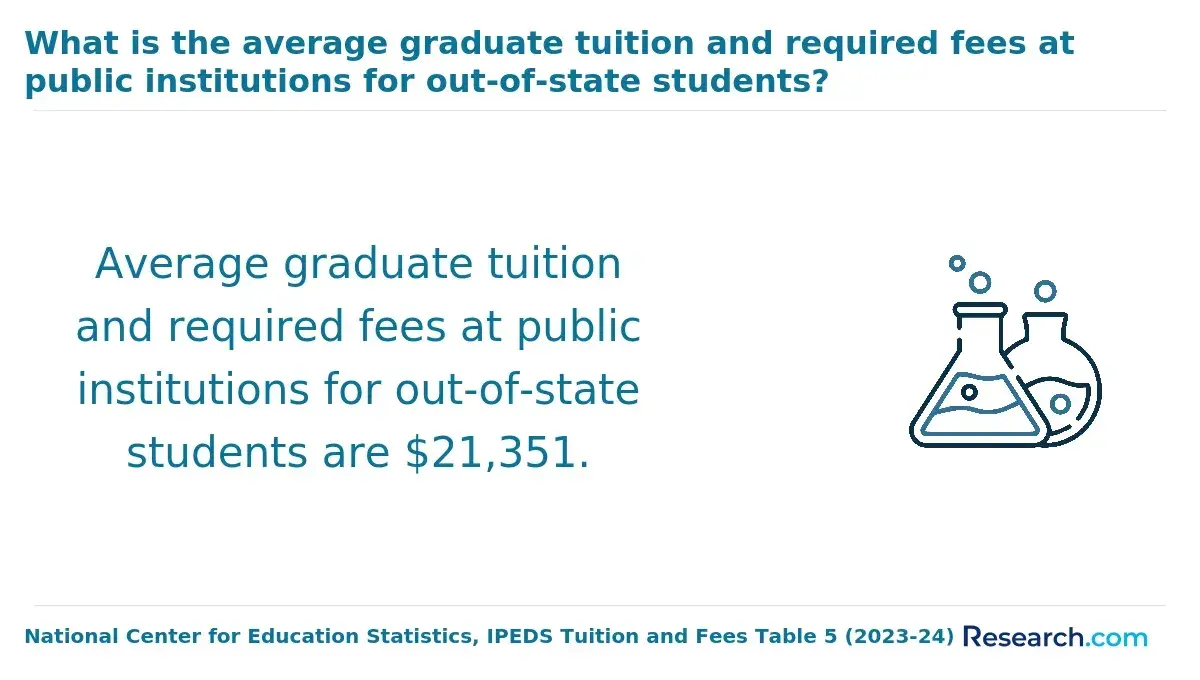
For cost comparisons, obtain a current written estimate from each school rather than relying on an older advertised tuition figure. The items below belong in a like-for-like calculation.
- Tuition for every required credit or course, using the rate applicable to an Ohio resident.
- Mandatory university, online-learning, and graduation fees, plus any required materials.
- Possible travel, technology, financing, and additional-term costs if your pace changes.
- Employer tuition assistance, including annual limits, grade rules, and repayment obligations if you leave the job.
Sticker tuition is not total cost, and a lower-priced program is not automatically a better value if its schedule delays completion or its curriculum misses your goal. The same accounting approach applies when comparing machine learning master's tuition plus mandatory fees with data science options.
How do online and campus-based data science master's programs compare?
Online study removes a routine commute, not necessarily fixed meeting times or collaborative work. Campus study can make informal contact and local events easier, but it may be harder to fit around a full-time job. For a Dayton resident, the important comparison is the schedule and access each specific program offers - not a general assumption that one format is more rigorous.
Choose online study if the available courses fit your work hours and the program provides the faculty access and project support you need. A campus-based option is more suitable when hands-on facilities or regular face-to-face networking would materially improve your experience. Ask online programs how students meet peers and alumni; artificial intelligence graduate degrees and alumni engagement provides another lens for evaluating that less-visible part of remote study.
What careers can you pursue with a data science master's degree?
Potential directions include data scientist, machine-learning specialist, analytics practitioner, and data-focused roles within an existing industry. The right target depends on prior experience: a professional who already understands production systems, finance, or healthcare may be able to pair that knowledge with new analytical skills rather than start over in an unrelated entry-level role.
Work backward from actual postings for the roles you want in Dayton or for remote U.S. employers. Compare their required tools and responsibilities with a program's required courses and project opportunities. A common mistake is choosing an impressive-sounding degree without checking whether it develops evidence of the work the intended employer hires people to perform.
What salary and job outlook can data science professionals expect in Ohio?
The Bureau of Labor Statistics reports a U.S. median annual wage of $120,230 for data scientists in May 2025. That is a national occupational midpoint, not an Ohio salary estimate, an entry-level offer, or a predicted post-degree raise.
The national employment projection is strong, but it should not be read as a Dayton hiring forecast. For a local decision, inspect current Ohio and Dayton-area job postings and the latest available BLS state or metropolitan wage estimates for the occupation; compare those figures with your present compensation and the specific roles you could plausibly pursue. Remote jobs may widen the market, but their pay and location rules vary by employer.
Which certifications and skills complement a data science master's degree?
Prioritize demonstrable skills: writing reliable code, explaining statistical choices, managing data, evaluating models, and communicating results to decision-makers. Cloud-platform or tool-specific certifications can help when target job postings repeatedly request them, but they are not substitutes for the underlying methods or a well-explained project.
A useful portfolio project states the problem, documents the data and limitations, compares an appropriate baseline with the chosen method, and explains what a stakeholder could do with the result. For working professionals, a carefully anonymized project grounded in familiar industry problems can demonstrate both technical ability and domain judgment.
Other Things You Should Know About Data Science
Possibly, but obtain permission first. Confirm the school's project rules and your employer's confidentiality, security, and intellectual-property policies before uploading or sharing any workplace data. A public or approved synthetic dataset may be safer.
No degree grants a security clearance. A master's may help you meet a role's education requirements, but the employer and applicable government process determine whether a position requires a clearance and whether you can obtain one.
Tell the university before moving. Its ability to continue enrolling you may depend on your new state of residence, particularly if the program includes a placement or other location-dependent activity.
Do not assume either way. Ask the university how the degree title appears on the diploma and transcript, especially if the exact credential wording matters to an employer or tuition-benefit policy.
References
- Post-Secondary Employment Outcomes Tool Shows What You Might Earn Depending on the College You Attend | Census.gov https://www.census.gov/library/stories/2022/06/job-and-earnings-prospects-by-college-and-degree.html
- Accreditation in the U.S. | ed.gov http://www.ed.gov/laws-and-policy/higher-education-laws-and-policy/college-accreditation/accreditation-in-the-us
- How to Become a Data Scientist | Harvard SEAS https://seas.harvard.edu/news/how-become-data-scientist
- Online Master's Degrees at Cleveland State University https://online.csuohio.edu/online-programs-and-courses/online-graduate-programs
- Graduate Application Checklists | Computer Science https://www.cs.stanford.edu/admissions/graduate-application-checklists
- Tuition and Costs | Ohio University https://www.ohio.edu/admissions/tuition
- Tuition and Cost of Attendance | Admission and Aid | Miami University https://miamioh.edu/admission-aid/costs-financial-aid/cost-of-attendance.html
- Data Science and AI Courses | du.edu https://ritchieschool.du.edu/data-science/courses
- Data Science vs. Computer Science: What's the Difference? | UCLA MSOL Data Science https://www.msol.ucla.edu/data-science-engineering/articles/data-science-vs-computer-science/
- Curriculum - MU Institute for Data Science and Informatics https://muidsi.missouri.edu/academic-programs/m-s-data-science-and-analytics-program/masters/curriculum/