2026 Marine Science Practicum Requirements Explained

Co-Founder and Chief Data Scientist
Students pursuing a Marine Science degree often encounter complex practicum challenges that can impact their progression. Securing placements that meet specified hour requirements, supervision standards, and settings approved by academic programs or licensing boards requires early and strategic planning. Additional mandates like background checks, minimum GPA thresholds, and adherence to state or program-specific policies can further complicate completion timelines.
Recent data indicates that over 65% of U. S. STEM students delay graduation due to difficulties completing experiential learning components on schedule. Understanding these practicum requirements upfront helps students avoid setbacks, meet certification criteria, and build career readiness.
This article clarifies Marine Science practicum expectations and offers practical guidance to help students navigate these essential training obligations efficiently.
Key Things To Know About Marine Science Practicum Requirements
- Practicum requirements provide hands-on field experience that strengthens technical skills essential for marine science careers and facilitates real-world application of theoretical knowledge.
- Internships and supervised hours build professional networks-connecting students with industry experts, potential employers, and research opportunities that enhance career prospects.
- Clinical placements and practicum training foster critical problem-solving abilities and adaptability, preparing students to meet diverse challenges in environmental monitoring and marine resource management.
What Is A Practicum In Marine Science Program?
A practicum in marine science programs serves as a vital bridge between classroom theory and practical fieldwork, offering students a structured, supervised learning experience. These practicums are typically embedded in U.S. higher education curricula to enrich academic programs by providing applied learning opportunities. Over 80% of employers in environmental and marine sectors place high value on such experiential training when hiring new graduates.
Key aspects of a practicum in marine science programs include:
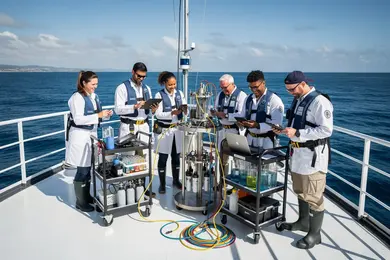
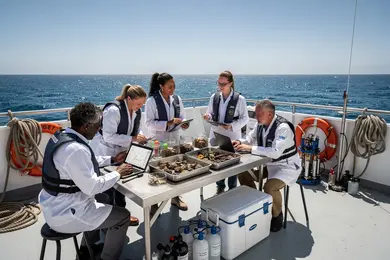
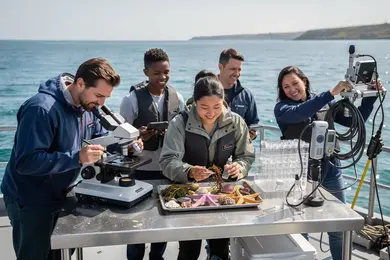
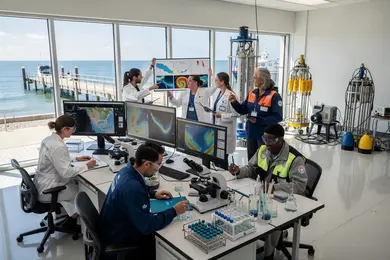
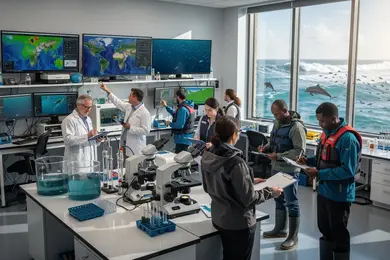
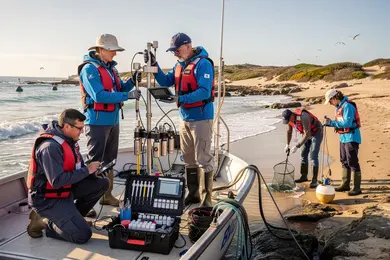
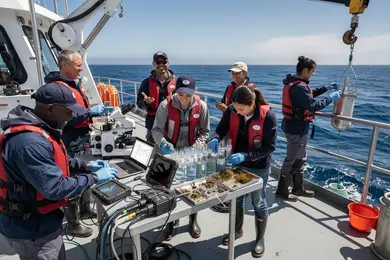
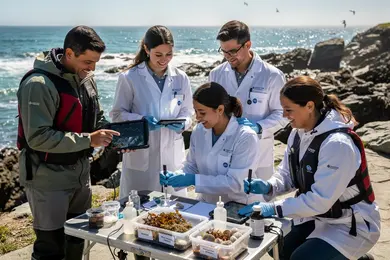
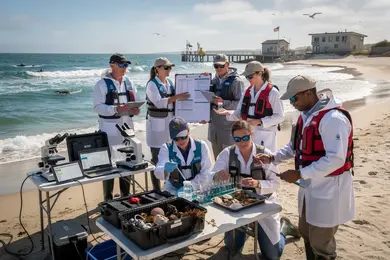
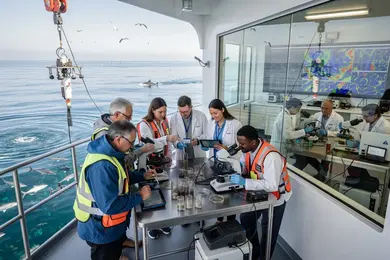
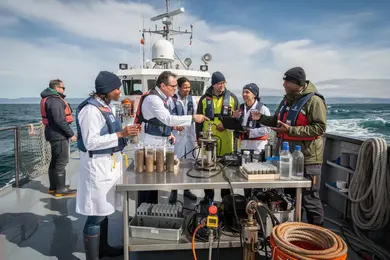
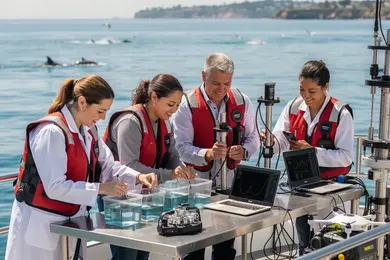
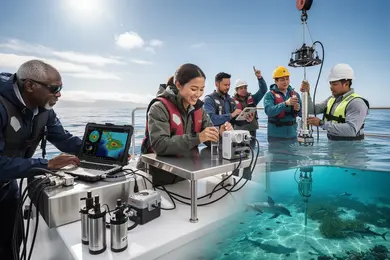
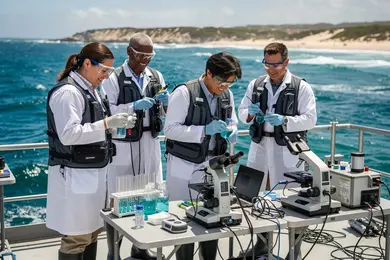
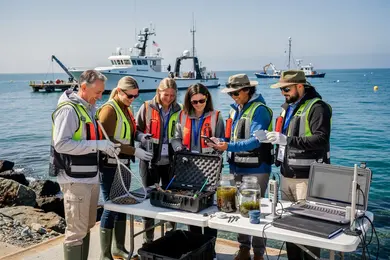
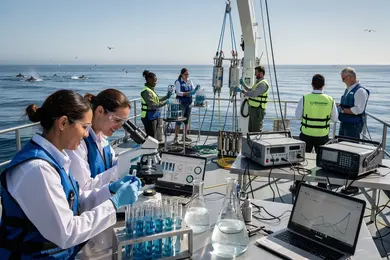
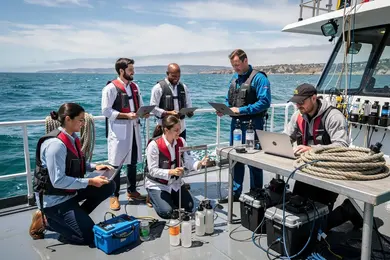
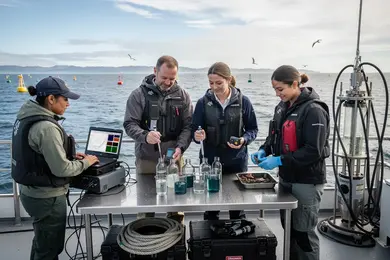
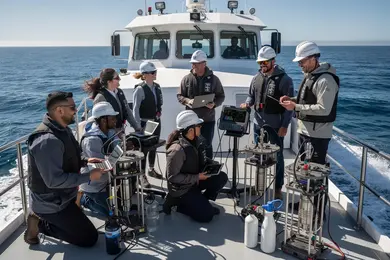
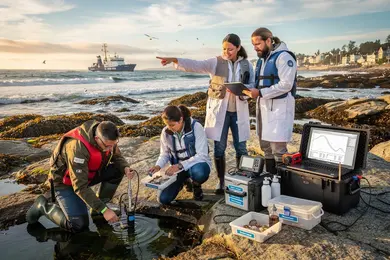
- Fieldwork Engagement: Unlike internships or capstone projects, practicums emphasize hands-on involvement in marine settings such as coastal sites, research vessels, or laboratories. This direct exposure allows students to collect real data and develop essential skills for marine science careers.
- Timeline and Eligibility: Practicums usually occur after completing core coursework, ensuring students possess foundational knowledge before engaging in complex field experiences. Completion of prerequisites related to marine science concepts and research techniques is commonly required.
- Supervision and Evaluation: Students receive guidance from qualified faculty or professional mentors who oversee progress, provide structured feedback, and assess performance against established academic standards. This mentorship helps integrate theoretical learning with professional competencies.
- Required Hours: Programs mandate a specific number of supervised practicum hours-typically between 100 and 200-to guarantee sufficient skill development and meaningful participation in environmental projects.
- Certification and Academic Credit: Successfully finishing a practicum often fulfills part of graduation requirements or certification pathways, aligning with accreditation standards to prepare students for workforce readiness.
For students seeking pathways similar in applied learning but outside of marine science, options such as online RN to BSN programs without clinical requirements may provide a comparable focus on structured experience without direct fieldwork.
Understanding the practicum requirements for marine science students offers insight into how academic programs integrate real-world applications, build job-relevant competencies, and expand professional readiness in this specialized field of study.
What Are The Eligibility Requirements For Marine Science Practicum?
Practicum eligibility standards in marine science programs ensure students are academically and professionally prepared to engage safely and effectively in supervised fieldwork. These requirements reflect industry and academic efforts to produce work-ready graduates-recent data indicate that over 70% of STEM employers prioritize demonstrable competencies before hiring. Such criteria help balance rigorous learning with field safety and program quality, supporting student success.
Common requirements for marine science practicum placement include the following:
- Minimum GPA: A cumulative GPA of around 2.5 or higher is typically required to confirm students have the critical thinking and academic foundation necessary for complex fieldwork and data analysis.
- Prerequisite Coursework: Completion of essential marine science and related foundational courses ensures students possess the theoretical knowledge needed before applying skills in real-world environments.
- Faculty Approval: Endorsements from academic advisors or practicum coordinators verify student readiness, align placements with educational goals, and uphold program standards.
- Health and Safety Compliance: Due to the unique risks of marine settings, students must often complete immunizations, drug screenings, background checks, and sign liability waivers to protect both themselves and host institutions.
- Demonstrated Competencies: Practical evaluations or orientation sessions may be required to assess skills and situational judgment, ensuring students can meet the demands of experiential learning.
Meeting these eligibility requirements not only prepares students academically but also strategically enhances their employability by building essential job-relevant competencies. For those interested in broader educational options beyond marine science, some students consider institutions such as a nursing school with no entrance exam for alternative pathways in health-related fields.

How Many Practicum Hours Are Required For Marine Science Program?
Practicum hour requirements in marine science programs serve to integrate academic learning with practical experience-ensuring students develop the skills needed for professional success. These requirements vary widely based on institutional policies, state regulations, and accreditation standards. Research indicates that employers in environmental sciences increasingly prioritize candidates with hands-on training, making practicum hours critical to career readiness.
The following points highlight essential aspects of practicum hour expectations in marine science education:
- Typical Hour Ranges: Programs generally mandate between 150 and 300 practicum hours. Undergraduate tracks tend to require fewer hours, while graduate or specialized pathways often involve more extensive fieldwork to foster advanced competencies.
- Training Format: Hours are divided between observation, active participation, and support tasks. Direct involvement with marine ecosystems, including species identification and equipment operation, usually constitutes a significant portion of practicum time, supplementing passive learning phases.
- Phased Experience: Some curricula structure practicums into multiple phases or rotations, allowing exposure to diverse marine disciplines such as biology, oceanography, and conservation science. This approach broadens practical expertise across various environments and research contexts.
- Supervision and Documentation: Practicum hours must be verified through logs signed by supervisors and periodic evaluations. These records confirm compliance with learning objectives and uphold the quality standards set by accrediting organizations.
- Scheduling Commitments: Many programs require weekly commitments-commonly 10 to 15 hours-over a semester or summer session. This pacing enables students to balance practicum responsibilities with academic coursework effectively.
A professional who completed a marine science degree practicum shared that the process was both demanding and rewarding. "Keeping detailed daily logs and adapting to different work environments was challenging," he recalled, "but rotating through various marine research settings gave me invaluable hands-on experience." He noted the "steady weekly hours" requirement helped him manage his time, while supervisor feedback was crucial for skill development. Reflecting on the total hours, he considered the practicum integral to building confidence and practical readiness for his marine science career.
What Courses Must Be Completed Before Starting Practicum?
Prerequisite coursework lays the essential groundwork for students before engaging in a marine science practicum-ensuring they have the knowledge and skills necessary for hands-on, supervised experiences. Studies show that over 85% of programs mandate foundational courses to boost student preparedness and enhance learning in real-world settings. Curriculum sequencing plays a key role in confirming eligibility for practicum, reflecting academic progression requirements commonly seen in allied health, education, and counseling disciplines.
Core areas of required coursework generally include:
- Fundamental Theory: Students explore marine biology, oceanography, and ecology to develop comprehensive scientific understanding critical for interpreting marine environments during practicum activities.
- Ethical Standards: Coursework in professional ethics instills awareness of environmental stewardship, regulatory compliance, and respectful engagement with marine ecosystems and human communities.
- Research Techniques: Training in data collection, analysis, and reporting equips students to contribute meaningfully to scientific investigations and evaluation processes in fieldwork.
- Communication Skills: Courses focused on scientific writing and oral presentation prepare students to effectively share results and collaborate within multidisciplinary teams, enhancing practicum outcomes.
- Technical and Safety Competencies: Practical instruction covers field methods and safety protocols necessary for working in diverse marine settings-promoting responsible sample handling and risk management.
Prerequisite requirements vary by program focus and discipline but always emphasize building competencies essential to successful practicum completion. For those exploring cross-disciplinary paths, such as nursing or psychology, relevant coursework precedes practical training to align with professional standards. Students interested in accelerating their studies can discover a curated list of 6-month LPN programs that illustrate how structured prerequisite completion supports timely practicum placement and career advancement.
How Does The Marine Science Practicum Placement Process Work?
Practicum placements in marine science programs connect academic learning with real-world, supervised field experience to prepare students for professional roles. Institutions coordinate these placements with external organizations to ensure structured, quality experiential opportunities. Studies show that over 70% of environmental science employers prefer candidates with verified practical training.
The core steps of the practicum placement process include:
- Eligibility Verification: Students must satisfy academic and administrative criteria, such as completing required courses and maintaining a minimum GPA. Program coordinators review transcripts and other records to confirm readiness before approving placement.
- Application and Matching: Applicants submit materials like resumes and statements of interest through designated platforms. Some programs use matching tools or interviews to align student skills with host organization needs.
- Host Coordination: Placement offices build and sustain partnerships with marine agencies and research centers, setting clear roles, expectations, and compliance standards to safeguard safety and ethics in practical training.
- Interview and Screening: Host organizations often conduct interviews and background checks to assess candidate suitability and verify relevant certifications or safety training.
- Supervision and Oversight: Both academic advisors and site supervisors monitor student progress, ensuring adherence to program guidelines while facilitating hands-on skill development.
- Onboarding and Confirmation: Upon matching, students complete onboarding tasks-such as submitting liability waivers and health records-before formal placement approval allows practicum commencement.
A professional who completed a marine science degree reflected on her practicum experience, emphasizing that navigating the initial application and screening process was both challenging and enlightening. She recalled that regular communication with her academic advisor and host organization was invaluable, especially when meeting documentation deadlines and adjusting to fieldwork expectations. This structured support helped her build confidence and competence, ultimately solidifying her career foundation after graduation.
What Documents And Paperwork Are Required Before Practicum?
Pre-placement paperwork in marine science practicum programs is essential to confirm student eligibility, ensure safety, and meet institutional and legal criteria. Research indicates more than 85% of hands-on learning programs require detailed documentation before students enter field placements, promoting both student preparedness and site security. These protocols also align with academic and professional standards that govern experiential education.
Before starting a practicum, students typically must complete several key documents, including:
- Application Forms: Students submit comprehensive applications detailing their academic history, relevant skills, and learning objectives. These forms help program coordinators evaluate readiness and appropriately match students with practicum sites. Timely submission-often weeks in advance-is critical to avoid delays.
- Institutional Approval: This paperwork involves signatures from academic advisors or department officials confirming the practicum aligns with curricular requirements and academic progress milestones. Such authorization ensures the practicum complements degree requisites and maintains educational integrity.
- Medical and Immunization Records: Students must provide recent health evaluations and vaccination documentation to comply with safety protocols in outdoor or marine environments. These help prevent health risks and fulfill both public health standards and site-specific mandates.
- Liability Waivers and Consent Agreements: Because marine science practica include physical fieldwork, these documents clarify legal responsibilities and confirm that students understand and accept associated risks. Missing or incomplete waivers can cause placement cancellations.
- Background Checks and Confidentiality Agreements: Some practicum locations require criminal history screening and confidentiality pledges to protect sensitive data and adhere to regulatory guidelines. Turnaround times for background checks vary, so early initiation is advised.
- Insurance Proof and Site-Specific Paperwork: Verification of personal or institutional insurance coverage is often mandatory, plus host agencies may request additional onboarding forms unique to their operational protocols. Students should carefully review all instructions to ensure compliance before starting fieldwork.
What Background Checks, Immunizations, Or Clearances Are Needed?
Pre-practicum compliance requirements in marine science programs are critical for safeguarding student and community health, safety, and legal rights during field-based learning experiences. These clearances minimize risks and ensure adherence to regulatory and ethical standards in often complex environmental settings. Studies show that over 75% of higher education institutions have enhanced their health and safety screening protocols in response to evolving compliance expectations.
The following are common background checks, immunizations, and clearances typically required before starting a marine science practicum:
- Criminal Background Checks: These reviews are conducted to verify student eligibility and maintain site security. They often include fingerprinting and child abuse clearances, especially when placements involve minors or vulnerable populations, complying with state and federal mandates.
- Immunizations and Health Screenings: Proof of vaccinations such as tetanus, hepatitis B, and influenza is generally required, alongside tuberculosis (TB) testing in many cases. These measures protect students and the marine environments they study from communicable diseases.
- CPR and First Aid Certification: Current certification in cardiopulmonary resuscitation and first aid is frequently mandated to ensure safe response capabilities during marine field activities, with renewals typically required every two years.
- Drug Testing: Certain field sites enforce drug screenings to comply with workplace safety regulations, especially in settings involving hazardous conditions or sensitive research equipment.
- Institutional and Site-Specific Clearances: Additional approvals may include liability waivers, environmental safety trainings, or occupational health clearances that vary by institution or practicum location to meet regulatory standards.
What Should Students Expect During Marine Science Practicum Placement?
Practicum placements in marine science programs form a vital connection between academic learning and supervised real-world experience, allowing students to apply classroom theories directly through hands-on work. Experiential learning has gained importance in higher education and workforce preparation-research indicates more than 70% of employers in environmental and marine sectors prefer candidates with applied practicum experience. These placements build essential competencies to prepare students for professional roles in marine science.
Students pursuing a marine science practicum daily responsibilities should expect several key experiences that foster expertise and career readiness, including:
- Day-to-Day Responsibilities: Participation typically involves data collection, sample analysis, equipment upkeep, and field observations. Tasks align with actual research or conservation projects, requiring adaptability and precision in variable aquatic conditions.
- Supervision and Mentorship: Students work closely with experienced marine scientists or educators who provide continuous feedback and encourage skill refinement. This mentorship ensures adherence to industry standards and scientific methodologies.
- Professional Conduct: Emphasis is placed on following safety protocols, maintaining ethical research practices, and demonstrating effective teamwork. Clear communication with colleagues and stakeholders is prioritized within organizational policies.
- Performance Evaluation: Evaluations combine supervisor assessments and student self-reflection, focusing on technical ability, problem-solving, reliability, and collaboration. These evaluations support both academic credit and professional development.
- Skill Development: Practicums offer growth in laboratory techniques, field methods, data interpretation, and use of specialized instruments or software, enhancing confidence beyond classroom settings.
- Communication Practices: Students must convey scientific findings clearly and effectively, adapting messaging for different audiences to foster professional relationships.
- Common Challenges: Learners often face unpredictable weather, complex tools, and steep protocol learning curves. Persistence and proactive mentor engagement are critical to overcoming these hurdles and maximizing practicum benefits.
For those exploring advanced healthcare education options, it may be useful to review the best DNP programs, which also emphasize the value of practicum experiences in professional training.
How Are Practicum Students Supervised And Evaluated?
Supervision and evaluation within practicum experiences are vital to ensuring student development, academic accountability, and workforce readiness. Studies show that 78% of students engaged in structured experiential learning report enhanced preparedness for professional challenges. These oversight structures are widely adopted across U.S. educational programs to support applied learning and skill development.
Key components of supervision methods for practicum students in marine science programs include:
- Multifaceted Supervision: Supervision typically involves onsite mentors, faculty advisors, and site coordinators. Mentors offer daily technical guidance, advisors ensure alignment with academic standards, and coordinators manage logistical details, together fostering an environment conducive to learning and professional growth.
- Continuous Communication: Regular communication between students and supervisors is crucial. This includes scheduled meetings, informal check-ins, and progress discussions, all designed to provide timely feedback and resolve challenges throughout the practicum experience.
- Structured Feedback: Feedback is delivered through direct observation during fieldwork, evaluations of reflective journals, and skill assessments. This process helps students refine their practices and deepen their understanding of core marine science concepts.
- Comprehensive Assessment Tools: Evaluation employs competency checklists, performance reviews, and summative assessments that collectively measure knowledge application, technical skills, professionalism, and workplace readiness. While evaluation criteria for marine science practicum performance may vary by institution, they consistently aim to develop well-rounded professionals.
- Adaptive Evaluation Frameworks: Because program requirements and accrediting bodies differ, supervision and evaluation frameworks are tailored to meet specific disciplinary standards without compromising the overall goal of fostering student growth and accountability.
To explore educational pathways related to healthcare and science fields, prospective students might consider programs such as accelerated BSN programs for non nurses California, which emphasize practical experience and supervision methodologies similar to those found in marine science practicums.
How Does Practicum Help With Licensure Or Certification Requirements?
Practicum experiences are essential for meeting professional licensure and certification requirements in marine science-related fields-they provide supervised, hands-on training that links academic knowledge with regulatory standards. Recent research shows that over 70% of marine environmental employers prefer candidates who have completed accredited practicum placements, as these demonstrate preparedness for field challenges. These experiences not only fulfill mandated hours but also cultivate job-ready skills and professional connections.
Key practicum components tied to licensure and certification include:
- Fieldwork Hours: Practicum ensures students complete required supervised field or clinical hours, which many regulatory boards count toward mandatory practice time before certification. These documented hours confirm practical engagement with relevant marine science duties.
- Competency Evaluation: Students undergo assessments against defined benchmarks covering core skills like species identification, environmental monitoring, and data collection. This ensures they meet professional proficiency standards before independent practice.
- Supervised Oversight: Licensed or experienced supervisors monitor student performance and provide feedback aligned with accrediting bodies' criteria. This supervision guarantees that practicum quality meets industry and licensing expectations.
- Documentation & Verification: Institutions record practicum completion details-hours logged, evaluations, and supervisor reports-which serve as formal evidence required by certification agencies to approve eligibility.
- Discipline-Specific Integration: Various marine science-related fields such as environmental education, marine healthcare, and counseling incorporate practicum hours uniquely within their certification requirements, reflecting specialized competence and regulatory nuances.
What Do Students Say About Their Marine Science Practicum Experience?
- Pierce: "My practicum experience in marine science was a lot more challenging than I anticipated-especially when I ran into unexpected eligibility issues related to prior coursework. However, once those obstacles were resolved, the hands-on work and research opportunities far exceeded my expectations. The supervisors were approachable and provided constructive feedback, which really helped me grow as a student and scientist."
- Aryan: "Reflecting on my marine science practicum, it was a balancing act between excitement and frustration. While the placement aligned well with my academic goals, I felt the evaluation process was somewhat inconsistent, which made it hard to gauge my progress accurately. Still, the experience deepened my understanding of fieldwork and reinforced my passion for marine ecosystems."
- Jonathan: "Throughout my marine science practicum, I appreciated the professional approach taken by the supervisors-they maintained clear communication and regularly assessed our work with detailed evaluations. Although the eligibility requirements were straightforward, I initially underestimated the intensity of the fieldwork involved. This practicum sharpened my practical skills and confirmed my commitment to pursuing a career in marine science research."
Other Things You Should Know About Marine Science Degrees
Yes, many marine science programs allow students to earn academic credit for research projects completed during their practicum. These projects typically must align with the learning objectives of the practicum and be supervised by faculty or site mentors. Proper documentation and a final report or presentation are often required to receive credit.
Programs commonly mandate safety training that covers issues such as ocean hazards, equipment handling, and boat safety before students begin their practicum. This training ensures students are prepared to work in often unpredictable and physically demanding environments. Completion of these safety modules is usually a prerequisite to gaining field access.
Prior hands-on experience in marine settings is generally not required but strongly recommended to maximize learning outcomes. Many programs design practicums assuming foundational knowledge from coursework but accommodate beginners by providing initial orientation and training. Strong interest and willingness to engage in fieldwork often outweigh prior experience.
Practicum placements situate students directly within marine science workplaces, allowing interaction with researchers, technicians, and industry professionals. These connections can lead to mentorship, recommendations, and even job offers post-graduation. Students are encouraged to actively engage with their supervisors and colleagues to build lasting professional relationships.
References
- Marine Science, B.S. Degree Requirements (124 hours) https://catalog.usm.edu/preview_program.php
- What are background checks and security clearances? https://help.usajobs.gov/faq/job-announcement/security-clearances
- Section 4: Professional Practice - CACREP https://www.cacrep.org/section-4-professional-practice/
- Making Waves: How to Gain Valuable Experience Whilst Studying Marine Science https://wiseoceans.com/how-to-gain-valuable-experience-whilst-studying-marine-science/
- Internship Program - BIOSEAN https://biosean.com/en/internship-program/
- LibGuides: Internship Guide: Internship Documentation Checklist https://guides.centralpenn.edu/internship/documentationchecklist
- Professional Placement (traineeships) https://merconsortium.eu/careers/professional-practice/
- Marine Conservation Internship | WSORC https://www.wsorc.org/marine-conservation-internship
- Practicum vs. Internship in Counseling Programs: What’s the Difference? https://www.nec.edu/news/practicum-vs-internship-counseling-programs
- How Do You Become a Marine Scientist? - Green Jobs for Nature https://greenjobsfornature.org/news-blog/how-do-you-become-a-marine-scientist/