2027 Low-Cost Online Interior Design Associate Degree Programs with Financial Aid: FAFSA, Grants, and Scholarships

Co-Founder and Chief Data Scientist
Choosing an online interior design associate degree is often a cost decision as much as an academic one. The College Board reports that published tuition and fees at public two-year colleges averaged $4,050 in 2024-25, but final costs can change sharply after FAFSA-based aid, grants, scholarships, supplies, and fees.
This guide is for students comparing affordable online or mostly online interior design programs and trying to estimate what they will actually pay. You will learn how aid eligibility works, how to compare net price, and when a low-cost program is truly the better value.
Key Things You Should Know
- FAFSA can make a low-cost online interior design associate degree substantially cheaper, but only if the school participates in federal student aid and the program is an eligible degree program.
- The maximum Federal Pell Grant for the 2024-25 award year is $7,395, which can cover a large share of tuition at many public two-year colleges, though books, software, technology fees, and design supplies may still create out-of-pocket costs.
- The U.S. Bureau of Labor Statistics reported a May 2024 median annual wage of $63,490 for interior designers, so students should compare net cost, transfer value, portfolio development, and local job requirements before borrowing.
Which Low-Cost Online Interior Design Associate Degree Programs Offer Financial Aid?
The online interior design associate programs most likely to offer financial aid are degree-granting programs at accredited public community colleges, technical colleges, and nonprofit colleges that participate in federal student aid. Many inexpensive interior design options are not fully online, so students should confirm whether the program is fully online, mostly online, hybrid, or online only for general education courses.
Low-cost programs usually fall into three degree patterns. An Associate of Applied Science is typically career-focused and emphasizes drafting, materials, lighting, building codes, computer-aided design, and portfolio work. An Associate of Arts or Associate of Science is more transfer-oriented and may be a better fit for students who want to continue into a bachelor's degree in interior design, architecture, environmental design, or a related field.
The table below shows how common program types compare for students who want both affordability and financial aid access. Use it to narrow your search before requesting official cost and aid information from each school.
| Program type | Typical online availability | Financial aid potential | Best fit | Main cost risk |
| Public community college AAS in interior design | Often online or hybrid, depending on studio and lab requirements | Often FAFSA-eligible if the institution and program participate in Title IV aid | Students seeking entry-level design assistant, sales, showroom, or drafting roles | Software, materials, portfolio, and proctored or campus studio requirements |
| Public community college AA or AS with interior design concentration | General education may be online; design courses may vary | Often FAFSA-eligible if offered as an eligible degree program | Students planning to transfer to a bachelor's program | Courses may not transfer cleanly without an articulation agreement |
| Private nonprofit associate program | May offer more structured online delivery | May be FAFSA-eligible if the school participates in federal aid | Students who need a specialized design curriculum and advising support | Higher tuition may offset larger institutional aid |
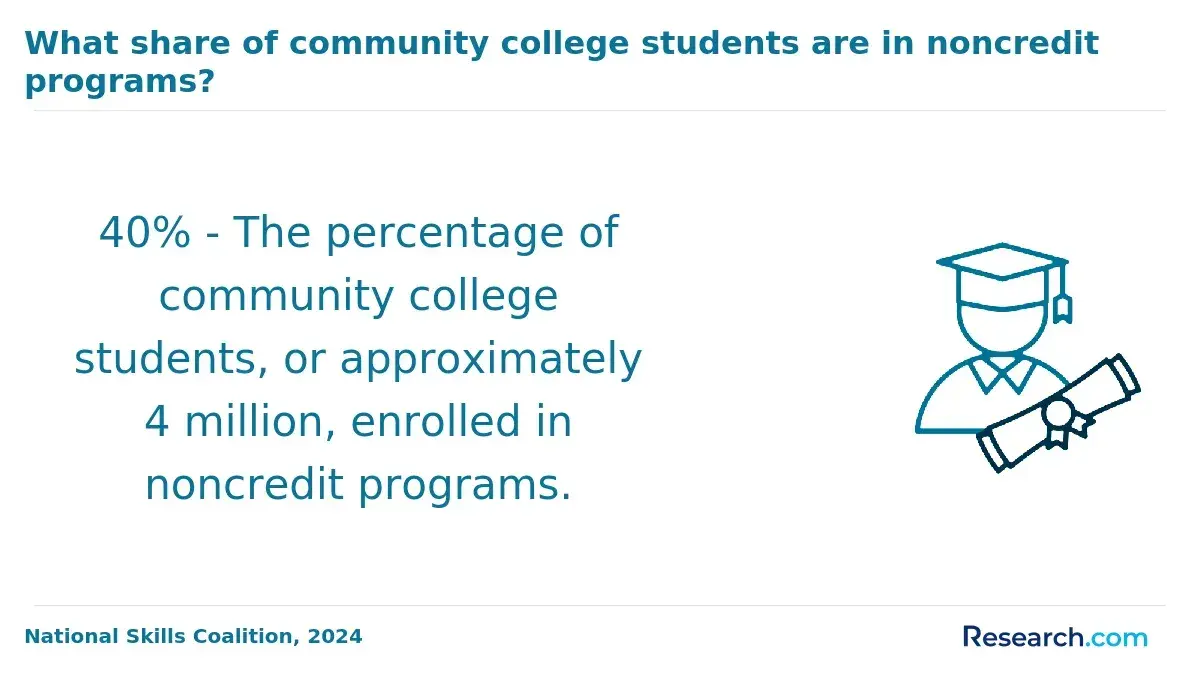
| Noncredit online interior design certificate | Often fully online and flexible | Usually not FAFSA-eligible unless attached to an eligible program | Hobby learners or working adults seeking a short skill upgrade | Lower sticker price may come with no federal grants or loans |
A common mistake is assuming that "online," "affordable," and "financial aid available" mean the same thing. They do not. A short online certificate may advertise a lower price, but a FAFSA-eligible associate degree at a public college may have a lower net price after grants.
Before applying, ask each school for the exact program name, credential level, delivery format, and federal school code. Students comparing other affordable technical online pathways can use similar cost-comparison habits when reviewing an online engineering degree, especially because fees and lab requirements can change the real price.
How Does FAFSA Work for Online Interior Design Associate Degree Programs?
FAFSA is the federal application used to determine eligibility for federal grants, work-study, and student loans, and many states and colleges also use FAFSA results when awarding their own aid. For an online interior design associate degree, the key point is that FAFSA follows the eligible school and eligible program, not simply the online format.
Students should treat FAFSA as the start of the affordability process, not the end. The steps below help you avoid applying aid assumptions to a program that may not qualify.
- Confirm that the college is accredited by a recognized accrediting agency and participates in federal student aid.
- Verify that the specific interior design associate degree is an eligible degree program, not a noncredit certificate or continuing education course.
- Complete the FAFSA using accurate income, tax, household, and school information.
- List every school you are seriously considering so each financial aid office can prepare an aid offer.
- Review each offer by separating grants and scholarships from loans, because only grants and scholarships reduce cost without repayment.
- Ask whether online students pay additional technology, distance learning, portfolio, proctoring, graduation, or software fees.
- Check the enrollment level required for each aid source, especially if you plan to study part time.
FAFSA eligibility does not guarantee a free degree. It means the school can use your FAFSA information to determine whether you qualify for federal, state, institutional, or loan-based aid under current rules.
Enrollment status matters. Full-time students often qualify for larger aid amounts, while half-time or less-than-half-time enrollment can reduce or eliminate some aid options. This is especially important for working adults who choose online programs because they need flexible scheduling.
What Grants Can Help Pay for an Online Interior Design Associate Degree?
Grants are usually the strongest form of financial aid because they generally do not need to be repaid if students meet enrollment, academic progress, and program requirements. For a low-cost online associate degree, grants can sometimes cover tuition and fees, but students should still budget for design-specific expenses.
The main grant categories below are the ones interior design associate students should check first. Availability varies by income, state residency, school participation, enrollment status, and funding limits.
| Grant source | Who may qualify | How it helps | What to verify |
| Federal Pell Grant | Undergraduate students with financial need who meet federal eligibility rules | Can reduce tuition, fees, and other education costs at eligible schools | Whether the associate degree is Title IV-eligible and how enrollment status affects the award |
| Federal Supplemental Educational Opportunity Grant | Students with exceptional financial need at participating schools | Adds campus-based grant funding when available | Whether the school receives funds and whether awards are first-come, first-served |
| State grants | Residents attending approved in-state or participating colleges | May reduce tuition significantly at public community colleges | Residency rules, deadlines, and whether online students qualify |
| Institutional grants | Students selected by the college based on need, merit, program, or enrollment goals | Can make a higher sticker-price school more competitive | Renewal requirements, minimum credits, GPA, and whether aid applies to online students |
| Workforce or adult learner grants | Displaced workers, career changers, parents, veterans, or adults returning to school | May cover tuition, tools, or job-training costs | Whether interior design is an approved program in your area |
The maximum Pell Grant for the 2024-25 award year is $7,395. That figure matters because it can exceed the average published tuition and fees at many public two-year colleges, but it does not automatically cover every required cost.
Design students should ask whether grants can be used for indirect costs such as textbooks, laptop requirements, drafting tools, printing, samples, or software subscriptions. Some aid is paid to the school first and refunded only if there is a remaining credit balance after institutional charges are covered.
Scholarships can come from colleges, foundations, professional associations, local design firms, furniture retailers, construction-related organizations, and community groups. Unlike grants, many scholarships focus on merit, portfolio potential, career goals, local residency, identity, employer connection, or a specific field of study.
Interior design students should build a scholarship list that includes both broad community college awards and design-specific opportunities. The categories below are the most practical starting points.
- College foundation scholarships for students enrolled in an interior design, architecture, construction, visual arts, or applied design program.
- Program-level scholarships awarded by design departments based on portfolio samples, GPA, faculty recommendation, or career commitment.
- Local industry scholarships from interior design firms, home builders, kitchen and bath associations, commercial furniture dealers, flooring companies, lighting companies, or real estate groups.
- Need-based community scholarships for adult learners, first-generation college students, single parents, veterans, or students returning after a break.
- Transfer scholarships for students who complete an associate degree and continue into a bachelor's program with an approved articulation pathway.
The most common scholarship mistake is applying only to national awards with large applicant pools. Local and institutional scholarships may be less visible, but they often align better with associate-level students and regional workforce needs.
Students should also check renewal rules before counting a scholarship toward the full two-year cost. Some awards are one-time payments, while others require a minimum GPA, full-time enrollment, portfolio submission, or continued enrollment in the same major.
Financial aid reduces cost only when it lowers what you must pay out of pocket or borrow. The most useful number is net price: tuition, fees, supplies, books, technology, and living-related costs minus grants and scholarships.
The table below explains how to think about aid impact without relying on advertised tuition alone. It separates cost elements that appear on the bill from costs that may still affect your budget.
| Cost or aid item | How it affects affordability | Why it matters for interior design students |
| Published tuition and mandatory fees | Starting point before aid | Public two-year colleges often have lower tuition, but fees can vary for online and studio courses |
| Books and course materials | Adds to total cost even when tuition is low | Design courses may require texts, samples, printing, presentation materials, or digital resources |
| Software and technology | Can create recurring costs | Programs may require a capable computer and access to drafting, rendering, or presentation software |
| Grants and scholarships | Reduce net price without repayment if requirements are met | Best source of cost reduction for students with financial need or strong applications |
| Federal loans | Can cover remaining cost but must be repaid | Useful as a gap tool, but borrowing should be weighed against entry-level earnings and transfer plans |
| Transfer credits | Can reduce total credits needed | Prior college, AP, CLEP, or approved general education credits may shorten completion time |
For context, the College Board's 2024-25 average published tuition and fees for public two-year in-district students was $4,050. If a student qualifies for a significant Pell Grant or state grant, tuition may become manageable, but design supplies and technology can still determine whether the program is affordable month to month.
Students should avoid comparing schools by the largest aid package alone. A higher-cost school may offer more aid but still leave a larger remaining balance than a lower-cost public college with a smaller grant award.
Financial aid packages can look generous while still leaving students with very different actual costs. The right comparison separates gift aid from loans and measures each offer against total program cost, completion time, and transfer value.
The table below shows the main comparison points to request from each financial aid office. It is designed to help you compare real affordability rather than promotional pricing.
| Comparison factor | Stronger offer | Weaker offer | Question to ask |
| Gift aid share | More of the package is grants and scholarships | Most of the package is loans | How much of this aid must be repaid? |
| Net price | Lower remaining cost after grants and scholarships | Low tuition but high fees or limited aid | What is my estimated annual net price for online enrollment? |
| Renewability | Aid can continue if GPA and credit requirements are met | Large first-year award with uncertain second-year funding | Which awards are renewable, and under what conditions? |
| Enrollment flexibility | Aid still works for part-time or working-adult schedules | Aid requires full-time enrollment you cannot maintain | What happens to my aid if I take fewer credits? |
| Program completion path | Required courses are offered online often enough to graduate on time | Courses are delayed, hybrid, or offered infrequently | Can I complete the degree online within my planned timeline? |
| Transfer value | Courses align with bachelor's transfer pathways | Credits may count only as electives | Do you have articulation agreements for interior design or related bachelor's programs? |
A red flag is an aid offer that highlights a large total number without clearly labeling loans. Loans can make enrollment possible, but they do not make the program cheaper.
Another red flag is a low advertised tuition that excludes course materials, software, graduation fees, portfolio costs, or required campus visits. For online students, travel for occasional in-person reviews or labs can also change the true cost.
Employer tuition assistance can help pay for an online interior design associate degree, especially for students already working in furniture sales, home improvement retail, property management, construction, architecture support, facilities, kitchen and bath design, or commercial interiors. These benefits may reimburse tuition after course completion or pay the school directly, depending on the employer.
Before relying on employer support, students should understand the benefit rules. The checklist below helps identify whether the benefit reduces cost or simply delays reimbursement.
- Confirm whether the employer pays upfront or reimburses after grades are posted.
- Ask whether the program must be job-related, accredited, degree-granting, or approved before enrollment.
- Check annual reimbursement caps and whether books, software, and fees are included.
- Find out whether you must remain employed for a set period after receiving assistance.
- Ask how employer payments interact with grants, scholarships, and tax reporting.
Students can also look for benefits outside traditional tuition reimbursement. Workforce boards, union training funds, military education benefits, vocational rehabilitation, and state adult learner programs may help eligible students cover remaining costs after grants and scholarships.
If your career interests expand into training teams, creating workplace learning materials, or teaching design software, later pathways such as the best online instructional design master's programs may become relevant. For now, the priority is choosing an associate program whose cost and aid structure fits your immediate interior design goals.
Accreditation and enrollment status directly affect financial aid eligibility. To use FAFSA-based federal aid, students generally need to attend an eligible institution, enroll in an eligible program, maintain satisfactory academic progress, and meet credit-load rules for the type of aid awarded.
Accreditation can also affect transfer and career value. Institutional accreditation helps determine federal aid access and credit transfer, while program-specific recognition may matter for students planning to continue into a bachelor's degree or eventually pursue professional credentials. Interior design regulation varies by state, and some advanced professional pathways may require additional education, experience, or exams beyond an associate degree.
Use the following checks before committing to a program. They help avoid the common mistake of choosing a program that is inexpensive but difficult to fund or transfer.
- Verify institutional accreditation through recognized sources and confirm federal aid participation with the financial aid office.
- Ask whether the exact interior design associate degree is eligible for federal student aid.
- Confirm whether online students are treated the same as campus students for tuition, fees, grants, and scholarships.
- Review satisfactory academic progress rules, including minimum GPA, pace of completion, withdrawal limits, and maximum time frame.
- Ask how aid changes if you move from full-time to part-time enrollment.
- Check whether required studio, lab, internship, or portfolio courses can be completed online or near your location.
- Request written information on transfer agreements if a bachelor's degree is part of your plan.
Students planning a long education pathway should think beyond the first credential. Just as doctoral students compare completion time, accreditation, and cost when researching 1-year EdD programs online, associate degree students should verify that a fast or inexpensive interior design program does not limit later options.
A low-cost online interior design associate degree is most valuable when the credential matches the student's career target, schedule, and budget. It can be a practical first step for students who want structured design training without immediately committing to the cost of a bachelor's degree.
The students below are often the strongest fit for this pathway. The key is that financial aid supports a realistic completion plan rather than simply making the first term affordable.
- Working adults who need online flexibility and want to move into design assistant, showroom, sales, staging, drafting support, or residential design support roles.
- Students who qualify for meaningful grants and can keep borrowing low while building a portfolio.
- Career changers who want formal design training before deciding whether to continue into a bachelor's degree.
- Students with transferable general education credits that can reduce the number of courses needed.
- Budget-conscious students who want to test their interest in interior design before paying for a longer program.
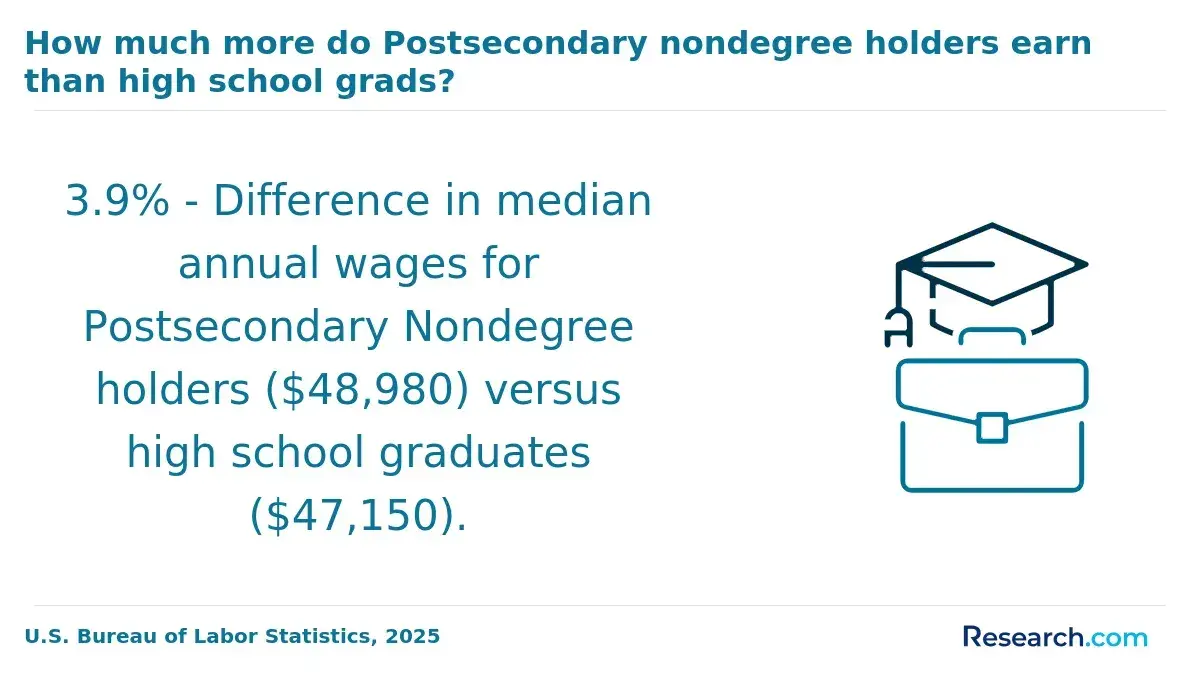
Some students should consider a different path. If your goal is licensed or certified practice in a state or employer setting that expects a bachelor's degree, an associate degree may be only the first step. If you already have strong design experience and only need software training, a shorter nondegree course may be more cost-effective, though it may not qualify for FAFSA.
Salary context should be used carefully. The BLS reported a May 2024 median annual wage of $63,490 for interior designers, but entry-level roles, part-time work, regional markets, self-employment, and portfolio strength can lead to different outcomes. Use wage data as a planning benchmark, not a promise.
How Should Students Minimize the Total Cost of an Online Interior Design Associate Degree?
The best way to minimize cost is to compare net price, completion time, and transfer value together. The cheapest tuition is not always the cheapest degree if required courses are unavailable, credits do not transfer, or fees are missing from the estimate.
Students should follow a cost-control process before enrolling. This sequence turns financial aid information into a realistic budget.
- Shortlist only accredited, degree-granting programs that clearly state whether online students can complete all required courses remotely.
- Request the full cost of attendance, including tuition, mandatory fees, online fees, books, materials, software, computer requirements, portfolio costs, graduation fees, and any campus visit expenses.
- Complete the FAFSA as early as possible and list every school under serious consideration.
- Apply for state, institutional, local, and design-related scholarships before assuming loans are necessary.
- Compare aid offers by net price after grants and scholarships, not by total aid amount.
- Ask how your aid changes at full-time, three-quarter-time, half-time, and less-than-half-time enrollment.
- Transfer in approved credits when possible, but confirm that transferred courses still apply to the degree requirements.
- Choose the lowest-borrowing option that still provides portfolio development, relevant software training, advising, and transfer or career support.
Common mistakes include ignoring renewal requirements, withdrawing from courses without asking how aid will be affected, assuming grants will cover every supply cost, and choosing a program based on sticker price before seeing the official aid offer. A school that looks more expensive at first can sometimes become competitive after institutional grants, but students should verify this with written numbers.
The same affordability logic applies at every education level. Students comparing future graduate or professional pathways, including the cheapest online EdD programs, should use net price, accreditation, completion time, and career relevance rather than advertised tuition alone.
Other Things You Should Know About Interior Design
Students typically study drafting, space planning, materials, color theory, lighting, building systems, codes, presentation methods, design history, and digital design tools. Many programs also require portfolio projects that show design process and technical skill.
Many associate programs do not require a portfolio for admission, especially at community colleges. However, a portfolio may be required for scholarships, internships, advanced studio placement, transfer admission, or job applications.
Programs may use drafting, modeling, rendering, presentation, and image-editing software. Requirements vary by school, so students should ask for a technology list before enrolling and confirm whether software is included in course fees.
Yes, many online students work while enrolled, but design courses can be project-heavy. Part-time enrollment may be more manageable for working adults, though it can extend completion time and may change financial aid amounts.
- What is the best Interior design degree? - HomeByMe https://home.by.me/en/decor-magazine/professionals/becoming-pro/best-interior-design-degree/
- Interior Designers Institute | California's Premier Interior Design School https://www.idi.edu/admissions/financial-aid
- Financial Aid For Online Colleges https://www.affordablecollegesonline.org/financial-aid/financial-aid-for-online-colleges/
- Online Degrees Make Design Dreams Possible — New York School of Interior Design https://www.nysid.edu/atelier-mag/online-degrees-make-design-dreams-possible
- Undergraduate Scholarship - Association of University Interior Designers https://www.auid.org/scholarships/undergraduate-scholarship/
- Interior Design $2,000 Scholarship Program | International Scholarships Search https://www.internationalscholarships.com/scholarships/3429/Interior_Design_$2,000_Scholarship_Program
- Scholarships for Interior Design Majors https://www.smartscholar.com/scholarships/interior-design-major-scholarships/
- Online Certified Residential Interior Designer from Gaston College https://careertraining.gaston.edu/training-programs/residential-interior-designer-course-online/