2027 Is an Online Educational Administration Doctorate Worth It? ROI, Salary Growth, and Career Impact

Co-Founder and Chief Data Scientist
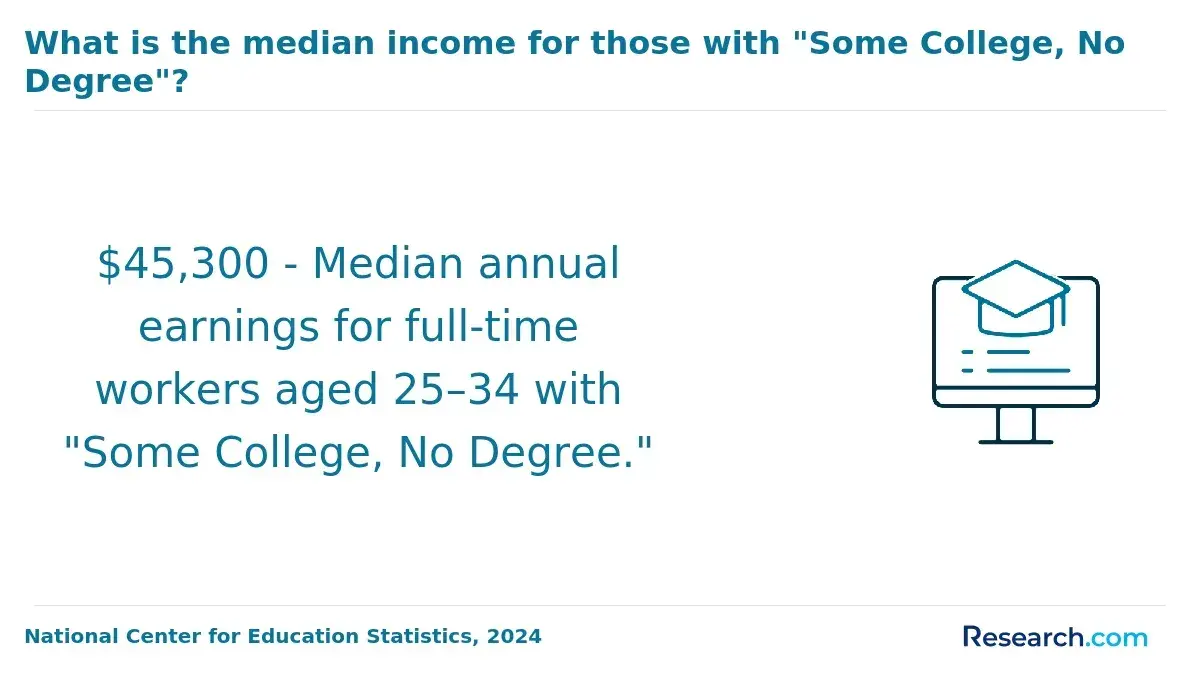
An online educational administration doctorate can be a smart investment, but only if it supports a specific career move. The U.S. Bureau of Labor Statistics reported a May 2024 median salary of $104,070 for K-12 principals, showing that leadership roles can pay well but are not automatic outcomes of doctoral study.
This guide is for educators, administrators, and policy professionals weighing tuition, time, debt, salary growth, and advancement. You will learn how to estimate ROI, compare alternatives, and decide whether the credential fits your career goal.
Key Things You Should Know
- An online educational administration doctorate is most likely to pay off when it helps you move into superintendent, senior district, higher education leadership, policy, or executive-level roles rather than simply adding a credential to your current job.
- May 2024 BLS median pay was $104,070 for K-12 principals and $103,960 for postsecondary education administrators, so ROI depends heavily on whether the doctorate moves you above your current salary baseline.
- The strongest break-even cases usually combine employer tuition support, low borrowing, part-time enrollment that preserves income, and a clear promotion path within 3 to 7 years after graduation.
What Is the ROI of an Online Educational Administration Doctorate?
ROI for an online educational administration doctorate is the financial and career value you receive compared with the total cost of earning the degree.
It includes tuition, fees, books, technology costs, loan interest, time spent studying, delayed promotions, and any income you give up while enrolled. The return may come from salary increases, eligibility for higher-level roles, stronger credibility, consulting opportunities, or expanded leadership influence.
For most working educators, the key question is not whether doctoral-level education has value. The better question is whether the specific online EdD or PhD program helps you reach a role that pays enough, or matters enough professionally, to justify the cost.
The simplest way to estimate ROI is to compare your realistic post-degree earnings increase with your total degree cost. Use this sequence before applying:
- Identify your current annual compensation, including base pay, stipends, pension contributions, and contract length.
- List target roles that realistically require or prefer a doctorate in your state, district, university, or organization.
- Find salary ranges for those roles using public salary schedules, state employee databases, district postings, higher education job ads, or BLS occupation data.
- Estimate total program cost, including tuition, fees, travel for residencies, books, technology, and loan interest.
- Divide total net cost by your expected annual earnings increase to estimate the break-even period.
For example, a professional who pays $45,000 out of pocket and later earns $15,000 more per year would need about 3 years of higher earnings to recover the direct cost, before accounting for taxes and loan interest. If the salary increase is only $5,000, the payback period becomes much longer and the degree may need to deliver nonfinancial value to be worthwhile.
Common ROI mistakes include comparing doctoral outcomes with entry-level teaching salaries, ignoring loan interest, assuming the degree automatically leads to a promotion, and choosing a program before confirming that target employers value the credential. A doctorate is usually a leadership investment, not a guaranteed salary upgrade.
How Much Can Salaries Increase After an Online Educational Administration Doctorate?
Salary growth after an online educational administration doctorate varies widely because many education leadership roles are governed by public salary schedules, state licensure rules, collective bargaining agreements, institutional budgets, and years of experience. In some districts, a doctorate may add a salary lane increase. In others, it may matter only when competing for executive leadership positions.
The table below compares several U.S. career areas where educational administration doctoral graduates may work. The BLS May 2024 median wage gives a national reference point, but local salary schedules and seniority often matter more than national medians.
| Career area | Relevant BLS May 2024 median pay | How a doctorate may affect earnings | ROI caution |
| K-12 principal or assistant principal | $104,070 | May support movement into larger schools, district leadership, or superintendent-track roles | Many principal roles require administrative licensure and experience more than a doctorate |
| Postsecondary education administrator | $103,960 | Can strengthen candidacy for dean, provost, student affairs, assessment, or institutional effectiveness roles | Higher education salaries vary sharply by institution type, function, and budget |
| Instructional coordinator | $74,720 | May help with district curriculum leadership or research-heavy roles | A lower-cost master's or specialist credential may be enough for many positions |
| Training and development manager | $127,090 | Can be useful for education technology, corporate learning, workforce development, or leadership development roles | Private-sector roles may value portfolio, analytics, and management experience more than the doctorate itself |
The most realistic salary increase often comes from changing roles, not from earning the degree while remaining in the same position. If you are already near the top of your salary schedule and do not plan to pursue district, university, policy, or executive work, the financial return may be modest.
A useful test is to review 10 to 15 recent job postings for your target roles. If they say "doctorate preferred," "terminal degree preferred," or "EdD/PhD strongly preferred," the degree may improve your competitiveness. If postings consistently require only a master's degree and licensure, the doctorate may offer more credibility than direct salary growth.
Which Career Paths Offer the Strongest Financial Return With an Online Educational Administration Doctorate?
The strongest financial return usually appears in roles where doctoral training helps you lead systems, manage budgets, interpret data, evaluate programs, supervise other leaders, or influence policy. These positions tend to reward advanced leadership judgment more than classroom-level expertise alone.
The table below summarizes which career paths are more likely to produce a strong, moderate, or weaker financial return from an online educational administration doctorate. Use it as a screening tool, not as a promise of earnings.
| Career path | Typical doctoral value | Financial return potential | Why it may or may not pay off |
| Superintendent or senior district administrator | High | Strong | Doctoral credentials may improve credibility for system-level leadership, though licensure and experience remain essential |
| Higher education dean, vice president, or provost-track administrator | High | Strong to moderate | A terminal degree can matter in academic leadership cultures, especially for research, assessment, and faculty-facing roles |
| Education policy, nonprofit, or state agency leadership | Moderate to high | Moderate | The degree can support policy analysis and leadership credibility, but salary depends heavily on sector and funding |
| Principal or assistant principal | Moderate | Moderate | The degree may help advancement, but administrative licensure and leadership record are usually more important |
| Teacher leadership without a role change | Low to moderate | Weak to moderate | Salary-lane increases may help, but the doctorate may not recover its cost quickly without promotion |
| Instructional design or curriculum roles | Variable | Moderate to weak | Portfolio, technology skills, and learning design experience may carry more weight than a doctorate in many roles |
Professionals aiming for superintendent, chief academic officer, dean, institutional effectiveness director, or education policy leadership are more likely to see a strong return because the doctorate aligns with the decision-making level of the job. Professionals who want to remain in the same classroom, school counseling, or mid-level administrative role should calculate carefully before borrowing heavily.
Technology is also changing the value equation. Districts and universities increasingly need leaders who can interpret learning analytics, guide AI use, evaluate digital curricula, protect student data, and make evidence-based decisions. A doctoral program that builds applied research, data governance, finance, and change-management skills may have stronger long-term value than one focused only on theory.
An online educational administration doctorate can affect advancement by signaling readiness for higher-level leadership, applied research, organizational change, and complex decision-making. It can be especially useful when promotion committees, boards, universities, or public agencies expect senior leaders to hold terminal credentials.
Career advancement often depends on how well the degree complements experience. A doctorate rarely replaces principal experience, district leadership, licensure, budget responsibility, supervision history, or measurable outcomes. It is most persuasive when it helps you tell a stronger leadership story: you have managed people, improved systems, used evidence, and can lead across schools or institutions.
Doctoral programs in educational administration often include coursework in leadership theory, school law, finance, policy, organizational improvement, research methods, equity, data use, strategic planning, and program evaluation. These skills map well to roles where leaders must justify decisions to boards, accreditors, faculty, families, state agencies, or community stakeholders.
The degree may also expand your professional network. Online cohorts often include principals, district staff, higher education administrators, consultants, and policy professionals from multiple regions. That network can be valuable for job leads, benchmarking, consulting, and learning how other systems solve similar problems.
Red flags include choosing a program with weak faculty access, vague leadership outcomes, limited dissertation or capstone support, poor transparency around completion expectations, or coursework that does not match your target role. Career advancement depends less on the word "doctorate" and more on whether the program helps you become visibly better at leading education systems.
The cost of an online educational administration doctorate can vary substantially because programs use different credit requirements, tuition rates, residency models, dissertation structures, and fee schedules. The right comparison is not just tuition per credit; it is total net cost after aid, employer support, transfer credits, and borrowing costs.
Federal loan costs are an important current factor. For the 2025-2026 academic year, Federal Direct Unsubsidized Loans for graduate students carry a fixed interest rate of 7.94%, while Direct PLUS Loans carry a fixed rate of 8.94%. Those rates mean a program that looks affordable at enrollment can become much more expensive if most of the cost is financed.
The table below shows a practical cost-benefit framework. It does not assume one universal tuition price; instead, it shows which cost categories to include so you can calculate your own break-even point accurately.
| Cost or benefit category | What to include | Why it matters for ROI |
| Direct tuition | Per-credit tuition multiplied by required credits | This is usually the largest visible cost, but not the only one |
| Mandatory fees | Technology, online learning, graduation, library, dissertation, and program fees | Fees can change the real price even when tuition looks competitive |
| Residency or travel | Campus visits, hotels, meals, parking, and lost work days | Some "online" doctorates still require in-person sessions |
| Financing cost | Loan interest, origination fees, and repayment timeline | Borrowing can extend the break-even period significantly |
| Employer support | Tuition reimbursement, professional development funds, salary-lane increases, or paid leave | External funding can dramatically improve ROI |
| Expected benefit | Promotion, salary increase, consulting income, leadership eligibility, or nonfinancial career value | The benefit must be realistic, role-specific, and tied to your career plan |
A doctorate is financially stronger when you can keep working, avoid large loans, finish on schedule, and connect the degree to a defined advancement opportunity. It becomes riskier when the program requires heavy borrowing, the career target does not reward doctoral education, or the student enrolls mainly for prestige without a promotion plan.
Before committing, ask each school for a complete cost sheet, average time to completion, dissertation or capstone expectations, residency requirements, transfer-credit policy, and whether tuition can increase while you are enrolled. If the school cannot clearly explain total cost, treat that as a warning sign.
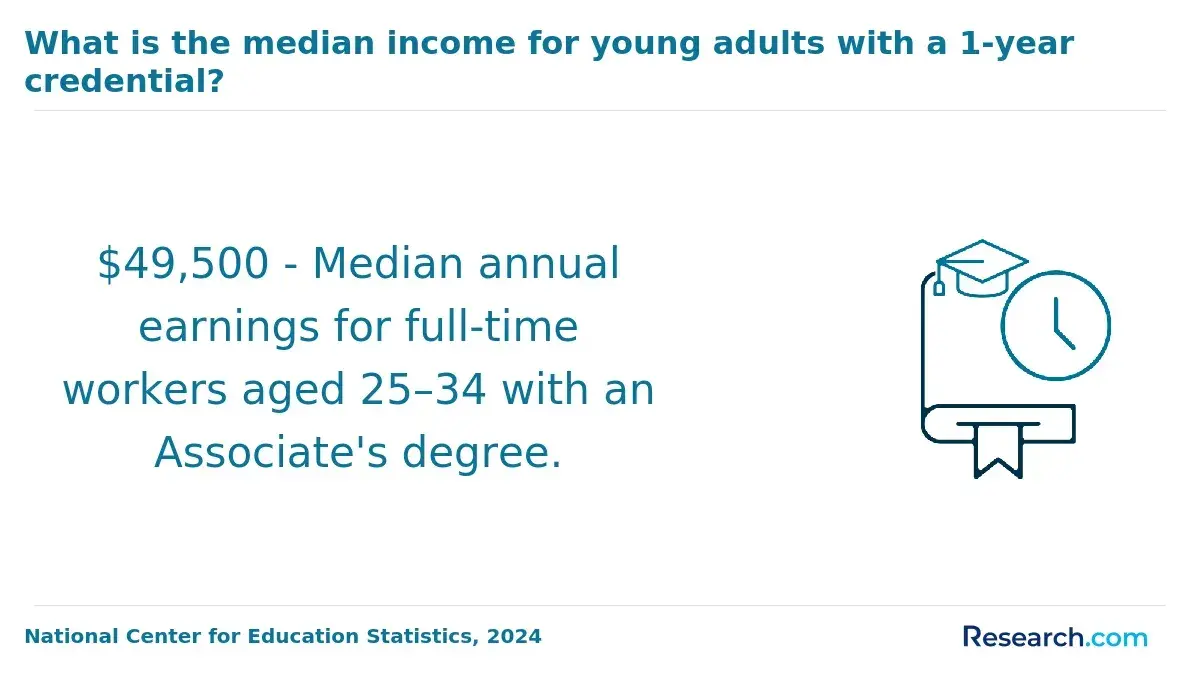
Time affects ROI because every extra term can add tuition, fees, interest, and stress. Online educational administration doctorates are often designed for working professionals, but part-time pacing can still stretch the degree over several years if dissertation, capstone, or fieldwork milestones are delayed.
Accelerated formats can improve ROI when they are credible, manageable, and aligned with your life. Some educators compare 1 year EdD programs online when they need a faster credential for a defined leadership opportunity, but speed should not be the only criterion. A program that is fast but poorly supported can become expensive if students stall near the final project.
The table below shows how completion time can change the practical return of a doctorate. It focuses on decision factors rather than assuming one universal program length.
| Time factor | ROI effect | What to verify |
| Part-time enrollment while employed | Often improves ROI by preserving income | Whether course loads fit your work calendar and family responsibilities |
| Accelerated enrollment | Can shorten time to promotion | Whether the pace is realistic and regionally accredited |
| Dissertation or capstone delays | Can sharply reduce ROI | Faculty support, milestone deadlines, and completion expectations |
| Required residencies | May add cost and scheduling pressure | Number, location, timing, and travel expenses |
| Leave from work | May reduce ROI if income drops | Whether paid leave, sabbatical, or employer support is available |
Time-to-completion risk is one of the most overlooked parts of doctoral ROI. A low-tuition program that takes longer than expected can end up costing more than a higher-priced program with stronger advising, clear milestones, and reliable completion support.
To reduce this risk, ask schools how students are matched with dissertation or capstone chairs, how often students meet with advisors, what happens if a faculty member leaves, and how many students complete the final project on time. These questions matter because the final stage is where many doctoral students lose momentum.
An online educational administration doctorate can have the same career value as a campus-based degree when it is properly accredited, academically rigorous, and respected by the employers you are targeting. Employers typically care more about institutional accreditation, program relevance, leadership experience, licensure fit, and demonstrated skills than whether every course met on campus.
Online formats may offer stronger financial value for working educators because they can reduce relocation, commuting, and lost-income costs. They also allow professionals to apply coursework immediately to their schools, districts, colleges, or organizations. That practical connection can strengthen capstone projects, leadership portfolios, and interview examples.
Campus-based programs may be better for students who want intensive in-person networking, research assistantships, faculty collaboration, or academic roles where institutional prestige and scholarly mentorship matter more. Some hybrid programs also provide executive-style residencies that help build peer networks without requiring full relocation.
Some online EdD programs use applied projects rather than traditional dissertations. Students who want a practice-focused route sometimes explore online EdD programs no dissertation, but they should still confirm that the final project is rigorous, employer-respected, and acceptable for their goals. "No dissertation" should not mean "no serious research or evidence-based leadership work."
The biggest mistake is assuming all online doctorates are equal. A strong online program should provide transparent accreditation, qualified faculty, structured advising, clear research support, relevant leadership coursework, and outcomes that match your target career path.
An online educational administration doctorate is not the only way to advance in education. In some cases, a lower-cost credential, master's degree, endorsement, superintendent license, principal certification, graduate certificate, or leadership experience may produce a better return.
The right alternative depends on your career goal. If you want to move into district leadership or higher education administration, a doctorate may make sense. If you want to move into curriculum design, learning technology, or corporate training, a specialized master's or portfolio-based pathway may be more cost-effective.
For example, professionals focused on digital learning roles may compare the best online instructional design master's programs before committing to a doctorate.
The table below compares common advancement options and when each may offer the better value.
| Option | Best fit | Potential advantage | When it may be insufficient |
| Online educational administration doctorate | Senior leadership, district administration, higher education leadership, policy, consulting | Strongest credential for system-level leadership credibility | May be excessive for roles requiring only licensure or a master's degree |
| Master's degree in educational leadership | Principal, assistant principal, instructional leadership | Often meets baseline requirements at lower cost | May not distinguish candidates for executive or doctoral-preferred roles |
| Superintendent or administrator endorsement | State-regulated K-12 leadership roles | Directly tied to licensure eligibility | May not provide the broader research and policy depth of a doctorate |
| Graduate certificate | Focused skill development in assessment, online learning, policy, or leadership | Lower cost and shorter timeline | May not carry the same weight for senior roles |
| Professional experience and leadership portfolio | Promotion within current organization | Can be highly persuasive and low cost | May not satisfy formal degree preferences |
The doctorate is most defensible when the target role regularly rewards terminal credentials. If your goal can be met through a master's degree, state endorsement, or targeted certificate, the lower-cost option may deliver a faster return with less debt.
Do not compare credentials by prestige alone. Compare them by employer requirements, cost, completion time, licensure relevance, skill development, and the type of evidence you can show in interviews.
The professionals most likely to benefit are those who already have education experience and are preparing for broader leadership responsibility. The doctorate tends to work best as a multiplier for an existing career foundation, not as a shortcut into administration.
Strong-fit candidates usually share several traits. They have a defined leadership goal, understand their state or employer requirements, can keep borrowing manageable, and want to solve organizational problems at scale.
- Experienced principals, assistant principals, and district leaders seeking superintendent, cabinet-level, or central office roles.
- Higher education professionals pursuing dean, vice president, assessment, student affairs, enrollment, academic affairs, or institutional effectiveness leadership.
- Education policy, nonprofit, and government professionals who need advanced research, evaluation, finance, and leadership credibility.
- Curriculum, assessment, and instructional leaders who want to influence districtwide or statewide systems rather than individual classrooms alone.
- Consultants or entrepreneurs serving schools, colleges, education technology firms, or workforce development organizations.
Some professionals may be better served by a different route. If your main interest is psychoeducational assessment, student mental health, or school-based psychological services, review licensure-focused pathways such as school psychology programs online accredited by NASP instead of assuming an educational administration doctorate is the right fit.
The doctorate may not be worth it for educators who do not want administrative responsibility, cannot identify target roles, would need to borrow heavily without employer support, or are already in a position where pay will not increase meaningfully. It may still have personal or professional value, but the financial ROI is weaker.
How Can Students Determine Whether an Online Educational Administration Doctorate Is Worth It?
The best way to determine whether an online educational administration doctorate is worth it is to run a role-specific ROI analysis before applying. Treat the degree like a strategic investment, not a general symbol of advancement.
Use the following decision process to test whether the doctorate fits your goals and finances:
- Write down your target job title, not just a broad goal such as "leadership."
- Confirm whether that role requires, prefers, or rarely mentions a doctorate in real job postings.
- Check state licensure rules if the role involves K-12 administration, superintendent work, or school leadership.
- Compare your current compensation with realistic salary ranges for the target role in your region.
- Calculate total net program cost after scholarships, employer reimbursement, transfer credits, and expected borrowing.
- Estimate the break-even period by dividing net cost by realistic annual salary growth.
- Ask whether a master's, endorsement, certificate, or job change could reach the same goal at lower cost.
- Evaluate program quality, including accreditation, faculty fit, advising, final project support, and completion expectations.
You should also interview people who currently hold your target role. Ask whether the doctorate helped them get promoted, what skills mattered most, how hiring committees evaluated the credential, and what they would do differently. This real-world feedback is often more useful than relying only on marketing language.
A good decision is not simply "doctorate or no doctorate." It is choosing the lowest-risk path that credibly moves you toward the role, salary range, influence, and professional identity you want.
Other Things You Should Know About Educational Administration Doctorates
An EdD is usually practice-focused and designed for working education leaders who want to apply research to organizational problems. A PhD is usually more research-focused and may fit students interested in scholarship, faculty roles, or advanced policy research.
The degree itself usually does not grant licensure. K-12 administrative and superintendent licenses are regulated by states, so students should confirm whether a program meets their state's requirements before enrolling.
Common requirements include a master's degree, professional education experience, transcripts, recommendation letters, a statement of purpose, and sometimes a writing sample or interview. Some programs also prefer applicants with leadership or administrative experience.
Important skills include strategic planning, budgeting, supervision, data analysis, communication, policy interpretation, conflict resolution, ethics, and change management. Technology and AI literacy are also becoming more important for education leaders.
- Careers with a Doctorate in Educational Leadership | Neumann https://learn.neumann.edu/neuperspectives/careers-with-a-doctorate-in-educational-leadership
- Doctorate in Education Salary Guide| University of Bridgeport https://www.bridgeport.edu/news/doctorate-in-education-salary-guide/
- What Can You Do with a PhD in Education https://aituedu.org/what-can-you-do-with-a-phd-in-education/
- 2026 Best Online Doctoral Programs in Educational Leadership https://www.onlineu.com/degrees/educational-leadership
- Is College Worth it? | Return on Investment Analysis of College Degree https://educationdata.org/college-degree-roi
- How Long is an Online EdD Program? Full-Time vs Part-Time EdD Programs https://www.onlineeddprograms.com/faqs/length-of-edd-programs
- Does College Pay Off? A Comprehensive Return On Investment Analysis - FREOPP https://freopp.org/whitepapers/does-college-pay-off-a-comprehensive-return-on-investment-analysis/
- How to Advance Your Career with an Ed.D. in Educational Leadership - Graduate Programs for Educators https://www.graduateprogram.org/blog/how-to-advance-your-career-with-an-ed-d-in-educational-leadership/