2027 Is an Online BS in Business Administration the Right Next Step for Business Operations Analysts?
Audited and Verified:
Our Editorial and Data Verification Process
Research.com uses government datasets, official education statistics and primary institutional information to support its career and degree guides. Our review process checks factual accuracy, occupational definitions, source dates and the requirements associated with the credentials discussed.
How This Article Was Fact-Checked
Our editorial team verifies salary estimates, employment projections, education requirements and program information against original data providers and official organizations. Salary figures are checked against the relevant occupational definitions and reporting periods. Information about licensure, accreditation and required in-person training is reviewed separately.
Fact-checked and verified on:

Co-Founder and Chief Data Scientist
Business operations analysts already use data and process knowledge to help organizations work better. An online BS in Business Administration may add financial, managerial, and cross-functional skills - but it may also repeat what an experienced analyst knows.
This guide helps analysts considering a first bachelor's degree weigh the curriculum against their next role, work schedule, and total completion cost. It also explains when a more specialized credential or targeted training could be the better next step.
Key Things You Should Know
- An online business administration BS is most useful when a bachelor's requirement or gaps in finance, management, and cross-functional decision-making limit an analyst's next move; it is less direct for a primarily technical analytics goal.
- Management analysts, a related but not identical occupation, had a $101,860 median annual wage in May 2025 and projected employment growth of 10% from 2025 to 2035. Neither figure predicts an operations analyst's pay after graduation.
- Compare programs using an official degree audit, remaining cost, required live attendance, and opportunities to produce employer-approved work samples - not the advertised degree length alone.
Is an Online BS in Business Administration Right for Business Operations Analysts?
Often, yes - if you need to complete a bachelor's degree and want to move from analyzing operations toward broader business decisions. Business operations analyst is a job title that varies by employer. One analyst may map workflows and track service levels; another may build reports, support purchasing, or recommend changes to staffing and budgets. The value of a general business degree depends on which responsibilities you already have and which ones you want next.
The comparison below separates goals that benefit from broad business preparation from goals that may call for a narrower path. It is a starting point; job postings and your degree audit should settle the choice.
| Primary goal | Likely value of a business administration BS | Potentially better-fit alternative |
| Meet a bachelor's requirement and take on broader operational decisions | Combines a degree credential with finance, management, and strategy coursework | A specialized bachelor's if the target employer specifies one |
| Build advanced SQL, statistical, or data-engineering skills | Useful business context, but technical depth varies considerably | Analytics or information systems study, or targeted technical training |
| Advance in supply chain or procurement | Provides cross-functional context | A supply chain concentration or specialized degree with relevant projects |
| Improve performance in a current analyst role without a degree requirement | May be more education than the immediate goal requires | Employer training, mentorship, or a focused course |
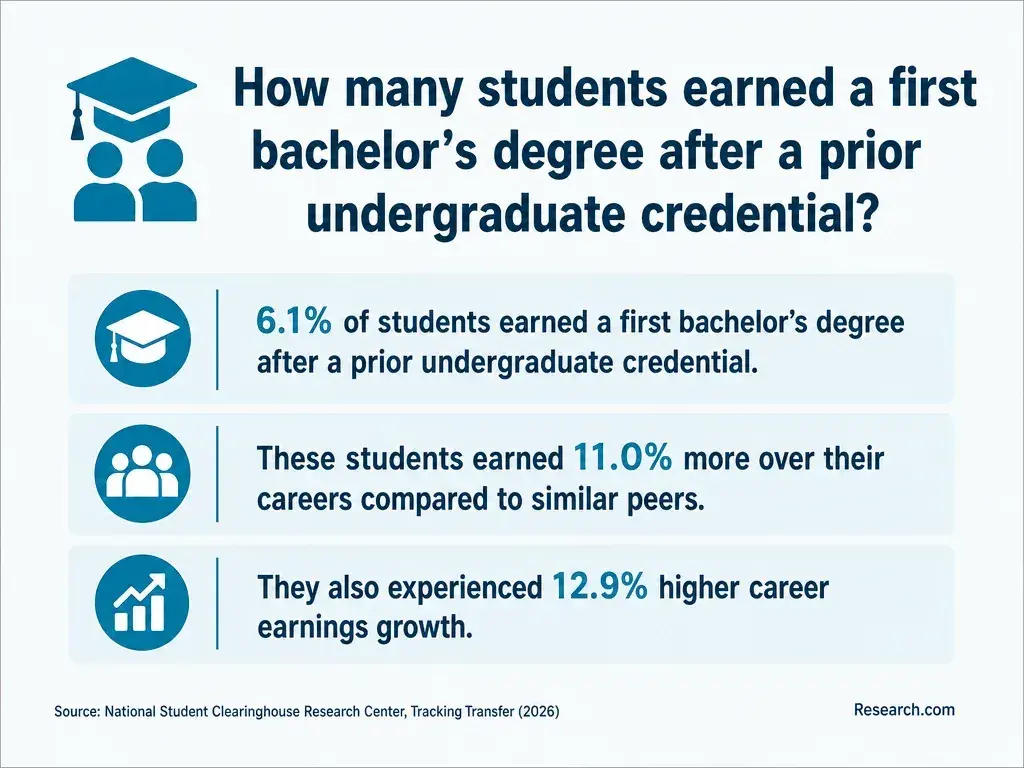
If you already hold a bachelor's degree, first check whether the next role requires another undergraduate credential at all. A certificate, employer-supported project, or graduate study may address a specific gap more directly. If you do not have a bachelor's, ask your manager or examine target job postings for actual degree requirements before committing. For an employed analyst, working-adult business administration program comparisons can help identify schools whose schedules merit closer inspection.
What Career Opportunities Can an Online Business Administration Degree Create?
The degree can support applications for roles that combine analysis with operational responsibility, such as operations specialist, process improvement analyst, project coordinator, procurement analyst, or management analyst. It can also help an experienced employee seek broader responsibility within a current organization. It does not, by itself, establish readiness to supervise staff or own a major budget.
Match the target role to evidence you can show. For a process-improvement role, that might be a documented workflow, a clearly defined performance measure, and an explanation of a recommendation's limits. For project coordination, it could be an approved schedule, risk log, or stakeholder update. Seek employer permission before using workplace information in coursework or a portfolio.
Specialization matters when the work becomes function-specific. An analyst aiming for logistics planning may find fast undergraduate routes into supply chain management worth comparing with a general business degree. Verify the courses and transfer evaluation rather than treating an advertised completion timeline as a promise.
How Much Do Business Operations Analysts Earn With a Bachelor's Degree?
There is no single national wage figure for everyone employed under the title business operations analyst, and wage data do not isolate the effect of earning a business administration bachelor's degree. The closest useful comparison depends on the job's duties, not its title.
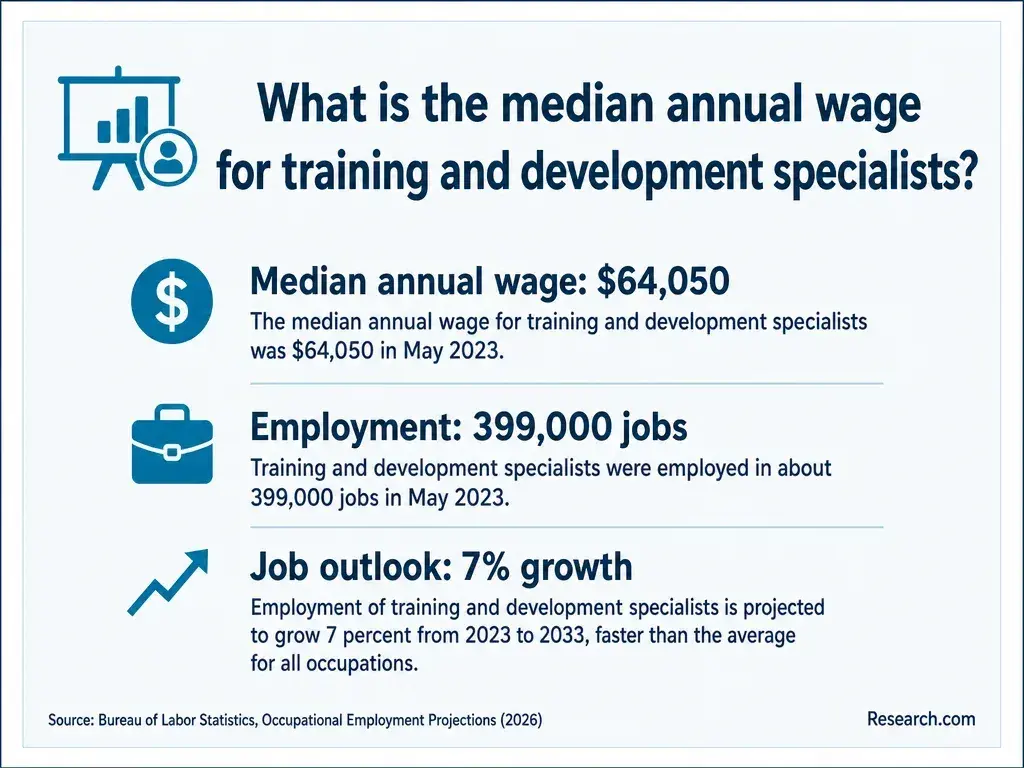
For analysts who evaluate organizational procedures and recommend improvements, the U.S. Bureau of Labor Statistics category management analysts is relevant. Its median annual wage was $101,860 in May 2025, and employment is projected to grow 10% from 2025 to 2035. Those are occupation-wide figures covering workers with different education, experience, industries, and responsibilities - not a starting salary or an expected raise from completing this degree.
Before estimating a financial return, compare pay ranges in postings for your target role and location with your current compensation. Consider whether the degree removes a stated hiring barrier or whether a less costly skill-building path would do so. Analysts considering project-focused work can also compare the price and curriculum of affordable pathways to study project management before assuming a general business degree offers the best return.
A BS in Business Administration usually combines a business core with general education and, where offered, electives or a formal concentration. Course names and depth vary. For an operations analyst, the most valuable additions may be managerial accounting for understanding costs, finance for evaluating proposals, operations for studying processes, and organizational behavior for implementing change with other people.
Statistics, spreadsheets, and business analytics can strengthen an analyst's methods, but an introductory course is not a substitute for advanced database work or rigorous statistical training. Review syllabi for the tools used, the quality of feedback, and assignments that require students to explain uncertainty and make defensible recommendations. A concentration counts as a formal credential only if the school officially awards or records it; a collection of electives may not.
Look for an applied assignment you could complete with public or approved workplace data, such as comparing process measures before proposing a change. A classroom recommendation is not proof that an employer implemented it or achieved savings. When reviewing American business schools offering online degree study, compare actual required courses and project rules rather than degree titles alone.
A conventional full-time bachelor's path generally takes about four years from the start of undergraduate study. An analyst with applicable prior credits may finish sooner; part-time study, prerequisites, and courses offered only in certain terms can extend the timeline. Online delivery does not automatically shorten the degree.
Request an official evaluation showing which credits satisfy general education, the business core, electives, and any concentration - not just how many credits the school accepts. Then ask an adviser to map the remaining courses by term, including prerequisites and the capstone. Comparing accelerated business programs is useful only after checking whether their pace fits your work obligations and whether all required courses are available when needed.
There is no reliable universal price: tuition may be charged by credit, course, or term, and fees and remaining requirements differ by school. The decision-relevant figure is the cost to finish your degree, not the advertised tuition rate. Ask each school for a written estimate based on its evaluation of your transcripts.
Include required tuition and fees, books and software, technology or proctoring charges, and any travel. Compare that total with grants or scholarships for which you actually qualify, employer assistance, and the amount you would need to borrow. If your employer reimburses tuition after a course ends, check what you must pay up front, grade conditions, annual limits, and any repayment obligation if you leave your job.
Lower tuition does not necessarily mean lower completion cost if fewer prior courses apply or the program takes longer. Use an approved degree audit when comparing budget-friendly colleges for business administration online; do not assume a listed price reflects your net cost.
Requirements depend on the institution and whether you apply as a first-time or transfer student. Schools commonly request prior academic transcripts; a program may also set GPA, mathematics, or business-course conditions. Admission to the university does not necessarily mean admission to the business major, and accepted credits may not satisfy major requirements.
As a working analyst, gather transcripts from every college attended and descriptions of courses that may match accounting, statistics, economics, or other prerequisites. Ask admissions which conditions apply to you, then ask the registrar or transfer office for an evaluation of credit applicability. If you are also considering a specialized degree, comparing transfer policies at online project management colleges may reveal whether your previous study serves that path differently.
Online study can remove a commute, which matters when analysis work follows shifting deadlines. It does not necessarily remove fixed obligations. An online course may require live meetings, timed or proctored exams, group presentations, and weekly deadlines. Campus programs may offer easier face-to-face access to classmates and faculty but require travel and scheduled attendance.
Ask for a recent syllabus from a required operations, analytics, and capstone course. Check when live work occurs, whether group members set their own meeting times, how exams are administered, and whether any campus visits are required. Estimate study time alongside your busiest work periods, not just an average week. When looking at shorter undergraduate business programs across the US, distinguish a shorter calendar from fewer required learning hours or greater scheduling freedom.
First, confirm that the institution holds accreditation from an accreditor recognized by the U.S. Department of Education. Then check whether the business school or specific program has additional accreditation from AACSB, ACBSP, or IACBE, if that matters to your target employer or future study plans. Those organizations have different scopes; an accredited institution does not automatically have a separately accredited business program.
Verify the school's current status and the scope of any business accreditation directly with the accreditor and institution. Accreditation is an important quality and eligibility check, not proof that a particular graduate will be hired. If affordability and aid are central to your choice, finding accredited affordable business administration colleges with aid options can provide candidates to verify against your own aid eligibility and completion costs.
Do Business Operations Analysts Need Certifications or Licenses?
Business operations analysis does not generally require a single occupational license. Employers may value a relevant project management, process-improvement, analytics, or industry credential, but requirements differ by role. A business administration degree does not automatically award a professional certification or satisfy a certifying organization's experience and examination rules.
Read target job postings before paying for another credential. If they consistently call for project planning and delivery, compare a certification's eligibility rules with coursework and experience you can document. If the gap is broader business knowledge and a bachelor's requirement, the degree may be more useful. Accelerated online organizational leadership school choices are another degree-level comparison for analysts pursuing people-focused responsibilities, but they are not a substitute for checking the requirements of a separate certification.
Other Things You Should Know About Business Administration
Automation may change how analysts prepare reports, but the decision still requires sound measures, judgment about data quality, and communication with stakeholders. Favor coursework that asks you to assess recommendations, not merely produce charts.
Only with the necessary employer permission and within school rules. Remove confidential, proprietary, and personal information; if permission is unavailable, use public or fictional data clearly labeled as such.
Not automatically. Check whether your target employer requires a specific undergraduate major. If it does not, targeted courses, an approved certificate, or relevant work experience may address your gap with less repeated study.
Ask which responsibilities you could realistically take on after developing new skills, whether a bachelor's degree is required for them, and whether education assistance or an appropriately scoped workplace project is available.
- DAPIP | Homepage - Office of Postsecondary Education (OPE) https://ope.ed.gov/dapip/
- Types of Business Degrees: Your Complete Guide | UWA Online https://online.uwa.edu/news/types-business-degrees/
- Regional vs. National Accreditation: Which is Better? | Drexel University Online https://www.online.drexel.edu/news/national-vs-regional-accreditation.aspx
- Fast Online Bachelor's Degree Completion: How to Spot a Smart Investment vs. a Degree Mill https://www.ndnu.edu/articles/business-management/fast-online-bachelors-degree-completion-smart-investment-vs-degree-mill.html
- Full article: Analytics: What Do Business Majors Need and Where Do They Get It? | tandfonline.com https://www.tandfonline.com/doi/full/10.1080/26939169.2024.2393427
- Online Bachelor's Degree in Business Administration | Purdue Global https://www.purdueglobal.edu/degree-programs/business/bachelor-business-administration/
- BS in Business Administration | Online Bachelor's Degree | Capella University https://www.capella.edu/online-business-degrees/bs-business-program/bachelors-business-administration/
- 6 BS in Business Skills Employers Seek | University of Bridgeport https://www.bridgeport.edu/news/bs-in-business-administration-skills-employers-seek/
- BBA vs BSBA: which business degree is right for you? | Strayer University https://www.strayer.edu/buzz/difference-between-bba-and-bsba/