
2027 International Business Degree Master's Programs Accepting Students Now

Co-Founder and Chief Data Scientist
Choosing an international business master’s program is usually a practical decision: you want graduate-level business training that can translate across markets, employers, and countries without requiring you to restart your education from scratch. That is especially important for recent graduates, working professionals, career changers, and international applicants who need flexible formats, clear admissions steps, and credible credentials.
The demand is not limited to students with undergraduate business degrees. For instance, 47% of professionals pursuing international business degrees come from unrelated fields, showing how often these programs serve as career-pivot pathways. At the same time, global applicants may need to manage application deadlines, transcript evaluations, English-language requirements, and visa timelines early.
This guide explains what international business master’s programs are, who they are designed for, how admissions and GPA requirements work, what timelines and costs to expect, how to evaluate accreditation, and what career outcomes graduates may pursue.
Key Things to Know About International Business Degree Master's Program Accepting Students Now
- Programs offer flexible schedules and part-time options to accommodate working professionals who wish to advance their careers without pausing employment.
- Accelerated formats enable students to develop essential skills in global marketing, finance, and strategy within 12 to 18 months.
- Students gain exclusive access to international alumni networks and live virtual events, enhancing global career opportunities and cross-cultural collaboration.
What Are International Business Master's Programs, and Who Are They Designed For?
International business master’s programs are graduate degrees that prepare students to manage business activity across countries, cultures, currencies, supply chains, and regulatory environments. Most programs take one to two years and are offered on campus, fully online, or in hybrid formats. They are more specialized than a general undergraduate business degree and more career-focused than a doctoral program, which typically emphasizes original research.
These programs are designed for several types of students: business graduates who want a global specialization, professionals moving into management or trade-related roles, career changers who need structured business training, and recent bachelor’s graduates seeking a stronger credential before entering the job market. Many programs also suit students who already work full time because online and part-time options can make graduate study more manageable.
What students typically study
- International strategy: How companies enter, compete in, and adapt to foreign markets.
- Global finance and trade: Currency risk, international investment, trade policy, tariffs, and cross-border transactions.
- Marketing across cultures: How consumer behavior, language, regulation, and local expectations affect branding and sales.
- Supply chain and operations: Sourcing, logistics, vendor management, and risk planning across regions.
- Cross-cultural leadership: Negotiation, communication, ethics, and team management in multinational settings.
Who benefits most from this degree?
- Working professionals: Students who want to move from domestic business functions into global management, consulting, finance, logistics, or strategy.
- Career changers: Applicants from fields such as language, political science, engineering, communications, or public policy who want a business credential with international relevance.
- Recent graduates: Students who want a focused graduate credential before pursuing roles with multinational companies, trade organizations, or global nonprofits.
- International students: Applicants seeking a U.S. or globally recognized business credential that may support broader career mobility.
Because programs vary widely, applicants should compare curriculum, format, accreditation, admissions flexibility, faculty experience, and career support. The demand for advanced business credentials remains strong: employment in business and financial operations occupations is projected to grow by 8% from 2020 to 2030. Students seeking a faster graduate pathway may also compare one year masters programs when evaluating time-to-degree options.
Which International Business Master's Programs Are Currently Accepting Applications?
International business master’s programs may be open for applications during different windows depending on the school, format, and start term. “Currently accepting applications” can mean rolling admission, multiple annual start dates, or a fixed deadline for a fall, spring, or summer cohort. Applicants should always confirm the current status on the university’s official admissions page before preparing materials or paying an application fee.
The most important distinction is between programs with rolling admissions and programs with fixed deadlines. Rolling admissions can be useful if you want to start sooner, but seats and scholarships may still run out. Fixed-deadline programs give you a clearer timeline but require earlier planning, especially if you need transcripts, test scores, credential evaluations, or visa documents.
Common application-cycle types
- Thesis-based programs: These programs emphasize research and may be a better fit for students considering policy, analytics, doctoral study, or research-heavy roles. Deadlines may depend on faculty supervision capacity, so applicants should ask whether thesis advisors are available before applying.
- Professional master’s programs: These degrees focus on applied business skills, leadership, and workplace projects. They are often better suited to working professionals and career changers, and rolling admissions are common.
- Accelerated international business degrees: These programs are designed for completion in 12 to 18 months. They can shorten the path to graduation, but students should expect a heavier workload and less scheduling flexibility.
- Dual-degree and online flexible programs: These options may combine international business with finance, marketing, analytics, or management. They can be useful for students who want a broader credential, though total cost and completion time may increase. Some students comparing flexible options also review online college courses with financial aid to understand how aid eligibility may work in online learning environments.
- Fixed-deadline programs with summer and fall intakes: Larger universities often use traditional academic calendars. These programs may require applications several months before enrollment, which matters for international students and applicants requesting scholarships.
How to verify whether a program is open now
- Check the official program admissions page, not only third-party directories.
- Confirm the start term, application deadline, and whether the deadline applies to domestic, international, online, or scholarship applicants.
- Ask whether applications are reviewed only after all materials arrive.
- For international applicants, confirm transcript evaluation, English proficiency, and visa-document deadlines.
- For online programs, ask whether your state or country is eligible for enrollment if the school has location restrictions.
Top-ranked international business master’s programs open for enrollment this year may differ in format, cost, selectivity, and timeline. A program that is open now is not automatically the best choice; it should also match your career goal, budget, preferred pace, and support needs.
Which international business master’s programs are currently accepting applications in the United States depends heavily on each school’s admissions calendar and whether it uses rolling admissions or fixed deadlines.
What Are the Admission Requirements for a International Business Master's Program?
Admission requirements for an international business master’s program usually evaluate whether you can handle graduate-level business coursework and whether your goals fit the program. Applicants do not always need an undergraduate business major, but they may need to show quantitative readiness, professional maturity, and a clear reason for pursuing international business.
Most programs require official undergraduate transcripts, a resume or CV, letters of recommendation, and a statement of purpose. Some require GRE or GMAT scores, while many have made standardized tests optional or waived them for applicants with strong academic records or relevant professional experience. International applicants may also need English-language test scores, credential evaluations, and proof of degree equivalency.
Typical application materials
- Official transcripts: Schools use transcripts to verify degree completion, GPA, prerequisite coursework, and academic trends.
- Recommendation letters: Most programs request two or three letters from professors, supervisors, or professional contacts who can speak to your judgment, communication, leadership, and readiness for graduate study.
- Statement of purpose: This essay should explain why international business fits your goals, what experience you bring, and how the specific program supports your next step.
- Resume or CV: A strong resume highlights work experience, internships, language skills, certifications, leadership, international exposure, and measurable accomplishments.
- Standardized tests and prerequisites: GRE or GMAT scores may be required or optional. Some programs also require coursework in economics, finance, statistics, accounting, or business fundamentals.
How career changers can strengthen an application
If your background is outside business, use the application to connect your prior experience to global business problems. For example, language skills, regional expertise, project management, data analysis, public policy experience, engineering work, or client-facing roles can all support a case for admission when explained clearly.
- Show evidence of quantitative ability through coursework, certifications, or work projects.
- Use the statement of purpose to explain the career pivot without over-apologizing for a non-business background.
- Choose recommenders who can discuss problem-solving, professionalism, and leadership rather than only job title.
- Contact admissions staff early if you are missing a prerequisite; some schools allow prerequisite completion before or during the first term.
One professional who applied to an online international business master’s program to pivot careers described the process as demanding but useful. He said, “Gathering recommendations was my biggest challenge because I had to reconnect with former employers and professors who I hadn’t contacted in years.” He also found that writing the statement of purpose helped clarify why the degree mattered for his transition. “Overall, it felt like a personalized journey that pushed me to assess both my past experiences and future ambitions,” he shared.
What Is the Minimum GPA Requirement for a International Business Master's Program?
Most international business master’s programs expect a minimum GPA around 3.0 on a 4.0 scale. More selective programs may look for a higher GPA, especially when the applicant pool is competitive or the curriculum is quantitatively demanding. A GPA below the stated minimum does not always end the application, but it does mean the rest of the file must make a stronger case.
Admissions committees often review GPA in context. They may consider whether grades improved over time, whether lower grades came from a difficult semester, whether the applicant performed well in business or quantitative courses, and whether professional experience shows readiness for graduate work. Some schools offer conditional admission, which allows students near the cutoff to prove themselves through initial coursework or probationary requirements.
How GPA is commonly evaluated
- Typical GPA requirements: Many programs use 3.0 as a baseline for graduate readiness.
- Competitive program expectations: More selective schools may prefer applicants above the minimum, particularly for scholarships or limited-seat cohorts.
- Academic trend: An upward grade pattern can help offset weaker early undergraduate performance.
- Relevant coursework: Strong grades in economics, accounting, statistics, finance, or international studies may matter more than unrelated courses.
- Professional evidence: Work achievements, certifications, leadership, and international experience can help support an application with a borderline GPA.
What to do if your GPA is below the requirement
- Ask admissions whether conditional admission is available.
- Complete a relevant quantitative or business course and earn a strong grade before applying.
- Use the statement of purpose to explain academic concerns briefly and professionally, then focus on evidence of current readiness.
- Submit optional test scores if they are strong and the program accepts them.
- Request recommendations from people who can address discipline, analytical ability, and work quality.
Notably, nearly 45% of graduate international business programs have reported raising GPA requirements in recent years, reflecting heightened competition among applicants. Students comparing business with adjacent technical or analytical fields may also review options such as online engineering degrees to understand how admissions expectations differ across disciplines.
How Long Does It Take to Complete a International Business Master's Program?
Most international business master’s programs take one to two years for full-time students. Part-time students commonly need two to four years, depending on course load, term structure, and whether the program allows continuous enrollment. Accelerated formats may compress the degree into 12 months, while combined bachelor’s/master’s 4+1 pathways can let students complete both degrees in about five years.
The fastest option is not always the best option. A 12-month program may work well for students who can study full time and handle an intensive schedule. Working professionals may prefer a part-time or online format that reduces burnout and allows them to apply what they learn directly at work.
Factors that affect completion time
- Enrollment status: Full-time students usually finish faster, while part-time students trade speed for flexibility.
- Program format: Online and hybrid formats may offer more start dates or shorter terms, but pacing varies by institution.
- Thesis or capstone: Thesis tracks can take longer because they require research, writing, and faculty supervision. Capstone or consulting projects may be more structured and career-focused.
- Course load: Taking more classes per term can shorten the timeline, but it increases weekly workload.
- Transfer credits: Some schools accept graduate transfer credits or prior coursework, which may reduce required classes.
- Internship requirements: Internships can improve career preparation but may affect sequencing and graduation timing.
Choosing the right pace
Before choosing an accelerated or part-time schedule, estimate weekly study hours, work demands, family responsibilities, and travel requirements. Also ask whether courses are offered every term or only once per year. A program may advertise a short completion timeline, but that timeline can change if required courses are unavailable when you need them.
A professional who completed an online international business master’s program while working described the schedule as challenging but manageable. She said, “Balancing life responsibilities with accelerated courses demanded discipline, but the faculty’s responsiveness and online resources kept me on track.” She also noted that practical assignments and global peer interaction made the effort more valuable than the timeline alone.
What Is the Cost of a International Business Master's Program, and How Is It Calculated?
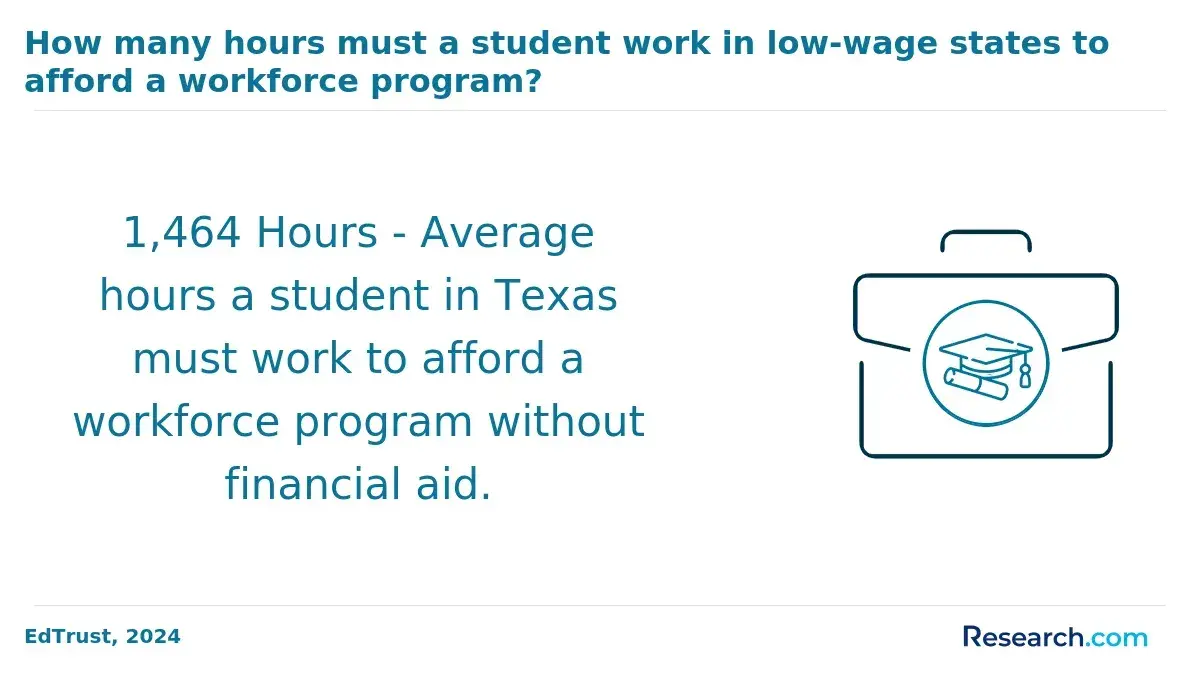
The cost of an international business master’s program is usually calculated by multiplying the per-credit tuition rate by the number of required credits, then adding mandatory fees and living or technology expenses. Many programs require 30 to 48 credits. Public universities may charge different rates for in-state and out-of-state students, while some online programs use a flat tuition rate regardless of residency.
National data indicates that the full price of earning an international business master’s degree generally spans from about $20,000 at public institutions for in-state students to over $60,000 at private universities. Online options usually fall in the mid-range, averaging between $30,000 and $40,000. These figures describe sticker price, not necessarily what a student pays after scholarships, grants, assistantships, employer tuition benefits, or other aid.
What to include in your cost estimate
- Tuition: Tuition may be charged per credit hour, per term, or by program. Confirm whether tuition changes after a certain credit load.
- Mandatory fees: Program fees, technology fees, student services fees, graduation fees, and course-specific charges can materially affect total cost.
- Books and software: Business analytics, finance, and global strategy courses may require paid platforms, simulations, databases, or textbooks.
- Residency differences: Public institutions often charge lower rates to in-state students, while out-of-state tuition can be significantly higher.
- Living expenses: On-campus students should budget for housing, food, transportation, health insurance, and personal expenses.
- Travel or immersion costs: Some international business programs include optional or required residencies, global trips, or campus visits.
How to compare programs by value, not just price
A lower tuition price can be attractive, but applicants should also consider accreditation, curriculum relevance, faculty access, career services, employer reputation, and alumni network strength. For students comparing affordability across business-related options, researching the cheapest business administration degree online can provide useful context on how online business programs structure costs and aid.
When comparing offers, calculate net cost after aid and employer support. Also ask whether tuition is locked for the length of the program or can increase each academic year.
What Financial Aid Options Are Available for International Business Master's Students?
Financial aid for international business master’s students often comes from a mix of federal loans, institutional awards, assistantships, scholarships, employer benefits, and private funding. Compared with undergraduate students, graduate students typically have fewer need-based grant options and may rely more heavily on loans or work-related support.
For U.S. citizens and eligible non-citizens, completing the Free Application for Federal Student Aid (FAFSA) is an important first step because it determines access to federal loan programs. International students may not qualify for U.S. federal aid, but they may be eligible for institutional scholarships, external awards, private loans with a qualified co-signer, or funding from their home country.
Common funding sources
- Federal loans and FAFSA: Federal graduate loan options are often more accessible than competitive scholarships, but they must be repaid with interest.
- Graduate assistantships: Assistantships may provide tuition waivers, stipends, or both in exchange for teaching, research, administrative, or program support work.
- Institutional grants and fellowships: These awards do not require repayment, but availability is limited and competition can be high.
- Employer tuition benefits: Working professionals should ask whether their employer offers tuition reimbursement, tuition assistance, or professional development funding.
- Private and discipline-specific scholarships: Professional associations, foundations, trade groups, and global business organizations may offer awards for students pursuing international business.
- State-funded programs: Some students may qualify for state-based aid depending on residency, enrollment status, and institutional participation.
Questions to ask before borrowing
- What is the total estimated debt at graduation?
- Are scholarships renewable, or do they apply only to the first term?
- Does part-time enrollment affect aid eligibility?
- Can employer reimbursement be used before payment is due, or only after completing a course?
- Are assistantships available to online students, international students, or part-time students?
The best financial plan usually combines several sources rather than depending on one award. Apply early, because assistantships and institutional scholarships may have earlier deadlines than general admission.
Are There Scholarships Specifically for International Business Master's Students?
Yes. Some scholarships are specifically intended for graduate students in international business, global trade, management, finance, supply chain, or related fields. Others are broader business scholarships that international business students may qualify for if they meet academic, leadership, demographic, career, or geographic criteria.
Scholarships generally come from two main sources: the university itself and outside organizations. Institutional scholarships may be awarded by the graduate school, business school, or specific international business department. External scholarships may come from professional associations, foundations, government agencies, global trade organizations, or employers.
Where to look for scholarships
- Institutional scholarships: Start with the program’s financial aid page, business school awards page, and admissions office. Some awards are automatic with admission, while others require a separate application.
- External scholarships: Search professional associations, international trade groups, chambers of commerce, foundations, and organizations that support global education or business leadership.
- Employer-sponsored funding: Some companies fund graduate study for employees preparing for international assignments, leadership roles, or global operations work.
- Government and regional programs: Certain awards support students from specific countries, regions, or underrepresented groups.
- Scholarship databases: Aggregators can help identify opportunities, but students should verify eligibility and deadlines directly with the sponsoring organization.
How to improve scholarship competitiveness
- Apply before priority deadlines, not just final deadlines.
- Tailor essays to the scholarship’s mission instead of reusing a generic statement.
- Highlight international experience, language ability, leadership, community impact, and career goals.
- Ask whether scholarships are renewable and what GPA or enrollment status is required to keep them.
- Track award amounts carefully so you understand how much of tuition and fees will remain uncovered.
A recent study revealed that 47% of international business graduate students who applied for scholarships were awarded at least one, showing that funding is competitive but attainable for prepared applicants. Students comparing financial aid in adjacent graduate fields may also review options such as a masters in psychology online cheap to see how scholarship availability and program pricing differ across disciplines.
What Are the Best Online International Business Master's Programs Available Today?
The best online international business master’s program is the one that is accredited, affordable enough for your budget, aligned with your career goal, and structured in a way you can realistically complete. Rankings can help create a shortlist, but they should not replace a careful review of accreditation, curriculum, faculty, student support, cost, and outcomes.
Online programs are especially useful for working adults because many offer asynchronous coursework, allowing students to complete lectures and assignments around job and family responsibilities. However, online study can reduce informal networking opportunities, so applicants should look closely at virtual career events, alumni access, group projects, global consulting experiences, and employer connections.
What to evaluate before choosing an online program
- Accreditation and quality assurance: Verify regional accreditation and, where applicable, business-specific accreditation. Accreditation affects credibility and federal financial aid eligibility.
- Faculty credentials: Look for instructors with both academic qualifications and practical experience in international business, trade, finance, consulting, or multinational management.
- Curriculum relevance: Strong programs cover global strategy, international finance, cross-cultural management, trade regulation, supply chains, and applied projects.
- Flexible scheduling: Confirm whether courses are asynchronous, synchronous, accelerated, or cohort-based. Flexibility varies widely even among online programs.
- Student support: Advising, tutoring, library access, technical support, writing help, and career coaching can strongly affect completion and satisfaction.
- Career outcomes: Review job placement information, employer partnerships, internship support, alumni networks, and the kinds of roles graduates pursue.
Potential advantages and drawbacks of online study
- Advantages: Online programs can reduce relocation costs, support full-time employment, and offer access to schools outside your region.
- Drawbacks: Students may need to be more proactive about networking, internships, faculty interaction, and time management.
- Best fit: Online study works best for disciplined learners who can manage deadlines independently and actively use career services.
Applicants to top accredited international business master’s degrees accepting applications now should verify every program feature directly with the school. Students considering different career directions may also compare cybersecurity online degrees to understand how program structure, pricing, and job preparation differ in another high-demand field.
How Do Accreditation Standards Affect the Value of a International Business Master's Degree?
Accreditation is one of the clearest signals that a school or program has met recognized academic standards. For an international business master’s degree, accreditation can affect financial aid eligibility, employer recognition, transferability of credits, and the perceived value of the credential.
There are two main types to understand. Regional accreditation evaluates the institution as a whole. Programmatic accreditation evaluates a specific discipline or professional area, such as business. A school may be regionally accredited without holding specialized business accreditation, so applicants should check both levels when comparing programs.
Why accreditation matters
- Regional vs. programmatic accreditation: Regional accreditation reviews the overall institution, while programmatic accreditation focuses on the quality and standards of the business program.
- Federal financial aid eligibility: Students generally need to attend a regionally accredited institution to qualify for federal financial aid.
- Employer confidence: Many employers prefer or require degrees from accredited institutions, especially for management, consulting, finance, and government-related roles.
- Credit transfer and future study: Accredited coursework is more likely to be recognized if you later pursue another graduate credential.
- Quality review: Accreditation can indicate that faculty qualifications, curriculum, assessment, and institutional resources have been formally evaluated.
Business accreditation to look for
Leading accrediting organizations in the business realm include the Association to Advance Collegiate Schools of Business (AACSB) and the Accreditation Council for Business Schools and Programs (ACBSP), both recognized for maintaining rigorous academic criteria. Applicants should not rely only on marketing language. Confirm accreditation through the U.S. Department of Education’s Database of Accredited Postsecondary Institutions and Programs and the accreditor’s own directory.
Accreditation does not guarantee a specific salary, job offer, or career outcome. It does, however, reduce the risk of investing in a degree that employers, licensing agencies, or other universities may not recognize.
What Career Outcomes Can International Business Master's Graduates Expect?
International business master’s graduates can pursue roles in private companies, consulting firms, financial institutions, logistics and supply chain organizations, government agencies, nonprofits, and international trade groups. Common paths include management analyst, financial manager, marketing manager, global operations specialist, trade compliance analyst, business development manager, and international project manager.
According to U.S. Bureau of Labor Statistics data, roles such as management analysts, financial managers, and marketing managers offer median annual earnings ranging from about $85,000 to over $140,000, with projected job growth between 6% and 10% over the next decade. Actual outcomes depend on prior experience, location, industry, employer size, language skills, internships, networking, and the reputation of the program.
Career paths by interest area
- Consulting and strategy: Graduates may help organizations enter new markets, improve operations, or assess international risks.
- Finance and trade: Roles may involve foreign investment, currency exposure, international banking, risk analysis, or trade finance.
- Marketing and business development: Graduates may work on global brand strategy, export growth, partnerships, or regional market expansion.
- Supply chain and operations: Opportunities may involve sourcing, logistics, vendor management, compliance, and disruption planning.
- Government and policy: Some graduates work in trade promotion, economic development, international agencies, or regulatory roles.
How the master’s degree can affect advancement
- Salary premiums and advancement: A master’s degree can support higher-level roles, but it is strongest when combined with relevant experience and measurable skills.
- Versatile career paths: International business training can apply across finance, marketing, consulting, trade compliance, international development, and policy roles.
- Growing demand: Globalization and expanding foreign trade continue to create demand for professionals who understand cross-border business.
- Leadership preparedness: Programs often build skills in global decision-making, negotiation, communication, and multicultural team management.
- Career resources: Alumni networks, internships, employer partnerships, and university career services can play a major role in job access.
Students should be cautious about assuming that the degree alone will produce a specific outcome. The strongest results usually come from pairing the credential with internships, language skills, industry knowledge, analytics ability, and a clear target role.
What Graduates Say About Their International Business Degree Master's Program
- : "Choosing the international business master's program was a strategic decision for me to gain a global perspective and build a solid foundation for my career. Although the cost was a significant investment, I found the value to be well worth it given the extensive network and practical skills I acquired. Today, I confidently navigate cross-cultural negotiations and international markets, thanks to what I learned. — Danny"
- : "Reflecting on my journey, the international business program stood out because of its comprehensive curriculum and practical approach to real-world challenges. While the tuition was not the cheapest, it was manageable, and the return on investment became clear as I secured my first leadership role shortly after graduation. This program truly helped me bridge the gap between theory and professional application. — Jamir"
- : "The international business master's degree was key to establishing my career in a highly competitive field. I appreciated the affordability compared to other programs without compromising on quality or resources. The degree opened doors for me internationally, allowing me to work on projects that directly impact global trade and commerce. — Ethan"
Other Things You Should Know About International Business Degrees
In 2027, the application process for an International Business Master's program typically involves submitting an online application form, transcripts, a statement of purpose, letters of recommendation, and a resume. Some programs may require GRE or GMAT scores. Additional requirements can include an interview or language proficiency tests for non-native speakers.
Application deadlines vary between institutions but commonly fall into multiple admission cycles such as spring, summer, and fall. Many programs have priority deadlines 3 to 6 months before the start date, with final deadlines closer to the program launch. Prospective students should check individual program websites for exact dates and submit applications well in advance to allow time for financial aid and visa arrangements.
References
- International MBA Online | Rome Business School https://romebusinessschool.com/master-of-business-administration/
- MSc International Business | International https://www.mbs-education.com/international/our-programmes/msc-international-business/
- MA in International Business Management Programme https://www.studyinpoland.pl/en/programme
- International Business and Global Transformation (Master's program) – How to Apply https://www.th-koeln.de/en/academics/international-business-master--how-to-apply_5815.php
- All Types of Scholarships and Financial Aid for MBA and Master’s Students https://www.accessmba.com/articles/view/all-types-of-scholarships-and-financial-aid-for-mba-and-master-s-students
- 5 Global Impact Careers After an MSc in International Business - EMLV Business School Paris https://www.emlv.fr/en/5-global-impact-careers-msc-international-business/
- Master in International Business | ZHAW School of Management and Law https://www.zhaw.ch/en/sml/study/master/international-business
- How Online MBAs Facilitate Career Changes and Transitions - European Business & Finance Magazine https://europeanbusinessmagazine.com/executive-education/how-online-mbas-facilitate-career-changes-and-transitions/
- Financial Aid for International Master’s Students https://www.mpowerfinancing.com/financial-empowerment/financial-aid-for-international-students-masters
- Fees & scholarships for master's programs https://esmt.berlin/master-programs/scholarships-financing


