2027 Finance Master's Degree vs Graduate Certificate: Which Is Better?

Co-Founder and Chief Data Scientist
Choosing between a finance master's degree and a graduate certificate poses a challenge when balancing factors like cost, duration, and career impact. A master's degree often demands higher tuition and longer commitment-typically two years-while certificates may take less than a year and cost significantly less. Admission thresholds differ, with master's programs usually requiring more extensive prerequisites.
Employer recognition and salary growth also vary; recent data show finance master's holders earn a median salary nearly 20% higher than certificate holders within five years. This article compares these credentials across key criteria to help readers make an informed choice aligned with their goals.
Key Things to Know About Which Is Better: A Finance Master's Degree or a Finance Graduate Certificate
- Finance master's degrees typically demand higher tuition-averaging $30,000 to $60,000-while graduate certificates cost substantially less, usually under $10,000.
- Master's programs require 1.5 to 2 years full-time, whereas certificates can be completed in 6 to 12 months, offering a quicker credential.
- Employers often recognize master's degrees more broadly, correlating with a 15-25% higher salary increase compared to graduate certificates in finance-related roles.
What Is the Difference Between a Finance Master's Degree and a Finance Graduate Certificate?
A finance master's degree and a finance graduate certificate serve different roles for those weighing the next steps in their academic or professional journeys. A finance master's degree generally requires completion of 30 to 60 credit hours, encompassing broad and deep coursework that covers foundational theories, advanced financial analysis, quantitative methods, and strategic decision-making. Its curriculum includes corporate finance, investment management, risk assessment, and financial markets, often supplemented by electives that allow specialized focus. This credential develops analytical skills and theoretical knowledge geared toward leadership roles and typically culminates in a thesis or capstone project-qualifying it as an advanced graduate credential.
- Structure: In contrast, a finance graduate certificate is a shorter, more concentrated program-usually 12 to 18 credit hours-targeting specific skills or subfields such as financial modeling, portfolio management, or regulatory compliance.
- Duration: Graduate certificates typically require less than a year of study, attracting working professionals who want a focused expertise upgrade without the time commitment of a full master's degree.
- Academic Standing: While certificates are graduate-level credentials, they hold less weight than master's degrees academically and usually do not include research components.
- Intended Audience: These certificates appeal to professionals seeking targeted expertise or credentials to enhance their resumes, as well as to students who may later apply certificate credits toward a master's program.
- Stackability: Many institutions allow graduate certificates to be stacked into master's degrees, enabling credits earned to count toward degree completion-adding complexity to the comparison.
- Misconceptions: A common mistake is viewing a graduate certificate as simply a shorter master's degree; in reality, it is a distinct credential with a narrower focus and different career and academic purposes.
This guide evaluates the cost and career outcomes of finance master's degree and graduate certificate options to provide evidence-based insight for recent graduates, career changers, and professionals. For those exploring flexible learning paths in allied fields, SLP programs online also represent a growing area of interest.
What Are the Typical Admission Requirements for a Finance Master's Program Compared to a Finance Graduate Certificate?
Admission requirements for finance master's programs in the US are notably more rigorous than those for finance graduate certificates, reflecting the depth and intensity expected at this advanced stage of study. Universities assess applicants through multiple academic and evaluative criteria to ensure students are prepared for graduate-level challenges.
- Undergraduate GPA: Typically, a competitive GPA of 3.0 or higher on a 4.0 scale is required for master's applicants-indicating sustained academic achievement. In contrast, graduate certificates often set no strict GPA threshold or allow more flexibility, making them accessible to a broader pool of candidates.
- Prerequisite Coursework: Master's degree candidates are usually expected to have completed relevant courses in economics, accounting, or quantitative methods. Graduate certificate programs generally impose minimal or no prerequisite coursework, thus welcoming students from varied academic backgrounds.
- Standardized Tests: The GRE or GMAT is frequently required for master's admissions, serving as a key assessment tool. Some programs waive these scores based on professional experience or undergraduate performance. Conversely, certificates rarely demand standardized test scores, easing the application process.
- Letters of Recommendation: Master's programs commonly ask for two to three letters addressing an applicant's academic skills and professional potential. Certificate applications may waive this requirement or request fewer endorsements.
- Personal Statements: A detailed statement of purpose outlining academic goals and career plans is essential for master's candidates, whereas certificates often require only a brief or optional statement.
For career-changers and working professionals, graduate certificates present a focused, lower-commitment option with fewer bureaucratic hurdles-allowing skill upgrades without the complexity of master's admission. This aligns well with those seeking career utility and salary impact through efficient credentialing.
Students exploring credentials might also consider pathways highlighted in literature such as the online accounting degree landscape, which outlines affordability and strategic credential planning relevant to finance and related fields.
What Is the Minimum GPA Requirement for a Finance Master's Program?
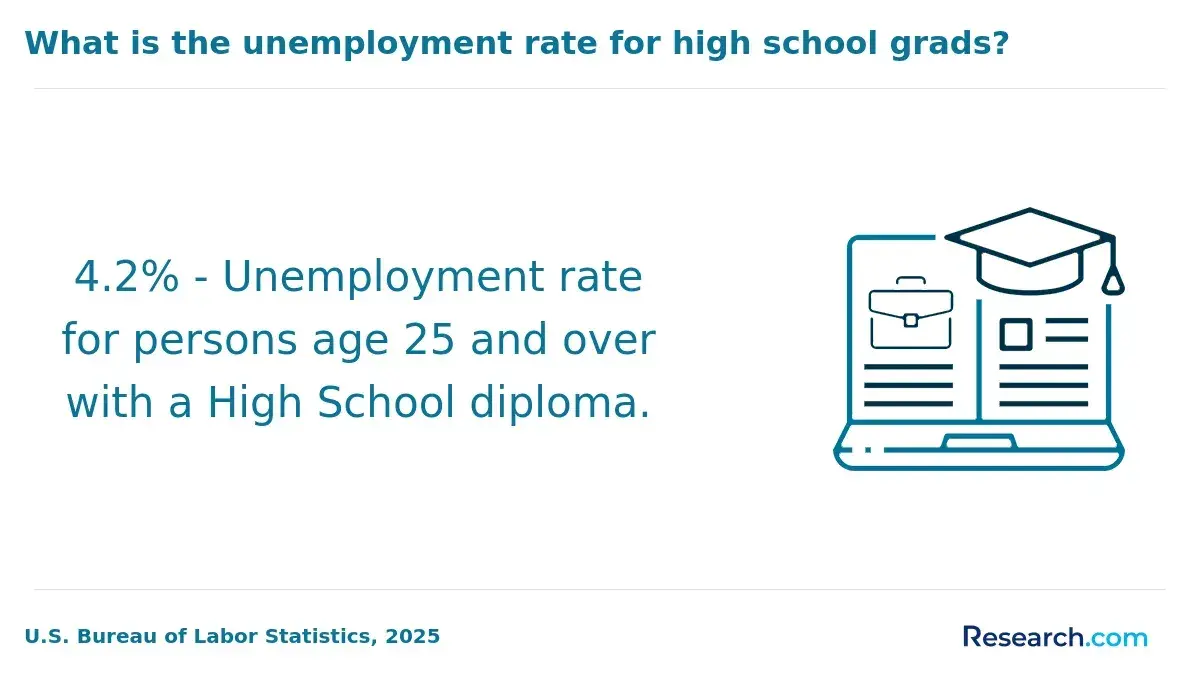
Minimum GPA standards for finance master's programs vary widely depending on an institution's prestige and focus. Accredited programs typically require a baseline GPA to confirm readiness, though this baseline ranges from about 2.7 at more flexible programs to 3.5 or higher at competitive schools. These thresholds serve different roles-top-tier programs use them as strict filters, with admitted students often having average GPAs exceeding stated minimums, sometimes reaching 3.5 or above. Conversely, professional or career-oriented programs may accept lower GPAs, emphasizing work experience and other qualifications to accommodate diverse applicants.
- Range: Required minimum GPAs generally fall between 2.8 and 3.5 on a 4.0 scale, reflecting diverse selectivity levels.
- Selective Programs: Highly competitive schools expect applicants to surpass minimum GPA cutoffs, often reflecting stronger academic profiles than published minimums.
- Open-Enrollment Programs: More accessible master's offerings balance GPA with practical experience, enabling admission with slightly lower academic marks.
- Conditional Admission: Candidates falling below minimum GPAs might qualify for provisional acceptance, contingent on completing coursework successfully or maintaining improved academic performance in initial terms.
- Interpretation: Minimum GPA values represent baseline eligibility rather than goals-applicants benefit from stronger academic records to improve admission and funding chances.
A finance professional who earned his master's shared that despite initially worrying about his GPA, he found that demonstrating discipline and commitment during his first semester was crucial. "I was granted provisional admission because my GPA was just below the cutoff," he recalls, "but the university required me to earn at least a B in key courses to continue. That challenge pushed me to focus intensely and ultimately boosted my confidence." His experience underscores the value of treating GPA requirements as flexible thresholds rather than fixed barriers.
How Long Does It Take to Complete a Finance Master's Degree Versus a Finance Graduate Certificate?
Finance master's degrees generally take one to two years of full-time study, with part-time paths extending beyond three years in some cases. Accelerated programs may reduce completion time to about twelve months but remain less frequent. In contrast, the average duration for finance graduate certificate programs typically spans a few months to one year, designed for swift completion and often including flexible part-time options suitable for employed students.
The substantial time difference stems from program design-master's degrees require 30 to 60 credit hours, encompassing core subjects, electives, and demanding research components such as theses or capstone projects, plus comprehensive exams. Graduate certificates focus tightly on 12 to 18 credits, omitting extensive research and emphasizing practical skills, which allows for a focused, rapid completion.
For working professionals balancing employment and education, the finance master's degree's longer timeline can be challenging, often motivating a choice toward certificates that prioritize speed and immediate applicability. Those targeting significant career advancement or specialized roles may invest the extra time for the master's credentials. Assessing urgency versus commitment helps guide this decision.
Personal circumstances like family responsibilities and financial resources critically affect pacing. Graduate certificates offer less disruptive schedules, while master's candidates face more demanding sequences that require careful time and resource management.
Recent undergraduates seeking broad preparation might favor the master's degree as a foundational credential despite the duration, while career changers often opt for certificates to gain quick, targeted skills. Current certificate holders contemplating master's programs should weigh the additional coursework and research commitment ahead. MBA under 30k programs provide additional examples of accelerated, affordable graduate education options worth considering alongside finance credentials.
How Much Does a Finance Master's Degree Cost Compared to a Finance Graduate Certificate?
Total expenses for a finance master's degree differ notably by institution type. Public in-state programs often fall between $20,000 and $40,000, while public out-of-state options range from $30,000 to $60,000. Private institutions tend to charge $40,000 to $80,000. In contrast, finance graduate certificates cost considerably less-public in-state certificates typically run from $5,000 to $10,000, out-of-state programs from $7,000 to $15,000, and private offerings generally between $10,000 and $20,000.
Cost Drivers: The higher price of a master's degree stems largely from more extensive credit requirements-often 30 to 50 credit hours compared to 9 to 15 for certificates-and longer program durations. Added institutional overhead for faculty support, research resources, and student services contributes to increased fees. Complex curriculum development and accreditation processes further elevate costs. Conversely, graduate certificates are streamlined and demand fewer institutional resources, leading to lower direct expenses.
Financial Aid and Benefits: Students pursuing a master's usually access a broader array of financial aid options such as teaching or research assistantships, fellowships, and employer tuition reimbursement programs. These avenues often help offset the sticker price. Certificate students typically encounter fewer such opportunities due to shorter program lengths and differing eligibility rules.
Hidden Costs: Opting for a master's often involves significant opportunity costs-lost income from full-time study and delayed career progression can impact overall financial returns. In contrast, certificates facilitate rapid skill upgrades while maintaining current employment, thus preserving income and minimizing financial disruption.
Return on Investment: Evaluating value requires focusing on net cost rather than sticker price alone. Prospective students should leverage online calculators to model expected salary gains against tuition and opportunity costs, enabling informed decisions tailored to individual financial and career goals.
Reflecting on these differences, a professional who earned her finance master's degree shared that navigating the extended program was challenging but rewarding: "Balancing full-time work with coursework meant long nights and tight deadlines, but the comprehensive curriculum opened doors I hadn't imagined. Although the upfront costs were daunting, the financial aid and eventual salary boost justified the investment. It wasn't an easy journey, yet each hurdle felt like a step toward a stronger career foundation."
How Does Earning a Finance Master's Degree Affect Salary Compared to a Finance Graduate Certificate?
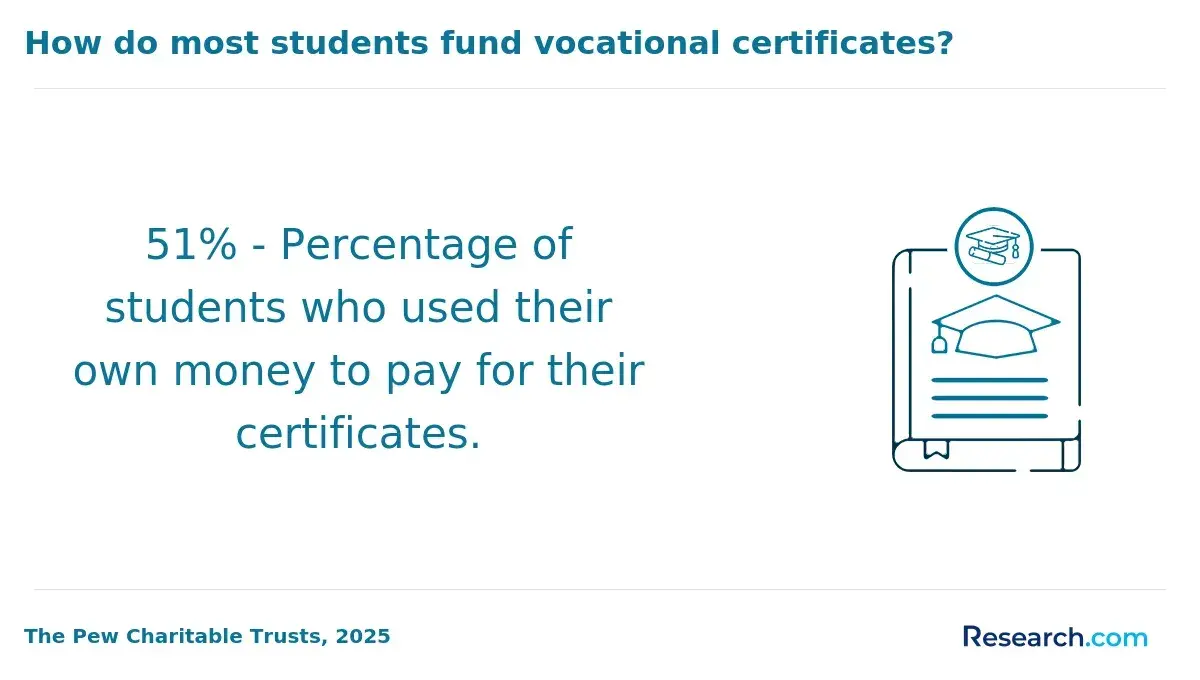
Data from the Bureau of Labor Statistics, NACE salary surveys, and Georgetown University research highlight clear earnings distinctions between finance master's degree holders and those with graduate certificates. Master's degree recipients generally enjoy a substantial wage boost-often between 20% and 40% higher median salaries-showcasing the value of advanced expertise.
- Salary Premium: Those with a master's degree benefit from higher median wages compared to graduate certificate holders, reflecting expanded skills and deeper knowledge.
- Industry Impact: The earnings edge is strongest in investment banking, asset management, and corporate finance at large financial institutions where specialized technical and leadership competencies are prized.
- Employer Type: Large multinational corporations and leading consulting firms tend to offer higher pay and faster promotions to master's graduates-smaller or regional firms may find certificates sufficiently valuable.
- Senior-Level Roles: Advanced degrees become critical for accessing top finance positions-such as financial managers or CFOs-where pay gaps widen significantly.
- Certificate Strength: Specialized certificates in fields like financial planning, risk management, or fintech can deliver salaries on par with or exceeding master's holders, driven by targeted industry demand.
- Return on Investment: While master's programs lead to higher salaries, certificates require less time and money, offering attractive ROI for those seeking swift skill upgrades or career shifts.
- Cost and Time: Master's programs typically span 1.5 to 2 years with higher tuition, whereas certificates often complete in under a year with lower costs, making financial and time commitments key decision factors.
According to 2024 trends, the demand for targeted finance certificates has grown by 15%, underscoring shifting employer preferences toward specialized skill sets alongside traditional degrees.
Which Finance Career Paths Favor a Master's Degree Over a Graduate Certificate?
Certain career paths within finance emphasize the importance of a master's degree far more than a graduate certificate due to the comprehensive expertise and theoretical foundation it provides. Employers and licensure boards frequently require a master's degree for leadership, research-intensive, and licensed positions-roles where a graduate certificate's narrower focus typically falls short of demonstrating the necessary academic rigor and professional preparation.
- Leadership Roles: Executive and senior management roles in finance, such as chief financial officer (CFO) and finance director, often require or strongly prefer candidates holding a master's degree. The advanced strategic, analytical, and managerial skills developed in these programs prepare professionals for the complex decision-making these positions demand beyond what certificate programs cover.
- Research-Intensive Positions: Jobs in financial analysis, quantitative modeling, or academic research usually mandate a master's degree to ensure mastery of advanced methodologies, theoretical frameworks, and data analysis techniques that graduate certificates rarely address.
- Licensed Professions: Certifications and licenses like the Chartered Financial Analyst (CFA) credential or licenses in financial advising and investment banking commonly require or highly value the master's degree as evidence of rigorous academic and professional preparation.
- Promotion and Specialization: Many finance career ladders consider the master's degree a formal requirement for promotion or specialized roles such as risk management or corporate finance strategy, making the full degree structurally necessary for advancement.
According to recent data from the U.S. Bureau of Labor Statistics, finance occupations requiring master's degrees for advanced roles have grown by over 7% in the last two years-highlighting the credential's increasing importance in competitive job markets. Finance professionals targeting these career tracks should carefully consider how licensure and promotion criteria impact their educational planning.
Which Finance Career Paths Favor a Graduate Certificate Over a Master's Degree?
Certain career paths within finance clearly favor a graduate certificate over a master's degree-especially where speed, specificity, and practical skills matter more than broad academic training. Employers in areas such as financial technology (fintech), data analytics, and risk management often prioritize candidates who demonstrate current technical competencies. Graduate certificates offer targeted expertise in subjects like blockchain applications, Python programming for finance, and quantitative risk analysis, providing practical skills closely aligned with job demands. This focus makes them attractive options for those exploring finance career options with graduate certificate credentials.
Professional roles emphasizing continual skill upgrades-such as compliance specialists, financial modelers, or treasury analysts-often regard certificates as sufficient credentials. Surveys of hiring managers at financial institutions reveal that certificate holders with experience can sometimes be as appealing, or even preferred over master's graduates lacking specialized expertise. This preference exists because certificates require less time and financial investment, allowing working professionals to bridge skill gaps rapidly without disrupting their careers.
For prospective students evaluating options, considering programs accredited by non profit online colleges can also maximize flexible learning opportunities without sacrificing quality.
Is a Finance Graduate Certificate Stackable Toward a Master's Degree?
Whether finance graduate certificate credits toward master's degree programs are stackable depends on institutional policies rather than a universal standard. Some accredited universities allow graduate certificate coursework to be applied toward a master's degree when the certificate program closely aligns with the master's curriculum, often at the same institution or an approved partner. This approach can reduce time and financial investment in the full master's program.
- Institutional Policy: Each university decides if stacking is permitted. Some institutions enable seamless transfer of credits into their finance master's programs; others restrict or disallow it.
- Grade Requirements: Transferred credits typically require a minimum grade-commonly a B or higher-to ensure academic quality.
- Time Limits: Certificate coursework may need to be completed within a set timeframe, such as five years, to remain eligible for stacking.
- Program Match: Certificates usually must be earned from the same school or an approved partner to qualify for transfer.
- Lower-Risk Entry: Stacking a finance graduate certificate into a master's program offers a lower-risk way for students to test their interest in graduate study, exploring coursework intensity and costs before committing to a full degree.
- Verify Policies: Prospective students should confirm stackability with graduate admissions, as transfer rules vary widely across programs.
For those weighing broader options, exploring masters in data analytics may also offer relevant career pathways tied to strong analytical skills valued in finance and related fields.
How Do Employers in the Finance Field Perceive a Master's Degree Versus a Graduate Certificate?
Employers in finance-related sectors show clear differences in how they evaluate master's degrees versus graduate certificates. According to hiring data, industries with heavy regulation-like banking and asset management-tend to prefer master's degrees for their depth of theoretical knowledge and rigorous training. These credentials are favored for roles requiring strong regulatory understanding and analytical skills.
On the other hand, fast-paced fields such as technology and consulting often view graduate certificates more positively. Research indicates these sectors value certificates for delivering current, targeted skills that can swiftly respond to evolving market needs. Certificates are seen as evidence of practical expertise, particularly for technical or specialized positions.
Can a Finance Graduate Certificate Help Someone Transition Into the Field From a Different Background?
For professionals switching from unrelated fields, a finance graduate certificate offers a streamlined, cost-effective credential to gain finance expertise without enrolling in a full master's program. Workforce development studies show these certificates are increasingly tailored for career changers-providing accelerated completion times and lower credit requirements that reduce financial and time commitments.
Such programs often feature practical, career-focused curricula enabling students to develop finance-specific portfolios that enhance employer appeal. Many certificates also function as stackable credentials, allowing coursework to count toward a master's degree if pursued later-supporting a flexible, modular approach to advancing education.
- Accessibility: Admission standards are usually more flexible than those for master's programs, welcoming candidates without prior finance backgrounds.
- Applied Learning: Emphasis on real-world projects helps learners demonstrate tangible skills relevant to the finance sector.
- Stackable Credentials: Credits from certificates frequently transfer into graduate degrees, making them a gateway credential.
- Cost and Time Efficiency: Certificates are less expensive and faster to complete, suiting professionals balancing work and personal commitments.
Nevertheless, certificates fall short for individuals targeting senior or specialized finance roles-positions that typically require the comprehensive knowledge and industry recognition a master's degree provides. As such, a graduate certificate should be viewed as an initial credential complemented by visible finance-related experience-internships, volunteer work, or portfolio projects-to improve hiring prospects and accelerate career progression in a competitive market.
What Graduates Say About Which Is Better: A Finance Master's Degree or a Finance Graduate Certificate
- Kylie: "Choosing between a finance master's degree and a graduate certificate was tough-but the cost difference really stood out to me. The master's was a bigger financial commitment upfront, but it also seemed to carry more weight with employers in my industry. In the end, I valued the long-term salary impact that the master's promised, even if it meant a longer path."
- Dallas: "From my experience, the time-to-completion was a decisive factor when I compared the two options. The graduate certificate was definitely faster to finish, which helped me quickly pivot my career. However, the master's degree's admission requirements meant it was more selective-so I felt a sense of achievement that came with that rigor and recognition, especially from my employer."
- Ryan: "Reflecting on my journey, employer recognition was where I noticed the biggest difference. The finance master's opened more doors and felt like a solid investment for career utility over time. Still, the graduate certificate offered a practical and less demanding alternative that suited my immediate career needs without the intense pressure of a master's program."
Other Things You Should Know About Finance Degrees
Online finance master's programs are generally recognized as comprehensive credentials that cover advanced theory and practical applications, which is often valued by employers and academic institutions. Graduate certificates, whether completed online or on campus, typically focus on specialized skills and are shorter in duration, offering more limited recognition. The overall quality depends heavily on the institution's reputation and accreditation status, but master's degrees often carry more weight in job markets and for further academic pursuits.
Accreditation is a critical factor when deciding between a finance master's degree and a graduate certificate because it ensures the program meets established standards of educational quality. Regional accreditation is essential for both types of credentials-without it, credits may not transfer, and employers may question the program's legitimacy. Specialized accreditation in business or finance disciplines can further enhance credibility and marketability regardless of the credential.
Candidates seeking broad, in-depth knowledge, long-term career advancement, or entry into doctoral programs are best suited for a finance master's degree. Those looking for quicker, skill-specific training to enhance current roles or pivot careers with minimal time and cost investment often benefit from graduate certificates. Professionals evaluating future academic or salary growth typically find a master's degree more advantageous.
References
- What to do after a master's in finance https://www.ipag.edu/en/blog/what-do-after-masters-finance
- Master’s in Finance: Everything You Need to Know - The Red Pen https://theredpen.in/masters-in-finance-everything-you-need-to-know/
- Difference Between Graduate Certificate and Master's Degree - Rosemont College https://rosemont.edu/whats-the-difference-between-graduate-certificate-and-masters-degree/
- Opintopolku https://opintopolku.fi/konfo/en/hakukohde/1.2.246.562.20.00000000000000077878/valintaperuste
- Comparing a Master's in Finance vs. MBA Degree | University of Phoenix https://www.phoenix.edu/articles/business/comparing-a-masters-in-finance-vs-mba-degree.html
- How to transition into a finance career with no experience | Kaplan UK https://kaplan.co.uk/blog/careers/how-to-transition-into-a-finance-career-with-no-experience
- What is the salary with a Master in Finance? - ESCE https://www.esce.fr/en/faq-all-the-answers-to-your-questions/what-is-the-salary-with-a-master-in-finance/
- Master of Finance Degree Guide https://www.allbusinessschools.com/finance/masters-in-finance/
- What is the Value of a Master’s Degree? https://steeringpoint.ie/worklife/what-is-the-value-of-a-masters-degree/
- Average Cost of a Master's Degree: 2025 Analysis https://educationdata.org/average-cost-of-a-masters-degree