2027 Early Childhood Education Master's Degree vs Graduate Certificate: Which Is Better?

Co-Founder and Chief Data Scientist
Choosing between an early childhood education master's degree and a graduate certificate can be daunting for those aiming to advance or pivot their careers. The two credentials differ significantly-master's programs generally demand 1-2 years and a bachelor's degree for admission, while graduate certificates may take less than a year with more flexible entry criteria. Employers often value master's degrees higher, correlating with a 15% average salary increase over certificate holders in 2024. Cost and career goals also influence the decision-master's degrees typically incur greater tuition but offer broader opportunities.
This article analyzes these factors to guide prospective students toward the credential best aligned with their professional objectives.
Key Things to Know About Which Is Better: A Early Childhood Education Master's Degree or a Early Childhood Education Graduate Certificate
- Master's degrees generally cost 3-5 times more than graduate certificates-yet they offer broader academic training and greater potential for salary increases, with a 15% higher median wage reported in 2024.
- Graduate certificates require significantly less time-typically 1 year versus 2-3 years for a master's-making them ideal for career-changers or working professionals seeking rapid skill gains.
- Admission requirements for master's programs are more stringent, often demanding prior teaching experience and higher GPAs, while certificates provide more flexible entry points for diverse applicants.
What Is the Difference Between a Early Childhood Education Master's Degree and a Early Childhood Education Graduate Certificate?
An early childhood education master's degree is a comprehensive graduate credential requiring 30 to 45 credit hours. Its curriculum spans theory, research methods, curriculum design, leadership, and policy analysis, aiming to build critical thinking, research skills, and professional leadership. Graduates are prepared for advanced roles in education or doctoral study. In contrast, an early childhood education graduate certificate typically involves 12 to 18 credit hours focused on specialized topics within the field. It enhances specific skills or areas of expertise-such as literacy or administration-making it ideal for professionals seeking a targeted knowledge boost without a full degree commitment.
Credit Hours and Curriculum Scope: The master's degree demands extensive coursework and often includes a capstone or thesis, usually completed in about two years full-time. Graduate certificates are shorter-commonly under a year-and have fewer coursework requirements, appealing to those needing rapid credentialing.
Academic Standing and Institutional Purpose: A key misconception is that a graduate certificate is merely a truncated master's degree; in reality, it holds different academic status and does not confer equivalent professional standing. Certificates often target individuals who already possess graduate-level experience or degrees. Nonetheless, some institutions allow stacking certificates into their master's programs, making credit transfer possible and complicating direct comparisons.
Intended Audiences: Master's degrees suit recent graduates or career-changers pursuing broad training for leadership roles. Graduate certificates attract current educators or working professionals focused on specialization or skill enhancement without long-term study. This distinction is vital when considering the early childhood education master's degree vs graduate certificate comparison.
This overview sets the stage for a deeper look at differences in cost, time-to-completion, admission requirements, employer recognition, salary potential, and career utility for each pathway-helping prospective candidates make an informed choice. For those exploring further graduate opportunities, including how these credentials might align with doctoral pathways, resources such as cheap online PhD programs can provide valuable insights.
What Are the Typical Admission Requirements for a Early Childhood Education Master's Program Compared to a Early Childhood Education Graduate Certificate?
Admission requirements for an early childhood education master's program are distinctly more rigorous than those for a graduate certificate-reflecting the depth of study involved and the academic commitment expected. These differences become clear across several key criteria, helping prospective students gauge where they currently stand and what pathway aligns best with their goals.
- Undergraduate GPA: Master's programs typically require a competitive undergraduate GPA, often around 3.0 on a 4.0 scale or higher, to confirm academic readiness for graduate-level coursework. Conversely, graduate certificate programs usually adopt more flexible GPA standards, sometimes accepting students with lower GPAs or no strict minimum.
- Prerequisite Coursework: Master's admission often mandates prior completion of specific undergraduate courses in education, child development, or related fields. This ensures foundational knowledge before tackling advanced concepts. Graduate certificates tend to require fewer or no specific prerequisite courses, offering accessibility to those entering from different academic backgrounds.
- Standardized Tests: Although declining in frequency, some master's programs still ask for GRE or comparable test scores to assess critical thinking and verbal abilities. Graduate certificate programs rarely require standardized testing, reflecting their role as more accessible credentials.
- Letters of Recommendation: Master's applicants usually submit multiple letters from academic or professional references, providing insight into their potential and character. Certificate programs may require fewer or none, simplifying the application process.
- Personal Statements: Detailed personal statements articulating goals, experience, and motivation are standard for master's admissions. Certificate applicants may need simpler statements or none at all.
This contrast in early childhood education graduate certificate admission criteria comparison matters greatly because certificates can serve as an on-ramp for students not yet meeting master's thresholds. Those with nontraditional backgrounds or seeking to bolster their academic profiles may find certificate programs offer a practical and flexible means to build credentials before applying to a master's. This pathway supports candidates aiming to demonstrate commitment and readiness without facing the full competitive rigor upfront.
For working professionals exploring a focused skills upgrade or career-changers seeking faster entry into the field, understanding these requirements informs decision-making. Choosing the right credential-whether a graduate certificate or a full master's-depends on prior preparation, career goals, and timelines. For those investigating further educational options, including pursuing an online counseling degree, comprehensive knowledge of admission standards can guide strategic planning.
What Is the Minimum GPA Requirement for a Early Childhood Education Master's Program?
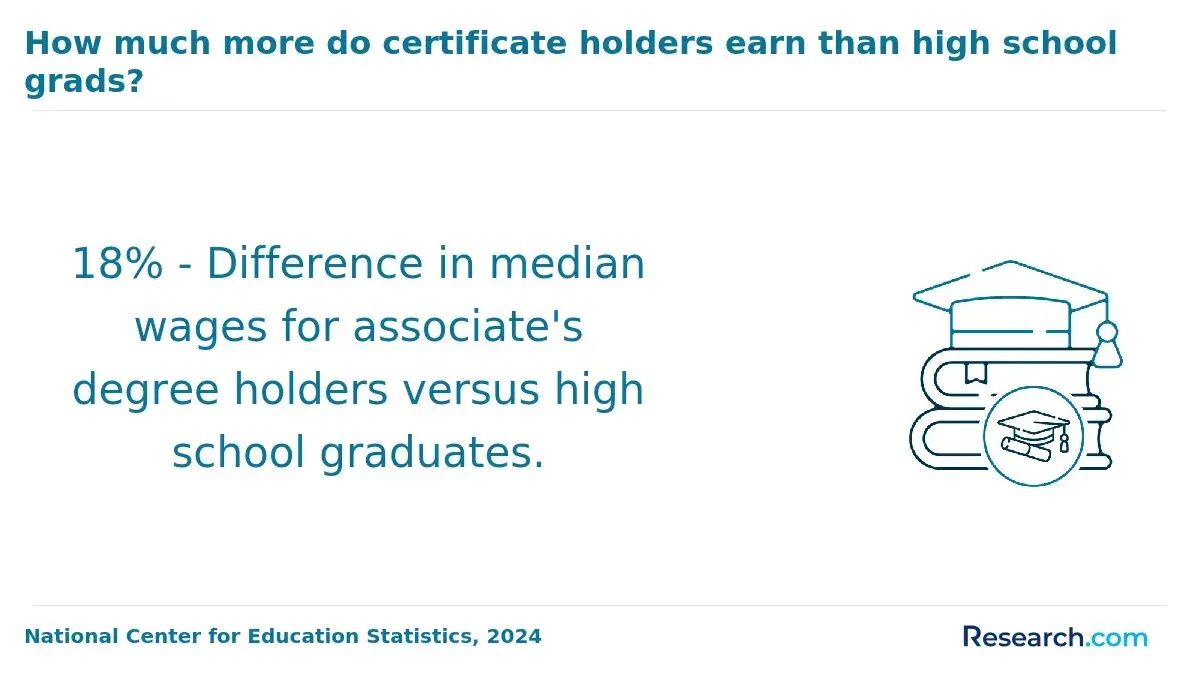
Accredited early childhood education master's programs generally set minimum GPA requirements to ensure applicants have a solid academic foundation. These thresholds usually fall between 2.5 and 3.5 on a 4.0 scale, with most programs expecting a minimum of 3.0. Programs with a professional or open enrollment focus may accept candidates with GPAs closer to 2.5, while highly competitive institutions commonly require 3.3 or higher-often edging toward 3.5-reflecting the strong GPA profiles of their admitted cohorts rather than just the published minimum.
- Selective Programs: These schools attract numerous qualified applicants, making minimum GPAs a baseline rather than a realistic admission target.
- Conditional Acceptance: Some universities offer provisional admission to students who barely miss the cutoff, typically requiring better performance in early coursework or completion of remediation.
- Role of Minimums: GPA floors serve as basic eligibility markers but admissions decisions consider the entire applicant profile-including experience and recommendations.
- Applicant Strategy: Prospective students should treat minimum GPA requirements as one factor and enhance other application components to compensate if their GPA is slightly lower.
One professional who completed an early childhood education master's program shared that despite initially feeling uncertain about meeting GPA standards, he found that demonstrating commitment through practical experience and strong personal statements made a significant difference. He recalled, "GPA was just one piece of the puzzle. The program valued my dedication and growth potential more than a perfect number, which encouraged me to focus on developing my skills and mindset rather than stressing over grades alone." This perspective highlights how qualified applicants can succeed even without exceeding minimum GPA requirements by far.
How Long Does It Take to Complete a Early Childhood Education Master's Degree Versus a Early Childhood Education Graduate Certificate?
Typically, full-time students spend about two years completing an early childhood education master's degree, while part-time learners may take three to four years. Accelerated programs exist, often lasting 12 to 18 months, but these still require a full academic commitment and intense workload to finish quickly.
Graduate Certificate Duration: Graduate certificate programs focus on rapid completion, usually between six months and one year for full-time students. Part-time enrollees often extend their study period to around 18 months or slightly more, depending on course availability and workload.
Program Structure: The time-to-complete an early childhood education master's degree is extended due to a heavier curriculum-30 to 40 credit hours involving comprehensive exams, thesis or capstone projects, and research methodology courses. Certificates concentrate on foundational or specialized topics with fewer credit requirements-typically 12 to 18 credit hours-which shortens the duration substantially.
Work-Life Balance: Graduate certificates appeal to professionals seeking targeted skills quickly without sacrificing work or family time, as the reduced academic demands better fit busy schedules. Master's degrees demand more sustained effort and deeper study, requiring greater academic flexibility often accessible to full-time students or those with supportive employers.
Career Considerations: Those prioritizing swift entry into specialized roles often select graduate certificates, while individuals aiming for leadership positions or licensure invest in master's programs despite longer timelines. Employment status, family obligations, and finances play key roles-full-time students may prefer master's paths, while many juggling responsibilities opt for certificates.
For more detailed insights on accelerated graduate education pathways, consider programs featured among the best online social work programs, which illustrate trends relevant across social science fields.
How Much Does a Early Childhood Education Master's Degree Cost Compared to a Early Childhood Education Graduate Certificate?
Tuition for a early childhood education master's varies notably by institution. Public in-state programs usually cost between $15,000 and $30,000, while out-of-state tuition often doubles that amount, ranging from $30,000 to $60,000. Private schools tend to charge more, with fees commonly falling from $40,000 up to $80,000 or beyond. Graduate certificates in early childhood education are more affordable, typically priced $5,000 to $10,000 for public in-state options, $10,000 to $20,000 for out-of-state, and $15,000 to $25,000 at private institutions.
Price Drivers: The higher expenses for master's programs stem from their extended length-often requiring 30 to 45 credit hours-compared to certificates needing only 9 to 18 credits. Additional credits inflate tuition and fees, while institutional resources like faculty access, research facilities, and campus services increase overhead. Moreover, a master's program usually includes comprehensive coursework alongside practicum or thesis components, adding to total costs.
Financial Aid: Master's candidates often benefit from broader financial aid availability. Options such as teaching or research assistantships, fellowships, and employer tuition reimbursement appear more frequently at the graduate level, helping offset sticker prices. Conversely, certificates, despite their lower upfront cost, generally offer fewer of these financial aid avenues.
Opportunity Cost: The prolonged enrollment of master's degree students entails a notable opportunity cost-time away from full-time work or slowed career advancement-which can impact income, particularly for mid-career professionals. Graduate certificates, given their shorter duration, minimize this lost earning potential but might not provide the same salary enhancement or promotion advantages.
Net Cost and ROI: Evaluating program value requires focusing on net cost after scholarships and aid, not just published tuition. Numerous online calculators help project return on investment by considering factors like expected salary gains, program length, and financial support, guiding candidates toward the credential best aligned with their goals.
When asked about her experience navigating these costs, a professional who completed a early childhood education master's program reflected, "Balancing the higher tuition with teaching assistantships made the degree manageable, but the real challenge was the time commitment-three years meant putting my career on hold. Still, the deeper knowledge and connections I gained opened doors that a quicker certificate never could. It was tough juggling studies and personal life, yet looking back, the investment felt worthwhile because it significantly advanced my teaching career."
How Does Earning a Early Childhood Education Master's Degree Affect Salary Compared to a Early Childhood Education Graduate Certificate?
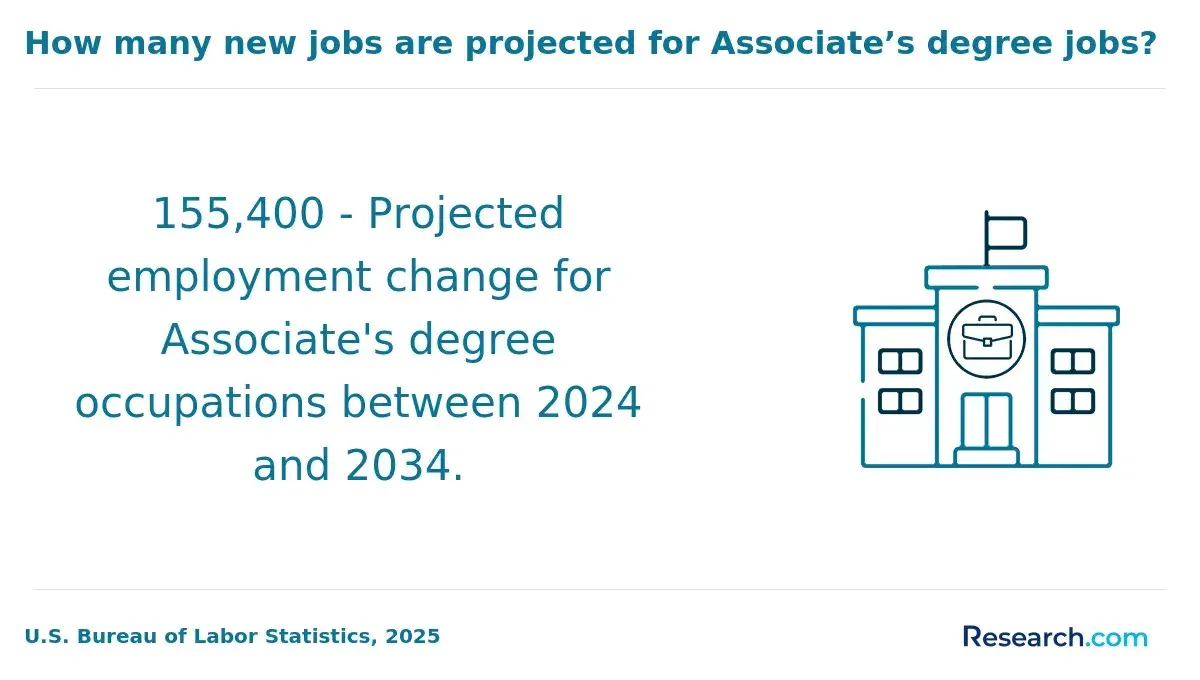
Data from the Bureau of Labor Statistics and Georgetown University highlights a clear salary advantage for professionals with a master's degree in early childhood education over those holding only a graduate certificate-typically between 15% and 30% higher median wages. This earning gap is most evident in public education, government roles, and nonprofit organizations that emphasize advanced qualifications.
- Salary Premium: The master's degree commands a significant wage boost, especially in leadership and administrative positions such as program directors or curriculum developers.
- Industry Trends: In contrast, some early childhood roles-particularly in private childcare centers or community-based programs with high demand for specialized skills like bilingual education or autism intervention-show salaries from graduate certificates that can rival or occasionally surpass those with a master's degree.
- Return on Investment: Although master's programs generally yield higher salaries, they require greater time and financial commitments, usually two years versus several months for a certificate, making certificates a more efficient choice for those seeking faster career advancement.
- Career Progression: Graduate certificates often act as quick upskilling tools for specific positions, while master's degrees tend to unlock higher-level administrative and policymaking opportunities with longer-term growth potential.
According to 2024 NACE salary data, early childhood education professionals with a master's degree experience an average wage increase of 22% compared to those holding certificates, reinforcing the credential's value in many career pathways.
Which Early Childhood Education Career Paths Favor a Master's Degree Over a Graduate Certificate?
Certain career tracks within early childhood education distinctly require or strongly prefer a master's degree over a graduate certificate-reflecting the greater academic depth and professional preparation that the full degree provides. Recent labor data from 2024 indicates that over 40% of leadership and specialized roles in this field mandate a master's-level credential for hiring or advancement, underscoring the credential's importance amid evolving regulatory and industry standards.
Leadership Roles: Positions like program directors, curriculum coordinators, and administrative leaders typically require a master's degree. These roles demand advanced expertise in educational theory, policy analysis, and organizational management-competencies beyond the scope of most graduate certificates.
Licensure and Certification: Many state licensing boards set a master's degree as the minimum qualification for lead teachers in public early childhood programs or for specialists working with children who have developmental disabilities. This requirement ensures practitioners possess a solid foundation in research and evidence-based approaches.
Research-Intensive Positions: Academic teaching, policy development, and early childhood research roles nearly always require a master's degree or higher. This degree signals proficiency in engaging with scholarly literature and conducting original inquiry, distinguishing candidates for these career paths.
Career Advancement: Within early childhood education organizations, the master's degree often acts as a formal threshold for promotions and salary increases. Employees without this credential may find their upward mobility limited compared to those with a master's degree.
For those targeting careers in leadership, licensure-required roles, or research, investing in a master's program aligns better with long-term goals than pursuing only a graduate certificate.
Which Early Childhood Education Career Paths Favor a Graduate Certificate Over a Master's Degree?
Graduate certificates deliver significant value in early childhood education career options for certificate holders who seek roles emphasizing practical, hands-on skills rather than broad academic knowledge. Positions such as child development specialists, preschool program coordinators, or early intervention aides often prioritize candidates with specific technical competencies that a certificate program can quickly provide.
Faster Career Advancement: Working professionals aiming to fill precise knowledge gaps-like curriculum design, assessment strategies, or family engagement techniques-frequently opt for graduate certificates instead of committing to a full master's program. This choice supports rapid, targeted skills upgrades that enhance employability without the time and financial investment of advanced degrees.
Employer Preferences: Job market data from platforms such as LinkedIn Workforce Insights indicate that certain employers in early childhood education sectors consider graduate certificates equivalent or sometimes preferable credentials for applied roles. Leadership positions within childcare centers or nonprofit organizations may weigh these practical certificates more heavily than broad master's degrees, reflecting demand for demonstrated technical competency.
Rapid Credentialing for Career Changers: Those transitioning from unrelated fields benefit from graduate certificates as streamlined pathways to meet state certification requirements or specialized licensure. This enables faster workforce entry compared to pursuing a full master's degree, making graduate certificate career benefits in early childhood education particularly impactful for newcomers.
Cost and Time Efficiency: Graduate certificates generally require fewer credits and less financial outlay, making them attractive for professionals seeking credentialing without prolonged graduate school commitments. For those balancing career demands and development, this efficiency supports continued competitiveness.
Prospective students considering their next credential step may also explore options such as an online masters in history or similar specialized pathways that align with their career objectives.
Is a Early Childhood Education Graduate Certificate Stackable Toward a Master's Degree?
A graduate certificate in early childhood education can often be stackable toward a master's degree-depending largely on institutional policies. The concept of stackable credentials allows students to apply completed coursework from one credential-such as a graduate certificate-directly toward a more advanced degree like a master's. This flexibility can reduce overall time and cost for degree completion and is frequently used by those considering early childhood education graduate certificate stackable credits.
Many accredited universities permit stacking when the certificate and master's degree are in the same or closely related field. Institutions commonly require that certificate credits be earned with a minimum grade-often a B or higher-and completed within a specific timeframe, usually five to seven years. Additionally, the certificate program must be officially recognized by the institution offering the master's to qualify.
Not all programs allow stacking, with some treating certificates and degrees as separate credentials. Because of this variability, it is essential to confirm whether a graduate certificate can count toward a master's degree in early childhood education directly with graduate admissions or the registrar's office. Written confirmation can prevent unexpected obstacles.
This pathway provides a lower-risk option to test academics and finances before committing fully. It is particularly valuable for working professionals and career-changers seeking targeted skills upgrades or exploring early childhood education as a new field. For those also interested in related fields, exploring online accelerated project management degree programs can complement education management skills.
- Institutional Policy: Stackability depends on the university's rules and is not a universal standard.
- Grade Requirements: Many programs require a minimum grade threshold for certificate courses to count toward a master's.
- Time Limits: Credits often must be used within a specific number of years to remain valid for stacking.
- Program Alignment: Certificates usually need to align closely with the master's curriculum and come from the same institution.
- Risk Management: Certificates offer a lower-risk way to test academics and financial commitments before deciding on a full master's.
How Do Employers in the Early Childhood Education Field Perceive a Master's Degree Versus a Graduate Certificate?
Employers in early childhood education weigh master's degrees and graduate certificates differently-shaped by sector and job requirements. Surveys from NACE Job Outlook, Council of Graduate Schools, and LinkedIn Talent Insights show that roles demanding comprehensive expertise such as curriculum design, administration, or academic leadership generally favor master's holders.
However, graduate certificates gain traction in sectors valuing focused, practical skills or quicker upskilling. For some private organizations and nonprofits, certificates serve as acceptable credentials for specialized or entry-level functions.
- Industry Differences: Regulated environments like public schools prioritize master's degrees as essential credentials, while less regulated settings may treat certificates more favorably for niche roles.
- Role Alignment: Employers perceive certificates as supplements suited for targeted skills or career changers, but hesitate to assign major leadership or policy positions to certificate holders alone.
- Institutional Prestige: The reputation and accreditation of the issuing school profoundly impact employer trust-a certificate from a respected university can exceed the value of a master's from a lesser-known institution.
- Recognition Consistency: HR professionals often regard master's degrees as standardized and easier to evaluate, whereas certificates vary widely in rigor and perception.
- Career Trajectory: Master's degrees typically unlock broader advancement and higher earning potential, while certificates mainly support lateral moves or initial entry into specialized areas.
These factors emphasize the importance of choosing credentials aligned with one's target roles and career goals-balancing time, cost, and employer expectations for the strongest professional outcome.
Can a Early Childhood Education Graduate Certificate Help Someone Transition Into the Field From a Different Background?
Professionals switching to early childhood education from other fields often find graduate certificates a practical and time-efficient credential. These programs require less time and money than a full master's degree-ideal for those needing to prove subject-matter expertise swiftly without a major academic commitment.
Workforce development research shows certificates increasingly target career changers by offering streamlined paths focused on core early childhood education skills. Many certificates emphasize hands-on learning, requiring students to create portfolios or complete applied projects that demonstrate their readiness.
- Speed: Certificate programs can be completed within a year, enabling faster entry into the workforce.
- Cost-Effectiveness: Lower tuition makes them more accessible to those navigating career shifts.
- Stackable Credentials: Designed to build toward a master's degree, certificates offer flexible continuing education options.
- Applied Curriculum: Practical coursework helps students develop real-world skills valued by employers.
That said, certificates may not suffice for leadership or niche roles where comprehensive training and credential recognition from a master's degree are standard. For stronger hiring prospects, certificate holders should supplement their studies with tangible experience-through volunteering, internships, or relevant projects.
A graduate certificate is best viewed as an entry point for professionals changing careers-an efficient means to establish foundational knowledge while considering whether to pursue advanced graduate study for long-term advancement.
What Graduates Say About Which Is Better: A Early Childhood Education Master's Degree or a Early Childhood Education Graduate Certificate
- Regine: "Choosing between a master's degree and a graduate certificate in early childhood education really came down to cost and career impact for me. The master's was a bigger financial commitment, but I found that employers recognized it more-leading to better salary opportunities. If you're looking for long-term career growth, the master's degree absolutely pays off."
- Demi: "Reflecting on my journey, the quicker time-to-completion of the graduate certificate was a huge advantage-especially since admission requirements were less stringent, making it an accessible option. While it might not open every door like a master's degree, it provided practical skills I could apply immediately in my classroom. For me, the certificate struck the right balance between speed and utility."
- Brooke: "Professionally, I valued how the master's degree offered a deeper, more comprehensive education in early childhood education, even though it required a longer commitment and tougher admissions. Employers often look for that advanced credential when considering candidates for leadership roles. The salary boost I received after graduation confirmed that investing in a master's was the smarter choice for my career path."
Other Things You Should Know About Early Childhood Education Degrees
Online early childhood education master's programs typically offer a more comprehensive curriculum with greater depth in theory, research, and leadership skills than graduate certificates. Master's degrees from accredited institutions are widely recognized by employers and education agencies, often required for higher-level positions. Graduate certificates provide focused, skill-based training and can be completed faster but may not hold the same weight in hiring or promotion decisions.
Accreditation ensures the program meets certain academic standards and is critical for both credentials. A master's degree from an accredited institution is generally more valuable for licensure, salary advancement, and credit transfer toward doctoral studies. Graduate certificates should also be accredited-preferably by recognized bodies in education-to ensure employers recognize their legitimacy, but the scope of accreditation impact is broader for master's degrees.
The master's degree suits individuals seeking leadership roles, long-term career growth, or academic advancement in early childhood education. It appeals to recent graduates and current professionals wanting comprehensive expertise. Graduate certificates best fit working professionals needing specialized skills quickly, career changers eager to enter the field sooner, or certificate holders evaluating whether to extend their credentials without committing to a full degree.
References
- Early Childhood Education Master's Programs – Bank Street Graduate School of Education https://graduate.bankstreet.edu/masters-degrees-early-childhood/
- 10 Career Paths You Can Pursue with an Early Childhood Education (ECE) Diploma - Oxford International Career Colleges https://oicolleges.com/2025/12/03/10-career-paths-you-can-pursue-with-an-early-childhood-education-ece-diploma/
- Types of careers in the early childhood sector https://www.vic.gov.au/types-careers-early-childhood-sector
- How Long Is Early Childhood Education? Course Details https://www.open.edu.au/advice/insights/early-childhood-course-length
- Cost of Early Childhood Ed Academic Programs | Erikson Institute https://www.erikson.edu/admissions/financial-aid-tuition/cost-of-attendance/
- The Highest Paying Early Childhood Education Jobs | Arizona Early Childhood https://azearlychildhood.org/resources/articles/the-highest-paying-early-childhood-education-jobs/
- Pre-school and early childhood pedagogy - Academy of Applied Sciences of the University of Applied Sciences in Opole https://www.wszia.opole.pl/en/produkt/pedagogika-przedszkola-i-wczesnoszkolna/
- Early Childhood vs. Elementary Education | University of Phoenix https://www.phoenix.edu/articles/education/early-childhood-vs-elementary-education.html
- Education and Credentials - Lansing Economic Area Partnership https://www.purelansing.com/community-opportunities/grants-and-programs/capital-area-child-care-coalition/career-expansion-resources/education-and-credentials/
- Early Childhood Education Courses in Australia for 2026- Aus https://ausstudies.com/blog/early-childhood-education-courses-in-australia