2027 Do Employers Pay for Geography Degrees: Tuition Reimbursement and Sponsorship Options
Audited and Verified:
Our Editorial and Data Verification Process
Research.com uses government datasets, official education statistics and primary institutional information to support its career and degree guides. Our review process checks factual accuracy, occupational definitions, source dates and the requirements associated with the credentials discussed.
How This Article Was Fact-Checked
Our editorial team verifies salary estimates, employment projections, education requirements and program information against original data providers and official organizations. Salary figures are checked against the relevant occupational definitions and reporting periods. Information about licensure, accreditation and required in-person training is reviewed separately.
Fact-checked and verified on:

Co-Founder and Chief Data Scientist
Many working professionals hesitate before pursuing a geography degree due to rising tuition costs and substantial student debt. According to the College Board, average annual tuition and fees at public universities exceed $10, 000, pushing total costs beyond $40, 000 for a four-year degree. This financial burden often discourages enrollments despite demand for geography skills in urban planning, environmental science, and GIS. Understanding whether employers offer tuition reimbursement or sponsorship can alleviate these concerns.
The article explores options available for students to offset costs through employer support, detailing eligibility criteria, common benefits, and strategies to secure funding. This guidance assists readers in making informed decisions to finance their geography education effectively.
Key Benefits of Employers Paying for Geography Degrees
- Employer tuition reimbursement programs can significantly reduce the average $33,000 debt for geography graduates, easing financial burdens while enhancing workforce skills.
- Sponsorship options often include paid study leave, promoting continuous professional development without sacrificing income, which benefits both employee and employer.
- Employer funding increases access to specialized geography training, boosting career advancement and retention within industries like environmental consulting and urban planning.
Do Employers Pay for Geography Degrees?
Employer tuition reimbursement for geography degrees is influenced by how common tuition assistance programs are in the broader workforce. Approximately 60% of U.S. employers offer some form of tuition reimbursement or sponsorship, but such support typically aligns with company priorities and strategic goals.
Organizations invest in employees pursuing geography-related education because these degrees offer valuable skills in spatial analysis, environmental assessment, and data management that complement roles in sectors like urban planning and environmental consulting. This focused investment helps employers maintain a skilled workforce while supporting career advancement.
Company sponsorship programs for geography education often vary depending on industry relevance, workforce needs, and job roles. Larger firms and government agencies usually have formalized tuition reimbursement plans, while smaller companies might provide fewer benefits.
Employees in roles involving geographic information systems (GIS), urban development, or natural resource management stand a better chance of receiving employer-sponsored educational support. These trends can guide students considering a geography degree as part of their career planning. Additionally, individuals exploring further education might compare options such as an MBA degree online to understand how employer-sponsored support may differ by field and program type.
What Types of Tuition Assistance Do Employers Offer for Geography Degrees?
Employer-provided tuition support is a crucial factor for professionals pursuing a geography degree, as it can significantly reduce out-of-pocket costs and financial risk. These benefits not only make education more affordable but also improve the return on investment for students balancing work and study commitments. Many companies offer various tuition assistance programs tailored to geography students, helping them advance their careers without overwhelming debt.
- Tuition reimbursement: Employers repay employees for qualifying geography degree expenses after successfully completing courses. This often covers a percentage of tuition costs, subject to annual or per-course limits, helping students manage the high costs associated with earning a geography degree.
- Direct sponsorship: Some companies pay educational institutions directly for the employee's coursework. This may include tuition and sometimes related fees for books or supplies, effectively reducing upfront financial barriers for geography students.
- Scholarship programs and education stipends: Certain employers offer scholarships or stipends to offset geography tuition expenses. These programs lower out-of-pocket costs and make higher education more accessible for students pursuing geography-related studies.
For geography students exploring employer tuition reimbursement for geography degrees, these programs are vital in managing the cost of their education. Similarly, company sponsorship programs for geography students can provide direct financial support, enabling them to focus on academic success without the burden of excessive debt. Prospective students also benefit from investigating options to combine employer assistance with other affordable education opportunities, such as the cheapest business administration degree online programs, to maximize their educational investment.
Who Is Eligible for Employer Tuition Reimbursement for Geography Degrees?
Employer tuition reimbursement programs can significantly reduce the cost of earning a geography degree, but eligibility requirements play a crucial role in shaping your educational path. These criteria affect when you can start your program, which geography degree options qualify, and your overall return on investment (ROI). Knowing who qualifies for tuition assistance for geography programs helps you plan carefully and avoid unexpected setbacks.
- Employment Status: Most employer-sponsored tuition benefits require full-time employment, often after completing a probationary period. This ensures the company's investment supports active employees committed to their roles.
- Tenure Requirements: Employers generally set minimum length-of-service thresholds before tuition reimbursement applies, typically measured in months or years. Meeting these criteria signals stability and allows better planning of education financing.
- Job Relevance: The geography degree must relate to your current job or career path within the organization. Employers prioritize funding education that enhances skills directly applicable to business needs.
- Academic Standards: Maintaining a specified GPA may be required during your studies to continue receiving tuition assistance. This promotes academic seriousness and progression toward your degree.
- Approval Processes: You usually need to submit an education plan for supervisor or HR approval before beginning courses. Formal proposals help align your studies with organizational goals and funding availability.
- Ongoing Employment: Many programs require you to remain employed through the duration of your coursework and for some time afterward to justify tuition reimbursement investments.
To explore affordable degree options that might fit your funding plan, consider researching the cheapest online psychology degree psychology. Although focused on psychology, this resource illustrates how targeted affordable programs can contribute to cost-effective education paths alongside employer support.
For students working while pursuing a geography degree, employer tuition reimbursement can be a valuable way to reduce education expenses. Knowing how these programs operate helps you navigate requirements and maximize benefits without disrupting your career. Below is a concise overview of the standard procedures involved in employer tuition reimbursement.
- Approval Process: Before enrolling, you typically must get your course plan or program outline approved by your employer's HR or learning department to ensure alignment with job duties or career growth.
- Payment and Reimbursement Timing: Most employees pay tuition upfront and later submit proof for reimbursement, though some employers may pay schools directly; reimbursements can take weeks to months.
- Documentation Requirements: Submitting evidence such as tuition receipts, course descriptions, and final grades is essential for processing reimbursement claims.
- Reimbursement Limits: Employers usually impose annual or per-course maximums on how much they will reimburse, which vary depending on company policy and budget.
- Academic Performance Expectations: A minimum grade-often a B or higher-is generally required for eligibility, ensuring the coursework contributes meaningfully to your professional development.
Many employers have grown increasingly open to supporting online geography degrees as remote education gains respect. According to a report by the Society for Human Resource Management, nearly 46% of U.S. employers now offer tuition assistance programs, highlighting a willingness to invest in employee learning regardless of delivery method.
However, despite this progress, acceptance of online geography degrees varies significantly by employer, influenced by their perceptions of program quality and relevance. Some remain hesitant, still favoring traditional formats when accreditation or rigor seems uncertain.
When deciding whether to sponsor online geography programs, employers often weigh several critical factors. Accreditation by reputable agencies is essential, as it assures academic standards are met.
Employers also evaluate how well the degree aligns with specific job responsibilities, particularly if it enhances skills like geographic information systems, environmental assessments, or urban planning that support business objectives. The program's structure and evidential rigor, such as the availability of detailed course outlines or progress metrics, further impact sponsorship decisions.
A professional who completed an employer-funded online geography degree shared that gaining approval required submitting detailed syllabi and demonstrating how coursework applied directly to his role. He described the process as both challenging and rewarding, stating, "It took persistence and clear communication to show my employer the value, but ultimately, the sponsorship made the degree affordable and meaningful to my career growth." This experience reflects the nuanced approach companies take when considering support for online geography studies.
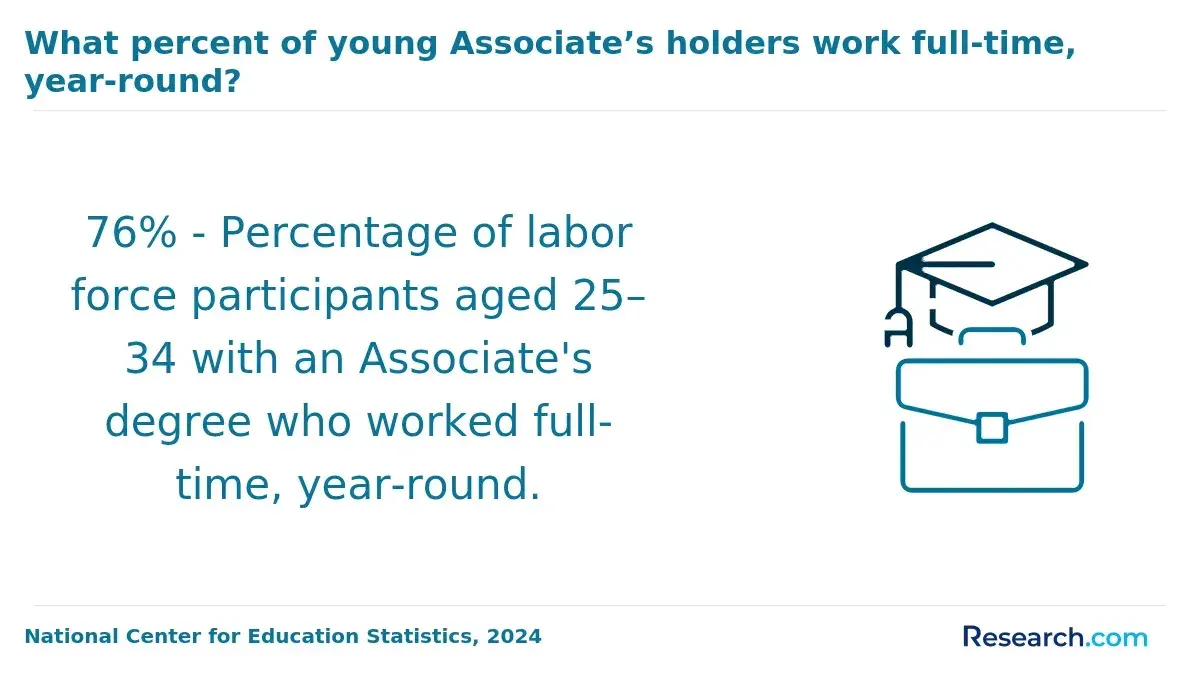
Tuition reimbursement limits significantly affect the affordability and return on investment (ROI) of pursuing a geography degree while working. Many employers cap annual tuition assistance, impacting how much financial support employees can expect over time. According to a 2022 report by the National Center for Education Statistics, approximately 26% of U.S. employers provide some form of tuition aid, underscoring the availability yet variability of such benefits across workplaces.
Typically, employer tuition reimbursements for geography degrees fall between $5,000 and $10,000 per year, with lifetime limits ranging from $20,000 to $50,000. These amounts often depend on factors like the industry, company size, and alignment of the degree with the employee's current role. Federal tax regulations allow up to $5,250 in employer-provided educational assistance per year to be excluded from taxable income, which shapes how organizations structure their tuition support programs.
Employees considering an employer-sponsored geography degree should carefully examine possible financial consequences tied to leaving the program prematurely. Nearly 40% of tuition reimbursement agreements require some form of repayment when employees end their commitment early, making it crucial to understand the terms before enrolling. Common penalties include:
- Tuition repayment obligations: Employees may need to reimburse tuition already paid by the employer if they leave before fulfilling the required service period, which can create unexpected financial burdens.
- Prorated repayments: The amount to repay is often proportional to the time spent in the program, meaning those who leave earlier typically owe a larger share than those departing later.
- Early termination clauses: Sponsorship contracts usually specify conditions such as repayment deadlines and reduced repayment amounts over time-for example, full repayment might be required if departing within one year after program completion.
- Loss of future benefits: Leaving early can disqualify employees from accessing subsequent educational sponsorships or tuition assistance from the employer, potentially limiting long-term career development support.
When asked about her experience, a professional who completed her geography degree under an employer tuition assistance program shared that understanding these potential penalties helped her remain committed to her company throughout the process. She reflected, "Knowing there were financial stakes if I left early made me more determined to finish and contribute fully at work. The company's support made the challenging coursework manageable, and I appreciated that staying gave me continued access to growth opportunities." Her insight highlights how awareness of contractual requirements can positively influence decision-making and reinforce the value of employer-sponsored education.
Evaluating the impact of employer-sponsored education on career earnings is crucial for working professionals considering a geography degree. Many studies show that employees who engage in employer-paid education programs often achieve higher wages and improved job stability. For example, workers with employer-supported degrees can experience an average salary increase of 8% to 15% compared to peers without such support. Below are key factors demonstrating how employer-supported geography degrees enhance long term earning potential with geography degree.
- Increased Promotion Opportunities: Employer-paid geography degree benefits often signal a commitment to employee growth, which can lead to greater consideration for promotions and leadership roles within organizations.
- Faster Career Progression: Completing a sponsored geography degree enables professionals to gain relevant skills more quickly, accelerating their advancement in specialized fields such as urban planning or GIS technology.
- Access to Higher-Paying Roles: Geography degrees prepare employees for technical and managerial positions that typically offer higher salaries, especially when employers invest in their education.
- Enhanced Skills and Qualifications: A sponsored degree program equips workers with valuable expertise in data analysis, spatial reasoning, and environmental management, strengthening their qualifications in competitive job markets.
- Improved Return on Investment: Employer sponsorship reduces financial burdens for students, helps minimize debt, and increases overall return on investment by allowing employees to focus on applying new skills for career growth.
These employer-paid geography degree benefits align with research showing the value of investing in higher education. By considering such opportunities, students and professionals can better assess the tangible advantages associated with pursuing one of the best bachelor degrees in fields related to geography.
Proactive communication and thorough preparation are crucial when requesting employer tuition reimbursement for geography degrees. Many employers prioritize candidates who clearly demonstrate how their education benefits the company. According to a 2023 survey by the Society for Human Resource Management, about 60% of U.S. employers offer some form of tuition assistance, making it a practical option for employees seeking educational advancement. Here are key strategies to enhance your request for employer sponsorship for a geography degree.
- Research Company Tuition Policies: Begin by understanding your employer's tuition reimbursement or educational assistance policies. Knowing eligibility criteria, covered expenses, and application requirements enables you to tailor your request confidently.
- Prepare a Business Case: Highlight how your geography degree supports your current role or furthers your career growth within the company. Emphasize practical skills such as improved analytical abilities, geographic information system expertise, or enhanced project management that benefit your team.
- Schedule a Formal Meeting: Arrange a dedicated time with your manager or HR representative to discuss your educational goals. Approach the conversation with professionalism and focus on mutual benefits, underscoring how your degree aligns with company objectives.
- Demonstrate Program Relevance: Show how the degree program directly relates to your job responsibilities or future career path. Connecting your coursework to real workplace applications strengthens the case for employer investment.
- Follow Up with Documentation: Provide a summary of the degree program, estimated costs, and timelines after your meeting. Sending a thank-you note reiterating your key points and requesting clarification on next steps demonstrates diligence and commitment.
For those exploring efficient educational paths, considering the fastest degree to get online can be helpful when balancing work and studies. Understanding how to request employer sponsorship for a geography degree can significantly reduce educational expenses and improve your return on investment.
Securing funding for a geography degree without employer support requires exploring alternative financial resources to avoid accumulating excessive debt. With around 85% of U.S. postsecondary students relying on financial aid, tapping into these options is vital for staying on track academically and financially.
- Federal and State Financial Aid: Programs like Pell Grants and subsidized loans offer substantial help in covering tuition and fees. Applying early improves your chances of maximizing these benefits to reduce out-of-pocket costs.
- Scholarships and Grants: Many organizations award scholarships specifically for geography majors or students in related fields such as STEM and social sciences. These merit- and need-based awards do not require repayment, making them highly advantageous.
- Personal Savings and Loans: Using personal funds can help lower loan dependency, but if borrowing is necessary, federal student loans are generally more favorable than private options due to lower interest rates and flexible repayment plans.
- Income-Share Agreements (ISAs): Some institutions offer ISAs where you pay a percentage of future earnings instead of upfront tuition. This approach can align education costs with your financial capability post-graduation.
- Part-Time and Online Programs: Enrolling part-time or selecting fully online geography programs allows you to balance work and study. This flexibility can reduce overall costs and limit the need for large loans.
By combining these strategies, students without employer funding can effectively manage expenses and continue making progress toward completing their geography degrees.
What Graduates Say About Employers Paying for Their Geography Degrees
- Isla: "Completing my geography degree felt financially daunting at first, considering the average cost of attendance often exceeds $20,000 per year. Fortunately, my employer's tuition assistance made it possible to manage these expenses without stress. This sponsorship not only alleviated the financial burden but also propelled my career by equipping me with specialized skills much valued in my company's strategic planning team."
- Warren: "When I started my geography program, I was worried about the steep tuition fees, which typically run into tens of thousands annually. Employer sponsorship was a game-changer, completely covering my education costs and allowing me to focus on excelling academically. Reflecting on my progress, this direct investment in my education has opened doors to leadership roles in environmental consulting that I hadn't imagined before."
- Carrie: "The cost of a geography degree can be prohibitive, often averaging around $15,000 to $25,000 each year, but my employer's tuition assistance program removed that barrier for me. Being sponsored not only eased financial pressures but also enhanced my professional credibility, leading to significant career advancements in urban development projects. It's clear to me how instrumental this support was in shaping my path forward."
Other Things You Should Know About Geography Degrees
Yes, some employers offer funding for professional certifications linked to geography degrees, such as GIS (Geographic Information Systems) certifications. These certifications can enhance practical skills and improve job performance. Funding depends on the employer's policies and relevance to the employee's role.
Many employer tuition reimbursement programs do include graduate-level courses, including those in geography. Eligibility often depends on whether the coursework aligns with the employee's current or future job responsibilities. It's important to verify with the employer before enrolling to ensure the program qualifies.
In 2027, employer-sponsored education programs, including those for geography degrees, may be tax-free for employees if the benefit does not exceed $5,250 annually. Amounts exceeding this can be considered taxable income unless they qualify as a working condition fringe benefit.
Yes. Many sponsorship agreements require a signed service commitment, often 12 to 24 months after graduation, plus repayment if the employee leaves early. Some employers also require a minimum GPA, pre-approval of courses, and proof that the geography program is regionally accredited.
- Non-Compete Geographic Clause Explained Michigan FAQs https://www.justanswer.com/employment-law/mpe38-question-regarding-geographic-constrains-non.html
- Using Employer Tuition Assistance to Pay For Your Online Education https://online.champlain.edu/blog/employer-tuition-assistance
- EEOC Enforcement Guidance on National Origin Discrimination https://www.eeoc.gov/laws/guidance/eeoc-enforcement-guidance-national-origin-discrimination
- Jobs you can pursue with a geography degree https://www.openstudycollege.com/blog/jobs-you-can-pursue-geography-degree
- Risk Management Magazine - New Immigration Enforcement Risks for STEM Employers https://www.rmmagazine.com/articles/article/2019/11/01/-New-Immigration-Enforcement-Risks-for-STEM-Employers-
- How to Ask Your Employer to Pay for Your Degree - Coursera Blog https://blog.coursera.org/how-to-ask-your-employer-to-pay-for-your-degree/
- Geography https://geography.missouri.edu/prospective-students/financial-support
- Online Geography Degree Programs | Onlinedegrees.com https://www.onlinedegrees.com/geography/
- Why geographers are employable https://www.rgs.org/choose-geography/choose-a-career-with-geography/why-geographers-are-employable
- What Can You Do With A Geography Degree? https://www.immerse.education/career-exploration/geography/careers-in-geography/