
2027 Direct Billing vs. Tuition Reimbursement for an Online Data Science Master's

Co-Founder and Chief Data Scientist
Direct billing and tuition reimbursement can cover the same online data science master's tuition but create very different cash-flow demands. If you are choosing a program around an employer education benefit, the crucial questions are who pays the university first, when your employer approves payment, and what happens if you change jobs or do not meet a course requirement.
This guide explains both arrangements and shows how to compare them against a program's actual costs and your employer's written policy.
Key Things You Should Know
- Direct billing generally sends an approved tuition charge to your employer or its benefits administrator; confirm whether you remain responsible if payment is delayed or denied.
- Tuition reimbursement generally requires you to pay by the university's deadline and claim eligible expenses afterward, making short-term cash flow a deciding factor.
- For either benefit, obtain written approval for the specific program, term, and expenses before enrolling; an employer's annual allowance does not necessarily cover the full degree.
What is the difference between direct billing and tuition reimbursement for an online data science master's?
The difference is payment sequence, not necessarily the amount your employer will contribute. With direct billing, the university bills an employer or benefits administrator for approved charges. With reimbursement, the student pays the university and later submits a claim. Either arrangement may have annual limits, grade requirements, approved-school lists, or repayment obligations.
This comparison isolates the operational differences that matter when a tuition deadline arrives.
| Question | Direct billing | Tuition reimbursement |
| Who pays an approved charge first? | Usually the employer or its administrator | The student |
| When does the student need cash? | For uncovered charges or charges the school will not defer | Before the tuition deadline, even if a later claim is approved |
| What could delay employer payment? | Missing authorization, billing mismatches, or administrative processing | Missing receipts, grades, or a completed claim |
| Who handles an uncovered balance? | The student, subject to the school's payment rules | The student |
Choose direct billing when avoiding a large upfront payment is essential and the arrangement is confirmed for your program. Reimbursement may work just as well if you can safely cover tuition until the claim is paid. Neither label guarantees full coverage.
How does direct billing work for an online data science master's program?
Direct billing typically starts with employer approval for a particular school, program, course, or term. The student then supplies an authorization to the university, which invoices the designated payer under its billing agreement. Ask both parties whether the authorization must be renewed each term and whether it covers mandatory fees as well as tuition.
The main risk is assuming that "direct" means "automatic." A school might require a deposit or hold the student responsible if the employer does not pay on time. Approval may also be conditional on completing the course or remaining employed. Get the university's due date, the employer's authorization deadline, and the policy for denied charges in writing before registering.
How does tuition reimbursement work for an online data science master's degree?
Under tuition reimbursement, you generally pay the university according to its normal schedule, then submit the documentation your employer requires. That might include proof of payment, a final grade, and evidence that the course was approved before it began. The employer determines which expenses qualify and when an approved claim is paid.
Reimbursement can make a suitable program inaccessible if the payment gap would require costly borrowing or strain essential savings. Before relying on it, compare the school's tuition due date with the employer's claim window and expected processing time. Do not assume a student loan refund, installment plan, or employer payment will arrive before a bill is due; confirm each timeline with the responsible office.
Which online data science master's programs qualify for employer education benefits?
There is no universal list of qualifying programs. Employers may restrict benefits by institution, degree level, subject, accreditation, job relevance, or benefits-provider network. An online program can be academically appropriate but still fall outside your employer's approved options. Likewise, approval for one course does not necessarily approve the entire degree.
Ask your benefits administrator to confirm the exact university, degree title, online format, and any required course-by-course authorization. If your goal is a healthcare data role and your employer supports AI programs instead, choosing an AI master's for healthcare applications can help frame a relevant alternative. Confirm its benefit eligibility separately rather than assuming related degree titles are interchangeable.
What accreditation should an online data science master's program have?
Verify that the university holds recognized institutional accreditation and that your employer accepts it. Then check whether the policy separately requires programmatic accreditation or membership in a particular education-benefits network. A data science master's should not be rejected merely because it lacks a specialized accreditation that your employer does not require.
Check the university's accreditation information against the accreditor's current institutional listing, and ask the university whether your state of residence is eligible for enrollment. Accreditation, state authorization, and employer approval answer different questions; confirmation of one does not establish the others.
What are the admission requirements for an online data science master's?
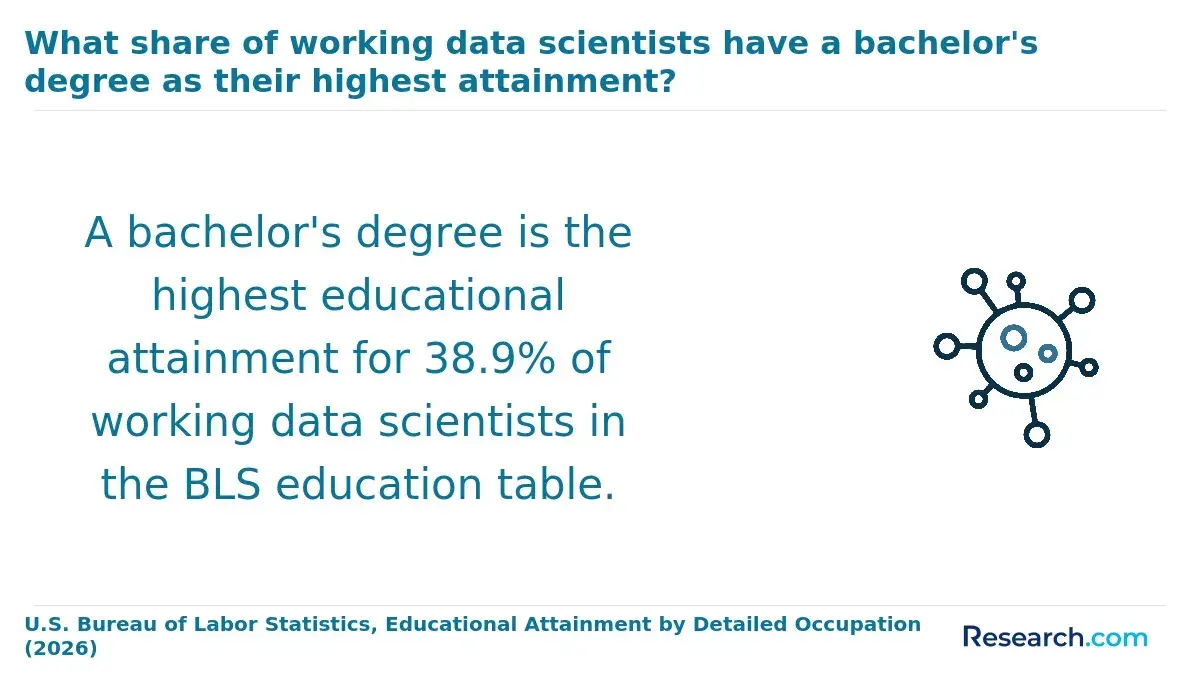
Requirements vary by program. Schools may review a bachelor's degree, academic record, quantitative or programming preparation, recommendations, or professional experience. Some offer preparatory courses, but preparation for graduate work is not automatically a substitute for a formal prerequisite.
This distinction matters when employer funding has an approval window: enrolling in a foundation course could add an expense or delay the approved degree start. Ask admissions which requirements apply to your background and ask benefits staff whether nondegree or prerequisite courses are covered. If you are also considering an AI degree, artificial intelligence master's foundation courses provide a separate point of comparison; verify each program's actual admission and benefit rules.
How much does an online data science master's cost before employer assistance?
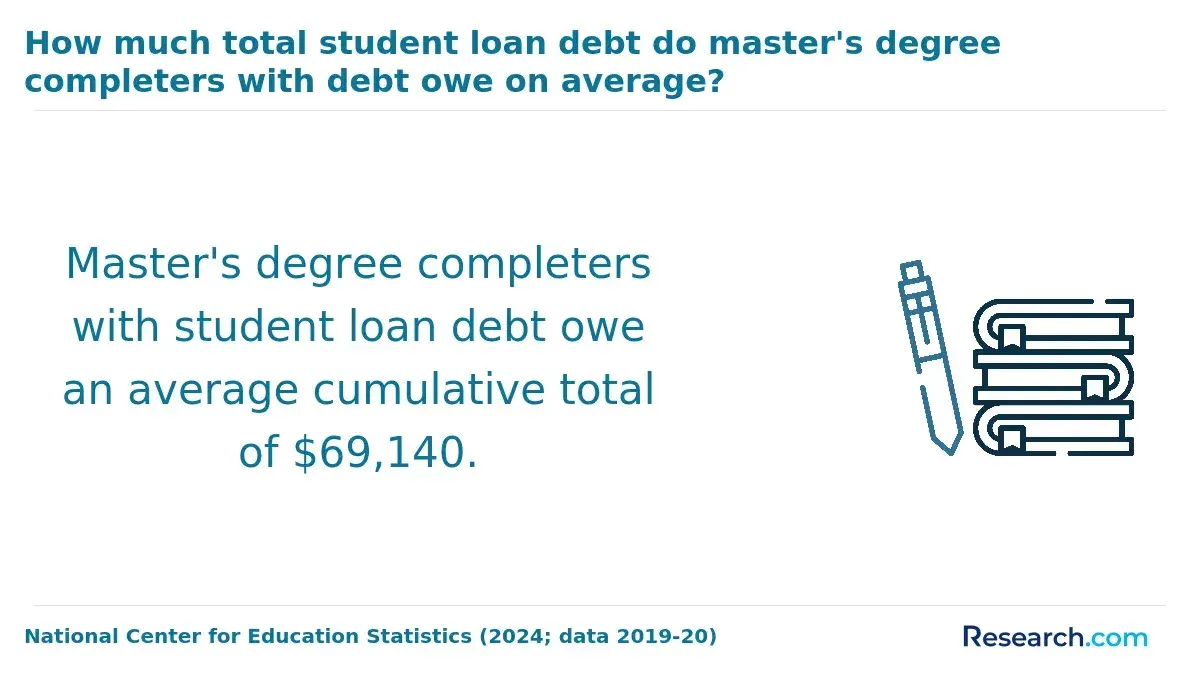
Calculate the cost before subtracting employer support. Multiply the program's required credits by its applicable tuition rate, then add mandatory fees. Account separately for software, materials, a computer upgrade, any required travel, and financing costs if you must pay tuition before reimbursement. Rates may depend on residency or enrollment status, so use the university's current schedule for your situation.
A low per-credit rate can be misleading if the degree requires more credits or carries additional fees. Explore affordable online data science programs to identify candidates, then obtain a term-by-term estimate from each university. Compare that estimate with your employer's covered-expense categories and benefit limits; the difference is your potential responsibility, not merely the published tuition minus an advertised allowance.
What coursework is included in an online data science master's program?
Programs commonly combine statistical methods, programming, data management, machine learning, and applied projects, but their depth and elective choices differ. For this funding decision, examine whether the courses you actually need are part of the approved degree. A program that fits the benefit policy but omits skills required for your target work may be a poor use of the benefit.
Look beyond course titles to descriptions and project requirements. If your work is moving toward AI systems rather than broader data analysis, planning an AI degree around professional objectives may help you assess that alternative. Ask your employer whether any change in degree or electives requires renewed approval.
What careers and salaries can an online data science master's support?
Relevant paths can include data scientist, machine learning practitioner, analytics specialist, and data-focused roles within your existing industry. The appropriate target depends on your prior experience and whether the program develops the statistical, programming, and project skills employers expect.
The U.S. Bureau of Labor Statistics reports a $120,230 median annual wage for data scientists in May 2025. That occupation-wide figure is not a graduate salary forecast or evidence that a master's causes a raise. For a personal return-on-investment estimate, compare realistic roles you could pursue with your current pay, uncovered degree costs, time commitment, and any employer repayment obligation.
How should you compare employer benefits when choosing a data science master's program?
Compare the approved program and payment rules together. A generous allowance is less useful if it excludes the program you want, covers only tuition while fees are substantial, or pays after a deadline you cannot comfortably meet.
Before committing, request written answers to the questions most likely to change your decision:
- Is this exact degree, institution, and online format eligible, and must each course or term be approved in advance?
- Which tuition charges and fees are covered, what limits apply, and when does the employer pay?
- If payment is delayed or denied, what does the university require from me, and by when?
- What grade, continued-employment, or post-payment repayment conditions apply?
- How will employer support interact with scholarships, financial aid, and any installment plan?
If reimbursement would force you to finance tuition, compare that financing cost with a direct-billed option rather than comparing benefit amounts alone. If neither approved data science program fits your budget or goals, affordable graduate-level artificial intelligence study may offer alternatives to investigate - but only if the curriculum fits your aims and your employer confirms eligibility. The best choice is the program you can fund under the actual policy without sacrificing the preparation you need.
Other Things You Should Know About Data Science
Your employer's policy controls. Future terms may lose eligibility, and previously paid benefits may be subject to a repayment agreement. Read the agreement before enrolling and ask how a voluntary departure differs from a layoff.
A school may permit a leave while your employer requires fresh approval when you return. Confirm both policies, including whether previously authorized courses remain eligible.
Possibly, but the school's award terms and employer policy may prevent payment beyond eligible charges or require an adjustment. Give both administrators a complete account of the other funding before making a claim.
An employer may require proof of a qualifying grade before paying a claim, but how that information is shared depends on the process you authorize. Ask what record you must submit and who can access it.
References
- Frequently asked questions about educational assistance programs | Internal Revenue Service https://www.irs.gov/newsroom/frequently-asked-questions-about-educational-assistance-programs
- Cost of Attendance (Budget) | 2025-2026 Federal Student Aid Handbook https://fsapartners.ed.gov/knowledge-center/fsa-handbook/2025-2026/vol3/ch2-cost-attendance-budget
- Online Master of Applied Data Science Tuition & Financial Aid | UNC-Chapel Hill online https://online.unc.edu/online-masters-programs/masters-data-science/admissions/tuition-financial-aid/
- Tuition and Financing | Columbia University School of Professional Studies https://sps.columbia.edu/admissions/masters-degree-applicants/tuition-and-financing
- and Ask For - Employer Tuition Reimbursement Benefits | Harvard Extension School https://extension.harvard.edu/blog/how-to-use-and-ask-for-employer-tuition-reimbursement-benefits/
- Strategic guide to tuition reimbursement - Purdue Business https://business.purdue.edu/graduate-programs/blog/posts/find-and-navigate-tuition-assistance.php
- Graduate - Online Master's Tuition and Fees | Brown University https://sfs.brown.edu/tuition-and-fees/online-masters-tuition-and-fees
- Employer Tuition Reimbursement: How It Works and How to Pay for College | Winston-Salem State University https://ramsonline.wssu.edu/blog/employer-education-benefits/
- Late payment consequences | umn.edu https://onestop.crk.umn.edu/finances/billing-and-payment/late-payment-consequences
- Tuition Reimbursement Programs [A Guide for HR and Employers] | COMPT https://compt.io/blog/employee-tuition-reimbursement/


