2027 CU Boulder Online MS-DS vs. Notre Dame Online MS in Data Science: Cost, Curriculum, Admissions, and Format

Co-Founder and Chief Data Scientist
CU Boulder and Notre Dame offer different routes to an online data science master's. CU Boulder is the stronger starting point for students who need flexible pacing and a performance-based entry route; Notre Dame may appeal more to students seeking a structured application and a more guided learning experience.
For working professionals comparing the two, the decision turns on the current total cost, required technical coursework, scheduled commitments, and how each program evaluates readiness.
Key Things You Should Know
- CU Boulder's online MS in Data Science uses performance-based admission and flexible, on-demand coursework; Notre Dame uses an application-based admissions process. Confirm current pathway and scheduling rules before enrolling.
- Do not compare a CU Boulder per-credit price with a Notre Dame program estimate. Obtain current written figures for tuition, required fees, and any travel before deciding which degree costs less.
- Neither degree guarantees a data scientist job or salary. The U.S. Bureau of Labor Statistics reports a $120,230 median annual wage for data scientists in May 2025, across workers with varied backgrounds and experience.
How do CU Boulder and Notre Dame online data science master's programs compare?
The clearest distinction is how students enter and move through the programs. The table uses the same decision criteria for both schools; items that can change by intake need confirmation from the universities.
| Decision factor | CU Boulder online MS-DS | Notre Dame online MS in Data Science |
| Admissions model | Performance-based entry through designated coursework | Application review before admission |
| Study pattern | On-demand coursework with substantial control over pace | More structured program schedule; confirm live-session expectations |
| Cost comparison | Calculate from the current credit price and all required charges | Request a current, itemized estimate for the full degree |
| Best initial fit | Students prioritizing scheduling flexibility or a chance to demonstrate readiness in coursework | Students who prefer an admissions decision and a planned learning sequence |
These differences do not establish which school teaches data science better. The decisive comparison is whether the courses you would actually take cover your technical gaps, and whether you can meet the program's schedule and full cost.
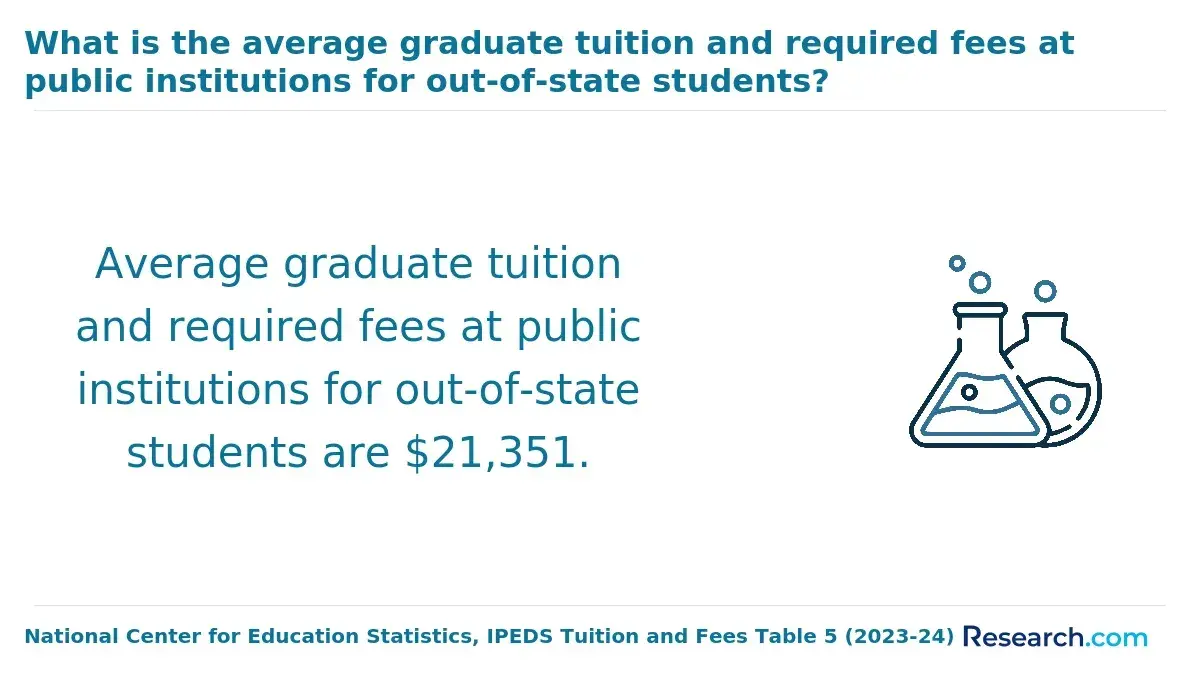
What are the tuition costs and financial aid options for each program?
A reliable 2026 total for each degree cannot be established here from a current institutional tuition and fee schedule. That means neither program can responsibly be called cheaper on the basis of an unverified advertised figure. Ask both schools for an estimate covering the same completion plan: all required credits, mandatory fees, course materials, and any required in-person activity.
CU Boulder students should check the current price for each credit and whether pathway courses count toward the degree once passed under program rules. Notre Dame applicants should ask whether a quoted program price includes every required course and fee, and whether charges can change before graduation. For either school, add possible travel, technology, financing costs, and income forgone if you reduce work hours. Compare employer reimbursement against payment deadlines rather than assuming your employer will pay upfront.
Financial aid eligibility and scholarship availability depend on the school's current policies and a student's circumstances; ask each financial aid office which federal loan, institutional aid, and payment options apply to this specific online degree. If price is the deciding constraint, machine learning master's tuition and required fee comparisons can provide additional programs to investigate, but compare their curricula before treating them as substitutes.
How do the curricula differ in statistics, programming, AI, and machine learning?
Both degrees should be evaluated course by course, not by the phrase "data science" in their titles. CU Boulder's flexible course structure may be attractive if you want to plan around particular technical gaps; Notre Dame's structured sequence may suit students who want a more prescribed progression. Neither distinction, by itself, proves greater depth in statistics, programming, AI, or machine learning.
Put the current required-course lists side by side. In statistics, look for inference and model evaluation rather than only introductory analysis. In programming, distinguish writing reproducible code from using a tool in one assignment. For machine learning and AI, check whether methods receive dedicated courses, advanced electives, and substantial assessed projects. Ask whether the work includes handling imperfect data, validating models, and explaining results to stakeholders.
Students primarily interested in business reporting rather than model development may also want to compare data analytics graduate study choices. That distinction matters more than a minor difference in course titles.
What are the online formats, schedules, and time commitments?
CU Boulder's on-demand model offers more control over when to study. Notre Dame's more structured format calls for a closer look at scheduled classes, group work, and attendance rules. A student with unpredictable shifts may value CU Boulder's flexibility; someone who benefits from regular deadlines and interaction may prefer Notre Dame's structure.
Before accepting either offer, request a typical term calendar and ask which activities are synchronous, whether recordings satisfy attendance, how group projects are coordinated, and whether exams or any in-person activities occur at fixed times. "Online" alone does not answer those questions. Students weighing a faster but more tightly scheduled alternative can use online AI master's duration and workload trade-offs as a reminder to compare weekly demands, not just advertised completion times.
What admission requirements does each online data science program have?
CU Boulder's performance-based route lets prospective students demonstrate readiness by completing designated pathway coursework to the program's required standard. Notre Dame instead evaluates an application before admission. CU Boulder's route is not the same as automatic admission: students must meet the current pathway conditions, and passing individual courses is not a substitute for checking all degree rules.
Notre Dame applicants should obtain the current checklist for academic records, professional background, recommendations, statements, and any prerequisite expectations. Applicants to either program should compare their preparation in programming, mathematics, and statistics with the work required in the first courses. Self-study can make those courses more manageable, but it fulfills a formal prerequisite only if the university says it does.
How long does each master's degree take to complete?
CU Boulder's flexible pacing means completion time depends heavily on how many courses a student takes and passes. Notre Dame's structured sequence may make a planned graduation date easier to map, but students should verify the current cohort calendar and what happens if they pause or repeat a course. A precise, comparable completion time for both programs should not be assumed from an accelerated-program advertisement.
Ask each school for a sample schedule based on the hours you can study while working. Confirm course availability, maximum time to finish, and the effect of a leave of absence. A faster schedule is worthwhile only if it leaves enough time to master the material and complete useful projects.
What accreditation and academic credentials do both programs offer?
The comparison is between master's degrees awarded by the University of Colorado Boulder and the University of Notre Dame, not stand-alone course certificates. Verify each university's current institutional accreditation in an official university or accreditor listing, and ask the registrar how the completed online degree is named on the diploma and transcript. Do not assume that institutional accreditation means a particular data science program holds separate, discipline-specific accreditation.
For a prospective student, the more immediate credential question is whether all planned courses count toward the named master's degree. This is especially important when starting with CU Boulder pathway coursework: confirm the applicable passing standard and degree-credit rules before paying for additional courses.
What careers can graduates pursue after earning either degree?
Depending on prior experience and project work, graduates may pursue data scientist, machine learning, analytics, or data-focused business roles. Employers assess evidence of coding, statistical judgment, communication, and relevant domain knowledge - not the degree title alone. A career changer should examine whether either program provides projects that demonstrate those abilities to the employers they hope to reach.
Specialized goals deserve a separate curriculum check. For example, a student targeting clinical or health-system work should assess privacy, healthcare data, and domain-specific projects rather than assuming a general data science degree covers them. AI master's options for professionals in healthcare offer a useful comparison if that field, rather than general data science, is the main goal.
What salaries and job prospects can data science master's graduates expect?
The Bureau of Labor Statistics reports that employment of U.S. data scientists is projected to grow 35% from 2025 to 2035. That signals demand for the occupation, not a forecast that every new graduate will secure a data scientist role. Applicants also compete on prior experience, technical skills, projects, industry knowledge, and location.
The BLS median wage cited above describes employed data scientists, not starting salaries or outcomes attributable to either master's program. Neither school's graduate salary, placement rate, or return on investment should be inferred from national occupational figures. When comparing career support, request program-specific outcomes and ask how many graduates responded, which cohorts were included, and whether the figures separate career changers from experienced professionals.
Which online data science master's program should prospective students choose?
Choose CU Boulder as the stronger candidate if unpredictable work hours make on-demand study valuable, or if you would rather demonstrate readiness through pathway coursework than rely solely on an application. Choose Notre Dame as the stronger candidate if you want a structured sequence and its confirmed schedule fits your life. Neither is an automatic winner on price, technical depth, or outcomes without current, directly comparable evidence.
Make the final decision with three documents from each university: a written full-degree cost estimate, the current required-course plan, and a calendar showing mandatory activities. Then ask a program representative how students access faculty, peers, projects, and career support. If professional connections are a major priority, compare AI graduate programs by alumni networking for additional questions to ask; do not assume a university's broad alumni network translates into access for a particular online cohort.
The most costly mistake is choosing from brand recognition or a tuition headline before checking those documents. Select the program whose verified cost, coursework, entry route, and weekly commitments fit the career change - or advancement - you actually intend to make.
Other Things You Should Know About Data Science
Possibly. Ask your employer whether its policy covers the specific university and online degree, what grades are required, and whether reimbursement arrives before or after you pay tuition.
Do not assume they will. Request a written evaluation of the particular courses, credit limits, and residency requirements before using transfer credit in a cost or graduation plan.
No. Those roles often require substantial software engineering and deployment skills. Compare actual coursework and projects with current job descriptions before choosing a program for that goal.
A focused course in Python, statistics, or linear algebra can help you test your interest and identify gaps. Ask the university separately whether it satisfies any formal requirement; preparation and degree credit are different questions.
References
- FAQs | Master of Science in Data Science | Student Support & Advising Services https://www.colorado.edu/program/data-science/residential/faqs
- What's the Difference Between Asynchronous and Synchronous Learning? | Ohio State Online https://online.osu.edu/content-hub/blogs/whats-the-difference-between-asynchronous-and-synchronous-learning/
- Admissions Requirements | Berkeley Graduate Division https://grad.berkeley.edu/admissions/application-process/requirements/
- Diplomas | wichita.edu https://www.wichita.edu/diplomas
- Frequently Asked Questions - Office of the Registrar https://campus.kennesaw.edu/current-students/registrar/graduation-services/frequently-asked-questions.php
- MS Data Science - Notre Dame financial aid https://financialaid.nd.edu/apply-or-renew/graduate-students/graduate-program-costs/ms-data-science/