2027 Cheapest Online Supply Chain / Logistics Associate Degree Programs That Pay Well: Tuition, Duration, and Career Outcomes

Co-Founder and Chief Data Scientist
Choosing the cheapest online supply chain or logistics associate degree is really a cost-versus-career decision. The field matters because the U. S. Bureau of Labor Statistics projects logisticians to grow 19% from 2023 to 2033, much faster than average, as companies rely on better inventory, transportation, and distribution systems.
This guide is for students seeking an affordable, job-focused credential or a transfer pathway. You will learn how to compare tuition, program length, online flexibility, accreditation, financial aid, and realistic career outcomes before enrolling.
Key Things You Should Know
- The cheapest online supply chain and logistics associate degrees are usually public community college programs; resident tuition-only estimates can start below $3,000 at some California colleges and often fall around $5,000 to $11,000 at many low-cost public options before fees, books, and supplies.
- Most programs require about 60 to 67 credits, which usually means two years full time, three or more years part time, or less time for students with transfer credit, prior learning credit, military training, or dual-enrollment coursework.
- The strongest salary upside is not always in the first job: BLS May 2024 data reports median pay of $80,880 for logisticians and $102,010 for transportation, storage, and distribution managers, but many higher-paying roles require experience, strong software skills, or a bachelor's degree.
Which Are the Cheapest Online Supply Chain / Logistics Associate Degree Programs That Lead to Well-Paying Careers?
The cheapest programs are typically state-supported community colleges with online or mostly online delivery. The table below highlights affordable U.S. options to shortlist, but students should verify current tuition, residency rules, course availability, fees, and whether every required course is available online before applying.
| School | Online associate option | Typical credit load | Published tuition basis to check | Estimated tuition-only range | Best-fit career direction |
| Coastline College | Associate in Science in Supply Chain Management | About 60 units | California resident community college rate | About $2,760 before fees | Inventory control, purchasing support, logistics assistant, transfer-oriented business pathway |
| Wake Technical Community College | AAS in Supply Chain Management | About 65 to 67 credits | North Carolina resident community college rate | About $5,000 to $5,200 before fees | Warehouse operations, transportation coordination, procurement support |
| Fayetteville Technical Community College | AAS in Supply Chain Management or logistics-related pathway | About 64 to 66 credits | North Carolina resident community college rate | About $4,900 to $5,100 before fees | Military logistics transition, distribution, supply support, operations technician roles |
| Albany Technical College | AAS in Logistics Management | About 60 credits | Georgia technical college in-state rate | About $6,000 before fees | Logistics clerk, materials coordinator, shipping and receiving lead |
| Central Texas College | AAS in Logistics and Global Supply Chain Management | About 60 credits | Texas residency and district-based tuition rates | Often under $8,000 for many Texas students before fees | Transportation, warehousing, military-to-civilian logistics, distribution operations |
| Sinclair Community College | Supply Chain Management associate pathway | About 60 credits | Ohio resident or in-county tuition rate | Often around the high-$8,000 range before fees | Buyer assistant, production planning assistant, inventory and operations support |
| Ivy Tech Community College | Supply Chain Management associate pathway | About 60 credits | Indiana resident tuition rate | About $10,700 before fees | Logistics coordinator, materials management, operations support, transfer pathway |
| Fox Valley Technical College | Associate Degree in Supply Chain Management | About 60 to 61 credits | Wisconsin technical college resident tuition and fee schedule | Often around $10,000 to $12,000 including many standard program charges | Purchasing, production planning, distribution, supply chain analyst assistant roles |
These programs can lead to well-paying careers when they build practical skills in inventory systems, transportation planning, procurement, spreadsheets, enterprise resource planning tools, and communication. However, the lowest tuition does not automatically mean the best outcome; a slightly higher-cost program may be worth it if it has stronger transfer agreements, better employer connections, embedded industry certifications, or more flexible scheduling.
A useful way to compare "cheap" programs is to separate the award type from the career goal. An AAS is usually more job-focused and may include applied courses in warehousing, transportation, purchasing, and distribution. An AA or AS is often more transfer-oriented and may be better for students who already know they want a bachelor's degree in business, operations, analytics, or supply chain management.
How Much Does an Online Supply Chain / Logistics Associate Degree Cost?
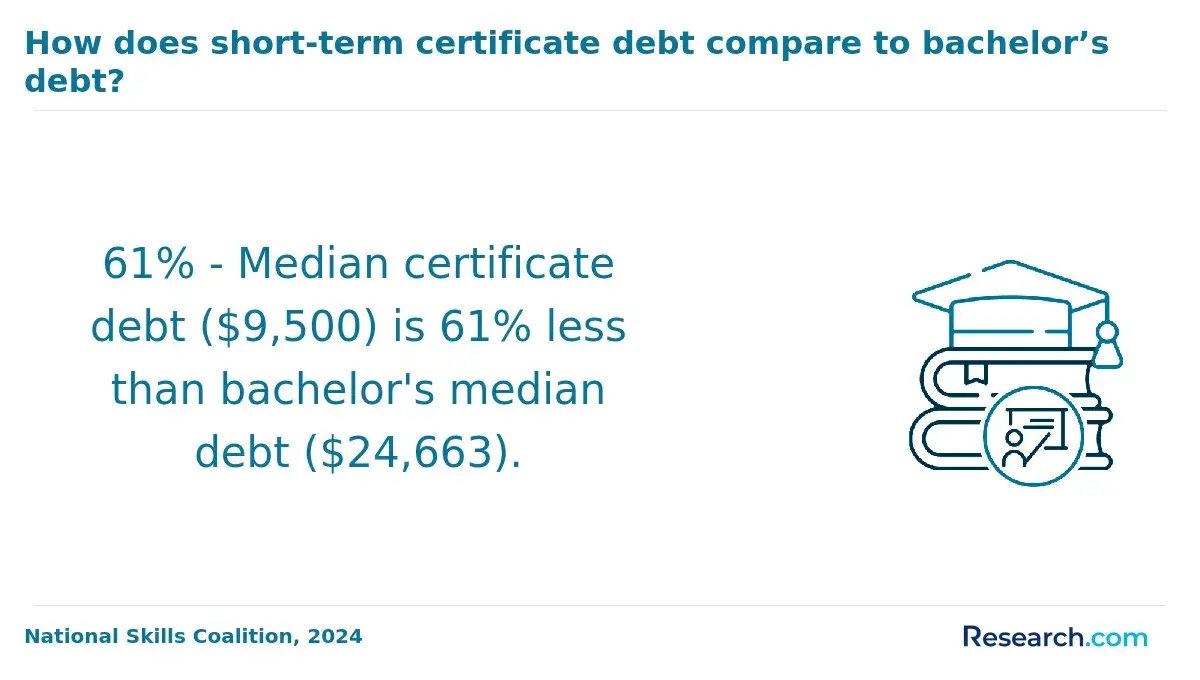
The advertised tuition is only one part of the real cost. Online students should calculate total cost using required credits, per-credit tuition, mandatory fees, textbooks or digital materials, software, proctoring, graduation fees, and any travel required for exams, orientations, or hybrid labs.
- Very low resident tuition-only examples: about $2,760 to $6,000 for some public community or technical college programs before fees.
- Common affordable public-college range: about $6,000 to $12,000 in tuition before books, technology fees, and other charges.
- Higher-cost online or out-of-state scenarios: total tuition can rise substantially when nonresident rates, distance-learning fees, or private-college tuition apply.
The table below shows the cost categories that most often change the final bill. Use it to compare programs on the same basis instead of relying on the lowest tuition headline.
| Cost factor | Why it matters | Question to ask the school |
| Per-credit tuition | This is the starting point, but it may differ for in-district, in-state, out-of-state, and online students. | What exact tuition rate applies to me for every required course? |
| Required credits | A 67-credit program can cost more than a 60-credit program even if the per-credit rate looks similar. | How many credits are required after my transfer credits are evaluated? |
| Online and technology fees | Distance-learning, platform, proctoring, and student service fees can narrow the gap between programs. | What mandatory fees apply to online students each term? |
| Books and digital course materials | Business, logistics, and software-based courses may require access codes or specialized materials. | Does the program use low-cost, open, rented, or inclusive-access materials? |
| Residency rules | Some of the cheapest prices apply only to residents or in-district students. | Can online out-of-state students receive the same tuition rate? |
| Transfer and prior learning credit | Accepted credits can reduce both tuition and completion time. | Will military training, industry certifications, or previous college work count toward the degree? |
One common mistake is assuming online study is always cheaper than campus study. Online programs can save money on commuting and relocation, but some charge extra distance-learning fees. The best comparison is the total amount you will pay to finish the credential, not the price per credit alone.
How Long Does It Take to Complete an Online Supply Chain / Logistics Associate Degree?
Most online supply chain and logistics associate degrees require roughly 60 to 67 credits. Full-time students often finish in about two academic years, while working adults commonly choose part-time schedules that take longer but reduce the risk of stopping out.
The table below compares common pacing options. The right timeline depends on your work schedule, family responsibilities, financial aid status, and whether you need the degree quickly for promotion or transfer.
| Enrollment pace | Typical course load | Estimated completion time | Best for | Trade-off |
| Full time | 12 to 15 credits per term | About 2 years | Students who can prioritize school and want the fastest standard path | Higher workload and less schedule flexibility |
| Part time | 6 to 9 credits per term | About 3 to 4 years | Working adults, caregivers, and students using employer tuition assistance | Longer time before career or transfer benefits begin |
| Accelerated with summer courses | Year-round enrollment | Potentially under 2 years | Students with strong time management and stable finances | Fewer breaks and greater risk of overload |
| Transfer-credit pathway | Varies after credit evaluation | Can be significantly shorter | Students with prior college, military training, AP, CLEP, or industry credentials | Credit acceptance varies by institution and degree type |
Faster completion can improve ROI because you may enter the workforce or qualify for advancement sooner. Still, speed is only valuable if you can complete courses successfully; repeating or withdrawing from classes can erase the financial advantage of an accelerated plan.
An associate degree can qualify students for entry-level logistics, warehousing, inventory, procurement support, dispatch, and operations roles. The highest-paying supply chain careers usually combine education with experience, supervisory responsibility, analytics ability, or further study.
The salary table below uses BLS May 2024 national median wage data where available. Median pay is not an entry-level promise, so use these figures as a market benchmark and compare them with local job postings in your state or metro area.
| Career | Typical duties | Median annual wage | Associate-degree fit |
| Transportation, storage, and distribution manager | Oversees transportation, warehousing, shipping, safety, budgets, and distribution performance | $102,010 | Possible with experience, but many employers prefer substantial supervisory background or a bachelor's degree |
| Logistician | Analyzes and coordinates purchasing, inventory, transportation, warehousing, and delivery systems | $80,880 | Some assistant roles may be accessible, but many logistician postings prefer a bachelor's degree |
| Purchasing agent or buyer | Evaluates suppliers, negotiates purchases, tracks orders, and manages cost and quality requirements | Often above many entry-level clerical logistics roles | Associate degree can help for assistant buyer or procurement support roles; advancement may require experience |
| Production, planning, and expediting clerk | Coordinates production schedules, materials, work orders, and delivery timelines | Mid-range wage relative to associate-level operations roles | Strong fit for graduates with spreadsheet, inventory, and scheduling skills |
| Cargo and freight agent | Routes shipments, prepares documentation, coordinates carriers, and tracks cargo movement | Lower than logistician and management roles | Good entry point for transportation and freight careers |
Students aiming for higher-paying supply chain leadership should treat the associate degree as a foundation, not the final credential. If your long-term goal is operations leadership, consulting, or executive-level supply chain strategy, you may eventually compare graduate options such as an MBA operations management online after completing a bachelor's degree and gaining experience.
The best ROI usually comes from the program that combines low net cost, fast completion, credible accreditation, relevant skills, transfer options, and access to jobs in your region. A program with the lowest tuition may have weaker ROI if it takes longer, has limited course availability, or does not transfer well.
The table below summarizes the ROI profile of common affordable associate-degree pathways. Use it to match the degree structure to your career objective rather than choosing only by price.
| Program type | Cost advantage | Career value | Transfer value | Best ROI when |
| Low-cost public AAS in logistics or supply chain management | Usually strong for residents | High for entry-level operations, warehouse, dispatch, procurement support, and logistics coordinator roles | Varies; applied credits may not all transfer | You want employment quickly and the curriculum matches local employer needs |
| AA or AS business transfer pathway with logistics electives | Often affordable at community colleges | Moderate for immediate employment | Usually stronger for bachelor's transfer | You plan to complete a bachelor's degree in business, operations, analytics, or supply chain management |
| Online technical college logistics program | Can be affordable and career-focused | Strong if it includes hands-on systems, purchasing, transportation, and inventory coursework | Depends on articulation agreements | You want applied training and already work in warehousing, transportation, retail distribution, manufacturing, or military logistics |
| Higher-cost private online associate program | May be weaker unless aid is substantial | Can be useful if flexible and well-supported | Must be verified carefully | Net price after aid is competitive and transfer or employer outcomes are clear |
A simple ROI screen can prevent overpaying. Before enrolling, compare the total net cost of the degree with realistic first-step roles, then consider whether the degree can also support promotion or transfer.
- Calculate tuition by multiplying the required remaining credits by the tuition rate that applies to your residency and online status.
- Add mandatory fees, books, software, proctoring, graduation fees, and any required campus visits.
- Subtract grants, scholarships, employer assistance, military benefits, and accepted transfer credits.
- Search local job postings for roles that actually accept an associate degree, such as logistics coordinator, inventory specialist, dispatcher, shipping supervisor trainee, or procurement assistant.
- Compare the net cost with realistic wages in your area, not only national median salaries for advanced roles.
- Ask whether credits transfer into a bachelor's program without excess-credit loss.
Some students may find better long-term value in a related pathway. For example, if your target roles are more focused on scheduling, budgets, teams, and project delivery than transportation or inventory, a project management degree online may align better with your goals.
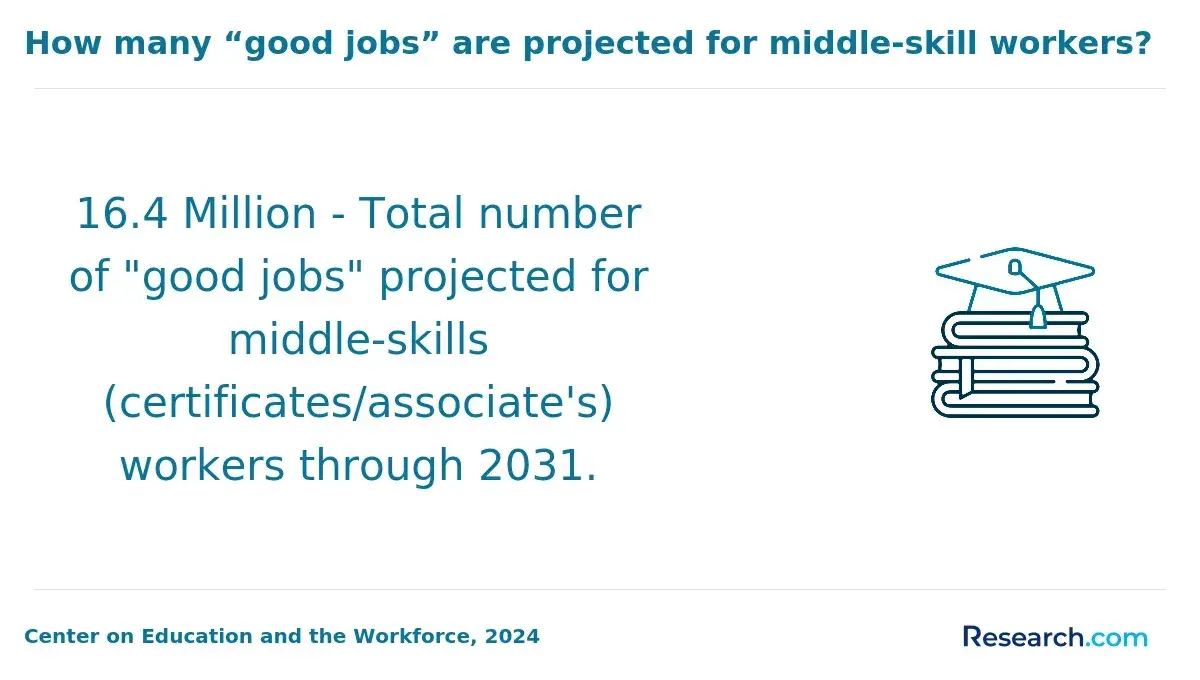
Financial aid can make a low-cost online associate degree substantially cheaper, but the best aid strategy depends on eligibility, enrollment level, school participation, and whether the program is offered for credit. The federal Pell Grant maximum for the 2024-25 award year was $7,395, which can cover a large share of tuition at many community colleges for eligible students.
Students should review several aid sources before assuming the published tuition is the final price. The list below focuses on aid that commonly applies to online associate-degree students in accredited programs.
- Federal Pell Grants for eligible undergraduate students who have not earned a bachelor's degree.
- State grants and community college promise programs, which may be limited to residents or recent high school graduates.
- Institutional scholarships for business, technical, adult learner, first-generation, or workforce-development students.
- Employer tuition assistance or reimbursement for students already working in warehousing, retail, manufacturing, distribution, transportation, purchasing, or logistics.
- Military education benefits, veteran benefits, and credit for military logistics training when accepted by the college.
- Workforce grants through local workforce boards, especially for programs tied to high-demand transportation, logistics, or manufacturing occupations.
Be careful with loans for a short, low-cost credential. Borrowing may make sense if the program clearly supports a promotion or transfer plan, but grants, scholarships, employer benefits, and part-time payment plans are usually safer first options for associate-degree students.
Accreditation protects the value of an online associate degree because it affects financial aid eligibility, credit transfer, employer recognition, and admission into bachelor's programs. At minimum, students should choose an institution accredited by a recognized institutional accreditor.
Before applying, use this quality checklist to avoid programs that look inexpensive but may have weak long-term value.
- Verify institutional accreditation through the school's official accreditation page and federal college databases.
- Check whether credits transfer to public universities or partner bachelor's programs in business, supply chain, logistics, operations, or management.
- Review course titles for applied content such as transportation, warehousing, procurement, inventory control, analytics, spreadsheets, ERP concepts, and operations management.
- Ask whether online students receive career services, internship leads, resume help, and access to employer events.
- Look for transparent tuition, fee, completion, and transfer information rather than relying on marketing claims.
- Confirm whether any certifications, internships, or capstone projects are included or optional.
A red flag is a program that promises high-paying logistics jobs without showing curriculum depth, transfer pathways, accreditation status, or verifiable student support. No associate degree can guarantee a salary; its value depends on skills, local labor demand, experience, and how well the credential fits the job target.
Flexible and accelerated options are most common at community colleges and technical colleges that serve working adults. The most useful formats include asynchronous online courses, eight-week terms, summer enrollment, prior learning assessment, and multiple start dates.
The table below shows flexibility features that can shorten completion time or make enrollment more manageable. These features are especially important for students already working in logistics, retail, manufacturing, trucking, military supply, or warehouse operations.
| Flexibility feature | How it helps | What to verify |
| Asynchronous courses | Allows students to complete coursework around shifts and family responsibilities | Whether exams, group work, or presentations require scheduled attendance |
| Eight-week sessions | Can help students complete more courses across the year | Whether accelerated courses are offered in the major, not only general education |
| Summer enrollment | Can shorten the time to graduation | Whether required logistics courses rotate in summer terms |
| Transfer credit | Reduces credits, tuition, and time if previous coursework applies | How many credits can transfer and whether they meet major requirements |
| Prior learning or military credit | Can recognize workplace training, certifications, or military logistics experience | Documentation requirements, fees, credit limits, and transferability |
| Stackable certificates | Lets students earn a shorter credential on the way to the associate degree | Whether certificate credits fully apply to the degree |
The main risk of acceleration is overload. Students working full time should ask advisers for a realistic course sequence, especially if the program includes accounting, statistics, analytics, business software, or writing-intensive classes.
Yes, an online supply chain or logistics associate degree can support career advancement, especially for students already working in warehousing, transportation, inventory, manufacturing, retail operations, procurement, or the military. It can help a worker move from frontline duties into coordinator, lead, dispatcher, planning assistant, buyer assistant, or supervisor-track roles.
It can also be a practical stepping stone to a bachelor's degree if the credits transfer efficiently. Students planning to continue should prioritize AA or AS transfer pathways, formal articulation agreements, and general education courses that match the receiving university's requirements. AAS programs can still transfer, but some applied technical credits may count as electives rather than major requirements.
The best transfer plan is built before enrollment. Students should take these steps early so they do not pay for credits that fail to advance their long-term goal.
- Identify the bachelor's degree you may want later, such as supply chain management, business administration, operations management, logistics, analytics, or management.
- Ask the associate-degree school for written transfer maps or articulation agreements.
- Contact the receiving university to confirm how each course will apply.
- Choose electives that support both immediate employment and transfer requirements.
- Keep syllabi and course descriptions in case the receiving institution needs them for evaluation.
Students should avoid choosing an associate degree based mainly on low cost if their target jobs routinely require a bachelor's degree. In that case, the cheaper associate program is valuable only if it transfers cleanly and reduces the total cost of the bachelor's path.
How Should Students Choose the Cheapest Online Supply Chain / Logistics Associate Degree for Their Career Goals?
The best choice is the cheapest accredited program that still supports your real goal: getting an entry-level logistics job, advancing with your current employer, transferring to a bachelor's program, or building toward management. The right answer may differ for a warehouse associate, a military logistics specialist, a recent high school graduate, and a working parent.
Use the following decision process before applying. It turns tuition, duration, and salary information into a practical enrollment choice.
- Define your target outcome: immediate job entry, promotion, transfer, or career change.
- Choose the right degree type: AAS for applied employment preparation, AA or AS for stronger transfer intent, or a business transfer degree if you want broader options.
- Compare total net cost, not advertised tuition, including fees, books, technology, and accepted transfer credits.
- Check whether the program's courses match job postings in your area, especially software, inventory, transportation, purchasing, analytics, and communication requirements.
- Verify accreditation, transfer agreements, and online course availability for every required term.
- Ask for graduation, retention, job placement, or transfer information when available, and treat vague answers as a caution sign.
- Compare the degree with alternatives such as certificates, apprenticeships, employer training, bachelor's transfer pathways, or related business programs.
Students should also be honest about career fit. Supply chain and logistics work often involves deadlines, data, vendors, carriers, inventory problems, customer expectations, and process improvement. If you prefer coordinating teams, timelines, budgets, and deliverables across broader business settings, a project manager bachelor degree may be a better long-term match after completing lower-division coursework.
The cheapest program is worth choosing when it is accredited, finishable, transferable if needed, aligned with local job demand, and affordable after aid. It is not worth choosing when low tuition hides weak support, limited online course availability, poor transfer value, unclear fees, or unrealistic career promises.
Other Things You Should Know About Supply Chain / Logistics
Logistics focuses on moving and storing goods, including transportation, warehousing, shipping, and delivery. Supply chain management is broader and includes sourcing, purchasing, production planning, inventory strategy, supplier relationships, and customer delivery.
Most associate programs require practical business math rather than advanced calculus. Students should be comfortable with spreadsheets, percentages, basic statistics, measurements, costs, forecasts, and data-based decision-making.
Excel or Google Sheets is essential. Students also benefit from exposure to inventory systems, warehouse management systems, transportation management systems, enterprise resource planning concepts, databases, and basic analytics dashboards.
It can, but policies vary. Some colleges award credit for military training, industry certifications, prior learning portfolios, or documented workplace training, while others accept experience only as career preparation rather than academic credit.
- Supply Chain and Logistics | EICC https://eicc.edu/classes-programs/pathway/business/supply-chain-logistics/default.aspx
- Supply Chain Management Degree: Top Careers https://www.straighterline.com/blog/top-degrees-todays-top-careers-supply-chain-management
- Supply Chain Management https://www.cpcc.edu/programs/supply-chain-management
- 4 Career Paths to Conquer the Logistics & Supply Chain World https://www.psb-academy.edu.sg/blog/4-career-paths-to-conquer-the-logistics-supply-chain-world
- Top 35 SCM Associate Degree Programs https://supplychainmanagementedu.org/editors-choice/best-associate-programs-supply-chain-management/
- Supply Chain Salaries by Experience Level 2026 | SCOPE Salary Guide https://www.scoperecruiting.com/blog/highest-paying-supply-chain-jobs-2026-salary-guide
- Associate Degree in Logistics and Supply Chain Management https://www.ccu.edu/ccu/logistics/associate/
- Supply Chain and Logistics Career Paths: Explained https://www.logisticsbureau.com/jobs-and-career-paths-in-supply-chain-and-logistics/
- Program Delivery Options https://www.broward.edu/academics/imct/supply-chain/
- From Entry-Level to Expert: Career Paths in Logistics & Supply Chain | AMUS Hiring https://www.amushiring.com/blogs/from-entry-level-to-expert-career-paths-in-logistics-and-supply-chain