2027 Cheapest Online Small Business Management Associate Degree Programs That Pay Well: Tuition, Duration, and Career Outcomes

Co-Founder and Chief Data Scientist
Choosing the cheapest online small business management associate degree is not just about finding the lowest tuition; it is about finding a program that can lead to realistic earnings, transfer options, and business skills. The U. S. Small Business Administration reports that small businesses account for 99.9% of U. S. firms, which keeps demand steady for workers who understand operations, sales, accounting, and customer service.
This guide is for budget-conscious students, career changers, and aspiring entrepreneurs comparing tuition, duration, financial aid, and career outcomes before enrolling.
Key Things You Should Know
- The lowest-cost online associate options are usually public community or technical colleges, where recent published tuition can fall near $100 to $220 per credit before fees, books, and residency rules.
- A 60-credit associate degree can often be completed in two years full time, but transfer credits, summer terms, and accelerated sessions may shorten the timeline.
- According to May 2024 BLS wage data, related roles vary widely: bookkeeping clerks had a median wage of $49,210, while first-line supervisors of office and administrative support workers had a median wage of $65,510.
Which Are the Cheapest Online Small Business Management Associate Degree Programs That Lead to Well-Paying Careers?
The cheapest online small business management associate degree programs are typically offered by public technical colleges and community colleges with business management, entrepreneurship, or small business management tracks. The best value is not always the program with the lowest tuition; students should compare total credits, online fees, transfer agreements, accreditation, and whether the curriculum builds employable skills in accounting, marketing, operations, and supervision.
The table below highlights affordable online or online-friendly associate programs that are especially relevant to small business management. Tuition changes frequently, so students should verify the current catalog rate, residency classification, and fee schedule before applying.
| School | Relevant online associate program | Typical credits | Why it may fit small business goals | Cost signal to verify |
| Albany Technical College | Business Management, AAS with small business-focused coursework | About 60 | Career-oriented technical curriculum with management, accounting, and entrepreneurship topics | Georgia technical college tuition is often among the lower public two-year options, especially for in-state students |
| Central Georgia Technical College | Business Management, AAS or business pathway with management coursework | About 60 | Practical training for supervisory, office, and entry-level management support roles | Students should compare in-state, out-of-state, online, and institutional fees |
| Northcentral Technical College | Small Business Entrepreneurship associate degree | About 60 | Direct focus on launching, operating, and improving a small business | Wisconsin technical college tuition can be affordable, but online program fees and residency rates matter |
| Southern Regional Technical College | Business Management associate pathway with entrepreneurship or management courses | About 60 | Useful for students seeking practical business training and possible transfer or workforce entry | Check tuition by residency and whether all required courses are available online |
| Minnesota State Community and Technical College | Business, entrepreneurship, or management-related associate pathway | About 60 | Good fit for students who want a public-college online format with business fundamentals | Compare per-credit tuition with required textbooks, technology fees, and transfer costs |
A student who wants broader business options may also compare an online business degree pathway, especially if the long-term goal is management, accounting, marketing, or transfer to a bachelor's program. Small business management is narrower and more applied, while general business can preserve more flexibility.
When comparing programs, ask whether the degree is an Associate of Applied Science, Associate of Science, or Associate of Arts. An AAS usually emphasizes workforce skills, while AA and AS pathways are often more transfer-oriented. That difference can matter more than a small tuition gap if you plan to continue toward a bachelor's degree.
How Much Does an Online Small Business Management Associate Degree Cost?
An online small business management associate degree usually requires about 60 credits. Total cost depends on per-credit tuition, required fees, books, software, proctoring, transfer credits, and whether the school charges different rates for in-state and out-of-state online students.
College Board's 2024 Trends in College Pricing reported average published tuition and fees of $4,050 for public two-year in-district students. That figure is useful because many of the cheapest online associate programs are housed at public two-year colleges, but online students may pay additional technology or distance-learning fees.
The table below shows how a 60-credit program can change in price at different tuition levels before books and fees. This helps students convert advertised per-credit tuition into a realistic tuition estimate.
| Tuition per credit | Estimated tuition for 60 credits | What the estimate means |
| $100 | $6,000 | Very low-cost public technical or community college rate, often tied to residency |
| $150 | $9,000 | Common affordable range for public two-year online programs |
| $220 | $13,200 | Still affordable compared with many four-year pathways, but fees and transfer value become more important |
| $350 | $21,000 | May be reasonable only if the program has strong completion support, transfer pathways, or employer reimbursement |
Students should calculate total cost before comparing programs. A lower tuition rate can be offset by higher online fees, repeated courses, nontransferable credits, or a longer time to completion.
A practical cost review should include the following items because each one can change the real price of attendance:
- Tuition per credit multiplied by the number of required credits for the degree.
- Mandatory online, technology, student service, graduation, and proctoring fees.
- Books, access codes, accounting software, spreadsheet tools, and business simulation platforms.
- Residency rules for online students, including whether out-of-state distance learners receive a special rate.
- Transfer-credit limits, prior learning credit, military credit, and credit for professional training.
- Estimated lost income if full-time study reduces work hours.
How Long Does It Take to Complete an Online Small Business Management Associate Degree?
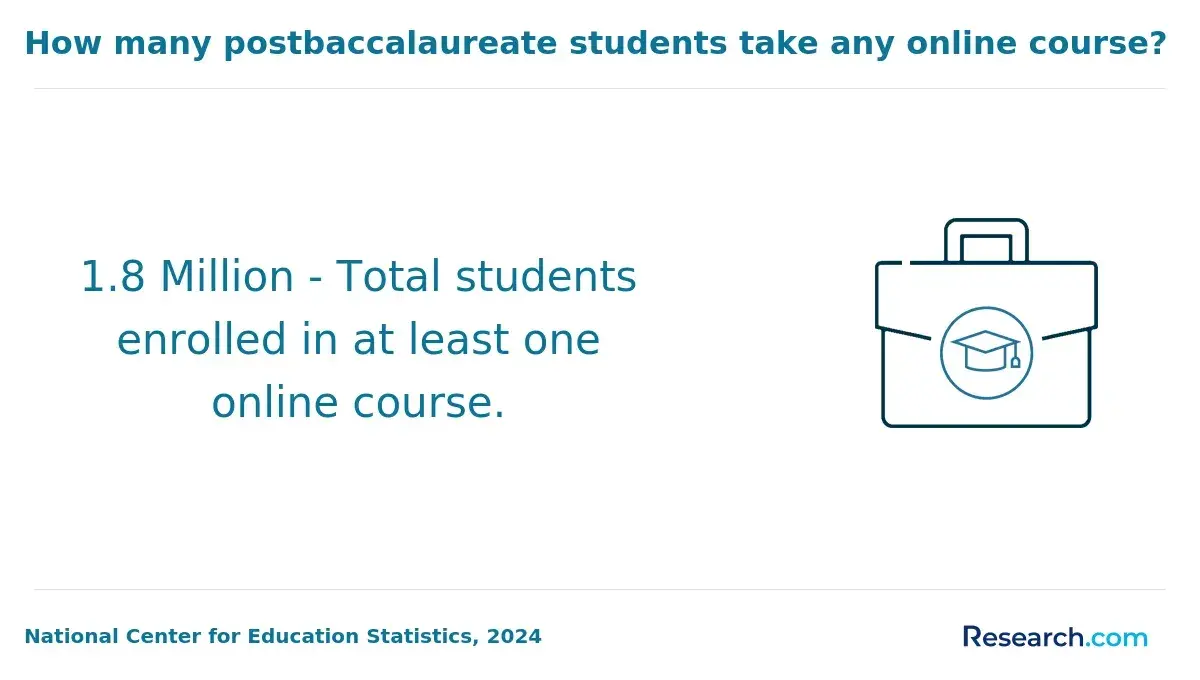
Most online small business management associate degrees take two years of full-time study. Part-time students commonly need three years or more, especially if they take one or two courses per term while working.
The fastest route depends on course availability, transfer credit, and whether the school offers short sessions. Some programs allow students to take business, accounting, marketing, and general education courses in eight-week terms, but accelerated pacing is only valuable if the student can keep up without failing or withdrawing.
The table below compares common completion timelines and the type of student each format serves best.
| Enrollment pace | Typical course load | Possible completion time | Best fit |
| Full time | About 15 credits per semester | About 2 years | Students who can prioritize school and want the fastest standard completion path |
| Part time | About 6 to 9 credits per semester | About 3 to 4 years | Working adults, caregivers, and students using employer tuition assistance |
| Accelerated | Short terms, summer courses, or heavier course loads | Less than 2 years when allowed | Students with transfer credits, strong time management, and stable schedules |
| Transfer-heavy | Remaining credits only | Varies by accepted credits | Students with prior college, military, or industry training |
Time affects ROI because every extra term can add fees, delay career entry, and increase the chance of stopping out. However, the fastest format is not always the best financial choice if it forces a student to reduce work income or retake courses.
An associate degree in small business management can support entry-level office, operations, sales, bookkeeping, retail supervision, customer service leadership, and entrepreneurship roles. It does not usually qualify graduates for jobs that clearly require a bachelor's degree, such as many corporate management analyst, financial analyst, or human resources specialist positions.
The table below uses May 2024 U.S. Bureau of Labor Statistics wage data for roles that may connect to small business management training. These are occupational medians, not starting salaries, and local wages can be lower or higher depending on region, industry, experience, and employer size.
| Career path | May 2024 median annual wage | How the associate degree can help | Important limitation |
| First-line supervisors of office and administrative support workers | $65,510 | Builds supervision, operations, communication, and basic accounting knowledge | Employers often prefer experience before promotion |
| Food service managers | $65,310 | Useful for small restaurant, franchise, scheduling, staffing, and cost-control roles | Experience and industry certifications may matter more than the degree alone |
| Property, real estate, and community association managers | $64,480 | Business coursework can support budgeting, vendor coordination, and client service | Some states or employers may require licensing or specialized experience |
| Bookkeeping, accounting, and auditing clerks | $49,210 | Accounting and spreadsheet courses can prepare students for small-business finance support | Automation is changing routine bookkeeping tasks, so software skills are important |
| First-line supervisors of retail sales workers | $47,870 | Management, sales, inventory, and customer service courses can support advancement | Median wages are lower than many office supervision or specialized business roles |
The highest-paying outcomes are usually tied to experience, supervisory responsibility, sales performance, industry knowledge, or continued education. For example, a small business management associate degree may help a student become a project coordinator, but moving deeper into planning, budgeting, and stakeholder management may eventually require additional training such as a project management degree or certification-focused pathway.
Students should be careful not to confuse occupational median wages with entry-level pay. A new graduate may start below the median, especially without prior work experience, but the degree can still improve advancement prospects when paired with internships, part-time work, bookkeeping software skills, or sales experience.
The best return on investment comes from a program that combines low total cost, short completion time, recognized accreditation, transferable credits, and a realistic path to employment or advancement. The cheapest program can have weak ROI if students cannot transfer credits, cannot access required courses online, or need extra terms to finish.
A simple ROI screen compares estimated tuition with the median wage of realistic target roles. This is not a salary prediction; it is a way to see whether the education cost is proportionate to the labor-market outcome you are pursuing.
| Program profile | Estimated tuition range for 60 credits | Likely ROI strength | Why it matters |
| Low-cost public online AAS with career-focused courses | $6,000 to $10,000 | Strong for workforce entry | Lower tuition makes entry-level wages more financially workable |
| Low-cost AA or AS with strong transfer agreement | $6,000 to $13,000 | Strong for bachelor's transfer | Credits can reduce future bachelor's costs if they transfer cleanly |
| Moderate-cost online associate with excellent support | $13,000 to $18,000 | Potentially strong | Higher cost may be worthwhile if completion rates, advising, and transfer support are better |
| High-cost associate with limited transfer value | Above $20,000 | Riskier | Students may pay close to bachelor's-level costs without bachelor's-level access to jobs |
Affordable online programs can offer especially good value for students who already work in retail, hospitality, customer service, office administration, logistics, trades, or family businesses. In those cases, the degree may help convert experience into supervisory or operations responsibility.
Students should avoid choosing based on tuition alone when any of the following red flags appear:
- The school will not clearly state total tuition, mandatory fees, and refund policies.
- The program is not institutionally accredited by an agency recognized by the U.S. Department of Education.
- Required courses are listed as online, but key classes are offered only once per year.
- Credits do not transfer well to public bachelor's programs in the student's state.
- The program markets high salaries without explaining experience, location, or additional credential requirements.
Financial aid can make a low-cost online associate degree significantly cheaper, especially at public community and technical colleges. Students should start with the FAFSA because it determines eligibility for federal grants, work-study, and federal student loans.
For the 2024-25 award year, the maximum Federal Pell Grant was $7,395. For a student attending a low-tuition public two-year program, Pell funding can cover a large share of tuition and fees, although actual eligibility depends on enrollment intensity, cost of attendance, and financial need.
Students should compare multiple funding sources before borrowing. The most useful options often include the following:
- Federal Pell Grants, which do not need to be repaid if the student remains eligible and follows aid rules.
- State grants for community college, workforce training, adult learners, or high-demand career pathways.
- Institutional scholarships from the college, foundation, business department, or technical education division.
- Employer tuition assistance, especially for students already working in retail, hospitality, administration, logistics, or small business operations.
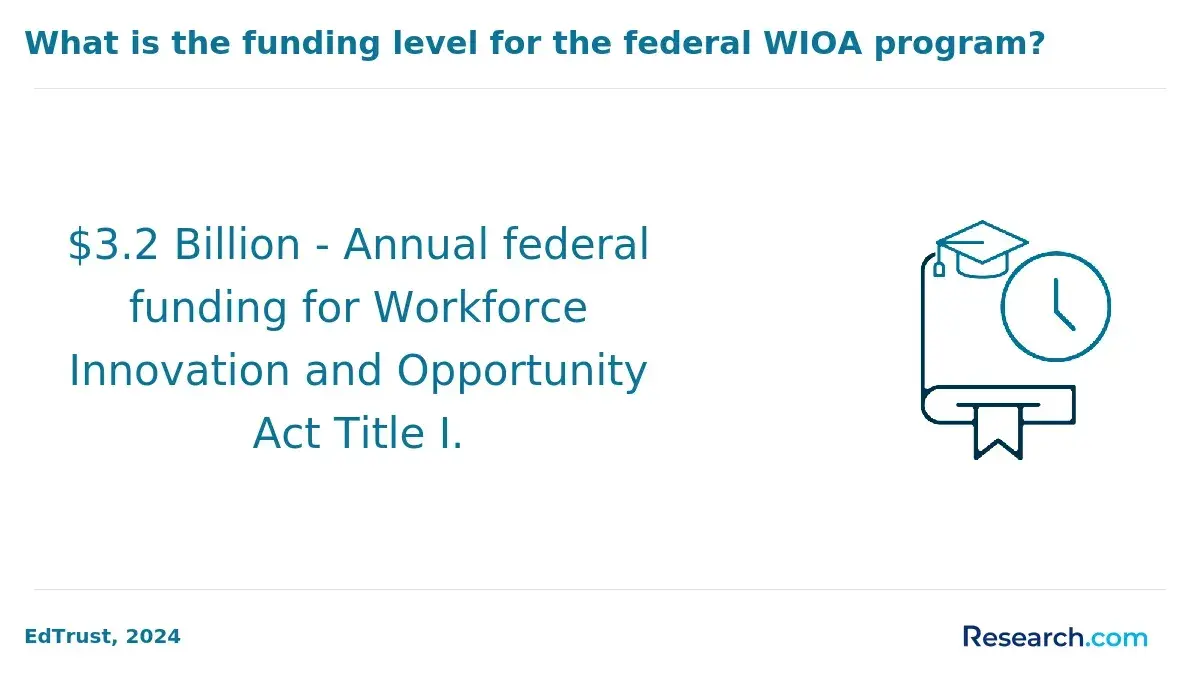
- Workforce Innovation and Opportunity Act funding, which may support eligible job seekers in approved training programs.
- Military and veteran education benefits when applicable.
Borrowing is not automatically bad, but it should be limited and intentional. A student pursuing an associate degree for entry-level office or retail supervision should be especially cautious about taking on high debt because early-career wages may be modest.
Accreditation protects the value of an online small business management associate degree. Students should confirm that the college is institutionally accredited by an agency recognized by the U.S. Department of Education or the Council for Higher Education Accreditation, because accreditation affects federal financial aid, transfer credit, and employer recognition.
Program quality also matters. A strong small business management associate degree should include practical coursework in accounting, marketing, business law, entrepreneurship, management, customer service, spreadsheets, communication, and business technology. In many small firms, employees need to solve practical problems rather than perform one narrow job function.
Students should look for quality indicators that connect the curriculum to real workplace tasks. The following checks help separate genuinely useful low-cost programs from programs that are merely inexpensive:
- Verify institutional accreditation directly through official accreditation databases or the school's accreditation page.
- Review the degree plan to confirm that it includes accounting, marketing, operations, supervision, and business software courses.
- Ask whether online students have access to tutoring, library databases, career services, transfer advising, and technical support.
- Check whether credits transfer to public universities or bachelor's completion programs.
- Ask whether the program uses projects, business plans, simulations, internships, or capstone assignments.
Students should be skeptical of programs that promise fast completion without explaining academic requirements. A legitimate online associate degree still requires college-level reading, writing, quantitative reasoning, and consistent participation.
Flexible and accelerated online programs are valuable for working adults, parents, military students, and learners who need to balance school with income. The most flexible programs usually offer asynchronous courses, multiple start dates, part-time pacing, and clear advising for transfer credits.
Acceleration works best when the school offers short terms, year-round classes, and enough course availability to avoid bottlenecks. Students with prior college credit may benefit most because they can reduce both cost and duration.
Before choosing an accelerated format, students should confirm the details that affect completion speed:
- Whether courses are asynchronous, synchronous, or a mix of scheduled and self-paced work.
- How often required business, accounting, and general education courses are offered online.
- Whether the college accepts transfer credit, CLEP exams, military credit, or prior learning assessment.
- Whether accelerated terms still qualify for financial aid based on enrollment intensity.
- Whether summer enrollment is available and affordable.
- Whether advisors can map a term-by-term completion plan before enrollment.
Students considering a faster route can compare associate programs with an accelerated business degree online if they already know they want a bachelor's credential. For some students, starting with the associate degree is cheaper; for others, entering a bachelor's pathway immediately may reduce transfer friction.
Yes, an online small business management associate degree can support career advancement and can also serve as a stepping stone to a bachelor's degree. The best path depends on whether the student wants immediate workforce skills, long-term transfer value, or both.
An AAS is usually designed for employment after graduation. It may include more applied courses in entrepreneurship, supervision, sales, or small business operations. An AA or AS is often designed for transfer and may include more general education courses that apply toward a bachelor's degree.
The table below summarizes how each associate degree type typically fits long-term goals.
| Degree type | Primary purpose | Best for | Transfer caution |
| Associate of Applied Science | Workforce preparation | Students seeking entry-level business, operations, retail, or office supervision roles | Some technical credits may not transfer as major credits |
| Associate of Science | Transfer plus quantitative or technical preparation | Students who may continue into business analytics, accounting, management, or operations | Students should confirm math and business course equivalencies |
| Associate of Arts | Transfer-oriented general education | Students planning a bachelor's in business, management, communication, or related fields | May offer fewer applied small-business courses |
Students who plan to pursue management roles beyond small businesses may eventually need a bachelor's credential. In that case, an online business administration degree can build on associate-level coursework and may open access to roles that list a bachelor's degree as preferred or required.
The strongest transfer strategy is to choose the bachelor's destination early. Ask the associate college and the receiving university to confirm which courses transfer, whether they apply to the major, and how many credits can be accepted.
How Should Students Choose the Cheapest Online Small Business Management Associate Degree for Their Career Goals?
Students should choose the cheapest online small business management associate degree only after confirming that it supports their career goal, budget, schedule, and future education plans. A program that is inexpensive but poorly aligned can cost more over time if credits do not transfer or if the curriculum does not prepare the student for realistic roles.
A practical decision process can prevent the most common mistakes. Use the following steps before applying:
- Define the target outcome first, such as bookkeeping support, retail supervision, office management, franchise operations, entrepreneurship, or bachelor's transfer.
- Choose the degree type that fits the goal: AAS for workforce entry, AA or AS for stronger transfer planning, or a business administration pathway for broader management goals.
- Calculate total program cost by multiplying tuition by required credits and adding fees, books, software, graduation costs, and any expected travel or testing expenses.
- Verify accreditation and confirm that the school participates in federal financial aid if you plan to use grants or loans.
- Ask for a written transfer evaluation if you have prior credits or plan to continue into a bachelor's program.
- Compare course schedules to make sure required classes are offered online often enough for your preferred completion date.
- Review local job postings to see whether employers in your area accept an associate degree for the roles you want.
- Compare salary data cautiously, using entry-level wages and local labor-market conditions rather than national medians alone.
- Ask the school about career services, internships, employer partnerships, and business plan or capstone projects.
- Choose the program with the best balance of low cost, completion likelihood, career relevance, and transfer value rather than the lowest advertised tuition alone.
Students should avoid an associate degree based primarily on low cost if their desired job consistently requires a bachelor's degree, professional license, or specialized certification. In those cases, the associate degree may still be useful as a lower-cost starting point, but only if credits transfer efficiently.
For many students, the best affordable choice is a regionally accredited public college with transparent tuition, strong online advising, business software training, and clear transfer agreements. That combination gives the degree practical value whether the student enters the workforce immediately or continues studying later.
Other Things You Should Know About Small Business Management
Not exactly. Small business management focuses on operating and improving a business, while entrepreneurship focuses more on starting, funding, and launching a venture. Many associate programs combine both areas.
Usually no. Most associate programs are designed for beginners and require a high school diploma or GED. Prior work experience can help students connect coursework to real business problems, but it is not typically required for admission.
In most cases, diplomas do not distinguish between online and campus formats, but policies vary by school. Students can ask the registrar how the credential appears on transcripts and diplomas.
Useful skills include Excel or spreadsheet modeling, bookkeeping software, digital marketing basics, customer relationship management tools, business writing, sales communication, and data-informed decision-making.
- California’s Most Affordable Private Associate Degrees in Business https://mbacaliforniaedu.org/californias-most-affordable-private-associate-degrees-in-business/
- The Best Online Associate in Business Administration Programs https://www.onlinecolleges.net/rankings/best-online-associate-business-administration-degree-programs/
- Business and Management Degree Careers and Salary in Europe - StudyinEurope.eu https://www.studyineurope.eu/business/business-management-degree-careers-salary-europe/
- Online Business Management Associate Degree School | Self-Paced Course - USCI https://www.uscareerinstitute.edu/online-business-management-associate-degree
- Associate Degree In Business Administration | Online Program | UA Grantham https://www.uagrantham.edu/online-degrees/business-administration-management-associate-arts/
- 2025 Most Affordable Online Associate Degrees in Management https://www.onlineu.com/most-affordable-colleges/management-associate-degrees
- SAU’s MBA most affordable accredited online business degree | Rankin College of Business | Southern Arkansas University https://www.saumag.edu/business/saus-mba-most-affordable-accredited-online-business-degree/
- Scholarships and Financial Aid - Asian Institute of Management https://aim.edu/scholarships-and-financial-aid/
- AVERAGE SALARY WITH BUSINESS MANAGEMENT ... https://stage-gos.fenomen-games.com/all-suggest/business-suggest-002/average-salary-with-business-management-degree