2027 Cheapest Accredited Online Youth and Family Ministry Master's Programs With No Out-of-State Tuition Surcharge

Co-Founder and Chief Data Scientist
Choosing an online youth and family ministry master's program can be difficult when an advertised low per-credit rate excludes nonresident charges, fees, or required travel. This guide is for ministry professionals and aspiring leaders who want an accredited, flexible degree without paying an out-of-state tuition surcharge. Federal Direct Unsubsidized Loans for graduate students have a $20,500 annual borrowing limit for the 2024-25 award year, making a realistic total-cost comparison especially important. Learn how to verify tuition, accreditation, aid, transfer policies, format, and career fit before applying.
Key Things You Should Know
- A no-out-of-state-surcharge policy means online students are charged one residency-neutral rate; it does not automatically mean the program has the lowest total cost after fees, books, travel, and required credits.
- Compare required credits multiplied by the published online per-credit rate, then add mandatory charges; a 30-credit program and a 36-credit program can have very different totals even when the lower-credit program has a higher rate.
- Institutional accreditation, clear online tuition terms, federal-aid eligibility, transfer-credit rules, and curriculum fit matter as much as the advertised price; graduate Direct Unsubsidized Loans are capped at $20,500 per academic year for 2024-25.
What Does No Out-Of-State Tuition Surcharge Mean for an Online Youth and Family Ministry Master's Program?
A no-out-of-state tuition surcharge means an institution charges online students the same tuition rate regardless of where they live. The rate may be called a flat online rate, universal online tuition, distance-learning tuition, or a residency-neutral rate. It is not necessarily identical to the university's campus-based in-state rate, and it does not mean tuition is free or discounted.
This model most often benefits students attending a public university outside their home state. Traditional public tuition models commonly charge nonresidents more than residents, while a flat online rate removes that geographic price difference. Private nonprofit universities usually do not distinguish between in-state and out-of-state students, although their base tuition can still be higher or lower than a public institution's online rate.
Use the following distinctions when reading an online tuition page. They help prevent a common error: treating a general university statement as proof that a particular ministry degree is residency-neutral.
| Tuition model | What it means | Who should examine it closely |
| Flat online tuition | One stated rate for eligible online students regardless of residence | Students enrolling at an out-of-state public university |
| In-state and out-of-state rates | Tuition changes according to residency classification | Students who may qualify for resident tuition or a waiver |
| Online tuition waiver | A nonresident charge is reduced or waived under stated conditions | Students who must confirm continuing eligibility each term |
| Private-university tuition | Usually one institutional rate, but program and delivery charges may vary | Students comparing total price rather than residency labels |
Ask admissions to confirm in writing that the published rate applies to the exact online youth and family ministry master's program, your anticipated start term, and every required credit. Also ask whether the rate applies to part-time enrollment, summer terms, field education, and repeated courses.
Students comparing professional graduate programs across fields may find that the same pricing questions arise in affordable MBA programs: the useful comparison is total required cost, not the headline rate alone.
How Can Students Verify Accreditation for an Affordable Online Youth and Family Ministry Master's Program?
Start with institutional accreditation. A properly accredited college or university has been reviewed by an accrediting agency recognized by the U.S. Department of Education or the Council for Higher Education Accreditation. Institutional accreditation generally matters for federal financial aid, transfer-credit review, employer confidence, and eligibility for later doctoral study.
Youth and family ministry programs do not always have a single mandatory programmatic accreditor. Some theological schools voluntarily hold specialized accreditation through agencies serving theological education, but requirements vary by institution and by the student's intended employer, denomination, or future doctoral program. A specialized endorsement can add context, but it does not replace institutional accreditation.
Verify these points before paying an application fee. Each check addresses a different risk: an unrecognized institution, a misleading delivery claim, or a degree that does not support a planned next step.
- Find the institution in the U.S. Department of Education or CHEA accreditation database and match the legal school name.
- Confirm the accreditor's status and note whether the institution is accredited, on warning, or under another public action.
- Review the program page to ensure the master's degree itself is offered online and awarded by the accredited institution.
- Ask whether the curriculum meets denominational, chaplaincy, doctoral-admission, or employer expectations relevant to your goal.
- Request written confirmation of any specialized theological accreditation, field-placement approval, or state authorization that applies to online students.
Do not confuse a ministry organization's membership, a ranking badge, or an unverified "approved" claim with accreditation. Also avoid assuming that a school's undergraduate approval automatically covers every graduate division or online delivery arrangement.
How Much Does the Cheapest Online Youth and Family Ministry Master's Program Cost in Total?
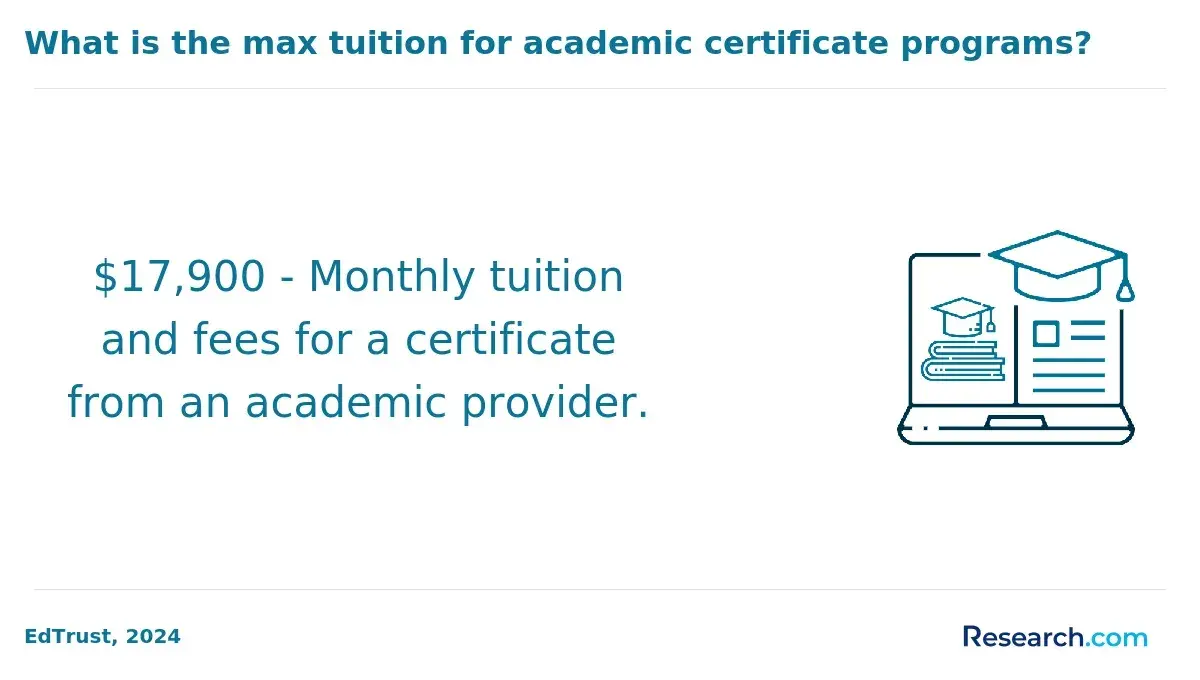
The cheapest program is the one with the lowest net total cost for your circumstances, not necessarily the lowest tuition advertised on a search page. A youth and family ministry master's degree may be titled an MA, MDiv concentration, Master of Ministry, Master of Arts in Ministry, or another theology-related master's. Required credits, fees, practicum expectations, and transfer rules can differ substantially.
Calculate estimated tuition by multiplying the required program credits by the applicable online per-credit tuition. Then add costs the school identifies as mandatory. If the university publishes tuition by academic year rather than by term, ask whether the rate is locked for continuing students or may change before you graduate.
This cost worksheet shows the categories that belong in a side-by-side estimate. Enter only figures confirmed for the program and start term you are considering.
| Cost category | How to calculate it | Why it matters |
| Base tuition | Required credits × online per-credit rate | Usually the largest direct expense |
| Mandatory university fees | Term, technology, distance-learning, student-service, or graduation charges | May apply even to fully online students |
| Course materials | Books, digital resources, ministry assessments, and software | Can vary by course and instructor |
| Travel and residency costs | Transportation, lodging, meals, and time away from work | Relevant for hybrid intensives or campus requirements |
| Field education expenses | Background checks, supervision, insurance, or placement-related costs | Often omitted from broad tuition estimates |
| Financial aid and employer support | Grants and confirmed benefits subtracted from direct costs | Determines estimated net price |
A lower per-credit rate may lose its advantage if the program requires more credits, charges a separate online fee every term, or includes an on-campus intensive. Conversely, a program with a somewhat higher rate may cost less overall if it accepts relevant graduate transfer credits or has fewer required credits.
Before deciding, obtain a written estimate showing required credits, tuition rate, mandatory fees, expected completion length, and any costs for residency, internship, practicum, or capstone participation. Treat optional expenses separately so you can distinguish the published program price from your personal budget.
Do Online Youth and Family Ministry Master's Students Have to Establish Residency to Receive the Lowest Tuition Rate?
Usually, no. If a program truly has a single online tuition rate with no out-of-state surcharge, residency is not needed to access that rate. However, residency can still matter for state grants, institutional scholarships, professional licensure rules, state authorization, and a school's classification of students who take campus-based courses.
A school may also use language that sounds residency-neutral while attaching conditions. For example, a tuition waiver may apply only to fully online students, only to nondegree courses, only during a specified term, or only while students remain continuously enrolled. A campus visit, hybrid course, or change in program track can alter the charge.
Ask these questions before relying on a residency-neutral price. They help distinguish a durable online tuition policy from a temporary or limited waiver.
- Is the same tuition rate charged to online students in every U.S. state and territory where the program is authorized?
- Does the rate apply to every required course, including electives, capstones, practicums, and summer terms?
- Are online learners charged different mandatory fees from campus students?
- Must I maintain full-time enrollment, continuous enrollment, or a particular delivery format to keep the rate?
- Could a required residency, hybrid course, or program change trigger a different tuition classification?
If you already qualify for a public university's in-state rate, compare it directly with its online rate and with competing private nonprofit programs. In-state tuition can be less expensive, but only a full estimate reveals whether it remains the better choice after program length and required travel are considered.
How Do Public and Private Universities Compare on the Cost of an Online Youth and Family Ministry Master's Degree?
Public and private nonprofit universities use different pricing approaches, so neither category is automatically cheaper. Public institutions may offer especially favorable pricing to residents and may use a flat online rate for nonresidents. Private nonprofit institutions commonly charge one tuition rate regardless of location and may offer institutional scholarships, though their listed rate can be higher.
The comparison below focuses on decision factors rather than assumptions about institutional type. Use it to identify which details need confirmation from each school.
| Factor | Public university pattern | Private nonprofit university pattern |
| Residency pricing | May have in-state, out-of-state, and online-specific rates | Often one rate for all students, but program rates can differ |
| Online tuition policy | May waive nonresident surcharges for selected programs | Often residency-neutral without calling it a waiver |
| Institutional aid | May include state-linked aid with residency restrictions | May provide merit or mission-based scholarships |
| Program structure | May follow a broader university academic calendar | May offer accelerated terms designed for adult learners |
| Best comparison method | Compare resident, nonresident, and online totals | Compare tuition, scholarships, fees, and completion requirements |
Private does not mean for-profit, and nonprofit status does not automatically establish affordability or quality. Review accreditation, required credits, student services, faculty expertise, theological alignment, and the availability of supervised ministry experiences alongside price.
Working adults considering leadership-oriented graduate education can apply similar value tests to online eMBA programs: flexibility and a single national tuition rate can be useful, but only if the curriculum and total cost match the student's goals.
Can Financial Aid Reduce the Cost of a Cheap Online Youth and Family Ministry Master's Program?
Yes. Financial aid can reduce the amount you pay upfront or borrow, but it does not change the published tuition rate. Online graduate students at eligible accredited institutions may be considered for federal student aid when they meet federal and institutional requirements. Eligibility, enrollment rules, satisfactory academic progress, and available aid differ by student and school.
For the 2024-25 award year, eligible graduate and professional students may borrow up to $20,500 annually through the Federal Direct Unsubsidized Loan program. That annual limit may not cover a full year of tuition and living costs, so students should build a term-by-term budget rather than assuming federal loans will pay every expense.
Consider the following sources in this order because grants and employer support can reduce the amount that must be repaid.
- Institutional scholarships for ministry, theology, leadership, alumni, or online graduate students
- Denominational, church-conference, foundation, and community scholarships tied to ministry preparation
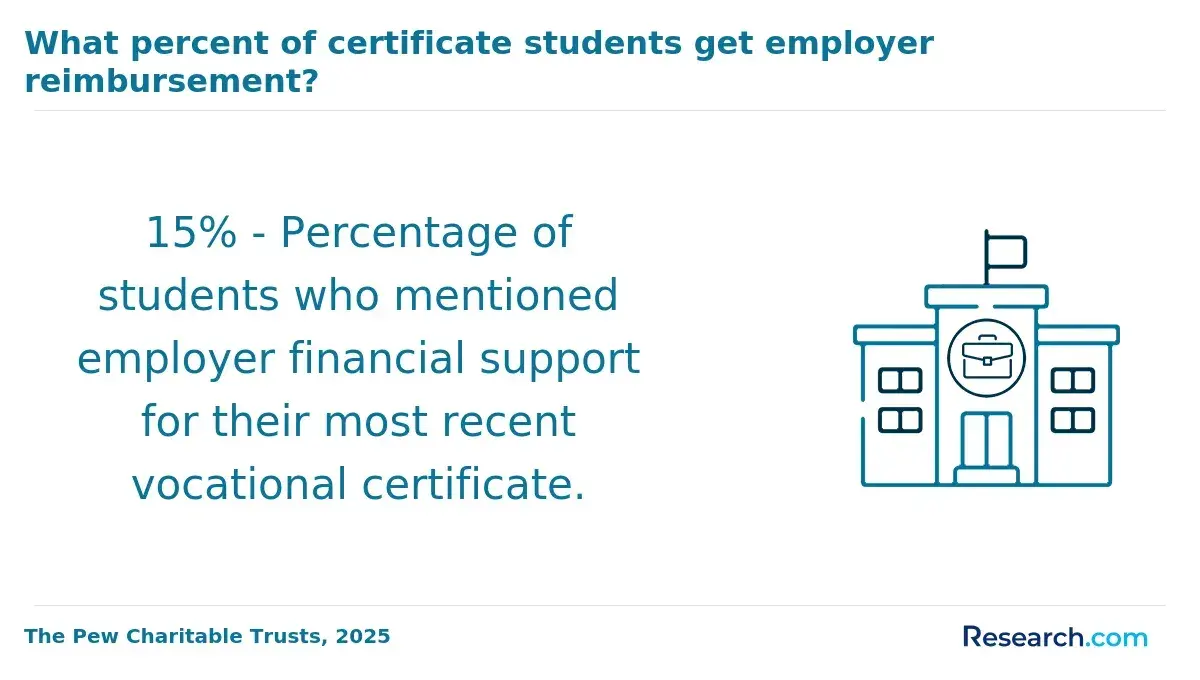
- Employer or church tuition assistance, with written confirmation of reimbursement limits and service obligations
- Federal Direct Unsubsidized Loans after filing the FAFSA and confirming eligibility
- Graduate PLUS Loans or private education loans only after comparing borrowing costs, credit requirements, and repayment obligations
Ask the financial-aid office whether scholarships apply to online students, whether awards are renewable, and whether they can be used during accelerated or summer terms. Do not assume an employer will reimburse books, fees, travel, or courses outside a job-related subject area.
For readers whose employer support is connected to management responsibilities rather than ministry alone, comparing an accelerated business degree online may also clarify whether a different credential better fits the benefit policy and career plan.
How Do Program Format and Completion Time Affect the Cost of an Online Youth and Family Ministry Master's Degree?
Program format affects both direct and indirect costs. Fully online asynchronous programs can reduce commuting and schedule conflicts, while synchronous classes may provide real-time interaction but require attendance at fixed times. Hybrid programs can add travel expenses, and supervised ministry requirements can create costs or workload that are not reflected in tuition.
An accelerated format may lower the number of terms in which a university charges term-based fees and can help students finish sooner. It is not always the lowest-cost option, however. Faster courses require a larger weekly time commitment, which can be difficult for students balancing paid ministry, family responsibilities, and volunteer service.
Compare the format features below with your work schedule and budget. The right model is one you can complete successfully without accumulating avoidable costs from dropped, repeated, or delayed courses.
| Format feature | Potential cost effect | Best fit |
| Fully online asynchronous courses | May reduce travel and scheduling costs | Working adults needing flexible weekly access |
| Live online sessions | May require schedule adjustments but avoid campus travel | Students who value real-time discussion |
| Hybrid intensive or residency | Adds transportation, lodging, and meal expenses | Students able to plan for periodic travel |
| Accelerated terms | May reduce time-related expenses but increase workload | Students with reliable time availability and strong study habits |
| Part-time enrollment | Spreads tuition payments but can extend fee exposure | Students prioritizing manageable cash flow |
Confirm whether the degree is thesis-based, capstone-based, or research-based. A professional, non-thesis master's often ends with a ministry project or capstone; an academic MA may include a thesis and stronger research preparation for doctoral study. Neither route is inherently better, but the project, research, residency, and faculty-supervision requirements can affect time and cost.
How Much Can Transfer Credits Reduce the Cost of an Online Youth and Family Ministry Master's Degree?
Transfer credits can reduce total tuition only when a school accepts prior graduate-level coursework and applies it to required degree credits. The actual savings depend on the number of accepted credits, the receiving institution's policy, the current tuition rate, and whether transferred courses replace required classes rather than merely count as electives.
Students with graduate theology, biblical studies, counseling, education, leadership, or ministry coursework may have the strongest case for transfer review. Some schools also evaluate advanced standing based on a prior theological degree. Policies often limit the age of coursework, require a minimum grade, and reserve final decisions for a registrar or academic department after admission.
Follow this sequence before treating transfer credit as a discount. It protects you from choosing a program based on preliminary advice that does not become part of your official degree plan.
- Request the written transfer-credit and advanced-standing policy for the specific master's program.
- Send official transcripts and retain course syllabi, catalog descriptions, and assignment information if requested.
- Ask how many credits may transfer, which required courses they replace, and whether an evaluation occurs before enrollment.
- Compare the official remaining-credit count and estimated completion term against other programs.
- Confirm whether transfer work affects scholarship eligibility, residency requirements, or the minimum number of credits that must be completed at the institution.
A transfer-friendly option is valuable only if the accepted credits support your educational objective. Students planning doctoral study should also ask prospective doctoral programs how they view the selected master's degree, especially when advanced standing shortens foundational theology or research coursework.
Career changers weighing other specialized graduate paths can use the same transcript-review approach when exploring jobs with a masters in forensic psychology, where degree content and professional requirements matter as much as transferred credits.
Is a Cheap Online Youth and Family Ministry Master's Degree Worth the Cost for Career Advancement?
A low-cost online youth and family ministry master's degree can be worthwhile when it strengthens the skills, credentials, theological preparation, and professional network needed for your intended role. Common roles include youth pastor, family ministry director, children's ministry leader, discipleship coordinator, nonprofit program director, camp ministry leader, and faith-based community educator. Job titles, credential requirements, and compensation vary widely by denomination, organization size, location, and whether the role is salaried.
These programs commonly develop biblical and theological interpretation, adolescent and family development, safeguarding, pastoral care, volunteer leadership, program design, conflict management, communication, and ethical decision-making. A generalist degree may fit students seeking broad ministry leadership preparation, while a specialized youth or family emphasis can fit students who want curriculum centered on intergenerational ministry and adolescent formation.
Do not use a degree price alone as a return-on-investment measure. Ministry positions may prioritize demonstrated experience, denominational standing, ordination, local relationships, or supervised ministry alongside graduate education. Some counseling, social-work, school-based, or clinical roles require a different accredited degree and state-specific licensure; a youth and family ministry master's should not be assumed to meet those requirements.
Use this career-fit check before enrolling. It connects your investment to evidence you can gather from employers, mentors, and the school.
- Review job postings from churches and organizations where you realistically want to work and note degree, experience, and denominational expectations.
- Ask supervisors or mentors whether a master's degree would change your responsibilities, eligibility, or advancement opportunities.
- Compare the program's practicum, internship, mentorship, and career-support offerings with the experience employers request.
- Determine whether the curriculum supports your future goal of ordination, chaplaincy, doctoral study, nonprofit leadership, or another defined pathway.
- Estimate borrowing conservatively and compare anticipated payments with your household budget rather than assuming a salary increase.
A higher-priced program can be justified when it provides a required credential, meaningful supervised experience, strong denominational alignment, or a curriculum unavailable in a cheaper option. A cheaper accredited program is usually the better investment when it meets the same career requirements without unnecessary debt.
Students attracted to creative ministry, worship, or arts leadership may also compare curriculum and project requirements with MFA online programs before selecting a credential that does not match their long-term work.
How Should Students Compare the Cheapest Accredited Online Youth and Family Ministry Master's Programs?
Build a comparison using official program pages, tuition schedules, accreditation records, and written answers from admissions and financial-aid staff. A school can be the cheapest for one student and not another because residency, scholarships, transfer credit, travel, and pacing differ.
The following comparison framework keeps cost, quality, and career alignment in the same decision. Complete one row for every program under consideration before making a deposit or accepting loans.
| Comparison item | What to record | Decision value |
| Institutional accreditation | Accreditor and current institutional status | Supports aid, transfer, and employer confidence |
| Program type | MA, MDiv concentration, Master of Ministry, or related title | Shows academic, professional, or denominational fit |
| Tuition model | Flat online rate, resident rate, nonresident rate, or waiver terms | Identifies residency-related risk |
| Required credits | Credits remaining after official transfer review | Enables a credible tuition calculation |
| Mandatory charges | Technology, term, graduation, practicum, and residency costs | Prevents underestimating total cost |
| Delivery and schedule | Asynchronous, live online, hybrid, and campus requirements | Tests work and family compatibility |
| Curriculum and support | Youth development, family systems, theology, mentoring, internship, and advising | Connects the degree to professional preparation |
| Net cost | Total direct cost minus confirmed grants and employer support | Provides the most useful affordability figure |
After narrowing your options, request a final written review of the tuition rate, remaining credits, transfer determination, course sequence, required visits, aid estimate, and graduation requirements. Red flags include unclear accreditation, tuition pages that do not identify online graduate rates, unconfirmed transfer promises, required travel not disclosed early, and pressure to enroll before receiving a complete cost estimate.
The best choice is generally the accredited program with the lowest manageable net cost that still fits your ministry calling, scheduling reality, theological needs, and intended career path. If two programs have similar totals, favor the one that provides clearer support, stronger curriculum alignment, and fewer unresolved requirements.
Other Things You Should Know About Youth and Family Ministry
Youth ministry focuses primarily on adolescents and young adults, while family ministry takes an intergenerational approach that may include parents, caregivers, children, youth, and older adults. Many positions blend both responsibilities, especially in smaller congregations.
Not always. Many programs accept applicants with bachelor's degrees in other disciplines, although they may require prerequisite coursework, a faith statement, ministry experience, or foundational biblical studies. Admission requirements vary by institution.
Usually not by itself. Clinical counseling licensure typically requires a specifically structured graduate counseling degree, supervised clinical hours, examinations, and state approval. Confirm requirements with the licensing board in the state where you intend to practice.
Many programs are designed for working adults, particularly those with asynchronous courses or part-time plans. Review weekly workload, live-session times, practicum expectations, and intensive travel requirements before deciding on an accelerated schedule.
References
- 7 Cheapest Theology Degree Online Programs for 2026 https://www.thebibleseminary.edu/post/cheapest-theology-degree-online
- Graduate Ministry Programs | Master's in Youth Ministry https://ministryleadership.org/masters-in-youth-ministry/
- Credit Hours https://mission.edu/academics/online-degrees/master-of-divinity-online/
- Making Christian Education Affordable: Scholarship and Aid Options https://evcsonline.com/blog/making-christian-education-affordable-scholarship-and-aid-options
- Resources https://www.churchofjesuschrist.org/study/manual/education-for-better-work-for-self-reliance/6-pay-for-your-education/resources
- Master of Arts in Youth and Family Ministry | Howard Payne University https://www.hputx.edu/academics/schools/school-of-christian-studies/graduate-programs/ma-youth-ministry/
- Student Scholarship Program - Disciples Home Missions https://www.discipleshomemissions.org/vocational-support/scholarships/
- Christian College Scholarships & Programs for Students & Educators https://www.acsi.org/academic-programs/acsi-elevate--higher-education-program/acsi-christian-college-scholarships-and-programs-for-students-and-educators
- Children, Youth & Family Ministry Specialization - Wesley Seminary | Indiana Wesleyan University https://www.indwes.edu/academics/seminary/programs/specializations/children-youth-and-family-ministry/
- MA in Ministry - Grace Christian University https://gracechristian.edu/academics/programs/ma-ministry/