2027 Cheapest Accredited Online Security Management Degree Programs That Accept FAFSA

Co-Founder and Chief Data Scientist
Choosing an online security management degree is really a cost-and-risk decision: you need a program that is accredited, FAFSA-eligible, affordable after aid, and useful for security leadership careers. Federal Student Aid lists the maximum Pell Grant at $7,395 for eligible students, which can materially reduce annual tuition but rarely covers every cost.
This guide is for working adults, transfer students, military-affiliated learners, and first-time undergraduates comparing low-cost online options. You will learn how to compare tuition, aid, accreditation, transfer policies, and career ROI before enrolling.
Key Things You Should Know
- The cheapest FAFSA-eligible online security management options are usually public universities or large accredited online universities with published undergraduate tuition near the lower end of the market, but the lowest advertised tuition is not always the lowest net cost.
- FAFSA eligibility means the institution and program may participate in federal student aid; it does not mean every student receives grants, and it does not guarantee the full degree will be paid for.
- Security-related career ROI depends heavily on role: BLS data reports a May 2024 median wage of $124,910 for information security analysts, while many physical security, emergency management, and investigations roles follow different pay scales.
Which Are the Cheapest Accredited Online Security Management Degree Programs That Accept FAFSA?
The cheapest accredited online security management degree programs that accept FAFSA are typically bachelor's programs at Title IV-participating institutions with regional or institutional accreditation recognized by the U.S. Department of Education. Because colleges use different program titles, students should also compare closely related online degrees in security management, homeland security, security and risk analysis, emergency management, and protective services leadership.
| School | Relevant online degree | Accreditation status | FAFSA participation | Published tuition signal before aid | Best fit |
| American Public University System | BA in Security Management | Institutionally accredited by the Higher Learning Commission | Participates in federal student aid | Often among the lower published online undergraduate tuition rates | Working adults, military-affiliated students, and learners seeking a direct security management major |
| Wilmington University | BS in Security Management or closely related security-focused online pathways | Institutionally accredited by the Middle States Commission on Higher Education | Participates in federal student aid | Moderate online undergraduate tuition with transfer-friendly pathways | Transfer students who want flexible online completion options |
| Bellevue University | BS in Security Management | Institutionally accredited by the Higher Learning Commission | Participates in federal student aid | Moderate private nonprofit online tuition | Adults seeking cohort-style or career-focused online study |
| Embry-Riddle Aeronautical University Worldwide | BS in Homeland Security or related security studies options | Institutionally accredited by the Southern Association of Colleges and Schools Commission on Colleges | Participates in federal student aid | Moderate online tuition; military rates may differ | Students interested in transportation, aviation, homeland security, and emergency operations |
| Penn State World Campus | BS in Security and Risk Analysis | Institutionally accredited by the Middle States Commission on Higher Education | Participates in federal student aid | Usually higher than the lowest-cost online options | Students willing to pay more for a large public research university brand and analytics-oriented curriculum |
A genuinely cheap program should meet three tests: it has recognized accreditation, the specific degree is eligible for federal aid, and your remaining out-of-pocket cost is manageable after grants, scholarships, employer assistance, transfer credit, and any loans. If a school advertises a low per-credit rate but adds high fees or accepts few transfer credits, it may cost more than a program with a higher sticker price.
Security management programs usually cover risk assessment, asset protection, emergency planning, investigations, legal issues, cybersecurity awareness, organizational leadership, and crisis response. Admissions are often similar to other online bachelor's programs: a high school diploma or GED for first-time students, official transcripts for transfer applicants, and sometimes a minimum GPA for upper-division admission.
How Does FAFSA Eligibility Work for Online Security Management Degree Programs?
FAFSA eligibility starts with the school, but it does not end there. The institution must participate in federal Title IV student aid programs, the degree must be an eligible program, and the student must meet federal aid requirements such as citizenship or eligible noncitizen status, satisfactory academic progress, and enrollment in a qualifying credential program.
For online security management students, the most important distinction is that FAFSA is an application, not a funding source by itself. Completing the FAFSA lets the school calculate eligibility for federal grants, federal loans, and sometimes work-study or state aid, but the final award depends on the student's financial profile, dependency status, enrollment intensity, prior borrowing, and school cost of attendance.
Before you rely on FAFSA to pay for an online degree, verify each layer of eligibility directly with the school. These steps reduce the risk of enrolling in a program that is accredited but not eligible for the aid you need.
- Search the school in the U.S. Department of Education's accreditation and federal aid databases then confirm that the listed institution matches the online campus or university you are considering.
- Ask the financial aid office whether the exact online security management degree, concentration, or completion pathway is Title IV eligible.
- Request the full cost of attendance, not just tuition, because aid eligibility is calculated against tuition, fees, books, supplies, technology costs, and allowed living expenses.
- Ask whether aid changes for part-time enrollment, accelerated terms, competency-based formats, or nonstandard academic calendars.
- Confirm the school's satisfactory academic progress rules, including minimum GPA, pace of completion, withdrawal policies, and maximum time frame.
A common mistake is assuming that "accepts FAFSA" means a student will receive enough grant aid to avoid borrowing. In reality, many students receive a mix of grants and loans, while others receive loans only. This is why comparing net price and likely debt matters more than comparing FAFSA participation alone.
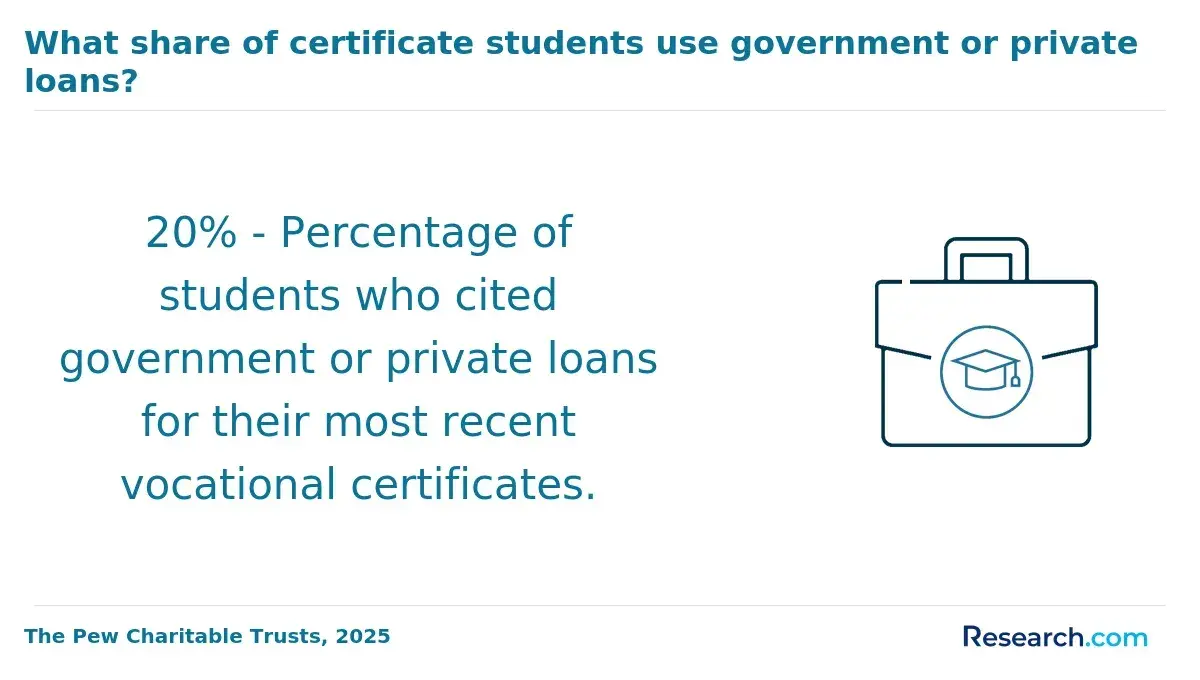
How Much Does an Online Security Management Degree Cost After Financial Aid?
The cost after financial aid depends on your published tuition, transfer credits, fees, enrollment load, grant eligibility, scholarships, employer support, and borrowing choices. The maximum federal Pell Grant is $7,395 for eligible students in the current federal award structure, but many students receive less, and some receive no Pell Grant at all.
The following simplified example shows why the same online security management degree can have very different net costs for different students. It is not a quote from any school; it is a planning framework you can use when comparing award letters.
| Cost or aid factor | Student with strong grant eligibility | Student with limited grant eligibility | Why it matters |
| Annual tuition and required fees | $10,000 | $10,000 | Sticker price is the same before aid |
| Federal Pell Grant | Up to $7,395 if fully eligible | $0 or a smaller amount | Grant eligibility can sharply change net cost |
| Institutional or state grants | Possible, depending on school and residency | Possible, but not guaranteed | Public and private nonprofit schools may package aid differently |
| Employer tuition assistance | May reduce remaining balance | May reduce remaining balance | Especially relevant for working security, military, and public safety employees |
| Likely out-of-pocket or loan need | Lower if grants and employer aid apply | Higher if the award is mostly loans | This is the number to compare across schools |
Students should also account for expenses that do not always appear in marketing copy. Technology fees, proctoring fees, textbooks, digital course materials, background checks for certain experiential components, and graduation fees can change the final bill.
The safest way to estimate your real cost is to build a degree-completion budget before you enroll. Use the school's official cost of attendance and your preliminary aid offer, then subtract only aid you are reasonably likely to receive and renew.
- Calculate remaining credits after transfer evaluation, not before.
- Multiply remaining credits by the current tuition rate that applies to your residency, military, employer, or partnership status.
- Add required fees, course materials, and technology costs for the full program.
- Subtract grants and scholarships before subtracting loans, because loans must be repaid.
- Estimate total borrowing for the entire degree, not just the first term.
Which Affordable Online Security Management Degree Programs Offer the Best Value?
The best-value online security management degree is not automatically the cheapest. A lower-priced program offers strong value when it is accredited, FAFSA-eligible, transfer-friendly, academically relevant, flexible enough to complete, and connected to the type of security work you want.
Students comparing speed and affordability should also look at formats used in an accelerated bachelor's degree, because faster terms can reduce opportunity cost for some adults. However, acceleration only saves money if you can pass courses successfully without withdrawing or retaking classes.
The table below shows value factors that matter beyond tuition. Use it to decide when paying slightly more may be reasonable and when a low price may hide weaknesses.
| Value factor | Why it affects affordability | When a higher-cost program may be worth it | Red flag |
| Transfer credit acceptance | Fewer remaining credits can lower total tuition more than a small per-credit discount | The school accepts more prior credits, military training, or professional learning | The school gives a tuition estimate before reviewing transcripts |
| Curriculum fit | Relevant courses reduce the need for extra certificates later | The program aligns with cybersecurity, emergency management, corporate security, or public safety goals | The degree title sounds relevant, but the course requirements are too general |
| Completion support | Advising and flexible scheduling can reduce stop-outs and repeated courses | The program has strong online advising, tutoring, and predictable course rotations | Required courses are offered infrequently |
| Employer recognition | Brand, accreditation, and applied projects may affect hiring conversations | The school has security, military, law enforcement, or corporate partnerships | The program makes unsupported job placement promises |
| Net cost after aid | Grants and scholarships can make a higher sticker price cheaper in practice | The aid package contains renewable grants rather than mostly loans | The award letter uses loans to make the program look affordable |
A good rule is to compare total degree cost per completed credential, not cost per credit alone. If Program A costs less per credit but requires 75 remaining credits, and Program B costs more per credit but accepts enough transfer work to require only 45 credits, Program B may be cheaper overall.
Are the Cheapest Online Security Management Degree Programs Properly Accredited?
The cheapest online security management degree programs can be properly accredited, but students must verify accreditation before enrolling. In the U.S., the key baseline is institutional accreditation from an agency recognized by the U.S. Department of Education or the Council for Higher Education Accreditation; this is what usually supports transferability, graduate school eligibility, employer recognition, and federal aid participation.
Programmatic accreditation is less standardized in security management than it is in fields such as nursing, engineering, or teacher education. That means institutional accreditation is usually the essential minimum, while curriculum quality, faculty experience, employer relevance, and outcomes data become especially important.
Use this checklist before you treat a low-cost online program as legitimate. It helps separate accredited online degrees from programs that use vague or misleading quality claims.
- Confirm the institution's accreditor and status in official accreditation databases, not only on the school's website.
- Check whether the accredited institution name matches the school name on the application and financial aid documents.
- Ask whether online students earn the same degree as campus students or whether the transcript names a separate online division.
- Review whether credits are semester-based, quarter-based, competency-based, or nonstandard, because this can affect transfer and graduate admission.
- Be cautious if a school says it is "licensed," "approved," or "internationally accredited" but cannot identify a recognized U.S. institutional accreditor.
Accreditation also matters for future education. A student who later wants a master's in security studies, cybersecurity, public administration, criminal justice, emergency management, or business may find that graduate programs expect a bachelor's degree from a recognized accredited institution.
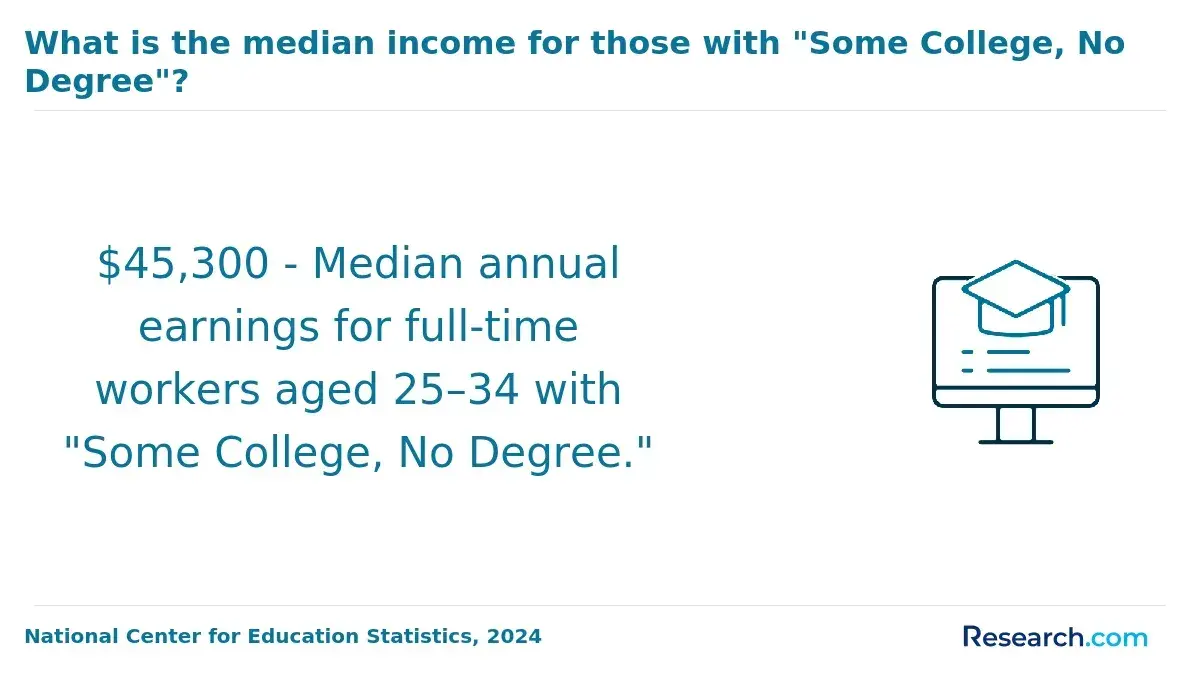
What FAFSA Grants and Federal Aid Can Pay for an Online Security Management Degree?
FAFSA can connect eligible online security management students to federal grants, federal loans, and sometimes work-study or state aid. The most valuable aid is gift aid, such as grants and scholarships, because it does not need to be repaid if the student follows enrollment and withdrawal rules.
Students should understand the main federal aid categories before comparing award letters. The names may look similar across schools, but the long-term financial impact is very different.
| Aid type | Repayment required? | How it may help online security management students | Important limitation |
| Federal Pell Grant | No, unless eligibility changes after withdrawal or other adjustments | Reduces tuition and fees for eligible undergraduate students | Amount depends on federal rules, financial need, enrollment intensity, and lifetime limits |
| Federal Supplemental Educational Opportunity Grant | No, unless eligibility changes | May help students with high financial need at participating schools | Not every school receives or awards these funds |
| Direct Subsidized Loan | Yes | Can cover remaining undergraduate costs with interest benefits while enrolled at least half-time | Available only to eligible undergraduates with financial need |
| Direct Unsubsidized Loan | Yes | Can help cover gaps after grants and scholarships | Interest accrues, so borrowing should be limited where possible |
| Federal Work-Study | No loan repayment, because it is earned wages | May provide part-time work funding at some schools | Online students may have fewer practical placements depending on location |
Federal Direct Loan annual limits can be lower than the total annual cost of attendance, especially for dependent undergraduates. That makes it important to compare grant-heavy aid packages with loan-heavy packages and to avoid assuming that federal loans will cover every gap.
Students can also combine FAFSA-based aid with outside scholarships, employer tuition reimbursement, union education benefits, military education benefits, public safety agency tuition support, and payment plans. The best approach is to apply gift aid first, use employer or military benefits when available, and borrow only for the remaining amount that clearly supports your career plan.
How Do Transfer Credits Lower the Cost of an Online Security Management Degree?
Transfer credits can be the biggest cost saver in an online security management degree because they reduce the number of credits you must buy from the new school. This is especially important for adult learners with community college credits, military training, police academy coursework, corporate security training, FEMA coursework, or previous university enrollment.
If you plan to continue into graduate study later, compare undergraduate transfer savings with longer-term pathways such as one year masters programs, because the cheapest bachelor's completion path is not always the best path if it delays your next credential or fails to meet graduate prerequisites.
The table below illustrates how transfer credit can change total tuition exposure. It uses a simple planning model rather than a school-specific guarantee.
| Transfer scenario | Credits still needed for a 120-credit bachelor's degree | Cost impact | Who commonly fits this scenario |
| No transfer credit | 120 credits | Highest total tuition exposure | First-time college students |
| Associate degree transfer | About 60 credits remaining if fully accepted | Can cut tuition exposure substantially | Community college graduates |
| Military or professional training plus prior college | Varies by evaluation | May reduce elective or lower-division requirements | Military, law enforcement, corrections, and corporate security professionals |
| Generous transfer plus prior learning assessment | Sometimes fewer than half the degree remaining | May make a higher per-credit school cheaper overall | Experienced adults with documented training and certifications |
Do not rely on informal transfer estimates from admissions conversations. Ask for an official or preliminary transcript evaluation that shows which credits apply to general education, major requirements, electives, and residency requirements.
When comparing schools, focus on these transfer questions. They reveal whether a low tuition rate will actually translate into low total cost.
- How many total transfer credits can be accepted toward the degree?
- How many credits must be completed at the enrolling institution?
- Will security, law enforcement, military, or emergency management training count only as electives or toward major requirements?
- Are there expiration rules for technology, cybersecurity, or statistics courses?
- Will transferred credits reduce financial aid eligibility by changing enrollment status or remaining program length?
Which Students Benefit Most From a Low-Cost Online Security Management Degree With FAFSA?
A low-cost FAFSA-eligible online security management degree is most useful for students who need a recognized bachelor's credential without leaving work. It can be especially valuable for current security officers, law enforcement personnel, military service members, emergency management staff, corrections professionals, loss prevention specialists, and corporate operations employees seeking supervisory roles.
Students comparing career-changing degrees should also consider whether security management is the right professional lane. For example, people drawn to counseling-oriented public safety careers may want to compare security leadership with adjacent options such as accelerated MFT programs, because those lead toward very different licensure and work settings.
The best-fit student usually has a clear reason for needing the credential. That reason may be promotion eligibility, transition from military to civilian security, movement from frontline work to management, or preparation for graduate study in emergency management, public administration, cybersecurity policy, or criminal justice leadership.
However, some students should be cautious about choosing a program primarily because it is cheap. A low-cost online security management degree may not be the right choice if you need a highly technical cybersecurity curriculum, state-specific licensure preparation, a law enforcement academy credential, or a graduate degree for the role you want.
These students often benefit most from the combination of low tuition and FAFSA eligibility:
- Transfer students who can bring in substantial credits and finish only upper-division security management coursework.
- Working adults who need asynchronous courses because shift work makes live attendance difficult.
- Military-affiliated students who can combine federal aid with military education benefits or evaluated training credits.
- Students with grant eligibility who can reduce borrowing by choosing a lower-cost accredited institution.
- Public safety employees whose employers provide tuition reimbursement for job-related degrees.
How Does the Cost of an Online Security Management Degree Affect Career ROI?
Career ROI depends on the gap between what you spend and how the degree helps you qualify for better roles, promotions, or career mobility. A low-cost accredited degree can improve ROI by reducing debt, but only if the curriculum and credential align with your target job market.
Security management careers are broad. Some graduates pursue physical security management, corporate risk, emergency preparedness, asset protection, transportation security, investigations, compliance, or security operations. Others move toward cybersecurity policy or risk analysis, where additional technical training may be needed. Students interested in behavioral investigation and legal-adjacent careers can also compare security management with paths such as jobs with a masters in forensic psychology, which require different preparation and may involve graduate study.
The table below summarizes salary context for related U.S. career areas. These figures are occupational medians, not promises for degree graduates, and actual pay varies by employer, region, experience, clearance requirements, and technical skill level.
| Related career area | Relevant federal labor category | May 2024 median wage signal | How to use this in ROI planning |
| Cybersecurity and security risk analysis | Information security analysts | $124,910 | Strong salary potential, but many roles require technical cybersecurity skills beyond general security management |
| Emergency planning and continuity | Emergency management directors | $83,960 | Relevant for homeland security and crisis management tracks, often requiring experience in public agencies or large organizations |
| Protective service supervision | First-line supervisors of protective service workers | Varies by protective service setting | Useful for promotion planning, but pay depends heavily on sector and location |
| Corporate security and loss prevention | Often spread across management, protective service, and compliance categories | No single degree-specific federal median | Compare local job postings and employer requirements rather than relying on one national wage number |
The best ROI often comes from keeping borrowing low while choosing a curriculum that matches job postings in your region. If your target roles mention access control systems, risk assessment, OSHA or compliance knowledge, emergency operations planning, cybersecurity governance, or incident command, make sure those topics appear in required courses rather than only electives.
A more expensive program may be worth considering if it offers stronger transfer acceptance, employer-recognized reputation, internship or capstone opportunities, cybersecurity or analytics depth, or a schedule that helps you finish faster. It is usually not worth paying more for vague promises, aggressive recruiting, or a degree title that does not match employer expectations.
How Should Students Choose the Cheapest FAFSA-Eligible Online Security Management Degree?
Students should choose the cheapest FAFSA-eligible online security management degree by comparing verified net cost, accreditation, transfer acceptance, curriculum fit, completion support, and career alignment. The right choice is the program that you can afford, finish, and use—not simply the one with the lowest advertised tuition.
If your long-term goal is executive leadership in training, education, or public-sector administration rather than direct security operations, it may also be useful to compare future doctoral pathways such as the most affordable EDD online programs. That comparison can help you avoid choosing an undergraduate path that does not support your eventual leadership goals.
Use a structured process before committing to any program. This helps you avoid the most common mistakes: confusing FAFSA eligibility with free tuition, ignoring fees, overlooking transfer limits, and accepting loans without understanding repayment.
- Verify institutional accreditation through recognized sources and make sure the online degree belongs to the accredited institution.
- Confirm that the exact online security management program is eligible for federal student aid, not just the school overall.
- Request an official transfer credit review before estimating total cost.
- Compare total program cost after grants and scholarships, separating gift aid from loans.
- Review the curriculum against current job postings for your target roles.
- Ask about online course availability, required live sessions, proctored exams, internships, capstones, and any campus visits.
- Check renewal rules for scholarships, satisfactory academic progress, and employer reimbursement.
- Estimate total borrowing through graduation and compare it with realistic salary expectations for your target role and location.
Before enrolling, ask admissions and financial aid offices direct questions. The answers should be specific, documented, and consistent across departments.
- What is my estimated total cost to complete the degree after transfer credits?
- Which parts of my aid package are grants, scholarships, loans, or work-study?
- Will my aid change if I enroll part-time or take accelerated terms?
- How many credits must I complete at this institution?
- What happens to my aid and bill if I withdraw from a course?
- What career services, employer partnerships, or security-related experiential projects are available to online students?
The strongest decision is usually based on net cost and completion probability. A cheap program that you cannot finish is not affordable; a slightly more expensive program that accepts more credits, offers stronger support, and reduces borrowing may deliver better value.
Other Things You Should Know About Security Management
Sometimes, but not always. The certificate must be offered by a Title IV-participating institution and approved as an eligible program. Many short certificates, continuing education courses, and bootcamp-style programs do not qualify for federal student aid.
Employers are more likely to respect an online degree when it comes from a properly accredited institution and the curriculum matches the role. Many employers focus on accreditation, relevant experience, leadership skills, technical knowledge, and whether the degree supports the job requirements.
Some do, but many online programs use capstones, applied projects, simulations, or research assignments instead. If you are already working in security or public safety, ask whether your current workplace can support an applied project or experiential requirement.
Choose security management if you want broader leadership in physical security, risk, emergency planning, investigations, or operations. Choose cybersecurity if your target roles require technical skills such as network defense, incident response, cloud security, or security engineering.
References
- 25 Best Online Cybersecurity Bachelor’s Degree Programs https://programs.com/programs/online-bs-cybersecurity/
- Cybersecurity Bootcamp vs Degree: Complete Comparison 2026 https://unihackers.com/compare/bootcamp-vs-degree
- Top Online Cybersecurity Bachelor's Programs https://www.cybersecurityeducationguides.org/top-online-cybersecurity-bachelors-programs/
- Compare Types of Cybersecurity Degrees | CyberDegrees.org https://www.cyberdegrees.org/listings/
- Can You Get Financial Aid for Online College? Finding Out https://beal.edu/can-you-get-financial-aid-for-online-college/
- Most Affordable Cybersecurity Bachelor's Degrees Online https://www.itcareerfinder.com/program-rankings/most-affordable-cybersecurity-degrees-online.html
- Job Prospects With a Master's Degree in Security Management https://sopa.tulane.edu/blog/job-prospects-masters-degree-security-management
- How Does the FAFSA Work? (2026 Guide) https://www.credible.com/student-loans/how-does-fafsa-work
- A Comprehensive Guide to the FAFSA and Federal Financial Aid https://www.navyfederal.org/makingcents/college-planning/how-to-apply-for-fafsa.html
- 2025 Most Affordable Online Cybersecurity Degrees https://www.onlineu.com/most-affordable-colleges/cybersecurity-degrees