2027 Can a BS in Business Administration Prepare You for a Logistics Analyst Role? Skills and Entry Requirements
Audited and Verified:
Our Editorial and Data Verification Process
Research.com uses government datasets, official education statistics and primary institutional information to support its career and degree guides. Our review process checks factual accuracy, occupational definitions, source dates and the requirements associated with the credentials discussed.
How This Article Was Fact-Checked
Our editorial team verifies salary estimates, employment projections, education requirements and program information against original data providers and official organizations. Salary figures are checked against the relevant occupational definitions and reporting periods. Information about licensure, accreditation and required in-person training is reviewed separately.
Fact-checked and verified on:

Co-Founder and Chief Data Scientist
If you want to analyze shipping costs, inventory, and delivery performance, a BS in Business Administration can be a route into logistics - but its value depends on what you study and what you can demonstrate. Employers may hire for analytical ability and supply chain experience, not a degree title alone. This guide helps prospective students and career changers identify the right courses, entry-level experience, and work samples, then weigh a broad business degree against more specialized or shorter pathways.
Key Things You Should Know
- Yes. A BS in Business Administration can prepare you for logistics analyst work if it includes operations, statistics, and applied data analysis; relevant experience makes the preparation more convincing.
- Entry requirements vary by employer. Some analyst postings seek a bachelor's degree, while coordinator or inventory roles can provide a route into analytical work.
- The closest broad federal occupation, logistician, has a May 2025 median annual wage of $82,320 and projected employment growth of 18% from 2025 to 2035; neither figure is a starting-salary promise for logistics analysts.
Can a business administration degree prepare you for a logistics analyst career?
Yes, provided you build beyond the general business core. A logistics analyst examines how goods move through purchasing, storage, transportation, and delivery. The work may involve explaining late shipments, comparing carrier costs, monitoring inventory, or recommending process changes. Business administration supplies financial and organizational context; operations coursework, analytical practice, and exposure to supply chain systems supply the closer job match.
The best educational route depends on how much logistics experience you already have. This comparison shows where a broad degree helps and where a more focused option may be more direct.
| Pathway | Best fit | Main limitation to address |
| BS in Business Administration with operations or supply chain electives | Students who want logistics preparation alongside broader business options | May offer limited logistics-specific coursework |
| Specialized supply chain or logistics bachelor's degree | Students committed to the function and seeking deeper study | May leave less room for other business interests |
| Targeted training plus relevant work experience | Employees already working in shipping, purchasing, or inventory | May not satisfy postings that require a bachelor's degree |
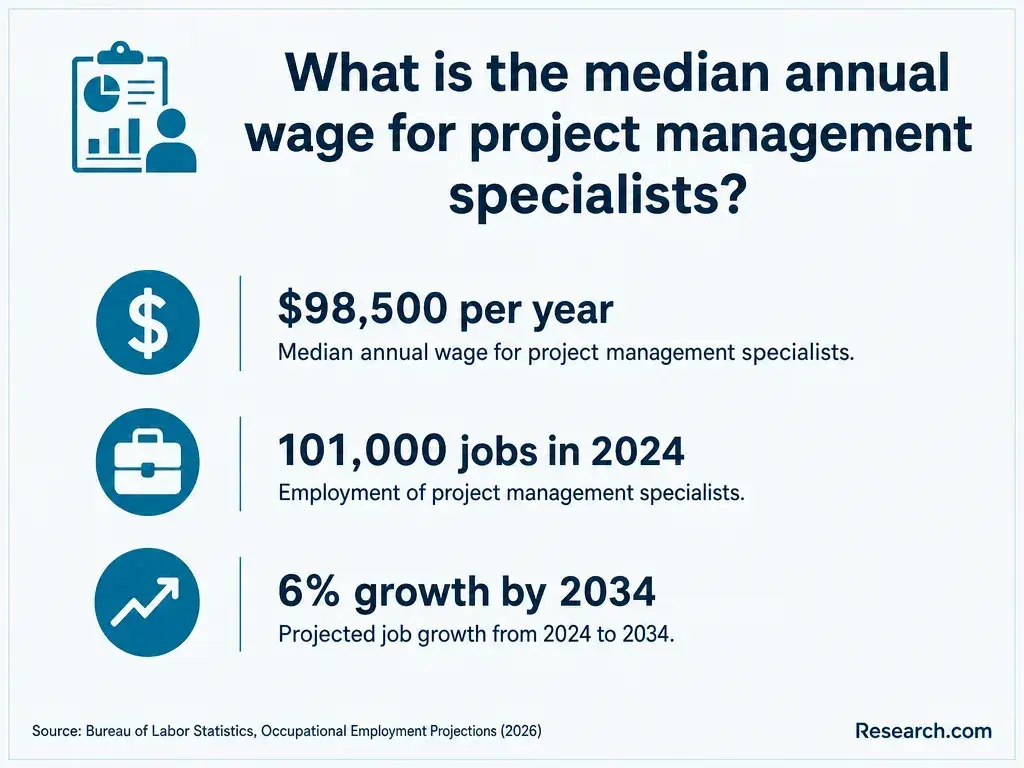
A business degree is particularly useful if you want to connect logistics decisions to budgets, customers, and management priorities. If your goal is specifically project delivery rather than the flow of goods, project management bachelor's completion using existing credits is a separate route worth comparing; its degree title does not substitute for supply chain skills.
What skills do logistics analysts need for supply chain careers?
Logistics analysts turn operational records into decisions. They need to clean and reconcile data, calculate measures such as on-time delivery and inventory turnover, investigate exceptions, and explain the cost and service trade-offs of a proposed change. Spreadsheet fluency is a practical starting point; postings may also request SQL, visualization tools, or familiarity with enterprise resource planning, warehouse, or transportation systems.
Communication matters as much as calculation. An analyst may need to ask a warehouse team why a timestamp is missing, explain a forecast's uncertainty to a buyer, and present a recommendation without implying that a correlation proves its cause. Familiarity with project schedules is useful when improvements cross departments, but a project management qualification is not the same as logistics analysis. If you are considering a separate program for that skill, comparing project management tuition and mandatory fees can help you weigh it against taking an elective or employer training instead.
What degree and entry requirements do logistics analyst jobs typically require?
Requirements vary by employer and by what "analyst" means in the posting. The US Bureau of Labor Statistics lists a bachelor's degree as the typical entry-level education for logisticians, a broader occupation that includes supply chain planning and coordination. An individual logistics analyst job might specify business, logistics, supply chain, or a related field; another might prioritize experience with transportation data or particular software. Read the duties and qualifications together rather than relying on the title.
For a first role, an internship or work in inventory control, shipping, purchasing, or operations can provide evidence that coursework alone cannot. Career changers should identify which records and decisions they have handled already, then target gaps in quantitative analysis or supply chain processes. Degree admission is a different question: colleges set their own transcript, prerequisite, and transfer policies. If you are applying to several online schools, online college application fee savings may reduce the cost of exploring options, but confirm each school's current application terms.
Prioritize operations and supply chain management, statistics, business analytics, managerial accounting, and information systems. Operations courses explain capacity, inventory, and process flow; statistics and analytics support sound comparisons and forecasts; accounting helps translate service choices into costs. Procurement, transportation, or database electives can add depth where available. Check prerequisites and course descriptions: an introductory management course is not a substitute for hands-on analysis.
Look for an assignment that uses permitted or public data to compare a measure over time, investigate its limitations, and present a defensible recommendation. A project scheduling elective can complement that work, but it should not crowd out supply chain or data courses merely because the titles sound similar. Before paying for a separate project management pathway, use ranked online business bachelor's completion routes as a comparison point for the time a business degree might take, then verify how each school would apply your credits and sequence the courses you need.
Either format can teach the relevant concepts. The decisive differences are access to the courses, software, projects, and people that help you practice them. An online program may make it easier to keep a job in a warehouse or operations office while studying; a campus program may offer more convenient in-person recruiting or lab support. Neither advantage is automatic.
Ask whether analytics courses have live meetings, proctored exams, group deadlines, or required software, and whether internships can be completed near home. Students working variable shifts should check the actual schedule rather than treating "online" as self-paced. Resources to compare business administration degrees for working learners can narrow the search, but the program's current course and assessment policies should control your decision.
A traditional full-time bachelor's path generally spans four academic years; part-time enrollment can take longer, while applicable transfer credit may shorten the remaining path. The school's degree audit - not the number of credits it accepts in total - determines which general education, business core, elective, and residency requirements remain. Accelerated terms can compress the calendar without reducing the work required; a guide to accelerated bachelor's study can help you evaluate that trade-off.
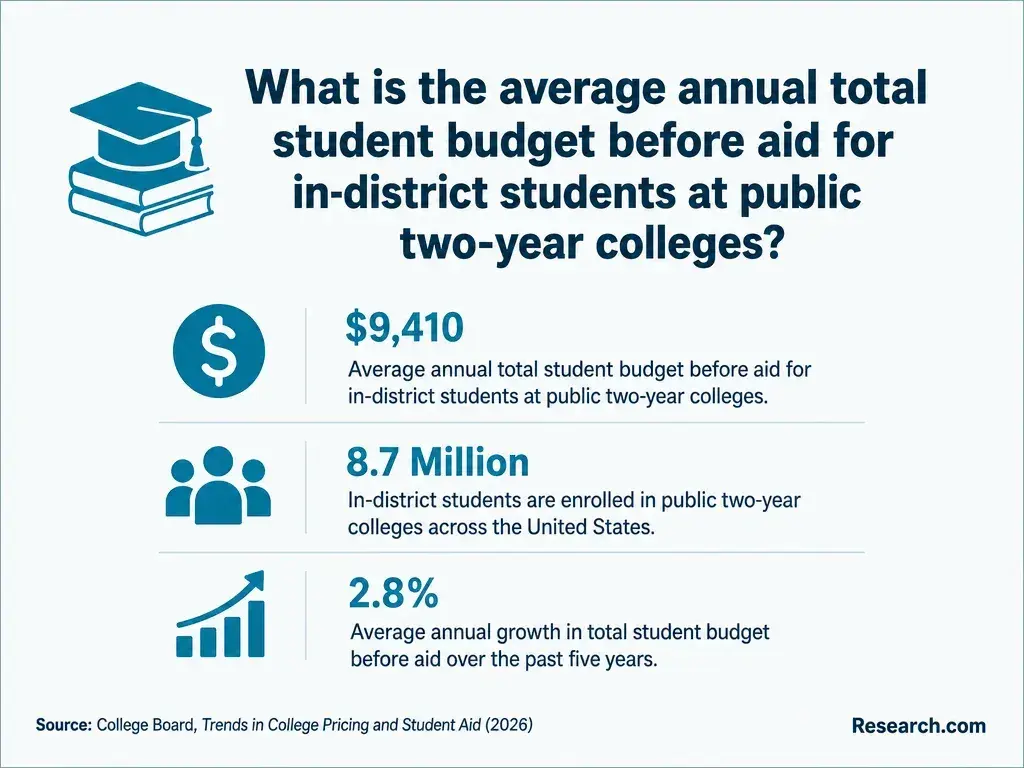
There is no reliable single price for this decision. Compare tuition and mandatory fees for the courses you would actually need, plus books, software, travel, and any reduced work hours. Request a written transfer evaluation and a term-by-term plan before estimating the total. A lower advertised per-credit rate may cost more overall if required courses do not transfer or are offered infrequently.
There is no general US professional license required simply to hold a logistics analyst job. Voluntary supply chain certifications can signal additional knowledge, but eligibility, exams, experience rules, and employer recognition differ by credential. Check the certifying organization's current requirements before paying; a business degree does not automatically award or qualify you for a certification.
For an applicant with little experience, a supervised project or relevant job may provide stronger evidence than a credential pursued without practical context. For an experienced logistics employee facing a bachelor's-degree requirement, finishing the degree may matter more. Compare that investment against options to reduce tuition spending on an online business administration degree, using your own remaining-course estimate rather than an advertised starting price.
Potential starting points include logistics coordinator, inventory analyst or specialist, transportation coordinator, purchasing assistant, and operations coordinator. Responsibilities differ: a coordinator may resolve daily shipment exceptions, while an analyst may be expected to model patterns and recommend changes. Logistics management usually requires demonstrated responsibility and experience beyond an undergraduate degree.
A broad business degree also leaves room to change functions, but related titles are not interchangeable. Human resources, for example, involves different systems and employment practices; someone considering that direction can examine HR bachelor's completion with transferred coursework rather than assuming logistics electives prepare them for HR work. For a logistics search, compare postings against your actual experience and build applications around specific analytical tasks you can explain.
Federal wage data do not provide a universal salary specifically for every job titled "logistics analyst." For the broader US logistician occupation, the Bureau of Labor Statistics reports a May 2025 median annual wage of $82,320 and projects 18% employment growth from 2025 to 2035. The median includes workers at different experience levels and is not an expected offer for a new business graduate. Job duties, industry, location, and analytical requirements can change what an individual posting pays.
Look for opportunities among manufacturers, distributors, retailers, transportation providers, and organizations managing complex purchasing or inventory. Search both analyst and coordinator titles in the locations where you can work, then compare posted pay and required experience. If graduation timing affects when you can apply for bachelor's-preferred positions, consider affordable colleges for online business degrees alongside course availability: the cheapest listed option is not necessarily the least costly path to a completed degree.
How can you choose an accredited business administration program?
First, confirm the institution's accreditation through the accreditor and check that the specific degree is offered in your intended format. Institution-level accreditation and business-school accreditation are distinct; if a school cites AACSB, ACBSP, or IACBE, confirm the accreditor's scope rather than assuming every program or campus is covered. Accreditation alone does not establish that the curriculum prepares students for logistics work.
Then compare the current catalog against your target job postings: required operations and analytics courses, relevant electives, software access, internship support, and an achievable applied project. Ask an adviser which courses are offered regularly and request an official evaluation of prior credits. Ranked US college pathways in online business can supply candidates to investigate, but choose using verified curriculum, total remaining cost, scheduling, and evidence of career support - not rank alone.
Other Things You Should Know About Business Administration
Possibly. Ask the school to evaluate military learning and college coursework separately, then check whether awarded credit applies to specific degree requirements rather than only free electives.
Only with appropriate permission and after checking confidentiality, privacy, and intellectual-property rules. Otherwise, use public or synthetic data and label it accurately.
Usually not. Start with the tools named in your target postings and any software your school or employer provides. Do not claim proficiency from watching a demonstration alone.
No. The work can overlap, but customs brokerage involves distinct regulatory responsibilities and licensing requirements. A business administration degree does not itself authorize someone to practice as a customs broker.
- What Do Logistics Analysts Do: Daily Work & Skills | Franklin University https://www.franklin.edu/career-guide/logisticians/what-do-logistics-analysts-do
- Management BBA (Operations Management & Analytics Track) Career Infused Degree Map - Baruch College - Baruch College https://www.baruch.cuny.edu/advisement/degree-maps/management-operations-management-analytics-bba/
- What is Supply Chain Management? Components and Careers | SCU https://www.scu.edu/business/blog/business-concepts/what-is-supply-chain-management/
- Supply Chain and Logistics Jobs Without a Degree | ascm.org https://jobs.ascm.org/career-resources/on-the-job-3/supply-chain-and-logistics-jobs-without-a-degree-2026-80
- $20-$84/hr Entry Level Logistics Analyst Jobs in Raleigh, NC | ziprecruiter.com https://www.ziprecruiter.com/Jobs/Entry-Level-Logistics-Analyst/-in-Raleigh,NC
- Operations Logistics Analyst Overview | cacm.org https://careers.cacm.org/career/operations-logistics-analyst
- Logistics Analyst Job Description | GESG https://gesg.com/career-roadmaps/supply-chain-demand-planning/logistics-analyst/