2027 Business Development Degree Completion Programs for Working Adults

Co-Founder and Chief Data Scientist
Finishing a business development degree as a working adult is less about choosing the quickest program and more about choosing the right pathway: one that accepts valid prior credits, fits around work, carries recognized accreditation, and leads to a credential employers will respect. Degree completion programs can be a smart option for adults who already have college credits, military training, professional certifications, or years of business experience—but the details matter. Transfer rules, GPA policies, online delivery, hidden fees, and accreditation status can change the true cost and timeline dramatically. This guide explains how business development degree completion programs work, who they serve, what to verify before applying, and how to compare programs with career outcomes in mind.
Key Things to Know About Business Development Degree Completion Programs for Working Adults
- Maximize credit for prior learning by compiling official transcripts and ACE military evaluations-these can reduce required credits by up to 50%, accelerating degree completion for working adults.
- Identify programs with employer or licensure recognition-choose those with accredited business school status and partnerships that improve placement rates, currently averaging 85% within six months post-graduation.
- Access financial aid geared toward working adults by exploring employer tuition assistance, federal grants, and state-specific aid; nearly 60% of working learners utilize such resources to lower costs.
What Are Business Development Degree Completion Programs, and Who Are They Designed For?
Business development degree completion programs are bachelor’s-level pathways built for students who started college but did not finish. Instead of asking adults to restart a four-year degree from the beginning, these programs evaluate prior coursework, military training, professional credentials, and documented workplace learning to determine what still remains for graduation.
They are not graduate programs and should not be marketed as a substitute for an MBA or master’s degree. Their purpose is narrower and more practical: help adults complete an undergraduate business credential with less duplication, more scheduling flexibility, and clearer academic planning.
Core features of a strong completion program
- Transfer-friendly curriculum: The program should clearly explain how previously earned college credits apply to general education, major, elective, and residency requirements.
- Credit for prior learning: Some schools award credit for military training, professional certifications, examinations, or portfolio-based evidence of college-level learning.
- Adult-focused scheduling: Evening, weekend, online, asynchronous, or hybrid formats make the degree more realistic for students with full-time jobs and family responsibilities.
- Structured academic advising: A completion plan should show the remaining courses, expected timeline, tuition exposure, and graduation requirements before a student commits.
Who these programs serve best
- Adults with some college but no bachelor’s degree: These students often have the most to gain because accepted transfer credits can reduce both time and cost.
- Military veterans and service members: ACE-reviewed training may apply toward degree requirements, depending on the institution’s policy.
- Working professionals seeking advancement: Some promotions or management tracks require a bachelor’s degree even when the employee already has strong job experience.
- Career changers: Adults moving into sales, partnerships, market expansion, account management, operations, or related business development roles may use the degree to document formal business preparation.
National research from the American Association of State Colleges and Universities, the National Student Clearinghouse, and the Lumina Foundation has emphasized the importance of adult degree completion, especially when programs reduce credit loss and make financial aid easier to understand. A 2023 study found graduates of accredited business development completion programs earn on average 18% higher salaries than peers without degree completion, but the value depends heavily on program quality, accreditation, and how much previous learning is accepted.
If you are still comparing broader business pathways, an online business administration degree may also be worth reviewing alongside a more specialized business development completion option.
When assessing affordability and program design across fields, it can also be useful to compare how other completion-oriented or career-aligned programs disclose costs and outcomes, including resources such as BCBA masters programs.
How Do Business Development Degree Completion Programs Differ From Traditional On-Campus Degree Programs?
Business development degree completion programs differ from traditional on-campus bachelor’s programs mainly in audience, structure, pacing, and credit policy. Traditional programs are typically designed around first-time, full-time students. Completion programs are designed around adults who already bring academic credit, work experience, and scheduling constraints.
| Feature | Degree completion program | Traditional on-campus program |
| Typical student | Working adult, transfer student, veteran, or returning learner | First-time undergraduate or full-time residential student |
| Schedule | Online, evening, weekend, hybrid, or asynchronous options | Mostly daytime classes on a fixed campus schedule |
| Pacing | Part-time, accelerated, cohort-based, or flexible term formats | Semester-based sequence, often built around full-time enrollment |
| Credit policy | Emphasizes transfer evaluation, prior learning, military training, and certifications | Often applies stricter transfer limits and fewer adult-learning accommodations |
| Campus requirement | Reduced, optional, or limited to short residencies in many programs | Regular in-person attendance is usually expected |
| Credential | Bachelor of Science, Bachelor of Arts, or equivalent awarded by the institution | Bachelor of Science, Bachelor of Arts, or equivalent awarded by the institution |
The credential itself is usually equivalent when the institution is properly accredited. A diploma from a regionally accredited university generally does not identify whether the student completed the degree through an adult completion track, online format, or traditional on-campus route.
The main advantage of a completion program is efficiency. Students may avoid retaking coursework, continue employment, and follow a more predictable path to graduation. The trade-off is that flexibility varies widely. Some programs advertise online delivery but still require synchronous attendance, specific course sequences, or limited annual start dates. Others may accept many elective credits but few major-related credits, which can extend the timeline.
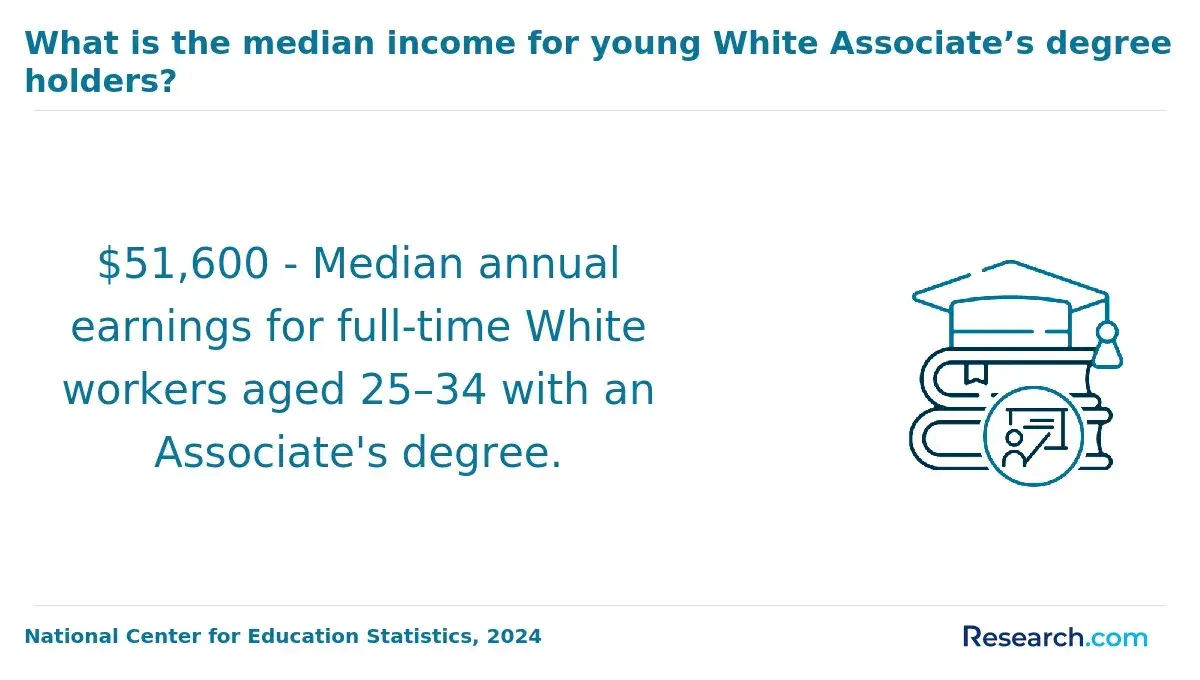
Data from the National Center for Education Statistics and IPEDS highlight sharp growth in degree completion enrollments over the past decade, reflecting demand from adult learners who need alternatives to the traditional residential model. Before enrolling, ask for a written degree audit, verify accreditation, and confirm whether required courses are offered often enough for you to graduate on schedule. The same comparison habits apply in other flexible professional fields, including programs described in resources on LPC online programs.
What Prior Credits and Experiences Count Toward a Business Development Degree Completion Program?
The credits that count toward a business development degree completion program depend on the school’s transfer policy, accreditation standards, curriculum requirements, and faculty review process. A generous admissions conversation is not enough; students should request a formal evaluation that shows exactly how each credit applies.
Common sources of credit
- College transfer credits: Most programs accept relevant coursework from regionally accredited institutions. Credits from nationally accredited or unaccredited schools may be limited or rejected.
- Military training credits: Veterans and service members may receive credit for ACE-evaluated training, though some institutions cap or restrict how those credits apply.
- Professional certifications: Certifications in sales, marketing, management, operations, or related business functions may be considered, but acceptance varies by school and by academic department.
- Prior learning assessment: PLA may allow students to document workplace learning through portfolios, essays, projects, supervisor verification, or other evidence of college-level knowledge.
- Credit-by-examination: CLEP and DSST exams can help students satisfy certain requirements by demonstrating subject mastery without taking the full course.
Research from the Council for Adult and Experiential Learning (CAEL) shows that PLA can reduce time-to-degree by up to a year and lower tuition costs substantially. That benefit is meaningful, but it is not automatic. Some schools charge portfolio review fees, limit PLA to electives, or exclude it from major requirements.
Questions to ask before applying
- How many total transfer credits can be accepted?
- How many credits must be completed at the institution to satisfy residency requirements?
- Will prior credits apply to the major, or only to electives?
- Does the school follow ACE recommendations for military and workplace training?
- Are CLEP, DSST, or portfolio credits accepted, and what fees apply?
- Can the school provide a written pre-enrollment degree plan?
Be cautious with institutions that make broad promises before reviewing official transcripts. Also be wary of schools that disregard ACE recommendations without explanation or impose arbitrary credit caps that are not tied to academic requirements. The American Association of Collegiate Registrars and Admissions Officers (AACRAO) transfer credit standards offer a useful benchmark for fair and transparent credit decisions.
One graduate described the process this way: “Submitting my military and certification records took persistence. I had to follow up more than once to make sure they were evaluated correctly. Once the credits were accepted, the PLA portfolio recognized years of work experience, cut months from my program, and lowered my tuition. The effort was worth it because every accepted credit moved me closer to graduation.”
What Is the Minimum GPA Requirement for Business Development Degree Completion Programs?
Many business development degree completion programs require a minimum cumulative GPA between 2.0 and 2.5 on a 4.0 scale. The requirement is usually used to assess whether a returning student is ready for upper-division coursework, not to exclude every applicant with an uneven academic history.
GPA policies vary. Some schools use a strict minimum. Others offer conditional admission for applicants below the threshold, especially when the student has strong recent work experience, military training, improved grades in later coursework, or a clear explanation for earlier academic challenges. Conditional admission may require tutoring, academic workshops, limited first-term enrollment, or a probationary GPA requirement.
How programs may evaluate applicants with a lower GPA
- Recent academic performance: Strong grades in the most recent courses can matter more than an old cumulative GPA.
- Professional experience: Years in business development, sales, management, operations, or related roles may strengthen the application.
- Personal statement: A clear explanation of past academic issues and current readiness can help, especially for returning adults.
- Recommendations: Supervisors or instructors may provide evidence of discipline, communication, leadership, and follow-through.
- Academic forgiveness: Some institutions reset or exclude older grades after a period of non-enrollment, depending on policy.
Institutions accredited by regional bodies such as the Higher Learning Commission (HLC) may use holistic review, but students should not assume flexibility. Ask admissions staff whether the GPA is calculated from all prior college work, only transferable courses, or only the most recent credits. Also ask whether repeated courses replace earlier grades.
Applicants with a low GPA should request a pre-admission academic evaluation before paying deposits or registering for classes. If the program cannot explain how your GPA will be reviewed, what conditional admission requires, or whether prior grades can be addressed through academic forgiveness, compare other options. For context on how flexible online degree pathways can differ by field, students sometimes examine unrelated models such as a psychology online degree to see how admissions and support structures are presented.
How Are Business Development Degree Completion Programs Structured Around Full-Time Work Schedules?
Business development degree completion programs are commonly structured for adults working 40+ hours weekly. The strongest programs recognize that working students need predictable course rotations, flexible participation rules, responsive advising, and realistic credit loads.
Many recommend 6 to 9 credits per term for students who work full time. This pace can keep progress steady without creating an unsustainable workload. Students who take more credits may graduate sooner, but the risk of withdrawal, lower grades, or burnout increases if work responsibilities are unpredictable.
Common scheduling models
- Evening cohorts: Students attend classes after standard business hours, often with the same peer group throughout the program.
- Weekend intensives: Coursework is concentrated into scheduled weekend sessions, sometimes paired with online assignments.
- Fully asynchronous courses: Students complete lectures, assignments, and discussions on their own schedule within weekly deadlines.
- Hybrid formats: Online coursework is combined with occasional in-person sessions, labs, workshops, or residencies.
- Accelerated terms: Courses may run in shorter sessions, allowing students to focus on fewer subjects at one time.
Cohort models can be especially helpful for adult learners because they provide structure, accountability, and a clear graduation timeline. Data from the National Student Clearinghouse Research Center reveals that cohort-based completion programs often yield higher persistence and graduation rates than traditional enrollment pathways.
Questions working adults should ask
- Are required courses offered every term, or only once per year?
- What happens if a course is canceled?
- Can students pause enrollment without losing their place in the sequence?
- Are deadlines weekly, fixed by class meeting time, or fully self-paced?
- How are missed live sessions handled when work travel or shift changes occur?
- Is advising available outside standard business hours?
One working graduate said the evening cohort made the program manageable because the schedule was predictable months in advance. “It was not easy, but I knew when class would happen, who to contact when work conflicts came up, and which courses came next. That structure kept me from falling behind.”
Is Online or Hybrid Delivery Available for Business Development Degree Completion Programs?
Yes. Online and hybrid delivery are common in business development degree completion programs, especially for adult learners. In 2023, over 60% of adult learners in business development degree completion programs enrolled fully online, while about 25% selected hybrid formats, according to NCES data. The pandemic accelerated the development of online course systems, remote advising, video-based instruction, and digital student support across many institutions.
The best format depends on your schedule, learning style, location, technology access, and need for face-to-face interaction.
| Format | Best for | Potential drawback |
| Fully asynchronous online | Students with variable work hours, family obligations, or different time zones | Requires strong self-management and comfort with independent learning |
| Synchronous online | Students who want live discussion and scheduled accountability without commuting | Fixed meeting times may conflict with shifts, travel, or caregiving |
| Hybrid | Students who value some in-person connection while keeping most coursework online | Travel, residency, or weekend attendance may add cost and scheduling pressure |
| Weekend or intensive residency | Students who can block specific dates for concentrated learning | Less flexibility if work demands change unexpectedly |
Quality indicators for online and hybrid programs
- Comparable faculty standards: Online instructors should meet the same academic and professional expectations as campus faculty.
- Clear interaction expectations: Students should know how often they will engage with faculty, peers, discussions, projects, and feedback.
- Accessible student support: Tutoring, writing help, library access, career services, and technical support should be available to distance learners.
- Transparent technology requirements: The program should list required software, hardware, proctoring tools, and internet expectations before enrollment.
- Same institutional accreditation: Online programs should carry the same recognized institutional accreditation as the school’s campus offerings.
Ask how much of the instruction is live versus recorded, whether exams require proctoring, how group projects are handled across time zones, and whether faculty are available outside business hours. The Online Learning Consortium reported a 15% rise from 2022 to 2023 in adult enrollment in hybrid and fully online business completion programs, which reflects both demand and institutional investment in flexible delivery.
How Long Does It Take to Complete a Business Development Degree Completion Program?
Completion time depends mainly on how many credits the school accepts, how many credits remain in the major, and whether the student enrolls part time or in an accelerated format. Advertised timelines can be misleading unless they are tied to your actual transcript evaluation.
Students entering with around 60 transferred college credits often finish in 2 to 3 years part-time. Students entering with about 90 credits, usually close to junior standing, can often finish within 1 to 2 years. Prior learning credits from professional training, military service, exams, or portfolios may shorten the timeline further, but only if the institution accepts them toward degree requirements.
What can shorten or extend your timeline
- Accepted transfer credits: The more credits that apply directly to requirements, the fewer courses remain.
- Major course sequencing: Some business development courses must be taken in order, which can limit acceleration.
- Enrollment intensity: Part-time enrollment is more manageable for working adults but usually extends the calendar time to graduation.
- Capstones, internships, or fieldwork: Required culminating experiences may have fixed timelines that cannot be compressed.
- Course availability: If required courses are not offered every term, students may face delays even with many transfer credits.
- Life and work interruptions: Travel, caregiving, overtime, relocation, and military obligations can affect pace.
Faster completion can reduce tuition exposure and opportunity costs, especially for students pursuing promotion or salary growth. However, speed should not come at the expense of grades, learning, or work performance. Ask each school for documented average time-to-degree data for students with a credit profile similar to yours, not just the shortest possible completion scenario.
What Accreditation Should a Business Development Degree Completion Program Hold?
Accreditation is one of the most important checks in a business development degree completion search. It affects federal student aid eligibility, credit transfer, graduate school admission, employer recognition, and the long-term credibility of the degree.
Institutional accreditation
- Regional Accreditation: Regional accreditation is widely recognized by employers, graduate schools, and the federal student aid system. Agencies include the Higher Learning Commission (HLC), the Middle States Commission on Higher Education, and the Southern Association of Colleges and Schools Commission on Colleges (SACSCOC). For most students, a regionally accredited institution is the safest choice for transferability and recognition.
- National Accreditation: National accreditation, such as accreditation from the Distance Education Accrediting Commission (DEAC), may be legitimate but can create limitations. Credits from nationally accredited institutions may not transfer easily to regionally accredited schools, and some employers or graduate programs may review them more cautiously.
- Unrecognized Accreditation: Avoid programs that list accrediting bodies not recognized by the U.S. Department of Education or that use vague claims such as “fully accredited” without naming the accreditor. Unrecognized accreditation can leave students with debt and a credential that does not meet employer, graduate school, or licensing expectations.
Programmatic business accreditation
Business programs may also hold programmatic accreditation from organizations such as the Accreditation Council for Business Schools and Programs (ACBSP) or the Association to Advance Collegiate Schools of Business (AACSB). These endorsements are not always required, but they can signal additional review of curriculum, faculty qualifications, assessment practices, and business education quality.
Students who plan to pursue graduate business study, regulated roles, or employer-funded tuition reimbursement should pay close attention to both institutional and programmatic accreditation. A flexible schedule is not enough if the credential will not be accepted where you need it.
Verification Tools: The U.S. Department of Education's Database of Accredited Postsecondary Institutions and Programs (DAPIP) offers a reliable way to verify accreditation status. Do not rely only on admissions materials or advertising language. The same due diligence applies when evaluating adjacent career-focused fields, including real estate degrees online.
How Much Do Business Development Degree Completion Programs Cost, and What Financial Aid Is Available?
The cost of a business development degree completion program depends on tuition per credit, the number of credits accepted, institutional fees, course materials, residency requirements, and the student’s eligibility for aid or employer support. The lowest advertised tuition is not always the lowest total cost if the school accepts fewer transfer credits or adds substantial fees.
Public regional universities tend to offer the most affordable rates, with per-credit tuition typically ranging from $250 to $400. Private nonprofit schools usually charge between $400 and $700 per credit, while for-profit institutions may have similar or higher tuition rates. Mandatory fees often range from $20 to $60 per credit, and technology or resource fees can add several hundred dollars per term. Hybrid programs may also require travel, lodging, parking, or time away from work for residencies or intensives.
Major cost factors
- Credits remaining: A program that accepts more applicable transfer credits may cost less even if its per-credit rate is higher.
- Residency requirements: Schools may require a minimum number of credits to be completed through their institution.
- Fees and materials: Technology fees, proctoring fees, books, software, and assessment charges can change the final bill.
- Course availability: Delayed course sequencing can extend enrollment and increase indirect costs.
- Travel requirements: Hybrid or residency-based programs may add transportation and housing expenses.
Financial aid and payment options
- Federal aid: Eligible students may use federal grants and loans by completing the FAFSA. Adult learners often file independently, which can affect aid calculations.
- Pell Grants: Working adults may qualify for Pell Grants even when enrolled part-time, depending on eligibility.
- Scholarships: Some institutions offer scholarships for non-traditional students, transfer students, veterans, or working adults.
- Employer tuition reimbursement: Employers may cover part or all of tuition when the degree supports the employee’s role or advancement path.
- Military education benefits: Eligible learners may use the GI Bill and MyCAA programs for approved coursework.
- Tax benefits: Students paying out of pocket may be able to use the Lifetime Learning Credit or employer educational assistance under IRS Section 127. Consult a tax professional for guidance.
Some students use accelerated pacing options, including 6-week online courses with certificates, to finish faster and reduce certain term-based expenses. Before deciding, compare net cost after transfer credits, aid, reimbursement, and fees—not just the tuition rate shown on the program page.
What Career Outcomes Can Working Adults Expect After Completing a Business Development Degree?
Working adults often pursue a business development degree completion program to qualify for promotions, move into management, strengthen their resume, or meet a bachelor’s degree requirement that has blocked advancement. Outcomes vary by industry, location, employer, experience, and program reputation, so students should evaluate both salary data and practical career alignment.
Completing a bachelor's degree in business development often leads to notable improvements in career trajectory for working adults, supported by median earnings data from the College Scorecard, BLS wage statistics, and alumni surveys from programs with rigorous institutional research.
- Salary Premium: Graduates typically see a 15% to 25% increase in median annual income compared to peers with some college credits but no degree.
- Promotion Access: A bachelor’s degree is frequently required for management, supervisory, or higher-level business development roles.
- Credential Opportunities: Some professional certifications, licenses, or advanced credentials require a bachelor’s degree as part of eligibility.
- Experienced Career Positioning: Working adults may combine the new credential with existing work experience, which can make them more competitive than traditional new graduates for some roles.
- Graduate School Preparation: A recognized bachelor’s degree can support later admission to MBA, management, analytics, marketing, or other graduate programs.
Roles that may align with the degree
- Business development associate or manager
- Sales operations specialist
- Account manager
- Partnerships coordinator
- Client success manager
- Market development analyst
- Operations or strategy coordinator
The degree is most valuable when it is paired with measurable achievements: revenue growth, client retention, market expansion, process improvements, CRM expertise, proposal development, or team leadership. Students should also verify that the program’s accreditation and curriculum meet any employer, licensure, or graduate school requirements tied to their goals.
How Do Employers View a Business Development Degree Completed Through a Completion Program?
Most employers care more about whether the degree is from a recognized, accredited institution than whether the student completed it through an adult completion pathway. Employer surveys conducted by the Society for Human Resource Management (SHRM) and the National Association of Colleges and Employers (NACE) indicate that hiring managers prioritize accreditation, institutional recognition, skills, experience, and job performance over the route used to finish the degree.
In most cases, the diploma does not state that the degree was completed online, part time, or through a completion program. The resume should list the awarded degree, institution, and graduation date in the same way any other bachelor’s degree would be listed.
How to present the degree professionally
- Use the official degree title: List the exact credential awarded by the institution.
- Do not over-explain the format: There is usually no need to label it as a “completion program” on a resume.
- Highlight relevant outcomes: Emphasize projects, business strategy work, market research, sales analysis, leadership, or capstone results.
- Connect the degree to experience: Working adults should show how the credential strengthened existing professional accomplishments.
There are exceptions. Federal agencies governed by Office of Personnel Management (OPM) standards, state-regulated professions, and employers with strict tuition reimbursement rules may review accreditation and program details more closely. If your target role is regulated or requires a specific credential, verify acceptance before enrolling.
For private-sector business development roles, experience, measurable results, communication skills, sales strategy, analytical ability, and references often carry significant weight. A completion program can remove a degree barrier, but career growth still depends on how well the student can demonstrate business impact.
What Graduates Say About Business Development Degree Completion Programs for Working Adults
- : "“Completing my business development degree online as a working adult changed how I viewed education. The flexible schedule let me balance work, family, and coursework without losing momentum. Accreditation mattered to me because I wanted a credential employers would respect, and the transfer policy helped me use previous credits instead of starting over.” — Kayden"
- : "“The most important part was cost transparency. I knew early which financial aid and payment options fit my situation. The program combined practical projects with business theory, so the coursework felt connected to the work I was already doing. Seeing clear career outcomes helped me feel confident that the degree was worth the commitment.” — Cannon"
- : "“Returning to school after years in the workforce was intimidating, but the program was built for adults. Evening and weekend options made it possible to keep working, and the accreditation gave me confidence that the degree would open doors rather than raise questions.” — Nolan"
Other Things You Should Know About Business Development Degrees
Many business development degree completion programs provide tailored support services to accommodate the needs of working adults. These often include academic advising, career counseling, tutoring, and flexible scheduling options such as evening or weekend classes. Some programs also offer online resources and technical support to ease the learning experience for students balancing education with professional and personal commitments.
Yes, credits earned in a business development degree completion program often transfer toward graduate degrees in related fields such as business administration or management. Many programs are designed with articulation agreements that facilitate this transition, allowing students to build on their undergraduate coursework rather than starting over. It is important for students to verify credit transfer policies with both the completion program and the graduate institution.
Networking is a crucial component in business development programs, providing students opportunities to connect with peers, faculty, and industry professionals. These connections can lead to mentorship, internships, and job opportunities that are vital for career advancement. Many programs incorporate group projects, workshops, and alumni events structured to facilitate meaningful professional relationships.
References
- AACSB Accreditation Requirements and Standards https://lumivero.com/resources/blog/aacsb-accreditation/
- Balancing Full-Time Work and Study: Tips for Professionals | Walbrook https://www.walbrook.ac.uk/knowledge-hub/student-life/balancing-full-time-work-and-study/
- B.S. in Business Administration for Online Degree Completion Program | Gallaudet University https://gallaudet.edu/business/b-s-in-business-administration-for-online-degree-completion-program/
- Online Degree vs. Traditional: Choosing the Right Path https://beal.edu/online-degree-vs-traditional/
- How Employers View Online Business Degrees https://www.collegetransitions.com/blog/how-employers-view-online-business-degrees/
- Triple accreditation - Wikipedia https://en.wikipedia.org/wiki/Triple_accreditation
- Finish Your Degree Faster with Business Management Fast Track https://www.ccsj.edu/accelerated-business-degree-business-management-fast-track-degree/
- Business School Accreditation: How Does It Work? https://www.accreditedschoolsonline.org/business/accreditation/
- Traditional MBA vs. Online MBA Program - MBA & Beyond https://www.mbaandbeyond.com/blog/online-mba-program
- What studies are required to learn about business development? - INSEEC https://www.inseec.com/en/guides/orientation-guide/what-studies-are-required-to-learn-about-business-development/