2027 BS in Business Administration Decision Guide: A Nonprofit Focus or a Public Administration Degree
Audited and Verified:
Our Editorial and Data Verification Process
Research.com uses government datasets, official education statistics and primary institutional information to support its career and degree guides. Our review process checks factual accuracy, occupational definitions, source dates and the requirements associated with the credentials discussed.
How This Article Was Fact-Checked
Our editorial team verifies salary estimates, employment projections, education requirements and program information against original data providers and official organizations. Salary figures are checked against the relevant occupational definitions and reporting periods. Information about licensure, accreditation and required in-person training is reviewed separately.
Fact-checked and verified on:

Co-Founder and Chief Data Scientist
A nonprofit-focused business degree and a public administration degree can both lead to mission-driven work, but they prepare students for different decisions: running an organization's finances and operations versus working within public policy and government systems.
For students finishing a bachelor's degree - and professionals considering a move between nonprofits and government - the distinction affects coursework, transfer credits, and career options. This guide compares the two paths and shows what to verify before enrolling, so you can choose based on the work you want to do rather than the appeal of a degree title.
Key Things You Should Know
- Choose a nonprofit-focused BS in Business Administration for broad accounting, operations, marketing, and management preparation; choose public administration when government budgeting, policy implementation, or public accountability is central to your goal.
- A nonprofit concentration is not a separate degree, and neither pathway guarantees a management job. Compare required courses and supervised experience, not just program names.
- For salary context, the U.S. Bureau of Labor Statistics reports a May 2025 median of $75,940 for human resources specialists across employers - not an expected starting salary for graduates of either degree.
What is the difference between a nonprofit-focused business degree and public administration degree?
A nonprofit-focused BS in Business Administration is a business bachelor's degree with an officially designated concentration, minor, or set of electives related to nonprofit organizations. Its core generally teaches how organizations manage money, people, services, and operations. Confirm the credential on the transcript: taking a fundraising elective does not necessarily create a formal concentration.
A public administration bachelor's degree centers on how public institutions govern, budget, deliver services, and answer to the people they serve. Depending on the school, it may also cover nonprofit administration. Degree names and requirements vary; an undergraduate public administration degree is not the same credential as a graduate Master of Public Administration.
The distinction matters most when applying business methods to public obligations. A nonprofit manager may evaluate whether a program fits donor restrictions and the organization's mission. A government administrator must also work within statutory authority, appropriations, procurement rules, and public accountability requirements. If your goal is specifically nonprofit staffing, compare the business curriculum with an HR pathway; students bringing previous coursework can also explore how to apply prior credits to an HR bachelor's degree.
Which degree is better for nonprofit management and public service careers?
For nonprofit operations, the business degree is often the more direct choice when the target work involves budgeting, fundraising operations, communications, HR, or service delivery - and the program offers nonprofit-specific courses or projects. Its general business core may also provide a clearer route into similar functions outside the nonprofit sector.
For government administration, public administration is often the better fit when you want to learn policy implementation, intergovernmental relationships, public budgeting, or administrative ethics. It may also suit a nonprofit employee whose work depends heavily on government grants or public contracts. Neither degree substitutes for learning the rules of a particular agency or funding program.
Let the job description settle close calls. If postings emphasize coordinating projects rather than managing an entire organization, compare both degrees with affordable project management schools; a more focused program may be useful, but check whether its courses address public-sector procurement and reporting. If you already have relevant experience and need one skill - such as grant budgeting - a targeted course or employer training may be more efficient than another bachelor's degree.
What careers can you pursue with each degree?
Both degrees can support applications for coordinator, assistant, and specialist roles. The stronger match depends on the tasks you can demonstrate, not the sector named on your diploma. The table separates plausible entry routes from positions that usually require additional experience.
| Target work | Relevant preparation | Important limitation |
| Nonprofit operations or program coordination | Budget tracking, scheduling, stakeholder communication, and program measures | Program director roles generally require a record of delivery and supervision. |
| Government administrative or budget support | Public budgeting, records, procurement processes, and policy implementation | Agency hiring rules and civil-service requirements vary. |
| HR, development, or communications support | Business functions plus sector-specific projects or work experience | Specialist postings may require tools or experience beyond either degree. |
Someone interested in government purchasing or public-service logistics should also compare a specialized supply chain route. Shorter completion timelines for supply chain bachelor's students may be attractive, but speed should not outweigh relevant coursework or an official transfer evaluation. Government hiring criteria still control eligibility.
Compare required courses before comparing electives. A business program commonly includes accounting, finance, management, marketing, statistics, and operations; a nonprofit focus may add fundraising, board governance, grant management, or program evaluation. A public administration program may emphasize public finance, policy analysis, administrative law or ethics, research methods, and government-nonprofit relationships. These are typical patterns, not a shared national curriculum.
Look for assignments that resemble the work you want: a restricted-funds budget for nonprofit finance, for example, or a policy implementation analysis for public administration. A classroom exercise does not establish that you have managed real funds. Ask whether an internship or capstone is required, who supervises it, and whether a current job or volunteer site can qualify. Workplace records, donor information, and client data require permission before academic use.
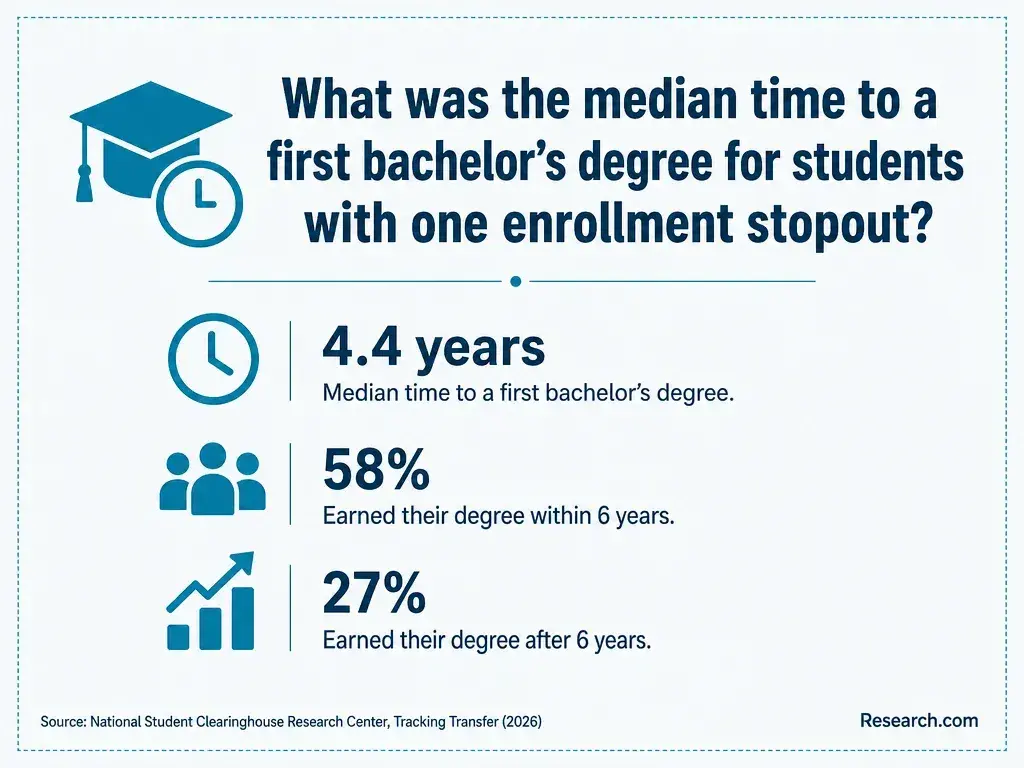
If project delivery is your main skill gap, compare the required courses in each degree with colleges accepting coursework toward project management bachelor's study. For a returning student, the decisive question is which accepted credits actually satisfy the major and any concentration - not simply how many credits transfer.
Online study can reduce commuting without eliminating scheduled work. A program may require live discussions, group meetings, proctored exams, local internships, or campus visits. Campus study may offer easier access to faculty and local organizations but impose travel and fixed class times. Neither format is automatically better for someone working in a nonprofit or public agency.
Request a sample course calendar and confirm live-session times, weekly deadlines, internship hours, and how often required courses run. Then compare those obligations with busy periods at work, such as reporting or budget cycles. If keeping your job is essential, resources on how to balance employment and business administration college study can help you frame the scheduling questions - but verify the policies of any program you consider.
First, verify that the institution holds recognized institutional accreditation. Then check whether any additional accreditation applies to the exact degree. AACSB, ACBSP, and IACBE accreditation can cover specified business programs; it should not be assumed to cover a public administration degree at the same university. NASPAA accreditation primarily concerns eligible graduate public service programs, so do not infer that a bachelor's program is accredited by NASPAA.
Use the institution's and accreditor's program listings to confirm the degree title, location or online format, and scope of coverage. Accreditation is an important screening factor, not proof of internship access or job placement. If application expenses matter, you can compare accredited schools with no application charge, then verify both accreditation and current fees directly with each school.
Freshman applicants generally submit secondary-school records; transfer applicants submit transcripts from prior colleges. Schools may set separate standards for admission to the institution and entry into a business major, including prerequisite or GPA rules. Public administration requirements can differ. Ask admissions which requirements apply to your applicant status rather than assuming that acceptance into a university guarantees entry to your intended major.
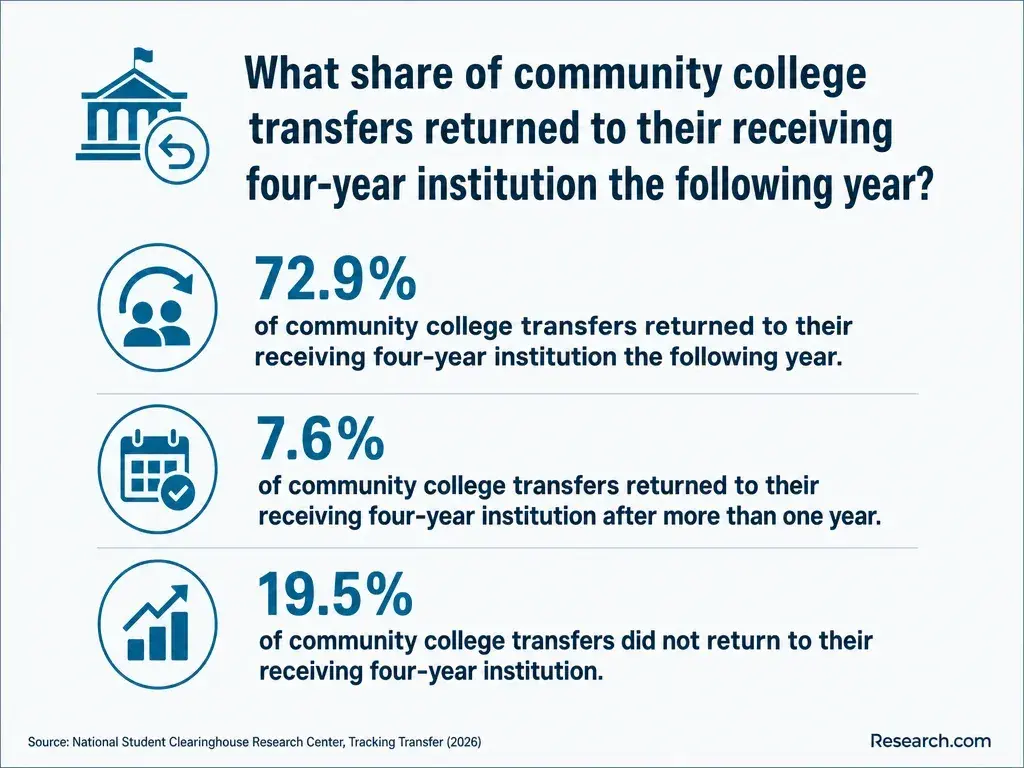
For degree completion, send official transcripts for an evaluation that shows credits applied to general education, the major, any nonprofit focus, and residency requirements. Prior work experience does not automatically earn academic credit. Students considering online colleges offering accelerated bachelor's should confirm prerequisite sequencing and the number of remaining required courses before relying on an advertised completion timeline.
A bachelor's degree commonly requires about four years of full-time study from entry, but transfer credit, part-time enrollment, course availability, and internship requirements change an individual timeline. For a returning student, the useful measure is remaining requirements after an official degree audit, not credits accepted in isolation.
No single tuition figure represents either pathway. Compare tuition and mandatory fees for the courses you still need, then add books, technology, travel or fieldwork costs, and any earnings lost by reducing work hours. Check whether grants, scholarships, loans, or employer assistance are available to you; employer reimbursement may arrive only after a course ends. Listings of cost-saving online business administration school choices can identify candidates, but the least expensive advertised tuition may not produce the lowest total completion cost.
There is no reliable single salary for "nonprofit-focused business graduate" or "public administration graduate": employers pay for occupations, responsibilities, experience, and location. The U.S. Bureau of Labor Statistics reports a May 2025 median annual wage of $91,640 for budget analysts and projects 2% employment growth from 2025 to 2035. That occupation is relevant to some public and nonprofit budgeting work, but its occupation-wide median is not a new graduate's likely offer.
Use postings for the roles and locations you actually want, and note whether they require government experience, grant accounting, spreadsheets, or another specific skill. Compare likely entry roles with the cost of finishing each degree before borrowing. If federal aid is part of that calculation, look at low-cost business administration degrees with federal aid options and confirm each school's current eligibility and your own aid offer.
Do nonprofit or public administration careers require certifications or licenses?
Most general nonprofit operations and public administration roles do not require a universal professional license. Particular jobs can have separate rules: accounting practice, legal work, or certain financial activities may require credentials or licensure, while government positions may have agency-specific qualifications. Neither bachelor's degree automatically satisfies those requirements.
Voluntary credentials in fundraising, HR, or project management may help later, but eligibility can depend on documented experience and the credentialing body's rules. Ask employers whether they value a specific credential before paying for one. If you are comparing a full degree with project-management training, FAFSA grants and scholarships for project management students concern eligible degree study; do not assume the same aid covers a standalone certification.
Other Things You Should Know About Business Administration
Yes. Public administration can be especially relevant to nonprofits that deliver public programs or manage government grants. Check whether the curriculum also develops the business skills your target role requires.
Yes, when the posting accepts that degree and the applicant meets its other criteria. Review the agency's stated qualifications; a nonprofit concentration does not replace required government experience.
No. A concentration is usually part of a broader degree, while a separately named nonprofit management degree has its own requirements. Check the catalog and the credential recorded on the transcript.
It may be if your target role calls for graduate-level public-sector study. First compare job requirements, graduate admissions criteria, cost, and whether targeted experience or training would address your gap more directly.
- MPA vs. MBA: What's the Difference? | Public Affairs Master's Degree Programs at Northeastern https://publicaffairs.northeastern.edu/articles/master-public-administration-mpa-vs-master-business-administration-mba/
- Applied Management vs Business Administration | Missouri Baptist University (Mobap) https://www.mobap.edu/news/applied-management-vs-business-administration/
- How to Read a College Degree Plan Before You Enroll | Florida National University (FNU) https://www.fnu.edu/how-to-read-college-degree-plan/
- MMPA 6431 - Finance and Budgeting for the Public Sector | Academics at Walden University https://academics.waldenu.edu/catalog/courses/mmpa/6431
- MPA vs MBA: Which Fits a Nonprofit or Public Career? | Notre Dame de Namur University https://www.ndnu.edu/articles/business-management/mpa-vs-mba.html
- Public Administration or Business Administration: A Couple Questions to Consider Before Choosing a Management Degree https://blogs.uofi.uis.edu/view/8598/807882
- Certificate in Nonprofit Management | gwu.edu https://tspppa.gwu.edu/certificate-nonprofit-management
- Find Your Future: Public Service and Nonprofit Careers For All Majors | University Career Center https://career.uoregon.edu/resources/blog/find-your-future-public-service-and-nonprofit-careers-all-majors
- MPA vs MBA: Choosing between Public Administration and Business Administration | Online Master of Public Administration https://onlinempa.uic.edu/news-stories/mpa-vs-mba-navigating-the-choice-between-public-administration-and-business-administration/
- Which Public Administration Degree Program Is Right for You? | The Link | Columbia Southern University https://www.columbiasouthern.edu/blog/blog-articles/2026/september/what-is-a-public-administration-degree