2027 Best Online Logistics Degree Programs at Nonprofit Universities

Co-Founder and Chief Data Scientist
Choosing an online logistics degree means weighing cost, schedule, accreditation, and career value—not simply picking the lowest advertised tuition. The U.S. Bureau of Labor Statistics projects employment for logisticians to grow 17% from 2023 to 2033, much faster than average.
This guide helps prospective students compare nonprofit universities, identify the degree level that fits their goals, verify program quality, and build a practical shortlist before applying.
Key Things You Should Know
- For many supply chain and logistics roles, an online bachelor's degree is the entry-level academic benchmark, while a master's degree is most useful for advancement into analytics, operations strategy, procurement, or management.
- Accreditation, total net cost, transfer-credit rules, required live sessions, and career support matter more than nonprofit status alone when comparing programs.
- Logistician employment is projected to grow 17% from 2023 to 2033, according to the U.S. Bureau of Labor Statistics, but a degree does not guarantee employment or a specific salary.
What Makes an Online Logistics Degree Program at a Nonprofit University Different?
An online logistics degree teaches students how goods, information, inventory, and transportation move through supply chains. Coursework commonly covers procurement, warehousing, distribution, transportation, inventory control, operations management, business analytics, and global supply chains. Programs may use the labels "logistics," "supply chain management," "operations management," or "transportation and logistics."
Nonprofit universities include public colleges and universities as well as private nonprofit institutions. Their nonprofit classification means that revenue is generally reinvested into the institution's educational mission rather than distributed to owners or shareholders. That status alone does not establish academic quality, affordability, transferability, or career outcomes. Students should evaluate the individual program.
The major degree pathways serve different starting points and career plans:
| Degree level | Typical purpose | Typical timeline | Best fit |
| Associate degree | Introduces transportation, inventory, and business fundamentals | About 2 years full-time | Entry-level roles or students planning to transfer |
| Bachelor's degree | Builds broad business and logistics competence | About 4 years full-time before transfer credit | Students seeking analyst, coordinator, or operations roles |
| Master's degree | Develops advanced management, analytics, and strategy skills | Often 1-2 years | Working professionals and career advancers |
| Doctoral degree | Focuses on research, teaching, or senior leadership inquiry | Varies substantially | Students pursuing academic or research-intensive goals |
A bachelor's degree is usually the most versatile choice for students entering the field. An associate degree can be a lower-cost starting point when it transfers cleanly into a bachelor's program. A master's degree may be worthwhile for professionals who already have a bachelor's degree and can connect advanced study to a defined promotion target, specialization, or career transition.
Students considering a long-term academic path can compare online doctorate programs after determining whether a research-focused credential is genuinely necessary for their intended role.
Public nonprofit universities may offer lower tuition for in-state residents, although online students are not always charged the same rate. Private nonprofit universities may have a single online tuition rate, smaller cohorts, or specialized student services. Neither model is automatically better; compare the net price after grants, employer benefits, and transfer credits.
How Can Students Verify Accreditation for an Online Logistics Degree at a Nonprofit University?
Institutional accreditation and programmatic accreditation are different. Institutional accreditation evaluates the university as a whole. Programmatic accreditation evaluates a particular academic unit or discipline and is not required for every legitimate logistics program. Business-school accreditation from organizations such as AACSB International, ACBSP, or IACBE can be a useful signal, but it should not outweigh cost, curriculum, or outcomes.
Use the following verification process before submitting an application:
- Find the university's accreditor and accreditation status in an official accreditor or federal database.
- Confirm that the exact online degree, concentration, and delivery format are included in the institution's authorization to offer the program.
- Ask whether the business school or logistics curriculum has voluntary specialized accreditation and what that designation covers.
- Check whether your state permits distance enrollment, especially if you live outside the university's home state.
- Request written confirmation of how completed credits may transfer to a future institution or graduate program.
A red flag is vague language such as "internationally accredited" without naming a recognized accreditor. Another is a school that emphasizes approval, membership, rankings, or partnerships while making it difficult to find its institutional accreditation status.
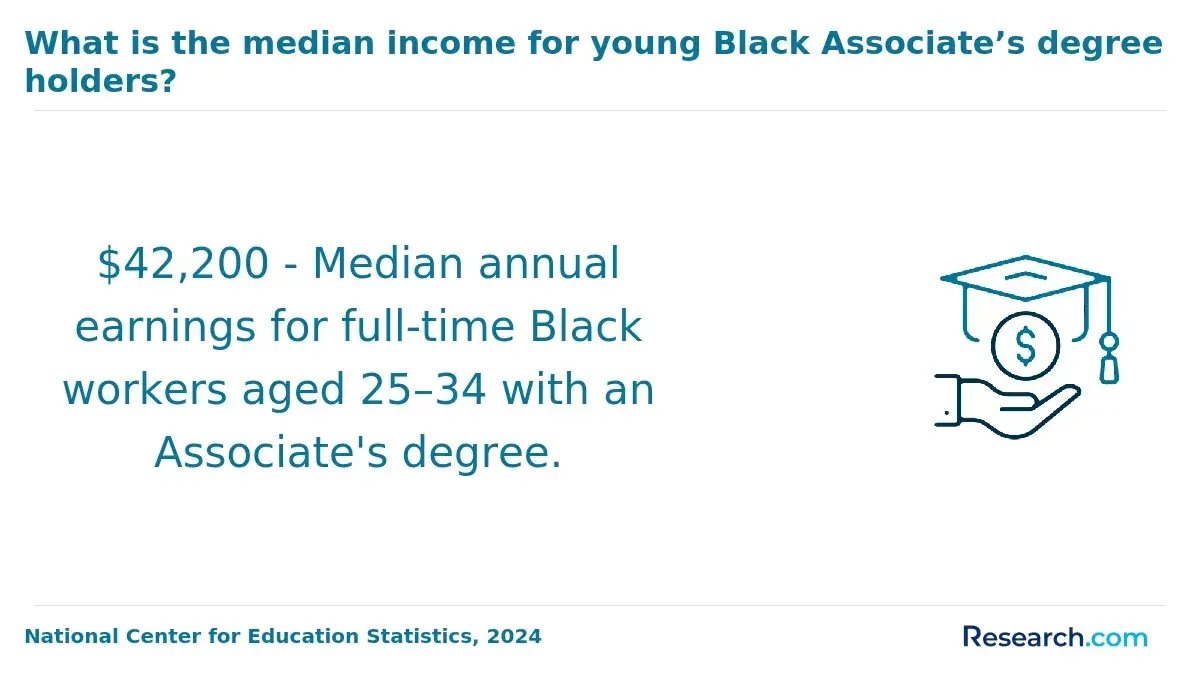
Accreditation does not make every course equally rigorous or guarantee that another college will accept credits. Transfer decisions remain institution-specific, so students planning to move from an associate to a bachelor's degree or from a bachelor's to graduate program, should obtain written guidance early.
How Rigorous Are Online Logistics Degree Programs at Nonprofit Universities?
A credible online logistics degree should have comparable learning outcomes to the institution's campus-based version, even though course delivery differs. Rigorous programs require students to apply concepts to operational problems such as forecasting demand, selecting transportation modes, managing supplier relationships, interpreting performance metrics, and responding to supply disruptions.
At the bachelor's level, students commonly complete general education, business core courses, and logistics major courses. At the master's level, programs often expect stronger quantitative, managerial, or analytical work. Some programs include capstones, simulations, case studies, internships, applied projects, or collaborative assignments with working professionals.
The curriculum is more important than the degree title. Review whether the program addresses the following skill areas in enough depth for your intended role.
- Supply chain planning, sourcing, inventory, warehousing, and transportation operations
- Quantitative methods, spreadsheet modeling, data visualization, forecasting, or business analytics
- Communication, negotiation, project management, ethics, and cross-functional decision-making
- Technology used in modern operations, such as enterprise systems, transportation management systems, warehouse systems, or data tools
- Applied learning through projects, internships, simulations, or employer-connected assignments
Students who want a more accelerated bachelor's route should verify that compressed terms do not remove essential analytical or experiential components. An accelerated bachelor's degree online can fit a motivated student with transfer credit, but fast pacing requires consistent weekly availability.
Online rigor also depends on assessment. Look for clear grading rubrics, faculty feedback, monitored examinations when appropriate, meaningful discussion or project requirements, and published expectations for weekly workload. Avoid assuming that asynchronous delivery means self-paced study; most online courses still have firm weekly deadlines.
How Much Does an Online Logistics Degree Cost at a Nonprofit University?
The advertised per-credit tuition rate is only one part of the price. A meaningful comparison includes required credits, transfer credits accepted, technology fees, course materials, graduation charges, residency costs if applicable, and the time needed to complete the program. A lower tuition rate can be less valuable if a school accepts few prior credits or requires extra prerequisites.
The National Center for Education Statistics reported that average tuition and fees for 2023-24 were $9,800 at public four-year institutions for in-state students and $40,700 at private nonprofit four-year institutions. These broad averages are not online logistics program prices, but they illustrate why students should compare the actual rate offered to online learners rather than assume public or private nonprofit status determines cost.
This comparison framework helps students identify the costs that should appear in each school's written estimate.
| Cost factor | Why it matters | What to confirm |
| Tuition per credit | Forms the base academic charge | Whether online, out-of-state, or part-time rates apply |
| Total required credits | Determines the full tuition calculation | Major, general education, elective, and prerequisite requirements |
| Transfer credit | Can reduce cost and time to completion | Maximum accepted credits and course-equivalency rules |
| Mandatory fees | Can materially change the billed amount | Technology, distance learning, proctoring, and graduation fees |
| Experiential requirements | May create indirect expenses | Travel, software, internship, or residency costs |
| Net price | Reflects grants and scholarships | Renewal conditions and whether aid applies to online students |
To estimate a program, multiply the online tuition rate by the credits you still need after an official transfer evaluation, then add mandatory charges. Compare that total with your expected grant aid and employer tuition assistance. Do not treat loans as a discount; they are borrowed funds that generally must be repaid with interest.
Cost should be evaluated alongside completion probability. A slightly higher-priced program with predictable scheduling, strong advising, and generous transfer policies may offer better practical value than a lower-priced program that creates delays or course bottlenecks.
What Financial Aid Is Available for an Online Logistics Degree at a Nonprofit University?
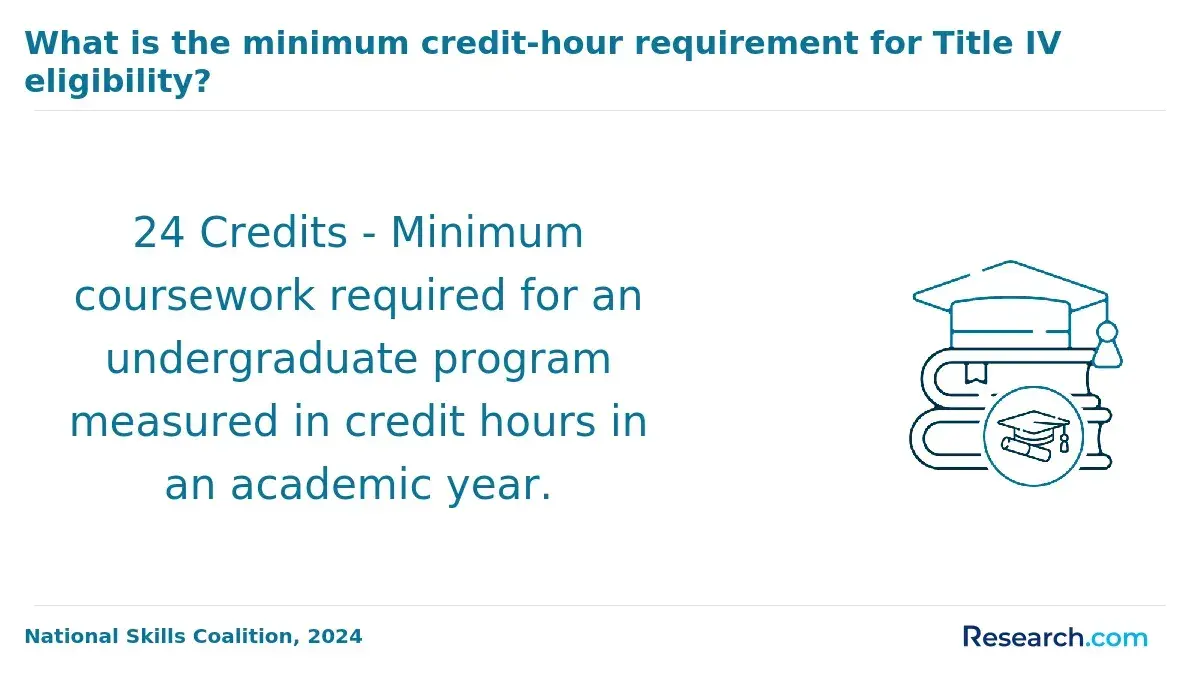
Eligible students in accredited degree programs may qualify for federal financial aid by submitting the Free Application for Federal Student Aid. Aid eligibility depends on factors such as citizenship or eligible noncitizen status, enrollment level, satisfactory academic progress, financial circumstances, and program participation requirements. Online attendance does not automatically prevent aid eligibility.
Federal Pell Grants can help eligible undergraduate students and generally do not need to be repaid. Federal Direct Loans, work-study opportunities, state grants, institutional scholarships, private scholarships, military education benefits, and employer tuition assistance may also be available. Graduate students generally rely more heavily on loans, assistantships, employer support, and institutional awards than on undergraduate grant programs.
Before accepting an offer, compare each aid source according to its repayment obligation and renewal requirements:
- Prioritize grants, scholarships, qualified employer assistance, and benefits that do not require repayment.
- Review whether institutional scholarships are available to online students and whether they require a minimum GPA or enrollment intensity.
- Compare federal loan terms before considering private loans, which may have different interest rates, repayment protections, and underwriting standards.
- Ask the financial aid office whether aid changes when students enroll part time, take accelerated terms, or repeat a course.
- Request a year-by-year estimate rather than assuming that first-year scholarships will continue unchanged.
Employer assistance can be particularly relevant in logistics because many students already work in transportation, warehousing, manufacturing, retail, healthcare supply, or procurement. Confirm whether your employer requires advance approval, a minimum grade, continued employment, or repayment if you leave the company.
Students considering a management-focused graduate credential after a bachelor's degree may also compare the top accelerated MBA programs. An MBA may be useful for broader business leadership, while a specialized supply chain master's can be a better fit for students who want deeper logistics and analytics coursework.
How Flexible Are Online Logistics Degree Programs at Nonprofit Universities?
Online programs vary widely in flexibility. Asynchronous courses let students complete lectures and assignments at times that fit their schedules, usually within weekly deadlines. Synchronous courses require attendance at scheduled live sessions. Hybrid programs combine online instruction with campus meetings, residencies, laboratories, or proctored assessments.
Working adults often benefit from asynchronous programs, but flexibility should not be confused with unlimited pacing. Group projects, exams, internship hours, and instructor availability can still create fixed obligations. Students who travel frequently or work rotating shifts should ask for a sample syllabus and calendar before enrolling.
The formats below show the practical trade-offs students should assess:
| Format | Schedule pattern | Potential advantage | Potential limitation |
| Fully asynchronous | Weekly deadlines with no regular live class | Strongest scheduling control | Requires self-direction and reliable time management |
| Mostly asynchronous with live sessions | Online coursework plus periodic meetings | Balances flexibility and real-time interaction | May conflict with work or time zones |
| Synchronous online | Regular scheduled virtual classes | Immediate interaction and structure | Less suitable for unpredictable schedules |
| Hybrid or low-residency | Online study with required in-person components | Can provide hands-on networking or applied learning | Travel and attendance requirements add cost and planning |
Accelerated terms can reduce elapsed time to graduation but often increase the weekly reading, assignments, and project workload. Traditional 15- or 16-week terms may be easier for students balancing full-time work or caregiving. Part-time enrollment is usually more manageable, though it can extend completion time and affect financial aid eligibility.
A common mistake is enrolling after hearing "100% online" without asking whether any orientation, residency, internship, group presentation, or examination requires real-time participation. Get those details in writing.
What Student Support Services Do Nonprofit Universities Provide for Online Logistics Degree Students?
Online students need support that works outside traditional campus hours. Strong nonprofit universities typically provide academic advising, library access, tutoring, technical support, disability accommodations, financial aid counseling, career services, and faculty office hours. The useful question is not whether a service exists, but whether online students can use it conveniently and consistently.
For logistics students, career support is especially valuable when it connects coursework to local or national employers, internships, professional associations, résumé development, and interview preparation. Students changing careers may need more structured help translating experience in retail, military service, customer service, manufacturing, or transportation into supply chain language.
Ask admissions representatives and current students how these services operate in practice.
- How often will an assigned advisor contact online students, and can appointments be scheduled outside standard business hours?
- Does the career office offer industry-specific résumé review, employer events, internship guidance, or alumni networking?
- What tutoring is available for statistics, accounting, economics, spreadsheets, and quantitative coursework?
- Is technical support available evenings and weekends during assignment deadlines?
- Can online learners access research databases, writing support, disability services, and mental health resources remotely?
Students whose programs include forecasting or optimization should assess their comfort with quantitative work. A foundational online math degree may be more appropriate for someone seeking extensive mathematical preparation, whereas most logistics degrees apply quantitative tools within business operations.
Also ask about retention, graduation, and job-placement information where available. These figures require context because student populations, enrollment patterns, transfer behavior, and reporting methods differ. They can still reveal whether a school is transparent about student progress and outcomes.
Do Online Logistics Degree Programs at Nonprofit Universities Prepare Graduates for In-Demand Careers?
Online logistics degrees can prepare graduates for careers in supply chain operations when the program combines relevant coursework, applied problem-solving, and career development. Common job titles include logistics coordinator, transportation analyst, inventory analyst, purchasing specialist, operations analyst, warehouse operations supervisor, supply chain analyst, procurement coordinator, and distribution manager. Exact qualifications vary by employer and seniority level.
The U.S. Bureau of Labor Statistics projects 17% employment growth for logisticians from 2023 to 2033. This outlook reflects the need to coordinate increasingly complex supply chains, but students should not interpret it as a guarantee of a job. Many positions also consider experience, location, software skills, industry knowledge, and communication ability.
Career preparation is strongest when the curriculum aligns with the work students expect to do.
| Career interest | Useful coursework | Helpful experience or evidence |
| Transportation and distribution | Transportation management, network design, warehousing | Carrier, freight, warehouse, or routing projects |
| Procurement and sourcing | Purchasing, supplier management, contract basics | Supplier analysis, negotiation, or purchasing experience |
| Inventory and planning | Forecasting, inventory control, analytics | Spreadsheet models and demand-planning projects |
| Operations management | Process improvement, quality, project management | Process maps, capstones, and cross-functional teamwork |
| Supply chain analytics | Statistics, business analytics, visualization | Data portfolios and analytical software exposure |
Artificial intelligence, automation, and data tools are changing logistics work, but they have not eliminated the need for people who can validate data, manage exceptions, communicate with suppliers, and make operational trade-offs. Look for programs that teach analytical reasoning and business judgment rather than promising mastery of a specific software platform that may change quickly.
Students should also consider certifications carefully. Credentials from industry associations can complement a degree, particularly for working professionals, but requirements and employer recognition vary. Review job postings in your target city and industry before paying for a certification.
Can an Online Logistics Degree From a Nonprofit University Prepare Students for Graduate School?
Yes, an accredited online bachelor's degree in logistics, supply chain management, operations, business, or a related field can prepare students for graduate study if it includes appropriate coursework and the student earns a competitive academic record. Graduate admissions decisions commonly consider institutional accreditation, GPA, prerequisite coursework, professional experience, recommendations, essays, and sometimes test scores.
Students interested in a master's program should preserve course descriptions and syllabi for quantitative classes, economics, accounting, statistics, operations, and analytics. These materials can help when a graduate school reviews prerequisites. Some supply chain master's programs may expect statistics, calculus, programming, or business foundations, while MBA programs often welcome applicants from varied undergraduate majors.
Choose undergraduate electives with the next credential in mind:
- Select statistics, business analytics, economics, accounting, and operations courses when considering supply chain analytics or management graduate programs.
- Maintain strong grades, especially in quantitative and major courses, because graduate programs may review academic readiness closely.
- Seek internships, work projects, or capstones that demonstrate applied logistics experience.
- Confirm whether a prospective graduate school accepts online undergraduate credits from your institution before relying on a particular pathway.
- Compare specialized master's programs with MBAs based on the depth of logistics expertise you want to develop.
A doctorate is rarely required for standard logistics management roles. It is more relevant for university teaching, research, consulting, or highly specialized leadership goals. Students should avoid accumulating credentials simply because they are available; each degree should solve a clear career or academic need.
Graduate admissions policies change, and some institutions waive standardized tests for certain applicants. Students should check the current requirements for each target program instead of assuming that a waiver applies universally.
How Should Students Compare the Best Online Logistics Degree Programs at Nonprofit Universities?
The best online logistics degree program is the one that fits your intended role, budget, prior credits, and ability to complete the format. A well-known university may be a good option, but it is not automatically the best value for every learner. Build a shortlist of accredited nonprofit programs and compare the same evidence for each one.
Start by deciding whether you need an associate, bachelor's, or master's degree. Students with substantial transferable college credit may prioritize degree-completion programs. Students already working in logistics may prioritize a part-time master's program with advanced analytics or leadership content. Students seeking initial entry into the field usually benefit from a bachelor's program with strong business foundations and experiential learning.
The comparison points below can help you make a final enrollment decision:
| Decision factor | Strong evidence to look for | Potential red flag |
| Accreditation | Recognized institutional accreditation and transparent disclosures | Unclear accreditor or unverifiable claims |
| Curriculum | Logistics, analytics, operations, and applied learning aligned to your goals | Mostly generic business courses with limited logistics depth |
| Total cost | Written estimate after transfer credit, fees, and expected aid | Only a per-credit price is provided |
| Flexibility | Clear calendar showing live sessions, deadlines, and any residency | "Online" claims without schedule details |
| Transfer policy | Published maximum credits and prompt official evaluation | Transfer decisions delayed until after enrollment |
| Career relevance | Internships, applied projects, industry-aligned faculty, and career support | Unsubstantiated salary or placement promises |
| Student support | Accessible advising, tutoring, library, and technical services for online learners | Services limited to campus or standard daytime hours |
After narrowing your choices, request a program map, transfer evaluation, financial aid estimate, and sample course schedule from each school. Compare the documents side by side. Ask whether tuition can change while you are enrolled, whether required courses are offered every term, and whether the program includes any in-person expectations.
Students should not choose solely because a university is nonprofit, inexpensive, highly ranked, or fast. The most common mistakes are overlooking total borrowing, assuming all credits will transfer, neglecting curriculum review, and enrolling without understanding the weekly schedule. A program is a stronger investment when it makes completion realistic and develops skills that match a specific logistics career target.
For students exploring careers outside logistics, a different professional path may be more suitable. For example, people focused on social services rather than operations can review online MSW programs no GRE required as part of a separate graduate-school comparison.
Other Things You Should Know About Logistics
Logistics is usually a component of supply chain management. Logistics focuses on moving, storing, and delivering goods, while supply chain management has a broader scope that can include sourcing, production, supplier relationships, planning, and customer fulfillment.
Students need practical quantitative skills for topics such as forecasting, inventory, budgeting, performance metrics, and data analysis. Programs vary, but comfort with algebra, spreadsheets, statistics, and interpreting data is helpful. Tutoring and prerequisite courses can support students who need to refresh these skills.
It may help. Some universities award credit for military training, prior learning, industry credentials, or examinations, subject to their policies. Experience can also strengthen internship and job applications, but students should obtain an official credit evaluation before assuming it will reduce degree requirements.
Not always. Some programs require internships, while others use capstones, simulations, or workplace projects. Students without logistics experience may benefit from an internship or applied project because it provides evidence of relevant skills for employers.
References
- Pardon Our Interruption https://www.coloradotech.edu/degrees/bachelors/business-administration/logistics
- Cost of Online College vs. Traditional | Champlain College Online https://online.champlain.edu/blog/cost-of-online-education-vs-traditional-education
- 2025 Most Affordable Online Supply Chain Management Degrees https://www.onlineu.com/most-affordable-colleges/supply-chain-management-degrees
- Top Supply Chain Management Schools - Inbound Logistics https://www.inboundlogistics.com/articles/top-supply-chain-management-schools/
- Logistics & Supply Chain Management | UNOH https://www.unoh.edu/academics/college-of-occupational-professions/logistics-supply-chain-management.html