2027 Best Online Electrical Engineering Degrees for Jobs

Co-Founder and Chief Data Scientist
Choosing the best online electrical engineering degree for a stable and rewarding career can be daunting-especially with varying accreditation standards, curriculum quality, costs, and practical experience requirements. Many prospective students overlook the importance of programs that balance rigor with accessible student support, resulting in costly degrees that lack strong job placement. According to the National Center for Education Statistics, only 56% of engineering graduates secure employment in their field within six months of graduation, underscoring the need for informed program selection.
This article evaluates top online programs-focusing on outcomes-driven data-to guide readers toward the highest-value electrical engineering degrees for successful careers.
Key Things to Know About the Best Online Electrical Engineering Degrees for Jobs
- Accreditation-choosing programs accredited by ABET ensures curriculum aligns with industry standards, enhancing licensure and employer recognition, critical for long-term career growth.
- Curriculum rigor-top online electrical engineering degrees balance theoretical foundations with applied projects, preparing graduates for complex problem-solving roles in evolving technology sectors.
- Career outcomes-graduates from well-ranked programs report median starting salaries above $70,000 and strong placement rates in engineering firms, reflecting substantial return on investment.
What Is a Electrical Engineering Degree, and What Can It Do for Your Career?
Electrical engineering is a discipline centered on electricity, electronics, and electromagnetism, covering their design, analysis, and practical applications across industries. Accredited organizations such as the Institute of Electrical and Electronics Engineers (IEEE) and leading academic institutions emphasize foundational domains including circuit theory, signal processing, control systems, electromagnetics, and power generation. The degree cultivates both theoretical frameworks-like systems analysis and digital logic-and hands-on skills such as circuit design, programming, and hardware development. This focus clearly distinguishes electrical engineering from related fields like computer science or mechanical engineering, which prioritize software algorithms or mechanical processes.
Academic credentials in electrical engineering range widely to suit different career paths:
- Associate's Degree: Provides technical skills for entry-level roles such as electrical technician or maintenance engineer.
- Bachelor's Degree: The standard credential for design, development, and testing positions across diverse sectors.
- Master's Degree: Delivers advanced expertise and leadership training for specialized or managerial roles.
- Doctoral Degree: Focuses on research, innovation, and academic careers that push the frontiers of knowledge.
The pursuit of an online electrical engineering degree benefits for career growth by offering flexibility that suits recent high school graduates, working professionals, and veterans using educational benefits. A U.S. electrical engineering degree consistently enhances job prospects by aligning academic rigor with recognized industry needs. This article navigates the online degree pathway-evaluating accredited programs based on curriculum quality, affordability, practical experience, student support, and career outcomes. For those exploring affordability options, programs comparable in approach may be seen alongside the cheapest MSW online programs in their strategic value.
How Do Online Electrical Engineering Degree Programs Compare to Traditional Campus Programs?
Online electrical engineering degree programs accredited by ABET or similar organizations maintain curriculum breadth and academic rigor on par with traditional campus degrees. Core topics-circuit analysis, electromagnetics, and digital systems-meet consistent standards, ensuring students develop foundational expertise required for licensure and employment. Many programs add rigor through interactive simulations and virtual labs that replicate hands-on learning, responding to common concerns about differences between online and on-campus electrical engineering programs.
Faculty Qualifications: Leading online programs employ the same qualified full-time faculty with doctoral degrees and industry experience who teach on campus. This ensures students receive high-quality instruction aligned with current research and engineering standards, preserving academic integrity regardless of delivery mode.
Student-Faculty Interaction: Though in-person access is limited online, synchronous learning methods-live video lectures, discussion boards, and virtual office hours-facilitate meaningful engagement. However, students need self-discipline to initiate interaction, a notable contrast to traditional campus dynamics.
Peer Collaboration: Online students engage in structured group projects, cohort models, and virtual study groups, fostering essential teamwork skills despite physical separation. Technology-enabled shared workspaces and real-time communication tools help reduce the isolation often presumed in remote learning environments.
Practicum and Laboratory Requirements: Hands-on experience remains critical. Online programs address this through on-campus residencies, local lab partnerships, internships, or remote-access lab equipment allowing supervised virtual experiments-key for bridging educational delivery modes.
Employer Perception and Career Outcomes: Employer surveys confirm that graduates from reputable online electrical engineering programs achieve comparable job placement and starting salaries to on-campus peers-especially when degrees come from well-known institutions. Accreditation acts as a vital quality indicator, with employers increasingly valuing demonstrable skills over program format.
Structural Advantages for Specific Learners: Online programs offer flexibility well suited for working adults, caregivers, veterans, and students in remote areas without physical campus access. This enables balancing education with personal and professional responsibilities without sacrificing curriculum rigor-a significant factor for those comparing online electrical engineering degree vs traditional campus degree options.
Limitations and Institutional Responses: Reduced spontaneous interaction and mastering hands-on techniques pose challenges. Top schools counter these via technology-enhanced tools, mandatory on-campus residencies, and cohort progressions, blending flexibility with crucial interpersonal and practical experiences.
For accelerated pathways, consider exploring 1 year MSW programs online that illustrate how program design can support rapid, flexible professional advancement.
What Are the Accreditation Standards That Define a Reputable Online Electrical Engineering Degree?
Enrolling in an unaccredited or poorly accredited online electrical engineering program carries significant risks. Graduates may struggle to obtain professional licensure, as numerous state boards demand degrees from accredited institutions. Additionally, transferring credits can prove difficult, complicating further education pursuits. Employers may question the legitimacy and thoroughness of degrees from unaccredited programs, limiting career opportunities and advancement.
This broad form of accreditation covers entire institutions and signifies that they uphold high academic quality standards. Recognized regional agencies-such as the Middle States Commission on Higher Education and the Western Association of Schools and Colleges-validate institutional credibility, ensuring stability and respect across all programs offered.
Specific to engineering disciplines, the Engineering Accreditation Commission of ABET is the foremost authority. ABET accreditation certifies that an electrical engineering program complies with rigorous criteria designed to equip students for professional engineering roles. Many employers and licensing boards prefer-or require-that candidates hold degrees from ABET-accredited programs.
To confirm a program's accreditation status, applicants should use trustworthy resources such as the U.S. Department of Education's Database of Accredited Postsecondary Institutions and Programs and the Council for Higher Education Accreditation (CHEA) directory. These platforms enable straightforward verification of institutional and programmatic accreditation, helping students avoid pitfalls.
Accreditation must be a baseline requirement when assessing any online electrical engineering degree-no matter the appeal of cost or convenience-because it guarantees long-term value and broader acceptance in the workforce and academia.
A professional who recently completed an online electrical engineering degree shared his experience: "I was cautious from the start, knowing accreditation was not just a formality. My program being ABET-accredited gave me confidence when applying for jobs and preparing for licensing exams. At times, balancing work and study was tough, but the quality of instruction made it worthwhile. Verifying accreditation early helped me avoid wasting time on less recognized programs that wouldn't have advanced my career. In the end, it wasn't just about earning a degree but securing a credential that truly opened doors."
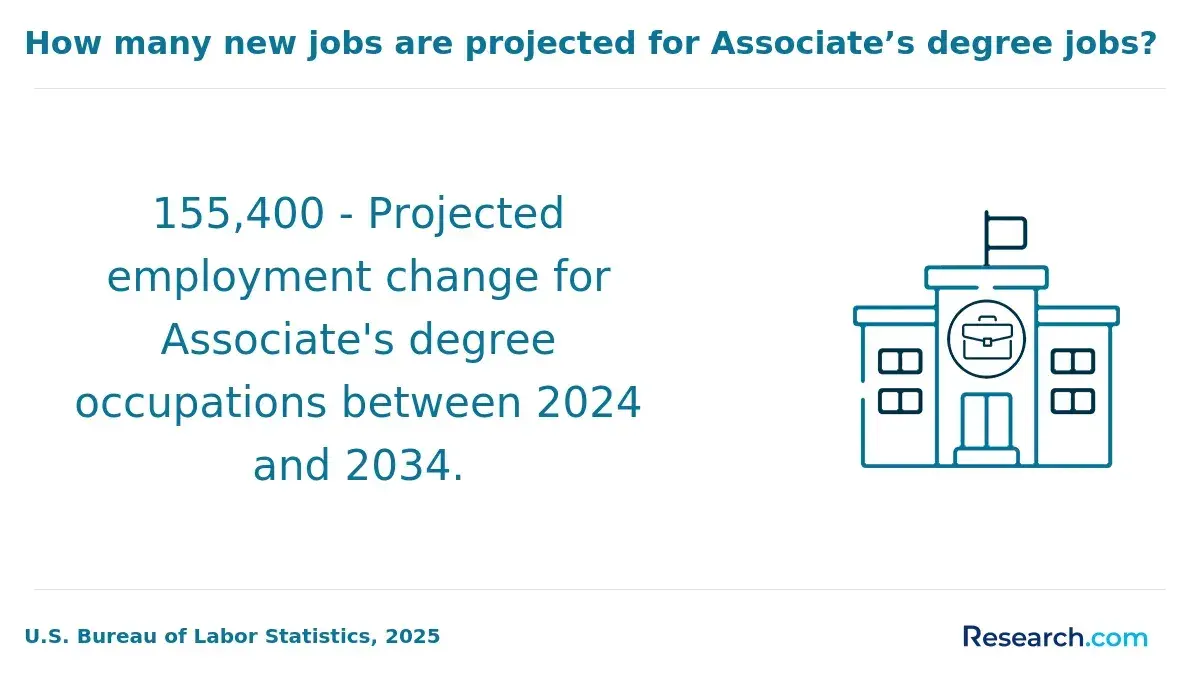
Typically lasting two years, these programs suit recent high school graduates and working adults aiming for entry-level roles. They provide fundamental electrical engineering knowledge and often act as a foundation for bachelor's degrees. Graduates usually qualify for technician or support positions, which tend to offer lower median salaries compared to advanced degrees.
- Bachelor's Degree Completion: Designed for students with an associate's degree or equivalent credits, these programs enable transfer into upper-division coursework online, usually requiring two more years. They prepare learners for professional electrical engineering roles across industries, significantly enhancing career prospects and earning potential compared to associate credentials.
- Master's Degree: Targeting those with a bachelor's degree, these programs offer one to two years of specialized study that often include leadership and advanced technical training. Many admit professionals with some work experience, and some provide stackable credits that build on bachelor's coursework. Graduates can access management-level or highly technical positions with increased salaries.
- Doctoral Programs and Post-Baccalaureate Certificates: While online doctoral opportunities are limited and focused on research or academia, post-baccalaureate certificates develop niche skills to complement existing degrees. Both require substantial prior academic preparation and experience.
Prerequisite requirements vary: associate programs generally require a high school diploma, bachelor's completion demands prior credits or an associate degree, and graduate programs require a related bachelor's degree. According to IPEDS data, program durations align with these estimates-though part-time study options often extend timelines, especially for working adults. Completion rates typically decrease as degree level rises, reflecting greater program rigor and competing responsibilities. High-value online electrical engineering programs stand out by blending rigorous curriculum, strong accreditation, practical experience, and comprehensive student support to meet diverse learner needs. Those seeking advanced credentials can also explore PsyD programs online as examples of robust graduate pathways within technical fields focused on leadership.
The cost of earning an online electrical engineering degree varies considerably depending on the institution type and additional fees. Public in-state schools tend to be the most affordable, with tuition typically between $5,000 and $15,000 each year. Out-of-state public universities generally charge more-around $15,000 to $30,000 annually. Private nonprofit colleges usually fall within the $20,000 to $50,000 range, while for-profit institutions often have higher or less transparent fees. Beyond tuition, students should factor in mandatory charges like technology and lab fees, which may add hundreds or thousands of dollars. Some programs also require brief on-campus residencies or practical labs that can involve travel and accommodation costs.
Several federal aid options can help offset these expenses:
- Pell Grants: Need-based financial aid for undergraduates that doesn't require repayment.
- Federal Student Loans: Subsidized loans cover interest while enrolled, whereas unsubsidized loans accrue interest immediately but allow for higher borrowing limits.
- GI Bill Benefits: Available to qualified veterans and their families, covering tuition, fees, and housing stipends.
Scholarships aimed explicitly at electrical engineering students may come from professional bodies such as IEEE, state workforce agencies, or merit-based awards from colleges themselves. Applying early and researching these opportunities is essential to reduce overall costs.
When budgeting for a program, it's important to consider total expenses-not just per-credit-hour tuition. This includes fees, materials, exam proctoring, and any mandatory in-person components. Tools like the U.S. Department of Education's College Scorecard net price calculator can provide realistic estimates of out-of-pocket expenses before committing.
A professional who successfully launched a career after completing an online electrical engineering degree shared that navigating the cost was initially intimidating. "I remember feeling overwhelmed by the list of fees beyond tuition," she said. She emphasized the value of early financial planning and exploring every funding source available, including scholarships she hadn't initially known about. "Balancing work and school, I needed to be proactive with aid applications and budgeting," she reflected. Ultimately, her disciplined approach to financing the degree helped her complete it without excessive debt, underscoring the importance of understanding total costs and aid options before enrolling.

Completion times for online electrical engineering programs vary significantly by degree level and enrollment type. Associate degrees typically require about two years of full-time study but may extend to three or more years for part-time students balancing other responsibilities. Bachelor's degrees often take four years full-time but average closer to five years online due to part-time attendance and hands-on learning components. Graduate programs show wider variation-master's degrees usually last one to three years, depending on enrollment status, while doctoral programs range from three to seven years driven mainly by research demands.
- Transfer Credits: Acceptance of transfer or military credits can shorten degree time-often by as much as a year.
- Enrollment Status: Full-time study accelerates graduation, whereas part-time allows flexibility but can prolong completion.
- Accelerated Formats: Some programs offer condensed courses or continuous enrollment to help motivated students finish sooner.
- Competency-Based Progression: Self-paced learning lets students advance after mastering material, benefiting experienced learners eager to complete faster.
- Prior Learning Assessment (PLA): Recognizing relevant professional experience can reduce coursework and overall program length.
- Program Length Restrictions: Institutions may enforce maximum time limits-commonly six years for bachelor's degrees-to maintain enrollment and financial aid.
- Financial Aid Considerations: Satisfactory academic progress policies require steady advancement-extended program durations risk losing aid eligibility.
- Average Completion Data: Accredited online programs often report real-world completion times longer than published, highlighting the need for realistic planning.
High-quality online electrical engineering programs follow standards set by ABET and similar accrediting organizations to ensure graduates are job-ready. These programs provide a strong foundation in mathematics, science, and core engineering principles, combining theoretical knowledge with practical application.
Key elements include:
- Fundamental Courses: Essential sequences in calculus, differential equations, physics, and chemistry build the technical base necessary for advanced coursework.
- Core Electrical Engineering Topics: Students master areas such as circuits, signals and systems, electromagnetics, digital systems, electronics, control systems, and power engineering.
- Laboratory and Practical Experience: Despite the online format, rigorous programs offer virtual labs or on-site practica for hands-on skills in circuit design, testing, and simulation software use.
- Capstone or Integrative Projects: Culminating senior design projects challenge students to apply theory to real-world problems, promoting teamwork and communication.
- Competency-Based Outcomes: Graduates demonstrate problem-solving, critical thinking, effective communication, technical expertise, and ethical standards. These competencies translate into workplace skills like system analysis, design verification, documentation, and collaboration across disciplines.
- Curriculum Currency: Top programs regularly review curricula-often every few years-with input from industry advisory boards. This ensures alignment with technological advances, regulatory changes, and modern engineering methodologies.
Request sample course sequences, syllabi, and outcomes alignment documents from programs under consideration to verify their rigor beyond promotional claims. According to the National Society of Professional Engineers, graduates of ABET-accredited programs earn up to 20% higher starting salaries, highlighting the value employers place on accreditation and comprehensive curriculum standards.
Choosing the best online electrical engineering degrees for working professionals requires examining more than just tuition costs. Public universities often stand out by combining affordability with connection to strong employer networks-key factors boosting return on investment. Evaluating programs through long-term salary data, employment rates, and loan default statistics clarifies which options truly deliver financial value.
- Cost Efficiency: Public institutions typically offer competitive tuition, especially for in-state students. Additionally, tuition reciprocity agreements between states can further lower costs for out-of-state learners, maintaining affordability without compromising program quality.
- Employment Outcomes: Graduates from top return on investment electrical engineering programs online commonly experience strong job placement and salary growth within six to ten years of enrollment, making these degrees financially beneficial over time.
- Employer Tuition Reimbursement: Many working adults access employer-sponsored tuition assistance programs, which can substantially reduce out-of-pocket expenses. Selecting programs eligible for such benefits enhances overall ROI.
- Scholarship Availability: Institutional scholarships and grants, especially those targeting online and adult learners, help minimize student loan reliance and debt burdens.
- Program-Specific Outcome Data: Prospective students should prioritize median earnings and employment rates tied directly to their chosen program rather than broad institutional rankings for a clearer view of economic advantage.
- Practical Experience Opportunities: Offering internships, hands-on projects, or cooperative education prepares graduates for engineering roles-translating into better job prospects and salary advancement.
- Student Support Infrastructure: Comprehensive advising, technical support, and career services tailored for online learners add crucial value by helping students navigate coursework and build industry connections.
Ultimately, aligning program choices with one's financial situation, career goals, and access to benefits like tuition reimbursement or scholarships maximizes the investment return. Working adults evaluating electrical engineering degrees must weigh realistic salary expectations and loan default rates to make informed decisions. Those seeking additional guidance on online education options might also explore related fields-such as the best organizational development master's programs online-that complement technical expertise with leadership skills.
Admissions requirements for top online electrical engineering programs vary significantly depending on institutional selectivity and degree level. Applicants should review these common criteria emphasized by competitive programs to evaluate potential fit.
Minimum GPA: Graduate programs typically require a bachelor's degree with a cumulative GPA around 3.0 on a 4.0 scale. Highly selective universities may expect higher GPAs-around 3.3 or 3.5-to ensure strong academic preparation.
Standardized Tests: Many programs have adopted test-optional policies for the GRE, allowing applications without scores. However, some competitive master's programs still recommend or require GRE results, especially for applicants with non-engineering backgrounds or lower GPAs.
Letters of Recommendation: Usually, two to three academic or professional references are requested. These letters should highlight the applicant's technical skills, work ethic, and potential for graduate study in electrical engineering.
Personal Statement: Applicants submit an essay outlining academic interests, career goals, and motivations for pursuing an online electrical engineering degree. This helps admissions committees assess candidate fit and commitment.
Professional Experience: While not always mandatory, relevant engineering or technical experience is preferred or required at some programs-especially for working professionals returning to advance credentials.
Prerequisite Coursework: Candidates without a strong electrical engineering or STEM background may need foundational courses such as: Calculus and Differential Equations; Physics with an emphasis on Electromagnetism; Introductory electrical circuits and systems.
Admissions standards differ broadly-from open-enrollment community college programs offering associate degrees or certificates, which have more flexible requirements aimed at access, to research-intensive universities that demand higher GPA thresholds and robust prerequisite knowledge.
Applicants should self-assess their academic records and prerequisites carefully to identify suitable programs. Requirements can vary each cycle, so contacting admissions advisors is essential for the most current information. For those evaluating value, it helps to explore outcomes data, cost, and career benefits-as seen in rankings like the data science degree rankings-which inform decisions about accredited online electrical engineering degrees and their typical prerequisites.
An online electrical engineering degree provides access to a diverse array of career options across industries such as manufacturing, energy, telecommunications, and aerospace. Graduates with a bachelor's degree commonly take on technical roles that emphasize foundational skills in design, testing, or fieldwork. These entry-level positions often include titles like design engineer-where professionals create electrical components and use CAD software-and field engineer, who focuses on installation and troubleshooting onsite.
- Systems Engineer: Responsible for integrating complex electrical systems in sectors like aerospace, automotive, or defense, requiring sharp analytical abilities and system-level thinking.
- Test Engineer: Designs and conducts testing protocols to verify product performance and safety-offering a pathway into quality assurance or validation specialties.
- R&D Engineer: Typically a role demanding graduate education, these engineers innovate new electrical technologies within corporate or government laboratories.
- Project Manager: An advanced career stage that involves overseeing engineering teams, managing budgets, and guiding project timelines-often necessitating experience and certifications.
- Consultant: Leveraging engineering expertise to advise firms on optimizing designs, manufacturing processes, or regulatory compliance, usually following targeted credentialing.
- Specialist Roles:
- Power Systems Engineer: Designs and maintains electrical grids with an understanding of energy regulations and markets.
- Embedded Systems Engineer: Integrates electrical systems within hardware-software platforms.
- Signal Processing Engineer: Works on communications technologies primarily in telecommunications.
- Employment Sectors:
- Manufacturing and Industrial Automation
- Energy Generation and Distribution
- Telecommunications and IT
- Aerospace and Defense
- Consumer Electronics and Robotics
- Healthcare Technology and Medical Devices
The degree also facilitates career shifts-professionals from related fields can transition into electrical engineering roles with supplementary training or certifications. Within five to ten years, many engineers progress from entry-level positions through senior engineering roles, project leadership, and into management or specialized research careers. Lateral moves across different sectors are common, fueled by transferable skills in software, controls, or power systems.
The median annual salary for professionals with an online electrical engineering degree generally ranges between $100,000 and $110,000, though individual earnings depend on various factors.
- Degree Level: Salaries increase with education-bachelor's degree holders often start around $70,000 to $85,000, while those with master's or doctoral degrees can earn upwards of $120,000 per year.
- Years of Experience: Entry-level engineers may earn near the median, but mid-career professionals with 5 to 10 years of experience frequently see significant increases, with senior engineers or managers often exceeding $130,000 annually.
- Industry Sector: Compensation varies by field-sectors like aerospace, telecommunications, and energy typically offer above-average pay, whereas manufacturing and utilities may provide lower starting salaries but still competitive wages.
- Geographic Market: Urban technology centers such as Silicon Valley, New York, and Boston generally offer higher salaries reflecting demand and living costs, while rural or less industrialized areas tend to have lower pay scales.
- Specialization: Areas including power systems, control systems, embedded systems, and renewable energy command higher salaries due to specialized knowledge and market demand.
- Professional Certifications: Credentials like the Professional Engineer (PE) license or project management certifications can boost earnings by 10% to 20%. Online graduates can attain these by fulfilling experience requirements, passing exams, and continuing education, which enhances long-term salary prospects.
- Salary Projections: Employment for electrical engineers is expected to grow around 7% over the next decade, indicating steady demand with potential wages rising alongside inflation and technological progress.
- Data Verification: Because salary data fluctuate based on economic and industry trends, prospective students and graduates should regularly consult the latest BLS reports and salary surveys to make informed decisions.
What Graduates Say About the Best Online Electrical Engineering Degrees for Jobs
- Terry: "Choosing an online electrical engineering degree that meets rigorous accreditation standards was a game-changer for me-it ensured my qualification was respected by employers across the industry. The curriculum's depth challenged me to think critically and apply theories to real-world problems, which truly prepared me for the fast pace of engineering roles. I highly recommend prioritizing programs that emphasize quality and recognition to anyone serious about their career. "
- Charlie: "When I first explored online degrees in electrical engineering, I wasn't sure if the cost would justify the benefits, but the return on investment blew me away. The program I chose balanced affordability with comprehensive training, and I landed a job that exceeded my salary expectations within months of graduating. This experience taught me that it's crucial to weigh both cost and career outcomes to find the best match for your goals."
- Daniel: "My experience with online electrical engineering was shaped by strong student support and practical experience requirements-two factors I believe are often overlooked. Having dedicated mentors and hands-on projects throughout the course kept me engaged and confident in my skills by the time I graduated. For anyone considering this path, I emphasize seeking programs that offer both robust support and meaningful real-world applications."
Other Things You Should Know About Electrical Engineering Degrees
Yes. For many state licensing boards and the NCEES Fundamentals of Engineering exam, an ABET-accredited bachelor’s degree in electrical engineering is the standard requirement. If the program is not ABET-accredited, graduates may need extra coursework or board review before qualifying for licensure.
Leading programs offer a range of support services including academic advising, tutoring, and career counseling specifically tailored to electrical engineering students. They also provide virtual networking events, mentorship programs, and access to professional organizations. These services help students connect with peers, faculty, and industry professionals, which is crucial for career advancement in this field.
Employers increasingly recognize accredited online electrical engineering degrees as comparable to traditional degrees, especially when programs include rigorous coursework and practical experience. The key factors influencing employer perception are the program's accreditation status and the candidate's demonstrated skills. Graduates with strong portfolios, internships, or practicum experiences generally have competitive advantage regardless of delivery format.
- How to Easily Get Your Electrical Engineering Degree Online https://careerkarma.com/blog/online-electrical-engineering-degree/
- What - Translation into Polish - examples English | Reverso Context https://context.reverso.net/translation/english-polish/What
- Applying to Electrical Engineering Programs: Graduate School Admissions Overview https://blog.accepted.com/applying-to-electrical-engineering-programs-graduate-school-admissions-overview/
- what - Tłumaczenie po polsku - Słownik angielsko-polski Diki https://www.diki.pl/slownik-angielskiego
- Electrical and electronic engineer (degree) https://skillsengland.education.gov.uk/apprenticeships/st0024-v1-2
- Electrical Engineer (EE) - Salary, How to Become, Job Description & Best Schools https://www.onlinedegree.com/careers/engineering/electrical-engineer-ee/
- What Careers Can You Pursue With an Electrical Engineering Degree? https://resources.pcb.cadence.com/blog/what-careers-can-you-pursue-with-an-electrical-engineering-degree-2
- 2025 Most Affordable Online Master's Degrees in Electrical Engineering https://www.onlineu.com/most-affordable-colleges/electrical-engineering-masters-degrees
- Explore Diverse Career Paths in Electrical Engineering http://info.online.bradley.edu/college-of-engineering/blog/electrical-engineering-career-paths/
- What can you do with an electrical engineering degree? - People of Pacific https://www.pacific.edu/blog/2025/01/24/what-can-you-do-with-an-electrical-engineering-degree/