
2027 Best Online Associate Degree Completion Programs With Low Textbook Costs

Co-Founder and Chief Data Scientist
Already have college credits but still need an associate degree? The cheapest-looking online program may not be your least expensive route: rejected transfer credits, required fees, and textbooks can change the final bill. The College Board reported average published in-district tuition and fees of $4,050 at public two-year colleges for 2024-25 - a useful benchmark, but not a quote for your remaining coursework. This guide compares completion pathways across six fields and shows you how to verify textbook costs, credits, delivery requirements, and career fit before enrolling.
Key Things You Should Know
- A low-cost course saves little if it repeats credit you already earned or does not satisfy a remaining degree requirement.
- "Zero-textbook-cost" sections and open educational resources can reduce materials spending, but access codes, supplies, fees, and section availability may differ.
- The College Board's $4,050 public two-year in-district tuition-and-fees benchmark for 2024-25 excludes the individual effects of residency, accepted credits, and course materials.
Top 10 Best Online Associate Degree Completion Programs With Low Textbook Costs
Business Programs
For students with prior general education credit, a business administration AA or AS can provide a transfer-oriented route; an AAS may focus more directly on workplace skills. Tidewater Community College's Business Administration AS has been associated with its Z-Degree, or zero-textbook-cost, initiative.
Confirm that the pathway, required courses, and suitable online sections are available when you enroll. Compare the cost of your remaining accounting and business courses, not just introductory classes, and check how they apply to a planned bachelor's degree.
Healthcare Programs
Healthcare administration or health information associate programs may suit students seeking nonclinical coursework online. An AAS may emphasize workplace preparation, while an AA or AS may better match a transfer plan. Check whether required coding software, certification preparation, or paid access codes offset textbook savings.
Do not assume an online healthcare degree qualifies you for a clinical occupation: regulated roles may require a separately accredited program, supervised experience, exams, or a state license.
Information Technology Programs
IT support and cybersecurity associate programs can combine online instruction with hands-on virtual labs. Compare an AAS aimed at workforce entry with an AS intended for transfer. Free readings may keep textbook spending low, but lab platforms, software, and optional certification exams can add costs.
Before enrolling, ask whether previously completed programming or networking courses satisfy current major requirements; some colleges restrict how older technical credit applies.
Nursing / Pre-Nursing Programs
A pre-nursing AA or AS can cover transferable prerequisites online, but it is not a nursing license or a guarantee of admission to a nursing program. An associate degree in nursing typically includes supervised clinical work and may have separate, selective admission requirements.
Textbooks, testing platforms, uniforms, screenings, and clinical travel can materially affect costs. Verify science-lab formats, prerequisite expiration rules, programmatic accreditation where relevant, and your state board's eligibility requirements before choosing a pathway.
Criminal Justice Programs
Criminal justice AA, AS, and AAS programs can serve different goals: transfer to a bachelor's program, preparation for support roles, or broader professional development. Online sections may use free public-domain legal materials, but readers should request the actual materials list.
A degree alone does not replace agency hiring standards, background checks, academy training, or other requirements for sworn law-enforcement positions. Compare remaining credits and transfer agreements before paying for a specialized course that will not advance your intended path.
Psychology / Counseling Programs
A psychology AA or AS is usually a transfer foundation, not a professional counseling qualification. Students with previous general education credits may complete the remaining psychology sequence online, sometimes using open educational resources instead of commercial textbooks.
Check whether statistics, research methods, and electives meet the destination bachelor's program's requirements. Independent counseling practice generally requires substantially more education and state licensure; choose this route for transfer preparation or suitable entry-level support work, not immediate eligibility to practice.
What are online associate degree completion programs with low textbook costs?
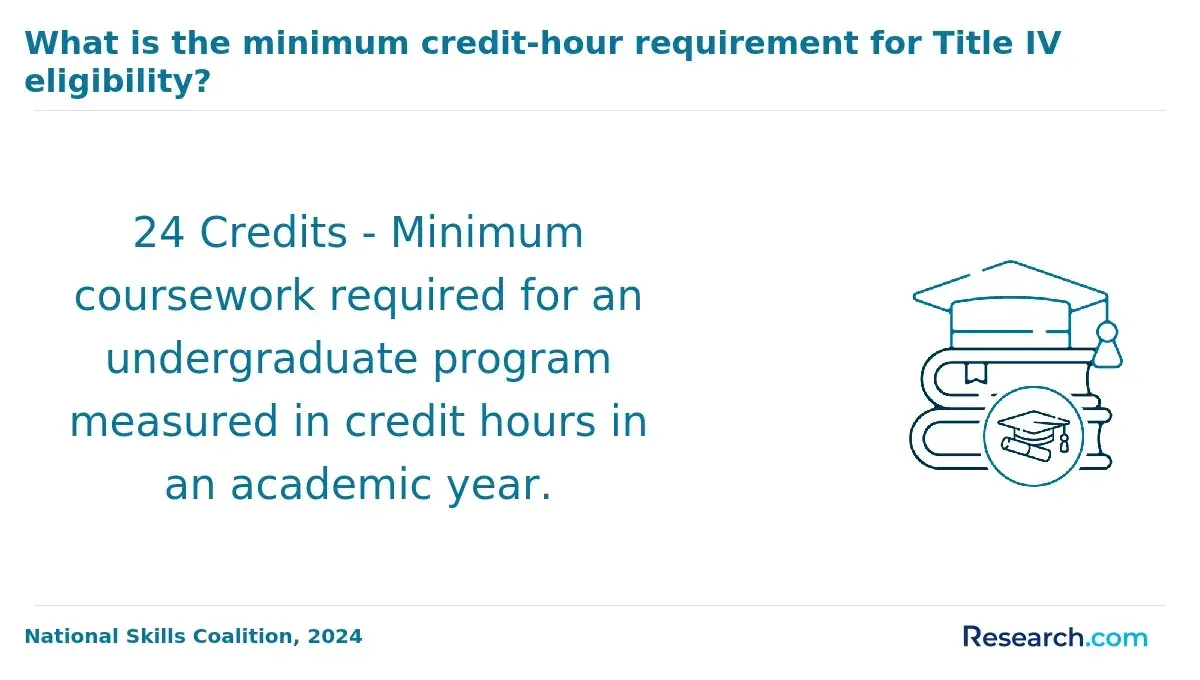
An online associate degree completion program is an associate pathway for someone who has already earned college credit. The college evaluates that credit against its degree requirements, then identifies the courses the student still needs. Most associate degrees require roughly 60 semester credits, but previously earned credits do not necessarily reduce the remaining requirement one-for-one.
"Low textbook cost" describes a course-by-course expense, not a guarantee attached to an entire college. Open educational resources are materials available without a commercial textbook purchase; a zero-textbook-cost course may still require equipment or other supplies.
Online delivery also varies: a program can include live meetings, proctored assessments, labs, or local clinical placements. The best completion option is the one whose accepted credits, remaining courses, materials, and format fit your goal.
Which accredited colleges offer affordable online associate degree completion programs?
Start with institutionally accredited colleges that offer your intended associate degree, then verify its current online schedule and materials costs. The schools below are comparison candidates, not a ranked list of verified low-textbook-price guarantees: textbook policies and the cost of finishing depend on your particular courses and accepted credits.
This comparison distinguishes a named zero-textbook-cost initiative from broader online completion options. Request a written degree audit and course-level cost information before treating any candidate as affordable.
| College and option to investigate | Why consider it | What to verify before applying |
| Tidewater Community College - Business Administration AS Z-Degree pathway | A defined zero-textbook-cost initiative is relevant to a student prioritizing materials expenses. | Current Z-Degree availability, online sections for every remaining course, residency rates, fees, and transfer applicability. |
| Thomas Edison State University - Associate in Arts | An online, transfer-credit-oriented option may suit a student with substantial previous coursework. | Individual transfer evaluation, residency or credit-source rules, tuition and fees, and materials for the remaining courses; low textbook costs are not presumed. |
| Excelsior University - online associate options | Worth comparing when prior college credit may satisfy much of an associate degree. | The current degree and delivery format, accepted credits, minimum credits to earn at the institution, full fees, and required course materials. |
A nearby community college may cost less overall than a national online option if it accepts more of your credits and offers the needed sections remotely. Conversely, a published zero-textbook-cost pathway may not help if its courses are unavailable online when you need them.
How much do online associate degree completion programs cost, including textbooks and fees?
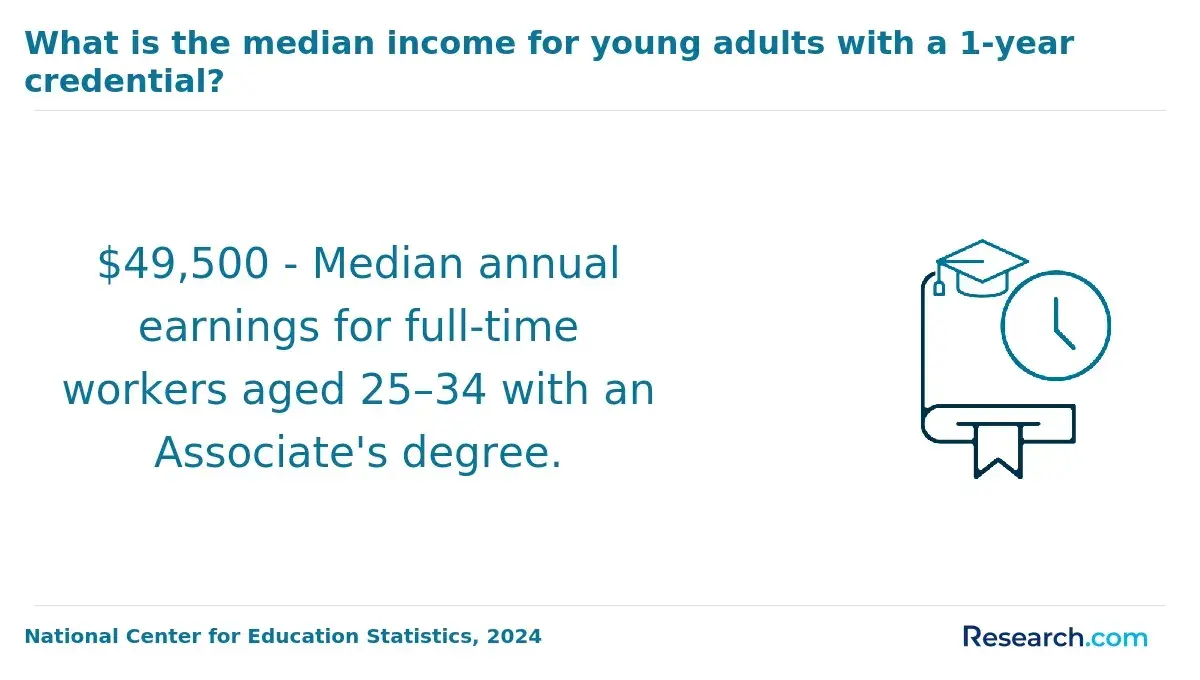
Calculate the cost to finish, not the price of an entire degree or a single credit. The College Board's 2024-25 average of $4,050 in published in-district tuition and fees at public two-year colleges provides context, not an estimate for your bill. Out-of-district rates, institutional pricing, and the number of credits you still need can change the comparison substantially.
Ask each college for an itemized estimate covering the following costs after it evaluates your transcript:
- Tuition for courses that fulfill remaining requirements, using your actual residency or online rate.
- Mandatory, technology, laboratory, graduation, and proctoring fees.
- Textbooks, access codes, software, supplies, and any costs tied to clinical or in-person work.
Compare that total with your likely grants, scholarships, employer tuition assistance, and payment options. Eligible students can explore federal aid at online schools that accept FAFSA; aid eligibility and the amount offered depend on the school and student. "Free textbooks" should never be mistaken for free enrollment.
What admission requirements apply to online associate degree completion programs?
General admission commonly requires an application, proof of secondary-school completion or an equivalent credential, and transcripts from every previously attended college. A completion student should also ask for an official transfer evaluation: admission to the college does not establish which credits apply to the chosen degree.
Policies may set minimum acceptable grades, limit older technical or science coursework, or require certain credits to be completed at the awarding institution.
Some schools evaluate eligible military learning, exams, industry credentials, or documented prior learning, but work experience alone does not automatically earn credit. Nursing and other selective majors can have separate prerequisites, GPA rules, screenings, and application deadlines. Ask for those requirements before assuming general college admission gives you a place in the major.
How long does it take to complete an online associate degree?
Completion time depends on credits still needed, course sequencing, enrollment intensity, and when required sections run - not simply on whether the program is online. A student whose previous courses meet most requirements may finish much sooner than someone whose credits transfer only as electives. Required science sequences, clinical placements, or courses offered infrequently can extend the timeline.
Ask an advisor to map your remaining courses term by term, including prerequisites and your realistic work and family commitments. Accelerated course terms shorten individual classes, not necessarily the whole degree.
Part-time study may be more sustainable, while full-time enrollment may reduce elapsed time if the courses are available. Students returning after a long break may also find scheduling questions relevant when comparing online degrees for seniors; age alone does not determine the best course load.
What coursework is included in online associate degree completion programs?
Coursework usually combines general education with major requirements. A transfer-oriented AA or AS may emphasize writing, mathematics, sciences, and introductory courses that fit a bachelor's plan. An AAS may devote more credits to occupational courses, which can make it useful for workforce preparation but requires extra scrutiny if transfer is the goal.
For completion students, the important question is which requirements remain after evaluation. A business student may still need accounting; an IT student, a virtual lab; a psychology student, statistics.
Nursing pathways may require campus-based labs or clinical education even when lectures are online. Request a degree audit and syllabi for the remaining courses so you can check both academic requirements and whether assigned materials are genuinely low-cost.
Which careers can graduates pursue after completing an online associate degree?
Career options depend on the major, experience, local employers, and any separate credentials. A business or IT associate degree can support applications for appropriate entry-level administrative or technical roles.
A healthcare administration or criminal justice degree may be relevant to support work, but a specialized job can have additional hiring requirements. Psychology and pre-nursing associate pathways are often most useful as steps toward further education.
Choose a degree by working backward from the occupation: check typical entry requirements, then determine whether the associate degree provides sufficient preparation, transferable credit, or both.
Licensed counseling, for example, generally requires education well beyond an associate degree; even information about a master degree in 6 months should not be treated as a substitute for checking a profession's specific training and licensing rules.
What salaries and job outlooks are available after earning an online associate degree?
Salary figures describe occupations, not what graduates of a particular program will earn. The U.S. Bureau of Labor Statistics reports a 2024 median annual wage of $93,600 for registered nurses and projects 5% employment growth from 2024 to 2034.
That figure can help a prospective nursing student understand the occupation's market, but a pre-nursing degree alone does not qualify someone to work as a registered nurse; nursing education, examination, and state licensure requirements apply.
For other fields, compare BLS occupational profiles with actual job postings in your area and their stated experience or credential requirements.
If your target role generally requires a bachelor's degree, compare the cost of a transferable associate pathway with going directly into a bachelor's program. Lists of top 10 highest paying degrees may suggest fields to investigate, but occupational pay is not a promised return on either degree.
How can students choose a reputable online associate degree completion program?
Choose a program only after comparing two written documents from each finalist: a transfer-credit evaluation and an estimate for the courses you still must take. That prevents a common mistake - choosing the lowest advertised tuition while overlooking rejected credits or expensive required materials.
Use these checks to narrow your options before committing:
- Confirm institutional accreditation and, for a regulated profession, whether the specific program meets relevant accreditation and state eligibility rules.
- Ask which previous credits meet general education and major requirements, which count only as electives, and how many credits must be earned through the college.
- Confirm that every remaining required course can be completed in a workable format and schedule, including labs, live sessions, clinical work, and proctored assessments.
- Obtain course-level textbook and access-code estimates alongside tuition and fees, then compare the total against available aid and your intended career or transfer plan.
A red flag is an "online, low-cost" claim that cannot be tied to the courses on your degree audit. If a school cannot clarify required in-person work, transfer applicability, or materials charges, get those answers before enrolling - or compare another pathway.
Other Things You Should Know About
Often, yes. The receiving college must evaluate your transcript, decide which credits satisfy degree requirements, and apply its own residency rules. Online availability must be checked for every remaining course.
No. It generally addresses required textbooks, not necessarily tuition, fees, access codes, equipment, software, or travel. Ask for the current materials list for your exact sections.
Choose based on your goal and accepted credits. AA and AS pathways are often transfer-focused; AAS pathways often emphasize occupational study. Verify how the particular degree applies to a bachelor's program or target job.
Request a written degree audit showing accepted credits and remaining requirements, a realistic course schedule, and an itemized estimate of tuition, mandatory fees, and materials. For licensed careers, confirm the program's eligibility implications with the relevant state authority.
References
- Estimate your college cost | USAGov https://www.usa.gov/estimate-college-cost
- Academic Years, Academic Calendars, Payment Periods, and Disbursements | 2025-2026 Federal Student Aid Handbook https://fsapartners.ed.gov/knowledge-center/fsa-handbook/2025-2026/vol3/ch1-academic-years-academic-calendars-payment-periods-and-disbursements
- Academic Requirements | Undergraduate Advising & Student Success https://www.bu.edu/advising/student-success/transfer-students/academic-requirements/
- Academic Catalog | City Colleges of Chicago Academic Catalog https://catalog.ccc.edu/academic-student-policy/student-focused/understanding-program-requirements/
- Open Educational Resources (OER): OER and Affordable Alternatives | umt.edu https://libguides.lib.umt.edu/oer/alternatives
- How Much Does It Cost to Transfer Colleges? | University of Bridgeport https://www.bridgeport.edu/news/how-much-does-it-cost-to-transfer/
- LibGuides: Open Educational Resources (OERs) and Zero-cost (to students) textbook alternatives: Home | cuny.edu https://lib.jjay.cuny.edu/zerocost
- Estimating Costs | Financial Aid - University of Michigan https://finaid.umich.edu/getting-started/estimating-costs
- Course Modes & Definitions | OUR - Office of the University Registrar https://registrar.washington.edu/classrooms/course-modes/
- Academic Support | University of Arizona Catalog https://catalog.arizona.edu/academic-advising-learning-technology-support


