
2027 Are Online Pastoral Counseling Doctorate Degrees Respected by Employers? Hiring Trends and Career Outcomes

Co-Founder and Chief Data Scientist
An online pastoral counseling doctorate can be respected by employers, but only when it matches the job's expectations. The stakes are real: the U. S. Bureau of Labor Statistics reported a May 2024 median salary of $59,190 for substance abuse, behavioral disorder, and mental health counselors, with strong projected demand in related counseling roles.
This guide is for ministers, chaplains, counselors, educators, and nonprofit leaders comparing doctoral options. You'll learn when the degree helps, when it does not, and how to evaluate programs based on employer recognition, cost, licensure fit, and career return.
Key Things You Should Know
- Employers generally respect online pastoral counseling doctorates when the institution is accredited by a U.S. Department of Education- or CHEA-recognized accreditor, the degree aligns with the role, and the graduate can show ministry, counseling, chaplaincy, teaching, or leadership experience.
- The degree is usually strongest for ministry leadership, chaplaincy administration, pastoral care education, faith-based nonprofit leadership, and teaching; it is not a substitute for state clinical counseling licensure unless the program separately satisfies licensing requirements.
- ROI depends heavily on cost: federal graduate Direct Unsubsidized Loans carry a 7.94% interest rate for 2025-2026, so a low-residency or online format that lets students keep working can matter as much as the tuition price itself.
What Is the True ROI of an Online Pastoral Counseling Doctorate?
The true ROI of an online pastoral counseling doctorate is not just the salary increase after graduation. It is the combined value of employer recognition, career mobility, professional credibility, ministry impact, teaching eligibility, leadership access, and the cost of completing the degree while continuing to work.
A pastoral counseling doctorate is typically a faith-integrated terminal or advanced professional degree focused on pastoral care, counseling theory, spiritual formation, crisis response, theology, ethics, and leadership. Common formats include a Doctor of Ministry in pastoral care or counseling, a PhD in pastoral counseling or practical theology, a Doctor of Theology, or a related professional doctorate. Employers evaluate these degrees differently depending on whether the role is clinical, academic, ministry-based, or administrative.
The table below summarizes the factors that usually matter more than whether the courses were delivered online. This is important because many employers no longer treat online delivery as unusual, but they still scrutinize legitimacy, fit, and outcomes.
| Employer recognition factor | Why it matters | What to verify before enrolling |
| Institutional accreditation | Employers, licensing boards, and colleges are more likely to recognize degrees from accredited institutions. | Confirm that the school is accredited by an agency recognized by the U.S. Department of Education or CHEA. |
| Program focus | A DMin may carry strong ministry value, while a PhD may carry stronger research or teaching value. | Match the degree type to your intended job: ministry leadership, chaplaincy, teaching, research, or counseling-related administration. |
| Licensure alignment | Clinical counseling jobs often require state licensure, not merely a pastoral counseling doctorate. | Ask whether the program meets LPC, LMFT, psychologist, or other state board requirements if clinical practice is your goal. |
| Supervised practice opportunities | Employers value applied competence, especially in counseling-adjacent and chaplaincy roles. | Look for clinical pastoral education, practicum, supervision, residency, fieldwork, or ministry-based research components. |
| Institutional reputation in your field | Faith-based employers may recognize seminaries, divinity schools, and theological institutions differently than healthcare systems or universities do. | Review where alumni work and whether target employers have hired graduates. |
For many students, ROI is strongest when the doctorate builds on an existing credential rather than trying to replace one. For example, a licensed counselor, ordained minister, board-certified chaplain, or nonprofit executive may use the doctorate to move into supervision, teaching, program leadership, or executive ministry. Someone without the required master's degree, ordination pathway, licensure, or supervised experience may see weaker returns.
A common mistake is assuming that "doctorate" automatically means "higher-paying counseling job." In clinical mental health settings, employers usually care first about licensure, scope of practice, malpractice coverage, and supervised clinical hours. If your goal is a counseling career rather than pastoral leadership, compare doctoral routes with the cheapest online PhD in counseling options and confirm whether the curriculum fits the job market you are targeting.
How Much Does an Online Pastoral Counseling Doctorate Increase Earning Potential?
An online pastoral counseling doctorate can increase earning potential, but the effect is usually indirect. The degree may help a professional qualify for director-level ministry roles, chaplaincy leadership, faculty positions, consulting, denominational leadership, or nonprofit administration. It rarely functions like a guaranteed salary step in the way some licensed healthcare credentials or unionized education credentials can.
The BLS May 2024 median pay for substance abuse, behavioral disorder, and mental health counselors was $59,190. That figure is useful because many pastoral counseling students compare their prospects with counseling-related occupations, but it should not be read as a doctoral salary benchmark. Pay depends on licensure, employer type, region, seniority, funding model, and whether the role is ministry-based or clinical.
The table below shows salary context for roles that may overlap with pastoral counseling training. The data should be used as a market reference, not a prediction of what an individual graduate will earn.
| Career area | Relevant salary context | How a pastoral counseling doctorate may affect earnings |
| Mental health counseling roles | BLS reported a May 2024 median salary of $59,190 for substance abuse, behavioral disorder, and mental health counselors. | The doctorate may strengthen specialization in faith-integrated care, but licensure and supervised clinical experience usually drive hiring. |
| Marriage and family therapy | BLS reported a May 2024 median salary of $63,780 for marriage and family therapists. | The doctorate may help with teaching, supervision, or faith-based practice leadership, but it does not replace LMFT requirements. |
| Social and community service management | BLS reported a May 2024 median salary of $78,240 for social and community service managers. | The degree may support advancement into program director or executive roles in faith-based service organizations. |
| Postsecondary teaching | BLS reported a May 2024 median salary of $83,980 for postsecondary teachers overall. | A doctorate may be valuable for seminary, Bible college, adjunct, or faculty roles, though institutions may prefer research doctorates for tenure-track positions. |
| Postsecondary administration | BLS reported a May 2024 median salary of $103,960 for postsecondary education administrators. | The credential can help in theological education administration when paired with leadership experience. |
The strongest earning potential usually comes when the doctorate is paired with a clear professional lane. A licensed counselor with a pastoral counseling doctorate may market a specialized practice, while a minister may pursue senior pastoral care leadership or denominational roles. A chaplain may use it to compete for director, educator, or system-level spiritual care positions.
One red flag is relying on school marketing language that implies doctoral status alone will raise income. Before enrolling, ask programs for alumni job titles, employer types, completion rates, time to completion, and whether graduates moved into roles that actually require or prefer doctoral preparation.
Which Careers Provide the Best Financial Return With an Online Pastoral Counseling Doctorate?
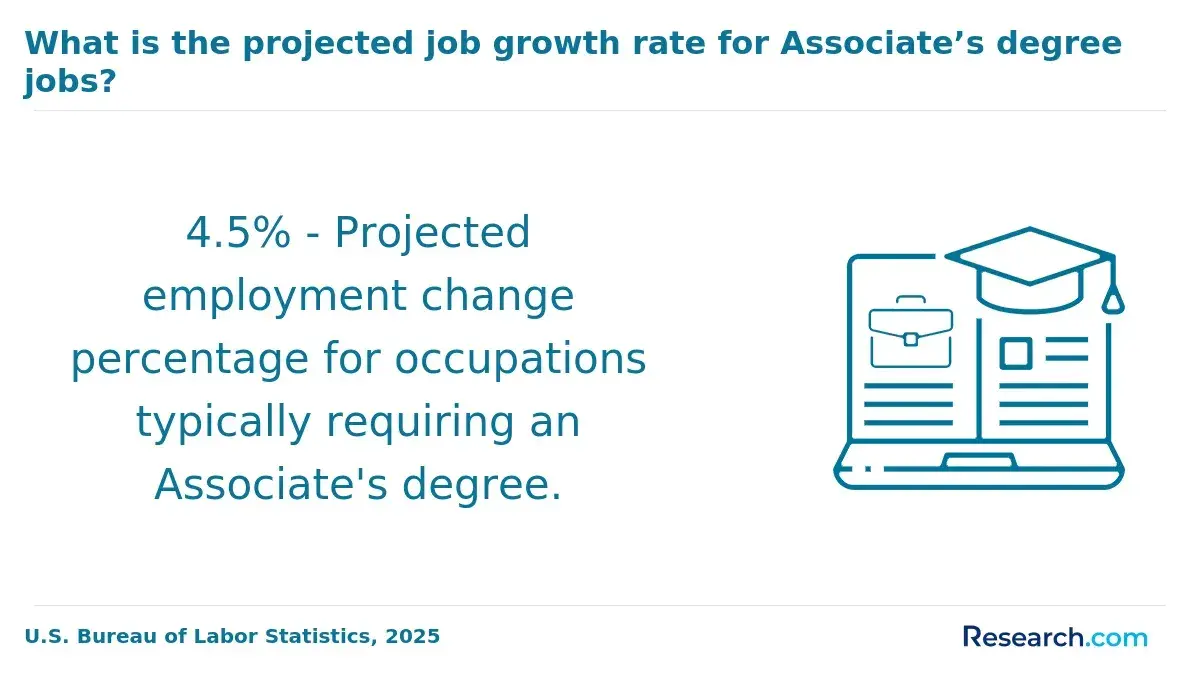
The best financial return usually appears in careers where a doctorate signals advanced leadership, teaching ability, applied expertise, or theological authority. In contrast, front-line pastoral care or entry-level counseling roles may not pay enough more to justify a costly doctoral program.
The table below compares common career paths by financial return potential and employer expectations. It can help you identify whether an online pastoral counseling doctorate fits your target role or whether another credential would be more practical.
| Career path | Employer view of the doctorate | Financial return potential | Important limitation |
| Director of pastoral care or spiritual care | Often respected when paired with chaplaincy experience, clinical pastoral education, and leadership ability. | Strongest in large hospitals, health systems, universities, and multi-site organizations. | Employers may require board certification, CPE units, ordination, or endorsement. |
| Senior pastor or executive ministry leader | May strengthen credibility for teaching, counseling, staff development, and congregational care strategy. | Varies widely by congregation size, denomination, and funding model. | Some churches prioritize pastoral experience and theological fit over doctoral credentials. |
| Seminary or Bible college faculty member | Often valued, especially if the doctorate includes research, publication, and a dissertation or doctoral project. | Moderate to strong for full-time faculty or academic administration. | Tenure-track roles may prefer a PhD or ThD over a professional DMin. |
| Licensed counselor with faith-integrated specialization | Can differentiate a practitioner in religious communities and faith-based clinics. | Moderate to strong if the professional already has licensure and a viable client base. | The doctorate alone usually does not create clinical licensure eligibility. |
| Faith-based nonprofit executive | Can support leadership credibility in counseling, trauma response, family ministry, or community care programs. | Strong when paired with fundraising, supervision, compliance, and program evaluation skills. | Employers may value MBA, MPA, MSW, or nonprofit management experience more for some roles. |
| Independent pastoral counseling consultant | May help with authority, workshops, retreats, and training contracts. | Highly variable and dependent on business development. | Titles and services must avoid implying clinical licensure where none exists. |
Financial return is most realistic when the doctorate helps you enter a higher-responsibility role, not merely when it adds letters after your name. Employers are usually asking a practical question: can this person lead people, teach well, provide ethical care, supervise others, and handle complex pastoral or counseling-related situations?
Students should be cautious about career paths that sound prestigious but have limited openings. Full-time seminary faculty roles, for example, can be competitive, and adjunct teaching may not provide enough income to justify a high-debt doctorate unless it supports a broader career plan.
How Does an Online Pastoral Counseling Doctorate Affect Career Advancement?
An online pastoral counseling doctorate can affect career advancement by positioning the graduate as a senior practitioner, educator, supervisor, or leader in faith-integrated care. Employers are most likely to value the degree when it clearly adds advanced competence beyond what a master's degree, ordination, or professional experience already shows.
Advancement often depends on how the student uses the doctorate during and after the program. The following steps can help turn the credential into a stronger employment signal rather than a passive academic title.
- Choose a dissertation, doctoral project, or capstone topic connected to a real employer need, such as clergy burnout, grief care, trauma-informed ministry, hospital chaplaincy supervision, marriage ministry, addiction recovery support, or crisis response.
- Build evidence of leadership through supervised ministry projects, program evaluation, staff training, curriculum development, chaplaincy education, or community partnerships.
- Ask faculty and supervisors for concrete performance-based recommendations rather than generic academic references.
- Present the degree on your résumé with the institution name, degree type, concentration, accreditation status when relevant, and applied project title.
- Use LinkedIn, conference presentations, denominational meetings, and professional associations to show how your research translates into practical pastoral care outcomes.
Employer hiring trends also favor candidates who can document applied skills. Faith-based organizations, healthcare systems, and colleges increasingly expect leaders to understand trauma-informed care, ethical boundaries, multicultural ministry, mental health referral processes, and technology-supported communication. A doctorate can help if it develops those competencies; it helps less if it is mostly theoretical and disconnected from practice.
A common mistake is hiding the online format defensively. In most cases, the better strategy is to emphasize accreditation, applied learning, faculty expertise, supervised practice, and measurable projects. If asked directly, explain that the online format allowed you to continue serving in a ministry or counseling-adjacent role while completing advanced doctoral work.
How Does the Cost of an Online Pastoral Counseling Doctorate Affect Its Overall Value?
Cost can make or break the value of an online pastoral counseling doctorate. A respected credential with a modest price and continued employment during study can produce a reasonable return, while a high-cost program financed mostly with loans may be difficult to justify for lower-paid ministry or counseling-adjacent roles.
Federal graduate borrowing is expensive enough to deserve careful planning. For loans first disbursed during the 2025-2026 award year, Direct Unsubsidized Loans for graduate students carry a 7.94% interest rate, while Direct PLUS Loans carry an 8.94% rate. That means the real cost of the degree can be much higher than tuition if interest accumulates over several years.
Before comparing programs, separate visible tuition from total cost. The following cost drivers are especially important for online doctoral students because they affect both debt and completion risk.
- Tuition structure, including whether the school charges per credit, per term, per dissertation continuation period, or by flat program rate.
- Residency costs, including travel, lodging, meals, missed work, and required on-campus intensives.
- Technology, books, research software, supervision, graduation, and continuation fees.
- Length of the dissertation or doctoral project phase, which can add cost even after coursework is complete.
- Ability to keep working full time, part time, or in a ministry role that supports the doctoral project.
- Employer tuition assistance, denominational scholarships, military benefits, institutional grants, or payment plans.
Students comparing counseling-focused doctoral programs may find it useful to review cheapest online PhD in counseling options as a cost benchmark, even if their final choice is a pastoral counseling or ministry doctorate. The point is not to choose the lowest price automatically, but to understand whether a more expensive program offers stronger accreditation, faculty mentorship, supervised practice, alumni outcomes, or employer connections.
One red flag is a school that promotes fast completion and prestige but provides little information about total program cost, dissertation fees, accreditation, alumni employment, or licensure limitations. Another is choosing the most expensive program because it "sounds more respected" without confirming whether target employers actually prefer it.
How Does the Time Commitment of an Online Pastoral Counseling Doctorate Affect Its ROI?
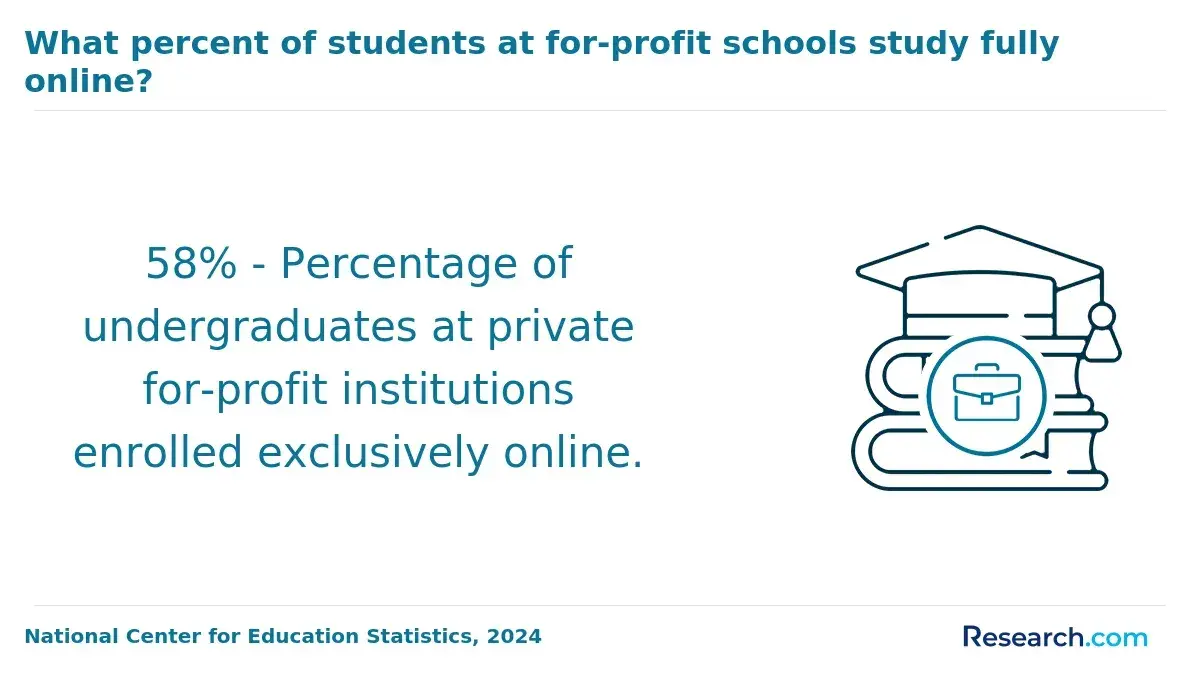
The time commitment of an online pastoral counseling doctorate affects ROI in two ways: it delays the point at which the credential can support advancement, and it competes with time that could be spent earning, leading, publishing, counseling, or building professional networks. Most students should think in terms of opportunity cost, not just tuition.
Many professional doctorates in ministry or pastoral care take about three to five years, depending on the program structure, transfer credits, writing pace, and doctoral project requirements. Research doctorates can take longer, especially when they require comprehensive exams, language requirements, original research, or a dissertation. Online delivery may reduce commuting time, but it does not eliminate reading, research, writing, supervision, or project work.
The time investment is more likely to pay off when the student can integrate doctoral work with current responsibilities. For example, a chaplain can design a spiritual care training project, a pastor can study congregational grief ministry, and a nonprofit leader can evaluate a faith-based counseling referral program. This alignment lets the student produce work that employers can understand and value.
To protect ROI, students should ask programs practical completion questions before enrolling. These questions help reveal whether the timeline is realistic or merely advertised as flexible.
- What is the median time to completion for students who begin the program online?
- How many students complete the doctoral project or dissertation within the advertised timeline?
- Are dissertation continuation credits required, and what do they cost?
- How often do students meet with advisors during the writing or project phase?
- Can current ministry, chaplaincy, counseling-related, or nonprofit work serve as the applied project site?
- What happens if a student changes jobs, loses access to a project site, or needs to pause enrollment?
A common mistake is underestimating the final project phase. Coursework may feel manageable online, but dissertation and project completion require self-direction, data collection or evaluation, writing discipline, and responsive faculty supervision. A slower but well-supported program may produce better ROI than a faster program with weak advising.
Does an Online Pastoral Counseling Doctorate Have the Same Career Value as a Campus-Based Degree?
An online pastoral counseling doctorate can have the same career value as a campus-based degree when the institution is accredited, the curriculum is rigorous, the faculty are credible, and the student gains relevant applied experience. Employers usually care less about the course delivery method than about whether the degree is legitimate and connected to the work they need done.
That said, online and campus-based degrees are not always equal in practical experience. The table below explains where the formats tend to differ and how those differences affect employer perception.
| Comparison point | Online doctorate | Campus-based doctorate | Employer implication |
| Accreditation | Can be fully respected if the institution is properly accredited. | Can also vary widely by institution and accreditor. | Accreditation matters more than modality. |
| Networking | May require intentional effort through residencies, conferences, cohorts, and professional associations. | Often offers more informal daily interaction with faculty and peers. | Students must compensate for weaker informal networking if studying online. |
| Applied practice | Can be strong if projects are embedded in the student's workplace or ministry setting. | May provide easier access to campus clinics, local placements, or faculty-led research. | Employers value documented practice more than classroom location. |
| Flexibility | Often better for working ministers, chaplains, counselors, and nonprofit leaders. | May require relocation or reduced work hours. | Keeping a job can improve ROI and strengthen the résumé during study. |
| Academic career preparation | Can be credible, especially with research, publication, and strong faculty mentorship. | May offer more teaching assistantships, research groups, and academic networking. | Campus programs may have an advantage for competitive tenure-track roles. |
Employers are more likely to question an online doctorate when the school is unfamiliar, accreditation is unclear, admissions standards appear weak, or the program promises unrealistic outcomes. They are less likely to question it when the graduate can discuss a serious doctoral project, cite respected faculty mentors, show applied results, and connect the degree to a coherent career path.
The best way to test employer perception is to research your target market before enrolling. Review job postings, ask hiring managers which degrees they respect, talk with chaplaincy directors or denominational leaders, and search alumni profiles from the programs you are considering. This will provide more useful information than relying on national rankings alone.
How Does an Online Pastoral Counseling Doctorate Compare With Other Career Advancement Options?
An online pastoral counseling doctorate is only one career advancement option. For some professionals, a master's degree, licensure track, chaplaincy certification, counseling specialization, nonprofit leadership credential, or supervised clinical training may provide a faster or more affordable return.
The right comparison depends on your current education level and target role. If you do not already have a counseling-related master's degree and want clinical counseling eligibility, reviewing online masters programs for counseling may be a more practical first step than starting a pastoral counseling doctorate.
The table below compares common advancement options by their best use case. It highlights an important point: the highest degree is not always the highest-value credential for a specific career goal.
| Option | Best fit | Typical employer value | When it may beat a pastoral counseling doctorate |
| Master's in counseling | Students seeking clinical counseling licensure pathways. | Often essential for LPC, LMHC, or related licensure depending on state rules. | When the goal is direct clinical practice. |
| Master of Divinity | Students pursuing ordination, chaplaincy, or pastoral ministry. | Often required or strongly preferred in many ministry and chaplaincy settings. | When the student lacks the theological foundation expected by employers. |
| Clinical pastoral education | Chaplains and spiritual care providers. | Highly valued in healthcare chaplaincy and board certification pathways. | When the goal is hospital or hospice chaplaincy employment. |
| Professional counseling license | Counselors providing diagnosis, treatment, and psychotherapy within state scope. | Usually more important than a pastoral doctorate for clinical hiring. | When employers require billable clinical services. |
| Pastoral counseling doctorate | Experienced ministers, chaplains, educators, and faith-based leaders. | Valued for advanced leadership, teaching, supervision, and specialized pastoral care. | When the professional already has the core credential for their field. |
| Nonprofit leadership credential or graduate certificate | Program managers and executives in faith-based organizations. | Useful for fundraising, compliance, supervision, and strategy. | When the target role is administrative rather than counseling- or theology-centered. |
A mistake to avoid is enrolling in a doctorate because it feels like the "next academic step" rather than because it solves a specific career problem. If your barrier is lack of licensure, get the licensure-eligible degree. If your barrier is lack of chaplaincy experience, pursue CPE. If your barrier is lack of executive leadership experience, a management credential and supervisory role may help more than another theological degree.
Which Professionals Benefit Most From an Online Pastoral Counseling Doctorate?
The professionals who benefit most from an online pastoral counseling doctorate are usually already established in ministry, chaplaincy, counseling-adjacent service, education, or faith-based leadership. They can apply doctoral learning immediately and use their current workplace as proof of advanced competence.
The degree is most likely to be worth it for the following groups because their employers may already value advanced theological, pastoral, counseling, and leadership preparation.
- Ordained or experienced ministers who want to lead pastoral care, counseling, family ministry, grief care, recovery ministry, or congregational wellness programs.
- Healthcare, hospice, military, correctional, or university chaplains seeking spiritual care leadership, educator, or supervisory roles.
- Licensed counselors, social workers, or marriage and family therapists who want a faith-integrated specialization and already meet state practice requirements.
- Seminary, Bible college, or Christian university professionals seeking teaching, curriculum, student care, or academic leadership opportunities.
- Faith-based nonprofit leaders who oversee counseling referrals, trauma response, family support, addiction recovery, or community care programs.
- Denominational leaders who train clergy, develop care systems, respond to crises, or supervise pastoral formation.
Some professionals should be cautious. If you are early in your career, have no ministry or counseling background, need a first clinical license, or are unsure whether your target employers recognize pastoral counseling doctorates, the degree may be premature. A master's program, supervised fieldwork, chaplaincy training, or a licensure-aligned pathway may produce better short-term value.
Students whose career goals are more behavior-science oriented than pastoral-care oriented should also compare alternatives. For example, those interested in applied behavior analysis may find a fastest BCBA program more directly aligned with employer requirements than a pastoral counseling doctorate.
How Can Students Decide Whether an Online Pastoral Counseling Doctorate Is Worth It?
The best way to decide whether an online pastoral counseling doctorate is worth it is to start with the job you want, not the degree title. Employer respect depends on fit: the right doctorate from a credible institution can strengthen a career, while the wrong doctorate can add debt without solving the hiring barrier.
Use the following decision process before applying. It is designed to help you test employer recognition, cost, and career alignment before making a long-term commitment.
- Define your target role clearly, including job title, employer type, setting, and whether the work is clinical, pastoral, academic, administrative, or consultative.
- Collect 10 to 15 real job postings and note whether they require a doctorate, prefer one, or emphasize licensure, ordination, CPE, teaching experience, publications, or management experience instead.
- Verify institutional accreditation through official accreditor databases, not only the school's website.
- Ask the program whether its curriculum supports any licensure, certification, ordination, chaplaincy, or teaching goals you have, and request written clarification when requirements vary by state or employer.
- Review alumni outcomes by searching graduate names, job titles, employers, dissertation topics, and professional profiles.
- Calculate total cost, including tuition, fees, travel, lost work time, loan interest, and dissertation continuation charges.
- Compare the doctorate with alternatives such as a licensure-eligible master's, CPE, counseling certification, nonprofit leadership training, or a lower-cost doctoral program.
- Ask at least three people in your target field whether they would view the specific degree and institution as credible for the role you want.
- Choose the program only if it improves your ability to compete for specific roles, not just because it is online, fast, prestigious-sounding, or heavily marketed.
If your goal is clinical mental health counseling and you still need a qualifying graduate degree, compare the doctorate with accelerated mental health counseling programs online. A faster master's pathway may create licensure eligibility sooner, while a pastoral counseling doctorate may make more sense later as a specialization or leadership credential.
The bottom line is that online pastoral counseling doctorates are respected by many employers when they are accredited, relevant, rigorous, and paired with experience. They are not automatically respected in every setting, and they are not a shortcut around licensure, supervision, or professional credibility. The smartest students treat the degree as one part of a larger career strategy.
Other Things You Should Know About Pastoral Counseling
Pastoral counseling usually addresses emotional, relational, ethical, or crisis concerns through a faith-informed counseling framework. Spiritual direction focuses more on prayer, discernment, spiritual growth, and a person's relationship with God or their faith tradition.
Only if they also hold the appropriate state clinical license that permits diagnosis. A pastoral counseling degree by itself usually does not authorize diagnosis or psychotherapy under state law.
It can be very important for chaplaincy and healthcare spiritual care roles. CPE provides supervised practice in real care settings and is often valued by hospitals, hospices, correctional institutions, and chaplaincy certification bodies.
Yes, but the exact rules depend on the setting, state law, denomination, employer policy, and whether the person is also a licensed clinician. Pastoral counselors should understand mandatory reporting, recordkeeping, consent, and referral obligations before providing care.
References
- How To Become A Pastoral Counselor | Psychology.org https://www.psychology.org/careers/pastoral-counselor/
- Pastoral Counseling Degree | Psychology Degree Guide https://psychologydegreeguide.org/specialty/pastoral-counseling/
- Pastoral Counselor https://onlinecounselingprograms.com/become-a-counselor/counseling-careers/pastoral-counselor/
- About CACREP - CACREP https://www.cacrep.org/about-cacrep/
- Best Pastoral Counseling Careers + Salary Outlook | HealthGrad https://www.healthgrad.com/mental-health/pastoral-counseling/
- Understanding Pastoral Counseling Certification at Neumann University https://learn.neumann.edu/neuperspectives/understanding-nus-professional-and-certificate-programs-in-counseling
- Online Ph.D. in Pastoral Community Counseling | AE.org https://academicearth.org/ph-d-in-pastoral-community-counseling/
- CACREP vs MPCAC Accreditation for Graduate Counseling Programs https://www.onlineeducation.com/counseling/faqs/cacrep-versus-mpcac-accreditation
- Master of Arts in Pastoral Care and Counseling Among Top Christian Counseling Programs in the Nation http://www.garrett.edu/master-of-arts-in-pastoral-care-and-counseling-among-top-christian-counseling-programs-in-the-nation/
- Psychology Accreditation: What you need to know https://www.onlinepsychologydegrees.com/articles/accreditation/


