2027 Are Online Graphic Design Master's Degrees Respected by Employers? Hiring Trends & Career Outcomes

Co-Founder and Chief Data Scientist
Imagine a professional shifting from a bachelor's degree to an online master's in graphic design, uncertain if employers recognize its worth equally to traditional degrees. This hesitation reflects a broader trend: 62% of hiring managers remain cautious about online credentials in creative industries. As remote learning expands, discerning which online graphic design programs truly meet industry standards becomes crucial.
This article examines how accreditation, reputation, and rigorous curricula influence employer perceptions. It also explores hiring trends favoring skills over credentials and highlights career outcomes for graduates. Readers will gain a clear framework to assess online programs and understand their value in advancing graphic design careers.
Key Benefits of Knowing Whether Online Graphic Design Master's Degrees Are Respected by Employers
- Employer perception of online graphic design master's degree graduates has improved, with 68% of hiring managers now viewing them as equally competent to traditional degree holders.
- Graduates demonstrate strong workplace performance, often matching or exceeding peers due to skills-based hiring emphasizing portfolio quality and technical proficiency.
- Access to promotions and higher salaries has increased, with online degree holders reporting a 15% average salary boost within five years compared to those with only undergraduate credentials.
How have employer perceptions of online graphic design master's degrees changed over the past decade?
Employer perceptions of online graphic design master's degrees have evolved significantly since the early 2010s, when skepticism was widespread. During that period, many hiring managers associated online degrees with for-profit colleges, which often faced criticism for questionable academic rigor and weaker student outcomes.
This stigma contributed to hesitancy in accepting online credentials, especially in creative fields like graphic design where portfolio quality and hands-on experience were highly valued. Early surveys from that time reflected a cautious attitude toward online graphic design master's degree employer acceptance trends.
The COVID-19 pandemic was a pivotal moment, rapidly accelerating the adoption of remote learning across higher education institutions. As universities and colleges shifted to online instruction, employers also began to reassess the value of online credentials more broadly. The pandemic's widespread impact helped break down earlier biases, making hiring managers more open to candidates with online qualifications.
A 2023 survey from Champlain College notably found that 84% of employers are now more accepting of online degrees compared to pre-pandemic attitudes. Such findings illustrate a substantial change in hiring attitudes toward online graphic design graduate programs.
Today, employer acceptance hinges predominantly on accreditation and the reputation of the institution, rather than the degree delivery format. Hiring managers prioritize candidates with strong portfolios, relevant skills, and programs demonstrating rigor and real-world applicability. For prospective students assessing options, links to fully online SLP master's programs provide a model for how specialized online degrees maintain academic standards and professional relevance.
- Early Skepticism: In the early 2010s, employers generally distrusted online degrees due to their association with for-profit colleges and concerns about academic rigor, impacting how graphic design graduates were viewed.
- Pandemic Impact: The adoption of remote learning during COVID-19 accelerated employer acceptance, breaking down old biases against online education across many disciplines, including graphic design.
- Survey Evidence: Champlain College's 2023 survey shows 84% of employers express increased acceptance of online degrees compared to pre-pandemic attitudes.
- Focus on Accreditation: Accreditation and institutional reputation have become the primary criteria employers use to assess the quality of an online graphic design master's degree.
- Substance Over Format: Employers now emphasize program rigor, relevant skills, and graduate outcomes rather than solely considering whether the degree was earned online or in person.
What do hiring managers actually think about online graphic design graduate credentials?
Employer perceptions of online graphic design master's degrees have shifted significantly in recent years, reflecting evolving expectations in higher education and the workforce. Surveys by the National Association of Colleges and Employers (NACE) and the Society for Human Resource Management (SHRM) indicate that many hiring managers acknowledge the value of online graduate credentials when they come from accredited and reputable institutions. Still, acceptance varies by sector, company size, and geographic region, revealing important nuances in hiring practices.
In creative fields and design-focused agencies, the emphasis remains on a candidate's portfolio and hands-on skills rather than the degree's delivery format. A recruiter from a midsize design studio explained, "We prioritize how candidates solve problems and their creativity. Whether they earned their degree online or on campus is secondary." Large tech firms and startups in urban areas often show less bias toward online degrees, valuing adaptability and demonstrated competence.
Conversely, more traditional sectors such as manufacturing or government agencies, especially in conservative or rural regions, sometimes maintain reservations toward online credentials. There, on-campus experiences and in-person networking opportunities hold greater sway. However, as skills-based hiring rises, this skepticism is diminishing. An NACE survey revealed that over 70% of employers consider skills and portfolio quality as decisive factors in graphic design hiring.
Prospective students investigating online Graphic Design master's degrees should evaluate program accreditation, institutional reputation, and alumni outcomes carefully. Choosing from easy masters programs to get into may be appealing, but ensuring the program's rigor and recognition will better support salary negotiations and career growth.
- Sector Variation: Creative and tech industries largely accept online grad degrees, favoring portfolios and practical skills over degree format.
- Company Size Impact: Larger and midsize companies tend to be more open-minded about online credentials, while smaller or traditional firms may show some bias.
- Geographic Differences: Urban and competitive job markets are more receptive to online degrees than conservative or rural areas.
- Recruiter Perspectives: Hiring managers emphasize problem-solving abilities and creative portfolios more than where the degree was earned.
- Skills Over Credentials: Relevant experience and effective portfolios have become critical in hiring, outweighing concerns about online versus campus education.
Does accreditation determine whether an online graphic design master's degree is respected?
Accreditation distinguishes the credibility of online graphic design master's degrees, with regional and programmatic accreditation serving distinct roles. Regional accreditation certifies the institution's overall academic quality, which is a baseline expectation for employers and credentialing bodies. Programmatic accreditation targets specific fields like graphic design, often providing a more precise indication of curriculum relevance and industry standards. Employers tend to look first at whether a degree is from a regionally accredited school, then at the presence of specialized accreditation, such as that from the National Association of Schools of Art and Design (NASAD), to assess program rigor.
Prospective students should confirm accreditation status through reliable sources. The U.S. Department of Education's Database of Accredited Postsecondary Institutions and Programs (DAPIP) offers a searchable registry of recognized institutions, while the Council for Higher Education Accreditation (CHEA) maintains a list of legitimate accrediting organizations. Verifying through these tools helps avoid unaccredited programs, which employers and licensing boards generally reject.
About 72% of employers surveyed in 2023 by Eduventures reported prioritizing accreditation when evaluating candidates with online credentials, underscoring its critical role in employment decisions.
- Regional vs. Programmatic Accreditation: Regional accreditation verifies institutional quality broadly, while programmatic accreditation ensures field-specific standards, often enhancing the degree's industry relevance.
- Verification Resources: Tools like DAPIP and CHEA provide accessible ways to confirm accreditation legitimacy before committing to a program.
- Employer Preferences: Hiring managers use accreditation status as a primary filter, making it essential for prospective students to consider.
- Industry-Specific Accreditors: Bodies such as NASAD offer focused accreditation that signals rigorous graphic design education.
- Risks of Unaccredited Programs: Degrees lacking accreditation typically have little value in professional advancement or credentialing processes.
A professional who enrolled in an online graphic design master's program shared that determining accreditation was his biggest hurdle. "I spent weeks checking databases and accreditation directories to make sure the program was recognized," he recalled. He noted that without verified accreditation, he feared his degree would be dismissed despite the coursework.
Ultimately, confirming programmatic accreditation gave him confidence during job interviews, as employers acknowledged the credential. His experience highlighted how accreditation not only affects eligibility but also personal assurance in pursuing a new career path.
Institutional reputation carries significant weight in the employment outcomes for graduates holding an online graphic design master's degree. Known as the "brand premium," this advantage means that credentials from prestigious universities often retain their value regardless of whether courses are completed online or in person.
For example, top institutions like the Rhode Island School of Design and the Savannah College of Art and Design have developed flagship online graphic design programs, replicating the faculty, curriculum, and academic standards of their on-campus peers. Employer hiring data from the National Association of Colleges and Employers (NACE) confirms that graduates from notable universities receive higher rates of callbacks and job offers, underscoring how name recognition plays a crucial role in employment decisions.
While institutional reputation influences perceptions, it is not the sole factor affecting career advancement. A well-accredited mid-tier program with robust industry ties and effective career placement often delivers greater value than a prestigious school lacking strong employer connections. Emphasizing skills development, portfolio strength, and relevant internships can often outweigh the benefits of attending a high-profile institution.
Prospective students should carefully evaluate programs by balancing accreditation status, network opportunities, and outcomes rather than pursuing prestige alone. This nuanced approach aligns with broader trends where practical competencies increasingly shape job market success.
- Brand Premium Influence: Degrees from highly ranked schools carry a reputational advantage that enhances employer perceptions, regardless of whether the degree was earned online or on campus.
- Program Consistency: Leading universities offer flagship online graphic design programs maintaining equivalent faculty and rigorous curricula as traditional formats.
- Employer Hiring Trends: Data from NACE highlights the strong preference employers show for graduates of recognizable, reputable institutions during hiring.
- Beyond Prestige: Accreditation and strong industry partnerships can provide better career outcomes than reputation alone, emphasizing the importance of practical program benefits.
- Skills and Experience: Employers increasingly prioritize hands-on skills, portfolio quality, and relevant work experience over school name recognition in graphic design hiring.
For those exploring graduate options, comparing online graphic design degrees to programs like an online EMBA may provide further insight into how institutional reputation and program structure influence career trajectories across disciplines.
According to the 2024 "Education Pays" report by the Bureau of Labor Statistics, individuals holding master's degrees earn higher median weekly wages and face lower unemployment rates than those with only bachelor's degrees. Within graphic design, BLS Occupational Outlook Handbook data shows a 15-20% median annual salary advantage for those with master's degrees, evidencing the value employers place on advanced skills and expertise from graduate education.
Studies, including those from New York University's School of Professional Studies, indicate minimal to no salary differences between online and on-campus graphic design master's graduates when controlling for institution reputation and program rigor. Employers prioritize accreditation and demonstrated competency over how the degree was earned.
Considering return on investment, if an online master's program costs around $25,000 and requires two years of study, and the salary boost after graduation averages $10,000 annually compared to a bachelor's holder, the increased earnings can cover educational expenses within roughly three years. Factoring in time investment and potential lost income is essential for an accurate assessment.
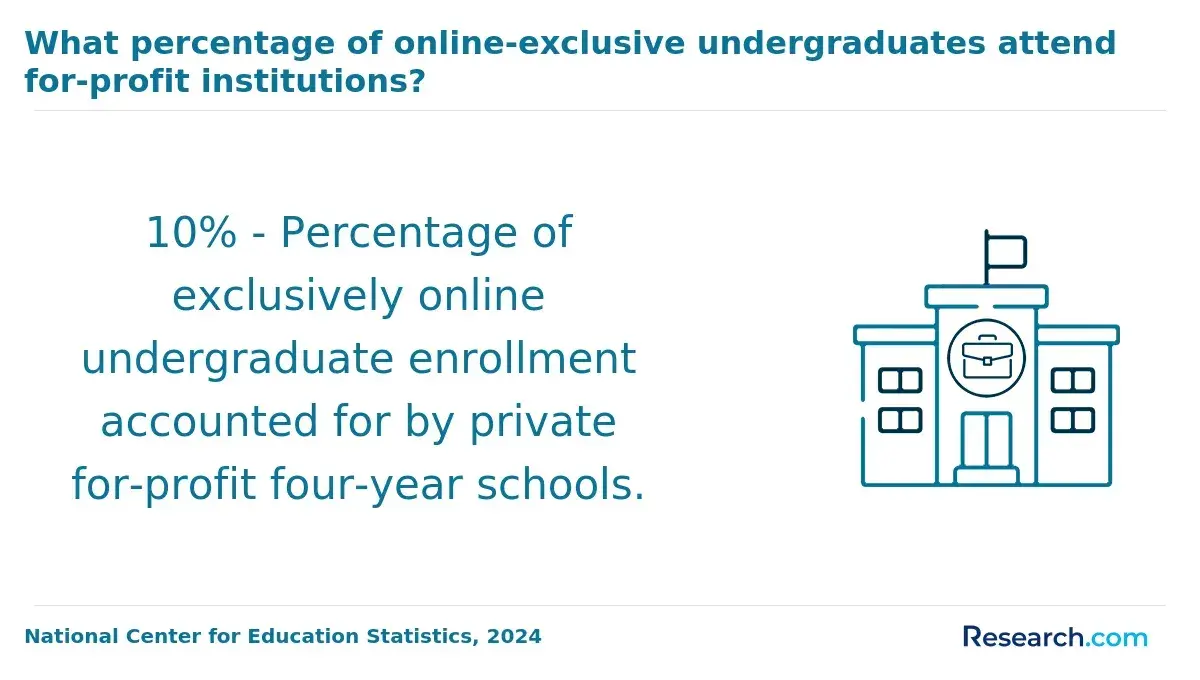
The National Center for Education Statistics notes a 10% annual growth in online graduate enrollments over recent years, reflecting growing acceptance of online learning in fields like design.
- Salary Gain: Master's degree holders in graphic design earn significantly more, typically 15-20% higher wages than those with bachelor's degrees, highlighting the market's demand for advanced qualifications.
- Format Neutrality: Research consistently finds negligible salary variations between online and onsite graduates when other factors are equal, underscoring equal employer respect for both formats.
- Lower Unemployment: Advanced degree holders experience lower joblessness rates, offering enhanced career stability.
- Investment Payoff: The salary increase can often recoup program costs within a few years, making graduate education a financially sound choice.
- Growing Online Demand: Increasing online graduate enrollments demonstrate rising acceptance and flexibility for remote learning options.
A professional who completed her online graphic design master's program shared that while juggling work and study was challenging, the flexibility was invaluable. She noted, "At first, I wondered if an online degree would carry the same weight, but after graduation, the salary offers aligned with my expectations, similar to peers from traditional programs." Reflecting on her job search, she emphasized how her portfolio and skill mastery, rather than the program delivery mode, influenced hiring decisions. Her experience highlights the necessity of demonstrating tangible skills alongside credentials in today's competitive market.
Several sectors demonstrate varying openness to candidates holding online master's degrees in graphic design. Technology firms, especially those specializing in software and user experience, lead the acceptance spectrum by valuing demonstrated skills and portfolios over degree format. Consulting agencies follow closely, prioritizing the ability to communicate and solve problems creatively.
Healthcare organizations increasingly incorporate graphic design for patient education and branding needs, showing moderate acceptance. Government roles are more cautious, often requiring strong accreditation and verifiable accomplishments for online credentials. Nonprofit organizations tend to fall lower in acceptance but vary widely depending on organizational priorities.
The shift toward skills-based hiring is transforming employer attitudes. The National Association of Colleges and Employers' Job Outlook 2026 report reveals that 70% of employers now emphasize practical skills and project experience instead of solely focusing on traditional degrees. This evolution benefits online graduates by enabling them to compete on portfolio strength and relevant software proficiency.
Large corporations, including many Fortune 500 companies, are increasingly open to recruiting online master's graduates, sometimes removing strict degree format requirements altogether. Conversely, small businesses often place even greater emphasis on hands-on experience regardless of educational background. Public sector hiring remains mixed, with a trend toward acceptance contingent on institutional accreditation and proof of candidate capabilities.
Applicants should rely on documented employer policies and verified data when evaluating the market for online graphic design degrees. Unsubstantiated claims about employer preferences can mislead job seekers and hinder realistic career planning.
- Industry Acceptance Ranking: Tech leads, followed by consulting, healthcare, government, and nonprofits, ranked by openness to online graphic design master's degrees.
- Skills-Based Hiring Trends: Seventy percent of employers prioritize skill demonstration over traditional credentials, aiding online degree holders in competitive fields.
- Employer Types: Fortune 500 firms actively recruit online grads and relax degree format restrictions, while small businesses focus heavily on practical skills.
- Public Sector Variability: Government hiring varies, typically requiring verified accreditation and proven results for online credentials.
- Data-Driven Evaluation: Candidates should base employer perceptions on verified information to avoid speculation or misleading assumptions.
Many online graphic design master's programs offered by well-established universities provide curricula identical to their on-campus counterparts. These programs frequently use the same syllabi, instructors, and assessment methods, ensuring students receive equivalent academic rigor and content quality. This curriculum equivalency serves as a crucial factor for employers evaluating the validity of online degrees.
Regional and programmatic accreditors play a significant role by mandating consistent quality standards across all delivery formats. This regulatory oversight reassures hiring managers that degrees from accredited online programs demonstrate the same scholarly rigor as traditional ones. According to the National Center for Education Statistics, over 80% of graduate students in online programs attend institutions accredited by recognized agencies, reinforcing confidence in these qualifications.
While collaborative and peer-learning experiences are vital in graphic design education, many online programs have addressed this through synchronous instruction, virtual cohorts, and project-based learning. These approaches foster interaction and critique comparable to in-person studios, supporting creativity and skill development. Certain specializations requiring hands-on labs or studios often provide hybrid options or local partnerships to meet these needs without compromising academic standards.
- Curriculum Consistency: Online programs frequently use identical syllabi and faculty as on-campus courses, ensuring equal academic quality.
- Accreditation Assurance: Regional and programmatic accreditation enforce uniform quality benchmarks that maintain degree credibility.
- Interactive Learning: Synchronous sessions and virtual collaboration replicate key peer-learning environments vital for creative disciplines.
- Hands-On Requirements: Hybrid models and partnerships accommodate necessary studio work for certain graphic design specializations.
- Enrollment Trends: A growing majority of online graduate students enroll in accredited programs, highlighting increasing employer trust.
Online learning for graphic design skill development has transformed from a perceived weakness into a strategic advantage, particularly through its emphasis on self-directed study. This mode of learning cultivates essential competencies such as time management, autonomy, and self-motivation, which align closely with the National Association of Colleges and Employers (NACE) career readiness framework. Employers increasingly value these skills, as they reflect real-world workplace demands where individuals must independently juggle multiple projects and deadlines.
Moreover, digital collaboration tools and asynchronous communication embedded in virtual graphic design programs equip students with abilities to engage effectively in distributed teams, reflecting modern creative workflows. These technologies enhance project management and digital literacy skills, which are critical in today's decentralized work environments. Such online programs intentionally design curricula to build these competencies, even without a traditional campus setting, thus improving graduate preparedness for evolving industry expectations.
The impact of virtual graphic design programs on job readiness is further validated by employer surveys and graduate outcome data, which often show that online alumni possess practical and technical skills comparable to-and sometimes exceeding-those of their on-campus peers. However, networking, in-person mentorship, and campus recruiting events remain areas where online students must be especially proactive to gain equal access to opportunities.
- Self-Directed Learning: Online programs develop discipline and autonomy, preparing students to meet employer expectations for managing deadlines and prioritizing tasks independently.
- Digital Collaboration: Use of remote teamwork tools and asynchronous communication mirrors real-world creative team environments.
- Career Readiness Competencies: Curriculum is mapped to NACE standards like professionalism, adaptability, and technology application to ensure comprehensive skill development.
- Comparable Skill Outcomes: Data indicates online graduates often have strong applied skills, validating the effectiveness of well-structured online programs.
- Networking Challenges: Online students need to actively build industry connections and seek mentorship typically facilitated on campus.
Prospective students interested in advancing leadership alongside design skills may also explore options like a PhD in leadership online to complement their creative expertise.
Graduate employment outcomes and alumni data provide critical insight into the real-world value of online graphic design master's degrees. Prospective students are advised to request official job placement rates, median starting salaries, and comprehensive lists of employer partners directly from programs before enrolling. This direct data allows comparison beyond marketing claims and gives a clearer picture of career success after graduation, a vital factor in alumni career success and hiring trends in online graphic design graduate programs.
Benchmarking program outcomes against third-party data enhances evaluation. The U.S. Department of Education's National Center for Education Statistics (NCES) Integrated Postsecondary Education Data System (IPEDS) graduation rate data and the National Association of Colleges and Employers (NACE) graduate outcomes surveys offer external standards to measure a program's performance. These frameworks help determine if a program's published results stand above, meet, or fall below sector averages, ensuring a fact-based approach to selecting a program.
Self-reported outcomes can be unreliable due to selective disclosure and inconsistent follow-up. Programs with independent verification-such as external audits by accounting firms or validation through NACE surveys-provide stronger evidence of quality. Transparency and robust verification serve as indicators of program rigor and alumni career readiness, which matter increasingly as employers prioritize demonstrable skills over the mode of instruction.
- Third-Party Verification: Independently audited placement rates and salary data significantly increase reliability compared to self-reported figures often influenced by selective reporting.
- Benchmark Comparisons: Utilizing NCES IPEDS and NACE data helps students contextualize program outcomes within nationally recognized averages and industry standards.
- Employer Connections: Programs listing active employer partners demonstrate stronger industry ties critical for job placement and professional networking.
- Alumni Career Insights: Access to median starting salaries and career progression data reveals the long-term value and salary negotiation leverage graduates may expect.
- Skills-Based Hiring: Emphasis on portfolio quality and relevant skills drives employer acceptance of online graphic design credentials alongside traditional degrees.
Prospective students can also benefit from reviewing related fields when researching professional pathways, for instance, exploring online PsyD programs for comparisons of graduate outcome transparency and accreditation standards.
Several persistent myths about online graphic design master's degrees wrongly suggest they denote lower academic ability, lack accreditation, or offer an easier and faster route compared to traditional programs. However, evidence counters these claims. The Excelsior College and Zogby Analytics survey reveals that 83% of executives now consider online degrees equally credible, marking a notable shift in employer perspectives.
Many reputable universities provide fully accredited online programs with rigorous coursework matching their campus counterparts. Additionally, the growing acceptance of remote work and digital collaboration tools means skills acquired through online education align well with current professional demands. The entrance of prestigious institutions into the online realm has also enhanced the perceived quality and legitimacy of these degrees, further narrowing the credibility gap once associated with them.
- Equal Academic Rigor: Accredited online graphic design master's programs uphold standards equivalent to on-campus degrees, disproving the notion they are less demanding.
- Growing Employer Acceptance: Over 80% of hiring managers regard online degrees as having equal value to traditional ones, according to recent surveys.
- Prestigious Institutions' Involvement: The participation of elite universities in online education has boosted the credibility of these programs substantially.
- Remote Work Integration: The normalization of digital workflows ensures online learning outcomes meet modern workplace expectations effectively.
- Dedication Demonstrated: Successfully completing an online graphic design master's shows strong self-discipline and commitment, traits valued by employers.
Professionals with an online graphic design master's degree can expect favorable long-term career prospects, supported by data from the U.S. Bureau of Labor Statistics (BLS). Occupations closely linked to graphic design-such as art directors, multimedia artists, and marketing managers-often require or benefit from an advanced degree, demonstrating steady growth and strong earning potential.
Art directors are projected to grow by 8% through 2032, with a median annual wage near $99,890. Multimedia artists and animators are expected to increase by 7%, earning median wages around $79,300, while marketing managers are forecasted to grow 10%, with median salaries close to $137,900.
Research from the BLS Monthly Labor Review highlights that professionals moving from a bachelor's to a master's degree in related fields see an average annual earnings boost of about $24,588, increasing median wages from roughly $69,459 to $94,047. This significant wage uplift underscores the value of graduate education.
Over time, the mode of degree completion-whether online or traditional-is less relevant as employers prioritize demonstrated skills and accomplishments. A well-established professional portfolio outweighs concerns about degree format during hiring and promotions.
Reflecting its growing legitimacy, the National Center for Education Statistics (NCES) reported that 2,506,983 graduate students enrolled exclusively in online programs during 2023-24, signaling widespread employer recognition of online graduate credentials.
- Projected Job Growth: Key roles including art directors and multimedia artists are poised for steady expansion, offering increased opportunities through 2032.
- Salary Enhancement: Advancing to a master's degree in graphic design-related fields typically brings a sizeable average wage increase exceeding $24,500 annually.
- Credential Endurance: Employers focus on proven skills and achievements over the delivery method of the degree as careers mature.
- Employer Acceptance: The rise in exclusively online graduate enrollments reflects a shift toward broader acceptance of online credentials by employers nationwide.
What Graduates Say About Employer Reception to Their Online Graphic Design Master's Degree
- Michaela: "Completing my online graphic design master's degree was a game-changer in how my employer viewed my qualifications. The fact that the program was fully accredited gave them confidence in my skills, which led to new projects and leadership opportunities. I'm more assured than ever about the value of pursuing a respected online degree in this field."
- Willa: "When I first shared that I earned my master's degree in graphic design through an online program, my employer was surprisingly open and supportive. It made me realize that the industry's perception is shifting towards recognizing the quality and rigor of accredited online education. This change was crucial for me, as it paved the way for a smooth career transition into a creative role I'm passionate about."
- Jasmine: "From a professional standpoint, earning an online graphic design master's degree was a strategic decision that paid off. Initially, some skepticism existed about online credentials, but my employer quickly recognized the depth of knowledge and practical skills I brought to the table. This experience reinforced how important it is to choose an accredited program that challenges you and earns industry respect."
Other Things You Should Know About Graphic Design Degrees
Skills-based hiring trends emphasize demonstrable design abilities and software proficiency over formal degrees alone. However, an online graphic design master's degree that integrates hands-on projects and current industry tools remains relevant as it provides both skill validation and theoretical knowledge. Employers increasingly look for candidates who balance formal education with real-world experience, making accredited online master's programs a viable path.
Yes. In graphic design hiring, a strong portfolio usually outweighs the school name. Employers often review 8 to 15 project samples, plus software skills in Adobe Creative Cloud, Figma, or motion tools. A regionally accredited master's still helps for senior roles and teaching-track jobs.
Graduates should highlight the rigor of their online degree and the practical skills they mastered, such as user experience design, typography, or digital illustration. Positioning the degree alongside a well-curated portfolio demonstrates both academic achievement and creative capability. Emphasizing any collaboration on real client projects or internships during the program can further enhance employer perception and credibility.
- Evaluating the ROI of a Graphic Design Degree https://theartcareerproject.com/evaluating-roi-graphic-design-degree/
- Graphic design graduates 'competing' against AI for jobs https://www.bbc.com/news/articles/ce9rv4p8pejo
- Jobs after school - what prospects for graphic design graduates? https://www.esma-artistique.com/en/news/employment-after-school-prospects-for-graphic-design-graduates/
- 7 Graphic Design Myths (no one tells you) - Yes I'm a Designer https://yesimadesigner.com/7-graphic-design-myths-no-one-tells-you/
- How to Check if a Graduate Program is Accredited (and Why This Matters) | ProFellow https://www.profellow.com/tips/how-to-check-if-a-graduate-program-is-accredited-and-why-this-matters/
- 15 Exciting Career Paths After Graphic Design Course https://alifbyteedu.com/types-of-career-after-graphic-design-course/
- Arts and Design Alumni Employment and Perspectives on Their Work and⦠https://snaaparts.org/findings/reports/arts-and-design-alumni-employment-and-perspectives-on-their-work-and-careers
- The Ultimate Guide to Accreditation for Master’s Students https://www.onlinemastersdegrees.org/student-resources/graduate-school-accreditation/
- Career Benefits of Learning Graphic Design https://mohalischoolofdigitalmarketing.com/2024/08/career-benefits-of-learning-graphic-design/
- What can I work in if I study the Official Online Master's Degree in Graphic Design? https://www.udit.es/en/en-que-puedo-trabajar-si-estudio-el-master-oficial-online-en-diseno-grafico/