
2027 Are Online Family Nurse Practitioner Doctorate Degrees Respected by Employers? Hiring Trends and Career Outcomes

Co-Founder and Chief Data Scientist
Many nurses considering an online Family Nurse Practitioner doctorate want one answer first: will employers take it seriously? The short answer is yes, when the program is properly accredited and aligned with licensure and hiring expectations. The stakes are high because the U. S. Bureau of Labor Statistics reported a $129,210 median annual wage for nurse practitioners in May 2024, making program choice a major financial decision.
This guide explains employer perceptions, ROI, salary impact, online-versus-campus value, and practical steps for choosing a doctorate that supports real career advancement.
Key Things You Should Know
- Employers generally respect online Family Nurse Practitioner doctorates when the school is institutionally accredited, the nursing program is CCNE- or ACEN-accredited, and the degree supports state APRN licensure and national FNP certification eligibility.
- The strongest salary signal comes from the occupation, not the delivery format: BLS May 2024 data placed the median annual wage for nurse practitioners at $129,210, while the doctorate may add value mainly through leadership, faculty, policy, quality-improvement, and advanced clinical roles.
- Demand remains favorable: BLS projections published in 2024 estimated 46% employment growth for nurse practitioners from 2023 to 2033, but ROI still depends on tuition, debt, time away from work, employer tuition support, and whether your target role actually rewards a DNP or other doctorate.
What Is the True ROI of an Online Family Nurse Practitioner Doctorate?
The true ROI of an online Family Nurse Practitioner doctorate is not just the difference between tuition paid and salary earned after graduation. It is the combined career value of the credential, including licensure eligibility, employer recognition, promotion potential, leadership access, professional credibility, and whether the degree helps you reach roles that were previously difficult to enter.
Most online FNP doctorates are Doctor of Nursing Practice programs, often called DNP programs. A DNP is a practice-focused doctorate designed for advanced clinical care, systems leadership, evidence-based practice, quality improvement, informatics, and population health. A PhD in nursing is different: it is research-focused and is usually a better fit for nurse scientists, tenure-track academic research roles, and grant-funded scholarship.
For employer respect, the word "online" usually matters less than the credential's substance. Hiring managers typically look at whether the program is accredited, whether the graduate is eligible for APRN licensure, whether clinical placements were legitimate, and whether the nurse can demonstrate strong patient-care judgment. If you are still comparing earlier education pathways, reviewing online nurse practitioner programs can help you understand how cost, format, clinical requirements, and accreditation differ before committing to a doctoral route.
The following table summarizes the main factors that influence ROI and employer recognition. It is useful because two programs with similar tuition can produce very different career value depending on accreditation, clinical quality, and employer connections.
| ROI factor | Why it matters to employers | How it affects the student's decision |
| Institutional accreditation | Signals that the school meets recognized higher education standards. | Avoid programs that cannot clearly document accreditation recognized by the U.S. Department of Education or CHEA. |
| Nursing program accreditation | CCNE or ACEN accreditation is often important for licensure, certification, employment, and graduate study. | Verify the specific DNP or FNP program, not just the university, before applying. |
| Certification eligibility | FNP employers usually expect eligibility for national certification through organizations such as AANPCB or ANCC. | Confirm that the curriculum meets your state board and certification exam requirements. |
| Clinical placement quality | Employers care whether the graduate completed supervised, relevant clinical training. | Ask whether the school helps secure placements and whether preceptors match your target specialty or region. |
| Career alignment | A doctorate is most valuable when tied to a specific role, such as clinical leadership, faculty work, or executive practice. | Do not assume a doctorate automatically raises compensation in every direct-care FNP job. |
The best ROI usually appears when the doctorate helps a nurse move beyond routine clinical practice into higher-responsibility work. Examples include leading care models, managing quality initiatives, teaching future clinicians, directing advanced practice teams, or competing for roles where a terminal nursing degree is preferred.
How Much Does an Online Family Nurse Practitioner Doctorate Increase Earning Potential?
An online Family Nurse Practitioner doctorate can increase earning potential, but the increase is not automatic. In many primary care settings, employers pay based on role, productivity, specialty, region, experience, and certification rather than whether the degree was completed online or on campus. The doctorate becomes more financially meaningful when it qualifies or strengthens a candidate for higher-paying leadership, specialty, administrative, academic, or system-level roles.
The strongest baseline data point is the labor market for nurse practitioners overall. According to BLS May 2024 wage data, nurse practitioners had a median annual wage of $129,210. That figure does not isolate DNP-prepared FNPs, but it gives students a reliable benchmark for the occupation before calculating whether doctoral tuition, fees, and time investment make sense.
Students should be careful not to interpret doctoral education as a guaranteed pay raise. A newly certified FNP with a DNP may not out-earn a highly experienced MSN-prepared FNP in the same clinic. Conversely, an experienced FNP who uses the doctorate to move into clinical director, service-line leadership, faculty, informatics, or quality-improvement work may see stronger financial upside over time.
Use these questions to estimate your personal earning potential before enrolling. They matter because salary outcomes vary widely by state scope-of-practice laws, employer type, specialty, payer mix, and whether the role includes administrative responsibility.
- Does your current employer offer a salary differential, promotion pathway, or leadership track for DNP-prepared nurse practitioners?
- Do job postings in your target region list a doctorate as required, preferred, or simply acceptable?
- Are you aiming for direct patient care only, or do you want a hybrid role involving clinical leadership, quality, education, or policy?
- Will the program's clinical experiences, scholarly project, and faculty network help you document expertise in a high-demand area such as primary care access, rural health, geriatrics, behavioral health integration, or telehealth?
A practical way to evaluate salary value is to compare three numbers: the income you can earn now, the realistic income range for your target role, and the total cost of the degree. If the target role does not require or reward a doctorate, a lower-cost certificate, specialty training, or employer-sponsored continuing education may produce a better short-term return.
Which Careers Provide the Best Financial Return With an Online Family Nurse Practitioner Doctorate?
The best financial return usually comes from careers where the doctorate adds authority, leadership eligibility, or specialized credibility beyond basic FNP practice. For many nurses, the strongest path is not leaving patient care entirely but combining advanced practice with management, education, systems improvement, or population health responsibilities.
The table below compares several career directions that may reward an online FNP doctorate. The salary figures are occupational benchmarks, not promises for doctorate holders, but they help show where the degree may support higher-value roles.
| Career direction | How the doctorate may help | Salary context | Best fit |
| Family Nurse Practitioner | Supports advanced clinical preparation, evidence-based practice, and credibility with complex patient populations. | BLS May 2024 median annual wage for nurse practitioners: $129,210. | Nurses who want long-term advanced clinical practice in primary care, urgent care, community health, or outpatient settings. |
| Lead FNP or advanced practice provider manager | Can strengthen readiness for supervising APP teams, standardizing protocols, and leading quality initiatives. | Compensation varies by employer and leadership scope because these roles may combine clinical and management duties. | Experienced FNPs who want formal authority without leaving clinical practice completely. |
| Clinical director or service-line leader | Demonstrates preparation in systems leadership, outcomes measurement, and practice transformation. | Often evaluated under health services management pay structures rather than NP-only pay scales. | FNPs interested in operations, staffing models, patient access, and performance improvement. |
| Nursing faculty or clinical educator | A terminal degree can improve competitiveness for faculty, program leadership, and curriculum roles. | Academic salaries vary substantially by institution, rank, contract length, and clinical practice expectations. | FNPs who want to teach, mentor prelicensure or graduate students, and shape clinical education. |
| Quality, informatics, or population health leader | DNP projects often align well with data-driven care redesign, workflow improvement, and outcome measurement. | Pay depends on whether the role is housed in nursing, analytics, administration, or executive leadership. | Nurses who enjoy using data, technology, and process improvement to improve care at scale. |
Financial return tends to be weaker when the doctorate is used only as an additional credential for a role that already hires MSN-prepared FNPs at the same salary. It tends to be stronger when the degree is paired with experience, measurable leadership accomplishments, and a clear employment market for doctoral-level responsibilities.
How Does an Online Family Nurse Practitioner Doctorate Affect Career Advancement?
An online FNP doctorate can improve career advancement by signaling readiness for more complex responsibilities. Employers may view the degree as evidence that a nurse can evaluate evidence, lead practice change, understand healthcare systems, and manage outcomes. However, advancement depends on how well the student uses the degree, not just on earning the credential.
For nurses still mapping the full pathway into advanced practice, a guide on how to become a nurse practitioner can clarify the sequence of RN preparation, graduate education, certification, licensure, and experience that typically comes before higher-level advancement. This matters because a doctorate does not replace state licensure or national certification requirements.
Employers are most likely to value the doctorate when it is connected to visible career assets. These assets show that the candidate can turn doctoral training into organizational results.
- A doctoral project tied to measurable improvements, such as reduced readmissions, better chronic disease follow-up, improved access to care, or stronger screening workflows.
- Documented leadership experience, including precepting, committee work, protocol development, staff education, or interprofessional collaboration.
- Specialized clinical depth in an area with employer demand, such as rural primary care, geriatrics, women's health, urgent care, behavioral health integration, or telehealth-enabled care.
- Professional communication skills, including the ability to present outcomes, write policy briefs, teach clinicians, and translate evidence into practical workflows.
Current hiring trends make these skills more important. Health systems are under pressure to expand access, manage chronic disease, improve quality metrics, and use technology more effectively. Online DNP programs that include informatics, population health, leadership, and evidence-based practice can align well with these needs, especially when students complete projects in real clinical settings.
A common mistake is assuming the doctorate alone will move a nurse into leadership. A stronger approach is to build a portfolio while enrolled: keep project metrics, request leadership assignments, present at professional meetings, and ask faculty or preceptors for employer-relevant feedback. Hiring managers respond better to proof of impact than to degree titles alone.
How Does the Cost of an Online Family Nurse Practitioner Doctorate Affect Its Overall Value?
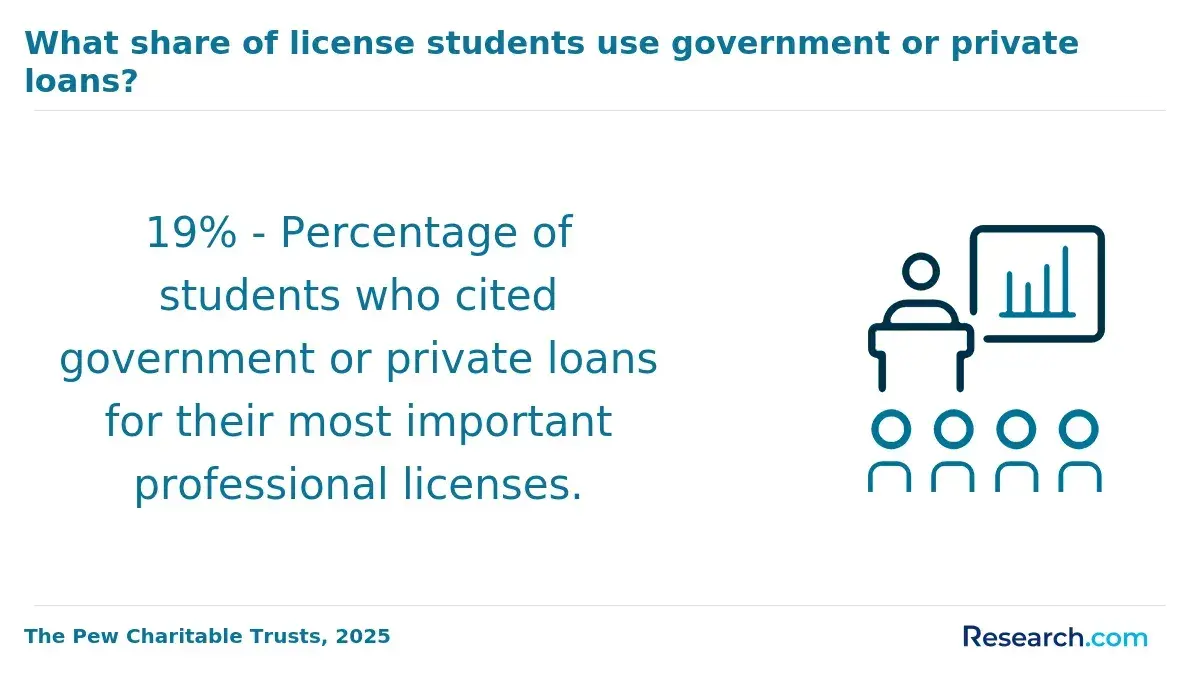
Cost has a direct effect on the overall value of an online FNP doctorate because the same credential can produce very different ROI depending on tuition, fees, transfer credit, clinical travel, technology costs, and lost work hours. A respected program is not automatically a good financial decision if the debt burden is too high for the career path you plan to pursue.
Students should separate program price from total attendance cost. Online programs may reduce relocation and commuting expenses, but they can still require campus intensives, clinical travel, background checks, exam fees, simulation fees, and unpaid time for practicums. Graduate students may also rely on federal loans, and the federal Direct Unsubsidized Loan annual limit for graduate and professional students is $20,500, meaning higher-cost programs may require additional financing sources.
The table below outlines the cost categories that most often change the value calculation. It can help students compare programs beyond advertised tuition.
| Cost factor | Why it changes ROI | What to verify before enrolling |
| Credits required | BSN-to-DNP programs usually require more credits than post-master's DNP programs. | Ask for a degree audit showing required credits after transfer review. |
| Per-credit tuition and fees | Mandatory fees can materially increase the final price. | Request a full tuition-and-fee estimate for the entire program, not one term. |
| Clinical placement expenses | Travel, time off work, onboarding, and preceptor-related requirements can add costs. | Confirm placement support and likely clinical-site expectations in your state. |
| Campus intensives | Online programs may still require in-person sessions. | Ask how often campus visits occur and what travel costs students typically face. |
| Employer tuition assistance | Reimbursement can improve ROI if you meet service or grade requirements. | Review repayment clauses if you leave the employer after receiving support. |
| Opportunity cost | Reduced work hours can affect income during the program. | Estimate whether you can maintain your current schedule during clinical terms. |
A higher-cost program may be worth considering if it offers strong clinical placement support, recognized faculty expertise, employer partnerships, strong certification outcomes, and a network in your target region. But choosing the most expensive option for prestige alone is risky. Employers rarely evaluate online FNP doctorates by price; they evaluate accreditation, licensure readiness, experience, and demonstrated competence.
Red flags include vague tuition estimates, unclear accreditation language, pressure to enroll quickly, poor transparency about clinical placements, and testimonials presented in place of verifiable graduate outcomes. If a school cannot explain how its program supports certification, licensure, and employment in your state, keep looking.
How Does the Time Commitment of an Online Family Nurse Practitioner Doctorate Affect Its ROI?
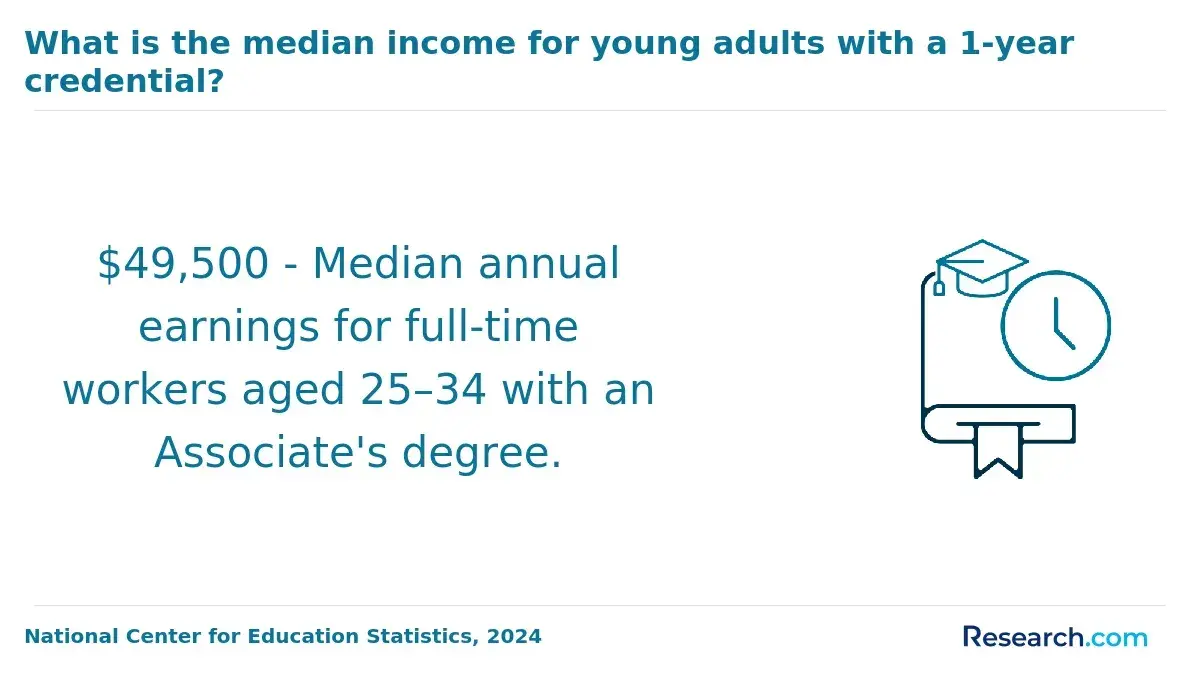
Time commitment affects ROI because doctoral study competes with paid work, family responsibilities, clinical hours, and professional development. An online format can make the degree more accessible, but it does not make the work lighter. Students should expect advanced coursework, clinical or practice hours, scholarly projects, group assignments, and possibly in-person intensives.
Program length depends heavily on entry point. BSN-to-DNP FNP programs generally take longer because they combine advanced practice preparation with doctoral-level coursework. Post-master's DNP programs are usually shorter because students already hold graduate nursing preparation, although they may still need practice hours, leadership coursework, and a final DNP project.
Some nurses consider accelerated nurse practitioner programs because they want to enter advanced practice faster. That can be reasonable for some students, but speed should not come at the expense of clinical quality, certification eligibility, or the ability to keep working safely while studying.
Before choosing a timeline, students should evaluate the workload honestly. These steps can prevent a program from becoming financially or professionally unsustainable.
- Ask the school for a term-by-term plan that includes coursework, clinical or practice hours, intensives, and project milestones.
- Estimate weekly study hours during the heaviest terms, not just the average term.
- Confirm whether clinical hours can be completed near your home and whether your state has placement restrictions.
- Discuss schedule flexibility with your employer before enrolling, especially if you work nights, rotating shifts, or full-time clinical hours.
- Build an emergency buffer for delayed placements, family obligations, illness, or unexpected work changes.
The best timeline is the one you can complete while maintaining clinical performance, financial stability, and personal health. A slightly longer program with strong support may produce better ROI than a faster program that forces students to reduce work unexpectedly or accept weak clinical placements.
Does an Online Family Nurse Practitioner Doctorate Have the Same Career Value as a Campus-Based Degree?
An online Family Nurse Practitioner doctorate can have the same career value as a campus-based degree when the program meets the same academic, clinical, accreditation, and licensure standards. Employers generally do not reject a properly accredited online doctorate simply because courses were delivered online. They are more likely to focus on whether the graduate is licensed, certified, clinically competent, and prepared for the role.
The distinction matters because many "online" FNP doctorates are not fully virtual. They often include supervised clinical practice in approved settings, faculty evaluation, simulation, synchronous sessions, and sometimes campus intensives. The clinical component is especially important for employer confidence because FNP practice requires hands-on patient assessment, diagnosis, prescribing, care coordination, and follow-up.
The table below compares online and campus-based doctoral formats from an employer-recognition perspective. It shows that format alone is rarely the deciding factor.
| Comparison point | Online FNP doctorate | Campus-based FNP doctorate | Employer takeaway |
| Accreditation | Can be fully respected if institutionally and programmatically accredited. | Can be fully respected if institutionally and programmatically accredited. | Accreditation matters more than delivery format. |
| Clinical training | Usually completed in approved local or regional sites. | Often completed through campus-affiliated or regional sites. | Employers look for quality, supervision, and relevance of clinical experiences. |
| Networking | May require more intentional effort through faculty, preceptors, associations, and virtual events. | May offer easier access to local campus networks and health system relationships. | Networking strength varies by program, not just format. |
| Flexibility | Often better for working nurses and students outside major academic centers. | May be less flexible but can offer more face-to-face interaction. | Flexibility can improve completion likelihood for working clinicians. |
| Employer perception | Strong when the school is reputable, accredited, and transparent about clinical standards. | Strong when the school has recognized clinical and academic quality. | Employers may ask about the school and clinical preparation, not the online label alone. |
The main risk with online programs is not online learning itself; it is choosing a program with weak placement support, unclear licensure alignment, or poor transparency. Students should also avoid hiding the degree format. Most résumés do not need to state "online," but if asked, candidates should confidently explain that the program was accredited, clinically supervised, and aligned with certification and licensure standards.
How Does an Online Family Nurse Practitioner Doctorate Compare With Other Career Advancement Options?
An online FNP doctorate is only one route to career advancement. For some nurses, it is the strongest long-term option; for others, a master's degree, post-graduate certificate, specialty certification, leadership training, or targeted clinical experience may provide better value. The right choice depends on your current credential, target role, timeline, and financial tolerance.
A DNP is most compelling when your goal requires advanced practice preparation, terminal practice expertise, or leadership credibility in clinical systems. It may be less necessary if you want a narrower skill upgrade, a faster move into a specific specialty, or a role where employers clearly state that a master's degree is sufficient.
The comparison below helps clarify when the doctorate is likely to be the better investment and when another option may make more sense. It is especially useful for nurses who are deciding whether to enroll now or build experience first.
| Option | Typical purpose | When it may be better than a doctorate | When a doctorate may be better |
| MSN FNP | Prepares nurses for FNP certification and APRN practice. | When the goal is to become an FNP with the lowest reasonable time and cost. | When the student wants terminal practice preparation or leadership roles from the start. |
| Post-master's DNP | Adds doctoral-level practice, leadership, and evidence-translation preparation. | Not applicable if the student does not already have graduate nursing preparation. | When an experienced APRN wants advancement without repeating entry-level NP preparation. |
| Post-graduate certificate | Adds a new NP population focus or specialty eligibility. | When the student already has a graduate degree and wants a specific additional clinical focus. | When leadership, systems change, faculty roles, or terminal degree status are central goals. |
| Specialty certification | Documents focused expertise in areas such as diabetes care, emergency care, or wound care. | When employers value a specific specialty skill more than another degree. | When the target role requires broader doctoral preparation or organizational leadership. |
| Leadership certificate or MBA coursework | Builds management, finance, and operations skills. | When the nurse wants administrative skills but not advanced clinical doctoral preparation. | When the nurse wants leadership grounded in advanced nursing practice and patient outcomes. |
A common mistake is treating the doctorate as the default "best" credential. It is best only when it fits the job you want. If job postings in your region do not prefer a doctorate, and if your employer does not reward it, building experience or completing a targeted credential first may be the smarter move.
Which Professionals Benefit Most From an Online Family Nurse Practitioner Doctorate?
The professionals who benefit most from an online FNP doctorate are usually nurses with a clear career direction and enough clinical maturity to use doctoral training strategically. The degree is especially valuable when it supports a defined next step rather than serving as a general hope for higher pay.
Strong candidates often fall into a few groups. These categories are useful because they show where employer respect is most likely to translate into real career value.
- Experienced RNs who want to become FNPs and prefer a BSN-to-DNP route that combines advanced practice preparation with terminal practice education.
- Current MSN-prepared FNPs who want to move into leadership, faculty, quality improvement, policy, informatics, or advanced clinical strategy roles.
- Nurses in rural, underserved, or primary care shortage areas who want stronger preparation for independent judgment, care coordination, and population health improvement.
- Clinicians who already have employer support, such as tuition reimbursement, promotion pathways, leadership projects, or a guaranteed opportunity to apply doctoral work in practice.
- Nurses who want to teach or precept and need a terminal degree to become more competitive for academic or program leadership roles.
The degree may be a poor fit for nurses who are uncertain about advanced practice, unwilling to complete rigorous clinical and scholarly work, or primarily seeking a quick salary increase. It may also be less efficient for nurses whose target job requires a different credential, such as a nurse anesthesia doctorate, psychiatric-mental health NP preparation, healthcare administration degree, or research-focused PhD.
Employer recognition can also vary by region and setting. Large academic medical centers may be more familiar with DNP preparation, while smaller practices may focus more on licensure, productivity, interpersonal skills, and patient panel management. In independent practice states, FNPs may have broader practice authority, but state laws still vary, and graduates must verify requirements with their board of nursing.
How Can Students Decide Whether an Online Family Nurse Practitioner Doctorate Is Worth It?
Students can decide whether an online FNP doctorate is worth it by testing the degree against their target job market, licensing requirements, financial limits, and preferred timeline. The best decision is evidence-based: it uses job postings, accreditation verification, employer conversations, program outcomes, and a realistic cost estimate rather than rankings or marketing claims alone.
Start by defining the job you want three to five years after graduation. Then work backward from employer requirements. If you are still trying to identify accessible entry points into NP education, comparing the easiest NP program options can be useful, but "easy" should never mean unaccredited, clinically weak, or poorly aligned with certification requirements.
Use the following decision process before enrolling. It is designed to help you avoid the most common mistakes that reduce employer recognition and ROI.
- Verify institutional accreditation through recognized accreditation databases and confirm that the nursing program itself holds CCNE or ACEN accreditation.
- Confirm that the program meets FNP certification and APRN licensure requirements in the state where you plan to practice.
- Review job postings from your target employers and note whether they require, prefer, or ignore doctoral preparation.
- Ask admissions staff for graduate outcomes, certification pass-rate information, clinical placement support details, and employer partnerships.
- Calculate total cost, including tuition, fees, travel, clinical expenses, loan interest, and potential lost income from reduced work hours.
- Speak with hiring managers, current FNPs, alumni, and preceptors in your region to learn whether the program has a positive reputation.
- Evaluate whether the curriculum includes leadership, informatics, population health, evidence-based practice, and a doctoral project relevant to your career goals.
- Plan how you will market the degree through measurable outcomes, not just the credential name, on your résumé and LinkedIn profile.
Students should also ask direct questions before committing. Good questions include: Who is responsible for finding clinical placements? What happens if a placement falls through? Are graduates eligible for certification in my state? What employers commonly hire graduates? How many students complete on time? What support exists for working nurses?
The final decision should be practical. An online FNP doctorate is worth it when it is accredited, affordable enough for your financial situation, compatible with your life, respected in your target market, and connected to roles that actually value doctoral-level preparation. It is not worth it if the program creates heavy debt without improving licensure eligibility, clinical preparation, employer access, or advancement potential.
Other Things You Should Know About Family Nurse Practitioner
No. FNP scope of practice varies by state. Some states allow full practice authority, while others require physician collaboration or supervision. Always check the board of nursing rules in the state where you plan to work.
Most FNP graduates pursue national certification through the American Association of Nurse Practitioners Certification Board or the American Nurses Credentialing Center. Employers typically expect certification plus state APRN licensure.
Yes. Online coursework does not eliminate clinical requirements. Students usually complete supervised clinical or practice hours in approved healthcare settings, often near their home region if the school allows it.
Rules and expectations vary by state and employer. DNP-prepared nurses should follow state title laws, workplace policy, and clear patient communication practices to avoid confusion about their professional role.
References
- Best Online Nurse Practitioner Programs 2026 https://www.onlineu.com/degrees/nurse-practitioner
- AACN Fact Sheet - DNP https://www.aacnnursing.org/news-data/fact-sheets/dnp-fact-sheet
- The Complete Breakdown of Online DNP Programs: Your Path to the Top of Nursing – FRESHRN https://www.freshrn.com/online-dnp-programs/
- MSN vs DNP Degree - What’s the Difference? https://nursinglicensemap.com/nursing-degrees/dnp-degree-programs/msn-vs-dnp/
- Online Doctor of Nursing Practice DNP Degree Programs https://teach.com/online-ed/healthcare-degrees/online-doctor-of-nursing-practice-programs/
- A Look at The Job Satisfaction of Nurse Practitioners https://onlinedegrees.bradley.edu/blog/nurse-practitioner-job-satisfaction
- Career Goals https://doctorsofnursingpractice.org/forums/topic/career-goals/
- How Do Employers View Online Nurse Practitioner Education? | ThriveAP https://provider.thriveap.com/blog/how-do-employers-view-online-nurse-practitioner-education
- Main navigation https://onlinenursepractitionerprogram.com/nurse-practitioner-programs
- Can You Earn a DNP Online? | All Nursing Schools https://www.allnursingschools.com/dnp/online-or-on-campus/


