2027 Adult Gerontology Acute Care Nurse Practitioner Practicum Requirements Explained

Co-Founder and Chief Data Scientist
Students pursuing an Adult Gerontology Acute Care Nurse Practitioner degree often face challenges securing practicum placements that meet strict clinical hour and supervision requirements. Many programs mandate a specific number of supervised clinical hours, adherence to background checks, minimum GPA thresholds, and placements in approved acute care settings-criteria that vary by state and program. These requirements can significantly impact graduation timelines and eligibility for national certification.
A recent study found that 68% of nurse practitioner students report difficulties finding clinical sites, highlighting a growing bottleneck in experiential learning. This article explains Adult Gerontology Acute Care Nurse Practitioner practicum requirements and offers guidance to help students navigate and fulfill these critical criteria efficiently.
Key Things To Know About Adult Gerontology Acute Care Nurse Practitioner Practicum Requirements
- Practicum placements provide essential hands-on experience, enabling students to apply theoretical knowledge directly to acute care settings under supervision-bridging classroom learning with practical patient management skills.
- Supervised clinical hours cultivate critical decision-making and specialized assessment skills vital for adult gerontology acute care, enhancing professional competence and confidence before independent practice.
- Field internships and clinical rotations foster networking opportunities and professional mentorships that facilitate career advancement and ease transition into advanced nursing roles.
What Is A Practicum In Adult Gerontology Acute Care Nurse Practitioner Program?
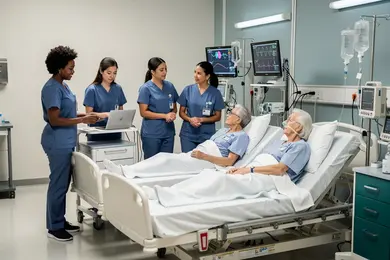
A practicum within Adult Gerontology Acute Care Nurse Practitioner programs serves as a vital bridge between academic coursework and hands-on clinical experience. These practicums are designed to immerse students in real-world healthcare environments under supervision, aligning with standard structures seen across U.S. higher education curricula. Studies reveal that over 85% of nursing employers prefer graduates with significant clinical practicum experience, emphasizing its importance in workforce readiness.
The main components of a practicum emphasize practical skill-building and professional development through focused, supervised fieldwork:
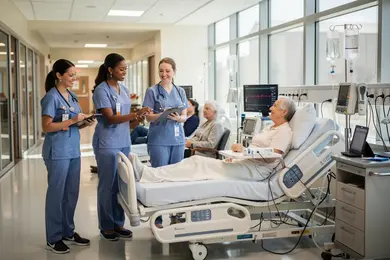
- Structured Fieldwork: Practicums occur primarily in clinical settings such as hospitals or specialized acute care centers, providing direct exposure to adult and geriatric patient populations with complex conditions. This distinct hands-on training complements theoretical learning.
- Timing and Sequence: Typically completed after foundational coursework but before final certification exams, practicums secure the application of knowledge in authentic care scenarios. This differentiates them from capstone projects or internships by emphasizing direct patient care under clinical supervision.
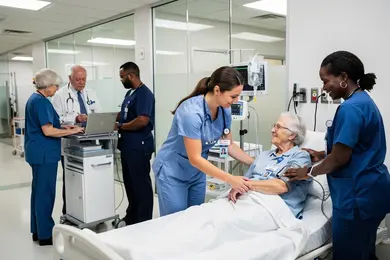
- Supervision and Evaluation: Experienced nurse practitioners or physicians serve as preceptors, offering continuous guidance and formal assessments to ensure students meet competency benchmarks. This feedback loop is integral for professional growth and licensure preparation.
- Clinical Hours and Requirements: Students must complete between 500 and 700 supervised clinical hours, meeting accreditation standards. Prior prerequisites include courses in advanced health assessment, pharmacology, and pathophysiology, alongside background checks and immunizations to maintain patient safety.
- Career Readiness: Practicums build critical competencies and expand students' professional networks, enhancing employability. Their completion is essential not only for graduation but also for eligibility to sit for national certification, distinguishing practicum experience as a strategic career asset within adult gerontology acute care nurse practitioner practicum overview.
For those interested in accelerated healthcare pathways, exploring accelerated certified medical assistant programs may provide additional career options.
What Are The Eligibility Requirements For Adult Gerontology Acute Care Nurse Practitioner Practicum?
Practicum eligibility standards in adult gerontology acute care nurse practitioner programs exist to ensure students are academically and professionally prepared for supervised clinical experiences. Over 80% of nurse practitioner programs enforce minimum benchmarks to guarantee graduates are ready for hands-on, real-world application. These requirements help maintain safety and quality in healthcare settings while promoting effective, experiential learning.
Typical eligibility criteria for adult gerontology acute care nurse practitioner clinical practicum placements include the following:
- Academic Performance: Most programs require a minimum cumulative GPA, commonly 3.0 or higher, to demonstrate a strong foundation in relevant coursework. This standard ensures students possess the theoretical knowledge necessary for safe practice in acute care environments.
- Prerequisite Coursework: Completion of essential courses such as advanced pathophysiology, pharmacology, and health assessment is mandatory before beginning practicum hours. These prerequisites provide the fundamental knowledge base critical for clinical decision-making.
- Competency Verification: Students usually must show proficiency in key clinical skills and critical thinking through simulations, exams, or prior supervised experiences. This verification ensures readiness to apply classroom learning effectively during practicum.
- Administrative Requirements: Compliance with background checks, immunizations, drug screenings, health clearances, and liability insurance is required. These safeguards protect patient safety and meet institutional and legal standards.
- Faculty Approval: Formal permission from program directors or clinical coordinators is often necessary to confirm that students meet academic and professional standards for practicum readiness in adult gerontology acute care nurse practitioner practicum eligibility criteria.
These eligibility standards not only protect patient welfare but serve as a critical foundation for building competencies, fostering professional growth, and improving employability after graduation. For students interested in related healthcare administration fields, exploring masters in health administration programs can also enhance leadership and management skills valuable in clinical settings.
How Many Practicum Hours Are Required For Adult Gerontology Acute Care Nurse Practitioner Program?
Practicum hour requirements in adult gerontology acute care nurse practitioner programs play a vital role in ensuring students gain essential clinical experience needed for high-quality patient care. These requirements differ by institution, state mandates, and accreditation standards, typically calling for substantial hands-on training that aligns with workforce expectations-industry data shows employers highly value graduates with extensive supervised clinical hours.
Key elements influencing practicum hour requirements include:
- Typical Hour Ranges: Programs generally mandate a total of 500 to 700 practicum hours. This broad range reflects differences between master's and doctoral pathways and institutional policies, ensuring students develop sufficient clinical competence before certification.
- Observation vs. Direct Care: While most hours involve direct patient interactions, a meaningful portion includes observation and indirect activities such as charting and case discussions. This mix supports comprehensive skill development beyond just bedside care.
- Phased Clinical Rotations: Clinical training is often segmented into multiple rotations across diverse settings-intensive care units, specialty clinics, and hospitals-to expose students to varied adult patient populations and acute care scenarios.
- Supervision and Verification: Practicums require close oversight by qualified preceptors, with institutions routinely utilizing clinical logs, competency checklists, and supervisor evaluations to monitor progress and validate practicum completion.
- Weekly Time Commitment: Students typically dedicate 12 to 16 hours weekly over one or two semesters, balancing immersive clinical exposure with academic responsibilities. Consistent weekly involvement enhances practical skill retention and confidence.
Reflecting on his practicum experience, a professional who pursued an adult gerontology acute care nurse practitioner degree shared that accumulating the required hours demanded careful time management and adaptability. He described navigating different clinical sites, balancing hands-on care with documentation, and the pressure to meet weekly hour goals as challenging but ultimately rewarding. "It felt intense at times, especially coordinating with busy preceptors and managing patient caseloads," he noted, "but the real-world exposure solidified my confidence and prepared me for the responsibilities ahead." His journey underscored that while the hour requirement can seem daunting, it is instrumental in bridging textbook knowledge with practical clinical expertise.
What Courses Must Be Completed Before Starting Practicum?
Prerequisite coursework plays a critical role in equipping students with the essential knowledge and skills before entering practicum experiences. Academic programs require this foundational training to ensure readiness for complex, supervised clinical practice. In fact, 87% of employers stress the value of well-sequenced coursework to prepare graduates for real-world challenges in healthcare settings.
These prerequisite classes generally cover several key areas:
- Core Theory: Courses in adult and gerontological health provide a deep understanding of disease mechanisms, advanced pathophysiology, and pharmacology. This theoretical base is vital for safe clinical decision-making during practicum.
- Advanced Assessment: Focused on physical and psychosocial evaluation, these classes teach students to collect and interpret patient information accurately-a critical skill for acute care roles.
- Professional Ethics: Training in legal responsibilities and ethical frameworks fosters integrity and accountability, which are essential during monitored clinical experiences.
- Research and Evidence-Based Practice: This coursework emphasizes critical appraisal of clinical studies and the application of current best evidence to improve patient care strategies.
- Communication and Interprofessional Collaboration: These courses enhance skills in professional communication with healthcare teams, patients, and families, preparing students for the multidisciplinary environments typical of practicum placements.
Prerequisite requirements may differ across related fields such as nursing, psychology, or counseling, reflecting discipline-specific emphases and academic progression standards. Students often explore options, including self paced college courses, to meet these criteria effectively, enabling timely eligibility for practicum initiation in adult gerontology acute care nurse practitioner programs.
How Does The Adult Gerontology Acute Care Nurse Practitioner Practicum Placement Process Work?
The practicum placement process in adult gerontology acute care nurse practitioner programs connects academic instruction with essential clinical experience by coordinating structured learning opportunities with external healthcare organizations. These placements are vital for developing practical skills and ensuring compliance with accreditation standards-studies indicate that over 90% of graduates attribute their clinical readiness to such hands-on experiences. This process involves several critical steps that facilitate effective student integration into clinical environments.
The practicum placement process typically includes the following components:
- Eligibility Verification: Programs confirm students have met prerequisites such as foundational coursework, immunizations, and background checks before permitting placement applications. Compliance with institutional and clinical site regulations is rigorously enforced to maintain eligibility standards.
- Application and Matching: Students submit detailed placement requests expressing preferences and availability, while coordinators consider site capacity, geography, and student goals to ensure an appropriate match.
- Host Organization Coordination: Clinical placement coordinators communicate with healthcare facilities to verify the availability of licensed preceptors with acute care expertise and to ensure clinical settings meet educational objectives.
- Faculty Oversight: Faculty advisors review proposed placements for alignment with program requirements, educational outcomes, and necessary documentation such as affiliation agreements and malpractice coverage.
- Orientation and Onboarding: Confirmed placements require students to complete site-specific training, submit requisite paperwork, and familiarize themselves with clinical policies and safety protocols before starting their practicum.
- Supervision and Evaluation: During the practicum, students are supervised by qualified preceptors who monitor and document clinical hours and provide feedback, while faculty periodically assess student progress against competency benchmarks.
A professional who built her career after completing the adult gerontology acute care nurse practitioner practicum recalled the process as both challenging and rewarding. She described navigating the initial eligibility checks and waiting for placement confirmation as requiring patience and persistence. The orientation phase helped her adapt quickly to clinical expectations, while ongoing supervision provided critical mentorship that refined her skills. "The structured approach not only prepared me clinically but also gave me confidence to transition into my role," she shared, emphasizing the practicum's role in bridging academic knowledge with real-world practice.
What Documents And Paperwork Are Required Before Practicum?
Pre-practicum documentation is essential in adult gerontology acute care nurse practitioner programs to verify student eligibility and uphold institutional standards. These requirements ensure compliance with healthcare regulations and prepare students for clinical environments. Studies indicate that over 85% of healthcare training programs emphasize thorough paperwork to facilitate smooth student onboarding and maintain safety.
The following documents and approvals are commonly required before starting a practicum:
- Practicum Application: This formal submission outlines a student's academic progress, clinical interests, and desired placement sites. It acts as the official request to begin the practicum approval process.
- Institutional Approvals: Verification from academic advisors or program directors confirms prerequisite completion and academic preparedness. Such approvals are critical to ensure candidates are eligible for clinical experiences.
- Medical Clearances and Immunizations: Health screenings, including tuberculosis tests and vaccinations like influenza and hepatitis B, are mandatory. Current medical records demonstrate physical ability to participate safely in healthcare settings.
- Background Checks and Liability Waivers: Criminal background screenings protect patient safety and meet regulatory demands. Liability waivers or consent forms outline responsibilities and risks associated with clinical training.
- Confidentiality and Compliance Forms: Students must sign HIPAA agreements and confidentiality contracts to safeguard patient privacy and comply with ethical and legal standards during practicum activities.
- Insurance and Facility-Specific Paperwork: Proof of professional liability insurance is often required, along with site-specific documents like orientation acknowledgments. These ensure students understand facility policies and have proper coverage.
Submission deadlines typically fall several weeks before practicum start dates, allowing administrative staff to validate documents thoroughly. Common errors include incomplete forms or outdated immunization records, which can delay placement approvals and disrupt clinical scheduling.
What Background Checks, Immunizations, Or Clearances Are Needed?
Pre-practicum compliance requirements ensure the health, safety, and legal readiness of adult gerontology acute care nurse practitioner students as they enter clinical settings. These screenings protect both students and vulnerable patient populations, reflecting a vital commitment to ethical and regulatory standards. A 2023 survey revealed that over 90% of healthcare education programs mandate comprehensive background checks and immunization verification before students begin clinical placements.
Common pre-practicum requirements include:
- Criminal Background Checks: These reviews, often including fingerprinting, verify student eligibility and support patient safety. Some offenses may disqualify candidates depending on clinical site policies and state regulations.
- Immunization Records: Proof of current vaccinations such as MMR, hepatitis B, varicella, and influenza is required to prevent disease transmission in healthcare environments.
- Tuberculosis Testing: Routine TB screening-via skin test or chest X-ray-is essential to identify and limit exposure risks within vulnerable populations.
- CPR Certification: Basic Life Support (BLS) certification is universally required, with some sites insisting on advanced certifications like ACLS to meet safety and emergency preparedness standards.
- Drug Screenings and Occupational Health Clearances: Negative drug tests and approvals from occupational health departments confirm compliance with site-specific risk management and legal guidelines.
- Variability by Field and Site: Requirements may differ based on practicum focus, location, and institutional policy; students should consult their program to ensure timely documentation, as delays commonly arise from verification processes.
What Should Students Expect During Adult Gerontology Acute Care Nurse Practitioner Practicum Placement?
Practicum placements in adult gerontology acute care nurse practitioner programs serve to link academic knowledge with supervised clinical experience, emphasizing the application of theory in real-world healthcare settings. This experiential learning model has grown vital in higher education and workforce preparation, with approximately 81% of healthcare employers favoring candidates who possess substantial hands-on training. Such placements allow students to build critical professional competencies required for acute care.
Students engaged in an adult gerontology acute care nurse practitioner practicum should expect experiences that develop their clinical, professional, and communication skills. Key components include:
- Clinical Responsibilities: Students conduct patient assessments, develop treatment plans, and manage complex adult and geriatric acute care cases-tasks reflecting the typical duties of nurse practitioners. This exposure supports critical thinking and clinical decision-making essential for acute care roles.
- Supervision and Mentorship: Students work under experienced preceptors who provide close oversight and constructive feedback. This mentorship fosters skill refinement, professional growth, and ensures adherence to safety and ethical standards during the practicum placement.
- Professional Conduct: Ethical behavior, patient confidentiality, reliability, and professionalism are mandatory in clinical environments. Adhering to these standards prepares students for the demands of healthcare workplace settings and supports their professional reputation.
- Performance Evaluation: Continuous assessments by preceptors and faculty include formative and summative feedback focusing on clinical competence, communication effectiveness, and evidence-based practice adherence. These evaluations guide student progress and readiness for certification.
- Communication Skills: Emphasis is placed on effective interaction with interdisciplinary teams, patients, and families. Developing these skills enhances collaboration and patient advocacy, improving overall clinical outcomes.
- Challenges and Adaptation: Students face demanding schedules and complex patient scenarios, requiring resilience and adaptability. Meeting these challenges builds confidence and prepares students for the realities of acute care practice.
These practicum responsibilities in clinical settings not only support academic requirements but also serve as strategic career assets-enhancing professional networks and employability prospects. For those seeking foundational healthcare education, considering a medical assistant course online may also provide relevant healthcare exposure complementary to advanced nurse practitioner training.
How Are Practicum Students Supervised And Evaluated?
Supervision and evaluation during practicum experiences are essential for guiding adult gerontology acute care nurse practitioner students toward clinical proficiency and professional accountability. These processes support skill development and ensure academic standards are met through structured oversight. Research shows that well-designed experiential learning can improve student competency by up to 40%, reflecting employer expectations for workplace readiness in healthcare settings.
The following elements highlight key components of supervision and evaluation in practicum placements:
- Supervisor Roles: Clinical supervisors-usually experienced nurse practitioners or physicians-oversee student activities daily, providing mentorship and ensuring compliance with clinical protocols. They observe performance firsthand and offer immediate feedback to develop critical thinking and practical skills.
- Faculty Advisors: Academic faculty track overall student progress, align learning objectives, and facilitate communication between clinical sites and educational institutions. Their role includes reviewing evaluation reports and helping students meet both academic and professional milestones.
- Structured Feedback: Ongoing dialogue occurs through regular meetings and progress discussions. Constructive feedback sessions help students reflect on their strengths and identify areas in need of improvement, fostering professional growth through continuous communication.
- Assessment Methods: Multiple evaluation tools are utilized, including direct observation checklists, competency assessments, reflective journals, and comprehensive performance evaluations. These methods capture essential clinical skills, decision-making, and application of theoretical knowledge.
- Variability Across Settings: While supervision and evaluation frameworks differ according to institutional policies, accrediting bodies, and disciplinary requirements, core elements like mentorship, documentation, and competency verification remain consistent to maintain educational quality.
Adult gerontology acute care nurse practitioner practicum supervision methods serve as a critical bridge between academic preparation and real-world clinical expertise, providing foundational experience that enhances employability. Prospective students seeking efficient educational routes might also explore options such as the cheapest online nutrition degree for complementary academic pathways that support healthcare careers.
How Does Practicum Help With Licensure Or Certification Requirements?
Practicum experiences are crucial for meeting licensure and certification standards in Adult Gerontology Acute Care Nurse Practitioner programs. These supervised clinical engagements provide essential opportunities for students to integrate classroom learning with real-world clinical practice under regulatory oversight. Recent data indicates that over 85% of healthcare employers prefer candidates who have completed the required practicum hours, reflecting the importance of this training for workforce readiness.
Key elements of practicum requirements include:
- Clinical Hour Fulfillment: Practicum hours satisfy mandatory clinical time stipulated by licensing authorities. Students engage in hands-on patient care-such as assessments and managing acute conditions-under direct supervision, ensuring practical skill development aligned with certification criteria.
- Competency Verification: Throughout the practicum, students' clinical skills and knowledge are rigorously assessed against established competency benchmarks. This ongoing evaluation ensures they meet the proficiency levels necessary for certification exams and safe independent practice.
- Supervised Training: Licensed practitioners or academic faculty provide structured oversight and evaluations, ensuring the clinical experiences meet accrediting and regulatory standards. This supervision guarantees the integrity and quality of the practicum training.
- Documentation and Compliance: Educational programs meticulously record practicum hours and performance outcomes. These records are essential for licensure applications, serving as formal evidence of regulatory compliance and readiness to practice.
- Discipline-Specific Standards: While practicum expectations vary by field-such as healthcare, counseling, or education-Adult Gerontology Acute Care Nurse Practitioner programs emphasize acute care competencies crucial for certification and patient safety within their clinical placements.
What Do Students Say About Their Adult Gerontology Acute Care Nurse Practitioner Practicum Experience?
- Shane: "My practicum experience as an adult gerontology acute care nurse practitioner student was eye-opening-initially, I struggled to meet some of the eligibility requirements due to prior work settings that didn't align perfectly with the program's criteria. Despite this hurdle, my clinical placement more than met my expectations by exposing me to a variety of acute care scenarios. My preceptor provided consistent, constructive feedback that really helped me grow professionally and feel confident in my clinical decisions."
- Emiliano: "Reflecting on my practicum, I appreciated how structured the supervision was throughout the process-my clinical instructor was always available, yet trusting, allowing me to take the lead on patient care while ensuring safety. The evaluation process was thorough and based on clear competencies, which made me feel like my progress was genuinely tracked. Although I encountered some delays in matching with a site initially, the overall experience strengthened my skills and clarified my career goals in adult gerontology acute care nurse practitioner practice."
- Samuel: "I found the practicum experience to be both challenging and rewarding; the biggest issue was navigating the complex requirements for eligibility, which required extra documentation and advocacy on my part. Once I started my clinicals, my expectations were not only met but exceeded, as I was exposed to diverse patient populations with complex comorbidities. Supervision was professional and supportive-the regular evaluations felt like meaningful milestones rather than rote check-ins, which motivated me to push myself further."
Other Things You Should Know About Adult Gerontology Acute Care Nurse Practitioner Degrees
Yes, many programs now allow telehealth clinical hours as part of the practicum, reflecting the growing use of remote care in acute settings. These experiences must still meet program competencies and be supervised by qualified preceptors. Telehealth placements offer exposure to patient assessments and management in virtual environments, which are relevant to modern acute care practice.
While policies vary, students often have input into selecting preceptors, but final approval usually rests with the program coordinator to ensure the preceptor meets credentialing and clinical expertise standards. Programs prioritize preceptors with active licensure and experience in adult gerontology acute care settings. This ensures proper supervision and relevant clinical exposure.
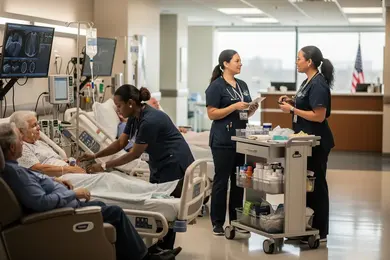
Practicum placements typically occur in inpatient acute care facilities, including hospitals, intensive care units, and specialty care units. Some programs may also allow rotations in emergency departments or step-down units, as these settings provide relevant experiences for managing severely ill adult and older patients. The focus is on settings where acute care competencies can be fully developed.
In 2027, practicum requirements for Adult Gerontology Acute Care Nurse Practitioners often specify limits on the total number of hours that may be spent at a single clinical site to ensure students gain a diverse range of experiences. Typically, programs require rotations across multiple settings to broaden clinical exposure.
References
- Adult Gerontology Acute Care Nurse Practitioner (AG-ACNP) https://nursinglicensemap.com/advanced-practice-nursing/nurse-practitioner/adult-gerontology-acute-care-np/
- LibGuides: Internship Guide: Internship Documentation Checklist https://guides.centralpenn.edu/internship/documentationchecklist
- School of Nursing https://www.ohsu.edu/school-of-nursing/adult-gerontology-acute-care-nurse-practitioner-program-classes-and-requirements
- Practicum vs. Internship in Counseling Programs: What’s the Difference? https://www.nec.edu/news/practicum-vs-internship-counseling-programs
- How To Become an Adult-Gerontology Nurse Practitioner (AGNP) https://betternurse.org/adult-gerontology-nurse-practitioner/
- Background Checks and Security Clearances for Federal Jobs https://gogovernment.org/application-process/background-checks-and-security-clearances-for-federal-jobs/
- iprospectcheck.com: Verifying that you are not a robot... https://iprospectcheck.com/healthcare-background-checks/
- Mandatory Professional Practicum/Clinical Placement https://cewilcanada.ca/EN/EN/Resources/What-is-WIL/Types_of_WIL/Mandatory-Professional-Practicum-Clinical-Placement.aspx
- ACNPC-AG Certification - AACN https://www.aacn.org/certification/get-certified/acnpc-ag
- Immunization Requirements in Healthcare Higher Education https://blog.verifiedcredentials.com/immunization-requirements-in-healthcare-higher-education