Most Affordable Welding Schools & Training - Budget-Friendly Welding Trade Programs in Northeast for 2026

Co-Founder and Chief Data Scientist
Choosing the right welder trade school can shape your future in an exciting and rewarding career. If you’re in the Northeast and looking for affordable options, this article is here to guide you.
The Research.com team of data scientists has created a welder trade school programs ranking to help you make an informed choice. This ranking highlights programs worth considering based on reliable data.
Reading this article will give you confidence in selecting a program that fits your budget and goals, setting you up for success in the skilled trades.
Key benefits of finishing welder trade school in Northeast
- Graduates from welder trade schools in the Northeast can expect starting salaries around $52,249 annually, with hourly wages near $23, reflecting strong demand and competitive pay in this region.
- Career paths include positions like Welder I, welding inspector, or fabricator, offering room for growth and specialization based on skills gained at popular local trade schools.
- Completing a welder trade school online provides flexibility and convenience, allowing students to balance work or family while gaining hands-on skills, as many online graduates from Northeast programs report quicker entry into the workforce.
- Most Affordable Welding Schools & Training - Budget-Friendly Welding Trade Programs in Northeast for 2026
- What can I expect from welder trade schools in Northeast?
- Where can I work after finishing welder trade schools in Northeast?
What can I expect from welder trade schools in Northeast?
Step into a welder trade school in the Northeast, and you'll quickly find yourself balancing sparks and textbooks. Imagine spending half your time at New England Institute of Technology's cutting-edge labs, hands deep in welding gear, mastering techniques like SMAW or TIG welding while your classmates cheer each other's progress. Graduates often recall the thrill of turning blueprints into solid metal, the satisfying weight of a perfectly welded joint, and the confidence gained from OSHA safety drills that feel like second nature.
Expect a mix of intense hands-on workshops and essential theory-metallurgy, structural design, and blueprint reading-that create welders ready to tackle real-world challenges. Programs like those at the New England School of Metalwork pack this into immersive 13-week sessions, while others offer flexible evening courses for those juggling work and study.
Certification prep is woven throughout, with many students feeling the pride of earning AWS credentials or NIMS certifications. Internships and apprenticeships often open doors to paid gigs before graduation, making the journey not just educational but a launchpad for a rewarding welding career.
Where can I work after finishing welder trade schools in Northeast?
After finishing a welder trade school program in the Northeast, graduates dive into a bustling job market where opportunity feels almost electric. Imagine stepping out of a hands-on class at a top local trade school and landing a gig as a MIG Welder in a Massachusetts aerospace shop, welding parts that help planes take flight. Others find themselves on rugged construction sites in Connecticut, mastering pipe welding on bridges that will stand for decades.
Graduates often share stories of switching between shipyards and heavy equipment fabrication, fueled by the thrill of seeing their work power industries and infrastructure. Many start as TIG Welders or Certified Tank Welders, roles that bring steady paychecks and pride in craft.
Union or non-union, factory floor or outdoor site, the variety keeps careers fresh and exciting. Employers in the region value those with welding certifications from trade schools, knowing these welders bring skill and confidence to every spark.
Contract work with competitive hourly rates and travel perks also lures grads ready for adventure, welding structural tanks or industrial frames across the Northeast.
After finishing a welder trade school program in the Northeast, you can typically expect to start earning between $19 and $25 per hour. Imagine stepping out of a hands-on class at a popular trade school, then landing a MIG welding job in Boston where the city's buzz and union strength push your paycheck higher than you first imagined. Graduates often share how the first paycheck, around $43,700 to $45,000 annually, felt like a real win-proof that their skills are in demand.
With experience and certifications from the American Welding Society (AWS), that hourly wage can jump to $24 to $32 or more. Picture yourself welding on a busy New York City site, where overtime and specialization in pipeline or high-pressure welding can push your salary past $75,000-sometimes even breaking six figures. Those who've trained in the Northeast's top trade schools know their investment opens doors to strong paychecks and solid career paths.
- Most Northeast welder trade schools require a high school diploma or GED and offer programs lasting from a few months to 18 months for associate degrees.
- Programs include hands-on training in welding techniques like SMAW, GMAW, GTAW, and oxy-acetylene cutting.
- Tuition ranges from $2,477 to $6,000 for non-credit and certificate programs, with some associate degrees costing more.
- Many programs prepare students for American Welding Society (AWS) certification and other industry credentials such as Six Sigma Yellow Belt and NIMS.
- Entry-level welders in the Northeast earn between $40,000 and $50,000 annually, with experienced welders making $55,000 or more depending on specialization.
Completing a welder trade school program in the Northeast usually takes anywhere from six months to a year, depending on the school and the intensity of the curriculum. Imagine stepping into a bustling workshop at one of the region's popular trade schools, where graduates often share how their immersive training felt like a fast-forward ticket to a new career. Many find the hands-on approach accelerates learning, turning textbook welding jargon into sparks flying under your own steady hand.
One graduate recalls starting with zero experience and, within just a few months, confidently handling MIG and TIG welding machines. The Northeast's trade schools often offer flexible schedules too-some students juggle part-time programs while working, stretching completion time but gaining real-world experience simultaneously.
Whether you're in a city or a smaller town, the Northeast's welder programs are designed to get you job-ready quickly, making that intense but rewarding six to twelve months fly by as you build skills, confidence, and connections.
The difference between online and on-campus welder trade school programs in the Northeast hits you the moment you step into a lab or log onto your screen. Graduates from Northeastern Technical College often recall the thrill of gripping a welding torch, sparks flying, while an instructor adjusts their stance just inches away-real-time feedback that no online chat can replace. On-campus programs demand your physical presence, with hands-on practice in Arc Welding (MIG), Flux Cored Arc Welding, and TIG, making safety and skill tangible rather than theoretical.
Online programs flirt with flexibility, letting you study blueprints and welding theory from home, but even the best require lab days at partner sites. Many students juggling work and family appreciate this hybrid rhythm, yet they agree that mastering welding means feeling the heat, hearing the hum, and building muscle memory in person. In the Northeast, employers prize welders trained with direct, supervised experience, so those who've walked the shop floors of schools like NETC feel better prepared and more confident for real-world challenges.
The average cost of welder trade schools in Northeast often lands between $5,000 and $15,000 for tuition fees, creating a range that feels just right for many aspiring welders. Graduates from popular trade schools here share how the investment felt more like an unlocking of opportunity rather than a burden. Imagine conquering a three-month course with a clear price tag of $6,000 at a well-known modern welding school in New York's Schenectady, where the cost includes not just tuition but fees and materials-no surprise expenses lurking behind the scenes.
Students juggling tuition fees for welding programs in Northeast US often balance the tuition with additional mandatory costs. Equipment fees, for example, can add anywhere from a few hundred to several thousand dollars depending on the program's location and length. At a trade school in Albany, Oregon, a $600 equipment fee complemented the tuition, making the total feel tangible-because holding your own gear solidifies the commitment. These relatable fees resonate with students ready to embrace their craft physically and financially.
Many Northeastern welding students, after navigating these costs, find their efforts pay off not just in skills but financially. There's a real boost awaiting those who explore the field deeply-the kind tapped in stories of those who chased the best paying trade school jobs by mastering their welding trade. Financial aid and scholarships often ease the way, transforming the investment into a reachable milestone rather than an unreachable dream.
Imagine walking into North Central Michigan College's financial aid office, FAFSA form in hand, ready to unlock federal grants like the Pell Grant that can ease tuition worries. Many welding students here share how this first step felt like opening a door to opportunity, turning financial stress into focused learning. Across the Northeast, scholarships from the American Welding Society Foundation act as golden tickets-offering $1,000 to $5,000 awards that can transform a student's budget and boost confidence.
At Northeastern Technical College, evening welding students often speak about the relief of snagging institutional scholarships that cover tuition and workforce development costs, making night classes feel achievable. Meanwhile, graduates from New England Institute of Technology often describe juggling federal loans and grants, feeling empowered by the variety of aid options tailored to their needs.
Even when programs like those at Northeast Wisconsin Technical College only offer partial aid, students find ways to blend scholarships and personal funds, fueled by determination and the promise of a skilled trade career in the Northeast's vibrant industrial scene.
Enrolling in a welder trade school in the Northeast often starts with a few straightforward prerequisites that open the door to a hands-on, skill-building adventure. Most schools expect you to have a high school diploma or GED-think of it as your official welcome mat. Graduates from well-known Northeast trade schools often recall how this basic requirement set the stage for their immersive welding journey.
Some schools ask for a bit more:
- Basic math skills, because welding isn't just sparks and steel-it's precise measurements and angles.
- A physical exam or health assessment to ensure you can handle the physical demands like lifting heavy gear or working in tight spaces.
- Sometimes, a background check if the program partners with certain industrial employers.
Imagine stepping into a bustling workshop at a popular Northeast trade school, where the air smells of molten metal and opportunity. Graduates often mention that meeting these prerequisites wasn't a hurdle but a confidence booster, assuring them they were ready to dive into the craft with focus and pride.

Imagine stepping into a welding booth at a Northeast trade school, sparks flying, metal bending under your steady hand. Here, you dive headfirst into courses that mix hands-on skills with solid theory, just like graduates from top programs recall. The journey often kicks off with basic welding theory and safety, where you master electrode types, shielding gases, and workplace protocols-crucial knowledge that fuels confidence before you grab a torch.
Core welding methods come alive through practical labs:
- Shielded Metal Arc Welding (SMAW) basics and beyond
- Gas Metal Arc Welding (GMAW) and Flux Cored Arc Welding (FCAW) drills that build muscle memory
- Gas Tungsten Arc Welding (GTAW/TIG) advancing from beginner to skilled artisan
- Oxy-acetylene cutting and brazing for versatile metalwork
Blueprint reading and welding symbols unlock the language of metal, a must-have skill shared by many Northeast grads who turned drawings into reality. There's also hands-on grinding, heat treatment, and multi-position welding training, shaping you into a well-rounded welder ready for any challenge.
Advanced students often explore robotic welding, pipe techniques, and even CADD, preparing for high-tech careers as some Northeast trade schools proudly offer. Plus, expect math courses that sharpen your precision and internships that connect you with real-world jobs-making the Northeast a hotspot for welding dreams turned into careers.
Welder trade school specializations in Northeast dive deep into hands-on skills that spark a career from day one. Graduates from popular trade schools like those in Massachusetts rave about mastering processes such as Shielded Metal Arc Welding (SMAW), Gas Tungsten Arc Welding (GTAW), and Gas Metal Arc Welding (GMAW). Imagine stepping into a workshop where you switch between plasma arc cutting and flux cored arc welding, building a versatile skill set that feels both thrilling and rewarding.
Specialized welding programs in Northeast often include:
- Precision pipe welding, prepping you for pipeline projects critical to regional infrastructure
- Blueprint reading and welding math to decode complex fabrication instructions
- Cutting techniques like oxy-fuel and plasma arc, essential for real-world metalwork
Graduates frequently highlight the confidence gained from these programs, feeling ready for roles like combination welder or construction welder. If you're wondering what is the easiest trade to learn that pays well, welding in the Northeast checks both boxes with its comprehensive curriculum and hands-on experience.
Choosing the best welder trade schools in Northeast means zoning in on programs that mix hands-on booth time with solid theory. Graduates from places like the New England School of Metalwork rave about how small classes-capped at a dozen students-mean personalized coaching and less "lost in the crowd" frustration. Imagine welding alongside peers while your instructor spots your technique up close, correcting every spark and angle. Community colleges in Pennsylvania add value by aligning curricula with NCCER standards, so you're not just learning welding but industry-approved skills that employers crave.
When you ask how to compare welding programs in Northeast, dig into certification and job placement support. Graduates often highlight how in-house testing and strong local industry ties open doors after training wraps up. Flexible scheduling options let you juggle life without dropping the torch, whether night classes or accelerated tracks. Don't forget to factor cost and financial aid; some programs soar past $16,000 yearly, but scholarships and grants can ease that burn.
For a realistic look at your future earnings, check out the average welder salary, so you know what your hard work welds into.
Graduates of welder trade school programs in the Northeast find themselves stepping into vibrant welding careers in Northeast's dynamic industrial landscape. Many start as structural welders or fabricators, joining metal parts for bridges and buildings that shape skylines and communities. A grad from a leading Northeast trade school recently shared how working on New Jersey's infrastructure upgrades turned skills into tangible landmarks. Others dive into specialized roles like pipefitters, sheet metal fabricators, or orbital welding technicians, essential in bustling sectors such as shipbuilding and energy.
Job opportunities for welders in Northeast stretch beyond the shop floor. Maintenance gigs in ports, airports, and public transit keep these pros busy, while advanced-certification holders can climb to foremen, welding inspectors, or tech program instructors. Real students regularly juggle hands-on learning with earning credentials recognized by the American Welding Society, empowering their climb.
Exploring vocational vs trade options can help tailor your training to these paths, ensuring you join the ranks of those who transform sparks into careers.
- Structural welder/fabricator
- Pipefitter/welder
- Sheet metal fabricator
- Orbital welding technician
- Welding inspector
- Foreman or instructor
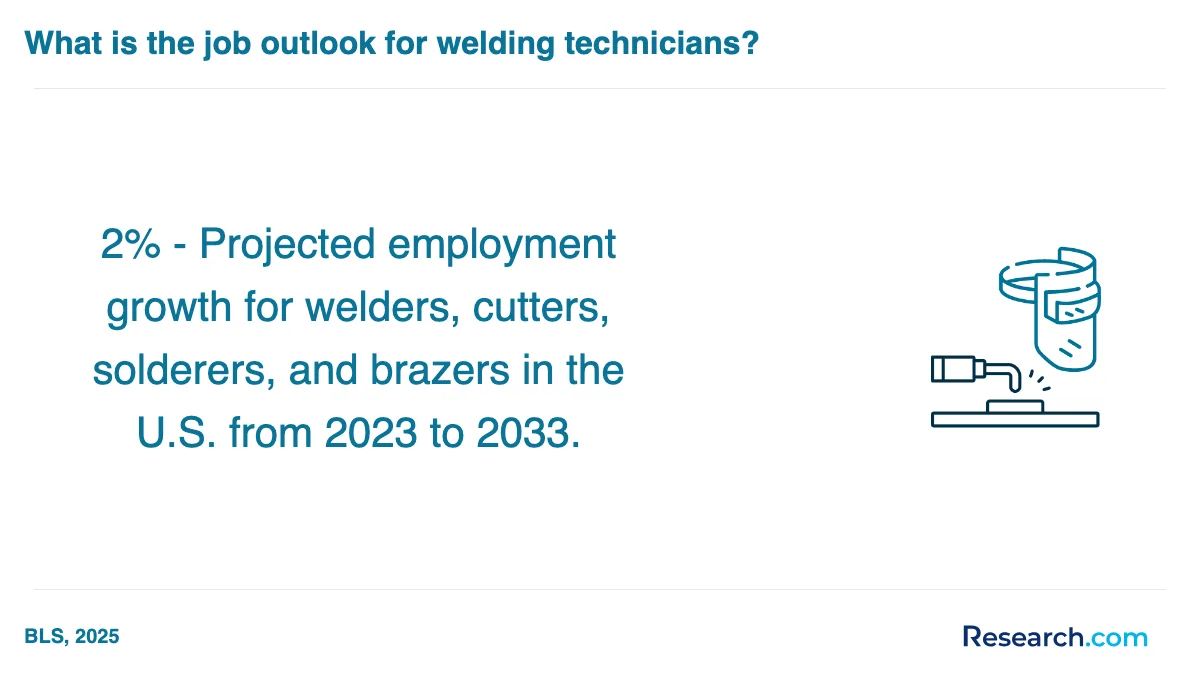
Graduates from welder trade schools in the Northeast find themselves in a job market humming with opportunity. Take New Jersey, where federal infrastructure boosts create over 4,000 welder job openings by 2032, fueling strong welding job demand in Northeast states. Many grads rejoice as they land positions on projects repairing bridges or upgrading transit systems right after completing hands-on training at well-regarded regional trade schools.
Here's why graduates often feel optimistic:
- Steady demand in metropolitan hubs like New York and Philadelphia for construction and logistics roles
- Competitive wages-for example, Boston's MIG welders earn an hourly rate around $29, outpacing many national averages
- Access to additional certifications that unlock higher pay and specialized jobs
Students who choose Northeast programs not only benefit from practical skills but also tap into the welder salary and employment outlook Northeast employers offer. Some grads mention how trade schools' connections helped them secure roles in sectors ranging from manufacturing to clean water infrastructure.
For those weighing career paths, it's worth checking out options like the cheapest online maintenance technician training to complement welding skills with maintenance expertise, expanding job prospects.
Most Affordable Welding Schools & Training - Budget-Friendly Welding Trade Programs in Northeast for 2026
# 1 position
Eastern Maine Community College - Welding Technology/Welder.
associateEastern Maine Community College offers a hybrid Welding Technology/Welder program that prepares students to apply technical skills in various welding methods, including arc, resistance, brazing, and high-energy beam welding. The curriculum covers welding metallurgy, safety, structural design, and applicable codes. In-state tuition is $3,877 annually. Graduates have median earnings of $33,412 one year after completion. The program is accredited by the New England Commission on Higher Education.
# 2 position
Eastern Maine Community College - Welding Technology/Welder.
certificate or diplomaThe Welding Technology/Welder program at Eastern Maine Community College offers a hybrid format with some distance education options. The program prepares students to apply technical skills in various welding methods, including arc welding, resistance welding, brazing, and cutting. It covers welding metallurgy, safety, and applicable codes. Annual in-state tuition is $3,877. Graduates earn a median salary of $33,412 one year after completion. The program is accredited by the New England Commission on Higher Education.
# 3 position
Kennebec Valley Community College - Welding Technology/Welder.
certificate or diplomaThe Welding Technology/Welder program at Kennebec Valley Community College offers a hybrid learning format with some distance-education options. It prepares students to apply technical skills in various welding processes, including arc welding, resistance welding, brazing, soldering, and high-energy beam welding. The program covers welding metallurgy, structural design, safety, and applicable codes. Annual in-state tuition is $3,562. The program is accredited by the New England Commission on Higher Education. Median earnings one year after completion are $38,884.
# 4 position
Thaddeus Stevens College of Technology - Welding Technology/Welder.
associateThe Welding Technology/Welder program at Thaddeus Stevens College of Technology offers a hybrid format with some distance-education options. Tuition for in-state students is $9,050 annually. The program trains students in various welding techniques, including arc welding, brazing, resistance welding, and high-energy beam welding, along with safety practices and applicable codes. Graduates have median earnings of $52,298 one year after completion. The program is accredited by the Middle States Commission on Higher Education.
# 5 position
Thaddeus Stevens College of Technology - Welding Technology/Welder.
certificate or diplomaThe Welding Technology/Welder program at Thaddeus Stevens College of Technology offers a hybrid format with some distance-education options. It prepares students to apply technical skills in various welding techniques, including arc welding, resistance welding, and brazing. The curriculum covers welding metallurgy, safety, structural design, and industry codes. Annual in-state tuition is $9,050. Graduates earn a median salary of $52,298 one year after completion. The program is accredited by the Middle States Commission on Higher Education.
# 6 position
Mohawk Valley Community College - Welding Technology/Welder.
associateThe Welding Technology/Welder program at Mohawk Valley Community College offers a hybrid format with some distance education options. It prepares students to perform welding and cutting on metal surfaces using various techniques, including arc welding, resistance welding, and brazing. The curriculum covers welding metallurgy, safety, structural design, and applicable codes. Annual in-state tuition is $6,114, and median earnings one year after completion reach $29,615.70. The program is accredited by the Middle States Commission on Higher Education.
# 7 position
Mohawk Valley Community College - Welding Technology/Welder.
certificate or diplomaMohawk Valley Community College offers a Hybrid Welding Technology/Welder program that prepares students to apply technical knowledge in welding and cutting metal surfaces. The curriculum includes arc welding, brazing, high-energy beam welding, welding metallurgy, and safety standards. The annual in-state tuition is $6,114. Graduates report median earnings of $29,615 one year after completion. The program is accredited by the Middle States Commission on Higher Education.
# 8 position
Laurel Technical Institute - Welding Technology/Welder.
certificate or diplomaLaurel Technical Institute offers a Welding Technology/Welder program with a hybrid format, combining in-person and distance education. The program trains students in arc welding, resistance welding, brazing, soldering, and other welding processes. It also covers materials, safety, structural design, and relevant codes. Annual in-state tuition is $11,470. Graduates have median earnings of $39,287 one year after completion. The program is accredited by the Accrediting Commission of Career Schools and Colleges.
# 9 position
White Mountains Community College - Welding Technology/Welder.
certificate or diplomaThe Welding Technology/Welder program at White Mountains Community College offers a hybrid format with some distance-education options. Annual in-state tuition is $7,050. Graduates learn arc welding, resistance welding, brazing, soldering, high-energy beam welding, and cutting techniques. The curriculum covers welding metallurgy, structural design, safety, and codes. Median earnings one year after completion are $53,066. The program is accredited by the New England Commission on Higher Education.
# 10 position
Penn Commercial Business/Technical School - Welding Technology/Welder.
certificate or diplomaPenn Commercial Business/Technical School offers a Welding Technology/Welder program with a hybrid format, including some distance education options. The program prepares students to apply technical skills in various welding methods such as arc welding, resistance welding, and brazing. Tuition for in-state students is $13,654 annually. Graduates have a median earning of $30,635 one year after completion. The program is accredited by the Accrediting Commission of Career Schools and Colleges.
Frequently Asked Questions about welder
After completing a welder trade school program in the Northeast, preparing for the job market involves several key steps. First, obtaining relevant certifications such as the American Welding Society (AWS) credentials can significantly improve employability. Employers in states like New York and Pennsylvania often require these certifications for skilled welders.
Networking through local unions and trade organizations helps graduates connect with potential employers. Many Northeast states have strong manufacturing and construction sectors, with the U.S. Bureau of Labor Statistics projecting a 3% growth in welding jobs through 2032.
Additionally, building a strong resume that highlights practical skills and completed apprenticeships or internships is crucial. Job fairs and career services offered by trade schools can also assist in job placement.
Employers in the Northeast prioritize technical welding skills such as proficiency in SMAW, GMAW, and GTAW welding processes. According to the U.S. Bureau of Labor Statistics, welders with certifications from the American Welding Society (AWS) tend to have higher employment rates in this region. Practical experience with blueprint reading and metallurgy is also highly valued, enabling graduates to interpret project specifications accurately.
Soft skills like attention to detail, safety awareness, and teamwork are critical due to the industrial settings common in Northeast manufacturing and construction. The National Center for Construction Education and Research reports that 70% of regional employers emphasize safety training as a core competency.
Graduates who demonstrate adaptability and continuous learning aptitude are more likely to secure well-paying jobs in the evolving welding sector of the Northeast.
Finding internships in the Northeast relevant to welder trade school programs involves several practical steps. Start by contacting your school's career services office, as many institutions maintain partnerships with local businesses and union halls that offer welding internships. According to the U.S. Bureau of Labor Statistics, the Northeast has a strong manufacturing sector that often provides hands-on training opportunities.
Industry associations like the American Welding Society (AWS) have regional chapters in the Northeast that post internship openings and networking events. Additionally, exploring local job boards and websites such as Apprenticeship.gov can connect you with registered apprenticeship programs offering paid training.
Networking with instructors and attending regional trade shows can also increase your chances of finding relevant internships. Many Northeast companies prefer candidates with some formal training, making trade school connections valuable.
In the Northeast, obtaining a welder trade school diploma significantly enhances career mobility and advancement opportunities. According to the U.S. Bureau of Labor Statistics, welders in this region earn a median annual wage of around $48,000, with skilled certified welders often commanding higher salaries. A diploma from an accredited trade school equips students with essential technical skills and industry-recognized certifications, which many employers require for advanced positions.
Trade schools also provide connections to local industries, facilitating apprenticeships or entry-level jobs that can lead to promotion. Data from the National Center for Education Statistics shows that graduates with diplomas have a higher employment rate within six months of completion compared to those without formal training.
Furthermore, many Northeast-based employers prioritize candidates with formal welding education when considering leadership or specialized roles, such as welding inspection or pipeline welding. This credential can therefore serve as a stepping stone for those seeking to advance beyond basic welding tasks.
Part-time job opportunities in the Northeast that complement welder trade school education often include roles such as welding apprenticeships, metal fabrication assistants, and maintenance helpers. These positions provide practical experience alongside academic learning, essential for skill development. According to the U.S. Bureau of Labor Statistics, the Northeast has a steady demand for welders, with states like Pennsylvania and New York showing growth in manufacturing and construction sectors.
Apprenticeships allow students to earn while learning and often lead to full-time employment. Additionally, jobs in related fields like machine operation or quality control can enhance understanding of welding applications. Local unions and trade organizations frequently post such openings.
To find the most affordable welder degree program near me in the Northeast, you can start by researching local community colleges and technical schools that offer welding technology courses. Research.com can be a helpful resource for comparing program costs and availability. Additionally, visiting campuses or contacting admissions offices directly will provide information on tuition, financial aid options, and any apprenticeship opportunities.
- Finding the Perfect Welding Job After Technical School https://www.high.net/careers/blog/finding-perfect-welding-job-after-technical-school/
- How to find a Welding Job after Graduating Welding School? - YouTube https://www.youtube.com/watch
- What Comes After Welding School? Job Outcomes and More https://ftccollege.edu/trade-blog/what-comes-after-welding-school-job-outcomes-and-more/
- Explore Hands-On Welding Training and Career Growth https://swantonweld.com/discover-hands-on-welding-training-and-advancement-opportunities/
- Welding training - Warsaw, Kraków, Wrocław, Łódź, Poznań https://kurso.eu/en/training-and-courses/welding-courses/welding/
- Welding & Trade School in the U.S. | Tulsa Welding School https://www.tws.edu/
- Welding Trade Schools: Ignite Your Future With Hands-On Training https://www.trade-schools.net/trades/welding
- Combination Welding Technology Program & Trade School | Apex https://apexschool.com/programs/combination-welding-technology/
- Best Welding Schools - Elite Welding Academy https://eliteweldingacademy.com/
- Welder https://www.sait.ca/apprenticeships-and-trades/programs/welder