Most Affordable Welding Schools & Training - Budget-Friendly Welding Trade Programs in Centralia for 2026

Co-Founder and Chief Data Scientist
Choosing the right welder trade school in Centralia can feel overwhelming, but this article is here to guide you. We present a welder trade school programs ranking created by the Research.com team of data scientists to help you identify the best options for 2026.
Reading this article will give you clear insight into affordable programs that match your goals. Earning a welding diploma or certification opens doors to rewarding careers and stable futures.
Take this step confidently and discover opportunities that fit your budget and ambitions.
Key benefits of finishing welder trade school in Centralia
- Graduates from welder trade schools in Centralia can expect competitive starting salaries around $24 per hour, with potential to earn up to $43.59 per hour as they gain experience and skills.
- Career options include roles like Production Welder, Journeyman Welder, and specialized welding positions, offering growth and steady demand in the local job market.
- Completing a welder trade school online provides flexible learning schedules and faster entry into the workforce, making it an ideal choice for those balancing work or family commitments.
- Most Affordable Welding Schools & Training - Budget-Friendly Welding Trade Programs in Centralia for 2026
- What can I expect from welder trade schools in Centralia?
- Where can I work after finishing welder trade schools in Centralia?
What can I expect from welder trade schools in Centralia?
Enrolling in a welder trade school program in Centralia means diving into hands-on learning from day one. Graduates often recall the mix of classroom lessons and extensive lab time where they mastered techniques like Flux Cored Arc Welding (FCAW) and Gas Tungsten Arc Welding (TIG). Imagine spending hours practicing under expert supervision, gaining confidence with each weld. Many appreciate how the curriculum balances foundational skills with advanced methods, preparing them for real-world challenges.
Students frequently highlight the value of safety training, which becomes second nature after understanding industry hazards deeply. Popular programs in Centralia also offer opportunities to earn the Washington Association of Building Officials (WABO) Welding Certification, a proud milestone that opens doors to local unions and employers. Graduates mention the satisfaction of passing rigorous certification tests, boosted by practice exams that build readiness.
Work-based learning in the second year often feels like a turning point, with focused classes and real projects that mirror jobs in shipbuilding or structural fabrication. Many find studying welding blueprints and metallurgy exciting, knowing these skills make them highly employable in Centralia's diverse industries.
Where can I work after finishing welder trade schools in Centralia?
Graduates of welder trade school programs in Centralia often find themselves stepping directly into dynamic roles within local manufacturing plants, construction sites, and fabrication shops. Many recall the excitement of landing positions as welders or fabricators shortly after finishing courses at top Centralia trade schools, where hands-on training prepares them for real-world challenges. Some alumni have shared how they quickly advanced into maintenance mechanic or diesel mechanic/welder roles, especially at companies like LeMay, known for valuing skilled tradespeople in equipment repair and waste management.
Working environments vary from bustling factory floors to outdoor construction projects, offering a mix of steady teamwork and individual craftsmanship. Overtime and shift work options appeal to those eager to boost earnings and gain experience. The ability to specialize in areas such as structural fabrication or custom metal work often leads to supervisory opportunities, fueling career growth. For many, completing a welder program in Centralia opens doors to rewarding, hands-on careers with competitive wages and a strong sense of pride in their skilled trade.
Graduates of welder trade school programs in Centralia often find themselves stepping into a job market where earning potential is both promising and rewarding. Many recent completers from popular local schools report starting salaries around $52,000 annually, translating to about $24 per hour. This initial pay reflects entry-level roles but already offers a solid foundation compared to other trades.
As these graduates gain hands-on experience, their wages typically increase, with some moving into specialized positions earning upwards of $85,000 per year or more. Imagine starting as a Welder I in a bustling Centralia workshop, then advancing to a Flash Butt Welder role paying $25 per hour, and eventually managing a welding department with a salary nearing six figures.
The practical training at Centralia's trade schools equips students with skills that local employers highly value. This combination of skill and demand creates an uplifting career outlook. Many graduates express excitement about how their education quickly translates into meaningful income and job stability in the area.
- Centralia offers welding programs including a two-year associate degree and short-term certificate options covering FCAW, TIG, MIG, and SMAW techniques.
- Students can earn the Washington Association of Building Officials (WABO) Welding Certification, with pass rates rising from 84% in 2018-2019 to 94% in 2020-2021.
- Work-based learning is part of the second-year associate program, providing hands-on welding experience to improve job readiness.
- The two-year welding associate degree tuition ranges from $7,000 to $10,000, with certificates costing less and financial aid available.
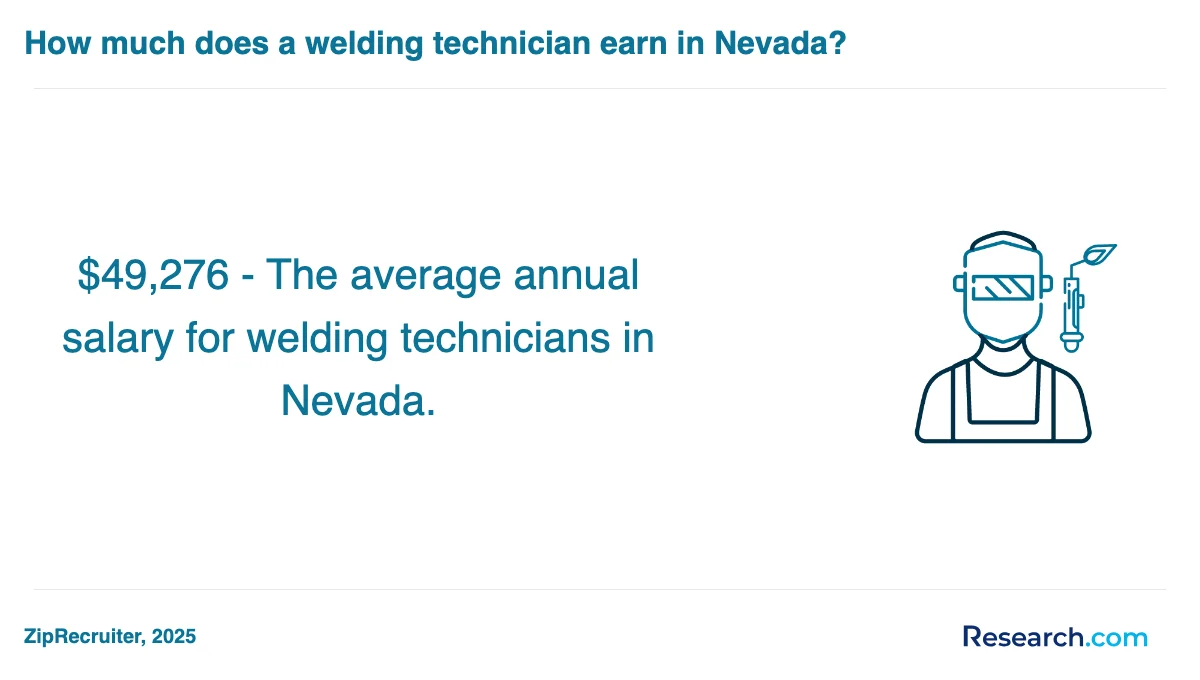
- Entry-level welders in Centralia earn between $40,000 and $48,000 per year, while experienced welders can make over $60,000 depending on specialization.
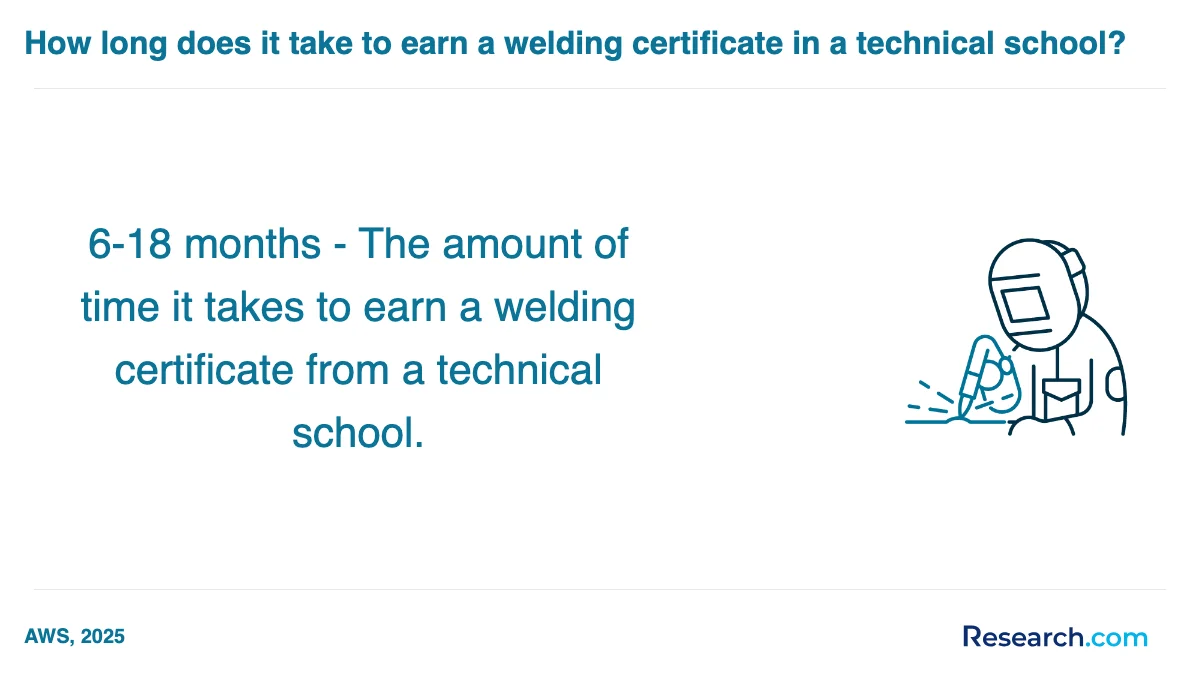
Completing a welder trade school program in Centralia typically takes between six months to a year, depending on the intensity of the course and the student's schedule. Many graduates from well-known Centralia trade schools share how immersive their programs felt, with hands-on training that quickly built their confidence. One graduate described starting with minimal welding knowledge and finishing the program ready to join a local fabrication shop within just eight months.
These programs often balance classroom instruction with practical shop hours, allowing students to develop skills steadily without feeling overwhelmed. For example, students at popular trade schools in Centralia often engage in welding projects that simulate real workplace challenges, making the learning process exciting and tangible.
Some schools also offer accelerated options, where motivated students can complete their training in as little as four to five months, fueling a strong sense of accomplishment and readiness for the job market. This flexibility helps students tailor their education to their personal goals and timelines.
The core difference between online and on-campus welder trade school programs in Centralia centers on how students gain hands-on welding skills versus flexibility in learning. Graduates from popular local trade schools often recall spending most of their time in bustling workshops, welding under expert supervision, where they refined techniques that felt immediately relevant to real job sites. This immersive, on-campus approach allows for instant feedback and personalized guidance, which many find invaluable for building confidence and precision.
On the other hand, online programs appeal to students juggling work or family by offering theoretical lessons through digital platforms. One graduate shared how they appreciated being able to study welding safety and blueprint reading on their own schedule, yet still had to attend local labs to practice welding in person. This blend of remote learning with essential hands-on sessions offers a flexible pathway, though it requires careful planning to meet practical training needs.
For Centralia students, choosing between these formats often depends on balancing the desire for direct skill-building with the convenience of adaptable study options.
The average cost of welder trade school in Centralia varies depending on the program's intensity and duration. Graduates often reflect on their experience at Kaskaskia College, where the Introductory Welder Level I course, spanning 16 weeks and 345 hours, costs approximately $3,592. This cost covers tuition fees for welding programs in Centralia along with books, fees, and necessary expenses. Many students appreciate the balanced investment for the foundational skills they gain in such programs.
For those aiming higher, the Welder Level II program extends over 48 weeks, covering 780 hours, and comes with a higher price tag of around $7,906. Graduates from this advanced track often mention the added confidence and job readiness they acquire, despite the longer commitment and costs. These tuition fees for welding programs in Centralia reflect the comprehensive training and additional resources invested by institutions.
Other trade schools, although a bit pricier, also offer extensive welding training. Graduates share mixed but overall optimistic stories about managing extra costs such as tools, safety gear, and certification tests, which typically add $500 to $1,500 and $300 to $550 respectively. Financial aid options are widely utilized, easing the burden for many aspiring welders in Centralia who want to build a rewarding career.
With evolving industry demands, local students often explore what is the highest paying trade school job to balance the investment in their education with future income potential. For those committed to welding, understanding these costs alongside career prospects is crucial when selecting the right program for success. Curious students can learn more about what is the highest paying trade school job to plan their path wisely.
Welder students in Centralia often find financial aid options that truly lighten the load of pursuing their trade education. Graduates from well-known programs at Centralia College frequently share how federal grants like the Pell Grant and FSEOG helped them cover basic costs without adding debt. By submitting the FAFSA early, many secured essential funding that made a real difference in their ability to focus on hands-on welding skills instead of stressing over tuition.
State programs such as the Washington State Need Grant and the Worker Retraining Program also play a vital role. One student balancing family duties recalls how these programs covered not just tuition but also books and supplies, allowing them to keep progressing despite financial challenges. For those facing unique hardships, like sudden job loss, the Special Circumstances Application offers a hopeful path to adjusted aid.
Scholarships from the Centralia College Foundation, including the I-5 Auto Group Scholarship, are another encouraging resource. Graduates often express gratitude for these awards as they reduce financial worries and affirm the community's belief in their technical careers.
Enrolling in a welder trade school program in Centralia typically requires meeting a few straightforward prerequisites that set students up for success. Most trade schools expect applicants to have a high school diploma or a GED, ensuring a basic foundation in reading, math, and science. Graduates often recall how this background helped them quickly grasp welding blueprints and safety protocols.
Besides academic qualifications, schools in Centralia emphasize physical readiness. Welding demands good hand-eye coordination, steady hands, and the ability to work in various positions, sometimes in tight spaces. Many students share how hands-on workshops during orientation helped them confirm this fit early on.
Some popular trade schools in Centralia also require:
- Passing a basic skills test focused on math and mechanical reasoning
- Proof of age-usually 18 or older
- Completion of a safety awareness session before starting practical training
These prerequisites encourage confidence and preparedness, creating a positive learning environment where students feel equipped to tackle welding challenges and build rewarding careers.

Welder trade school programs in Centralia commonly immerse students in a variety of essential courses designed to build both skill and confidence. Graduates from Centralia College often recall the hands-on labs where they mastered welding methods like Flux Cored Arc Welding (FCAW), Gas Tungsten Arc Welding (TIG), Gas Metal Arc Welding (MIG), and Shielded Metal Arc Welding (Stick). These practical sessions simulate real job conditions, helping students feel prepared and proud as they operate equipment and perfect each weld.
Core courses typically include:
- Welding blueprint reading to decode complex technical drawings with ease
- Metallurgy, exploring how welding heat affects metal structures
- Safety training focused on protecting health from fumes and heat
- Preparation for the Washington Association of Building Officials (WABO) Welding Certification, a key to local job success
Students often share that the combination of foundational classes like math and physics with welding-specific skills creates a well-rounded education. The opportunity to practice in labs and pass certification with a high success rate sparks enthusiasm and a sense of achievement, making the trade school experience in Centralia both practical and rewarding.
Welding specializations in Centralia trade schools often focus on mastering essential welding techniques such as Flux Cored Arc Welding (FCAW), Gas Tungsten Arc Welding (TIG), Gas Metal Arc Welding (MIG), and Stick welding. Graduates frequently share how hands-on training in these methods at Centralia College gave them the confidence to tackle real-world jobs, from building structural frameworks to ship maintenance. Alongside technical welding, students dive into fabrication and inspection skills, learning to read blueprints and understand metallurgy - vital for quality assurance roles.
Many students pursue Centralia welding program certificate options that prepare them for the Washington Association of Building Officials (WABO) Welding Certification. This credential boosts employability and often leads to higher earnings. Career-specific training is another highlight, with programs focused on building trades, automatic welding, and maintenance, allowing students to align their skills with local industry needs.
For those balancing work or life commitments, exploring diploma courses online can be a convenient way to build welding expertise while maintaining flexibility.
- Hands-on proficiency in FCAW, TIG, MIG, and Stick welding
- Fabrication techniques and welding blueprint interpretation
- Certification prep for state-recognized credentials
- Specializations in building trades, shipbuilding, and maintenance welding
- Foundations in CAD and safety protocols
Choosing the best welding programs in Centralia often means focusing on hands-on training and real-world preparation. Graduates from local schools frequently highlight how access to modern welding labs at Centralia College, paired with experienced instructors, created an engaging learning environment that built their confidence. Many alumni describe how the balance between classroom learning and practical application helped them advance quickly in their careers, making the educational experience feel both challenging and rewarding.
When searching for affordable welder trade schools in Centralia, consider how program length and flexibility match your schedule. For example, certificate options at Centralia College allow students to start working sooner, while associate degrees offer a deeper dive into welding technology with extended job placement support. Those who value industry connections often find these programs helpful for entering fields like shipbuilding or structural fabrication. Understanding what is the difference between a trade school program and a vocational program can also guide your choice toward a program that fits your goals and lifestyle.
Graduates from welder trade school programs in Centralia find diverse welding career opportunities in Centralia WA that go beyond basic fabrication. Many start in hands-on roles such as fabricator welders or maintenance welders within local industries like shipbuilding, construction, and manufacturing, where practical skills in FCAW, TIG, MIG, and Stick welding are essential. For example, graduates of Centralia College's Welding Technology program report feeling confident stepping into positions that demand precision and adaptability. These students often progress quickly due to strong demand, gaining experience in robust sectors including forestry and transportation.
As the welder job market in Centralia Washington evolves, graduates can pursue paths such as:
- Metal fabricator focusing on custom fabrication shops
- Welding inspector roles requiring certifications like WABO Welding Certification
- Supervisory positions such as welding department manager with earnings up to $100,000 annually
- Specialist roles in blueprint interpretation and metallurgical analysis
Many welders also enhance their future prospects by exploring cheap welding training programs online to build skills while working. This layered approach makes welding a rewarding and versatile career choice in Centralia's vibrant industrial landscape.
Graduates from welder trade school programs in Centralia find themselves entering a robust job market with steadily available positions. Local job boards regularly list between 20 and 21 active welding jobs, covering roles like welder, fabricator, millwright, and diesel mechanic. This range means those completing welding training in Centralia often experience real-world opportunities soon after finishing their courses.
Many graduates from popular trade schools in Centralia share how their hands-on training directly prepared them for diverse environments-from manufacturing floors to construction sites. The local economy's demand for welders in metal fabrication, engineering, and marine surface preparation opens multiple pathways, ensuring skillsets taught at trade schools align with current employer needs.
These promising career opportunities also come with competitive wages; entry-level welders in Centralia typically earn starting pay around $28 per hour. For students exploring options, programs such as affordable online maintenance technician trade school programs provide flexible alternatives, broadening access to this growing field.
Understanding the welder job market in Centralia WA means recognizing the steady national growth of 6% projected for welders, cutters, solderers, and brazers, which reflects local trends. Graduates often feel optimistic about stable employment prospects as industries consistently seek skilled tradespeople.
Most Affordable Welding Schools & Training - Budget-Friendly Welding Trade Programs in Centralia for 2026
# 1 position
Centralia College - Welding Technology/Welder.
associateCentralia College offers a Welding Technology/Welder program with a hybrid format, including some distance-education options. The program prepares students to apply technical skills in various welding processes, such as arc welding, resistance welding, and brazing, among others. It covers materials, safety, structural design, and welding metallurgy. The annual in-state tuition is $5,109. The program is accredited by the Northwest Commission on Colleges and Universities.
# 2 position
Centralia College - Welding Technology/Welder.
certificate or diplomaCentralia College offers a Welding Technology/Welder program with a hybrid format, including some distance-education options. The curriculum covers arc welding, resistance welding, brazing, soldering, cutting, high-energy beam welding, and welding metallurgy. Students learn about ferrous and non-ferrous materials, safety, structural design, and relevant codes and standards. The annual in-state tuition is $5,109. The program is accredited by the Northwest Commission on Colleges and Universities.
Frequently Asked Questions about welder
After completing a welder trade school in Centralia, preparing for the job market involves several key steps. First, obtaining industry-recognized certifications such as those from the American Welding Society (AWS) can significantly improve employability. Many employers in Centralia look for AWS-certified welders due to their verified skills.
Networking is also crucial. Engage with local unions and trade organizations, as Centralia's manufacturing and construction sectors often recruit through these channels. Additionally, attending job fairs and contacting the school's career services can open doors to apprenticeships and entry-level positions.
Building a strong resume that highlights hands-on training and any internship experience is essential. According to the Bureau of Labor Statistics, welders in Washington state earn a median annual wage of approximately $51,000, so demonstrating readiness can help secure competitive roles.
Employers in Centralia seeking graduates from welder trade schools prioritize both technical abilities and soft skills. Proficiency in various welding processes, such as MIG, TIG, and Stick welding, is essential. According to the U.S. Bureau of Labor Statistics, welders with certifications in multiple methods tend to have better job prospects.
Attention to detail and the ability to read blueprints accurately are also highly valued, as these skills directly impact the quality and safety of welds. Additionally, strong problem-solving skills help graduates adapt to different materials and environments encountered on the job.
Communication and teamwork are important, especially since many welding projects require collaboration with engineers and other tradespeople. Employers in Centralia often look for candidates who demonstrate reliability and a solid work ethic, as these traits contribute to consistent productivity and safety compliance in workplaces.
To find internships in Centralia relevant to welder trade school programs, start by contacting local trade schools directly. Many schools have partnerships with nearby manufacturing companies, construction firms, and fabrication shops that offer internship opportunities.
Check Centralia's workforce development offices and local job centers, as they often maintain listings for skilled trade internships. Websites like the Washington State Department of Labor & Industries provide resources about apprenticeships and internships specifically for welders.
Networking is also crucial. Attend trade fairs, local union meetings, or industry events in Centralia to connect with professionals who can offer or recommend internships.
Many welding internships in Centralia are paid and provide hands-on experience required to meet certification standards recognized nationally, such as those from the American Welding Society.
Obtaining a welder trade school diploma in Centralia significantly enhances career mobility and advancement opportunities. According to the U.S. Bureau of Labor Statistics, welders with formal training are 15% more likely to secure higher-paying positions than those without credentials. Local employers in Centralia prioritize candidates who hold diplomas, as these demonstrate verified skills and safety knowledge essential for industrial and construction jobs.
Additionally, trade school graduates benefit from established relationships between schools and regional businesses, facilitating apprenticeships and job placements. The Centralia workforce development reports show that diploma holders experience faster promotion rates, often moving into supervisory roles within five years. This credential thus serves as a crucial stepping stone for long-term career growth in the welding industry.
Students attending welder trade schools in Centralia can benefit from part-time jobs that provide practical experience alongside their education. Local manufacturing plants and construction companies often offer part-time welding assistant positions. These roles allow students to apply classroom knowledge in real-world settings, improving their skills and employability.
Additionally, some Centralia auto repair shops hire students for metal fabrication tasks, giving exposure to specialized welding techniques. According to the U.S. Bureau of Labor Statistics, welders in Washington State, including Centralia, earn a median hourly wage of about $22, making part-time work financially advantageous.
These opportunities also help build professional networks within the local industry, an important factor for career growth after graduation.
To find the most affordable welder degree program near me in Centralia, WA, consider exploring local community colleges and vocational schools, as these institutions often offer practical welding programs at lower tuition costs. Use resources like Research.com to compare program offerings and fees, and keep in mind that institutions near Centralia, WA may offer additional financial aid opportunities to further reduce costs. Additionally, visiting campuses and speaking with enrollment advisors can provide insights into program specifics and affordability.
- Most Affordable Welding Schools & Training - Budget-Friendly Welding Trade Programs in Fresno for 2026
- Most Affordable Welding Schools & Training - Budget-Friendly Welding Trade Programs in Phoenix for 2026
- Most Affordable Welding Schools & Training - Budget-Friendly Welding Trade Programs in Denison for 2026
- Most Affordable Welding Schools & Training - Budget-Friendly Welding Trade Programs in Elgin for 2026
- Welding Trade Schools: Ignite Your Future With Hands-On Training https://www.trade-schools.net/trades/welding
- Welding & Trade School in the U.S. | Tulsa Welding School https://www.tws.edu/
- Combination Welding Technology Program & Trade School | Apex https://apexschool.com/programs/combination-welding-technology/
- Best Welding Schools - Elite Welding Academy https://eliteweldingacademy.com/
- Hobart Welding School Programs - Essential welding skills https://www.welding.org/welding-programs/
- Welding Trade School | Summit College https://summitcollege.edu/programs/trade-technical/welding/
- Welder https://www.sait.ca/apprenticeships-and-trades/programs/welder
- Welding School | Welding Certifications | Pipeline Welding https://www.westernweldingacademy.com/
- A Guide to Skilled Trades Apprenticeships and Internships | BestColleges https://www.bestcolleges.com/trades/guide-to-skilled-trades-apprenticeships-internships/
- How to Select an Accredited Welding Training Program - New Castle School of Trades https://www.ncstrades.edu/blog/what-to-look-for-in-a-trade-school-welding-program/