Most Affordable Welding Schools & Training - Budget-Friendly Welding Trade Programs in Birmingham for 2026

Co-Founder and Chief Data Scientist
Choosing the right welder trade school in Birmingham can shape your future career and open doors to rewarding opportunities.
This article presents a welder trade school programs ranking created by the Research.com team of data scientists to help you make an informed decision on which programs are truly worth considering.
By exploring these affordable options, you’ll discover quality training that fits your budget and goals.
Getting a welder diploma or certification can boost your skills, confidence, and job prospects in a growing industry.
Key benefits of finishing welder trade school in Birmingham
- Graduates from welder trade schools in Birmingham can expect starting salaries around $20.86 per hour, with opportunities to earn up to $29.29 per hour as skills and certifications grow.
- Career paths include roles like welder/fabricator at companies such as Vulcan Materials Company, where experienced workers can earn over $73,000 annually, showing strong potential for growth.
- Finishing a welder trade school online offers flexibility and faster completion times, allowing graduates to enter the workforce sooner while gaining practical skills without the cost and time of a traditional degree.
- Most Affordable Welding Schools & Training - Budget-Friendly Welding Trade Programs in Birmingham for 2026
- What can I expect from welder trade schools in Birmingham?
- Where can I work after finishing welder trade schools in Birmingham?
What can I expect from welder trade schools in Birmingham?
Enrolling in a welder trade school program in Birmingham means diving into a hands-on learning experience where you'll master techniques like MIG, TIG, and flux core welding. Imagine spending your days practicing with industry-grade equipment under the guidance of instructors who bring real-world expertise and AWS certifications to the classroom. Many students at popular Birmingham schools find the small class sizes invaluable, allowing them to ask questions freely and receive personalized feedback that builds confidence quickly.
Beyond welding skills, expect to tackle blueprint reading and welding math, essential for interpreting complex projects. Graduates often share how this practical knowledge made a difference when stepping onto job sites. Some programs even integrate advanced technology like robotic welding systems, prepping students for the future of manufacturing automation.
Flexible credential options-from quick certificates to associate degrees-allow you to tailor your education to career goals. Plus, strong job placement support means many graduates begin well-paid careers in manufacturing or construction soon after finishing, fueling excitement about their new futures.
Where can I work after finishing welder trade schools in Birmingham?
Graduates from welder trade schools in Birmingham often find themselves stepping directly into active roles such as welders, fabricator/welders, or structural steel fitters. Many share stories of securing positions in local metal fabrication shops or bustling manufacturing plants, where the hands-on skills acquired during training prove invaluable. One common scenario involves working on large-scale projects, like repairing railcar components or assembling steel structures, which offers both challenge and satisfaction.
Others describe opportunities in industries like automotive or aerospace, where precision welding and blueprint reading become daily tasks. The city's demand for skilled welders means new graduates often encounter multiple job openings, with wages typically ranging from $17 to $28 per hour. Benefits like health insurance and retirement plans add to the appeal.
Many graduates appreciate that Birmingham employers welcome candidates from diverse backgrounds, including those with nontraditional histories, emphasizing skill and dedication over past challenges. This inclusive hiring approach fuels optimism and confidence among recent trade school completers as they embark on their welding careers.
Graduates from welder trade school programs in Birmingham often find themselves earning an average of $20.86 per hour shortly after finishing their training, which means an annual salary close to $43,389 for full-time work. Many students from local schools share stories of landing entry-level roles with starting pay around $19, making the transition from classroom to job site both exciting and financially rewarding.
Those who pursue certification during their training see even greater benefits. Certified welders in Birmingham typically earn about $22.11 hourly, with some reaching up to $29.51. Imagine a recent graduate from a well-known Birmingham trade school proudly sharing how their certification opened doors to higher-paying positions, turning their passion into a sustainable career.
Specializing can boost earnings further. For instance, aluminum welders average nearly $53,000 a year, while TIG welders command about $26.94 per hour. Many students envision themselves mastering these skills, knowing that advanced training can rapidly increase their income and job satisfaction in Birmingham's active welding market.
- Programs in Birmingham combine classroom instruction with hands-on training, covering welding methods like shielded metal arc, MIG, TIG, and flux-cored welding.
- Admission typically requires a high school diploma or GED, with some schools asking for placement tests or interviews.
- Tuition for certificate and diploma programs ranges from $4,000 to $7,000 at public community colleges, with additional costs for equipment and certification exams.
- Job placement rates for welding graduates can approach 100%, with starting salaries around $40,000 and potential to reach $80,000 after one to two years of experience.
- Many programs offer certifications from the American Welding Society (AWS), boosting job prospects in local manufacturing and construction sectors.
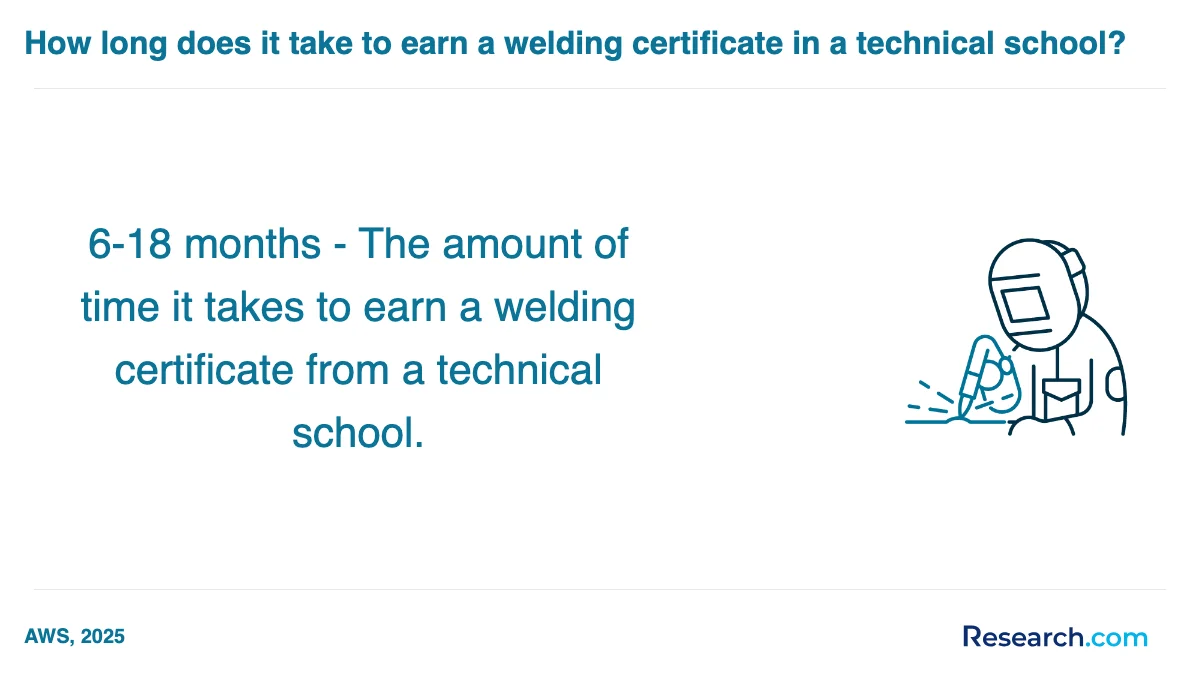
Completing a welder trade school program in Birmingham typically takes between six months and one year, depending on the depth of training and the specific curriculum offered by local schools. Graduates from popular Birmingham trade schools often share how the intensive hands-on training helped them quickly gain confidence welding in real-world settings, from fabricating metal structures to working on automotive repairs.
Many students appreciate the focused timeline, allowing them to enter the workforce swiftly without sacrificing the quality of instruction. For example, those attending schools known for their practical approach find themselves welding confidently on job sites after just a few months of dedicated study.
In Birmingham's welding programs, the balance between classroom theory and shop floor practice creates a dynamic learning experience. Graduates often recall the excitement of mastering different welding techniques and the pride of completing projects that simulate actual industry demands, making the relatively short program feel intense but rewarding.
Choosing a program here means embracing a fast-paced, skill-rich journey tailored to jumpstart a welding career in a thriving industrial hub.
Online and on-campus welder trade school programs in Birmingham differ mainly in how they deliver hands-on training. Graduates from on-campus programs often describe the confidence they gained from daily, hands-on practice with real welding equipment under expert supervision. For instance, those attending well-known local schools spend most of their time in workshops, mastering techniques in a practical environment that mirrors real job sites. This immersive experience builds not only skills but also a strong sense of readiness and connection to the trade.
In contrast, students choosing online programs usually appreciate the flexibility to study theory-such as blueprint reading and safety-at their own pace from home. However, many online learners still need to complete in-person labs or externships at approved Birmingham facilities to develop the essential tactile skills. Graduates often recall the challenge but also the relief of finally handling equipment hands-on, bridging the gap between virtual lessons and real-world welding.
When exploring the average cost of welder trade school in Birmingham, many students find themselves comparing options like Lawson State Community College and Fortis Institute. Graduates from Lawson State often share that the tuition fees-$4,920 for in-state and $8,670 for out-of-state-felt manageable given the program's hands-on training and job placement support. These tuition fees for welding programs in Birmingham represent a significant but worthwhile investment in building a solid skill set.
Beyond tuition, recent graduates emphasize budgeting carefully for books, supplies, and living expenses, which can add up quickly. Many recall spending around $2,332 on supplies and about $22,984 on off-campus housing, underscoring that the average student budget extends beyond just tuition. Keeping these costs in mind helps prospective welders prepare realistically for the full financial picture.
While some trade schools like Fortis Institute don't publicly list tuition details, students are encouraged to contact them directly for precise figures. Financial aid offices often provide options that ease the burden, especially for determined students who see welding as a gateway to a promising career.
As the welding industry remains part of the high-demand trades, investing in welding programs in Birmingham could lead to rewarding opportunities. Graduates frequently describe a strong sense of accomplishment upon completing their training, knowing they've developed skills valued by employers and set a clear path for career growth.
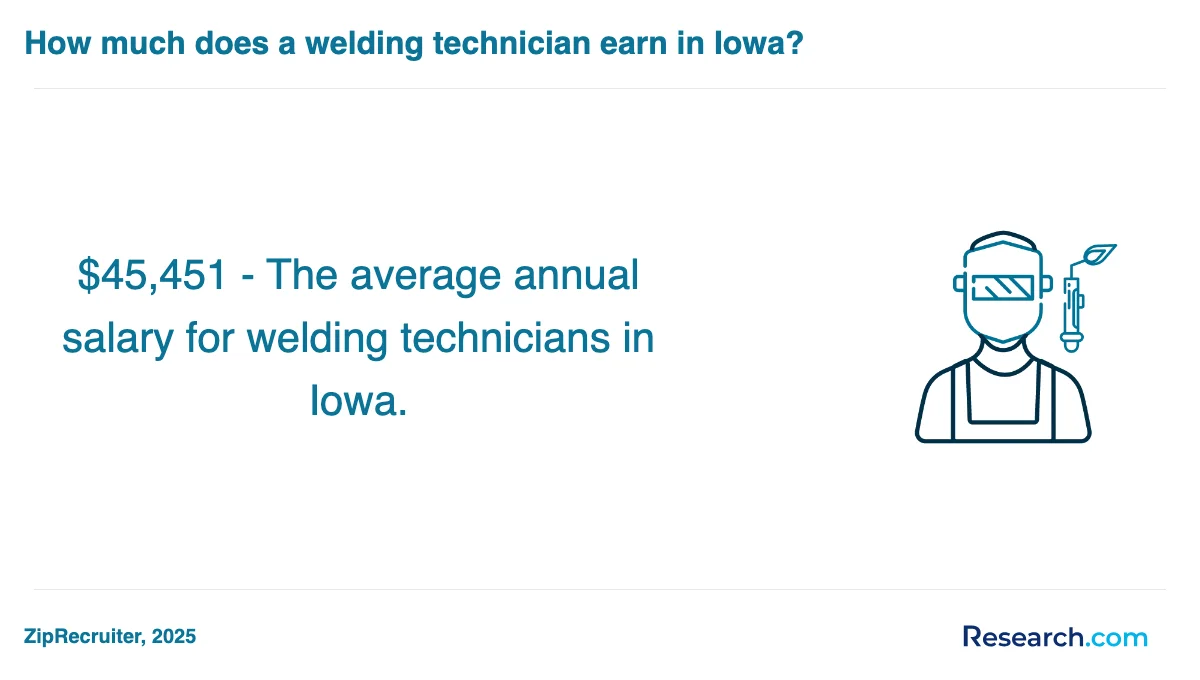
Students pursuing welder trade school programs in Birmingham often find financial aid opportunities that make their education more accessible and less stressful. Many graduates from Fortis Institute recall how scholarships from the American Welding Society (AWS) Foundation, offering awards between $1,000 and $5,000, helped them focus on their training instead of worrying about tuition. The AWS District Scholarships provide at least $15,000 annually per district, with special awards like the Atlas Welding Supply Scholarship giving Birmingham students priority access.
Beyond these, students appreciate the rolling Welder Training Scholarship, which grants up to 25 awards of $1,000 per district throughout the year, offering timely support exactly when needed. Private organizations also contribute scholarships targeted to underrepresented groups or those with financial need, often paid directly to schools to cover fees, easing financial burdens.
Trade schools themselves, including Fortis Institute, actively assist students in navigating federal aid options like Pell Grants, loans, and work-study programs, making the process feel more manageable. Community college scholarships up to $1,800 also help reduce costs, creating a hopeful pathway to a welding career in Birmingham.
Enrolling in a welder trade school program in Birmingham typically requires a few straightforward prerequisites that set students up for success. Graduates from popular Birmingham trade schools often describe their journey as accessible yet challenging, highlighting how these requirements helped them build confidence early on.
Most schools expect applicants to have:
- A high school diploma or GED, ensuring a solid foundation in math and reading.
- Basic proficiency in English to follow technical instructions clearly.
- Physical fitness and hand-eye coordination, crucial for welding tasks.
- A genuine interest in working with metal and tools, which keeps motivation high.
For instance, many students recall hands-on aptitude tests or simple welding exercises as part of the admission process, which felt like a fun preview of their training ahead. This practical approach not only filters candidates but also sparks enthusiasm. Trade schools in Birmingham often provide orientation sessions where prospective welders experience real workshop environments, making the prerequisites feel less like hurdles and more like exciting first steps toward a rewarding career.

Welder trade school programs in Birmingham typically immerse students in a variety of essential courses that blend theory with hands-on practice. Graduates often recall how the combination of classroom learning and lab work at schools like Jefferson State Community College made complex concepts tangible and exciting. Core subjects include:
- Industrial welding applications, covering welding fundamentals across manufacturing and construction sectors
- Welding mathematics, crucial for project calculations and understanding weld specs
- Welding print reading to interpret technical drawings and symbols accurately
- Safety protocols focusing on equipment setup, electrode and gas selection, and industry-standard procedures
Many students find the exposure to diverse welding processes-such as oxy-fuel, SMAW, MIG, flux core, aluminum, and TIG welding-both challenging and rewarding. Hands-on labs provide opportunities to practice fillet and butt welds with electrodes like E-7018 and E-6010, building confidence in real-world scenarios.
More advanced learners at places like Wallace State Community College appreciate courses in robotic welding and computer-assisted technologies, preparing them for the future of welding automation. These experiences spark enthusiasm and readiness for a welding career in Birmingham's evolving industry.
Welding students in Birmingham commonly specialize in several focused areas within their trade school programs, reflecting the diverse demands of the industry. Graduates often highlight hands-on experience gained with popular techniques such as Shielded Metal Arc Welding (SMAW), Gas Tungsten Arc Welding (GTAW), Gas Metal Arc Welding (GMAW), and Flux-Cored Arc Welding (FCAW). Many find that mastering these processes at institutions like Weld South and Central Alabama Community College builds strong confidence for real-world applications.
Typical specializations include:
- Pipe welding and structural steel welding, essential for construction and infrastructure projects.
- Robotic welding operations, increasingly relevant as automation grows in manufacturing sectors.
- Cutting processes such as OxyFuel and Plasma arc cutting, useful for metal fabrication.
- Blueprint reading and materials science, equipping students with technical understanding beyond welding alone.
Graduates often share stories of transitioning smoothly into jobs in shipbuilding or automotive repair, thanks to these tailored skills. Exploring programs from schools like Shelton State and George C. Wallace State Community College highlights how welding careers are evolving with technology and safety embedded throughout the curriculum.
For those looking to expand their knowledge or credentials, exploring online schools diploma options can complement hands-on specializations offered locally, allowing flexibility while pursuing specific welding career goals.
Choosing the best welding programs in Birmingham Alabama means focusing first on accreditation and certifications that hold real industry value. Graduates from Lawson State Community College often praise how the AWS SENSE program helped them build confidence through stackable certifications, making job hunting less stressful. Meanwhile, Jefferson State's alignment with the NCCER welding curriculum ensures students learn skills employers demand, which graduates say opened doors to local welding positions quickly.
When you compare Birmingham welding school costs, consider not only tuition but also class flexibility and hands-on training quality. Students balancing work and family found Jefferson State's evening classes vital for fitting education into their lives without missing practical welding labs. Fortis College graduates mention how the blend of classroom theory and real-world welding math boosted their understanding and readiness for technical roles.
Strong job placement rates reflect solid industry ties. Bevill State Community College's graduates report over 80% employment before program completion, illustrating how local employer networks can ease the transition to a welding career. For those exploring online options, checking out the most affordable welding training programs online can offer additional flexibility without sacrificing quality.
Welder trade school graduates in Birmingham find a dynamic landscape of welder job opportunities in Birmingham AL, ranging from entry-level positions to specialized roles. Many graduates from well-known local programs start as fabricators or structural steel welders, gaining hands-on experience in manufacturing, construction, and rail sectors. Their early days often involve learning to read blueprints and master essential welding techniques under industry veterans.
As skills develop, career paths often expand to include:
- Supervisory roles overseeing welding teams in major fabrication shops
- Specializations such as rail car repair, die casting, or toolmaking demanding high precision
- Contract work across diverse projects, allowing flexible work schedules and varied experience
- Entrepreneurship, with some graduates launching their own welding businesses serving Birmingham's construction and automotive industries
Many graduates emphasize how trade schools in Birmingham prepare them for these welding careers after trade school in Birmingham by offering certifications recognized by the American Welding Society and American Society of Mechanical Engineers. These credentials elevate career options and earning potential. Students seeking cost-effective education alternatives might explore cheap online maintenance technician trade programs, which can complement local welding studies and broaden job prospects.
The welder job opportunities in Birmingham remain strong and promising for recent trade school graduates. Many who completed popular local programs report quickly finding positions-ranging from fabricator/welder to structural steel fitter roles-within weeks of finishing their courses. These jobs cater to diverse preferences, including full-time, part-time, and temporary options, and typically offer benefits like health insurance and 401(k) plans. Graduates frequently highlight how hands-on training at trade schools prepares them for immediate entry into Birmingham's welcoming industrial workforce.
Data shows starting salaries near $29,900, with potential to grow above $70,000 working for well-known employers, illustrating the encouraging wage trajectory in the region. The welding industry demand in Birmingham is fueled by sectors such as manufacturing and railcar repair, alongside companies like Vulcan Materials Company and Alabama Power Company, who actively seek skilled welders.
Graduates describe their experience as rewarding, especially knowing they join a field with steady, accessible career pathways. For those weighing options, understanding the difference between a trade vs vocational school in welding offers insight into the quickest routes to employment and advancement.
Most Affordable Welding Schools & Training - Budget-Friendly Welding Trade Programs in Birmingham for 2026
# 1 position
Lawson State Community College - Welding Technology/Welder.
certificate or diplomaLawson State Community College offers a Hybrid Welding Technology/Welder program that prepares students to join or cut metal surfaces using various welding techniques. The curriculum covers arc welding, resistance welding, brazing, cutting, welding metallurgy, safety, and applicable codes. The annual in-state tuition is $4,980. Graduates earn a median salary of $35,941 one year after completing the program. The program is accredited by the Southern Association of Colleges and Schools Commission on Colleges.
# 2 position
Fortis Institute-Birmingham - Welding Technology/Welder.
certificate or diplomaThe Welding Technology/Welder program at Fortis Institute-Birmingham prepares students to apply technical skills in welding and metal cutting. Instruction covers arc welding, resistance welding, brazing, soldering, cutting, high-energy beam welding, and solid-state welding. The curriculum also includes welding metallurgy, processes, heat treating, structural design, safety, and industry codes. The annual in-state tuition is $14,561. The program is accredited by the Accrediting Bureau of Health Education Schools.
Frequently Asked Questions about welder
After completing a welder trade school in Birmingham, it is essential to actively prepare for entering the job market. Begin by obtaining relevant certifications such as the American Welding Society (AWS) credentials, which many employers require. According to the U.S. Bureau of Labor Statistics, certified welders earn higher wages and have better employment prospects.
Networking is crucial; connect with local unions, employers, and alumni from your trade school. Birmingham's manufacturing and construction sectors consistently seek skilled welders, with an expected 5% job growth through 2031.
Building a strong resume showcasing your hands-on experience and certifications will improve your chances during job interviews.
Employers in Birmingham highly value welder trade school graduates who demonstrate strong technical welding skills. Proficiency in various welding techniques such as MIG, TIG, and Stick welding is essential. According to the U.S. Bureau of Labor Statistics, employers prioritize candidates who can work with different metals and read blueprints accurately. Safety knowledge is also critical, as welding involves hazardous environments.
Additionally, problem-solving skills and attention to detail are important for producing high-quality welds. The Alabama Department of Labor notes that soft skills like teamwork and punctuality improve job prospects. Graduates with certifications from recognized bodies, such as the American Welding Society, often have an advantage in the Birmingham job market.
Finding internships relevant to welder trade school programs in Birmingham involves proactive research and networking. Start by contacting local trade schools directly, as many partner with area businesses to offer internship placements. The Alabama Department of Labor and the Birmingham Chamber of Commerce provide resources and job boards that list welding internships and apprenticeships.
Local manufacturing companies, construction firms, and metal fabrication shops often seek interns to help with projects. According to the Alabama Workforce Development report (2023), welding-related internships in Birmingham have increased by 8% over the past two years, reflecting growing industry demand.
Students should also explore registered apprenticeship programs certified by the U.S. Department of Labor, which combine paid work experience with classroom instruction. These programs are common in Birmingham's industrial sectors and offer valuable hands-on training for welders.
Obtaining a welder trade school diploma in Birmingham significantly enhances career mobility and advancement opportunities. According to the U.S. Bureau of Labor Statistics, welders with formal training earn approximately 15% more than those without credentials. Local employers in Birmingham's manufacturing and construction sectors often prioritize candidates with certified diplomas. This certification demonstrates verified skills, improving job prospects and eligibility for higher-paying positions. Additionally, trade schools provide access to industry-recognized certifications such as AWS (American Welding Society), which are crucial for specialized roles.
Employment growth for welders in Alabama is projected at 6% through 2030, reflecting steady demand. Graduates from Birmingham trade schools benefit from established employer networks, facilitating career advancement and apprenticeship opportunities.
Students attending welder trade schools in Birmingham can benefit from part-time jobs that provide practical experience alongside their education. Common opportunities include positions as welding assistants, metal fabricators, or helpers in local manufacturing plants. These roles help develop essential skills like equipment handling and safety procedures.
According to the U.S. Bureau of Labor Statistics, Alabama's welding employment is projected to grow by 6% from 2022 to 2032, indicating steady demand. Birmingham's industrial sector, including construction and automotive manufacturing, offers various part-time openings suitable for students.
Additionally, some welding supply stores and repair shops hire part-time workers, allowing students to gain exposure to tools and materials relevant to their training.
To find the most affordable welder degree program near me in Birmingham, AL, start by exploring local technical and community colleges, as they often offer welding programs at lower tuition rates compared to larger universities. Popular options near Birmingham, AL include Lawson State Community College and Jefferson State Community College, which may provide competitive programs with financial aid opportunities. Additionally, consulting resources like Research.com can be helpful in comparing program costs and features to determine affordability near me.
- Most Affordable Welding Schools & Training - Budget-Friendly Welding Trade Programs in Columbus for 2026
- Most Affordable Welding Schools & Training - Budget-Friendly Welding Trade Programs in Marietta for 2026
- Most Affordable Welding Schools & Training - Budget-Friendly Welding Trade Programs in Denison for 2026
- Most Affordable Welding Schools & Training - Budget-Friendly Welding Trade Programs in Elgin for 2026
- A Guide to Skilled Trades Apprenticeships and Internships | BestColleges https://www.bestcolleges.com/trades/guide-to-skilled-trades-apprenticeships-internships/
- How to Select an Accredited Welding Training Program - New Castle School of Trades https://www.ncstrades.edu/blog/what-to-look-for-in-a-trade-school-welding-program/
- Internship Training Guide - Welding Engineering Technology - School of Design and Manufacturing - College of Engineering Technology https://www.ferris.edu/CET/design-mfg/welding/internship/Training-Guide.htm
- High School Student Welding Internship Program | Yes To Youth https://yestoyouth.com/high-school-student-welding-internship-program/
- A Guide to How to Get a Welding Apprenticeship | Tulsa Welding School https://www.tws.edu/blog/welding/a-guide-to-how-to-get-a-welding-apprenticeship/
- Welding Salary Trends: How Much Do Welders Earn Today? | YesWelder https://yeswelder.com/blogs/yeswelder/welding-salary-trends-how-much-do-welders-earn-today
- Welder | Explore Careers | National Careers Service https://nationalcareers.service.gov.uk/job-profiles/welder
- How Much Do Welders Make? Welding Salary Guide | Goodwin University https://www.goodwin.edu/enews/welder-salary-information/
- Salaries for Welder I with a Associate's Degree | Salary.com https://www1.salary.com/Salaries-for-Welder-I-with-a-Associates-Degree
- 10 Best Jobs for Welders & Average Salaries | PrimeWeld https://primeweld.com/blogs/news/10-best-jobs-for-welders-and-how-to-get-them