Best Welding Training Programs & Trade Schools - Top Welding Schools in Whiteville for 2026

Co-Founder and Chief Data Scientist
Looking to start a rewarding career in welding? Choosing the right trade school in Whiteville can make all the difference in your success. This article introduces the best welder trade school programs in the area, ranked by the Research.com team of data scientists to help you make an informed decision.
Reading this guide will give you valuable insights into top programs that offer quality training and certification. Earning a welding diploma can open doors to stable jobs and fulfilling work, making your future brighter and more secure.
Key benefits of finishing welder trade school in Whiteville
- Graduates of welder trade schools in Whiteville can expect starting wages around $18 to $20 per hour, with potential to earn up to $25.72 per hour as they gain experience and certifications.
- A typical graduate from a popular local trade school often finds diverse career paths, including roles in manufacturing, construction, and specialized welding services, offering exciting opportunities to grow professionally.
- Completing a welder trade school online provides flexibility and convenience, allowing students to balance work and study, as many online graduates report quicker entry into welding careers compared to traditional degree paths.
- Best Welding Training Programs & Trade Schools - Top Welding Schools in Whiteville for 2026
- What can I expect from welder trade schools in Whiteville?
- Where can I work after finishing welder trade schools in Whiteville?
What can I expect from welder trade schools in Whiteville?
Enrolling in a welder trade school program in Whiteville means diving into a hands-on, skill-building experience tailored to today's welding industry. Graduates from local institutions like Southeastern Community College often describe the blend of classroom learning and lab work as both challenging and rewarding, where they quickly move from understanding welding theory to confidently handling equipment such as SMAW and GMAW torches.
Students can expect small class sizes that foster close guidance, making it easier to master techniques and ask questions without hesitation. Many find themselves excited by the practical training on blueprint reading and welding safety, skills they recognize as immediately useful in real job settings around Whiteville's manufacturing and construction sectors.
Beyond welding itself, programs cover essential topics like metallurgy and inspection methods, helping students feel prepared for certification exams and quality control tasks. The sense of accomplishment when performing tests or completing a welding project under expert supervision is a common highlight shared by many recent graduates.
Flexible program lengths-from certificates to associate degrees-allow students to tailor their education to their career goals, while financial aid opportunities make pursuing this path accessible and motivating.
Where can I work after finishing welder trade schools in Whiteville?
Graduates from welder trade schools in Whiteville often find themselves stepping directly into a variety of rewarding roles in the local job market. Many report securing positions as welders, millwrights, or welding technicians within manufacturing plants, fabrication shops, and construction companies nearby. For instance, after finishing a popular Whiteville trade program, one graduate shared how quickly they began fabricating metal structures and repairing machinery, gaining hands-on experience that boosted their confidence and skillset.
Whiteville's steady demand means students rarely worry about finding work; job boards frequently list 16 to 19 openings at a time, making employment opportunities feel tangible and accessible. Beyond Whiteville, nearby cities like Brunswick expand the horizon, offering over 1,800 welding jobs, which graduates often consider when seeking higher pay or specialized roles.
Many alumni describe a sense of pride in contributing to local construction projects or industrial maintenance teams, enjoying the tangible results of their work and the stability of competitive starting wages between $19 and $24 per hour. This combination of hands-on training and robust job availability makes the career path after Whiteville's welding programs both promising and inspiring.
After finishing a welder trade school program in Whiteville, many graduates find themselves earning around $19.85 per hour starting out, according to recent local data. This entry-level wage reflects the strong demand for skilled welders in the area and offers an encouraging first step into the workforce. Graduates from popular Whiteville trade schools often share stories of landing their first job quickly, feeling proud to apply the hands-on skills they developed in training.
As they gain experience and certifications, wages tend to rise significantly. For example, some welders in Whiteville report earning up to $24.52 per hour on average, with the most skilled reaching nearly $37.39 per hour. This kind of wage growth can turn a starting position into a rewarding career with increasing financial stability.
Trade school graduates often describe the excitement of seeing their skills translate directly into better paychecks, especially when specializing in high-demand welding techniques. Many find that their investment in education pays off faster than expected, opening doors to diverse job opportunities both locally and statewide.
- Whiteville offers welding education through certificate programs (under 1 year and 1-4 years) and an associate degree in Welding Technology.
- Admission typically requires a high school diploma or GED, with some programs needing placement tests or physical screenings.
- Certificate programs cost less than associate degrees, and financial aid is available for eligible students.
- Entry-level welders in Whiteville earn between $35,000 and $45,000 annually, with experienced welders making over $50,000.
- Programs focus on hands-on skills like welding techniques, blueprint reading, and metallurgy, with small class sizes for better instruction.
Completing a welder trade school program in Whiteville typically takes between six months to one year, depending on the intensity and structure of the course chosen. Graduates from popular local schools often share how this timeframe allowed them to quickly gain hands-on experience while balancing other life commitments. For example, many found that an accelerated six-month program provided an immersive learning environment where they could practice welding techniques daily, building confidence rapidly.
Others opted for a more paced, year-long curriculum, which offered deeper dives into specialized welding methods alongside safety training. This approach helped them feel more prepared for diverse welding jobs in the field. Students frequently describe the satisfaction of seeing their skills improve week by week, transforming from beginners to capable welders ready to enter Whiteville's growing industrial workforce.
Choosing the right program length in Whiteville often depends on your personal schedule and career goals, but the welcoming community at these schools makes every step enjoyable and motivating.
In Whiteville, the difference between online and on-campus welder trade school programs is mainly about how hands-on the training feels. Graduates from on-campus programs often describe the energy of being in a busy welding shop, where instructors guide their every move and they get instant feedback while working on real metal projects. This direct access to equipment and live supervision builds confidence and skill quickly, which many say is crucial for mastering welding techniques safely.
Online students appreciate the flexibility to study theory and safety from home through videos and interactive lessons, making it easier to balance work or family. However, many have found that without some in-person practice-often offered in hybrid formats-they felt less prepared for the physical demands of welding jobs in Whiteville.
Popular local trade schools known for welding emphasize that even online learners benefit greatly when programs include on-campus labs. This blend of convenience with essential hands-on experience often creates a more satisfying and effective learning journey.
The average cost of welder trade school programs in Whiteville typically ranges broadly, influenced by the variety of nearby educational institutions and program formats. Graduates from popular trade schools in Whiteville often reflect on tuition fees for welding programs in Whiteville as a significant but worthwhile investment. These programs generally require a total tuition and fees amount running from around $5,000 for shorter-term certificate paths, up to $20,000 or more for comprehensive associate degree tracks. For example, students who completed programs similar to those at Asheville-Buncombe Technical Community College spend roughly $5,000 on tuition and fees plus an estimated $2,000 on essential supplies, tools, and books, making the initial outlay feel manageable and motivating.
Many students describe the positive emotions of progressively mastering welding skills in a hands-on environment, finding the tuition fees for welding programs in Whiteville well justified by the practical training and career opportunities gained. As students advance through their chosen trade schools, connecting with local employers and securing apprenticeships enhances the value of their educational investment. Those considering this path in Whiteville should explore financial aid options and carefully budget for both instruction costs and equipment expenses.
To efficiently research payment options and program details, future welders may find it helpful to look into online schools diploma opportunities that sometimes provide flexible pricing and scheduling. Local trade schools often encourage prospective students to reach out directly for current tuition breakdowns, ensuring clarity about the average cost of welder trade school programs in Whiteville and guiding their budgeting toward a successful welding career.
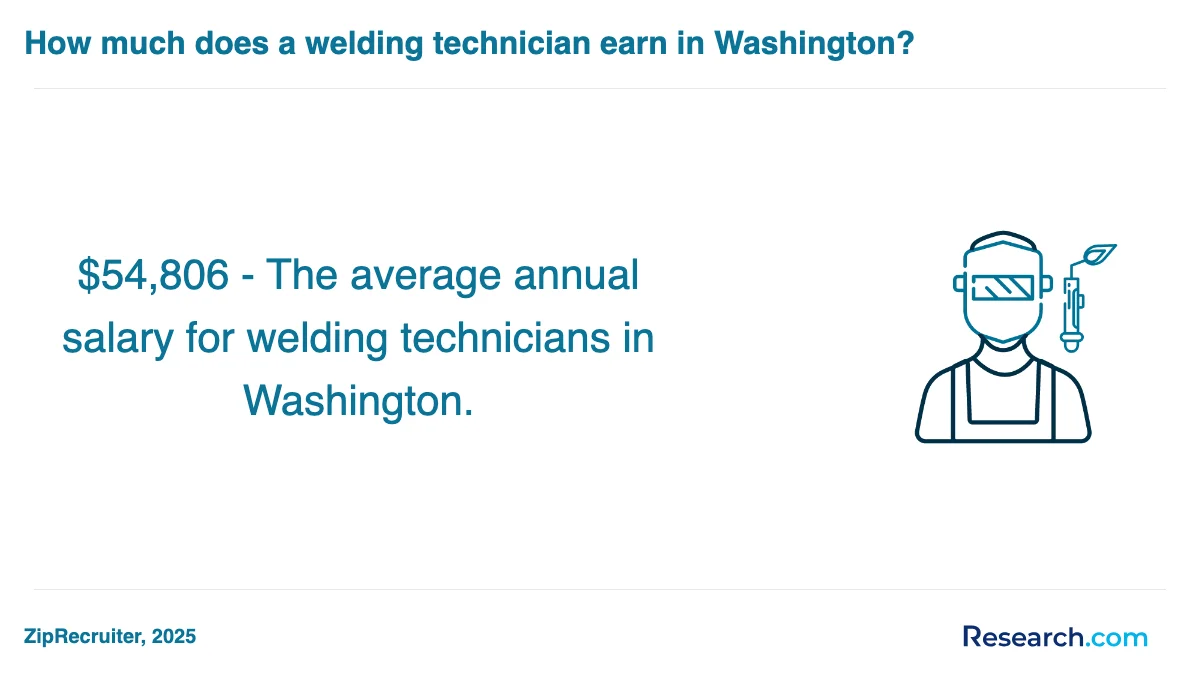
Students pursuing welder trade programs in Whiteville often find vital financial support through multiple aid sources that make their training more affordable and accessible. Many graduates from Southeastern Community College recall how Federal Pell Grants, offering up to $7,395 annually, provided a crucial foundation in covering tuition and supplies without adding debt pressure.
Federal Stafford Loans also play a key role, with subsidized options helping first-year welders manage costs while focusing on hands-on skills. Some students report feeling relieved knowing these loans don't accrue interest during their studies, allowing them to concentrate fully on mastering welding techniques.
State-level aid, like the Governor's Emergency Education Relief Fund, has empowered local students by prioritizing scholarships for welding credentials, making it easier for those attending community colleges in Whiteville to stay on track. Institutional scholarships offered by trade schools often come through as a welcome boost for students demonstrating financial need, sparking hope for those juggling work and study.
Private scholarships from organizations like the American Welding Society, especially the Tony Ferguson Memorial Scholarship geared toward North Carolina residents, add an encouraging layer of support. Many students share how applying early and combining these aid forms helped them confidently pursue their welding careers without overwhelming financial worries.
Enrollment in a welder trade school program in Whiteville typically requires a few straightforward prerequisites, designed to ensure students are prepared and confident stepping into the hands-on world of welding. Most popular trade schools in Whiteville expect applicants to have a high school diploma or GED, which serves as a foundation for understanding technical instructions and safety protocols.
Graduates often recall that schools appreciate if students demonstrate basic math skills and mechanical aptitude, which come in handy when interpreting blueprints or measuring materials on the job.
Other common prerequisites include:
- Proof of residency or eligibility to study in the US, which helps local students access specific funding or scholarships.
- Physical fitness to handle the demands of welding, such as good hand-eye coordination and stamina.
- A willingness to commit to safety training and wear protective gear at all times.
Many who've succeeded at Whiteville's top trade schools share that showing enthusiasm and a readiness to learn can sometimes outweigh formal prerequisites, making the process feel welcoming rather than intimidating.

Welder trade school programs in Whiteville typically include a mix of hands-on and classroom courses designed to prepare students for real-world welding careers. Graduates often recall how mastering MIG, TIG, and Stick welding techniques gave them confidence on the job site, handling both consumable and non-consumable electrodes with ease.
Core courses usually cover:
- Plasma arc and oxy-fuel cutting-skills that opened doors for graduates in fabrication shops
- Blueprint reading, which helped students accurately interpret welding symbols and technical drawings
- Welding mathematics to ensure precise measurements during projects
- Metallurgy, providing insights into metal properties and how different materials respond to heat and stress
- Welding inspection and testing, including both destructive and non-destructive methods, critical for quality assurance
Many Whiteville programs also include safety training and general education topics like communication and workplace ethics, which graduates say made transitioning into professional environments smoother. Students at popular local trade schools often describe these courses as essential stepping stones that helped them confidently enter industries like construction and manufacturing.
Welder trade school programs in Whiteville often center around well-rounded welding technology specializations in Whiteville NC that appeal to diverse career goals. Many graduates from Southeastern Community College describe hands-on experiences mastering processes like Shielded Metal Arc Welding (SMAW), Gas Metal Arc Welding (GMAW/MIG), Flux-Cored Arc Welding (FCAW), and Gas Tungsten Arc Welding (GTAW/TIG), which prepare them for real-world welding challenges. These practical skills are complemented by courses in blueprint reading and metallurgy, which graduates highlight as essential for advancing into fabrication and inspection roles.
Popular programs also provide in-depth training in welding inspection, including destructive and non-destructive testing, which enhances safety and quality assurance capabilities. Another standout specialization is pipe welding, where students learn welding in fixed, rolling, and overhead positions, critical for industrial applications.
For those weighing their options, Whiteville welding certificate and associate degree programs offer flexible pathways, from quick-entry certificate programs focusing on job readiness to associate degrees that open doors to supervisory roles. Many students appreciate how these options align with personal ambitions and industry demand.
Students curious about how to become a certified welder often find Whiteville's specialized curricula an encouraging way to forge a rewarding career.
When deciding among the best welder trade schools in Whiteville, prioritizing accreditation is key. Graduates often praise local programs accredited by recognized bodies, as this ensures the curriculum is industry-relevant and valued by employers. Many students appreciate schools that balance theory with hands-on practice, making the transition to job sites smoother and boosting confidence. How to choose the best welder trade school program in Whiteville also involves examining the qualifications of instructors; those with real-world welding experience provide mentorship that truly resonates, enriching the learning experience. For instance, graduates from popular colleges in Whiteville emphasize how modern equipment and well-maintained facilities elevated their skills, preparing them effectively for work.
Financial considerations also shape the decision. Successful students often seek programs offering scholarships and flexible payment options. Furthermore, scheduling flexibility allows learners to juggle personal commitments. Proximity is another practical factor-many prefer schools close to home to reduce commute stress and increase hands-on opportunities. To explore affordable options, consider resources like cheapest online maintenance technician training, which can provide valuable budgeting insights.
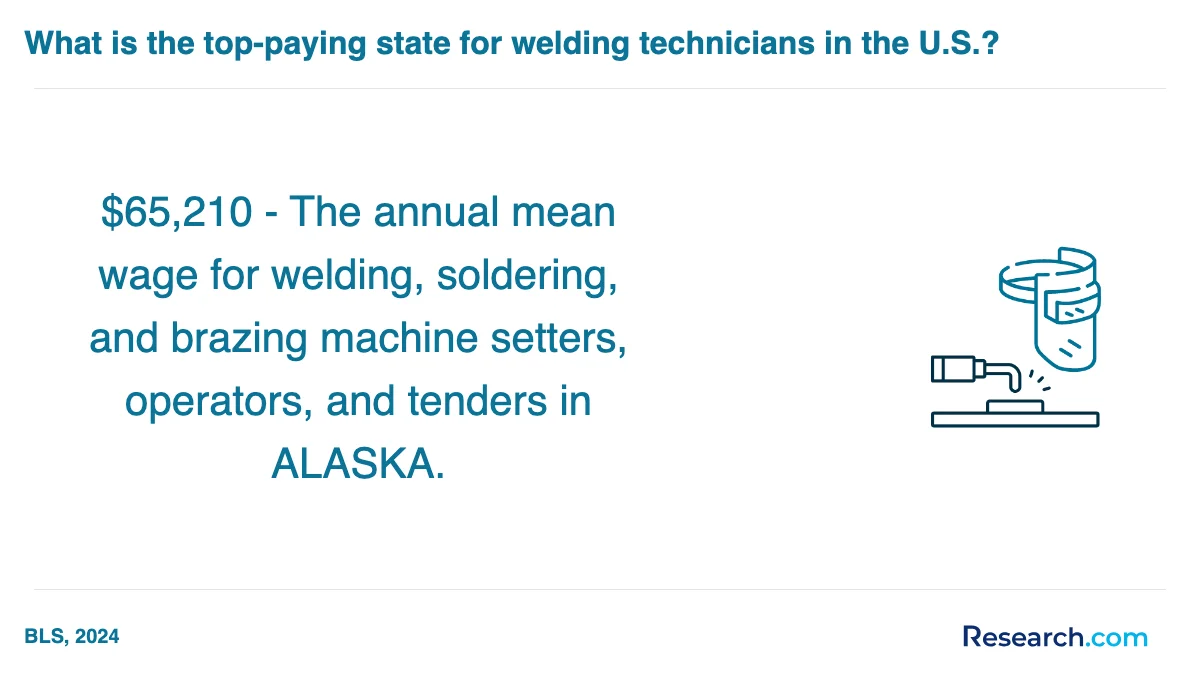
Graduates of welder trade school programs in Whiteville often find a range of promising career paths awaiting them locally. Entry-level roles typically include positions as welders in manufacturing, construction, or repair, where steady demand ensures opportunities for quick employment and skill growth. Graduates from well-known Whiteville trade schools frequently share how hands-on training helped them feel confident stepping into these roles immediately.
Beyond basic welding, many explore roles as general trades technicians or fabricators. These positions involve field assembly, repairs, and fabrication at construction sites or local plants, offering variety and teamwork. Graduates report satisfaction in applying their welding skills in dynamic environments, often earning competitive wages and benefiting from medical coverage when employed full-time.
Additional options include equipment maintenance, such as repairing and servicing welding machinery-positions that combine technical problem-solving with stable incomes averaging near $50,000 annually. Specializations in diesel mechanics or metal fabrication also appeal to graduates interested in vehicle repair or custom metalwork within Whiteville's industry.
Career development doesn't stop at hands-on trades. Some graduates transition into supervisory roles or venture into sales and technical training, reflecting the broad applicability of welding expertise in Whiteville. This flexibility aligns with the evolving welding job market in Whiteville and encourages students to envision growth beyond initial roles.
- Welder or manufacturing technician
- General trades technician or fabricator
- Repairer of welding equipment
- Diesel mechanic or metal fabricator
- Supervisory, sales, or technical trainer positions
Exploring these pathways highlights the value of welding training in Whiteville, especially as local industries continue to seek skilled professionals. For students considering the future, understanding these opportunities is key to adapting as the market changes. For more insights on the expanding career potential in trades, check out this resource on high-demand trades.
Welding job opportunities in Whiteville NC remain reliably steady for graduates of local trade schools, with many finding roles shortly after completing their programs. Graduates often report securing positions in fabrication shops and regional manufacturers, where starting wages range from $19 to $24 per hour. Some even transition into part-time teaching roles at well-known institutions like Southeastern Community College, highlighting the diverse career paths available. Those with hands-on experience from popular trade schools in Whiteville typically enjoy a smooth entry into the workforce thanks to strong local demand.
For welders eager to understand their future prospects, the market offers:
- 15 to 17 open welding-related positions locally at any given time
- Hourly wages averaging around $21, with upward mobility for seasoned professionals
- Benefits packages including health, vision, and dental insurance offered by regional employers
The appeal of welding in Whiteville extends beyond immediate job placement. Graduates value the ability to build skills with real-world applications, enabling them to envision stable and rewarding careers. Investing time at trade schools here offers not only technical training but also connections that help navigate and succeed in the evolving welder salary and demand in Whiteville.
Understanding is there a difference between a trade and a vocational program can empower students to choose the most effective education path, ensuring their skills align with market needs and maximize job opportunities.
Best Welding Training Programs & Trade Schools - Top Welding Schools in Whiteville for 2026
# 1 position
Southeastern Community College - Welding Technology/Welder.
associateSoutheastern Community College offers a Welding Technology/Welder program with a hybrid format, including some distance-education options. The program trains students in various welding methods such as arc welding, resistance welding, brazing, soldering, and high-energy beam welding. It covers welding metallurgy, structural design, safety, and relevant codes. The annual in-state tuition is $2,600. The program is accredited by the Southern Association of Colleges and Schools Commission on Colleges.
# 2 position
Southeastern Community College - Welding Technology/Welder.
certificate or diplomaThe Welding Technology/Welder program at Southeastern Community College offers a hybrid format with some distance education options. The curriculum covers arc welding, resistance welding, brazing, soldering, cutting, and welding metallurgy, along with safety, structural design, and applicable codes. Annual in-state tuition is $2,600. The program is accredited by the Southern Association of Colleges and Schools Commission on Colleges.
Frequently Asked Questions about welder
After completing a welder trade school program in Whiteville, preparing for the job market involves several important steps. First, graduates should obtain industry-recognized certifications such as those from the American Welding Society (AWS), which are highly valued by employers nationwide.
Next, building a strong resume that highlights hands-on training and any completed apprenticeships can improve job prospects. Networking through local trade unions and job fairs in Whiteville can also connect graduates with potential employers.
According to the U.S. Bureau of Labor Statistics, welding jobs in North Carolina are expected to grow by 5% from 2022 to 2032, signaling steady demand. Staying updated with safety standards and continuing education will enhance employability in this competitive field.
Employers in Whiteville seek welder trade school graduates with strong technical skills and practical experience. Mastery of welding techniques such as MIG, TIG, and Stick welding is essential, as these are commonly used in local industries like manufacturing and construction. According to the U.S. Bureau of Labor Statistics, welders with certification from recognized bodies, such as the American Welding Society, have better job prospects.
Attention to safety protocols is critical due to the hazardous nature of welding work. Employers also value graduates with the ability to read blueprints and use precision measuring tools accurately. Strong problem-solving skills and physical stamina are frequently mentioned in job postings across Whiteville's industrial sector.
Finding internships relevant to welder trade school programs in Whiteville involves a combination of local research and outreach. Start by contacting nearby welding companies and manufacturing firms, as many offer paid or unpaid internships to students seeking hands-on experience. The North Carolina Department of Commerce and local workforce development boards often list internship opportunities tailored to skilled trades, including welding.
Another useful resource is the Whiteville Chamber of Commerce, which can connect students with local businesses looking for interns. Additionally, some trade schools have partnerships with employers in the region, so inquire at your school's career services office about available placements.
According to the U.S. Bureau of Labor Statistics, welding jobs are expected to grow by 6% through 2032, increasing internship availability in high-demand areas like Whiteville. Exploring online platforms specialized in trade internships can also help identify openings specific to the region.
Obtaining a welder trade school diploma in Whiteville significantly enhances career mobility and advancement opportunities within the local welding industry. According to the U.S. Bureau of Labor Statistics, welders with formal training typically earn 15-20% more than those without credentials. In Whiteville, where manufacturing and construction sectors continue to grow, employers increasingly prioritize candidates with certified skills from accredited trade schools.
A diploma signals to employers a certain level of technical competency and safety knowledge, which can lead to faster job placements and eligibility for specialized roles such as pipe welding or underwater welding. Additionally, graduates often qualify for state certifications that further improve job prospects.
Trade schools also provide networking connections with local businesses, which can be crucial for career advancement in Whiteville's competitive labor market. Data from the North Carolina Community College System shows that welding graduates experience a 10% higher job retention rate compared to non-certified welders in the region.
Students enrolled in welder trade schools in Whiteville can benefit from part-time jobs that build practical skills and industry knowledge. Local manufacturing plants and metal fabrication shops often hire entry-level welders or helpers, providing hands-on experience while attending classes. According to the U.S. Bureau of Labor Statistics, welders in North Carolina earn an average hourly wage of about $18.50, which can increase with experience.
Another opportunity is working as a welding equipment technician assistant or in construction labor roles that involve metalwork. These positions allow students to apply classroom theory in real-world settings, enhancing both their resumes and technical proficiency. Whiteville's growing industrial sector supports such positions, helping students gain valuable professional exposure.
To find the best welder degree program near me, specifically near Whiteville, NC, you can start by checking local community colleges and technical schools that offer welding programs. Research.com can be a helpful resource to explore rankings and reviews of such programs in your vicinity. Additionally, contacting these institutions directly for campus tours or speaking with current students and faculty can provide valuable insights into the quality of the programs offered.
- Finding the Perfect Welding Job After Technical School https://www.high.net/careers/blog/finding-perfect-welding-job-after-technical-school/
- How to find a Welding Job after Graduating Welding School? - YouTube https://www.youtube.com/watch
- What Comes After Welding School? Job Outcomes and More https://ftccollege.edu/trade-blog/what-comes-after-welding-school-job-outcomes-and-more/
- Welding Trade Schools: Ignite Your Future With Hands-On Training https://www.trade-schools.net/trades/welding
- What Education Is Needed for a Welding Career? | Tulsa Welding School https://www.tws.edu/blog/welding/what-education-is-needed-for-a-welding-career/
- What to Consider When Choosing a Welding School | Pennco Tech https://www.penncotech.edu/questions-to-ask-when-considering-welding-schools/
- Welding Trade School | Edvisors https://www.edvisors.com/plan-for-college/careers/welding-trade-school/
- How to Become a Welder | UEI College https://www.uei.edu/guides/vocational-education/how-to-become-welder/
- Course Expectations https://www.ncavts.org/programs/welding/course-expectations
- Welding | ontariocolleges.ca https://www.ontariocolleges.ca/en/programs/professions-and-trades/welding