Best Welding Training Programs & Trade Schools - Top Welding Schools in Raleigh for 2026

Co-Founder and Chief Data Scientist
Choosing the right welder trade school in Raleigh can shape your future career and open doors to exciting opportunities. This article offers a helpful ranking of welder trade school programs, carefully created by the Research.com team of data scientists to guide you in making an informed decision.
Whether you’re aiming for a diploma or certification, gaining welding skills can boost your confidence and job prospects. Explore the best options available and take a positive step toward a rewarding trade career in 2026.
Key benefits of finishing welder trade school in Raleigh
- Graduates from welder trade schools in Raleigh can expect an average hourly wage between $21.64 and $28.96, with top welders earning up to $44.16 per hour, offering strong financial growth early in their careers.
- A typical graduate from a popular Raleigh trade school often finds diverse career paths, including roles like fabrication welder, which pays about $27 per hour and opens doors to specialized and rewarding work.
- Completing a welder trade school online allows flexible scheduling and faster entry into the workforce, as seen by online graduates from well-known Raleigh programs who balance training with personal commitments while gaining valuable skills.
- Best Welding Training Programs & Trade Schools - Top Welding Schools in Raleigh for 2026
- What can I expect from welder trade schools in Raleigh?
- Where can I work after finishing welder trade schools in Raleigh?
What can I expect from welder trade schools in Raleigh?
Students enrolled in welder trade school programs in Raleigh can expect a comprehensive blend of classroom learning and hands-on practice, designed to build industry-standard welding skills. Graduates from popular schools like Wake Tech and Miller-Motte College describe gaining proficiency in key welding techniques such as shielded metal arc welding (SMAW), gas metal arc welding (GMAW/MIG), and tungsten inert gas welding (TIG). These programs emphasize real-world applications, with students regularly working on modern welding equipment and performing destructive tests to evaluate weld quality.
Coursework often includes metallurgy, blueprint reading, construction math, and safety protocols, ensuring students understand both the science and practicalities of welding. For instance, graduates recount how mastering blueprint reading helped them confidently interpret complex project plans on job sites.
Certificate programs can be completed in a matter of months, while associate degrees take up to two years, offering deeper technical knowledge. Many students appreciate that Raleigh programs prepare them for AWS certification exams, boosting their job prospects with local employers like John Deere Turf Care and Apex Steel.
Where can I work after finishing welder trade schools in Raleigh?
Graduates of welder trade school programs in Raleigh find diverse employment opportunities across industries with strong local demand. Many start their careers in manufacturing and fabrication shops, securing roles such as MIG or TIG welders, metal fabricators, or structural welders. For example, graduates from Wake Technical Community College often report working with employers like SMT Inc. and Tradesmen International, building components for construction and transportation sectors.
Others pursue jobs in construction and infrastructure projects, where welding skills are essential for pipefitting, HVAC mechanical welding, or fabricating structural steel for bridges and buildings. These positions often come with union benefits and competitive wages, making them appealing to new welders.
Some graduates leverage their hands-on experience to become welding instructors at local trade schools, sharing industry knowledge with new students. Additionally, roles in automotive repair, equipment maintenance, and quality assurance are common paths, offering varied work environments and steady pay.
Entry-level welders in Raleigh typically earn between $18 and $25 per hour, with many employers providing on-the-job training to boost confidence and skill development after graduation.
Graduates from welder trade school programs in Raleigh typically start earning between $22.64 and $33.17 per hour, reflecting the strong local demand for skilled welders. This means many new welders take home between $947 and $1,082 per week, which is encouraging for those entering the workforce straight from popular Raleigh trade schools. These figures align with real experiences of recent graduates who often secure entry-level positions paying around $28.51 to $28.96 per hour, translating to annual salaries from $49,000 to $56,000.
For example, graduates specializing in manufacturing welding find themselves earning about $24 per hour, while those focusing on fabrication welding report salaries near $27 per hour. Many students from well-known Raleigh trade schools share that advancing skills can quickly boost earnings.
Welders who earn advanced certifications, such as Class A qualifications, often increase their salaries significantly, with averages near $86,246 annually and top earners making over $190,000 per year. This demonstrates the clear value of continual skill development after completing initial training.
- Welder programs in Raleigh offer certificate and associate degree options, covering skills like blueprint reading, welding equipment, metallurgy, and methods including MIG, TIG, SMAW, and plasma arc welding.
- Certificate programs usually take less than a year, while associate degrees can take up to two years; some programs may be completed in as little as 10 months.
- Certificate programs generally cost less than degree programs, and financial aid or scholarships may be available depending on the school.
- North Carolina does not require state welding licenses, but most employers prefer certifications such as those from the American Welding Society (AWS).
- The local job market is strong with employers like John Deere Turf Care and Apex Steel; entry-level welders typically earn between $37,000 and $45,000 annually.
Completing a welder trade school program in Raleigh typically takes between 6 months and 1 year, depending on the depth of the curriculum and the student's chosen pace. Many popular trade schools in Raleigh offer flexible schedules that accommodate working adults, allowing graduates to balance daytime jobs or family commitments while progressing steadily through hands-on welding training.
Graduates often share how the immersive, skill-focused environment accelerates their learning, making the months feel rewarding and manageable. For example, students at well-known Raleigh trade schools describe moving from basic welding techniques to advanced certifications within a single year, which boosts confidence and readiness to enter the workforce quickly.
This relatively short timeframe contrasts with longer academic programs, emphasizing practical skills and real-world applications. Students frequently highlight how completing the program in under a year helped them secure welding jobs faster, turning their enthusiasm for metalwork into steady employment without prolonged delays.
Online and on-campus welder trade school programs in Raleigh differ primarily in how students develop their skills. Graduates from on-campus programs at Miller-Motte College or Wake Technical Community College often share how the hands-on training in welding labs-using actual MIG, TIG, and stick welding equipment-boosted their confidence. They describe the value of practicing under expert supervision, which allowed them to correct mistakes in real time and experience the physical demands of welding firsthand.
In contrast, students in Wake Technical's online Welder Technician course highlight the flexibility of learning theory, safety, and welding math through videos and digital materials. While they appreciate studying at their own pace, many note the challenge of lacking in-person lab sessions to apply their knowledge practically. This difference means online learners must be highly self-driven and comfortable with independent study but miss out on direct tool handling.
For those aiming to meet Raleigh employers' expectations, on-campus programs remain the preferred route, as practical skills demonstrated in person are critical for certification and job readiness.
The average cost of a welder trade school program in Raleigh varies significantly depending on the type of credential pursued. At Wake Technical Community College, for instance, tuition fees for certificate programs hover around $2,076 for in-state students, while out-of-state students typically pay about $7,292. This range reflects the institution's accessible pricing for local residents and the premium charged for non-residents. Alumni often mention feeling satisfied with this investment, appreciating how affordable tuition fees for welding programs in Raleigh make hands-on training attainable.
Beyond tuition, students should anticipate additional expenses such as materials, protective gear, and textbooks, which can add between $500 and $1,500 to overall costs. Graduates recall buying these essentials as crucial steps that enhanced their confidence and readiness in real-world welding tasks. Those completing an associate degree in Welding Technology note that costs increase, reflecting the program's extended curriculum and depth of training, but also emphasize the value gained in mastering advanced skills.
Financial aid options-including federal grants like Pell Grants and state scholarships such as the North Carolina Community College Grant-have helped many feel more optimistic about managing their budgets. Scholarships based on merit or financial need offered by Raleigh trade schools also contribute to reducing the burden. Prospective students weighing choices might consider comparing costs and benefits alongside factors like living expenses and commute.
Understanding the nuances between a trade school vs vocational programs can further clarify expected expenses and outcomes in the welding field, helping students make informed decisions aligned with career goals.
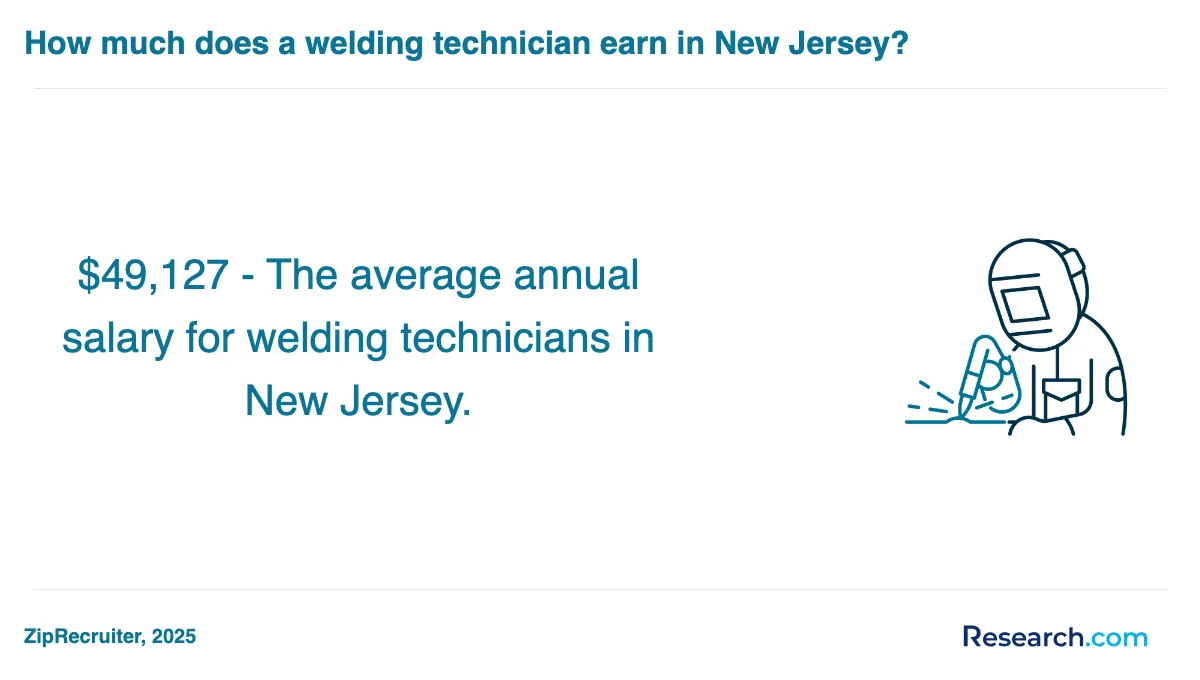
Welder trade school students in Raleigh commonly access financial aid through federal grants and loans by completing the FAFSA annually. This includes aid like the Federal Pell Grant, SEOG, and Direct Loans, which many Wake Technical Community College students rely on to reduce upfront costs. Graduates often share how the Parent PLUS Loan helped their families manage expenses during their training.
Scholarships are another key resource, with organizations such as the American Welding Society and the Wake Tech Foundation offering awards that do not require repayment. These competitive scholarships motivate students to maintain strong academic performance or demonstrate financial need, easing the pressure of tuition fees.
Workforce development programs funded by WIOA also provide targeted tuition assistance, especially beneficial for students focused on immediate workforce entry. Veterans and displaced workers can access benefits through VA, TAA, or OVR funding, which many Raleigh welders have utilized to successfully complete their programs.
When grants or scholarships fall short, flexible tuition payment plans at Raleigh schools make pursuing welding training manageable by spreading costs over time, a strategy praised by numerous recent graduates.
Enrolling in a welder trade school program in Raleigh typically requires a few key prerequisites designed to ensure student success and safety. Most programs expect applicants to have a high school diploma or GED, which establishes a foundational level of literacy and math skills essential for understanding welding techniques and safety protocols.
Additionally, applicants often need to pass a basic skills assessment focusing on reading comprehension, math, and mechanical reasoning. This helps instructors gauge readiness for hands-on training.
Popular trade schools in Raleigh emphasize physical fitness and manual dexterity, as welding demands steady hands and good stamina. Graduates frequently recall how early physical preparation contributed to their confidence and smooth progress during intense welding practice sessions.
Other common prerequisites include:
- Proof of age (usually 18+)
- Immunization records or health screening to ensure safe lab participation
- Basic understanding of workplace safety standards
One graduate from a well-known Raleigh trade school described how meeting these prerequisites gave them a sense of readiness and excitement, allowing them to fully engage with the program without unexpected hurdles.

Welder trade school programs in Raleigh typically include a mix of theoretical knowledge and hands-on training that graduates find both challenging and rewarding. Students at popular schools like Wake Technical Community College and Miller-Motte College often describe their coursework as practical and directly applicable to real-world welding jobs.
Core courses usually cover:
- Electrode welding and cutting processes, including Shielded Metal Arc Welding (SMAW), Gas Metal Arc Welding (GMAW/MIG), Flux-Cored Arc Welding (FCAW), and Tungsten Inert Gas Welding (TIG)
- Plasma arc welding and oxy-acetylene welding techniques, providing a diverse skill set relevant to local industries
- Blueprint reading to accurately interpret design specifications and translate them into precise welds
- Metallurgy classes that explain how different metals respond to heat and stress during welding
- Destructive and non-destructive testing methods to ensure weld quality and safety
- Shop and site safety protocols, emphasizing hazardous material handling and accident prevention
- Construction mathematics and basic fabrication techniques, preparing students for practical, on-the-job challenges
Graduates often highlight how mastering these courses builds confidence and readiness for AWS certification exams, a crucial step toward gaining employment and career advancement in Raleigh's welding industry.
Welder trade school programs in Raleigh offer a variety of specializations designed to meet the demands of the local welding industry. Popular programs at Wake Technical Community College emphasize practical skills like consumable and non-consumable electrode welding, blueprint reading, metallurgy, and welding inspection. Graduates often describe these experiences as rewarding and confidence-building, especially when mastering destructive and non-destructive testing methods. Many students appreciate the flexible evening classes that accommodate work schedules.
Typical welding techniques taught include:
- MIG (Metal Inert Gas) Welding
- TIG (Tungsten Inert Gas) Welding
- Stick Welding
- Pipe Welding
Additionally, Miller-Motte College in Raleigh highlights a Combination Welding program covering Shielded Metal Arc Welding (SMAW), Gas Metal Arc Welding (GMAW), Gas Tungsten Arc Welding (GTAW), and Flux-Cored Arc Welding (FCAW). Graduates praise the hands-on training with welding repairs and base metal identification, which prepares them to excel in fabrication, structural welding, and quality control roles.
For those researching their career path, understanding how do you become a certified welder helps align training choices with industry requirements, ensuring readiness for Raleigh's diverse welding opportunities.
Choosing the best welding programs in Raleigh NC requires careful evaluation of accreditation, curriculum, and graduate success. Wake Technical Community College and Johnston Community College stand out by offering comprehensive certificates and associate degrees that cover essential welding techniques like MIG, TIG, and flux-cored welding, paired with safety and blueprint reading. Graduates from these programs often share positive feedback about hands-on training and flexible scheduling that fits personal commitments.
When comparing Raleigh welder trade schools, consider student-teacher ratios and equipment quality. For example, Miller-Motte College boasts a favorable 36:1 ratio, allowing more personalized attention, though prospective students should note it does not guarantee job placement or certification eligibility. Many graduates appreciate schools that maintain strong industry ties, improving job prospects after completion.
Cost, location, and support services also weigh heavily. Schools near major employers with internship connections and career counseling can accelerate career entry. Exploring financial aid and job placement assistance is crucial to maximize investment. For insights on career outcomes, review data on highest paid trade school jobs to align your training with market demand.
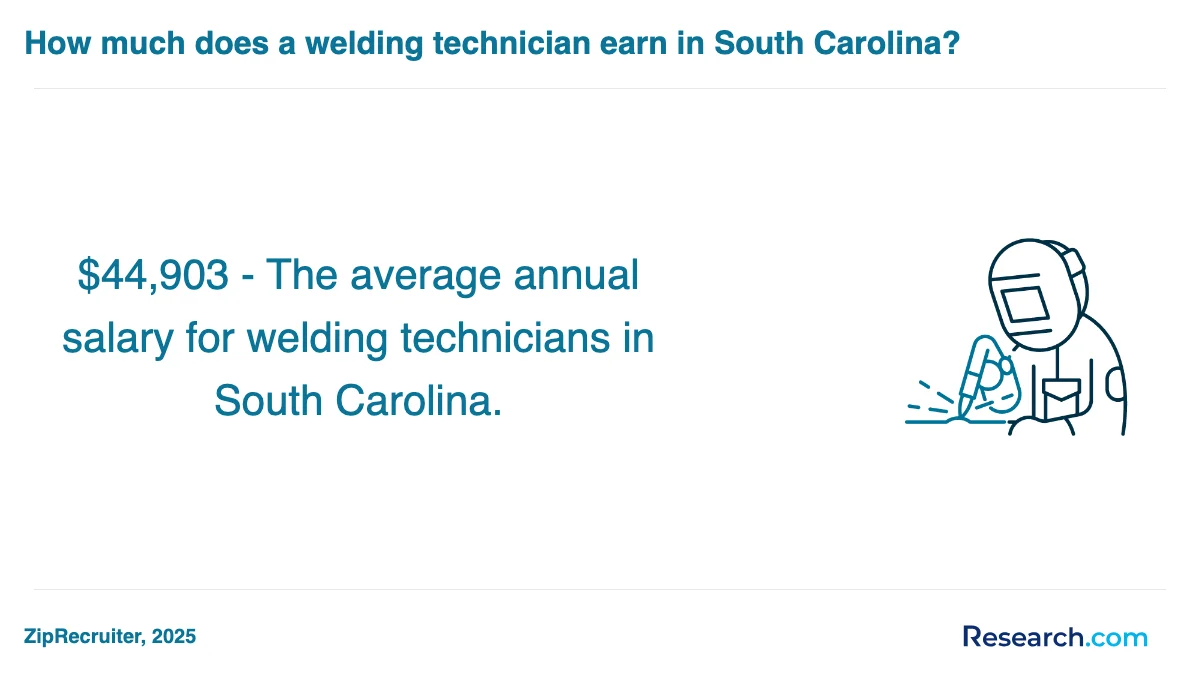
Graduates of welder trade school programs in Raleigh commonly enter the workforce through diverse welding jobs in Raleigh NC, which include roles such as MIG, TIG, and arc welders. Many find steady work as structural welders, pipefitters, or HVAC mechanical welders, employed by regional industry leaders like Apex Steel and John Deere Turf Care. These companies often actively recruit from popular programs like Wake Tech's Welding Technology, where graduates report a smooth transition to hands-on roles with competitive pay-about 6% above the national median wage.
Beyond welding positions, many graduates explore welding career opportunities in Raleigh that involve quality control, sales, or supervisory roles. These paths require skills acquired during trade school, such as blueprint reading and metallurgy, preparing graduates for technical and leadership responsibilities.
For those seeking flexibility, some graduates leverage training to launch mobile welding services or small fabrication shops, thriving as entrepreneurs. Others find rewarding work as instructors, sharing expertise in local community colleges, often without prior teaching experience but always backed by certifications.
Students interested in careers in trades may also consider cheap online maintenance technician trade school programs as complementary pathways for expanding skills and opportunities.
The welder job market in Raleigh NC is notably strong, with over 100 active welding-related job openings as of mid-2025. Graduates from popular trade schools in Raleigh report swift transitions into employment, finding roles that range from entry-level welding to specialized positions like TIG welding and pipefitting. Employers prioritize candidates who possess formal training and certifications, which are integral parts of Raleigh's welding career opportunities.
Job options often include:
- Full-time 40-hour workweeks
- Hourly wages between $19 and $25 based on experience
- Higher pay for supervisory and instructional roles
- Annual salaries of $55,000 to $60,000 for teaching positions
Trade school graduates highlight benefits such as health insurance and tuition reimbursement, enhancing career appeal. Growth in local manufacturing and construction fuels ongoing demand, creating multiple employment pathways. Many graduates enjoy seeing their skills applied in real-life projects around Raleigh's infrastructure developments.
For those seeking flexible learning options, exploring the best online diploma courses can complement hands-on training and boost employability in the competitive local market.
Best Welding Training Programs & Trade Schools - Top Welding Schools in Raleigh for 2026
# 1 position
Wake Technical Community College - Welding Technology/Welder.
associateWake Technical Community College offers a Welding Technology/Welder program with a hybrid format that includes some distance education. The curriculum covers arc welding, resistance welding, brazing, soldering, cutting, high-energy beam welding, welding metallurgy, structural design, safety, and applicable codes. Annual in-state tuition is $2,336. The program is accredited by the Southern Association of Colleges and Schools Commission on Colleges.
# 2 position
Wake Technical Community College - Welding Technology/Welder.
certificate or diplomaThe Welding Technology/Welder program at Wake Technical Community College offers hybrid learning with some distance education options. It trains students in arc welding, resistance welding, brazing, soldering, and cutting techniques. The curriculum also covers welding metallurgy, processes, heat treating, structural design, safety, and relevant codes. Annual in-state tuition is $2,336. The program is accredited by the Southern Association of Colleges and Schools Commission on Colleges.
# 3 position
Miller-Motte College-Raleigh - Welding Technology/Welder.
certificate or diplomaA program that prepares individuals to apply technical knowledge and skills to join or cut metal surfaces. Includes instruction in arc welding, resistance welding, brazing and soldering, cutting, high-energy beam welding and cutting, solid state welding, and welding metallurgy. The curriculum covers safety, structural design, oxidation-reduction reactions, welding processes and heat treating, ferrous and non-ferrous materials, and applicable codes and standards. Accredited by the Accrediting Commission of Career Schools and Colleges.
Frequently Asked Questions about welder
After completing a welder trade school in Raleigh, graduates should focus on building a strong professional network. Local industry connections can be key, as Raleigh's manufacturing and construction sectors often seek skilled welders. Joining organizations like the American Welding Society (AWS) can provide access to job boards and certification resources.
Obtaining AWS certifications, such as the Certified Welder (CW) credential, significantly improves employability. According to the U.S. Bureau of Labor Statistics, welders with certifications earn approximately 15% more on average.
Additionally, creating a detailed resume showcasing hands-on experience and any completed apprenticeships is essential. Many Raleigh employers value practical skills demonstrated through portfolios or references.
Finally, staying informed about local job fairs and apprenticeship opportunities in Raleigh can help graduates secure positions faster.
Employers in Raleigh value welder trade school graduates who demonstrate strong technical skills, including proficiency in various welding techniques such as MIG, TIG, and stick welding. According to the U.S. Bureau of Labor Statistics, welders with certifications from recognized bodies like the American Welding Society (AWS) have a higher chance of employment in North Carolina.
Attention to safety and the ability to read blueprints accurately are also critical. Raleigh's manufacturing and construction sectors prioritize welders who can maintain high-quality standards while following OSHA safety guidelines.
Additionally, employers prefer candidates with good problem-solving skills and the capacity to work with different metals and machinery efficiently, ensuring productivity and minimizing errors.
Finding internships in Raleigh related to welder trade school programs involves a strategic approach combining research and networking. Start by contacting local welding schools as many maintain partnerships with nearby businesses for student internships. The Raleigh Chamber of Commerce and North Carolina's Department of Commerce also offer resources and job listings tailored to technical fields, including welding.
Additionally, explore companies in Raleigh's manufacturing and construction sectors, as they frequently seek welding interns. Websites like Indeed and Glassdoor list internships but verify the relevance to welding trade skills. According to the U.S. Bureau of Labor Statistics, internships in skilled trades can significantly improve job placement rates after graduation.
Networking with trade unions such as the International Brotherhood of Boilermakers or local welding associations can open doors to apprenticeship opportunities. Attending career fairs hosted by community colleges or technical schools in Raleigh is another effective method to connect with employers actively seeking welding interns.
Obtaining a welder trade school diploma in Raleigh can significantly enhance career mobility and advancement opportunities. According to the U.S. Bureau of Labor Statistics, welders with formal training tend to earn higher wages and find jobs faster than those without credentials. In Raleigh, where manufacturing and construction industries are growing, a diploma demonstrates verified skills that employers value.
Graduates often qualify for certifications like AWS (American Welding Society), boosting their employability. Local employers report that certified welders have better chances for promotions and specialized roles. Additionally, trade schools frequently offer networking connections, apprenticeships, and job placement assistance, further supporting career growth in the Raleigh labor market.
Students attending welder trade schools in Raleigh can benefit from part-time jobs that provide practical experience and supplement their education. Positions such as welding apprenticeships, metal fabrication assistants, and maintenance helpers are common. These roles allow students to apply classroom knowledge in real-world settings while earning income.
The Bureau of Labor Statistics reports that the Raleigh metropolitan area has seen a steady demand for welders, with an average hourly wage of approximately $19.50 as of 2023. Employers often seek candidates with hands-on experience, making part-time roles valuable for skill development.
Additionally, some local manufacturing firms and construction companies offer part-time or seasonal work that aligns well with school schedules. These opportunities enhance students' resumes and improve job prospects after graduation.
To choose the best Welder degree program "near me" in Raleigh, NC, consider factors such as the curriculum offering comprehensive hands-on training, accredited certifications, and opportunities for apprenticeships or internships. Research.com can be a helpful resource to find program rankings and reviews that detail program outcomes and student satisfaction. Additionally, consult with local employers and trade unions to ensure the program aligns with industry standards and offers career placement services.
- Welding Technology | Wake Tech https://www.waketech.edu/programs-courses/credit/welding-technology
- Combination Welding Program | Miller-Motte College https://www.miller-motte.edu/career-training-programs/skilled-trades/combination-welding/
- Welding Trade Schools in Raleigh, NC - Welder Training https://weldingcareernow.com/welding-schools/raleigh-nc
- College Programs / Welding https://www.wcpss.net/Page/37588
- Welding Technology AAS - New River Community and Technical College https://www.newriver.edu/courses/welding-technology/
- 5 Common Challenges in Combination Welding and How to Overcome Them - South Texas Vocational Technical Institute https://www.stvt.edu/5-common-combo-welding-challenges/
- High school students report challenges in accessing skilled trades training https://www.k12dive.com/news/high-school-students-report-challenges-accessing-skilled-trades-training/733627/
- Challenges & Rewards of Welding: Is It a Tough Trade? https://www.redriver.team/is-welding-a-tough-trade-demystifying-the-challenges-and-rewards/
- Navigating Welding Careers: Conquering Challenges for Success https://nats.ca/Home/NewsArticle/3-challenges-you-might-face-in-your-welding-career-and-how-to-overcome-them/
- Welding training - Warsaw, Kraków, Wrocław, Łódź, Poznań https://kurso.eu/en/training-and-courses/welding-courses/welding/