
Best Welding Training Programs & Trade Schools - Top Welding Schools in Houston for 2026

Co-Founder and Chief Data Scientist
Looking to start a rewarding career as a welder in Houston? Choosing the right trade school is a crucial first step to gaining the skills and certification that employers value.
This article features a welder trade school programs ranking created by the Research.com team of data scientists to help you make an informed decision. By exploring these top programs, you’ll discover options that fit your goals and budget.
Whether you want to build expertise or open new job opportunities, earning a welder diploma or certification can be a life-changing step toward a fulfilling future.
Key benefits of finishing welder trade school in Houston
- Graduates from welder trade schools in Houston can expect starting salaries around $43,683 to $56,470 annually, with hourly wages typically between $22 and $28, offering a strong financial foundation early in their careers.
- Career paths often include roles such as certified welders in industrial, construction, or energy sectors, with opportunities to advance into specialized welding or supervisory positions, as seen with graduates from well-known Houston trade schools.
- Completing a welder trade school online provides flexibility and faster completion times compared to traditional degrees, allowing students to balance work and study, as experienced by many successful online program graduates in Houston.
- Best Welding Training Programs & Trade Schools - Top Welding Schools in Houston for 2026
- What can I expect from welder trade schools in Houston?
- Where can I work after finishing welder trade schools in Houston?
What can I expect from welder trade schools in Houston?
When you enroll in a welder trade school program in Houston, expect a hands-on learning experience from day one. Graduates from Houston Community College and San Jacinto College often recall the excitement of working in their own welding booths, using real equipment just like on a job site. You'll be guided by experienced instructors, many AWS-certified, who break down complex techniques like MIG, TIG, and pipe welding into manageable steps.
The programs balance practical skills with classroom theory, including blueprint reading and safety protocols essential for today's workplaces. Some students appreciate how Tulsa Welding School's 7-month Professional Welding program dives deep into industry standards, preparing them to hit the ground running.
Duration varies-some fast-track courses wrap up in as little as 3 to 6 weeks, ideal if you want to start quickly, while others offer more comprehensive associate degrees lasting over a year.
You'll gain confidence working with the same machines and tools used by Houston manufacturers and fabricators, making the transition to your first welding job smoother and more rewarding.
Where can I work after finishing welder trade schools in Houston?
After finishing a welder trade school program in Houston, you'll find a variety of paths open to you. Graduates often land jobs in Houston's booming construction, manufacturing, and infrastructure sectors, where there's steady demand for skilled welders. Many classmates from popular Houston trade schools have shared how they quickly secured roles in structural or pipe welding on large projects, enjoying hands-on work that builds their confidence daily.
Some grads start in fabrication shops or industrial parks around the city, working on custom metal parts or assembling heavy equipment. Others prefer the excitement of fieldwork at construction sites, where schedules can be flexible and shifts sometimes include weekends. It's common to see new welders hired by companies like Konecranes or General Technologies, where average salaries range from $46,000 to $48,000 annually, giving you solid financial footing early in your career.
Many graduates also find rewarding opportunities in specialized fields such as vessel welding or even in industries like aerospace and energy. The variety of jobs means you can match your skills and interests, whether you want a steady workshop environment or a dynamic on-site role that changes day to day.
After finishing a welder trade school program in Houston, many graduates find themselves earning between $22 and $24 per hour on average. This means a steady income of about $45,000 to $50,000 annually if you work full time. For those just starting out, like recent grads from popular Houston trade schools, the beginning wage might be closer to $17.50 per hour, which still covers basic living expenses while you build experience.
As you gain skills and certifications-something many grads from Houston's top programs achieve within months-you can expect your pay to rise to about $25 to $28 per hour. Some even report working in oilfield or rig welding jobs, where rates can jump 50% to 80% higher than average, pushing annual salaries well above $70,000. Imagine the pride of moving from hands-on training in school to earning competitive wages in Houston's booming energy sector.
Certified welders in Houston often see hourly wages between $25.66 and $27.85, reflecting the value employers place on those credentials. Many grads share how their certifications opened doors to better jobs and steady work. With Houston's strong industrial base, your welding skills can turn into both a rewarding career and financial stability.
- Most welder trade school programs in Houston require a high school diploma or GED for admission and may include an interview or campus tour.
- Program lengths typically range from 7 to 9 months, with examples like the 36-week Welding Technology program at Universal Technical Institute.
- Curricula cover key welding processes such as GMAW, SMAW, FCAW, and GTAW, along with blueprint reading and welding mathematics.
- Tuition usually ranges from $10,000 to $20,000, with some community colleges offering lower costs and potential financial aid options.
- Starting salaries for welding graduates in Houston are generally between $40,000 and $48,000 per year, with experienced welders earning $60,000 or more annually.
Completing a welder trade school program in Houston typically takes between six months to one year, depending on the depth of training and the specific school you choose. Many students at popular Houston schools find that an intensive six-month certificate program quickly equips them with the practical skills needed to enter the workforce. These programs often involve hands-on welding practice, safety training, and blueprint reading, which graduates recall as both challenging and rewarding experiences.
Others opt for diploma or associate degree programs that last closer to a year, allowing for more comprehensive instruction and additional certifications. Graduates from these longer courses often share how the extra time gave them confidence and a broader skill set, making them more competitive in Houston's bustling industrial and construction job markets.
Whether you choose a shorter or longer program, Houston's trade schools create an environment where students feel supported and motivated, often forming tight-knit communities that celebrate each welding milestone together.
The main difference between online and on-campus welder trade school programs in Houston is how you engage with the hands-on aspects of welding. On-campus programs, like the 36-week Welding Technology course at Universal Technical Institute, immerse you in real-world practice daily. Graduates often share how working directly with arc welding machines and blueprints under an instructor's watchful eye helped build their confidence quickly. The immediate feedback and peer collaboration create a supportive learning environment that feels energizing and motivating.
In contrast, online programs such as the University of Houston's Welder Technician course deliver theory and virtual labs remotely. Students appreciate the flexibility to study around jobs or family, but many mention missing the tactile experience of welding metal with their own hands. While interactive software simulates some tasks, it can't fully replicate the feel of real equipment. Some students choose hybrid models to balance convenience with in-person skill-building, making the learning journey adaptable yet effective in Houston's busy lifestyle.
The average cost of welder trade school in Houston varies widely depending on the institution and the length of the program. For example, graduates from Precision Welding Academy often mention that tuition fees can range between $7,520 and $25,200 based on whether they took shorter or more comprehensive courses spanning 376 to 1,200 hours. Other students from Fortis College share that the 48-week Welding Technology program costs around $22,830, which many found to be a worthwhile investment given the thorough hands-on experience.
It's common for welders in training to compare tuition fees for welding programs in Houston before making a decision. Supreme Welding Academy, offering programs from 3 to 15 weeks, charges between $3,500 and $9,000, making it a popular choice for those seeking faster completion. Meanwhile, some apprenticeships such as the Pipefitters Local Union 211 provide free training combined with paid work, making it an attractive option if you're looking to avoid upfront tuition costs while gaining real-world experience.
Many graduates emphasize the importance of factoring in additional expenses beyond tuition, such as books and supplies. Some students choose to explore financial aid and scholarships to help manage costs or seek the cheapest maintenance technician training online as a supplement to their welding education. MIAT College of Technology, for instance, offers a 9-month Welding Diploma program with tuition and fees totaling about $35,975, reflecting the comprehensive nature of their training.

Students aiming to become welders in Houston often find financial aid options that make their goals much more attainable. Many start by filling out the Free Application for Federal Student Aid (FAFSA), which opens doors to Pell Grants and federal Direct Loans. These grants, unlike loans, don't need to be repaid, easing the financial pressure after graduation. Graduates from Tulsa Welding School and Arclabs Welding School frequently mention how institutional scholarships helped reduce their tuition costs, rewarding their dedication and hard work.
For those balancing uncertain job situations, programs like the Texas Workforce Commission and the federal Workforce Innovation and Opportunity Act offer crucial support to cover tuition and training expenses. Veterans and active-duty personnel also benefit from education benefits such as the GI Bill®, which makes welding education more accessible at VA-approved schools.
Many students appreciate that several Houston schools provide flexible payment plans and private loans, allowing them to manage costs without stress. Remember, each school's financial aid options vary, so reaching out to their aid offices can uncover the best fit for your situation.
To enroll in a welder trade school program in Houston, you typically need to meet a few straightforward prerequisites that set you up for success. Most schools require a high school diploma or GED, which ensures you have the basic math and reading skills necessary for welding coursework.
Besides formal education, schools often look for:
- Proof of residency or ability to study in Houston, since many programs prioritize local applicants.
- Basic physical fitness, as welding demands stamina and good hand-eye coordination.
- Sometimes a placement test or an interview to assess your interest and commitment.
Graduates from popular Houston trade schools often share how these prerequisites helped them hit the ground running. For example, one graduate recalled their first day feeling confident because their solid foundation in basic math made understanding welding measurements much easier. Another mentioned how passing the physical fitness requirement meant they were ready to handle the hands-on, demanding nature of the training.
These requirements are designed not to block you but to ensure you thrive in a hands-on, practical learning environment that leads to a rewarding welding career right here in Houston.
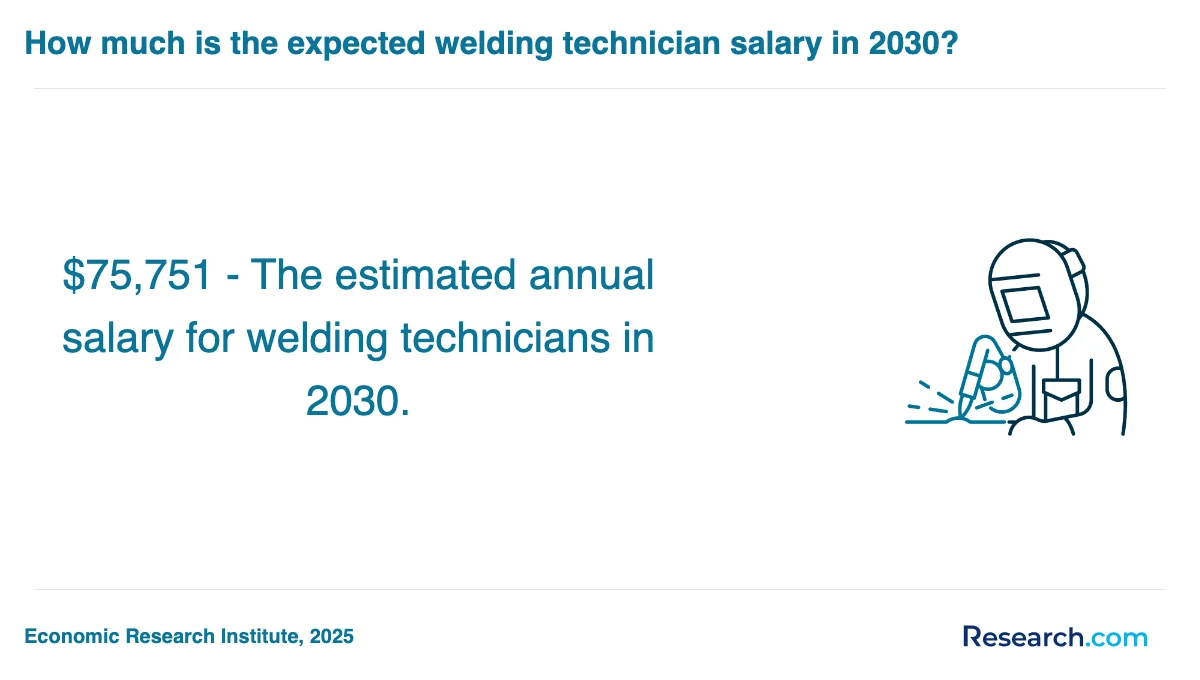
Welder trade school programs in Houston typically start with an Introduction to Welding course, where you'll quickly gain essential safety knowledge and an overview of the welding field. Graduates from schools like San Jacinto College often recall how this foundation made them feel confident handling equipment safely from day one.
Next, you dive into core welding techniques such as:
- Shielded Metal Arc Welding (SMAW), or stick welding
- Gas Metal Arc Welding (GMAW), commonly called MIG welding
- Gas Tungsten Arc Welding (GTAW), known as TIG welding
These classes combine hands-on practice with classroom learning-something graduates from Universal Technical Institute praise for helping them master different metals and equipment quickly.
Many Houston trade schools also offer specialized courses like Flux-Cored Arc Welding (FCAW), pipe welding, and engineering fabrication. These skills are especially valued in Houston's industrial sector, giving you a real advantage when job hunting.
Blueprint reading and project planning are also key components, teaching you to interpret technical drawings and plan projects accurately-crucial skills shared by graduates from Houston Community College.
Welding specializations in Houston trade schools cover a wide range of skills tailored to the city's strong industrial and energy sectors. Graduates often reflect on how mastering Shielded Metal Arc Welding (SMAW) or "stick welding" at schools like Houston Community College gave them hands-on confidence in construction and repair jobs. Gas Metal Arc Welding (GMAW), or MIG welding, is another popular choice, especially for fast-paced manufacturing and automotive work, where speed and precision matter.
Many students find opportunities in Pipe Welding, a key area within Houston welding programs pipefitting and fabrication, which prepares them for the oil and gas industries. Tulsa Welding School's "Welding Specialist with Pipefitting" program has been praised for equipping graduates with essential skills for industrial plant maintenance.
Other sought-after specializations include Gas Tungsten Arc Welding (GTAW) for fine, detailed work, and Flux-Cored Arc Welding (FCAW) for heavy fabrication. Students interested in broad technical knowledge can pursue certificates or degrees in Welding Technology, covering crucial topics like blueprint reading and welding inspection.
For those exploring flexible learning options, many Houston schools incorporate online graduate diploma courses, blending convenience with comprehensive expertise.
Choosing the best welder trade schools in Houston means looking beyond just the name. Consider the curriculum carefully-graduates from Houston Community College praise its comprehensive training in SMAW, GMAW, GTAW, and pipe welding, which gave them confidence on the job. Hands-on experience is equally important; students at Universal Technical Institute appreciate working with advanced equipment designed alongside Lincoln Electric, which made their learning feel relevant and exciting.
Flexibility plays a key role when balancing life and study. For example, Griffin's Industrial Welding School's 12-week program offers various class times, making it easier to fit training into a busy schedule. Accreditation is something to watch for too, as programs aligned with the American Welding Society often lead to better certifications and job prospects. Graduates from Houston Community College highlight this alignment as a game-changer.
Financial concerns are natural, but some schools like Fortis College provide financial aid options alongside tuition transparency, which relieved stress for many students. To explore affordable options, check out cheap welding training programs online that complement local schooling. Choosing wisely sets you up for success in Houston's welding industry.
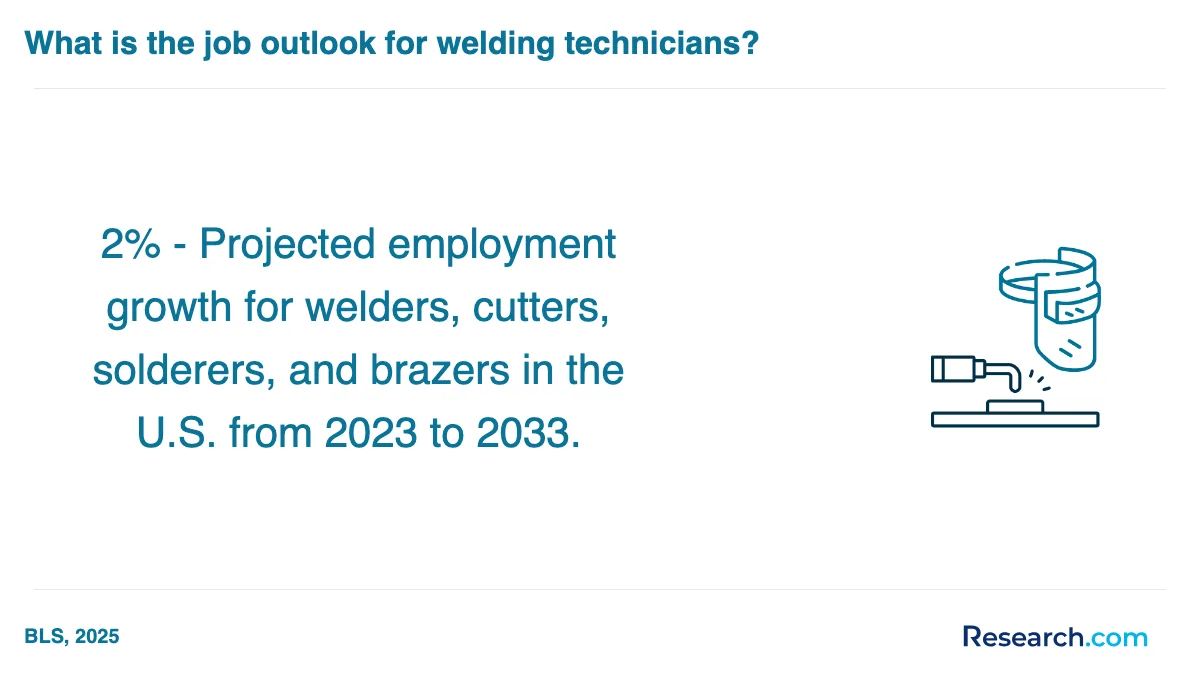
Graduates of welder trade school programs in Houston enjoy a variety of welding career opportunities in Houston across industries like energy, shipbuilding, and manufacturing. Many find entry-level roles as structural welders, fabrication welders, TIG welders, or welder/fitter positions, often immediately after completing hands-on training at popular trade schools in Houston. These roles provide a strong foundation with real-world projects, preparing graduates for steady employment in the city's industrial sector.
Some graduates start as welder helpers or iron workers, assisting with rigging and steel assembly, gradually building skills and confidence. From here, advancing to lead welder, welding inspector, or foreman positions is common, especially with added certifications. Skilled welders can also pursue specialized work in pipeline welding or maintenance for Houston's oil and gas companies, leveraging local demand.
Many Houston welders appreciate the option to work overtime or weekends, increasing income potential, with pay ranging broadly by expertise. The versatility of welder jobs in Houston Texas offers stability and long-term growth.
For those curious about the best paying trade jobs related to welding, exploring data available at best paying trade jobs is a useful step to plan a rewarding career path.
The welding job demand in Houston is strong and steadily growing, especially for graduates from well-regarded local trade schools. Many recent graduates share stories of how they quickly secured positions in industries like energy, manufacturing, and construction, benefiting from Houston's expanding industrial landscape. These welding trade schools prepare students to meet hands-on challenges, which employers highly value.
Many students find that their training opens doors to:
- Entry-level wages around $17.53 per hour, with quick potential growth
- Work in high-demand sectors such as oil and gas
- Opportunities for on-the-job training and advancement
Moreover, the welder employment opportunities Houston Texas offer go beyond just starting pay. Those with certifications can advance toward specialized roles like rig welding or inspection, earning up to $28.98 per hour. Recent graduates often comment on the positive support from employers seeking skilled welders to fill the ongoing labor shortage.
If you're deciding between options for your future, understanding the difference between a trade school program vs vocational program can help you choose the schooling that will best position you in this competitive market.
Best Welding Training Programs & Trade Schools - Top Welding Schools in Houston for 2026
# 1 position
Elite Welding Academy - Welding Technology/Welder.
certificate or diplomaThe Welding Technology/Welder program at Elite Welding Academy is a hybrid course offering some distance-education options. It trains students in technical skills such as arc welding, resistance welding, brazing, soldering, cutting, and high-energy beam welding. The curriculum covers welding metallurgy, structural design, safety, and relevant codes and standards. Graduates have median earnings of $38,717 one year after completing the program.
# 2 position
Universal Technical Institute of Texas Inc. - Welding Technology/Welder.
certificate or diplomaThe Welding Technology/Welder program at Universal Technical Institute of Texas Inc. offers hybrid instruction, combining in-person and distance learning. Graduates earn a median salary of $39,141 one year after completion. The curriculum covers arc welding, resistance welding, brazing, soldering, cutting, welding metallurgy, safety, and applicable codes. The program is accredited by the Accrediting Commission of Career Schools and Colleges.
# 3 position
Houston Community College - Welding Technology/Welder.
associateHouston Community College offers a hybrid Welding Technology/Welder program that prepares students to apply technical skills in welding and cutting metal surfaces. The curriculum covers arc welding, resistance welding, brazing, soldering, and welding metallurgy, along with safety and relevant codes. The annual in-state tuition is $2,040, and graduates have a median earning of $27,696 one year after completion. The program is accredited by the Southern Association of Colleges and Schools Commission on Colleges.
# 4 position
Houston Community College - Welding Technology/Welder.
certificate or diplomaHouston Community College offers a Welding Technology/Welder program with a hybrid format, combining distance education and in-person training. The program covers arc welding, resistance welding, brazing, soldering, and various welding processes, along with safety and structural design. Annual in-state tuition is $2,040. Graduates earn a median salary of $27,696 one year after completion. The program is accredited by the Southern Association of Colleges and Schools Commission on Colleges.
# 5 position
Tulsa Welding School-Houston - Welding Technology/Welder.
certificate or diplomaThe Tulsa Welding School-Houston offers a hybrid Welding Technology/Welder program that prepares students to apply technical skills in welding and cutting metal surfaces. Instruction covers arc welding, resistance welding, brazing, soldering, high-energy beam techniques, metallurgy, safety, and industry codes. Graduates have median earnings of $31,821 one year after completion. The program is accredited by the Accrediting Commission of Career Schools and Colleges.
# 6 position
Fortis College - Welding Technology/Welder.
certificate or diplomaFortis College offers a Welding Technology/Welder program that trains students in applying technical skills to join or cut metal surfaces. The curriculum covers arc welding, resistance welding, brazing, soldering, high-energy beam welding, and solid-state welding. Instruction also includes welding metallurgy, heat treating, structural design, safety, and relevant codes and standards. The program is accredited by the Accrediting Commission of Career Schools and Colleges.
Frequently Asked Questions about welder
After completing a welder trade school in Houston, preparing for the job market involves several key steps. First, obtaining industry-recognized certifications, such as those from the American Welding Society (AWS), can significantly improve employment prospects. Houston's strong energy and manufacturing sectors offer numerous job opportunities, with the Bureau of Labor Statistics projecting a 6% growth in welding jobs in Texas through 2031.
Networking is also essential. Attending local job fairs, joining trade organizations, and connecting with alumni can open doors to apprenticeships and entry-level positions. Additionally, developing a strong resume that highlights hands-on experience and certifications will attract potential employers.
Finally, staying updated with the latest welding technologies and safety standards is crucial to maintain competitiveness in Houston's evolving job market.
Employers in Houston's welding industry prioritize a blend of technical proficiency and practical skills in trade school graduates. Mastery of various welding techniques such as MIG, TIG, and stick welding is essential. According to the U.S. Bureau of Labor Statistics, welders with certifications from recognized bodies like the American Welding Society (AWS) are more competitive in Houston's job market.
Attention to safety protocols is critical due to the industrial nature of many Houston employers. Strong blueprint reading and metallurgy knowledge also rank highly, enabling welders to work accurately on complex projects. Additionally, soft skills like problem-solving and teamwork are increasingly valued, reflecting Houston's collaborative work environments in sectors such as oil, construction, and manufacturing.
Finding welding internships in Houston begins with leveraging connections through your trade school's career services. Many welder trade programs partner directly with local manufacturing companies, shipyards, and construction firms that offer hands-on internship opportunities. According to the Texas Workforce Commission, Houston's industrial sector employs over 25,000 welders, creating a strong demand for skilled interns.
Students should also explore job boards like Indeed and the Houston Welding Association's website, which frequently list paid and unpaid internships. Networking at trade shows and local union meetings can further increase chances of securing a position. Additionally, contacting employers directly, such as oil refineries and fabrication shops, often uncovers hidden internship openings.
Obtaining a welder trade school diploma in Houston significantly enhances career mobility and advancement opportunities. According to the Texas Workforce Commission, welders with formal training earn on average 20-30% more than those without credentials. A diploma validates essential skills and safety knowledge, making graduates more competitive for skilled positions in Houston's large energy, manufacturing, and construction sectors.
Employers in Houston often prioritize certified welders for promotions and specialized tasks, which can lead to supervisory roles or higher-paying jobs. Additionally, trade school graduates may qualify for industry certifications such as AWS (American Welding Society), which further boosts employability and wage potential.
Overall, a diploma from a Houston welder trade school provides a tangible credential that supports upward social and economic mobility within the region's robust labor market.
Part-time job opportunities in Houston that complement welder trade school education often include positions such as welding assistant, metal fabricator helper, and maintenance technician. These roles provide hands-on experience with welding equipment and materials, reinforcing the skills learned in school. According to the U.S. Bureau of Labor Statistics, Houston's manufacturing and construction sectors are among the largest in Texas, offering steady demand for welding-related jobs.
Many students find work in local fabrication shops or construction sites, where they can observe professional welders and practice safety protocols. Additionally, oil and gas companies in Houston sometimes hire part-time workers for entry-level welding support roles, providing exposure to industry standards and technologies.
Such employment not only builds practical skills but also helps students network within Houston's welding community, potentially improving job prospects after graduation.
To choose the best welder degree program near me in Houston, TX, start by exploring programs offered by local universities and technical schools, considering factors like accreditation, curriculum, and hands-on training opportunities. Research.com is a helpful resource for finding detailed information and rankings of welding programs to aid your decision. Also, visit campuses near Houston, TX, to assess their facilities and connect with current students or faculty to gain insights into the learning environment.
- Best Welding Training Programs & Trade Schools - Top Welding Schools in Midland for 2026
- Best Welding Training Programs & Trade Schools - Top Welding Schools in Salina for 2026
- Best Welding Training Programs & Trade Schools - Top Welding Schools in Kansas City for 2026
- Best Welding Training Programs & Trade Schools - Top Welding Schools in Owensboro for 2026
- Welder Cover Letter Examples - Templates & Writing Tips https://www.resume-now.com/cover-letter/examples/metal-work/welder
- 8+ Welder Cover Letter Examples & Templates https://www.jobhero.com/cover-letter/examples/metal-work/welder
- Sample Student Cover Letter – Welding – Technical Writing for Technicians https://openoregon.pressbooks.pub/ctetechwriting/chapter/sample-student-cover-letter-for-welding-week-9/
- 5 Professional Welder Cover Letter Examples and Template for 2025 | Enhancv https://enhancv.com/cover-letter-examples/welder/
- Welder Apprentice Cover Letter Examples - QwikResume https://www.qwikresume.com/cover-letters/welder-apprentice/
- Welder/Fitter Cover Letter: Expert Guide & Customizable Templates https://resume-example.com/cover-letters/welderfitter
- 5 Part-Time Jobs for Students in Trade School | Tulsa Welding School https://www.tws.edu/blog/skilled-trades/5-part-time-jobs-for-students-in-trade-school/
- 24 Short Career Programs That Lead to High-Paying Jobs https://www.trade-schools.net/articles/highest-paying-jobs-without-degree
- 37 Careers You Can Pursue Via Trade Schools https://www.best-trade-schools.net/careers/
- Welding training - Warsaw, Kraków, Wrocław, Łódź, Poznań https://kurso.eu/en/training-and-courses/welding-courses/welding/


