Best Welding Training Programs & Trade Schools - Top Welding Schools in Grand Island for 2026

Co-Founder and Chief Data Scientist
Are you thinking about starting a career as a welder in Grand Island? Choosing the right trade school can make all the difference in reaching your goals. This article will guide you through the best welder trade schools in the area for 2026.
The Research.com team of data scientists has created a welder trade school programs ranking to help you find quality programs worth considering. Reading this article will give you clear insights to make an informed choice.
Getting a diploma or certification in welding opens doors to steady work, skill development, and personal growth. Explore your options with confidence and step into a rewarding future.
Key benefits of finishing welder trade school in Grand Island
- Graduates of welder trade schools in Grand Island can expect an average hourly wage around $24.55, with annual salaries near $50,220, offering a strong start in a steady, well-paying trade.
- A typical graduate from a popular local trade school often finds diverse career paths, such as working in construction, manufacturing, or specialized metal fabrication, providing valuable job flexibility.
- Completing a welder trade school online allows students to balance learning with personal commitments while gaining practical skills, as seen in successful online graduates from well-known Grand Island programs.
- Best Welding Training Programs & Trade Schools - Top Welding Schools in Grand Island for 2026
- What can I expect from welder trade schools in Grand Island?
- Where can I work after finishing welder trade schools in Grand Island?
What can I expect from welder trade schools in Grand Island?
At a welder trade school program in Grand Island, students engage in hands-on technical training combined with classroom instruction to master welding processes, safety, and fabrication techniques. Graduates from Central Community College's Grand Island campus often highlight their experience learning core methods like oxyacetylene welding, gas metal arc welding (GMAW), and shielded metal arc welding (SMAW), which prepare them for real-world tasks.
Expect to develop skills beyond welding itself, including blueprint reading, brazing, cutting, and understanding welding codes. Many students find the supervised lab work particularly rewarding, as it builds confidence and job-ready abilities. The supportive environment helps students feel prepared to meet industry standards and local employer demands.
Program lengths vary, with certificate paths taking a few months and associate degrees requiring about two years of study. Tuition typically ranges between $96 and $144 per credit hour, with financial aid options easing the cost. Graduates often express pride in their readiness for entry-level roles and the stability this career path offers in Nebraska's growing welding job market.
Where can I work after finishing welder trade schools in Grand Island?
After completing a welder trade school program in Grand Island, graduates find a variety of rewarding job opportunities within the local market. Many quickly secure positions in manufacturing and fabrication shops, such as those at Chief Fabrication, where they apply skills in MIG, TIG, and Stick welding to build and repair metal structures. These roles often pay between $17 and $19 per hour for entry-level workers, providing a solid start to a welding career.
Other graduates embrace roles in plant maintenance, working as Maintenance Technicians or Plant Maintenance Welders in food processing and machinery repair facilities. Here, they not only weld but also help keep critical equipment running smoothly, contributing to essential operations.
Transportation-related jobs are also common, with welders employed to maintain rail systems, truck bodies, and agricultural equipment. Graduates from popular local trade schools share that mastering technical drawings and diverse metalwork makes these positions both challenging and fulfilling.
These career paths offer steady work and room for advancement, making trade school training in Grand Island a practical and empowering choice.
Graduates completing a welder trade school program in Grand Island often start with hourly wages around $22 to $25, reflecting a solid earning potential soon after finishing their training. Many find that local employers like Standard Iron Works offer competitive rates near $22.37 per hour, which aligns well with reported statewide figures. This translates to starting annual salaries in the mid-$30,000s, a promising income for those entering the field.
New welders fresh from schools such as Central Community College or the Grand Island Career College frequently share positive experiences about quickly securing jobs paying between $17.88 and $23.61 per hour. These wages provide graduates with financial independence and motivation to further develop their skills.
With experience and additional certifications, wages can rise significantly. The top 10% of welders in Nebraska earn up to $41,648 annually, demonstrating clear career growth. This steady increase encourages many graduates to pursue specialization or advanced training within the region's thriving welding industry.
- Welding programs in Grand Island are available as certificates or associate degrees, with the associate degree typically taking about two years to complete.
- Tuition costs range from $96 to $144 per credit hour, with total expenses for an associate degree reaching several thousand dollars, excluding fees and supplies.
- Programs teach key welding skills including oxyacetylene, gas metal arc, shielded metal arc, gas tungsten arc welding, blueprint reading, and welding codes.
- The job market in Nebraska for welders is stable, with a projected 2% growth in welding jobs nationwide from 2023 to 2033.
- Entry-level welders in Nebraska earn an average of $38,857 annually, while experienced welders can make over $100,000 per year depending on credentials and role.
Completing a welder trade school program in Grand Island typically takes between six months to one year, depending on the intensity and structure of the course. Many students attending popular local trade schools find that immersive, hands-on programs accelerate their learning, allowing them to enter the workforce quickly with solid welding skills.
Graduates often share how the focused curriculum, combining classroom instruction with real-world practice, helped them build confidence early on. For instance, some students describe their experience welding on actual metal projects from the first weeks, which made the learning process engaging and rewarding.
This practical approach in Grand Island's trade schools not only shortens the completion time but also prepares students for welding certification exams efficiently. The streamlined timeline fits well for those eager to start a welding career promptly while gaining valuable industry insight through applied training.
The core difference between online and on-campus welder trade school programs in Grand Island centers on hands-on training and instructional environment. Graduates from popular local schools often recall spending most of their time in well-equipped welding labs, working directly with torches, metals, and safety gear under expert supervision. This immersive experience, typical of on-campus programs, builds confidence and practical skills critical for real-world welding jobs. Students appreciate the immediate feedback and camaraderie developed with instructors and peers during these sessions.
Conversely, online programs in Grand Island mainly cover theoretical topics like safety codes and blueprint reading through virtual lectures. While this flexibility suits those balancing work or family, most online courses still require in-person lab hours at approved facilities to master tactile skills. Many students find the hybrid approach helpful but note that nothing compares to the hands-on practice and instant guidance available on campus. For aspiring welders here, on-campus training remains the gold standard for skill development and career readiness.
The average tuition fees for welding programs in Grand Island vary primarily depending on residency status at Central Community College, the region's leading institution for welding trade education. In-state students typically pay around $3,300 per year, while out-of-state students face higher costs near $4,710 annually. Graduates often recall balancing these tuition expenses with additional costs, such as purchasing tools, uniforms, and safety gear, which are essential for hands-on training and real-world application.
Prospective students exploring the cost of welding certification courses in Grand Island Nebraska find these figures reflective of the local market and competitive compared to other trade schools. Many former students emphasize how the investment felt manageable when considering the quality of instruction and practical experience they received during their programs.
Several alumni from trade schools in Grand Island share that the real value lies in the quick turn from education to employment, with many securing well-paying welding positions shortly after graduation. Such outcomes align with broader data indicating strong median earnings for welding graduates. For those curious about how to become a licensed welder and the career benefits attached, there is comprehensive guidance available that covers educational pathways and salary expectations, such as the detailed insights at how to become a licensed welder.
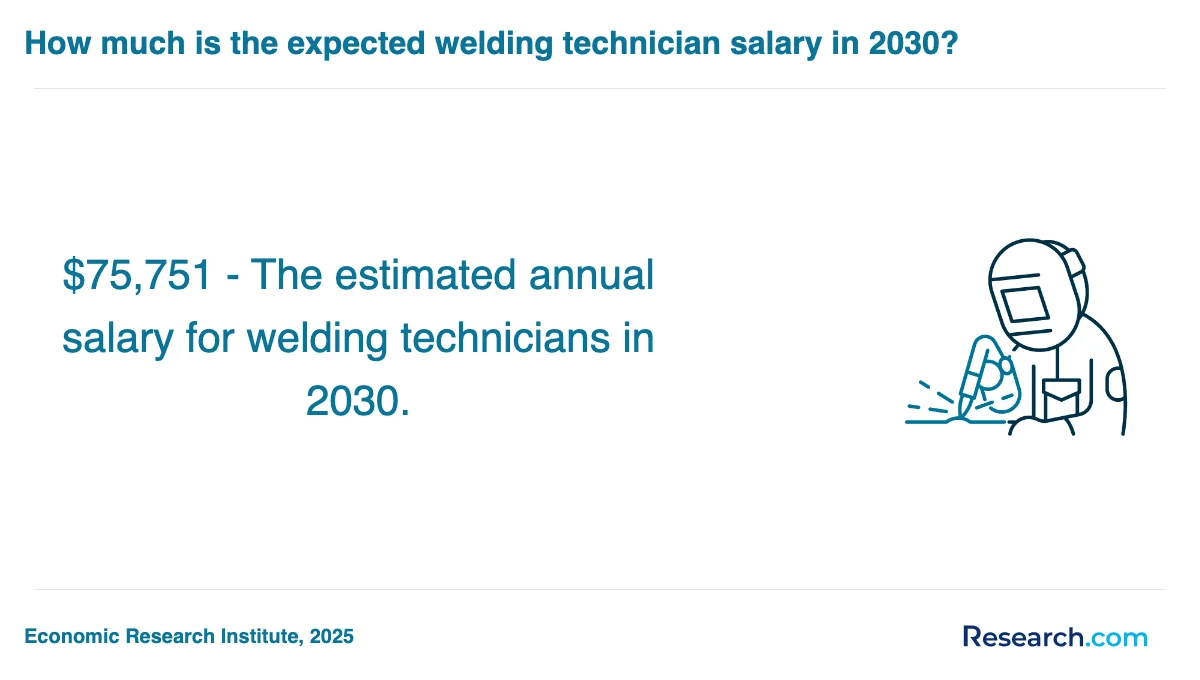
Welder trade school students in Grand Island have access to several targeted financial aid options that make pursuing their education more affordable and accessible. Many graduates from Central Community College, a popular choice in the area, have benefited from the Community College Gap Assistance Program. This program helps cover tuition, books, and equipment costs for eligible Nebraska residents, easing financial stress for those balancing work and study.
Scholarships also play a key role in supporting welding students. The American Welding Society offers district scholarships ranging from $1,000 to $2,500, with additional opportunities like the Karl Fogleman - District 16 Scholarship, which specifically assists Grand Island residents. Students often share how these awards gave them the confidence to focus fully on their training without the constant worry of expenses.
Local foundations such as the Merrick Scholarship Fund and statewide resources like the Lincoln Community Foundation provide further financial relief. Plus, federal aid programs like Pell Grants and Federal Work-Study are available to students enrolled in eligible Grand Island welding programs, enabling many to graduate with manageable debt while gaining hands-on skills.
Enrolling in a welder trade school program in Grand Island typically requires a high school diploma or GED, ensuring students have foundational skills in math and reading. Many graduates recall that having basic algebra knowledge significantly eased their understanding of welding measurements and blueprints.
Applicants often must be at least 18 years old, reflecting the hands-on, safety-sensitive nature of welding work. Trade schools in Grand Island emphasize physical fitness and good hand-eye coordination, qualities that students develop further during their training.
Common prerequisites include:
- Proof of residency or eligibility to study in the U.S.
- Basic proficiency in English to comprehend technical instructions and safety protocols.
- Passing a simple entrance assessment or placement test at some schools.
Graduates from popular Grand Island programs mention that these requirements prepare them well for the rigorous practical sessions, making the transition into the workforce smoother and more confidence-building. Many appreciate how these prerequisites create a motivated, capable learning environment tailored to real industry demands.
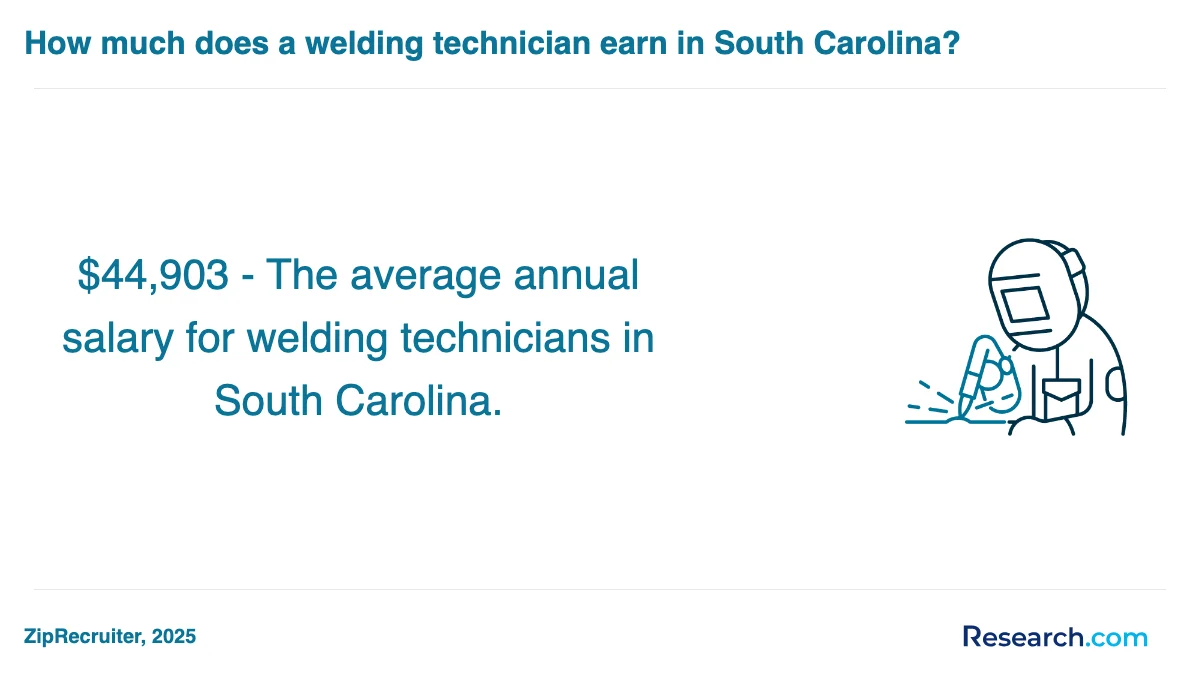
Welder trade school programs in Grand Island, such as those at Central Community College, include a comprehensive set of courses designed to build practical skills and industry knowledge. Graduates often recall starting with foundational classes covering essential welding processes like oxyacetylene welding, gas metal arc welding (GMAW), gas tungsten arc welding (GTAW), and shielded metal arc welding (SMAW). These courses provide hands-on practice, helping students confidently handle everyday welding tasks found in manufacturing or construction settings.
Students also engage in technical courses including:
- Blueprint reading, to accurately interpret welding plans and specifications
- Welding codes and standards, ensuring safety and compliance on the job
- Brazing and cutting techniques, which diversify their metal-joining abilities
Advanced learners at Grand Island trade schools often benefit from hands-on labs and training with welding robotics. These experiences simulate real-world environments where automation is increasingly common, equipping students with skills that employers highly value. Many graduates emphasize how this blend of theory and practice prepared them for welder certification exams and immediate entry into rewarding welding careers.
Welder trade school programs in Grand Island typically offer a range of specializations that prepare students for diverse welding careers. Graduates often highlight hands-on training in welding techniques such as oxyacetylene welding, Gas Metal Arc Welding (MIG), Shielded Metal Arc Welding (SMAW), and Gas Tungsten Arc Welding (TIG). These Grand Island welding program specializations also include brazing, cutting, blueprint reading, and welding codes and standards, providing a solid foundation for industry demands.
At popular trade schools like Central Community College and Metropolitan Community College, students experience real-world scenarios such as working with welding robotics and welder qualification-certification, which boost their confidence entering the workforce. Northeast Community College's curriculum enriches this by adding metallurgy and fabrication equipment operation.
For prospective students looking to explore affordable options or additional technical skills, resources on cheap online maintenance technician trade programs might complement their welder trade school specializations in Grand Island.
When selecting from the best welding programs in Grand Island, accreditation is a key factor. Graduates from Central Community College often highlight how their recognized credentials opened doors in the local job market. Ensuring a program is accredited guarantees the curriculum meets industry standards, preparing students effectively for welding careers.
Hands-on training is vital in top-rated welder trade schools in Grand Island. Several graduates emphasize the value of extensive practical experience gained at Northeast Community College, where modern equipment and real-world scenarios build confidence for entry-level positions. Additionally, location matters; choosing a program like Central Community College's Grand Island campus reduces commute time and offers state-of-the-art facilities that enrich the learning environment.
Consider program variety too. Many students benefit from the range of certificates, diplomas, and associate degrees available locally. For flexible learners, exploring diploma online courses can complement hands-on skills while accommodating other responsibilities. Examining tuition costs and financial aid options round out critical decisions for aspiring welders in Grand Island.

Welder trade school graduates in Grand Island find a variety of rewarding welding jobs in Grand Island NE across local manufacturing, repair, and construction sectors. Many start as shop or plant technicians, working hands-on with equipment like feed mixer trailers and trucks, applying skills in stick, TIG, and MIG welding while interpreting technical drawings safely and effectively. Graduates from popular trade schools in Grand Island often share how this practical training prepares them for immediate employment.
For those seeking skilled production roles, fitter welder and fabricator positions are in high demand. At local companies, these welders assemble and weld steel components using GMAW, requiring proficiency in blueprint reading and AWS standards. Typical wages range from $21 to $26.50 per hour, reflecting the specialized expertise welcomed in a strong job market. Apprenticeships and maintenance technician jobs also offer critical pathways to advanced roles and supervisory careers, supported by competitive benefits.
Exploring these varied options highlights the vibrant welder career opportunities Grand Island Nebraska offers, especially for those who value long-term growth. Interested students can learn more about the trades in demand to align their skills with local industry needs.
The welding job market in Grand Island NE offers strong opportunities for graduates of local welder trade schools. Employers including manufacturing and fabrication companies continuously seek skilled welders trained in MIG, TIG, and stick welding. Graduates from popular trade schools in Grand Island often share how their hands-on training and certifications helped them stand out in a market with over 40 job openings. Entry-level roles provide a solid starting wage of $17 to $19 per hour, growing up to $26.50 for specialized fitter welders, reflecting a rewarding employment outlook.
Welders in Grand Island benefit from:
- Jobs across manufacturing, agriculture, and construction sectors
- Positions requiring blueprint reading and safety awareness
- Competitive wages with benefits like health insurance and retirement plans
Many alumni describe how their technical skills gained through formal education shaped their confidence and readiness for real-world challenges. For those undecided between study paths, understanding the difference between vocation vs trade school can clarify career focus and expectations within this thriving welder salary and employment outlook Grand Island supports.
Best Welding Training Programs & Trade Schools - Top Welding Schools in Grand Island for 2026
# 1 position
Central Community College - Welding Technology/Welder.
associateCentral Community College offers a fully online Welding Technology/Welder program that prepares students to apply technical skills in welding and cutting metal surfaces. The curriculum covers arc welding, resistance welding, brazing, soldering, and high-energy beam processes, as well as welding metallurgy, safety, and structural design. Annual in-state tuition is $3,360. Graduates earn a median income of $39,409 one year after completion. The program is accredited by the Higher Learning Commission.
# 2 position
Central Community College - Welding Technology/Welder.
certificate or diplomaCentral Community College offers a fully online Welding Technology/Welder program preparing students to apply technical skills in various welding methods, including arc welding, brazing, and high-energy beam welding. The curriculum covers welding metallurgy, safety, structural design, and relevant codes. Annual in-state tuition is $3,360. Graduates have a median earnings of $39,409 one year after completion. The program is accredited by the Higher Learning Commission.
Frequently Asked Questions about welder
After completing a welder trade school in Grand Island, preparing for the job market involves several key steps. First, obtaining industry-recognized certifications such as those from the American Welding Society (AWS) can significantly enhance employability. According to the U.S. Bureau of Labor Statistics, welders with certifications earn higher wages and have better job prospects.
Networking is also crucial. Graduates should attend local trade shows, join welding unions, and connect with employers in Nebraska's manufacturing and construction sectors. The Nebraska Department of Labor reports steady demand for welders in the Grand Island area, with a projected 5% job growth through 2030.
Finally, polishing resume and interview skills tailored to welding roles helps graduates stand out to employers seeking skilled workers ready to contribute immediately.
Employers in Grand Island prioritize several key skills when hiring graduates from welder trade schools. First, strong proficiency in various welding techniques, including MIG, TIG, and stick welding, is essential. According to the U.S. Bureau of Labor Statistics, practical experience with these methods increases job placement chances significantly.
Attention to safety standards and the ability to read blueprints are also critical. Welding professionals often work in environments requiring strict adherence to OSHA regulations. Being able to interpret technical drawings ensures accuracy and efficiency on the job.
Additionally, employers value problem-solving skills and physical stamina. Welders must often troubleshoot equipment and maintain steady performance during physically demanding tasks. Local industry reports highlight that these attributes contribute to long-term career success in Grand Island's manufacturing and construction sectors.
Finding internships in Grand Island relevant to welder trade school programs involves several practical steps. Start by contacting local welding schools, as many have partnerships with area employers offering hands-on training opportunities. The Nebraska Department of Labor reports a steady demand for welders in the region, which supports internship availability.
Check with manufacturers, construction companies, and agricultural businesses in Grand Island, as these sectors often seek welding interns. Additionally, visit career centers at trade schools for job boards and employer connections.
Online resources like NebraskaWorks or the American Welding Society's local chapter provide listings of internships and apprenticeships. Networking at industry events can also open doors to valuable internships.
Obtaining a welder trade school diploma in Grand Island significantly enhances career mobility and advancement opportunities. According to the Nebraska Department of Labor, skilled welders in the region experience steady job growth, with a projected 5% increase in employment through 2030. A diploma demonstrates verified technical skills, making graduates more competitive for entry-level and specialized welding positions.
Employers in Grand Island value formal training as it reduces on-the-job errors and increases productivity. Graduates often qualify for higher wages; the U.S. Bureau of Labor Statistics notes the median annual wage for welders in Nebraska is approximately $45,000, with certified welders earning up to 15% more.
Additionally, many local employers prefer candidates with accredited diplomas for advancement into supervisory and inspection roles. Thus, completing a welder trade school program in Grand Island provides a clear pathway to both immediate employment and long-term career growth.
Students attending welder trade schools in Grand Island can benefit from various part-time job opportunities that align with their education. Local manufacturing plants and construction companies often seek entry-level welders or helpers, providing practical experience alongside coursework. According to the U.S. Bureau of Labor Statistics, welders in Nebraska earn a median wage of around $19 per hour, highlighting the value of early work experience.
Positions such as metal fabrication assistants or maintenance aides allow students to apply welding skills in real-world settings. Additionally, some local auto repair shops offer part-time roles involving metalwork and repairs, giving hands-on practice. These jobs enhance technical skills and improve employability after graduation.
There are welding degree programs available near Grand Island, NE, offering practical and theoretical training in welding techniques. Numerous community colleges and technical institutes near Grand Island, NE, provide specialized welder programs designed to equip students with essential skills for the welding industry. Research.com can be a helpful resource to locate and explore welder degree programs near me, ensuring comprehensive education opportunities in this field.
- What Can You Do with a Welding Certificate? | Goodwin University https://www.goodwin.edu/enews/what-can-you-do-with-a-welding-certificate/
- Welding Careers: Paths to Success in the Welding Industry | American Welding Society https://www.aws.org/career-resources/career-paths-in-welding/
- Welder | Explore Careers | National Careers Service https://nationalcareers.service.gov.uk/job-profiles/welder
- 10 Types of Jobs You Can Get as a Welder - Vern Lewis Welding Supply, Inc. https://vernlewis.com/jobs-you-can-get-as-a-welder/
- Where Do Welders Work? | Fortis https://www.fortis.edu/blog/skilled-trades/where-do-welders-work-.html
- 10 Best Jobs for Welders & Average Salaries | PrimeWeld https://primeweld.com/blogs/news/10-best-jobs-for-welders-and-how-to-get-them
- The Benefits of a Part-Time Job While in Welding School | Tulsa Welding School https://www.tws.edu/blog/welding/the-benefits-of-a-part-time-job-while-in-welding-school/
- How to Get a Welding Job - GA Trade School https://www.georgiatradeschool.com/how-to-get-a-welding-job/
- Welding Trade Schools: Ignite Your Future With Hands-On Training https://www.trade-schools.net/trades/welding
- Welding Technology | Central Community College https://www.cccneb.edu/weld