
Best Welding Training Programs & Trade Schools - Top Welding Schools in Falls Creek for 2026

Co-Founder and Chief Data Scientist
Choosing the right welder trade school in Falls Creek can shape your future career and open doors to rewarding opportunities. This article introduces the best welder trade school programs for 2026, carefully ranked by the Research.com team of data scientists. Their data-driven approach helps you identify programs that stand out in quality and outcomes.
Reading this guide will give you confidence in making an informed decision. Earning a welder diploma or certification not only builds valuable skills but also boosts your chances for success in a growing industry.
Key benefits of finishing welder trade school in Falls Creek
- Graduates from welder trade schools in Falls Creek can expect starting salaries around $22 per hour, with potential to earn $26 to $35 per hour as skills and certifications grow, offering strong financial stability.
- Career paths from trade school include roles like pipeline welders, construction welders, and manufacturing specialists, providing diverse opportunities to find a job that fits your interests and strengths.
- Completing a welder trade school online offers flexibility and convenience, allowing students to learn at their own pace while balancing work or family, making it an excellent alternative to traditional degrees.
- Best Welding Training Programs & Trade Schools - Top Welding Schools in Falls Creek for 2026
- What can I expect from welder trade schools in Falls Creek?
- Where can I work after finishing welder trade schools in Falls Creek?
What can I expect from welder trade schools in Falls Creek?
Jumping into a welder trade school program in Falls Creek means you're signing up for a hands-on, practical experience that really prepares you for welding jobs right away. Many grads from popular local schools talk about spending a lot of time in welding labs, mastering processes like stick, MIG, TIG, and flux-cored welding. Imagine spending your afternoons using real industry equipment, not just reading about it-this is where the skills truly click.
Classroom time covers important stuff like blueprint reading, safety rules, and welding codes, which graduates say helped them feel confident on job sites. Most students find the mix of about two hours in class and several hours in the lab perfect for getting the hang of techniques without feeling overwhelmed. Plus, flexible schedules and evening labs mean you can balance work or family commitments while learning.
Many Falls Creek programs also connect students with certifications from groups like the American Welding Society, which employers really value. Graduates often highlight how the schools boost problem-solving and teamwork skills, making them ready for real-world welding challenges.
Where can I work after finishing welder trade schools in Falls Creek?
After finishing a welder trade school program in Falls Creek, many graduates find themselves stepping into solid job opportunities right away. Whether it's working for local construction companies or metal fabrication shops, the skills you pick up at popular Falls Creek trade schools open doors in industries like manufacturing and maintenance. Imagine welding structural beams on a new building downtown or repairing machinery at a nearby manufacturing plant-these are real gigs grads land pretty quickly.
Some graduates even join large energy companies like Enbridge, which have a strong presence in Oklahoma. These jobs often involve maintaining pipelines or energy infrastructure, offering not just steady work but chances to grow your career. Others take on maintenance roles in municipalities or hospitals, fixing equipment and keeping everything running smoothly.
There's also a niche for tower welders, who work at heights installing or repairing communication towers-definitely a job for those who like a bit of adventure. With wages ranging from $18 to $38 an hour, many grads feel proud knowing their skills are in demand and can lead to a rewarding career close to home or beyond.
After finishing a welder trade school program in Falls Creek, you can expect to earn around $45,000 a year starting out, which feels pretty solid for a new career. Many graduates from popular local trade schools share how their first jobs paid between $40,000 and $52,000 annually, which matched what they hoped for when signing up. It's exciting to hear that even hourly wages average about $20.55, with some making up to $22.88 depending on where they land their first gig and how skilled they are.
Those who went the extra mile and earned certifications found themselves making closer to $22 an hour, which really helps when you're managing bills or saving up. One graduate mentioned how certification bumped their pay and made them feel more confident walking into a new job. Plus, Falls Creek welders often land pay similar to the Oklahoma state average, so you're not undervalued here.
As you gain experience and take on tougher projects, wages can climb, sometimes reaching over $58,000 yearly. It's a great career path if you enjoy hands-on work and steady growth.
- Welder trade programs typically last from seven months for certificates to two years for associate degrees.
- Tuition costs in Falls Creek range from about $8,000 to $19,000, with some short-term courses charged by the hour.
- Programs cover welding processes like SMAW, GMAW, and GTAW, along with blueprint reading and equipment setup.
- Entry-level welders earn between $35,000 and $45,000 annually, while experienced welders can make $60,000 or more.
- Most programs do not require prior welding experience but do require a high school diploma or GED and basic physical fitness.
Most welder trade school programs in Falls Creek wrap up in about six to twelve months, making them a solid choice if you want to jump into the workforce quickly. Graduates often share how this timeframe fits perfectly with their lives-some started right after high school and were welding on job sites within a year. Others balanced part-time classes while working, finishing a bit later but still feeling proud of their progress.
At popular Falls Creek trade schools, the courses are designed to be hands-on and fast-paced, so students get plenty of real welding practice alongside classroom lessons. One graduate mentioned how the intense, focused schedule kept motivation high and made the learning experience rewarding every step of the way. This kind of environment helps keep your skills sharp and your confidence growing as you advance.
Whether you're aiming for structural welding or pipe welding, the typical program length means you don't have to wait long to start earning, which is a huge plus if you're eager to build a career quickly. Falls Creek's trade schools really get that balance right between thorough training and practical timing.
The main difference between online and on-campus welder trade school programs in Falls Creek really comes down to how you learn the trade. On-campus programs are all about hands-on experience. Graduates often say spending hours in the welding lab with real equipment, under the watchful eye of skilled instructors, made them confident and job-ready. One grad shared how nearly 80% of their time was spent practicing with metal and torches, which felt just like being on the job.
Online programs, on the other hand, offer flexibility that's perfect if you're juggling work or family. Students can watch videos and complete assignments at their own pace. However, most online programs still require you to get some in-person practice, often through short intensives or local workshops, especially here in Falls Creek. Many grads appreciate this mix since it lets them fit learning into their busy lives while still gaining essential skills.
For anyone in Falls Creek, checking that the program includes American Welding Society (AWS) accredited hands-on training is key, no matter the format.
When considering the average cost of welder trade school programs in Falls Creek, you'll find that tuition fees for welding programs in Falls Creek typically hover around $18,000 annually at well-known institutions like Triangle Tech - Dubois. Graduates often share how this investment felt worthwhile, especially knowing they were gaining hands-on skills that immediately boosted their job prospects.
Besides tuition, students should also budget for additional expenses like books and materials, which can range from $500 to $1,000, and program-specific equipment that might add another $1,000 to $5,000. Some students recall how preparing for these costs meant careful planning but ultimately contributed to feeling fully ready for the workforce.
Living expenses, such as accommodation near Falls Creek, might cost between $1,000 and $2,000. Those who managed these costs effectively often speak about balancing part-time jobs or tapping into financial aid options, which helped ease the financial burden. For instance, programs sometimes highlight scholarships or grants aimed at welding students, making the investment less daunting.
For those looking for affordable pathways into welding, it's worth checking out resources like cheap online maintenance technician training to compare alternative options that fit different budgets without sacrificing quality.
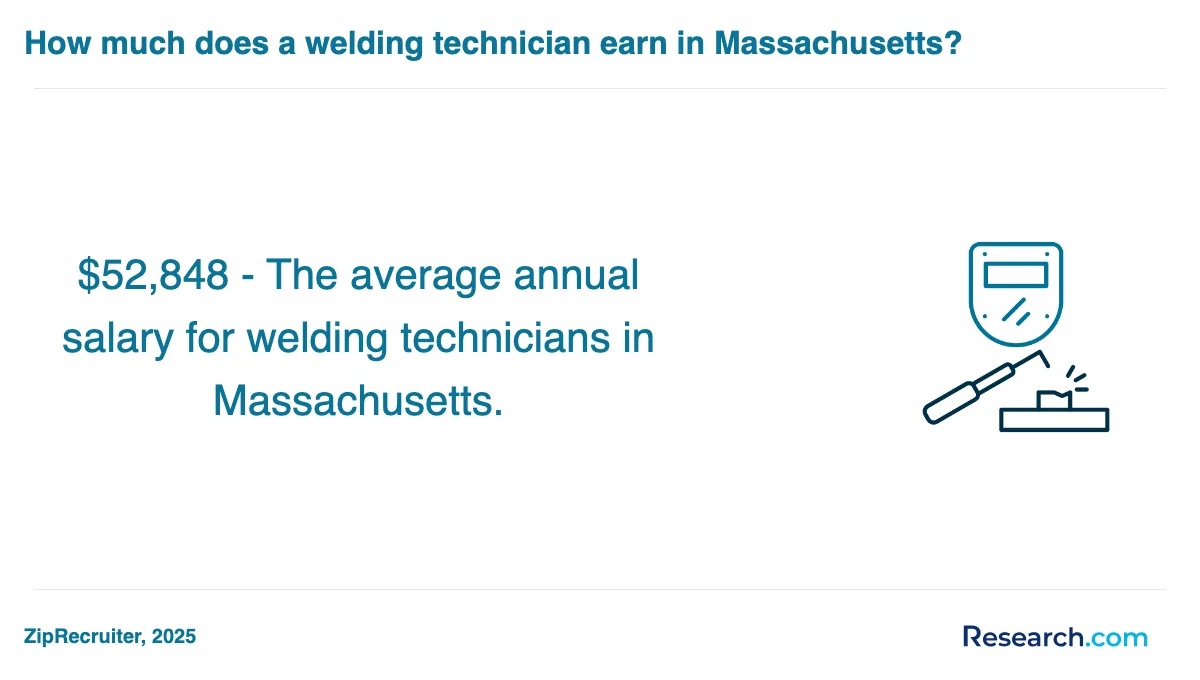
If you're looking into welding trade schools in Falls Creek, you'll be glad to know there's solid financial aid to help ease the cost. At Triangle Tech - Dubois, for example, nearly all students-about 94%-receive some kind of aid, with the average package around $8,075 a year. That really helps when tuition runs close to $19,859 annually.
Many grads recall how federal aid through FAFSA opened doors, qualifying them for Pell Grants or federal loans that made payments manageable. Plus, Pennsylvania state grants offer extra support for locals, which can be a real lifesaver when budgeting for tools and supplies.
Scholarships are another big plus. Local welding companies and groups like the American Welding Society often sponsor scholarships specifically for welding students. Graduates say these funds helped cover everything from tuition to gear, and keeping an eye on deadlines-usually August and November-is key.
The Workforce Innovation and Opportunity Act (WIOA) grant is also a favorite among students. It can provide $10,000 or more toward training, which means less debt and more focus on mastering your craft.
Many Falls Creek students recommend connecting with Triangle Tech's financial aid advisors early-they really break down the process and make applying less stressful, so you can focus on welding your future.
To enroll in a welder trade school program in Falls Creek, most schools expect a few straightforward prerequisites that make the process smooth and accessible. Graduates often share how having a high school diploma or GED is the basic starting point-this ensures you're comfortable with essential math and reading skills needed for welding techniques and safety procedures.
Some programs also appreciate if you have a bit of hands-on experience or a genuine interest in working with tools and metal, which might come from a summer job or hobby projects. It really helps you feel more confident on day one!
Here are the typical prerequisites you can expect:
- High school diploma or GED
- Basic understanding of math (like measurements and geometry)
- Physical ability to handle welding equipment and stand for long periods
- Pass a drug test or background check if required by the school
Many Falls Creek trade schools also recommend visiting the campus or talking to current students. Graduates often say that seeing the workshops and meeting instructors firsthand made them feel excited and ready to dive in.

In Falls Creek, welder trade school programs pack a lot into each semester, focusing on hands-on skills that graduates rave about. Right from the start, you'll dive into welding safety and workplace prep, learning how to handle tools properly and stay safe on the job-something every student finds super valuable when they step into real workshops.
Next up, you'll get to grips with key welding processes like:
- Shielded Metal Arc Welding (SMAW or "stick" welding)
- Gas Metal Arc Welding (GMAW or "MIG" welding)
- Flux Cored Arc Welding (FCAW)
- Gas Tungsten Arc Welding (GTAW or "TIG" welding)
Students love the balance of classroom lessons and lab time, where they actually weld on different metals and practice tricky positions like overhead or vertical welding-skills that make a big difference when working on real projects around Falls Creek.
Blueprint reading is another favorite course because it's so practical. Being able to understand welding symbols and plans means you can confidently follow project specs, which many grads say gave them an edge when interviewing for jobs.
Other courses cover weld quality and metallurgy, teaching you how to spot defects and understand metal properties, so your welds pass the toughest inspections. Many programs also prep you for industry certifications like AWS Welder Level 1, which employers in Falls Creek really respect.
If you're diving into welder trade school programs in Falls Creek, you'll find that many graduates specialize in areas that really boost their career options. Two common specializations include:
- Sheet Metal Technician
- Pipe Welder
These focus areas help students gain hands-on skills that are super relevant in the field. For example, graduates often mention feeling confident cutting and shaping metal sheets or welding pipes in tricky positions after training at local centers like the Warren County Career Center. These schools teach everything from MIG and TIG welding to blueprint reading, which makes the learning experience both practical and exciting.
Students have shared how the training prepares them for jobs that require precision and safety, such as aerospace welding or pipefitting. Many appreciate how specializing can open doors to roles in different industries, especially when paired with certifications and extra education.
Plus, if you're curious about exploring some of the highest paying trades, welding specializations in Falls Creek offer pathways worth considering.
When choosing from the best welding programs in Falls Creek, focus on hands-on training and whether the school's equipment matches what's used in the welding industry today. Graduates from top-rated welder trade schools in Falls Creek often share how having access to real lab time made all the difference in feeling confident on the job. Look for programs that cover a variety of welding techniques like SMAW and GTAW, so you're not limited when you start working.
Also, check if the instructors bring real-world welding experience-they can give you tips that textbooks don't teach. Many students find it reassuring when schools offer job placement help, connecting them with local employers or unions right after graduation.
Location matters too-choosing a school close to Falls Creek fits better into daily life, especially if you need flexible schedules like evenings or weekends. If you're weighing options between different types of programs, it's smart to learn the difference between a vocational vs trade school to pick exactly what suits your goals. Exploring these details will help you commit to a welding program that feels right for your future.

Graduates from welder trade schools in Falls Creek often find themselves landing great welder jobs in Falls Creek PA right after finishing their programs. Many start as welders, welder/fitter, or construction laborers-roles that keep them busy joining metal pieces and reading blueprints on construction sites or manufacturing floors. Those who enjoy hands-on work love how quickly they can see results of their skills in real-world projects.
Some graduates from popular Falls Creek trade schools share how they moved into specialized welding career opportunities in Falls Creek by focusing on areas like MIG or TIG welding, metal fabrication, or pipe welding. These paths open doors to industries such as oil and gas, plumbing, and shipbuilding.
For those motivated to grow beyond entry-level, there are plenty of options like becoming a millwright welder or maintenance welder, which often mean higher pay and supervisory roles. Many students also benefit from flexible formats like weekend schedules, allowing them to balance work with earning certificates or degrees.
Here are common career directions pursued by Falls Creek welding grads:
- Entry-level welder or construction laborer roles with local employers
- Specialized welding positions like MIG, TIG, pipefitting, or metal fabrication
- Advanced roles in maintenance, machinery installation, or supervisory welding
- Opportunities to earn certificates or degrees alongside work with flexible programs
For many, taking advantage of affordable welding training programs online also complements their in-person training, expanding their skills and future career potential.
Graduates from welder trade schools in Falls Creek are stepping into a job market with solid opportunities and steady demand. Many local employers, especially in manufacturing and fabrication, are actively looking for newly trained welders who have hands-on skills, know blueprint reading, and follow safety protocols. A lot of these graduates share how their programs helped build confidence and practical know-how, making it easier to land entry-level roles.
When it comes to wages, starting pay in Falls Creek usually hits around $20 per hour, with some positions offering weekly pay and benefits shortly after hiring. Work schedules tend to favor balance, often running Monday to Thursday, which keeps things manageable outside of work. Experienced welders in the region can expect to earn between $24 and $30 per hour as they build skills and certificates. Employers often value teamwork and reliability, which many graduates from Falls Creek's popular trade schools feel well-prepared for.
The welder job market in Falls Creek also benefits from consistent openings-Indeed.com reported 16 active welder job listings in August 2025. This steady demand makes it an exciting choice for those entering welding careers.high paying trades that are easy to learn
Best Welding Training Programs & Trade Schools - Top Welding Schools in Falls Creek for 2026
# 1 position
Triangle Tech Inc-Dubois - Welding Technology/Welder.
associateThe Welding Technology/Welder program at Triangle Tech Inc-Dubois offers a hybrid format with some distance education options. It focuses on technical skills such as arc welding, brazing, cutting, welding metallurgy, and safety standards. The program is accredited by the Accrediting Commission of Career Schools and Colleges. Annual in-state tuition is $18,575, and median earnings for graduates one year after completion are $36,352.
# 2 position
Triangle Tech Inc-Dubois - Welding Technology/Welder.
certificate or diplomaThe Welding Technology/Welder program at Triangle Tech Inc-Dubois offers a hybrid format with some distance education options. It prepares students to apply technical skills in welding, including arc welding, resistance welding, brazing, soldering, and high-energy beam techniques. The program covers materials, metallurgy, safety, and structural design. Annual in-state tuition is $18,575, and median earnings one year after completion are $36,352. It is accredited by the Accrediting Commission of Career Schools and Colleges.
Frequently Asked Questions about welder
After completing a welder trade school in Falls Creek, preparing for the job market requires a clear strategy. First, obtaining relevant certifications such as the AWS (American Welding Society) credential can significantly improve job prospects. Employers in Falls Creek and surrounding areas often prioritize certified welders for higher pay and job security.
Networking is also crucial. Graduates should engage with local unions, industry groups, and attend job fairs to connect with potential employers. According to the U.S. Bureau of Labor Statistics, welding jobs are expected to grow by 3% nationally through 2031, with demand stable in regions like Pennsylvania.
Finally, developing a strong resume emphasizing hands-on experience and any specialized skills learned, such as MIG or TIG welding, will enhance employability in Falls Creek's competitive market.
Employers in Falls Creek highly value welder trade school graduates who demonstrate strong technical welding skills, including proficiency in various welding techniques such as MIG, TIG, and stick welding. According to the U.S. Bureau of Labor Statistics, welders with certifications from accredited programs have better job prospects.
Attention to safety protocols is critical, as welding involves risks like burns and exposure to harmful fumes. Graduates must show knowledge of OSHA safety standards to meet employer expectations.
Additionally, employers seek candidates with good blueprint reading abilities and precise measurement skills, essential for fabricating parts correctly. Communication and teamwork are also important, as welders often collaborate on projects.
Local industry reports note that Falls Creek employers prefer graduates with hands-on experience gained through internships or apprenticeships, enhancing job readiness.
Finding internships in Falls Creek related to welder trade school programs involves several practical steps. Start by contacting local welding schools, as they often have partnerships with nearby businesses offering internships. The Pennsylvania Department of Labor & Industry reports that the manufacturing sector in the region frequently seeks welding interns, particularly in construction and fabrication companies.
Online job portals like Indeed and the Pennsylvania CareerLink list internship opportunities in Falls Creek. Networking at local trade unions and attending industry events can also connect students with employers.
Additionally, the U.S. Department of Labor's Registered Apprenticeship program offers structured pathways combining paid work and training for welders in the area.
Obtaining a welder trade school diploma in Falls Creek significantly enhances career mobility and advancement opportunities. According to the U.S. Bureau of Labor Statistics, welders with formal training earn approximately 15% more than those without credentials. In Falls Creek, local employers often prefer graduates from accredited programs because they demonstrate practical skills and safety knowledge aligned with industry standards.
The diploma also opens doors to specialized welding fields such as pipe welding or underwater welding, which offer higher wages and more job security. Furthermore, many trade schools in Falls Creek provide job placement assistance, increasing graduates' chances of employment quickly after completion.
By completing a recognized program, welders can pursue certifications like the American Welding Society (AWS) credentials, which are valued nationally and can lead to promotions or supervisory roles. This credentialing process fosters upward mobility within the local labor market.
Students enrolled in welder trade schools in Falls Creek can find several part-time job opportunities to enhance their practical skills while earning income. Common roles include welding assistant positions, metal fabrication helpers, and entry-level maintenance workers in local manufacturing plants. These jobs provide hands-on experience with welding equipment and techniques, complementing classroom learning.
According to the U.S. Bureau of Labor Statistics, employment for welders in Pennsylvania is expected to grow by 6% from 2022 to 2032, reflecting steady industry demand. Local businesses in Falls Creek's manufacturing sector often seek part-time workers familiar with basic welding practices.
Additionally, some students find opportunities in construction sites nearby, assisting in metalwork and structural assembly tasks. These roles help build both technical skills and workplace professionalism.
To find the best Welder degree program "near me," you can start by searching for nearby technical schools or community colleges that offer welding programs, keeping in mind to consider factors like accreditation and facilities. Near Falls Creek, PA, you may want to explore local institutions or those in surrounding areas that provide comprehensive welding training programs. Additionally, consulting resources like Research.com can help you identify reputable programs by offering information on curriculum quality and student outcomes.
- How Much Do Welders Make? Welding Salary Guide | Goodwin University https://www.goodwin.edu/enews/welder-salary-information/
- Welder | Explore Careers | National Careers Service https://nationalcareers.service.gov.uk/job-profiles/welder
- 10 Best Jobs for Welders & Average Salaries | PrimeWeld https://primeweld.com/blogs/news/10-best-jobs-for-welders-and-how-to-get-them
- Welding Salary Trends: How Much Do Welders Earn Today? | YesWelder https://yeswelder.com/blogs/yeswelder/welding-salary-trends-how-much-do-welders-earn-today
- What Do Welders Do: Job Description, Salary & Requirements https://skillpointe.com/careers/construction/welder
- Finding the Perfect Welding Job After Technical School https://www.high.net/careers/blog/finding-perfect-welding-job-after-technical-school/
- How to find a Welding Job after Graduating Welding School? - YouTube https://www.youtube.com/watch
- What Comes After Welding School? Job Outcomes and More https://ftccollege.edu/trade-blog/what-comes-after-welding-school-job-outcomes-and-more/
- Explore Hands-On Welding Training and Career Growth https://swantonweld.com/discover-hands-on-welding-training-and-advancement-opportunities/
- Welder in Canada | Wages - Job Bank https://www.jobbank.gc.ca/marketreport/wages-occupation/23242/ca


