
Most Affordable Information Technology Associate Degree Programs - Budget-Friendly IT Schools in Nebraska for 2026

Co-Founder and Chief Data Scientist
Choosing the right information technology associate degree program in Nebraska can feel overwhelming. This article aims to simplify that decision by sharing a carefully crafted ranking of affordable programs, developed by the Research.com team of data scientists.
By reading this guide, you’ll discover valuable insights into programs that balance cost and quality, helping you invest in a future-proof career. An IT associate degree opens doors to exciting job opportunities in a growing field, making it a smart step toward your goals.
Explore options designed to support your success and make your educational journey meaningful.
Key benefits of information technology associate degrees in Nebraska
- Graduates with an information technology associate degree in Nebraska can expect starting salaries around $39,553 annually, with opportunities to earn up to $63,404 as they gain experience and skills.
- Career paths include roles like Information Technology Specialist and Information Technologist, offering a range of growth opportunities in thriving Nebraska cities such as Omaha.
- Completing an IT associate degree online provides flexibility and convenience, enabling students to balance work and study while gaining marketable skills from respected Nebraska schools.
- Most Affordable Information Technology Associate Degree Programs - Budget-Friendly IT Schools in Nebraska for 2026
- What can I expect from information technology associate degrees in Nebraska?
- Where can I work after finishing information technology associate degree in Nebraska?
What can I expect from information technology associate degrees in Nebraska?
Enrolling in an information technology associate degree program in Nebraska means immersing yourself in a curriculum that balances foundational knowledge with practical skills. Graduates often recall hands-on labs at Southeast Community College where they troubleshoot real network issues or develop software applications using languages like Java and JavaScript. This direct experience builds confidence and prepares students for immediate entry-level IT roles.
Many students appreciate the ability to specialize in areas such as cybersecurity or network management, tailoring their education to match their career goals. The challenge of mastering technical certifications like CompTIA Security+ within the program boosts both expertise and employability.
Expect a manageable course load-typically around 60 to 64 credit hours-completed over two years, with flexible scheduling options to fit diverse lifestyles. The affordable tuition, combined with supportive instructors and collaborative projects, often creates a rewarding, motivating environment where students feel empowered to tackle real-world tech problems in Nebraska's growing job market.
Where can I work after finishing information technology associate degree in Nebraska?
Graduates of information technology associate degree programs in Nebraska often find themselves stepping into a variety of rewarding roles across the state's dynamic job market. Many who studied at well-regarded institutions like Metropolitan Community College or Central Community College share how their hands-on training paved the way for positions such as IT Support Technician, Help Desk Support Engineer, or Desktop Support Technician. These roles typically involve assisting users directly, resolving technical issues, and maintaining essential systems-a satisfying mix of problem-solving and teamwork that builds confidence quickly.
Others have embraced specialized careers, becoming Applications Security Analysts or Technical Training Specialists, where they apply cybersecurity knowledge or help develop others' IT skills. Working in corporate IT departments, healthcare facilities, or educational institutions in cities like Omaha or Lincoln creates a sense of purpose, often highlighted by the positive impact they have on their communities.
Remote and hybrid roles also attract graduates, offering flexibility and balance while still providing engaging challenges. The positive experiences of Nebraska graduates show that an associate degree opens many doors, making the technology field accessible and full of potential.
Graduates who finish an information technology associate degree in Nebraska often find encouraging starting salaries that reflect both local and national trends. For instance, those who studied at well-known institutions like Metropolitan Community College have reported annual earnings around $33,631 on average, matching regional expectations for entry-level roles in computer information systems.
Many graduates who secured jobs as IT Support Technicians in Omaha have shared experiences of earning between $55,000 and $73,000, revealing how specialization and certification can boost pay beyond initial projections. Others aiming for positions such as Applications Security Analyst have found starting salaries near $68,284, showing strong prospects for focused career paths.
While the national average for IT associate degree holders is around $61,369 annually, Nebraska's numbers suggest a solid foundation with room to grow. Graduates appreciate that with real-world skills gained through their programs and continued learning, they can confidently pursue higher-paying roles as their experience deepens.
- Jake: Studying Information Technology at Metropolitan Community College was a game-changer. The hands-on labs and supportive instructors made learning both practical and enjoyable. I felt prepared to enter the workforce confidently, knowing I had the skills Nebraska employers seek.
- Maria: The community feel at Central Community College helped me thrive. The associate degree program's flexible schedule allowed me to balance work and study, making it possible to achieve my IT goals without stress. Nebraska's tech scene feels more accessible than ever!
- Ethan: Nebraska College of Technical Agriculture offered a unique blend of technical IT knowledge and real-world problem solving. The small class sizes fostered close connections, and I left equipped to tackle IT challenges with confidence and enthusiasm in Nebraska's growing tech industry.
- Admission requires a high school diploma or GED, with some colleges offering certificate programs that count toward the associate degree.
- The program normally takes about two years full-time, with 12-15 credits per semester and includes concentrations like cybersecurity and web development.
- Annual tuition for in-state students is between $3,000 and $4,500, with total costs around $6,000 to $9,000, excluding books and fees.
- Starting salaries range from $38,000 to $48,000, with potential to exceed $60,000 to $70,000 in roles like network administration and cybersecurity.
- Programs often include preparation for industry certifications such as CompTIA Security+ and Cisco Networking.
- Credits are transferable to four-year universities, especially when following designated transfer pathways.
Completing an information technology associate degree in Nebraska typically takes about two years of full-time study. Graduates from community colleges like Central Community College often share how structuring their studies into four semesters and a summer session made the journey manageable and predictable. This pacing allows students to maintain steady progress without feeling overwhelmed by an intense workload.
Most programs require between 60 and 64 credit hours, aligning with national standards. Graduates appreciate this clarity, as it helps them plan realistically around work, family, and other responsibilities. Some have remarked that accelerated options, like those offered at Clarkson College with shorter 7.5-week sessions, provide an appealing alternative when speed is a priority, though two academic years remains common even with fast-tracked courses.
Part-time students or those needing foundational courses may take longer, but many find support through personalized study plans. Knowing there's guidance along the way offers reassurance and keeps motivation high, reinforcing a positive, achievable path toward earning their IT degree in Nebraska.
The key difference between online and on-campus information technology associate degree programs in Nebraska lies in how students engage with their studies and the campus community. Graduates from Central Community College's online program often describe the flexibility of logging in anytime on Canvas to complete assignments as a game-changer, especially for those balancing work or family. They appreciate being able to watch multimedia lessons and participate in discussions at their own pace, which creates a personalized learning rhythm.
On the other hand, those who attend Central Community College's campuses in Columbus or Hastings value the energy of face-to-face interaction. They find that in-person classes foster stronger relationships with instructors and peers, making teamwork and networking feel natural and immediate. Many remember collaborating on group projects in computer labs and exchanging ideas between classes, experiences that often boost confidence and communication skills.
Both pathways cover the same foundational IT courses and take around two years, yet the choice ultimately reflects what students value more: the freedom of online study or the tangible connections of campus life.
The average cost of IT associate degree in Nebraska is notably affordable compared to national levels, largely thanks to community colleges driven to keep education accessible. At Metropolitan Community College (MCC), many graduates share how the $71 per credit hour rate made pursuing their degree financially manageable. With around 60 credits required, the estimated Nebraska information technology associate degree tuition and fees total approximately $4,260 for in-state students, excluding additional expenses like textbooks and technology fees. This figure provides a realistic expectation for those committed to starting their technology careers within the state.
Other popular Nebraska community colleges reflect similar tuition rates, consistently keeping costs under $200 per credit hour. Graduates often express relief and satisfaction with these rates, especially when compared to the national average, where an online IT associate degree can cost around $404 per credit and reach a tuition total exceeding $23,000. Students opting for online flexibility at institutions like Chadron State College encounter higher overall tuition - about $9,270 annually - yet still recognize the value Nebraska offers.
For prospective students wondering about the cost versus quality balance, it's encouraging how community college tuition in Nebraska remains competitive. For further clarity about costs and options available across the country, consider exploring what are the most affordable online information technology degrees?

Students pursuing an information technology associate degree in Nebraska often find financial aid to be a vital support throughout their studies. Many turn to the Free Application for Federal Student Aid (FAFSA) as a first step, unlocking access to Pell Grants and Federal Supplemental Educational Opportunity Grants (FSEOGs), which offer crucial need-based funding without the burden of repayment. For example, graduates from Metropolitan Community College in Omaha shared how their Pell Grant made balancing part-time work and coursework manageable.
Beyond federal aid, Nebraska's Opportunity Grant stands out, targeting residents with significant financial need and complementing other assistance, especially at institutions like Central Community College. Students frequently mention that this state grant feels like a community investment in their future.
Scholarships such as the Nebraska Career Scholarship provide up to $5,000 annually, helping many IT students at Northeast Community College cover tuition while maintaining at least a 2.0 GPA. The ability to combine these scholarships with Federal Work Study programs often creates a balanced financial environment, allowing students to focus on learning rather than constant money worries.
To enroll in an information technology associate degree program in Nebraska, the essential prerequisite is a high school diploma or equivalent, such as a GED. This baseline ensures you come prepared with the fundamental skills for college-level classes. Many graduates from renowned schools like Northeast Community College recall how this requirement feels like a door opening to exciting hands-on learning opportunities.
In addition, some Nebraska colleges may require entrance testing in math, reading, or writing to assess your readiness. This can often be waived if you present strong ACT or SAT scores or previous relevant college coursework. It's wise to check with each institution's admissions office, as requirements can vary widely.
Applicants often must:
- Complete an interview with an admissions advisor to discuss goals and commitment
- Submit a formal application that highlights your motivation
- Demonstrate availability and a professional attitude, which many students mention as key to their success in this demanding field
While no strict high school courses are mandated, a background in mathematics, computer science, or IT is certainly valuable. Graduates from Nebraska colleges emphasize how their prior experience in these subjects made the transition smoother, enabling them to tackle programming and networking classes with confidence.
Lastly, for those aiming to continue beyond the associate degree, maintaining a solid GPA-typically at least 2.5-and securing passing grades in major courses are necessary to stay on track for transfer to four-year programs. This standard encourages a disciplined approach, rewarding the student's dedication and perseverance.
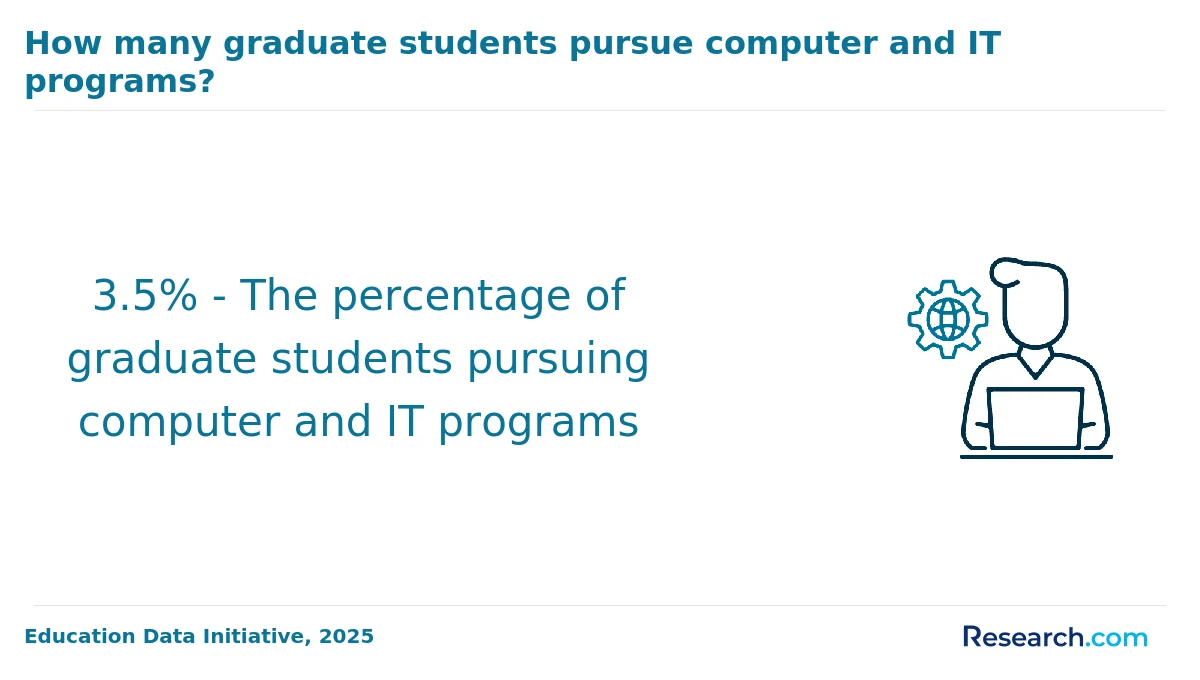
Information technology associate degree programs in Nebraska typically include a mix of foundational and specialized courses designed to build practical skills. Graduates from Northeast Community College, Southeast Community College, and Central Community College often reflect on how their coursework prepared them for real-world challenges.
Students commonly study:
- Introductory programming languages like Java, JavaScript, and C#
- Web development technologies including HTML, CSS, ASP, and JSP
- Operating systems and database concepts essential for managing digital environments
- Networking fundamentals such as Cisco networking and data communications
- Cybersecurity topics including Security+ certification preparation and digital forensics
- Technical support and system administration skills, from troubleshooting hardware to managing virtual machines
For example, a graduate from Southeast Community College described how mastering network management courses helped them confidently configure servers and secure systems in their first IT job. Many students appreciate the option to combine concentrations-like pairing cybersecurity with system administration-tailoring their education to their career ambitions. This structure provides a clear, hands-on roadmap through the varied landscape of IT roles, making students feel ready to contribute meaningfully from day one.
Information technology associate degree specializations in Nebraska offer students tailored paths that align closely with their career ambitions and the demands of the local tech industry. Graduates from institutes like Northeast Community College often appreciate the flexibility to combine emphases such as Cisco Networking Academy, Information Security, or Web and Visual Application Development, allowing them to build practical skills relevant to today's job market.
At Central Community College, students highlight how their chosen concentrations in Developer, Networking, or Technical Support helped them gain targeted expertise-from mastering software programming to honing troubleshooting abilities. Meanwhile, Southeast Community College's specializations in Applications Development and Computer Support prepare learners for real-world challenges by blending intensive programming training with hands-on hardware and customer support experience.
This variety in Nebraska IT associate degree concentrations ensures students can confidently pursue roles that excite them, from cybersecurity to network administration. Many reflect on the value of such focused education, noting how it eased their transition into the workforce. For a broader perspective on related opportunities, consider exploring this list of fastest online technology degree programs.
Choosing the best value information technology associate degree Nebraska means weighing accreditation, format, and cost carefully. Graduates from Metropolitan Community College often praise the hands-on learning they experienced on campus, while others appreciated Central Community College's flexible online schedule that fits well with busy lives. These real-life accounts highlight how true value lies in programs blending quality teaching with accessibility.
Affordability often guides decisions, especially when comparing average loan debts, which range from around $12,500 at Central Community College to over $22,000 at Southeast Community College. Students seeking affordable IT associate programs Nebraska find insights in understanding tuition differences alongside financial aid opportunities, helping them avoid excessive debt while gaining relevant skills.
Look beyond cost to curriculum vitality and career support-programs emphasizing modern networking, cybersecurity, and programming, coupled with internships, create paths to rewarding jobs. For those exploring advanced study options, information technology masters online programs also offer promising continuations of this journey, enriching one's career prospects.

Graduates with an IT associate degree in Nebraska often find themselves stepping confidently into diverse career paths that blend technical skills with practical experience. Many Nebraska schools popular for information technology programs emphasize hands-on learning, enabling graduates to pursue roles such as IT Support Technician, Computer User Support Specialist, and Web Developer. These positions often offer entry points into the growing local tech scene where employers value foundational knowledge in hardware, software, and customer service.
Real-life experiences from graduates highlight roles including:
- IT Support Technician with salaries ranging from $55,000 to $73,000 annually in Omaha
- Network and Computer Systems Administration as a stepping stone to advanced IT management
- Innovative positions like VR Support Specialists and Application Security Analysts with further certifications
These IT associate degree jobs Nebraska allow graduates to build on core skills while exploring niche areas like cybersecurity and cloud technologies. Many find stackable credentials vital, supported by apprenticeship options in Nebraska's education system and local colleges.
For students curious about advancing beyond the associate degree, consulting the ranking of the best bachelors degree in information technology programs online offers a clear pathway to deepen expertise and broaden career opportunities in this dynamic field.
Information technology career opportunities Nebraska provides continue to grow as the state's economy embraces digital transformation, making it an encouraging environment for recent graduates eager to make a tangible impact.
The information technology job outlook Nebraska offers is encouraging for associate degree graduates, particularly those emerging from respected programs at institutions like Metropolitan Community College or Central Community College. Graduates often find roles as IT technicians or technical support representatives within months of completing their studies, benefiting from hands-on experience acquired during their coursework. In Lincoln and Omaha, these graduates step into positions such as computer user support specialists, where annual openings remain strong and wages can exceed $50,000.
Many find that practical skills gained through internships or campus labs play a crucial role in landing jobs. Employers around Nebraska value this readiness, especially for positions including:
- Desktop support specialists
- Field service technicians
- Technical support analysts
When exploring options, students researching the key differences between information technology and computer science often realize that an associate degree can be a strategic choice for early career entry in IT associate degree jobs Nebraska. Salaries typically range from $18 to $29 per hour, with continued growth expected through 2030 driven by expanding tech needs across local industries.
Understanding that investing in one's education is a significant decision, the Research.com team has dedicated extensive effort to ensure the quality, credibility, and accuracy of this ranking of the Most Affordable Information Technology Associate Degree Programs in Nebraska for 2026. Our goal is to provide readers with a reliable guide that highlights affordable options and supports informed choices. To create this ranking, we analyzed data from multiple trusted sources: IPEDS database, Peterson's database, College Scorecard database, and the National Center for Education Statistics. For more details on our methodology, please visit our methodology page.
Most Affordable Information Technology Associate Degree Programs - Budget-Friendly IT Schools in Nebraska for 2026
# 1 position
Metropolitan Community College Area - Computer and Information Sciences, General.
associateThe Computer and Information Sciences, General program at Metropolitan Community College Area is fully online, offering flexible distance learning. The annual in-state tuition is $3,285. This general program covers computing, computer science, and information science and systems without focusing on specific specializations. Graduates have a median earnings of $48,719 one year after completion. The program is accredited by the Higher Learning Commission.
# 2 position
Southeast Community College Area - Computer and Information Sciences, General.
associateThe Computer and Information Sciences, General program at Southeast Community College Area offers a hybrid learning format, providing flexibility with some distance-education options. The program focuses on computing, computer science, and information science systems. Annual in-state tuition is $3,540. Graduates earn a median salary of $55,738 one year after completion. The program is accredited by the Higher Learning Commission.
# 3 position
Northeast Community College - Computer and Information Sciences, General.
associateNortheast Community College offers a hybrid program in Computer and Information Sciences, General, focusing on computing, computer science, and information science systems. The program's annual in-state tuition is $3,840. Graduates have a median earning of $37,509 one year after completion. The program is accredited by the Higher Learning Commission and provides some distance-education options for flexibility.
# 4 position
Central Community College - Computer and Information Sciences, General.
associateCentral Community College offers a Computer and Information Sciences, General program focusing on computing, computer science, and information science systems. The program is accredited by the Higher Learning Commission. Annual in-state tuition is $3,360. Graduates earn a median salary of $29,266.35 one year after completing the program. This general program should not be confused with specialized courses in computer science or related support services.
# 5 position
Western Nebraska Community College - Computer and Information Sciences, General.
associateWestern Nebraska Community College offers a hybrid program in Computer and Information Sciences, General, focusing on computing, computer science, and information science and systems. The program is accredited by the Higher Learning Commission. Annual in-state tuition is $3,000. This program is designed to provide a broad foundation without specializing in specific computer science or information science areas, and it includes some distance-education options.
# 6 position
Mid-Plains Community College - Computer and Information Sciences, General.
associateMid-Plains Community College offers a fully online program in Computer and Information Sciences, General. This program covers computing, computer science, and information science and systems without specializing in any specific area. The annual in-state tuition is $3,600. The program is accredited by the Higher Learning Commission, ensuring it meets established quality standards for postsecondary education.
# 7 position
Little Priest Tribal College - Computer and Information Sciences, General.
associateLittle Priest Tribal College offers an on-campus program in Computer and Information Sciences, General, focusing on computing, computer science, and information science and systems. This general program covers a broad range of topics without specializing in specific areas. The annual in-state tuition is $5,400. The program is accredited by the Higher Learning Commission, ensuring recognized academic standards.
# 8 position
Union Adventist University - Information Technology.
associateThe Information Technology program at Union Adventist University offers a hybrid learning format with some distance-education options. It covers the design of technological information systems, including computing systems, algorithms, databases, telecommunications, and human interface design. The program includes instruction on computer hardware, software components, application testing, and user tactics. Annual in-state tuition is $27,990. The program is accredited by the Higher Learning Commission.
Frequently Asked Questions about information technology associate degree programs
After completing an information technology (IT) associate degree in Nebraska, preparing for the job market involves several strategic steps. First, gaining practical experience through internships or part-time IT roles can significantly improve employability. Nebraska's Information Technology Industry Council reports that entry-level IT positions often require hands-on skills alongside academic credentials.
Networking is crucial; connecting with local IT professionals and organizations, such as the Nebraska Technology Association, can open doors to job opportunities. Additionally, acquiring industry-recognized certifications like CompTIA A+ or Cisco CCNA enhances a resume.
Understanding Nebraska's demand, the Nebraska Department of Labor highlights strong growth in IT roles, especially in Omaha and Lincoln, supporting career prospects.
Employers in Nebraska prioritize several key skills when hiring information technology associate degree graduates. According to data from the Nebraska Department of Labor, technical proficiency in network administration, cybersecurity basics, and database management are highly sought after. Familiarity with operating systems like Windows and Linux also ranks prominently among employer preferences.
Soft skills are equally important. Employers look for strong problem-solving abilities, effective communication, and teamwork skills to support collaboration in IT projects. Practical experience through internships or hands-on labs increases a candidate's competitiveness.
Additionally, knowledge of cloud computing platforms and coding languages such as Python or Java is increasingly valuable as Nebraska's IT sector adapts to emerging technologies.
Finding internships in Nebraska relevant to an information technology associate degree involves several strategic steps. Start by exploring resources at community colleges and technical schools, which often have dedicated career services connecting students to local IT employers. The Nebraska Department of Labor reports that IT internships are increasingly available in cities like Omaha and Lincoln, where tech companies and startups are concentrated.
Students should also register on job sites such as Handshake and LinkedIn, filtering for Nebraska-based IT internships. Networking through local professional organizations like the Nebraska Technology Association can provide insider opportunities. Additionally, checking with state workforce programs can uncover paid internships that offer practical experience and may lead to full-time employment.
An information technology associate degree in Nebraska can significantly improve career mobility and advancement opportunities for students. Many Nebraska employers, particularly in cities like Omaha and Lincoln, value this credential as proof of essential technical skills. According to the Nebraska Department of Labor, IT occupations are expected to grow by 11% through 2030, faster than the average for all professions.
Graduates with an associate degree often qualify for entry-level roles such as network support specialists or computer user support specialists, which offer pathways to higher-level positions.
Additionally, community colleges in Nebraska often partner with local businesses, enhancing internships and job placements that facilitate professional growth.
Part-time job opportunities in Nebraska that complement an information technology (IT) associate degree often include roles such as IT support technician, help desk analyst, and network assistant. These positions allow students to apply classroom knowledge in real-world settings while gaining valuable experience. According to the Nebraska Department of Labor, IT support roles are projected to grow by 5% through 2030, reflecting steady demand in the region.
Many local businesses, educational institutions, and healthcare providers seek part-time IT workers to maintain their systems and assist users. Positions may involve troubleshooting hardware and software, managing networks, or assisting with cybersecurity tasks. These roles not only enhance technical skills but also build communication and problem-solving abilities, which are critical in the IT field.
There are many affordable Information Technology degree programs available both online and in-person, offering a wide range of options to students seeking such programs "near me." Near Nebraska, several universities provide competitive tuition rates and financial aid opportunities to make their IT degrees more accessible. Research.com can be a helpful resource for finding these programs and comparing their various features to determine the best fit for your needs.
- Most Affordable Information Technology Associate Degree Programs - Budget-Friendly IT Schools in South Dakota for 2026
- Most Affordable Information Technology Associate Degree Programs - Budget-Friendly IT Schools in Colorado for 2026
- Most Affordable Information Technology Associate Degree Programs - Budget-Friendly IT Schools in Wyoming for 2026
- Most Affordable Information Technology Associate Degree Programs - Budget-Friendly IT Schools in Minnesota for 2026
- Most Affordable Information Technology Associate Degree Programs - Budget-Friendly IT Schools in Oklahoma for 2026
- Most Affordable Information Technology Associate Degree Programs - Budget-Friendly IT Schools in North Dakota for 2026
- Most Affordable Information Technology Associate Degree Programs - Budget-Friendly IT Schools in Wisconsin for 2026
- Most Affordable Information Technology Associate Degree Programs - Budget-Friendly IT Schools in New Mexico for 2026
- Most Affordable Information Technology Associate Degree Programs - Budget-Friendly IT Schools in Indiana for 2026
- Most Affordable Information Technology Associate Degree Programs - Budget-Friendly IT Schools in Louisiana for 2026
- Information Technology https://www.northeast.edu/degrees-and-programs/information-technology.html
- Exploring Information Technology: IT Careers, Trends & Education https://www.monash.edu.my/news-and-events/trending/exploring-information-technology-it-careers-trends-education
- Online IT Certifications with Information Technology Degree | WGU https://www.wgu.edu/online-it-degrees/it-certifications.html
- IT Jobs in Nebraska | Tech Job Listings in Nebraska https://www.techfetch.com/it-jobs/nebraska-ne.html
- 9 Best IT Certifications for Beginners: How to Start Your Tech Career - Bay Atlantic University - Washington, D.C. https://bau.edu/blog/9-best-it-certifications-for-beginners/
- Computer and Information Technology Occupations : Occupational Outlook Handbook: : U.S. Bureau of Labor Statistics https://www.bls.gov/ooh/computer-and-information-technology/
- How Challenging is an Information Technology Degree? | CBT Technology Institute https://www.cbt.edu/blog/how-challenging-is-an-information-technology-degree/
- Information Technology (IT) Online Associate Degree Program https://www.herzing.edu/technology/it/associate-degree
- 9 Information Technology Skills Employers Love to See | Rasmussen University https://www.rasmussen.edu/degrees/technology/blog/9-information-technology-skills-employers-love-to-see/
- Associates Degree in Information Technology | Online Program | University of Phoenix https://www.phoenix.edu/online-information-technology-degrees/information-technology-associate-degree.html


