
Most Affordable Automotive Technician Schools, Colleges & Trade Certification Training Programs in Santa Ana for 2026

Co-Founder and Chief Data Scientist
The main question for most Santa Ana students is not simply whether automotive technology is a good trade. It is which program can get them job-ready without unnecessary debt, scheduling problems, or training that does not match employer expectations. This guide reviews affordable automotive technician trade school options in and around Santa Ana and explains how to compare them by cost, program length, hands-on training, certification preparation, career outcomes, and financial aid.
Automotive technician training can lead to work in dealerships, independent repair shops, fleet maintenance, specialty service centers, and related roles. The best choice depends on your budget, whether you want a short certificate or an associate degree, how much lab time the program provides, and whether the curriculum supports ASE preparation, modern diagnostics, hybrid/electric vehicle systems, and local employer needs.
Use this guide to understand what Santa Ana automotive technician programs typically offer, how long they take, what they may cost, what financial aid can help lower expenses, and what kind of jobs and wages graduates may pursue after finishing training.
Key benefits of finishing automotive technician trade school in Santa Ana
Finishing an automotive technician trade school program in Santa Ana can give students a faster, more focused path into skilled work than a traditional four-year degree. The strongest benefit is practical preparation: students learn to diagnose, service, and repair vehicle systems using tools and procedures similar to those used in repair facilities.
- Graduates of automotive technician trade schools in Santa Ana can expect an average hourly wage around $31.25, with overtime pay adding about $5,000 annually in many cases.
- Training can support career paths in dealerships, specialty shops, service centers, fleet maintenance operations, and independent repair businesses.
- Hands-on programs help students build confidence with brakes, engine systems, electrical diagnostics, steering and suspension, and other high-demand repair areas.
- Online or hybrid coursework can make the classroom portion more flexible, although students should confirm how the program handles required lab and shop training.
- Programs that align with ASE preparation or manufacturer-specific training may help graduates compete for better entry-level opportunities and long-term advancement.
The key advantage is employability. A well-chosen program should not only teach automotive theory but also help students prove they can work safely, follow diagnostic procedures, communicate with customers or service teams, and continue learning as vehicle technology changes.
- Most Affordable Automotive Technician Schools, Colleges & Trade Certification Training Programs in Santa Ana for 2026
- What can I expect from automotive technician trade schools in Santa Ana?
- Where can I work after finishing automotive technician trade schools in Santa Ana?
What can I expect from automotive technician trade schools in Santa Ana?
Automotive technician trade schools in Santa Ana generally combine classroom instruction with shop-based training. Students study how vehicle systems work, then apply that knowledge through inspections, diagnostics, maintenance, and repair tasks. The goal is to help graduates move from basic service work into more complex troubleshooting as they gain experience.
Programs may be offered as certificates or associate degrees. Certificate programs usually focus on direct job preparation, while associate degree programs may include broader general education and a deeper technical sequence. Students comparing options should look beyond the credential name and ask how many hours are spent in the lab, what vehicles and diagnostic tools are used, and whether the curriculum supports ASE certification preparation.
Santa Ana College is one local example students may consider, including specialized training connected to Mopar. Students may also look at nearby programs that offer brand-specific or advanced training, such as BMW-focused pathways. These options can be useful for students who already know they want to work with a particular manufacturer or dealership network.
What students should verify before enrolling
- Hands-on access: Confirm that students work on real vehicles, not only simulations or demonstrations.
- Certification alignment: Ask whether courses prepare students for ASE exams and whether education may reduce required work experience.
- Schedule fit: Review day, evening, weekend, online, or hybrid options if you plan to work while enrolled.
- Employer connections: Look for internships, dealership partnerships, career fairs, or job placement support.
- Tool and supply expectations: Ask what tools, uniforms, safety equipment, books, and fees are not included in tuition.
A strong program should make expectations clear before the first day of class: what you will learn, what you must purchase, how you will be evaluated, and what support is available for job placement and certification planning.
Where can I work after finishing automotive technician trade schools in Santa Ana?
After completing automotive technician training in Santa Ana, graduates may qualify for entry-level roles in several parts of the automotive service industry. Many begin with maintenance and inspection work, then move into more advanced diagnostics, repair, and specialization as they gain experience and credentials.
Common workplaces include independent repair shops, dealership service departments, tire and lube centers, fleet maintenance operations, collision repair facilities, specialty service shops, and businesses that maintain diesel engines or heavy equipment. Dealerships can be especially appealing for graduates who want structured training, manufacturer procedures, and a clearer path toward brand-specific certifications.
Common employment settings
| Work setting | Typical work | Best fit for students who want |
| Dealership service department | Maintenance, diagnostics, warranty repair, manufacturer-specific service | Brand training, structured procedures, and advancement tracks |
| Independent repair shop | General diagnostics, brakes, engines, electrical work, customer-paid repairs | Varied daily work and broad skill development |
| Tire, lube, or quick-service center | Oil changes, tire rotations, inspections, basic maintenance | A fast entry point into the field |
| Fleet maintenance operation | Preventive maintenance and repair for company or government vehicles | More predictable vehicle types and recurring service schedules |
| Collision or specialty shop | Post-accident repair support, restoration, specialty systems, or custom work | A focused technical niche |
Students should choose electives and internships with their target workplace in mind. For example, someone interested in dealership work may benefit from manufacturer-specific training, while someone interested in fleet maintenance may want stronger exposure to preventive maintenance, diagnostics, and diesel or heavy-duty systems where available.
Earnings after automotive technician trade school in Santa Ana depend on the employer, role, schedule, certifications, and level of experience. Entry-level technicians may begin with routine maintenance and inspections, while more experienced technicians who handle diagnostics, complex repairs, or specialized systems can earn more.
Several wage figures are useful for planning. Entry-level technicians can expect to earn around $31.25 per hour, which equals an annual salary near $65,000 when working full time. Others starting as automotive mechanics report hourly pay around $27.03, or approximately $56,000 annually. Overtime opportunities in Santa Ana’s automotive service market can add an extra $5,000 to $5,700 a year. Some seasoned technicians in Santa Ana reach hourly rates above $40.
How to interpret these earnings
- Starting pay varies widely: A graduate doing basic maintenance may earn less than a technician who already has ASE preparation, internship experience, or brand-specific training.
- Overtime matters: Automotive service work can include overtime, but students should not rely on overtime as guaranteed income.
- Certifications can affect mobility: ASE exams, manufacturer training, and documented work experience may help technicians qualify for more advanced roles.
- Specialization can raise earning potential: Diagnostics, electrical systems, hybrid/electric vehicle service, diesel work, and advanced drivability can support higher-value work over time.
The best way to evaluate salary potential is to ask each school where recent graduates work, what roles they entered, and how the program supports certification and employer connections after graduation.
- Automotive technician programs in Santa Ana offer certificate and associate degree options, typically lasting one to two years with flexible schedules.
- Many schools are NATEF-certified and prepare students for ASE certification exams, sometimes allowing education to substitute for required work experience.
- Program costs range from $10,000 to $20,000, with financial aid options such as federal grants and scholarships available.
- The job market expects over 1,800 openings between 2024 and 2028, with starting wages from $16.50 to $24.00 per hour and experienced technicians earning over $60,000 annually.
- Programs emphasize hands-on training with modern equipment and industry-standard labs to help students build job-ready skills.
For students comparing schools, the most important takeaway is that price alone is not enough. A lower-cost program can be a strong choice if it includes meaningful lab time, certification preparation, and career support. A higher-cost program may be worthwhile only if its employer connections, equipment, schedule, and outcomes clearly support your career goals.
Automotive technician trade school programs in Santa Ana typically take about 9 to 12 months to complete, although some accelerated options may be finished in as little as 6 months. Other certificate and associate degree paths may run longer, especially when students attend part time or include broader coursework.
The right timeline depends on how quickly you need to enter the workforce, how much hands-on practice you want, and whether you can manage an intensive schedule. Shorter programs can be useful for students who want quick entry into entry-level service roles. Longer programs may provide more time for diagnostics, electrical systems, advanced repair, general education, internships, or preparation for certification exams.
Program length trade-offs
| Program pace | Potential advantage | Potential drawback |
| Accelerated program | Can move students toward employment faster | May be intense and leave less time to absorb complex diagnostics |
| 9 to 12 month program | Balances focused training with a practical completion timeline | May require a steady weekly commitment to labs and coursework |
| One to two year pathway | May allow deeper technical training or an associate degree | Takes longer before full-time workforce entry |
Before enrolling, ask whether the advertised completion time assumes full-time attendance, continuous enrollment, and passing every course on schedule. Also confirm whether externships, internships, certification preparation, or required general education courses are included in the timeline.
The biggest difference between online and on-campus automotive technician programs is access to hands-on training. Automotive work requires physical practice with tools, vehicles, lifts, diagnostic equipment, safety procedures, and real repair scenarios. Online coursework can teach theory, terminology, service procedures, and diagnostic logic, but it cannot fully replace supervised shop experience.
On-campus programs give students direct feedback from instructors while they practice inspections, maintenance, and repairs. This format is usually stronger for students who are new to tools or who need structured practice before entering a shop environment. Online programs can be more convenient for students balancing work or family responsibilities, but students should verify how practical training is completed.
Online, on-campus, and hybrid formats compared
| Format | Best for | Important caution |
| Online | Students who need flexible theory coursework | Must still provide a credible way to complete hands-on requirements |
| On-campus | Students who want direct shop practice and instructor supervision | Requires commuting and a fixed class schedule |
| Hybrid | Students who want online theory plus scheduled campus labs | Lab availability, location, and schedule still matter |
For most future technicians, an on-campus or hybrid program is the safer choice because employers value demonstrated hands-on ability. If you choose an online option, ask specific questions about lab hours, local training sites, tool requirements, instructor access, and whether the program prepares students for certification and employment in Santa Ana.
The cost of automotive technician training in Santa Ana depends on the school, credential type, program length, fees, and required tools. Students should compare total cost, not only tuition, because tools, supplies, books, uniforms, testing fees, transportation, and missed work hours can change the true price of attendance.
At Santa Ana College, in-state tuition is calculated at about $46 per unit, which translates to approximately $2,760 for the full Associate of Science degree in Automotive Technology. This figure excludes extra expenses such as tools, supplies, and books. More immersive industry-focused programs, such as the 51-week course offered by Universal Technical Institute (UTI) in nearby Long Beach, may involve a different financial commitment. Specific tuition numbers for UTI's program are not publicly detailed here.
Students comparing programs should ask each school for a written cost breakdown before enrolling. That breakdown should show tuition, fees, estimated tools, estimated books and supplies, testing costs, and whether any charges are due before financial aid is applied. It is also useful to compare cost against program outcomes, including employer partnerships, internship access, lab quality, completion support, and certification preparation.
For broader context on program types and credentials, researching an auto technology degree can help students understand how different automotive training paths compare.

Financial aid for automotive technician trade school in Santa Ana may include federal grants, California aid programs, institutional scholarships, fee waivers, loans, and paid training opportunities. Eligibility depends on the school, the program’s aid status, the student’s financial situation, enrollment level, residency, and application deadlines.
Federal aid can be especially important for eligible students. The Pell Grant award reaches up to $7,395 for the 2025-2026 year and does not need to be repaid. California’s Cal Grant program may also help eligible students, and the California College Promise Grant can waive enrollment fees for qualifying students at Santa Ana College. Institutional scholarships from schools such as UTI Long Beach may recognize merit, financial need, veteran status, or other criteria.
Financial aid options to ask about
- Federal Pell Grant: Grant aid for eligible students that does not require repayment.
- Cal Grant: California-based aid for students who meet program and eligibility requirements.
- California College Promise Grant: A fee waiver option that may help qualifying Santa Ana College students reduce enrollment costs.
- Institutional scholarships: Awards offered directly by schools, sometimes based on merit, background, or career goals.
- Paid internships or employer-connected training: Opportunities that can provide income while building relevant experience.
Students should complete required financial aid forms early and speak with the school’s financial aid office before committing. A practical question to ask is: “What will I owe out of pocket after grants, scholarships, waivers, and any required tools or fees are included?”
Prerequisites for automotive technician trade schools in Santa Ana are usually straightforward, but they matter because the work is technical, physical, and safety-sensitive. Most schools expect applicants to have a high school diploma or GED. Many programs also require students to be at least 18 years old.
Applicants should be ready for technical reading, measurement, basic math, safety procedures, and hands-on work in a shop setting. A strong interest in vehicles helps, but students also need reliability, attention to detail, and the ability to follow diagnostic steps carefully.
Common enrollment requirements and expectations
- High school diploma or GED
- Minimum age of at least 18 years old for many programs
- Basic math and reading proficiency to understand repair manuals, wiring diagrams, and diagnostic instructions
- A valid driver's license, which may be useful for road testing, shop procedures, or employer expectations
- Physical stamina for standing, lifting, bending, and working around vehicles and tools
- Willingness to follow safety rules, wear protective equipment, and work responsibly in a lab or shop
Students who are unsure whether they are ready should ask about placement support, tutoring, introductory courses, and whether the program includes training in tool use and shop safety before more advanced repair tasks begin.
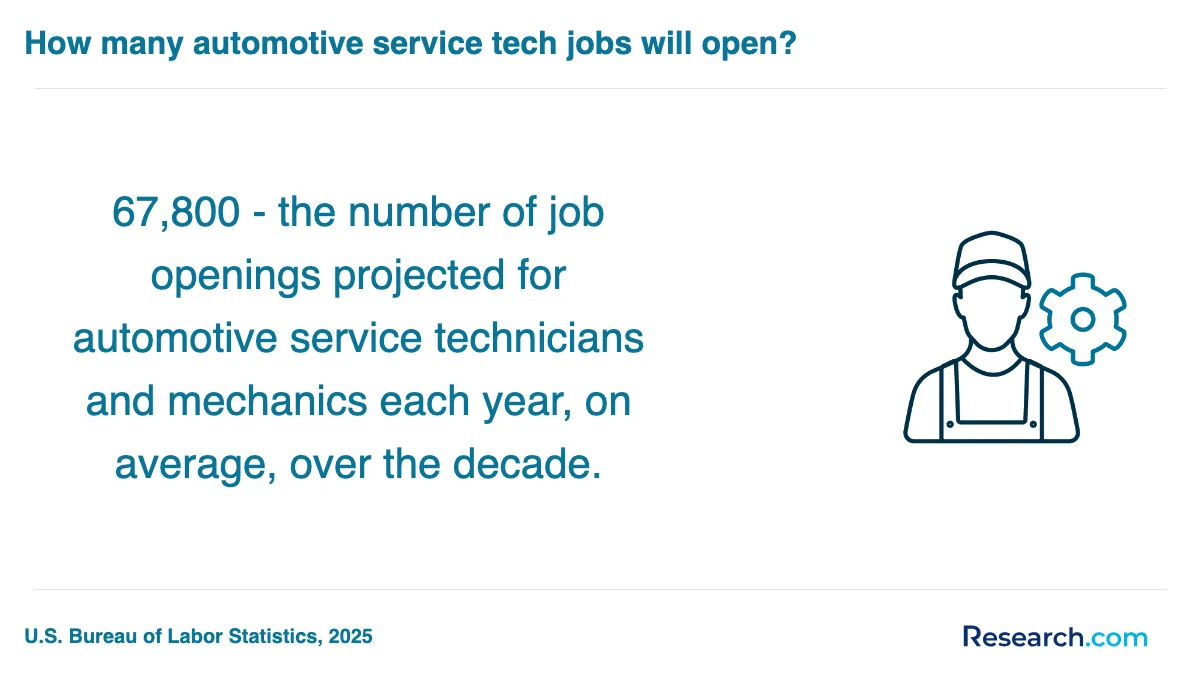
Automotive technician trade school courses in Santa Ana are designed to move students from basic vehicle systems to applied diagnostics and repair. Programs typically cover the major systems technicians encounter in service departments and repair shops, with a mix of classroom lessons, lab assignments, and supervised practice.
Core coursework often includes engine service and repair, powertrains and transmissions, vehicle brake systems, steering and suspension diagnostics, and vehicle electronic systems and technology. These subjects help students understand how vehicles operate, how systems fail, and how to diagnose problems using both inspection skills and modern equipment.
Common course areas
- Engine service and repair: Engine operation, diagnostics, maintenance, and repair procedures.
- Powertrains and transmissions: Manual and automatic systems, drivetrain components, and related service tasks.
- Brake systems: Inspection, maintenance, repair, and safety-focused service procedures.
- Steering and suspension: Ride quality, alignment-related concerns, component inspection, and repair strategies.
- Electrical and electronic systems: Wiring, sensors, onboard diagnostics, and troubleshooting methods.
- Automotive climate control systems: Heating, ventilation, air conditioning, and related diagnostic procedures.
- Hybrid and electric vehicle technology: Modern vehicle systems, safety considerations, and emerging service needs.
- Professional service writing: Customer communication, repair documentation, and coordination with service teams.
Students should look for courses that build in sequence. A good curriculum should not rush into advanced diagnostics before students understand basic safety, tools, vehicle systems, and service documentation.
Automotive technician trade school programs in Santa Ana may allow students to focus on specific systems or career goals. Specializations can help students stand out for employers, especially when they align with local demand, dealership needs, or emerging vehicle technology.
Schools such as Santa Ana College and Saddleback College emphasize practical automotive skills, and some programs include hybrid/electric vehicle technician training and advanced diagnostic techniques. Students should confirm whether a specialization is a formal certificate, an elective sequence, a manufacturer-specific pathway, or simply a set of courses within a broader program.
Typical specialization areas
- Engine performance and diagnostics
- Alternative fuel and hybrid vehicle systems
- Chassis and suspension service
- Automotive electrical and electronic systems
- CERTIFICATE programs in specialized fields like transmission or emission control
- Brakes, steering, and safety-related systems
- Smog check certification preparation where available
Students should choose a specialization based on the jobs they want after graduation. For example, electrical and diagnostics training can be valuable for advanced troubleshooting, while hybrid/electric vehicle training may be useful as more vehicles rely on high-voltage and computer-controlled systems. For additional program comparisons, students can review automotive mechanic training programs.
The best automotive technician trade school in Santa Ana is the one that matches your career goal, budget, schedule, and learning needs while providing enough hands-on training to make you employable. Do not choose based only on the fastest timeline or the lowest advertised tuition. A program should be affordable, credible, practical, and connected to the type of work you want.
Start by checking accreditation and whether the program supports ASE certification preparation. Then compare the curriculum, lab facilities, instructor experience, employer partnerships, and graduate support. Programs at Santa Ana College may appeal to students who want a local public college option, while nearby options such as Cypress College or Universal Technical Institute's Long Beach campus may offer different training models, including manufacturer-specific exposure and work with hybrid and electric vehicles.
Decision checklist
- Accreditation and certification alignment: Is the program properly recognized, and does it prepare students for ASE exams?
- Hands-on training: How much time do students spend in labs, and what equipment do they use?
- Program format: Are classes available during the day, evening, weekend, online, or in hybrid formats?
- Total cost: What are tuition, fees, tools, books, supplies, testing fees, and transportation costs?
- Employer connections: Does the school offer internships, dealership relationships, career fairs, or job placement support?
- Faculty experience: Do instructors have current or recent industry experience?
- Specialization options: Can you study diagnostics, hybrid/electric vehicles, manufacturer systems, diesel, or other areas tied to your goals?
- Student support: Are tutoring, advising, financial aid guidance, and career counseling available?
If you are also considering remote or flexible career training options, comparing local programs with online vocational trade schools can help you understand how Santa Ana options fit into the broader vocational education landscape.

Automotive technician trade school graduates in Santa Ana can pursue several entry-level and advancement-oriented career paths. Many begin in maintenance roles and gradually move into diagnostics, repair specialization, customer-facing service roles, or supervisory positions.
Common starting roles include automotive technician, auto mechanic, lube technician, tire technician, and collision repair staff. Some graduates also move into service advisor or customer service positions, where technical knowledge helps them explain repair needs, coordinate work orders, and communicate with customers.
Common career paths
- Entry-level automotive technician positions with competitive pay starting around $33 per hour
- Auto mechanic roles focused on diagnostics, maintenance, and repair
- Lube technician or tire technician positions that provide a practical entry point into the field
- Specialized roles in fleet vehicle maintenance or advanced diagnostics
- Collision repair and restoration teams managing post-accident vehicle care
- Installation technician roles focused on emergency vehicle equipment or custom automotive fabrication
- Service advisor or customer support roles that combine technical knowledge with communication skills
Career advancement often depends on experience, certifications, reliability, and the ability to diagnose problems accurately. Graduates who continue training may progress into senior technician, shop lead, master mechanic, service manager, or specialty technician roles. Students comparing education routes can use trade school vs college statistics to evaluate how focused technical training compares with other postsecondary options.
The job market for automotive technician trade school graduates in Santa Ana is active, with opportunities across entry-level service, maintenance, repair, and specialized automotive roles. Current listings include over 286 automotive technician job openings in Santa Ana, ranging from lube and tire technician roles to more advanced technician positions.
The broader outlook also shows continued demand. The market is projected to have over 1,800 openings by 2028. Starting wages typically fall between $16.50 and $24.00 per hour, while seasoned technicians can earn upwards of $60,000 annually. Advanced roles can command salaries over $100,000, especially when technicians build experience, earn certifications, and develop expertise in higher-value diagnostic or specialty work.
What supports demand in Santa Ana
- Steady job availability, projecting over 1,800 openings by 2028
- A wide range of employers, including dealerships, independent shops, and specialty service centers
- Entry-level roles that allow new graduates to build experience after training
- Competitive benefits such as health insurance and retirement plans in many positions
- Advancement potential for technicians who pursue certifications, manufacturer training, and specialized skills
Students should treat the job market as an opportunity, not a guarantee. The strongest candidates usually combine formal training with hands-on practice, punctuality, safety awareness, communication skills, and a plan for continued certification. For long-term planning, understanding what is the highest paying trade school job can help students compare automotive careers with other skilled trades.
Most Affordable Automotive Technician Schools, Colleges & Trade Certification Training Programs in Santa Ana for 2026
# 1 position
Santa Ana College - Automobile/Automotive Mechanics Technology/Technician.
associateSanta Ana College offers a hybrid program in Automobile/Automotive Mechanics Technology/Technician, preparing students to repair, service, and maintain various automobile systems. The curriculum covers brake, electrical, engine performance and repair, suspension and steering, transmissions, and heating and air conditioning systems. The annual in-state tuition is $1,180. Graduates have median earnings of $36,380 one year after completion. The program is accredited by the Western Association of Schools and Colleges Accrediting Commission for Community and Junior Colleges.
# 2 position
Santa Ana College - Automobile/Automotive Mechanics Technology/Technician.
certificate or diplomaSanta Ana College offers a fully online program in Automobile/Automotive Mechanics Technology/Technician, preparing students to repair, service, and maintain various automobile systems including brakes, engines, transmissions, and heating and air conditioning. The program is accredited by the Western Association of Schools and Colleges Accrediting Commission for Community and Junior Colleges. Annual in-state tuition is $1,180. Median earnings for graduates one year after completion are $36,380.
Frequently Asked Questions about automotive technician
After completing an automotive technician trade school in Santa Ana, it is important to build a strong foundation for entering the job market. Start by obtaining industry certifications such as the National Institute for Automotive Service Excellence (ASE), which can increase employability and salary potential. Employers in Orange County often prefer candidates with ASE credentials, reflecting the national trend where certified technicians earn on average 20% more.
Networking is also crucial. Attend local job fairs and join professional groups like the Automotive Service Association of Southern California. Many Santa Ana employers value hands-on experience, so internships or apprenticeships gained during or after schooling can be highly beneficial.
Additionally, keep up with evolving automotive technology by engaging in continuous education, as vehicles increasingly rely on advanced electronics and software diagnostics.
Employers in Santa Ana seeking automotive technician trade school graduates prioritize a combination of technical knowledge and practical skills. Proficiency in engine repair, diagnostics, and electrical systems is essential. According to the U.S. Bureau of Labor Statistics, graduates with familiarity in computerized diagnostic tools and hybrid vehicle maintenance have a competitive edge.
Strong problem-solving abilities and attention to detail are highly valued, as these skills reduce repair errors and improve customer satisfaction. Communication skills also matter, enabling technicians to explain issues clearly to customers and coworkers.
Hands-on experience gained through internships or co-op programs in Santa Ana is often required by local employers. Additionally, ASE certification remains a key credential that signals a graduate's technical competence and commitment to quality work.
Finding internships in Santa Ana that align with automotive technician trade school programs involves several strategic steps. First, students should connect with local community colleges and trade schools, as many have established partnerships with nearby auto repair shops and dealerships.
Additionally, the Orange County Workforce Development Board offers resources and job listings for automotive internships, helping students access opportunities that provide hands-on experience.
Networking is also crucial. Attending local automotive industry events or joining professional groups, like the National Institute for Automotive Service Excellence (ASE) chapters, can lead to internship leads.
According to the U.S. Bureau of Labor Statistics, internships improve employment prospects by 20% in technical fields, emphasizing their importance.
Obtaining an automotive technician trade school diploma in Santa Ana significantly enhances career mobility and advancement opportunities. According to the U.S. Bureau of Labor Statistics, automotive service technicians with formal training earn on average 15-20% more than those without certification. In Santa Ana's competitive job market, employers often prefer candidates with accredited diplomas, which demonstrate verified skills and knowledge.
Trade schools provide hands-on training aligned with industry standards, allowing graduates to qualify for higher-level positions such as lead technician or service manager. Additionally, many programs offer connections to local employers, improving job placement rates. Santa Ana's growing automotive sector supports steady demand for certified technicians, further aiding career growth.
Students enrolled in automotive technician trade schools in Santa Ana can benefit from various part-time job opportunities that complement their education. Local auto repair shops and dealerships often seek part-time assistants or apprentices, providing hands-on experience with vehicle diagnostics and repairs. According to the U.S. Bureau of Labor Statistics, automotive service technicians in California earn a median hourly wage of about $22, making these roles both educational and financially supportive.
Additionally, positions in auto parts stores allow students to gain knowledge of automotive components and customer service skills. Some Santa Ana community colleges also offer cooperative education programs that connect students with relevant internships. These jobs help build practical skills while balancing school schedules.
To find the most affordable automotive technician degree program near me in Santa Ana, CA, start by researching local community colleges and trade schools, as they often offer cost-effective options. Consider factors such as tuition fees, program length, and financial aid opportunities, all of which are vital to determining affordability. Additionally, using resources like Research.com can provide insights into the quality and costs of programs near Santa Ana, CA, aiding in making an informed decision.
- Most Affordable Automotive Technician Schools, Colleges & Trade Certification Training Programs in Santa Barbara for 2026
- Most Affordable Automotive Technician Schools, Colleges & Trade Certification Training Programs in Santa Rosa for 2026
- Most Affordable Automotive Technician Schools, Colleges & Trade Certification Training Programs in Ogden for 2026
- Most Affordable Automotive Technician Schools, Colleges & Trade Certification Training Programs in Odessa for 2026
- Most Affordable Automotive Technician Schools, Colleges & Trade Certification Training Programs in Seattle for 2026
- Most Affordable Automotive Technician Schools, Colleges & Trade Certification Training Programs in Wichita for 2026
- Most Affordable Automotive Technician Schools, Colleges & Trade Certification Training Programs in Bismarck for 2026
- Automotive Service Technicians and Mechanics : Occupational Outlook Handbook: : U.S. Bureau of Labor Statistics https://www.bls.gov/ooh/installation-maintenance-and-repair/automotive-service-technicians-and-mechanics.htm
- Automotive Mechanic Salary Guide For The United States In 2024 https://www.lincolntech.edu/news/automotive/automotive-technology/automotive-mechanic-salary-guide-united-states
- Automotive Technician Salary Information | Pennco Tech https://www.penncotech.edu/how-much-can-an-automotive-technician-earn/
- Automotive Technician https://www.careers.govt.nz/jobs-database/engineering/automotive/automotive-technician/
- How Much Can an Automotive Technician Earn? | NYADI The College of Transportation Technology https://nyadi.edu/blog/automotive-technician-salary-projections/
- Automotive Technology http://sac.edu/AcademicProgs/HST/Auto/Pages/Automotive-Technology.aspx
- Just a moment... https://www.simplyhired.com/search
- Automotive Mechanic I Salary in Santa Ana, CA (August 01, 2025) | Salary.com https://www.salary.com/research/salary/benchmark/automotive-mechanic-i-salary/santa-ana-ca
- Automotive Mechanic Trade School | Sheridan Technical College https://www.sheridantechnicalcollege.edu/automotive-technology/
- Automotive Technician | Clover Park Technical College https://www.cptc.edu/programs/auto-tech


