2027 Social & Behavioral Sciences Specializations That Best Match Public Health-Prep Pathways

Co-Founder and Chief Data Scientist
Public health-prep students often confront a critical mismatch between their specialized interests and the rigid structures of graduate programs. A 2024 analysis by the National Center for Education Statistics reveals that 45% of social and behavioral sciences enrollees prioritize flexible scheduling or online options, reflecting a shift toward accommodating working adults and nontraditional learners.
This transition underscores a challenge: selecting specializations that align with evolving workforce demands and adaptable learning formats without compromising career advancement. Navigating this complexity requires nuanced understanding of which specializations best integrate with public health pathways, balancing academic rigor with practical outcomes. This article examines those social and behavioral sciences specializations that strategically support public health-prep trajectories to guide informed educational choices.
Key Things You Should Know
- Applied Behavioral Analysis specialization shows 18% higher job placement within two years post-graduation compared to general social science degrees, driven by rising demand in targeted public health interventions.
- Quantitative Social Psychology skills dominate employer preferences, with 72% of public health organizations prioritizing data modeling capabilities, intensifying competition for candidates lacking advanced statistics training.
- Programs integrating Geographic Information Systems require 25-40% longer completion times and 15% higher tuition on average, posing access barriers despite increasing local epidemiology roles in underserved communities.
Which specializations best fit public health-prep pathways?
Specializations in health education, community health promotion, and behavioral epidemiology directly respond to employer demands within public health-prep pathways, balancing practical skills with measurable outcomes. The U.S. Bureau of Labor Statistics projects a median wage of $52,850 and a 7% job growth for these roles through 2032, making them competitive options for those targeting community-focused public health positions. These fields emphasize designing targeted interventions critical for health equity and disease prevention.
Programs emphasizing behavioral health research and risk communication hold particular value for roles in government health departments and non-profits, where managing culturally competent campaigns is increasingly necessary given demographic shifts. Coursework typically integrates data analysis, policy assessment, and applied fieldwork, addressing real-time employer expectations rather than purely theoretical knowledge.
Choosing between broad social and behavioral sciences specializations and narrowly focused community health skills involves important tradeoffs. Broad credentials allow flexibility across sectors but may require added certifications in grant writing or epidemiological surveillance. Targeted specializations hasten entry into specific roles but constrain mobility if career paths change.
For instance, mid-career professionals pivoting toward public health administration should prioritize specializations centered on program evaluation and health systems management to capitalize on prior leadership experience. Further practical considerations around these pathways and options related to digital engagement can be explored through a social media marketing degree, which increasingly interfaces with public health communication strategies.
What accreditation should these programs have?
Regional accreditation combined with specialized accreditation from recognized bodies like the Council on Education for Public Health (CEPH) is indispensable for social & behavioral sciences programs preparing students for public health roles. Programs without CEPH accreditation risk producing graduates who face limited eligibility for certified public health (CPH) credentials and diminished competitiveness in job markets marked by heightened employer selectivity. For example, a health behavior analyst entering integrated healthcare systems within the $132.4 billion behavioral health market projected by 2027 must meet established public health program accreditation standards to secure relevant positions and reimbursement pathways.
Health psychology and behavioral medicine pathways require additional validation from entities such as the American Psychological Association (APA) for clinical practice roles, underscoring the layered complexity of accreditation bodies for social and behavioral sciences programs. Lack of recognized accreditation can delay workforce entry, restrict access to necessary continuing education, and impede access to federal employment opportunities.
Students should confirm that programs maintain current accreditation to ensure eligibility for federal financial aid and valid practicum placements. Those pivoting into social & behavioral sciences should prioritize accredited programs with rigorous internship opportunities to facilitate smoother career transitions. Employers increasingly expect credentials that reflect rigorous, accredited education aligning with integrated care demands.
Should you choose online, hybrid, or campus learning?
Choosing an educational format in public health pathways involves weighing practical employer expectations against the realities of program delivery. Online learning options for social & behavioral sciences public health pathways offer accessibility for professionals juggling work or caregiving; however, they often limit immersive peer interaction and fieldwork critical to roles in social epidemiology or community engagement. For example, a working analyst focusing on policy data might gain needed technical skills through remote study but miss connections essential for outbreak response teams.
Hybrid vs campus learning in social & behavioral sciences public health programs presents a tangible tradeoff. Hybrid models blend remote coursework with scheduled in-person labs or practicum sessions, supporting skill development and networking without full campus commitment. This suits students needing better balance but still seeking employer-valued interpersonal competencies. Campus programs remain unmatched for those targeting advanced quantitative roles or leadership positions requiring extensive fieldwork, real-time mentorship, and access to research centers tied to health equity investigations, including social determinants of health, which directly influence workforce readiness in high-vulnerability areas.
Professionals uncertain about which path to follow can explore options like an online sociology degree bachelors, which illustrates how program formats vary by field and purpose. Ultimately, assessing local public health networks, time availability, and institutional employer partnerships will guide strategic choices that align with both immediate career constraints and long-term labor market relevance.
What coursework do public health-prep tracks include?
Public health-prep course requirements now demand a fusion of analytical precision and strategic communication skills, a balance shaped directly by employer expectations in public health agencies and NGOs. With approximately 72% of U.S. adults encountering significant health misinformation on social media-complicating their health decisions-graduates must be adept at crafting clear, trustworthy messages in a crowded media landscape. This reality shifts the traditional public health curriculum toward emphasizing social and behavioral sciences coursework for public health to build resilience against misinformation.
Core coursework includes rigorous training in epidemiology, biostatistics, health policy, behavioral sciences, and communication theories that emphasize media literacy and misinformation mitigation. Programs teaching these capacities equip students to analyze disease trends and design targeted interventions amidst widespread public skepticism. This expertise is vital for roles ranging from community health education to crisis communication.
Prioritizing social and behavioral sciences coursework for public health enhances a graduate's ability to translate complex data into actionable insights for varied audiences. For those considering flexibility in learning formats, options such as an environmental health and safety degree online may bridge practical needs with academic requirements.
This integrative approach is critical because employers increasingly value professionals who combine technical aptitude with nuanced communication strategies to counter the pervasive challenge of health misinformation shaping public perceptions and behaviors.
What admission requirements do these programs usually ask for?
Admission criteria for social & behavioral sciences specializations oriented toward public health-prep paths prioritize academic rigor and practical experience, reflecting employer demand for workforce readiness. Minimum GPA requirements typically fall between 2.5 and 3.0; however, more selective tracks raise standards, especially in psychology, sociology, biology, and statistics coursework. Applicants must provide official transcripts to confirm these qualifications.
While standardized tests like the SAT or ACT are increasingly optional, some programs still recommend them to validate quantitative proficiency, a vital skill for data-intensive roles in public health. Admissions often expect a personal statement focused on motivation and alignment with community health goals, which employers view as indicative of communication aptitude necessary for systems-level engagement.
Experience gained through volunteering, internships, or employment in social service contexts significantly enhances an applicant's profile. For example, documented involvement in social service organizations signals readiness for a labor market that employed over 2.1 million community and social service workers in 2023, with a projected 9.6% growth through 2032, according to the U.S. Bureau of Labor Statistics-a growth rate exceeding many other sectors.
Professional references help evaluate interpersonal skills and commitment, while some specialized tracks require prerequisite stats or health sciences courses and background checks when clinical placements are mandatory. Additionally, interviews assess critical thinking and ethical judgment, competencies essential for navigating public health and social systems careers.
How long do these degree programs usually take?
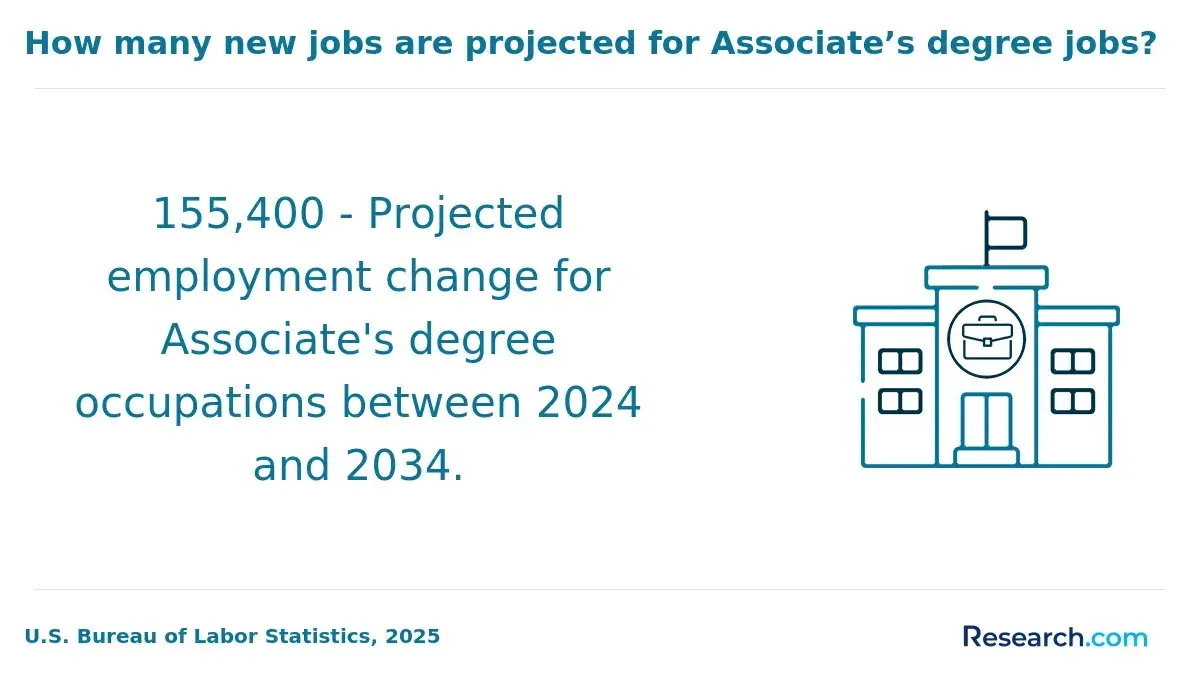
Choosing between associate, bachelor's, and master's degrees in social & behavioral sciences for public health-prep reflects a clear tradeoff between time-to-workforce and depth of expertise. Associate degrees offer a rapid, roughly 2-year path suitable for entry-level roles or transfer, but employers targeting nuanced skills often require the broader 4-year bachelor's degree that integrates applied coursework with analytical and policy competencies. For example, a candidate with a bachelor's is more likely to be competitive for positions demanding cultural competence and data interpretation in migration health contexts, where global demographic shifts have intensified.
Master's degrees extend study by 1.5-3 years and specialize in research methods, epidemiology, and global health challenges, critical for roles addressing the increasing international migration rate-nearly one in eight residents in wealthy countries is foreign-born, according to the United Nations. This elevated demand steers workforce priorities toward graduate-level candidates with demonstrated expertise in migration health and community engagement.
Part-time or online study options improve accessibility but usually lengthen duration. Practical components like internships or capstones add 3-6 months yet provide essential real-world linkage, enhancing employability amid employer expectations that blend credentialing with applied experience. Students must weigh accelerated entry against the broader skill sets that improve long-term positioning within public health and social & behavioral sciences fields.
How much do social and behavioral science programs cost?
Choosing an educational path in social & behavioral sicences requires balancing the upfront cost with long-term viability in a competitive labor market. Undergraduate tuition ranges broadly from $7,000 to $35,000 annually, while graduate studies can exceed $50,000 per year depending on institution type and residency. Public in-state programs typically provide the most cost-effective access, but out-of-state and private options often more than double expenses without guaranteed return in employability or salary.
For example, those targeting mental health or substance use counseling-a field with over 390,000 practitioners and projected 18% job growth-must prioritize programs that align with licensure requirements. Employers weigh accreditation heavily, so selecting lower-cost community colleges or online hybrid models may speed workforce entry if they offer necessary certification pathways.
Financial aid rarely covers full costs, pushing many to loans or flexible part-time schedules that reduce opportunity costs but extend completion time. Graduates should also anticipate an additional $2,000 to $5,000 for supervised clinical hours and licensing exams-expenses often overlooked in initial budgeting.
Costlier private programs lacking clear workforce alignment risk lower return on investment. Conversely, a strategic approach combining affordable tuition, credential relevance, and pragmatic pacing better positions candidates for meaningful employment outcomes.
Which careers can these specializations lead to?
The practical value of specializations in social & behavioral sciences hinges on their capacity to address the persistent imbalance in U.S. health care spending, which exceeds $13,493 annually per capita-more than double the average in comparable OECD nations. Professionals with expertise in health economics and behavioral decision-making influence policies that contain costs while improving outcomes.
Consider how a health policy analyst in a state agency applies behavioral insights to design incentive programs aimed at curbing unnecessary medical procedures, directly affecting budget allocations. Conversely, behavioral economists working in private insurance strategically model patient adherence to refine plan structures, balancing coverage with cost control. These roles require strong quantitative skills paired with policy knowledge.
Employers prioritize candidates who can translate complex data into actionable program evaluations, emphasizing advanced statistics and understanding of social determinants of health. The typical career arc moves from analytical roles to senior advisory positions, demanding ongoing specialized training that extends beyond initial degrees.
This educational pathway also supports community health planning and advocacy, where grasping behavioral motivators helps mitigate healthcare overuse through targeted outreach. However, students must weigh the tradeoff between immediate technical competence and the necessity for continual professional development amid evolving policy and data environments.
What salaries can public health-related careers pay?
Public health salaries vary significantly with specialization, experience, and sector, influencing the educational and career choices for Social & Behavioral Sicences professionals. Early-career roles like public health analysts or community health workers earn between $40,000 and $55,000 annually, often requiring foundational training but limited technical specialization. Mid-level epidemiologists and health educators with several years of experience command $65,000 to $90,000, reflecting the value of managing disease surveillance or health programs.
Workers with Master of Public Health (MPH) degrees or those specializing in digital health and behavioral analytics-skills increasingly demanded as wearable technology adoption climbs-see salaries rise to $95,000-$130,000 or more. By 2025, half of U.S. adults are projected to use at least one wearable, creating workforce demand for expertise in interpreting wearable-generated data and designing behavioral interventions.
Key considerations for those pivoting into Social & Behavioral Sicences include:
- Additional technical training required for roles combining data science and behavioral insights, often yielding $15,000-$30,000 higher pay than traditional health education positions
- The tradeoff between broader public health skills and niche digital health expertise, with employers increasingly valuing data fluency for preventive health roles
- Government positions offering stable but often lower pay compared to private sector health tech firms, which may supplement salaries with bonuses or equity
Prospective students should weigh these workforce dynamics in selecting pathways that maximize employability and income potential grounded in today's digital health ecosystem.
What certifications or licenses may employers expect?
Employers in public health-prep pathways require certifications or licenses that prove both fundamental and niche expertise in social & behavioral sciences, reflecting real job expectations rather than academic credentials alone. Clinical licenses like Licensed Clinical Social Worker (LCSW) or Certified Alcohol and Drug Counselor (CADC) are essential for patient-facing roles but involve longer, more complex licensing processes with regulatory demands. By contrast, certifications such as Certified Health Education Specialist (CHES) enable faster entry into public health roles focused on community engagement and program implementation.
Given that 26% of adults worldwide report anxiety or depression symptoms, proficiency in mental health crisis management is a growing employment prerequisite, pushing candidates toward Psychological First Aid (PFA) and Crisis Intervention Team (CIT) certifications. Health departments and nonprofit employers often mandate keeping credentials current through continuing education, emphasizing the evolving nature of behavioral health knowledge.
For those pursuing roles in administration or epidemiology, industry-recognized benchmarks like Certified Public Health (CPH) or Certified in Public Health Informatics (CPHI) bring added value but do not substitute for clinical qualifications when direct patient care is involved. Candidates exploring master of social work research alongside public health pathways should compare local employer preferences to avoid delaying entry or facing skill mismatches.
Other Things You Should Know About Social & Behavioral Sicences
Research experience significantly impacts employability for public health roles that rely on data-driven decision making, such as epidemiology or program evaluation. Programs that emphasize hands-on research methodology and statistical analysis better prepare students for these expectations from employers. When choosing a specialization, prioritize tracks that integrate applied research projects or internships, as they offer practical skills over purely theoretical studies.
Degrees heavily focused on social & behavioral sciences may restrict opportunities in technical or clinical public health areas like biostatistics or environmental health without additional training. However, they enable stronger positioning in community outreach, policy development, and health education fields. For students seeking broader career options, complementing social & behavioral sciences with interdisciplinary coursework or certifications in quantitative methods enhances adaptability.
Students will face a heavy emphasis on both qualitative and quantitative coursework, requiring proficiency in statistical software and writing extensive research reports. This dual demand raises the program's rigor compared to disciplines focusing on just one methodological approach. Balancing these skill sets is critical; candidates should plan for consistent study time and may benefit from early coursework in data analysis to manage the intensity effectively.
References
- Social and Behavioral Health https://www.publichealthdegrees.org/specializations/social-behavioral-science/
- How Long Does it Take to Get a Masters Degree - MastersDegree.net https://mastersdegree.net/how-long-does-it-take-to-get-a-masters-degree/
- How Long Does It Take to Complete a Master’s Degree Program? https://www.calsouthern.edu/articles/how-long-is-a-masters-degree
- How long does it take to get a master's degree? | edX https://www.edx.org/resources/how-long-does-a-masters-degree-take
- One moment, please... https://worldwideeduconsultants.com/attachments/article/6/Admission%20Process.pdf
- Why Should I Be Applying For Accredited Post-Graduate Programmes? https://www.amba-bga.com/insights/why-should-i-be-applying-for-accredited-post-graduate-programmes
- Streamlining Accreditation Preparation with Program Review https://www.qualitymatters.org/qa-resources/resource-center/articles-resources/streamline-accreditation-prep
- Health & Behavioral Sciences Majors: Explore 17 Career Paths | MajorMatch https://majormatch.me/blog/health-behavioral-sciences
- Choosing Your Path: 9 Public Health Concentrations https://publichealth.tulane.edu/blog/public-health-concentrations/
- Public Health Career Salaries: What to Expect Across Roles https://www.scuhs.edu/bshs-article/public-health-career-salaries-what-to-expect-across-roles/