2027 Social & Behavioral Sciences Roles Growing Fastest in Community and Behavioral Support

Co-Founder and Chief Data Scientist
Programs in social & behavioral sciences face a pressing challenge: how to meet rapid workforce demand while accommodating adult learners juggling work and family commitments. The U. S. Department of Education reported a 12% surge in online enrollment across behavioral health disciplines over the past two years, reflecting heightened demand for flexible learning formats.
This growth signals a shift toward career mobility strategies prioritizing accessible education without sacrificing credential rigor. However, program structures vary widely in their ability to blend practical skill development with scalability. This article examines which social & behavioral sciences roles are expanding fastest and how educational choices align with evolving workforce needs to inform strategic student decision-making.
Key Things You Should Know
- Federal labor projections show a 17% increase in community and behavioral support roles through 2030, intensifying competition for graduates with specialized certifications rather than generalist degrees.
- Employers prefer candidates with targeted postsecondary credentials in trauma-informed care and data tracking, shifting hiring standards beyond traditional social sciences degrees and raising workforce entry barriers.
- Short-cycle technical training balances quicker workforce entry and lower debt but limits upward mobility compared to bachelor's programs preferred for leadership pipelines, forcing candidate tradeoffs between speed and long-term career growth.
Which social and behavioral sciences roles in community and behavioral support are growing fastest?
Growth in community and behavioral support careers increasingly centers on specialized roles such as mental health counselors, substance abuse counselors, and social workers focusing on behavioral health. These positions alone represent a substantial share of the estimated 144,700 annual job openings projected within life, physical, and social science occupations. Median annual earnings for these roles hover around $78,980, notably higher than the overall occupational median, indicating strong labor market demand for advanced skills in managing complex behavioral health issues.
Top social and behavioral sciences roles in behavioral health support require more than academic credentials; practical readiness, including clinical licensure and field experience, is vital. For example, mental health counselors often operate in multifaceted environments such as schools or outpatient clinics, addressing prevalent conditions like anxiety and trauma. Meanwhile, substance abuse counselors work in settings with long-term recovery goals, requiring nuanced understanding of addiction science paired with counseling capabilities.
Social workers engaged in behavioral health must navigate fragmented service networks that involve healthcare, housing, and criminal justice systems. This complexity affects job stability and growth, particularly given varying regional funding and regulatory landscapes. Workforce entrants should prioritize programs offering field placements with real-world applicability to meet employer expectations and shifting policy demands.
Students assessing educational pathways should weigh program affordability against accreditation and licensure support, which directly influence employability. Those seeking further credentials might consider cheapest online DSW programs to access advanced practice opportunities while managing cost barriers.
What do community and behavioral support careers in social and behavioral sciences involve day to day?
Community behavioral support roles demand a balance between empathetic client engagement and rigorous operational discipline. Daily responsibilities typically include intake interviews, creating individualized treatment strategies, ongoing client monitoring, and collaboration with healthcare providers and social services. Practitioners must meticulously document sessions to satisfy regulatory and insurance requirements while adjusting approaches for diverse populations and comorbidities. For instance, addressing typical tasks in social and behavioral sciences community roles within rural settings often requires innovative solutions like telehealth to circumvent access and stigma barriers.
Employers prioritize professionals skilled in evidence-based modalities such as cognitive behavioral therapy and motivational interviewing, combined with crisis intervention capabilities. Maintaining clear professional boundaries is essential to mitigate burnout risks in environments ranging from outpatient centers to correctional institutions, where caseload complexity varies significantly.
Training pathways emphasize both theory and supervised practice, but students frequently face challenges securing regionally recognized internships and continuing education aligned with evolving certification standards. Job growth projections predict a 17% increase over the next decade, accompanied by intensified competition for candidates demonstrating practical, adaptable expertise. The median annual salary stands near $59,190, according to data summarized by BehavioralHealth.careers.
Prospective students seeking robust qualification pathways may consider NASP approved online school psychology programs for structured options that blend academic rigor with practical training relevant to these demands.
What education and degree pathways prepare you for these high-growth support roles?
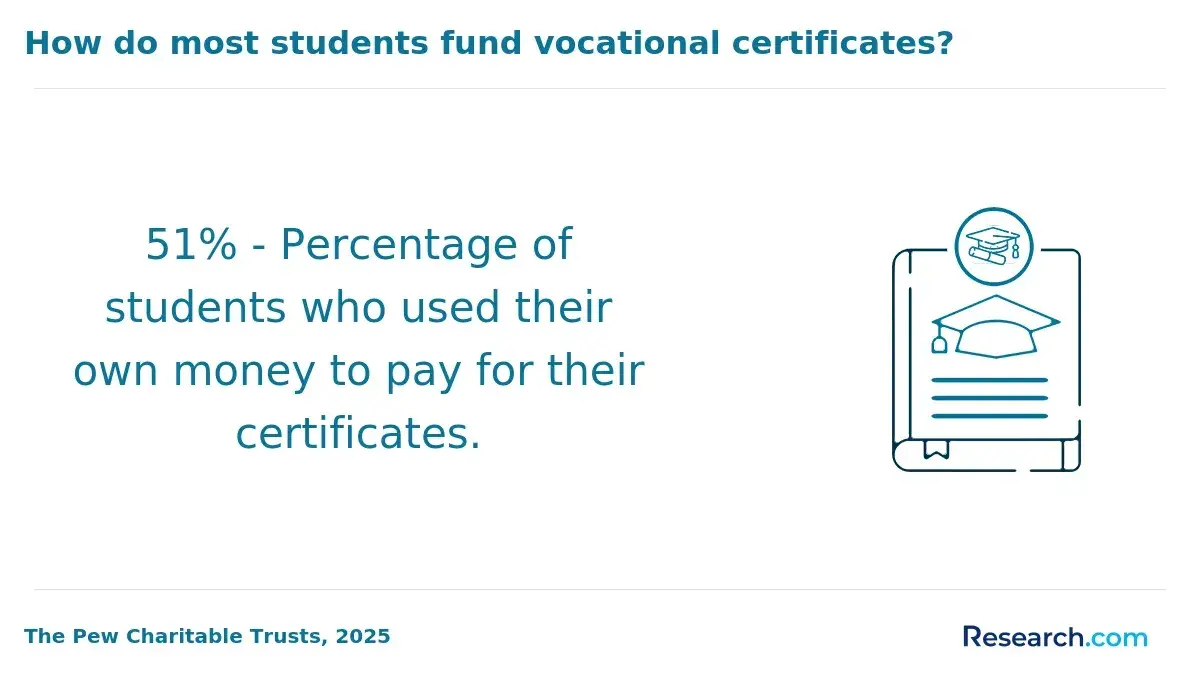
Postsecondary certificates and associate degrees remain the primary education pathways for high-growth support roles in Social & Behavioral Sicences, such as psychiatric technicians. Practical skills-patient observation, basic clinical care, and behavioral intervention-are prioritised by employers at entry level. For instance, a community behavioral support worker hired by a mental health facility must demonstrate crisis response and therapeutic communication skills, which distinguish accredited technical programs focused on these competencies. This aligns with community and behavioral support degree programs emphasizing hands-on, supervised externships, often required by employers.
Compared to certificates, associate degrees offer deeper knowledge of psychopathology, regulatory compliance, and documentation practices, increasing eligibility for roles with supervisory or specialized functions. While bachelor's degrees in psychology, social work, or human services are not mandatory, they serve as a gateway to roles like case management but involve greater time and financial investment, delaying workforce entry and immediate income.
The U.S. Bureau of Labor Statistics projects 20% growth in psychiatric technician jobs from 2024 to 2034, with a median wage of $45,130 in May 2025. Students should assess program length and clinical training accessibility to align credentials with their career timeline and goals. Those evaluating alternative trajectories may also consider the pros of being a forensic psychologist as a comparative option within related fields.
How do online social and behavioral sciences programs compare with campus-based options for these careers?
Choosing between campus and online social and behavioral sciences degree programs fundamentally hinges on access to meaningful experiential learning-an element that directly affects employability and initial salary prospects. Campus programs embed students in face-to-face practicum placements and foster direct networking with local agencies, which employers in this field often require to validate supervised field experience. For instance, students in Virginia can intern with state public health departments, gaining exposure to local policies and community challenges that enhance readiness for roles paying up to $103,640 annually. In contrast, online programs usually depend on virtual simulations or self-sought internships, resulting in inconsistent quality and limited mentorship.
Prospective enrollees should weigh these practical tradeoffs carefully, especially considering that social and behavioral scientists in public health earn a national average salary of $80,450, with the highest pay in urban regions like the District of Columbia reaching $98,910. Employers there value demonstrated collaboration skills and familiarity with local service ecosystems-advantages more reliably cultivated through on-campus programs.
In evaluating online social and behavioral sciences degree benefits, students must realistically assess their ability to independently secure equivalent field experiences. Employers expect candidates to show competency gained through immersive, employer-validated practical training. This evaluation process aligns closely with a broader campus versus online social and behavioral sciences programs comparison that prioritizes career relevance and workforce outcomes.
For those exploring compensation expectations in related fields, understanding market trends-such as the master in health information management salary-can provide additional context for informed decision-making in health and behavioral sciences education.
Which accredited U.S. schools offer strong programs for community and behavioral support careers?
Behavioral science programs at institutions like the University of Michigan, Boston University, and University of North Carolina at Chapel Hill offer distinct curricular emphases that directly affect career trajectories in community and behavioral support roles. Selecting among these requires assessing key operational factors such as faculty specialization, network access for internships, and program scheduling flexibility.
For example, a professional transitioning into community mental health might prefer programs with evening classes and urban practicum placements to accommodate work commitments. Conversely, someone targeting policy research roles should consider institutions with strong ties to government agencies and think tanks, which enhance real-world policy evaluation skills.
Graduates earn an average of $84,521 in behavioral science roles, with the field expanding by over 45,000 job openings nationwide. Despite a 13% salary increase over five years, candidates must evaluate program cost, commute or relocation implications, and documented alumni outcomes to ensure alignment with their career goals.
Core competencies emphasized across top programs include data analysis, evidence-based intervention, and community participatory research. The University of Michigan integrates behavioral research with social work practice, Boston University emphasizes behavioral health intervention via research labs, and UNC Chapel Hill focuses on community engagement in underserved populations.
Making a strategic education investment in this field hinges on balancing employment market demands against logistical barriers and program fit, enhancing employability in roles requiring nuanced application of behavioral science.
What coursework and skills are typically included in social and behavioral sciences support programs?
Programs in social and behavioral sciences that emphasize applied skills over purely theoretical knowledge better prepare graduates for immediate workforce integration. Key competencies such as psychometrics and data analysis enable professionals to interpret standardized assessments essential in clinical, educational, or community settings. These capabilities, combined with proficiency in case management software and electronic health records, address growing administrative demands in behavioral support roles.
Practical exposure through internships tackling complex social issues-like coordinating care for homeless populations or individuals facing addiction-sharpens critical problem-solving skills. Structured training in crisis intervention and trauma-informed approaches produces measurable improvements in job placement compared to more academic-only pathways. Employers prioritize candidates adept in both foundational social science fields and applied communication techniques such as motivational interviewing and conflict resolution.
Graduates who can evaluate program outcomes and contribute to policy improvements align with workforce trends projecting 6% employment growth for psychologists through 2034, according to the U.S. Bureau of Labor Statistics Occupational Outlook Handbook. Choosing programs that blend ethical frameworks, human development theories, and behavioral assessment with experiential learning enables students to navigate real-world challenges and adapt to evolving service demands.
What are the admission requirements, program length, and typical costs for these degrees?
Prospective students navigating social & behavioral sciences degrees should weigh admission standards, program duration, and financial impact against realistic career outcomes. Bachelor's admissions commonly require a high school diploma with GPA thresholds near 2.5-3.0; selective programs and licensure tracks may add prerequisites like background checks. Master's entry demands a relevant bachelor's degree, GPA around 3.0, and often professional recommendations, reflecting employer expectations for preparedness.
Degree lengths differ: typical bachelor's programs range around 120 credit hours over four years full-time, though accelerated or part-time options affect timeline and workload. Master's programs usually require 30-40 credit hours and 1.5 to 2 years, while certificates or diplomas condense to under a year. These variations influence how quickly candidates can transition or advance.
Cost is a central consideration. Public university tuition runs $10,000-$15,000 annually for in-state students and $25,000-$35,000 for out-of-state, whereas private nonprofits often exceed $30,000 per year. Online formats lower incidental costs but maintain comparable tuition. Consequently, total expenses range from approximately $40,000 for accelerated bachelor's tracks at state schools to over $100,000 for private master's degrees, necessitating scrutiny of return on investment.
The Bureau of Labor Statistics reports median wages near $78,980 for related science careers, roughly 60% above median occupational income, offering some compensation justification. Yet, working professionals pivoting careers may prioritize flexible, part-time online master's options to maintain employment during study, balancing income and credentialing demands.
What salary ranges and earning potential can you expect in community and behavioral support roles?
Entry-level community and behavioral support positions typically start with median salaries near $35,000, rising to over $59,000 for specialized counselors holding relevant degrees or licensure. Counselors working in substance abuse or mental health roles command median wages around $59,190 as of May 2024, supported by a 17% projected employment growth through 2026 - significantly outpacing general labor market trends.
Choosing between aides and counselors involves assessing education time, wage ceilings, and job stability. Technicians and aides enter the field with two-year certificates or less, limiting salary growth but allowing quicker workforce entry. In contrast, counselors must invest more in formal education and credentials but benefit from higher earning potential and stronger employer preference, especially in clinical or community settings.
Key considerations include:
- Technicians earn $35,000-$45,000 initially, requiring resilience and interpersonal skills despite lower formal qualifications.
- Counselors often exceed $50,000 with experience and certifications, with advanced credentials pushing pay toward or beyond median figures.
- Employer demand prioritizes accredited counseling certifications over generic credentials.
The real-world implication is balancing educational investment against salary outcomes and job market demand, particularly in behavioralhealth.careers sectors where credential specificity matters. For workers pivoting into social & behavioral sciences, understanding these wage tiers and credential requirements is critical to aligning career goals with achievable financial returns and labor market realities.
What is the long-term job outlook and demand for social and behavioral sciences support careers?
Job prospects in social and behavioral sciences support roles depend heavily on the candidate's technical skills and the stability of funding sources. While overall employment growth aligns with or exceeds national averages, success hinges on competencies like data analysis, program evaluation, and interdisciplinary problem-solving. Candidates lacking graduate credentials or specialized experience face competitive barriers as employers prioritize measurable impact and applied analytics.
Economic considerations shape career entry points significantly. For example, economists leverage advanced quantitative skills to command the highest average salary-$114,600 in 2026 per Nexford University-offering a clear financial advantage compared to roles like social work or community counseling, where median pay is much lower. This salary disparity necessitates a realistic analysis of return on educational investment, especially given funding fluctuations in nonprofit and public sectors.
Workforce seekers must navigate diverse conditions: policy analysts in urban planning benefit from relatively steady municipal and federal budgets, whereas nonprofits' reliance on donor funds introduces job instability. To improve employability, candidates should develop technical proficiency in statistical software, applied research methods, and program management, ideally supported by hands-on experience with community impact projects.
Cross-sector adaptability is paramount as social and behavioral sciences increasingly intersect with public health, education, and economic development, requiring continual skill updates and strategic credentialing investments.
Are licenses, certifications, or background checks required for these behavioral support roles?
Licensing and certification requirements create a significant divide between behavioral support roles and health policy or community systems analyst positions. Direct care workers in behavioral support typically must secure state-specific credentials-such as Certified Peer Specialist or Qualified Mental Health Professional certifications-and pass comprehensive background checks. This process, often taking several months and involving supervised fieldwork, ensures safety when working with vulnerable populations but delays immediate employment prospects.
Conversely, roles classified under political scientists, such as health policy analysts, rarely require formal licensure. Instead, employers prioritize advanced degrees and relevant certifications in public health or policy analysis, emphasizing research skills over clinical credentials. For example, a health policy analyst focusing on program evaluation can start work faster if holding a relevant master's degree, avoiding the lengthy certification process that a behavioral support worker must complete.
Practical tradeoffs include:
- Behavioral support roles demand ongoing compliance with state law, including renewals and continuing education, reinforcing regulatory complexity.
- Analyst positions offer a smoother path to employment but often require higher academic credentials and stronger research capabilities.
- Job growth projections show a 7% increase for analysts from 2022 to 2032, more than doubling the average for all occupations, indicating expanding demand without the licensing hurdles.
Understanding these distinctions is vital for candidates weighing speed to employment against long-term credential maintenance and job function.
Other Things You Should Know About Social & Behavioral Sicences
In 2027, professionals in community and behavioral support roles face challenges like managing burnout and maintaining emotional resilience due to increased caseloads and complex client needs. Navigating the balance between personal well-being and professional responsibilities remains crucial to sustaining a healthy work environment and delivering effective support.
Employers consistently value hands-on experience more than theoretical coursework in this field. Programs with integrated fieldwork or internships provide a measurable advantage when seeking employment. Prospective students should prioritize programs offering supervised practicum opportunities, as pure theory-oriented tracks often leave graduates underprepared for complex client interactions and resource navigation demands.
Many roles in community and behavioral support require credentials beyond a degree, such as specific certifications or ongoing training hours. These demands vary by employer and state regulation but significantly affect employability and career progression. Students should evaluate the credential landscape in their target job market and choose programs that facilitate or align with these additional requirements to avoid unexpected barriers after graduation.
Mid-career pivots into community and behavioral support through social and behavioral sciences degrees are feasible but require careful program selection. Accelerated or part-time formats that balance coursework with current job responsibilities offer the best chance to maintain income and professional momentum. Students must assess workload intensiveness and employer flexibility before enrolling to prevent overextension and career disruption.
References
- Certification, Credentials and Licensure — Regional Behavioral Health Workforce Coalition https://www.buildbehavioralhealth.org/certs-cred-license
- The Emerging Field of Behavioral Health Paraprofessionals https://www.nga.org/publications/the-emerging-field-of-behavioral-health-paraprofessionals/
- High-demand social work careers in California: trends and opportunities https://socialwork.pacific.edu/blog/high-demand-social-work-careers-california-trends-and-opportunities
- Behavioral health technician certification in Pennsylvania. | myKelly https://www.mykelly.com/career-advice/job-search/behavioral-health-technician-certification-in-pennsylvania
- Behavioral Health and Education Career Openings - Best Point https://bestpoint.org/careers/
- Careers in Behavioral Science: 3 Barriers (& Why You Should Break Them Down) - Irrational Labs https://irrationallabs.com/blog/careers-in-behavioral-science-3-barriers-why-you-should-break-them-down/
- B.S. Behavioral & Social Science - Bethel University Online https://ags.betheluniversity.edu/degrees/bs-bachelors-behavioral-social-science/
- Behavioral Health Career Descriptions | SAMHSA https://www.samhsa.gov/about/careers/behavioral-health-workforce/careers-by-state/descriptions
- How Much Does a Bachelor's Degree Cost? | SoFi https://www.sofi.com/learn/content/bachelor-degree-cost/