2027 Online Social & Behavioral Sciences Degrees With Social Research Coursework

Co-Founder and Chief Data Scientist
Professionals aiming to pivot into social research often encounter inflexible program schedules and limited access to courses that blend theory with practical methodologies, creating barriers to timely credential completion.
With the National Center for Education Statistics reporting a 12% growth in online enrollments for behavioral and social science majors since 2023, the demand for flexible, career-oriented programs is reshaping access and completion patterns. This signals a shift toward accommodating adult learners balancing existing careers and family obligations, who require targeted coursework in social research to meet evolving employer expectations.
This article analyzes online social & behavioral sciences degrees with social research coursework, emphasizing program features that address these professional challenges and support strategic career advancement.
Key Things You Should Know
- Online social & behavioral sciences degrees with social research coursework average 22% lower tuition than in-person equivalents, but extended program lengths driven by asynchronous formats delay workforce entry by 6-12 months per National Center for Education Statistics data.
- Employers prioritize applied data analysis and mixed-methods proficiency over theoretical breadth, yet 38% of graduates report insufficient hands-on research experience, according to 2024 American Sociological Association workforce surveys, limiting immediate employability.
- Tradeoffs between affordability and network access emerge as fully online programs show 27% lower internship placement rates, constraining critical professional relationship-building in an industry valuing mentorship, per recent Bureau of Labor Statistics estimates.
What are online social and behavioral sciences degrees with social research coursework?
Online social and behavioral science degrees with research methods curricula prioritize the operational skills required to design, implement, and interpret social research rather than offering broad theoretical overviews. Graduates equipped with social research coursework in online behavioral science programs are expected to manage complex data collection—including qualitative and quantitative approaches—and apply statistical tools to real-world social issues.
For example, a nonprofit employee might evaluate new initiatives using survey data and focus groups, while a policy analyst could employ predictive models to assess the impact of social interventions.
Employers in community and social service sectors place a premium on candidates' proficiency with research tools, ethical frameworks, and the capacity for independent, data-driven decision-making.
This expectation aligns with labor market realities: median wages in community and social service occupations stand at $52,850, outpacing the broader U.S. median, with a projected 9% job growth through 2032, according to the U.S. Bureau of Labor Statistics Occupational Outlook Handbook.
Selecting an online social and behavioral sciences degree that robustly integrates social research coursework supports readiness for these workforce demands but requires students to balance flexibility with mastering statistical software and applied project work.
Prospective students should consider programs' technical rigor and whether their schedule accommodates software training and independent research projects replicating professional environments.
For those evaluating educational options with this emphasis, reviewing a comprehensive list of relevant programs like the social media marketing degree pathways can highlight comparative structures and requirements.
How do online social and behavioral sciences programs compare to campus-based options?
Online social and behavioral sciences degree programs versus campus-based options differ most significantly in how they shape access and engagement, which directly influences career readiness in data-driven roles. Employers now increasingly value online degrees when they include rigorous social research coursework emphasizing quantitative and qualitative data skills.
The share of U.S. students enrolled exclusively online rose sharply from 15.4% in fall 2019 to 30.4% by fall 2024, showing a shift in workforce and student acceptance of these credentials.
Campus-based programs remain unmatched for immersive, hands-on learning environments essential in fields demanding direct observation or experimental research. These settings foster spontaneous interaction and networking vital for securing internships or faculty-led policy research roles.
Conversely, online formats excel in flexibility: for instance, a full-time public health analyst can augment their expertise by completing advanced social research methods online while applying new analytical skills in real time.
Differences between online and traditional social research coursework also extend to mentorship and resource access. Online students must intentionally seek engagement through virtual networks and often arrange supplementary internships to compensate for limited on-site labs and direct faculty interaction.
Advances in hybrid tools and data repositories are narrowing these gaps, yet balancing schedule flexibility, infrastructure availability, and mentorship opportunities remains critical for aligning educational choices with long-term career goals.
For those evaluating pathway options in this space, reviewing offerings such as specialized online school psychology programs can provide insight into programs that integrate applied research with career-oriented training.
Are online social and behavioral sciences degrees accredited and widely respected by employers?
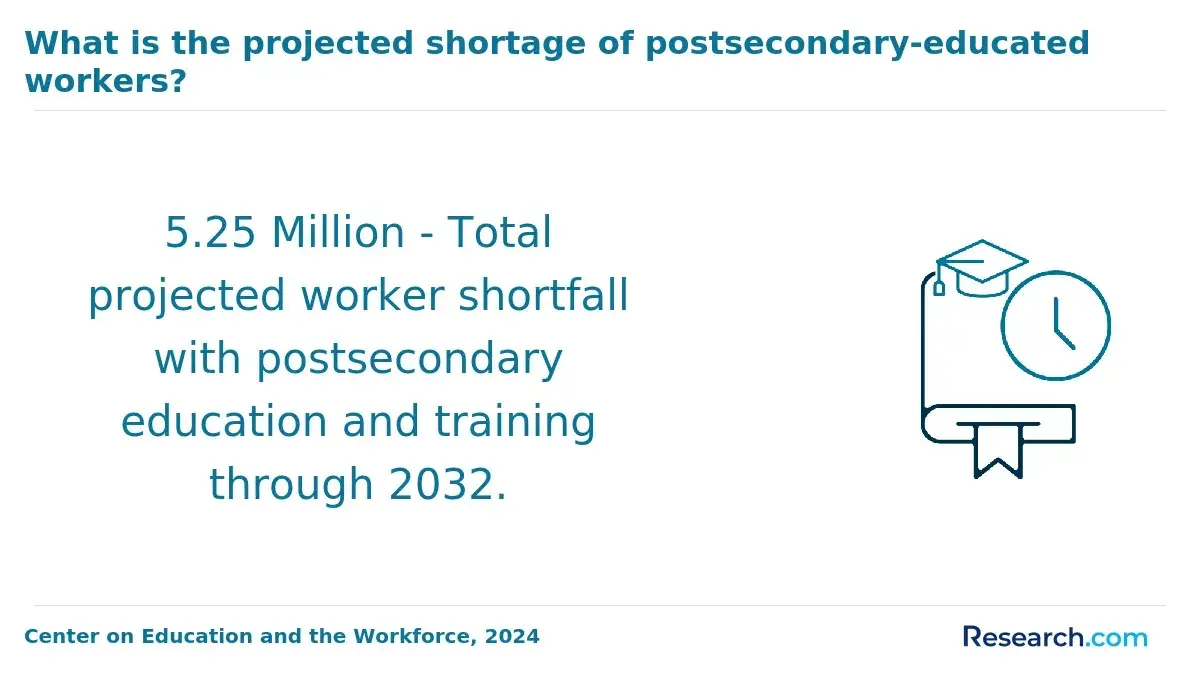
Employer recognition of social research online degrees hinges on rigorous accreditation and the integration of applied research skills within the curriculum. Over 80% of online bachelor's programs in social and behavioral sciences require dedicated coursework in research methods or statistics, a critical factor that distinguishes candidates in data-driven roles across government, healthcare, and nonprofit sectors.
Consider a policy analysis position in a federal agency where demonstrating proficiency in social research techniques and data interpretation is non-negotiable. Graduates from programs emphasizing applied research competencies are far better positioned than those from generalist or theoretical programs without this focus. These distinctions often determine the need for additional certification or training post-graduation.
Accreditation by organizations such as HLC, MSCHE, or WSCUC along with mandatory research courses signals adherence to workforce expectations. However, not all online social and behavioral science degrees' accreditation implies equal preparedness; validity depends on practical research content and capstone projects rather than program format alone.
Tradeoffs include balancing program flexibility against the depth of research instruction. Accelerated or low-residency programs may limit exposure to essential methods, which can restrict career advancement in competitive environments. Strategic students should prioritize programs with substantial research components to maximize outcomes in evidence-based roles.
For those exploring specialized pathways, understanding "What can i do with a masters in forensic psychology?" adds practical context to career pivots within social and behavioral sciences.
What social research courses and methods are typically included in these online programs?
The design of social research course requirements in online social and behavioral sciences degrees prioritizes blending statistical precision with qualitative insight, essential for applied evidence-based work. Students engage deeply with quantitative methods such as regression, hypothesis testing, and survey design alongside qualitative approaches like ethnography and structured interviews.
This dual focus is not merely academic; it addresses real-world complexity where isolated numeric data often fails to capture social context fully.
Common research methods taught in online social and behavioral sciences programs also emphasize practical skills in digital data collection and analysis tools, including software like SPSS or R.
For example, social workers analyzing community needs often merge quantitative public health data with qualitative resident interviews, creating a nuanced understanding that informs intervention strategies.
This skill set directly corresponds to workforce demands highlighted by the U.S. Bureau of Labor Statistics, which forecasts 9% job growth, adding nearly 281,000 roles by 2032, primarily in social work and counseling.
Remote data gathering introduces logistical hurdles and ethical concerns such as consent, anonymity, and bias mitigation—topics rigorously covered in ethics and field methods courses. Graduates develop competencies in program evaluation and policy analysis, enabling them to assess and improve social services effectively across varied organizational settings.
For students exploring educational pathways, reviewing the best online masters degree in human resource management programs can also provide comparative insights into interdisciplinary skill applications.
These curriculum elements underscore an operational tradeoff: the need to master both technical data analysis and ethical, context-sensitive interpretation, which ultimately shapes employability and professional effectiveness in social and behavioral sciences careers.
What admission requirements and prerequisites do online social and behavioral sciences degrees have?
Admission requirements for online social and behavioral sciences degrees often create practical challenges that directly influence candidate eligibility and career trajectories. At the bachelor's level, institutions typically require a high school diploma or equivalent alongside minimum GPAs ranging from 2.5 to 3.0, with some maintaining standardized test requirements that may be waived only for applicants with transferable college credits or adult learner status.
These prerequisites serve as initial filters but also represent significant barriers for career changers without recent academic experience.
Graduate programs demand more specific qualifications, including a related bachelor's degree with a competitive GPA around 3.0, along with application materials evidencing research focus and relevant field experience.
Coursework prerequisites such as introductory psychology, sociology, statistics, or research methods are not merely academic formalities—they ensure foundational competence for rigorous social research tasks employers expect.
Students pivoting into social research without these prerequisites face a strategic choice: pursue prerequisite courses through community colleges or accredited online providers before application, adding time and financial investment. This upfront effort aligns with employer expectations, as mastery in research design and data analysis increasingly determines employability and wage prospects.
According to the U.S. Bureau of Labor Statistics, social and community service managers earn a median wage of $77,030, with top earners exceeding $126,290, underscoring the premium placed on qualifications that meet real-world job demands.
How long do online social and behavioral sciences degrees take and what do they cost?
Choosing an online social and behavioral sciences degree requires balancing time, cost, and workforce relevance, particularly for working professionals managing employment alongside study. Full-time bachelor's programs typically span four years, but many students take five to six years when pacing flexibly while mastering complex social research methods.
Tuition differentials critically affect the total financial burden and postgraduate options: public universities average about $9,500 annually for online bachelor's programs, totaling roughly $38,000 over four years, while private nonprofits can exceed $21,000 per year, amounting to $84,000 or more. This gap necessitates weighing affordability against potential benefits like specialized curricula or enhanced networking.
Beyond cost and duration, programs often incorporate internships or capstone projects, extending timeframes but providing essential practical experience sought by employers in government and nonprofit sectors. These roles demand strong quantitative skills and real-world application of behavioral data analysis.
For example, a social research analyst shifting careers without pausing employment must prioritize programs offering flexible pacing and manageable debt alongside discipline-specific depth. This strategy improves readiness for positions requiring advanced statistical competency without sacrificing financial stability.
Which careers can you pursue with an online social and behavioral sciences degree focused on research?
An online social and behavioral sciences degree focused on research equips graduates with skills essential for roles in social services research, policy analysis, and program evaluation. For example, health education specialists apply these research competencies to design evidence-based community wellness initiatives and monitor their success, addressing the growing labor market projected by the U.S. Bureau of Labor Statistics Occupational Outlook Handbook through 2032.
Employers in these fields demand proficiency in quantitative methods, statistical software, and rigorous ethical research design to ensure data integrity and compliance with human subjects protections and privacy regulations. Navigating challenges such as accessing diverse data sets or managing longitudinal studies requires technical expertise and adaptability to different stakeholder priorities.
Career trajectories often diverge between fieldwork-heavy positions, like community health engagement, and office-based roles emphasizing data modeling and applied analysis.
Organizational development specialists examine workplace culture, criminal justice researchers employ behavioral data for interventions, and market research analysts translate consumer behavior insights into business strategies.
What salary ranges and earning potential exist for social and behavioral science research roles?
The salary landscape for social & behavioral science research roles varies widely, influenced by sector, specialization, and career stage. Entry-level positions start around $45,000, but targeted fields like healthcare policy research offer $55,000 starting salaries, with mid-career roles often reaching $85,000 to $95,000.
In contrast, education-focused social science research tends to begin lower, near $47,000, reflecting slower wage growth due to public sector budget limits.
Employers prioritize practical applied experience and statistical software proficiency over whether the degree was earned online or on-campus. The 2024 NCES meta-analysis confirms comparable completion rates across delivery modes but emphasizes that online candidates should seek programs with integrated internships or field practicums to sustain competitive standing in hiring pools.
Career pivots illustrate the real tradeoffs involved: a retail manager transitioning into social research might accept a steep initial salary reduction to about $50,000, with an expectation to recover and surpass prior earnings within five years through skill-driven advancement. Conversely, federal research positions demand strong quantitative expertise early on but offer salaries exceeding $90,000 plus benefits and job stability.
Key workforce considerations include:
- Sector-specific wage disparities between government, private consulting, nonprofit, and academic roles
- The premium placed on experience with research software and applied methodologies
- The need to tailor educational choices to job market demands rather than format prestige
These factors shape realistic earning potential and professional progression in social & behavioral science careers.
How is the job outlook for social and behavioral science professionals with research skills?
The demand for social and behavioral science professionals with concrete research skills is intensifying, particularly in policy and public health sectors. Graduates equipped with rigorous training can overcome barriers that often hinder entry, as employers prioritize practical research experience and data literacy over theoretical knowledge alone.
For example, a role in a state public health department typically requires designing surveys and converting data trends into prevention strategies, contrasting with NGO positions that emphasize ethnographic and community-based research methods.
This disparity illustrates a vital tradeoff prospective students must weigh: the balance between deep theoretical grounding and applied, workforce-ready research competencies. Advanced degrees can facilitate pathways to doctoral programs or senior roles but may not suit individuals focused on immediate employability or those constrained by time or resources.
Individuals should evaluate social and behavioral sciences workforce trends for 2026 pragmatically, emphasizing actionable skills tied to real-world research demands across diverse settings—government, NGOs, and academia—to maximize strategic career pivots and advancement opportunities.
How can you choose a reputable online social and behavioral sciences program in the United States?
Choosing a social and behavioral sciences program demands scrutiny beyond accreditation and curricular scope. Programs holding regional accreditation such as from the Higher Learning Commission generally ensure federal aid eligibility and curricular rigor, but prospective students must verify that course content emphasizes empirical research methods, statistical analysis, and applied data work rather than solely theoretical discussions.
Faculty expertise directly impacts a student's practical skill acquisition. Programs staffed with instructors actively publishing in peer-reviewed journals or engaging in significant studies equip students to meet workforce demands, particularly in roles focused on data-driven policy, program evaluation, or behavioral analytics.
Flexibility in program delivery—balancing asynchronous material with synchronous peer interaction—matters for working professionals seeking networking and mentorship opportunities essential for transitioning into research or advanced policy positions.
Graduate employment data often reveals gaps between academic preparation and market realities. Given the surge in distance-learning behavioral science degrees, highlighting more options but varied quality, institutions must transparently report graduate placement in relevant sectors to help avoid credentials that stall professional progress.
Other Things You Should Know About Social & Behavioral Sicences
Online social & behavioral sciences programs with social research coursework often require students to independently manage extensive reading, data analysis projects, and writing assignments. Time management difficulties can increase dropout risk given the cumulative workload and tight deadlines, particularly for working adults. Prospective students should assess whether the program offers flexible pacing or structured checkpoints to maintain steady progress while balancing professional and personal responsibilities.
Employers increasingly recognize online internships and practicums but place a premium on the quality and relevance of experience over modality. Online placements that provide direct engagement with research projects and professional mentorship can be as effective as in-person experiences. However, some employers in tightly networked sectors may still prefer candidates with traditional fieldwork or onsite experience. Selecting programs that facilitate applied research opportunities with credible partner organizations can enhance employability.
Programs heavily focused on theory often provide broad conceptual frameworks but may underprepare students for technical research tasks demanded by employers. Conversely, practice-oriented programs may accelerate skill development in data collection and analysis but offer limited exposure to critical theory needed for advanced academic or policy roles. Applicants should prioritize programs aligned with their career stage and outcomes, choosing practice-heavy curricula for immediate job readiness and theory-rich paths for doctoral study or policy analysis roles.
References
- Behavioural Science Jobs (with Salaries) - SEEK https://au.seek.com/behavioural-science-jobs
- How Employers View Online Degrees in Counseling and Psychology https://www.counselingpsychology.org/how-employers-view-online-degrees-in-counseling-and-psychology/
- Where to use Behavioural and Social Science | BSPHN https://www.bsphn.org.uk/advice/where-to-use-behavioural-and-social-science
- RESEARCH METHODS IN SOCIAL SCIENCE https://corsi.unige.it/en/off.f/2024/ins/75643
- Social and Behavioral Health https://www.publichealthdegrees.org/specializations/social-behavioral-science/
- National Centre for Research Methods (NCRM) https://www.ncrm.ac.uk/
- Drury GO Associate of Science in Behavioral Science https://www.drury.edu/go/associate-behavioral-science/
- Online Degree vs. Traditional: Choosing the Right Path https://beal.edu/online-degree-vs-traditional/
- Social Research https://www.bbk.ac.uk/courses/postgraduate/social-research
- EdinburghX: Introduction to Social Research Methods | edX https://www.edx.org/learn/research/the-university-of-edinburgh-introduction-to-social-research-methods