2027 Online Social & Behavioral Sciences Degrees With Human Behavior Concentrations

Co-Founder and Chief Data Scientist
Professionals in social & behavioral sciences often confront the dilemma of advancing expertise in human behavior without interrupting established careers or personal commitments. With over 40% of U. S. adult learners prioritizing flexible online programs according to the National Center for Education Statistics, accessibility shapes whether candidates can pursue specialized concentrations efficiently. The surge in employer demand for nuanced behavioral insights within mental health, policy, and organizational roles amplifies pressure to select programs that balance rigor with practical scheduling.
This article evaluates online social & behavioral sciences degrees featuring human behavior concentrations, guiding readers through options that align academic depth with real-world career agility and timing constraints.
Key Things You Should Know
- Human behavior concentrations in 2026 online social & behavioral sciences degrees report 12% lower average tuition than campus equivalents, reducing opportunity costs but limiting access to comprehensive in-person research collaborations.
- Data from the Bureau of Labor Statistics shows employers in behavioral health and human services increasingly prioritize candidates with demonstrable fieldwork, posing enrollment timing risks for programs with delayed practicum placements.
- Graduates from online programs face a 15% wage gap in nationwide social services roles compared to traditional degree holders, necessitating strategic consideration of program accreditation and employer networks in career advancement plans.
What are online social and behavioral sciences degrees with human behavior concentrations?
Online social and behavioral sciences degrees with human behavior focus require students to develop strong data literacy and ethical reasoning aligned with employer demands. These credentials often blend psychology, sociology, and behavioral economics to prepare graduates for nuanced roles spanning workforce analytics, mental health, and public policy. For example, someone transitioning from retail to social services can utilize remote practicums to build relevant experience without relocation, although securing local field placements remains important due to hands-on skill limitations inherent to distance learning.
Distance learning programs in social and behavioral sciences with human behavior concentration vary significantly in specialization and practical exposure. Candidates should critically assess curricular alignment, differentiating between approaches suited for healthcare versus marketing analytics or organizational behavior. Skills prioritized by employers-such as familiarity with evidence-based treatment models and advanced communication facilitated through peer collaboration-often depend on program design and internship opportunities.
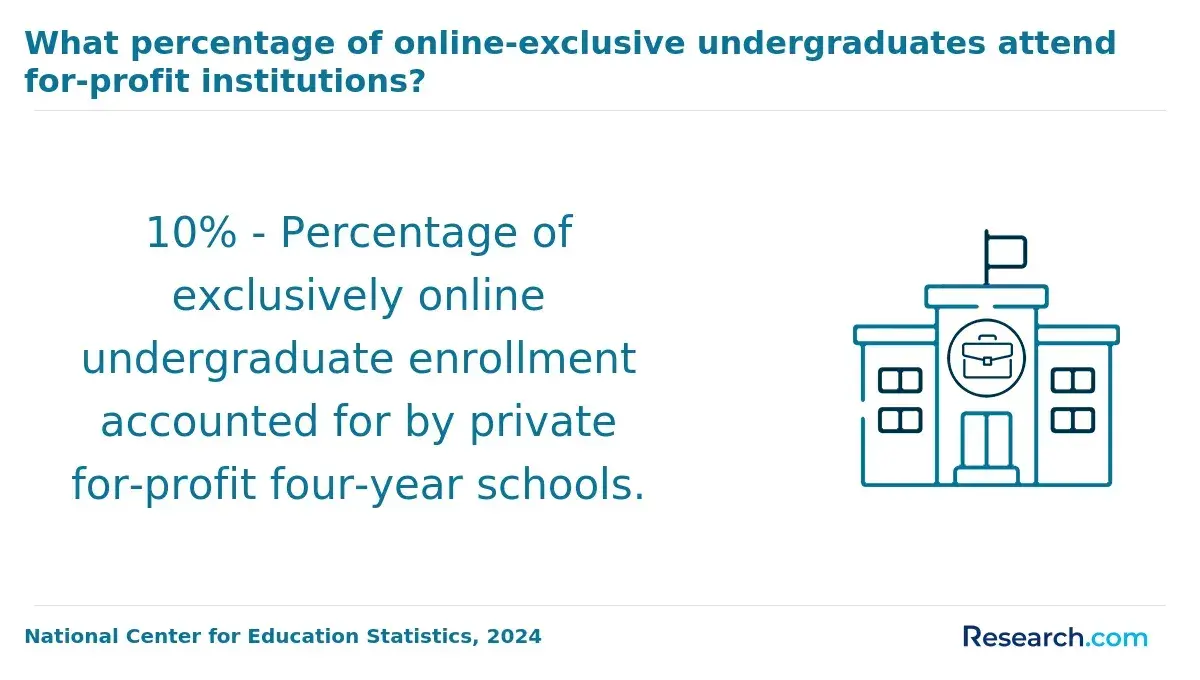
With 79% of U.S. undergraduates enrolled exclusively in online courses, navigating accreditation and transfer policies is essential to avoid employability gaps caused by inconsistent recognition of online credentials. Verifying alumni employment outcomes and degree standing reduces risk.
Those exploring an accelerated bachelor's degree in psychology can find program structures that may closely align with human behavior emphases within social and behavioral sciences, facilitating faster entry into applied roles.
How do online human behavior programs compare to campus-based social and behavioral sciences degrees?
Choosing between online human behavior degree advantages over campus-based programs demands weighing practical experience against flexibility. Campus-based social & behavioral sciences degrees provide direct, immersive internships and face-to-face mentorship, which employers in fields like social work or counseling prioritize when assessing readiness for applied roles. Without such structured opportunities, online students must independently secure remote or virtual experiences to validate their competencies, a challenge that impacts employability given the increasing demand for verified applied skills.
For working professionals balancing commitments, online programs expedite access to coursework but often lack embedded field placements. This necessitates proactive strategies to gain relevant community engagement through external partnerships or virtual practicums. Reviewing program accreditation and collaboration with local agencies is essential to identify quality opportunities that align with employer expectations. Hybrid formats may offer a practical compromise by mixing remote theoretical learning with on-site experiential components.
The labor market signals the urgency of these considerations, with the U.S. Bureau of Labor Statistics projecting a 7% growth in community and social service jobs over the decade, adding approximately 181,000 new roles demanding practical expertise. Prospective students should consult trusted resources like child psychologist masters programs guides to benchmark programs that optimize this balance between flexibility, cost, and applied training.
Ultimately, comparing social & behavioral sciences degrees online versus campus delivery centers on how effectively each pathway equips students with verifiable, career-relevant experience amid evolving hiring standards and workforce demands.
What types of social and behavioral sciences majors offer human behavior concentrations?
Selecting a human behavior concentration within social and behavioral sciences majors demands weighing practical workforce outcomes against program designs and credentialing routes. Psychology, sociology, anthropology, and human development offer distinct emphases that align unevenly with career trajectories, licensing requirements, and employer expectations. For instance, pursuing clinical mental health roles almost always necessitates a psychology focus due to state licensing prerequisites and its quantitative coursework featuring statistics and lab components.
On the other hand, sociology and anthropology concentrations prioritize qualitative methods and fieldwork, catering to careers in social services, policy development, or international research. Human development integrates biological and environmental growth influences, positioning graduates for roles in healthcare or family support systems. Students targeting stable employment should consider concentrations linked to credentialing and applied experiences, such as internships, which enhance market readiness.
Employment data indicates that 79% of behavioral science degree holders, particularly those emphasizing human behavior, secure jobs or pursue further study within six months, illustrating the value of aligning program selection with concrete labor demands. However, one must avoid credential mismatches and insufficient practical skills. Practical decisions also include evaluating how each program's curriculum meets local job market conditions.
Those interested in specialized advancement may explore options like an online masters degree in forensic psychology, which exemplifies targeted human behavior concentrations within social and behavioral sciences degrees with human behavior focus and reflects an outcome-oriented approach to education pathways.
What courses and concentrations are typically included in human behavior-focused programs?
Core human behavior courses in social and behavioral sciences programs encompass psychology, sociology, research methods, and statistics, forming a foundation for analytical skills needed to interpret individual and group dynamics. Concentrations offered in human behavior degree programs vary significantly, often including clinical and counseling psychology, behavioral neuroscience, developmental psychology, and social psychology. Each concentration targets distinct workforce realities: for instance, clinical psychology hones diagnostic and treatment skills essential in mental health care, whereas social psychology prioritizes understanding societal influences pivotal for policy development or community interventions.
Real-world experience through internships or fieldwork is non-negotiable for aligning education with employer expectations and credentialing demands in settings such as schools, healthcare, or community agencies. Given the wage disparities-community and social service roles average a median annual salary of $53,850, contrasting sharply with $92,740 for clinical, counseling, and school psychologists-selecting the appropriate concentration directly impacts earnings potential and job prospects.
Programs that integrate training in ethics, cultural competence, and data analysis tools address practical challenges frequently encountered in behavioral roles. Candidates aiming for supervisory or licensed positions should prioritize curricula offering licensure preparation and interdisciplinary coursework. Balancing breadth against specialization requires assessing tradeoffs between generalist education and credentials that meet evolving workforce criteria.
For prospective students, exploring options like an accredited online health information management degree CAHIIM can provide additional avenues to complement behavioral science expertise with vital data management skills.
What admission requirements and prior education are needed for these online degrees?
Admissions for online social & behavioral sciences degrees with human behavior focuses commonly require only a high school diploma or equivalent, yet the increasing prevalence of test-optional policies reflects a shift to accommodate adult learners and career changers. For candidates with prior college credits, submitting transcripts enables evaluative scrutiny that often delays enrollment, influencing when students can realistically start. Master's level applicants face stricter criteria such as a bachelor's in a related area plus demonstrated experience through letters of recommendation or work in social services.
Professionals pivoting careers benefit from asynchronous course designs but must clearly articulate how the online degree aligns with workplace demands such as training or counseling. Employers often prioritize practical application over theoretical knowledge, making prior education in research methods or psychology advantageous but not mandatory.
Financial considerations heavily affect decision-making: public four-year online programs average $9,650 annually for in-state students compared to $27,000 at private nonprofits, a disparity that shapes eligibility for aid and return on investment, especially for non-traditional students managing work and family. Evaluating accreditation, credit transfer policies, and prerequisite fit reduces wasted time and cost.
How do accreditation and institutional quality impact online human behavior degree value?
The credibility of online human behavior degrees hinges on accreditation and institutional quality, directly affecting employer trust and licensure eligibility. For instance, a state mental health agency may require a licensed behavioral health technician to hold a degree from an accredited institution, rendering unaccredited programs insufficient regardless of coursework. This gatekeeping ensures that graduates meet stringent state regulatory standards essential for practicing in clinical or social service roles.
Institutional quality also shapes access to critical practical training such as supervised internships, which are often scarce in lower-tier online programs. Graduates from reputable institutions typically gain hands-on experience better aligned with employer expectations, offering them an advantage when competing for specialized roles or graduate studies.
How long do these programs take, and what do they cost for online students?
Choosing an online social & behavioral sicences degree entails balancing program length, costs, and the concrete value of skill acquisition against labor market demands. Bachelor's degrees generally require around 120 credits, typically completed in 4 years full-time, though some students accelerate to 2-3 years through credit transfer or heavier course loads. Master's programs run between 1.5 and 2 years full-time, with part-time options extending up to 3 years, reflecting variability in course scheduling and practicum requirements.
Cost considerations directly affect return on investment because tuition rates vary substantially: public institutions charge approximately $300 to $600 per credit in-state and up to $1,200 out-of-state, while private colleges frequently exceed $800 per credit. Total expenses for bachelor's degrees can range from $36,000 to beyond $90,000, excluding associated fees and materials, which add roughly 10-15%. Graduate tuition typically falls between $15,000 and $60,000. Students must also account for the possibility of unpaid internships or practicum placements essential to gaining applied behavioral research experience.
Demand for behavioral research and data analysis skills has surged by nearly 50% in sectors such as technology, healthcare, and policy, emphasizing the advantage of credentials that integrate applied research training within manageable timelines. Prospective learners should weigh program intensity against affordability to minimize opportunity costs while aligning education with employer expectations and evolving job market dynamics.
What careers can graduates pursue with social and behavioral sciences human behavior degrees?
Online social and behavioral sciences human behavior degrees open flexible career paths but demand strategic credentialing choices to maximize their value. Graduates targeting clinical roles like behavioral specialists face longer licensing processes but access median salaries exceeding $70,000, reflecting employer emphasis on formal credentials and supervised practice. Conversely, those pursuing organizational or social services can enter the workforce faster, typically in support or analyst roles capped near $50,000 annually.
Employers consistently prioritize skills in data interpretation, interpersonal communication, and ethical judgment. Programs offering robust academic support tend to yield higher persistence and comparable competency to traditional formats, yet graduates must independently secure internships or supervised experience to meet practical requirements.
Key workforce considerations include navigating accreditation recognition and preparing for additional certification or graduate education if aiming at licensed clinical or forensic specialties. Without these, career progression often plateaus at entry or mid-level positions, limiting upward mobility.
Prospective students should weigh practical licensing pathways and labor market demands carefully, balancing immediate employment needs against long-term career trajectories within the social and behavioral sciences labor market.
What salary ranges and job outlook can human behavior graduates expect?
Salary outcomes for human behavior graduates crucially hinge on specialization and location, with entry- to mid-level roles typically paying between $40,000 and $60,000 annually. For example, human services jobs like substance abuse or mental health counseling often begin near $40,000 but can exceed $60,000 after earning certifications or advanced degrees. Behavioral psychology roles generally command higher wages, especially within clinical or research environments. The U.S. Bureau of Labor Statistics data shows a 27% job increase in substance abuse, behavioral disorder, and mental health counseling from 2013 to 2023, with an 18% projected growth through 2032, confirming strong and expanding employer demand.
Strategic decisions about licensure, certification, and graduate education significantly affect job accessibility and earning potential. While human services roles may require state licensure, raising barriers to entry, this also helps maintain wage floors and stable demand. Meanwhile, behavioral psychology careers often necessitate graduate-level education, delaying workforce entry but opening paths to research and higher-paying clinical roles. Students must realistically weigh the timeline and costs associated with these credentials relative to expected income growth.
Choosing geographic markets also impacts outcomes-urban centers or underserved regions frequently offer better salaries but come with increased living expenses. Employers prioritize applied skills such as client assessment, individualized treatment planning, and data-driven intervention evaluation. Graduates focusing on social work or counseling face intensifying competition, demanding skill specialization in trauma-informed care and culturally competent practices to stand out.
How can students choose a reputable online social and behavioral sciences program?
Accreditation status remains a foundational consideration, directly influencing eligibility for federal aid, employer recognition, licensure, and graduate study options. Candidates must verify that programs possess regional or national accreditation from bodies recognized by the U.S. Department of Education rather than rely on institutional branding alone.
Curriculum alignment with evolving labor market demands is essential. For instance, healthcare and social assistance represented 24% of U.S. job openings requiring social or behavioral science expertise in 2024, per the U.S. Bureau of Labor Statistics Employment Projections 2024. Pragmatic program selection targets coursework in integrated care, epidemiology, and data analytics, particularly for roles in public or behavioral health.
Faculty expertise significantly shapes professional readiness. Programs dependent largely on adjuncts without active research or policy involvement may underdeliver on practical skill development and relevant networks. Evaluating instructor backgrounds alongside graduation and employment outcomes-ideally sourced from transparency reports or the College Scorecard-offers insight into how effectively a program translates theory into workforce competence.
Students juggling full-time jobs and caregiving demand flexible options such as part-time or asynchronous formats supported by technical infrastructure and career services. Simultaneously, experiential components like internships or practicum placements that respond to local workforce needs are critical for hands-on application in integrated care or behavioral intervention sectors.
Cost considerations must be weighed against the program's demonstrated return on investment; high tuition without clear employer pathways impedes career pivots more than modestly priced, outcome-oriented offerings.
Other Things You Should Know About Social & Behavioral Sicences
Employers in social and behavioral sciences prioritize skills and demonstrated competence over the modality of education. However, the credibility of an online degree hinges on the institution's accreditation and program rigor. Graduates from accredited programs with applied projects or internships fare better in the job market, while programs lacking immersive experiences may face skepticism, especially for roles demanding direct client interaction or research independence.
Specializing sharpens focus on behavioral analysis and applied psychology, enhancing qualifications for niche roles such as behavioral health or market research. The tradeoff is reduced exposure to other social science disciplines, which can limit adaptability in multidisciplinary teams or policy roles. For career advancement, prioritizing specialization works when targeting specific roles; otherwise, broader degrees offer versatility but may demand supplemental training for specialized positions.
Prioritizing programs offering internship or practicum experiences is critical for employability and skill development in social and behavioral sciences. These components provide practical exposure, networking opportunities, and real-world problem-solving skills valued by employers. Without them, graduates face challenges demonstrating applied competence, especially in human behavior roles where interpersonal and observational skills are essential.
References
- Outside the Clinic: A Guide to Behavior-Based Degrees https://www.abatechnologies.com/blog/outside-the-clinic-a-guide-to-behavior-based-degrees
- Quality in Higher Education Institutions as a Transversal Tool in Institutional Accreditation: A Bibliometric Review https://www.eu-jer.com/quality-in-higher-education-institutions-as-a-transversal-tool-in-institutional-accreditation-a-bibliometric-review
- How Online College Costs Vary in the US and Europe https://orlandomom.com/how-online-college-costs-vary-in-the-us-and-europe/
- University Studies: Concentration Survey of Social and Behavioral Sciences https://www.apsu.edu/programs/undergraduate/university-studies-concentration-social-behavioral-sciences.php
- Studying Human Behavior with a Behavioral Science Major https://www.cune.edu/news/studying-human-behavior-behavioral-science-major
- Online Behavioral Science Degree Programs | University of Phoenix https://www.phoenix.edu/online-behavioral-sciences-degrees.html
- Best Accredited Online Universities in 2025 https://www.study.eu/article/best-accredited-online-universities
- Psychology Degrees with a Focus in Applied Behavior Analysis | Degrees in Psychology with ABA Track https://www.appliedbehavioranalysisedu.org/degrees-in-psychology-with-a-focus-in-aba/
- Behavioral and Social Sciences - East-West University https://www.eastwest.edu/catalog/behavioral-and-social-sciences/
- Pursuing a Masterâs in Behavioral Science: Programs and Career Paths https://www.renascence.io/journal/pursuing-a-masters-in-behavioral-science-programs-and-career-paths