2027 Online Social & Behavioral Sciences Degrees With Behavioral Health Support Career Alignment

Co-Founder and Chief Data Scientist
Professionals seeking a behavioral health support career often face the challenge of enrolling in programs that balance rigorous training with flexible schedules. With 48% of adult learners citing scheduling conflicts as their primary barrier to degree completion according to the National Center for Education Statistics in 2024, the demand for accessible online social & behavioral sciences degrees that align with workforce needs is intensifying.
This reality presses aspiring practitioners to navigate program options carefully, weighing curriculum relevance against practical constraints like part-time enrollment and employer recognition. This article examines how current online social & behavioral sciences degrees with behavioral health support address these challenges to inform strategic educational choices.
Key Things You Should Know
- Behavioral health integration in online social & behavioral sciences degrees boosts employability amid a 12% expected workforce growth through 2032 per BLS, yet extended practicum requirements often elongate time-to-degree, raising opportunity costs for career switchers.
- Employers prioritize candidates with combined behavioral health competencies and data literacy, valuing interdisciplinary skills over generic social science credentials, shaping hiring patterns toward specialized degree tracks with measurable clinical outcomes.
- Rising tuition inflation outpaces wage growth in behavioral health roles by 4%, creating financial barriers for lower-income students and influencing enrollment geography toward public or community colleges with targeted articulation agreements.
What are online social and behavioral sciences degrees with behavioral health support?
Choosing an online social and behavioral sciences degree with behavioral health support means preparing for roles that merge mental health practice with social service systems. Graduates frequently navigate overlapping responsibilities, such as coordinating substance abuse programs while managing client cases in community or healthcare settings, which demands more than theoretical knowledge. This hybrid expertise aligns with growing employer expectations for nuanced intervention strategies backed by evidence-based assessment and communication skills.
Behavioral health support careers in social and behavioral sciences require understanding complex social determinants and regulatory frameworks that vary widely by state. The practical challenge for students lies in programs that incorporate supervised fieldwork to develop client-facing competence beyond classroom instruction. Without this, skill transference to workplace scenarios risks being superficial, particularly for roles like behavioral health technicians or community service managers.
Wage data signals a spectrum of opportunity reflecting this complexity: median salaries range from $51,030 for community health workers to $78,240 for social and community service managers (Public Health Online, May 2024 BLS data). Aspiring learners should weigh how specialization in behavioral health support can influence job placement and salary potential.
For professionals considering an educational pivot or advancement, exploring options such as social media degree programs may complement traditional social and behavioral sciences studies by expanding outreach or advocacy skills relevant in nonprofit and public health environments.
How do online social and behavioral sciences programs compare to campus-based options?
Online social and behavioral sciences programs offer flexibility unmatched by campus-based options but often fall short in providing the immersive clinical practicum experiences employers demand. Behavioral health roles increasingly require documented face-to-face internship hours, which on-campus programs typically arrange through local health partnerships. This direct interaction cultivates essential client engagement skills, whereas online students frequently must secure externships independently, introducing scheduling and logistical challenges that can delay graduation.
Both online social and behavioral sciences programs vs campus-based curricula deliver core theoretical knowledge, yet campus-based study integrates interdisciplinary collaboration and spontaneous peer learning that sharpen clinical judgment. Online programs often rely on asynchronous formats, limiting immediate feedback and reducing opportunities for professional networking crucial in behavioral health careers. As the field expects a 17% job growth in substance abuse and mental health counseling through 2034-more than four times the national average per Public Health Online citing May 2024 BLS data-candidates must weigh these modality tradeoffs thoughtfully.
Working professionals opting for online programs gain scheduling freedom but face obstacles in obtaining quality practicum placements without institutional support, affecting time-to-licensure and job readiness. Conversely, campus students benefit from structured clinical experiences but encounter higher living costs and less flexible schedules that may hinder full-time employment. These factors critically influence employability and career trajectory.
Prospective students exploring accelerated masters psychology programs should carefully evaluate how delivery format impacts practical training and networking, both pivotal for workforce entry and advancement. More detailed options can be reviewed at accelerated masters psychology programs.
What accreditation should behavioral health-aligned social and behavioral sciences programs have?
Programmatic accreditation aligned with state licensure requirements decisively shapes employment prospects and mobility in behavioral health careers. Regional accreditation indicates institutional standards, but accreditation from bodies like the Council on Social Work Education (CSWE) or the Commission on Accreditation of Allied Health Education Programs (CAAHEP) directly affects eligibility for clinical roles and credentialing. For instance, a Master of Social Work (MSW) with CSWE accreditation is typically required for licensure paths in mental health and substance abuse social work.
The difference between accredited and non-accredited social and behavioral sciences degrees can be stark in practical terms. Without proper accreditation, candidates may lose access to supervised clinical hours necessary for licensure, face delays in achieving certification, or become ineligible for federal financial aid. Employers also prefer candidates from accredited programs because these credentials tie closely to legal practice scopes and salary scales. Behavioral health support roles report median wages near $51,240, with the top 10% earning $86,340 annually, highlighting how accreditation impacts earning potential and career stability.
Students focused on clinical or government agency work must verify that behavioral health program accreditation standards comply with state board criteria and licensure prerequisites.
- Applied research or policy-oriented students may value accredited training for foundational rigor and employer recognition, even if licensure is less directly involved.
- Choosing programs without programmatic accreditation risks limiting career options or prolonging the licensure process.
Those exploring options in forensic psychological practice may find value investigating forensic psychology graduate programs online for targeted pathways within related behavioral disciplines.
What behavioral health support careers can these degrees prepare you for?
Social & behavioral sciences degrees with a behavioral health specialization shape career paths that extend beyond conventional roles, requiring candidates to merge theoretical knowledge with pragmatic skills like culturally competent communication and outcome-focused program design. For instance, a behavioral health specialist in an urban clinic must juggle patient engagement while adhering strictly to healthcare compliance, a balance these programs train for effectively.
The field's 17.5% projected employment growth through 2035 reflects escalating demand for behavioral health support roles within social & behavioral sciences degrees, driven by public health initiatives and mental health focus. Median salaries near $100,000 confirm competitive compensation but do not eliminate barriers; credentialing hurdles and varied state licensure policies often force graduates to seek additional certifications or advanced degrees to maintain flexibility.
Career trajectories diverge based on targeted skills: leadership positions necessitate expertise in grant writing and data analytics, while entry-level behavioral health support career opportunities in online social & behavioral sciences degrees emphasize community outreach and coordination skills. This disparity affects degree choice and skill development strategies.
Graduates should carefully evaluate how licensing requirements and employer preferences influence career mobility within behavioral health sectors. Selecting programs aligned with credentialing pathways limits restrictive transitions. Additionally, those interested in allied health administration may consider parallel options such as online health information management programs CAHIIM accredited for complementary competencies enhancing data handling and compliance understanding.
What courses and specializations focus on behavioral health within these degrees?
Behavioral health specializations within online social & behavioral sciences degrees prioritize applied clinical skills essential for immediate workforce integration, addressing the acute shortage of psychiatrists and addiction counselors projected by the Health Resources and Services Administration through 2030. Programs that emphasize intervention strategies, diagnostic frameworks, and crisis management equip students for roles requiring licensure and clinical competency, while those lacking a behavioral health focus risk delaying graduates' entry into such positions.
Key curriculum components in these specializations include mental health assessment, substance use disorder treatment, and evidence-based approaches like cognitive-behavioral therapy, motivational interviewing, and trauma-informed care. Students focused on addiction counseling, for example, engage with pharmacological treatment models and relapse prevention strategies that align directly with employer needs in hospitals and outpatient centers.
Graduates trained in community-based program development and policy analysis develop practical skills to navigate regulatory environments and integrate behavioral health screenings within primary care settings. This combination of interdisciplinary coursework and clinical rigor meets both operational demands and workforce realities confronted by public health agencies and non-profits.
Employers favor candidates demonstrating familiarity with specialized behavioral health models over general social sciences backgrounds, which often require expensive retraining. Choosing degrees with targeted behavioral health content mitigates these risks, supports timely licensure, and improves employment outcomes in high-demand sectors.
What are typical admission requirements for online social and behavioral sciences programs?
Admission criteria for online social and behavioral sciences programs reveal a clear preference for candidates whose academic and professional backgrounds align tightly with the demands of behavioral health leadership. Most undergraduate paths require a completed high school diploma or GED and official transcripts showing a GPA generally between 2.5 and 3.0, with some expecting foundational coursework in psychology or sociology for transfer or advanced placement. Graduate programs push this further, often mandating a bachelor's degree with a GPA at or above 3.0 and occasionally GRE scores, though relevant work experience can substitute standardized testing.
Applicants should prepare focused personal statements that tie their career goals directly to community health or social services challenges. References emphasizing leadership and interpersonal skills support an interdisciplinary career trajectory. Practical experience or credentials in healthcare or social services increasingly influence admission decisions, given that medical and health services manager employment is projected to grow 28% from 2022 to 2032, per UMass Lowell citing BLS data. Candidates without professional backgrounds may encounter prerequisite coursework or portfolio reviews.
Technical proficiency and internet stability are non-negotiable for remote learning, and video interviews may assess communication aptitudes crucial for virtual leadership. Accreditation remains a critical filter-employers prioritize graduates from programs recognized by established accrediting bodies to ensure educational quality matches career applicability.
How long do online social and behavioral sciences degrees take and what do they cost?
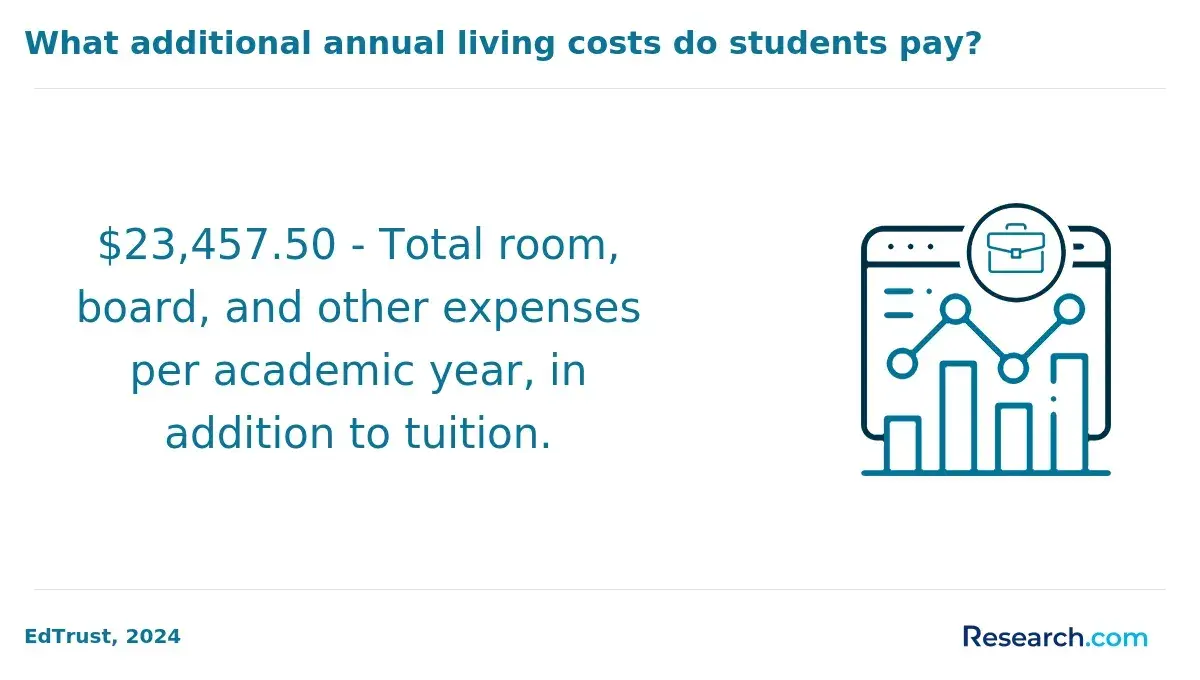
Master's degrees remain the baseline credential for behavioral health roles requiring clinical practice, yet program structures and costs directly influence job readiness and income potential. Bachelor's programs typically span 2 to 4 years with tuition between $15,000 and $40,000, while master's degrees take 1 to 3 additional years, costing $20,000 to $60,000. Selecting accelerated paths or transferring credits may reduce duration and expense but can compromise critical practicum experience, which employers prioritize for positions involving direct client interaction.
Working professionals often extend part-time study across several years to maintain income, while full-time students sacrifice earnings for faster completion. Online delivery cuts commuting costs but demands disciplined time management and reliable technology access, which can challenge some learners.
Salary data from SocialWorkDegrees.org (BLS May 2023) reveals clear financial incentives tied to experience and education level: mental health and substance abuse social workers' earnings rise sharply-$33,990 at the 10th percentile, $64,160 at the 75th, reaching $86,340 at the 90th percentile. This underscores the tangible return on committing to a full master's program that includes practicum hours.
- Master's degrees validated by practicum open critical clinical employment doors.
- Skipping practicum to accelerate graduation risks employability in clinical settings.
- Balancing study mode, costs, and practicum is essential for long-term career viability.
What licenses or certifications might behavioral health support graduates need?
Behavioral health support roles require navigating a patchwork of state licensure and certification that directly shapes employability and career trajectory. For example, social workers aiming for clinical or supervisory positions must secure credentials like the licensed social worker (LSW) or licensed clinical social worker (LCSW), which involve passing rigorous exams and completing extensive supervised hours. Without these, practical advancement is often bottlenecked despite degree completion.
Community health workers (CHWs) face a similarly nuanced landscape, with state-specific certifications frequently demanding formal training or competency assessments. This complexity means selecting an educational program aligned with particular state regulations is essential to avoid costly delays before workforce entry. The projected 11% employment growth for CHWs over the next decade amplifies the need for timely credentialing.
Non-clinical certifications also carry weight. For instance, Certified Peer Specialist (CPS) credentials leverage lived behavioral health experience for roles in advocacy and care coordination, while Licensed Alcohol and Drug Counselor (LADC) or Certified Addiction Counselor (CAC) certifications entail additional exams and supervision critical for substance abuse counseling positions.
Leadership positions in social and community services frequently require Certified Social Work Manager (CSWM) certification or similar credentials that affirm administrative acumen beyond clinical skills. Prospective behavioral health graduates must weigh the time and resource investments these credentials command against their long-term salary and advancement prospects.
Early alignment of education with licensing prerequisites-such as master's level social work education for clinical licensure or state-compliant certification programs for CHWs-is vital to prevent credentialing bottlenecks and ensure swift entry into programs backed by growth forecasts (Public Health Online, using May 2024 BLS data).[4]
What salary ranges and job outlook can behavioral health support professionals expect?
Behavioral health support roles offer a salary range that varies significantly by work environment and geography, typically between $40,000 and $70,000 annually. For example, community health organizations and government employers usually start salaries near $40,000, representing more accessible entry points but with slower growth. In contrast, hospital and private behavioral health settings often approach or exceed $60,000, rewarding specialized expertise and location advantages.
Job growth in this sector is robust, with a projected 13% increase through 2034 driven by intensifying public health efforts surrounding mental wellness and substance abuse. However, competition requires candidates to invest in certifications such as the Certified Health Education Specialist (CHES) or Behavioral Health Technician credentials to remain viable for roles demanding clinical or counseling support.
Distance from urban centers presents a clear tradeoff. Rural positions may pay less initially but offer practical experience and access to loan forgiveness programs, while metropolitan areas provide higher salaries but greater living costs and faster skill requirements. Early hires benefit from internships and applied experience, a factor prioritized by many employers in this market.
As health education specialists report a median wage around $63,000, aligning education and certification pathways with employer expectations greatly influences long-term compensation and job security. Staying current with evolving mental health practices requires ongoing education tailored to shifting policy and regional workforce needs.
How can students choose a reputable online behavioral health-aligned social science program?
Program accreditation often dictates credit transferability and employer recognition, making regional accreditation a must to avoid setbacks. For students targeting behavioral health careers, degrees labeled simply social and behavioral sciences may lack critical coursework in psychology, counseling, and public health foundations necessary for interdisciplinary roles. A practical consequence is that many behavioral health roles require state licensure or certifications beyond the degree itself, so selecting programs that explicitly prepare students for these requirements avoids costly additional training or credentialing delays.
Job market data indicates that bachelor's graduates in social and behavioral sciences earn around $49,380 annually, with a 9% growth forecast through 2032. This underlines the importance of programs that offer robust career services and internships tied directly to behavioral health employers, as they improve employment prospects within this expanding labor market.
Course delivery and faculty expertise warrant close review. For example, an individual aiming for substance abuse counseling must verify the availability of practicum placements that satisfy state requirements-a component many general social sciences degrees lack. While accelerated programs can reduce time to completion, they may limit essential field experiences, thus compromising eligibility for licensure or practical skills development.
- Verify regional accreditation for transfer and employer credibility
- Confirm coursework integrates behavioral health content required by industry and licensure bodies
- Assess program support for internships or supervised practicum aligned with state regulations
- Weigh flexibility versus access to practical experience when choosing pacing options
- Evaluate graduate outcome reports to detect inflated employment claims
Ultimately, an effective online program marries accreditation, interdisciplinary curriculum, licensure alignment, and verified workforce outcomes to prepare candidates realistically for social and behavioral sciences positions focused on behavioral health.
Other Things You Should Know About Social & Behavioral Sciences
Employers increasingly accept online social and behavioral sciences degrees when they come from regionally accredited institutions and have a clear behavioral health focus. However, programs with limited experiential components or poor academic rigor can weaken candidate competitiveness. Prioritize programs that include practicum or internship opportunities to ensure your skills align with employer expectations for behavioral health roles.
Online programs in social and behavioral sciences often require substantial independent study and time management, which can challenge working professionals balancing multiple commitments. Programs that offer asynchronous content with flexible deadlines help manage this burden, but cohort-based or synchronous classes may limit flexibility. Selecting a program with adaptable scheduling is critical to avoiding burnout and maintaining consistent progress.
Generalist degrees provide broader knowledge applicable to multiple fields but may lack depth for specialized behavioral health roles, affecting job readiness in niche areas. Specialized concentrations improve targeted expertise and often include specific skill sets demanded by employers in behavioral health support but can reduce flexibility for career shifts. Consider your long-term career goals carefully; specialized programs suit those committed to definitive behavioral health roles, while generalist options support wider career shifts.
References
- The Emerging Field of Behavioral Health Paraprofessionals https://www.nga.org/publications/the-emerging-field-of-behavioral-health-paraprofessionals/
- Certification, Credentials and Licensure — Regional Behavioral Health Workforce Coalition https://www.buildbehavioralhealth.org/certs-cred-license
- Behavioral Health Accreditation Promotes Accountability - NCQA https://www.ncqa.org/blog/behavioral-health-accreditation-promotes-accountability/
- Online Behavioral Science Degree Programs | University of Phoenix https://www.phoenix.edu/online-behavioral-sciences-degrees.html
- 9 Mental Health Careers You Can Pursue with a BA https://www.nec.edu/news/9-mental-health-careers-you-can-pursue-with-a-ba
- Admission requirements and documents - SWPS University https://english.swps.pl/programs/apply/admission-requirements-and-documents
- Behavioral Health Career Descriptions | SAMHSA https://www.samhsa.gov/about/careers/behavioral-health-workforce/careers-by-state/descriptions
- Building A Career In Behavioral Health: Navigating Entry-level Mental Health Jobs And Opportunities - Haven Health Management https://havenhealthmgmt.org/building-a-career-in-behavioral-health-navigating-entry-level-mental-health-jobs-and-opportunities/
- Bachelor’s in Psychology Programs Online https://www.onlinemswprograms.com/careers/social-work-vs-counseling-vs-psychology/ba-psychology/
- Foundations of Behavioral Sciences https://www.southmountaincc.edu/degrees-certificates/behavioral-science-human-services/foundations-behavioral-sciences-5522-ccl