2027 Government Agency Roles You Can Target With a Social & Behavioral Sciences Degree

Co-Founder and Chief Data Scientist
Professionals holding a social & behavioral sciences degree frequently confront the challenge of aligning their interdisciplinary training with specific federal or state agency roles that demand targeted expertise. Despite a growing federal workforce demand for behavioral insights-as evidenced by the 12% projected growth in behavioral science-related jobs according to the U.S. Bureau of Labor Statistics-many candidates struggle with navigating diverse agency missions and credential expectations. This disconnect can delay hiring or funnel applicants into non-strategic roles, hindering career momentum.
Additionally, expanding online program availability introduces new timing and flexibility choices that impact enrollment and job readiness. This article identifies government agency roles that match social & behavioral sciences skills and guides readers through practical targeting strategies for career advancement.
Key Things You Should Know
- Government roles in 2026 prioritize candidates with advanced data analytics within social & behavioral sciences; however, prolonged graduate study often conflicts with competitive salary entry points, requiring strategic timing in career moves.
- Agencies increasingly demand interdisciplinary expertise combining social research methods and policy evaluation, creating workforce bottlenecks where pure behavioral science backgrounds face limited advancement without supplemental training.
- Federal employment data reveals a 15% growth in behavioral health analysis positions since 2023, yet budget constraints impose hiring freezes, accentuating the necessity for flexible credentials and cross-sector experience to secure placement.
What government agency jobs can you get with a social and behavioral sciences degree?
Government agency careers for social and behavioral sciences graduates demand a strategic balance of analytical rigor and practical policy acumen. Roles at the Centers for Disease Control and Prevention (CDC), SAMHSA, and the Department of Health and Human Services often require applying behavioral science methods to public health interventions, where communication skills and theory-based analysis are critical. For instance, behavioral scientists at the CDC develop initiatives aimed at health behavior modification grounded in social science research, a role that underscores the intersection of theory and real-world impact.
Public sector jobs with a social and behavioral sciences degree increasingly concentrate on substance abuse and mental health counseling, reflecting robust demand. According to the 2024 U.S. Bureau of Labor Statistics data analyzed by Public Health Online, these counselors earn a median wage of $59,190 annually with a significant job growth projection of 17% through 2034. This growth outpaces many sectors and calls for specialized credentials or demonstrable experience in behavioral health to remain competitive.
Applicants should anticipate responsibilities including grant writing, data collection, and policy evaluation, often navigating the complexities of interdisciplinary collaboration across government tiers. The federal hiring process and security clearance requirements present notable hurdles, particularly for entry-level candidates. While some roles offer advancement paths contingent on graduate education, early-career wages may not reflect the long-term potential.
Choosing an educational pathway, such as pursuing an accelerated bachelor's degree psychology, can expedite entry into these government agency careers for social and behavioral sciences graduates, but must be weighed against the need for advanced credentials in senior positions.
Which federal agencies most value social and behavioral sciences graduates?
Federal agencies that prioritize social and behavioral sciences graduates include the Department of Health and Human Services (HHS), Centers for Disease Control and Prevention (CDC), Department of Veterans Affairs (VA), and Centers for Medicare & Medicaid Services (CMS). These agencies place significant value on graduates who can apply social science methodologies to health policy, program evaluation, and behavioral research, aligning directly with the needs of critical public health and social programs. Employment demand for political scientists involved in health policy is projected to grow 7% from 2022 to 2032, more than twice the national average, reflecting the increasing integration of social sciences in federal roles.
Top government jobs for social and behavioral sciences degree holders often require proficiency in statistical analysis software, survey design, and specialized policy frameworks. This expertise supports roles such as policy analysts and research coordinators who conduct data-driven evaluations of behavioral health initiatives or veteran health outcomes. Experience with government systems, such as internships or advanced credentials, can be decisive given the competitive federal hiring landscape.
Specific agencies expect tailored skills: epidemiological methods at CDC, comprehensive program evaluation at HHS, and policy analysis at CMS. This specialization impacts career mobility within government, where lateral moves demand targeted credentials and proven technical skill.
Graduates exploring career paths might also consider the practical implications of pursuing certain programs; for example, those interested in school psychology could assess NASP school psychology programs for focused training aligned with workforce expectations.
Understanding these nuances can clarify which federal agencies hiring social and behavioral sciences graduates best align with one's skill set and career goals.
What education, skills, and experience do agencies require for these roles?
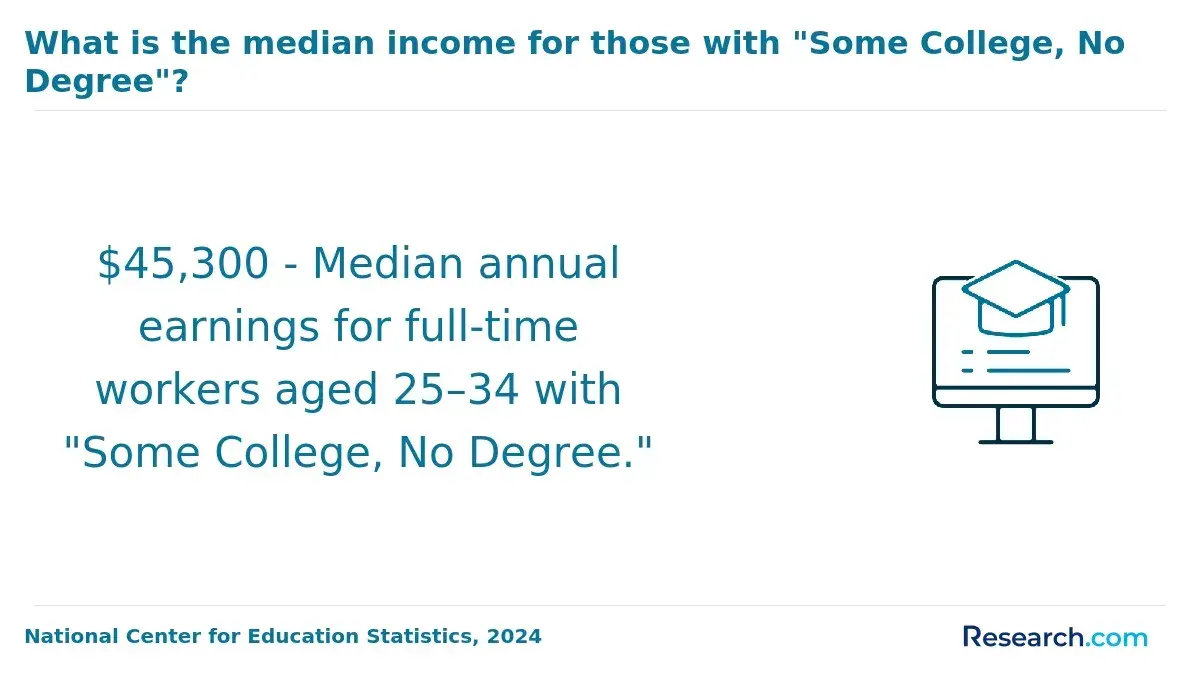
Federal roles in social & behavioral sciences explicitly require more than academic credentials; the hiring bar incorporates both specialized skills and practical experience. Government agency qualifications for social & behavioral sciences roles typically mandate a bachelor's degree for entry-level positions, but advancement into higher GS-rated jobs mandates a master's or doctoral degree paired with rigorous coursework in statistics, research design, and quantitative software such as SPSS, R, or Python. For example, positions like Social Science Research Specialist at the GS-13 level demand demonstrable analytical expertise and policy-focused research experience.
Applicants often need 2 to 5 years of applied research or program evaluation experience, sometimes gained through internships or government contracts. This aligns with required skills and experience for social & behavioral sciences careers in government, emphasizing the ability to produce policy-relevant analysis and to communicate complex findings to varied, non-technical audiences. Candidates with no direct federal background should seek internships or fellowships targeting government research to meet these expectations efficiently.
Such pathways involve a notable tradeoff: the time invested in an advanced degree versus salary ceilings at lower GS levels, contrasted with competitive compensation and promotion potential beyond GS-13. Familiarity with privacy regulations, ethics in human subjects research, and federal regulatory frameworks further strengthens candidacy.
For those exploring practical academic options, forensic psychology master's programs online offer accessible routes to develop relevant skills within social & behavioral sciences domains, balancing cost with specialization.
How do online social and behavioral sciences degrees compare to campus programs for government work?
Online social and behavioral sciences degree effectiveness for government jobs hinges largely on the candidate's ability to complement academic knowledge with relevant field experience. Unlike campus programs, which often integrate mandatory internships within government or community agencies, online degrees typically require students to independently secure these practical opportunities. This difference can affect entry-level hiring since familiarity with government protocols and interagency collaboration is a key hiring criterion in public sector roles.
For mid-career professionals pursuing public sector careers, online programs offer necessary schedule flexibility while maintaining academic rigor. Yet, agencies managing community health and social services emphasize applied skills such as management and public engagement, frequently refined through direct mentorship available on campus but harder to replicate online.
Social and community service managers in government positions earned a median annual wage of $78,240 in May 2024 with an expected job growth rate of 6% through 2034, suggesting steady demand for these skills. However, many employers also require security clearances and thorough background checks, processes typically facilitated by campus programs with governmental ties. Online students must verify whether their programs assist with clearance preparation and support local field placements to ensure smoother transitions.
Working professionals exploring options should weigh the comparative benefits of online versus campus social and behavioral sciences programs for public sector careers by assessing how well each path aligns coursework with real-world governmental experience. Those seeking a strategic pivot might also consider programs like a human resource management masters degree online as complementary credentials within public administration contexts.
What concentrations best align with specific government roles and missions?
Specializing in behavioral health or social work concentrates the candidate's skillset on tangible government roles with measurable operational impact. For instance, social work graduates often find roles in child welfare agencies where competencies in crisis intervention, resource coordination, and navigating policy compliance are non-negotiable. According to U.S. Bureau of Labor Statistics data compiled by Public Health Online, social workers in government earned a median wage of $61,330 as of May 2024, with job growth projected at 6% through 2034-reflecting sustained demand aligned with expanding public programs and persistent community needs.
Criminal justice and forensic psychology tracks funnel talent toward federal entities like the Department of Justice or Homeland Security, where the ability to apply evidence-based behavioral assessments and understand legal frameworks directly affects rehabilitation efforts and compliance investigations.
Similarly, concentrations in organizational psychology and human factors prime candidates for government HR and veterans affairs positions emphasizing system design, leadership dynamics, and workforce well-being. The specialization here responds to operational challenges in large bureaucracies rather than theoretical knowledge alone.
Targeted specializations minimize mismatch risk in government hiring pools colored by extensive competition and high weighting of practical experience alongside academic credentials. Students should prioritize programs offering relevant internships and applied training in government settings to bridge academic learning with real-world demands efficiently.
What are typical entry-level and mid-career salaries in government for these graduates?
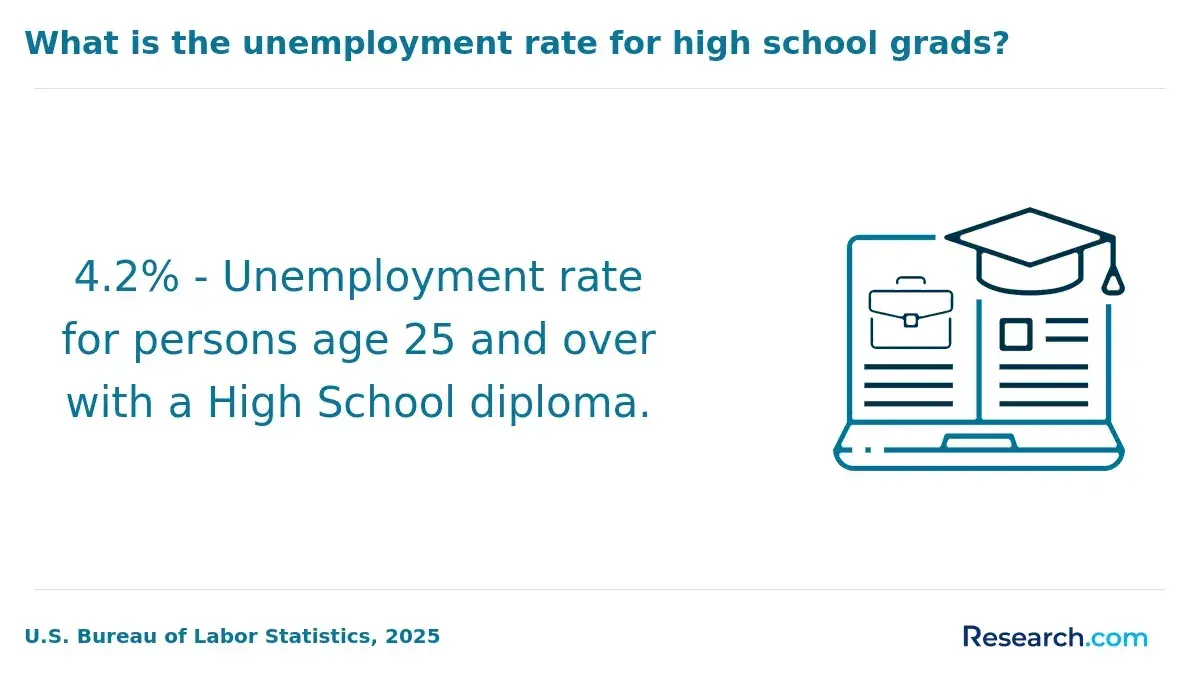
Government roles in social & behavioral sciences typically present salary structures governed by federal pay scales, limiting negotiation and requiring geographic flexibility. Entry-level salaries generally fall between $45,000 and $55,000 annually, with federal General Schedule (GS) levels GS-7 to GS-9 aligning to $50,000-$60,000 depending on location and agency. Realistically, candidates should anticipate mid-career ranges of $60,000 to $80,000, linked to GS-11 or GS-12 levels, contingent on demonstrated program management skills or measurable outcomes. This progression highlights the tradeoff between steady public-sector wages and restricted salary growth without specific credentials or specialized experience.
For example, health education specialists in state and local public health departments earn a median wage near $63,000, a figure sustained by modest 4% job growth projections from 2024 to 2034, according to U.S. Bureau of Labor Statistics data. Such positions underscore the practical value of supplementing a social & behavioral sciences background with skills in data analysis, policy implementation, or certification pursuits to access higher-tier roles.
Key considerations for aspirants include the impact of agency budgets, regional cost-of-living disparities, and the necessity for continued skill development to remain competitive. Mobility and targeted training often open pathways to top-paying government jobs, whereas stagnant credentials risk salary plateaus. Candidates must weigh these operational realities in defining their educational and professional trajectories.
What is the job outlook for social and behavioral sciences majors in public sector careers?
The outlook for social and behavioral sciences majors pursuing public sector roles depends heavily on integrating relevant skills with practical experience. While median wages for positions like community health workers in government agencies sit around $51,030 annually, the 11% projected job growth from 2024 to 2034 signals strong demand in sectors focused on community health and policy development. However, applicants must go beyond foundational knowledge to succeed.
Employers seek candidates who combine social science expertise with quantitative analysis, communication skills, and interdisciplinary collaboration. Practical experience-such as internships or fieldwork in public health or social services-is often a decisive factor in competitive hiring processes. Understanding agency workflows and regulatory constraints can also differentiate candidates.
Career pathways often include health outreach coordination, behavioral health case management, and policy data analysis. Yet, continuous upskilling is necessary to adapt to evolving data demands and culturally competent service expectations. Specializations like substance abuse intervention or elder care outreach may offer more stability but face risks tied to fluctuating public funding.
Prospective students should weigh these realities: strong sector growth is paired with funding volatility and the need for adaptable skill sets. Success depends on merging social & behavioral sciences knowledge with applied skills and navigating shifting policy priorities.
Do government agency roles require licenses, certifications, or security clearances?
Securing a position in government roles within social & behavioral sciences hinges less on traditional licensure and more on navigating complex federal employment and security clearance requirements. For example, roles at NIH or NIMH such as Health Scientist Administrator demand at least a Public Trust clearance due to sensitive data access. This clearance process involves extensive background checks lasting several months, which can delay hiring and disqualify otherwise qualified candidates with unresolved personal or financial issues.
Unlike clinical psychology positions, these research administration roles do not require professional licenses, but advanced degrees and federal experience remain essential. Program management positions with GS-13/14 pay grades, ranging from $112,015 to $172,075 annually, strictly enforce clearance prerequisites to enable access to confidential information or interagency cooperation.
Certification programs like Project Management Professional (PMP) or research ethics may bolster applications but are supplementary rather than mandatory. Agencies prioritize demonstrated expertise and compliance with federal standards over certifications that lack direct regulatory relevance.
Applicants should anticipate bureaucratic onboarding timelines tied to clearance approval and strategically plan continuing education and job applications around these cycles. Ultimately, a candidate's ability to meet security eligibility criteria often weighs more heavily than academic credentials in reaching advanced salary tiers or leadership positions.
How can you choose an accredited, reputable program that prepares you for government service?
Choosing a social & behavioral sciences program for government employment hinges on verifiable accreditation and direct alignment with federal workforce demands. Not all accredited degrees carry equal weight in hiring, especially when agencies prioritize current competencies like data analysis, policy evaluation, and behavioral research methodologies tailored to government contexts.
Graduate placement in relevant government positions, such as social science analyst roles with salaries from $143,913 to $187,093 based on State Department data cited by Monster, signals both demand and program effectiveness. Programs that integrate federal internships or applied research opportunities improve candidates' practical readiness, which can markedly influence hiring decisions and security clearance prospects.
Key decision factors include faculty expertise rooted in government or policymaking experience and transparent reporting of accreditation and employment outcomes. Programs that obscure these metrics risk credential disputes or complications during agency background checks. Students should weigh program flexibility and cohort size against the realities of balancing clearance requirements and maintaining clear communication with HR evaluators.
Ultimately, prioritizing programs with federally vetted curricula and demonstrable workforce results avoids dead ends in credential recognition and aligns education investments with tangible government career pathways.
What steps can students take during college to compete for agency internships and jobs?
Government agency internships in social & behavioral sciences require more than academic credentials; targeted relevant experience aligned with agency priorities is decisive. For instance, agencies focusing on community health emphasize applied skills in data analysis or program coordination related to social determinants of health. Students who volunteer or engage in local nonprofit projects can simulate essential job functions, bridging gaps between theory and practice.
Effective networking is a strategic necessity. Connections with alumni working in government, participation in career fairs, and involvement in advisory boards or professional student groups often open doors to referral-based internship opportunities. Certifications such as Certified Social Work or specialized data analytics enhance candidacy, particularly for mid-level roles where agencies expect demonstrated technical competencies.
Workforce pay structure data highlights a critical tradeoff for students: master's-level social and community service managers earn a median wage of $78,240, compared to $45,120 for bachelor's-level assistants. This disparity underscores the importance of evaluating whether to pursue advanced credentials immediately or accumulate field experience, given that managerial roles mandate higher qualifications.
Leadership in campus organizations focused on social issues signals management potential, a valued attribute in agency hiring. Mastering federal hiring platforms like USAJOBS and tailoring resumes to competency-based ratings can markedly improve application outcomes, reflecting employer preferences for precision and relevance in candidate materials.
Other Things You Should Know About Social & Behavioral Sciences
Social and behavioral sciences degrees offer broad analytical and research skills that can transfer across agencies, but this versatility depends on curriculum depth and specialization. Programs that emphasize data analysis, policy evaluation, and interdisciplinary methods better position graduates to pivot as government priorities change. Graduates should prioritize programs with flexible skill sets rather than narrow topical focus to remain competitive amid shifting agency missions.
Government employers prioritize graduates who can translate theory into actionable policy recommendations, manage complex data sets, and communicate findings clearly to diverse audiences. Technical skills like statistical software proficiency, evaluation methodologies, and project management enhance employability substantially. Theoretical knowledge alone is insufficient; applied experience and demonstrable problem-solving are decisive hiring factors.
An advanced degree frequently correlates with higher-level positions, but mid-career advancement depends more on demonstrated impact, specialized skills, and agency needs than on degree alone. A master's degree can open management and policy analysis roles otherwise inaccessible with a bachelor's. However, candidates should also develop practical experience and professional networks since these often outweigh academic credentials in promotion decisions.
References
- Plan for Change https://www.gov.uk/missions
- High-demand jobs for people with security clearances https://jobs.boeing.com/top-industries-hiring-security-cleared-professionals
- The top 9 skills employers look for - SEEK https://au.seek.com/career-advice/article/skills-employers-look-for
- General Schedule Qualification Policies https://www.opm.gov/policy-data-oversight/classification-qualifications/general-schedule-qualification-policies/
- What does a ‘mission-driven’ approach to government mean and how can it be delivered? | Institute for Government https://www.instituteforgovernment.org.uk/publication/mission-driven-approach-government
- 10 Careers for Social Work Majors https://www.umassglobal.edu/blog-news/careers-for-social-work-majors
- Accreditation Prep Courses https://ssih.org/accreditation-prep-courses
- Aligning your business to the Labour 5 Missions with the TOM System https://www.socialvalueportal.com/news-and-insights/how-to-align-your-business-to-the-labour-five-missions-with-the-tom-system
- Social and Behavioral Sciences Strengthen U.S. Security, Prosperity, and Health | Association of American Universities (AAU) https://www.aau.edu/key-issues/social-and-behavioral-sciences-strengthen-us-security-prosperity-and-health
- Strategies, missions and whole of government action — Geoff Mulgan https://www.geoffmulgan.com/blog/strategies-missions-and-whole-of-government-action