2027 Best Online Social & Behavioral Sciences Programs for Professionals Seeking Community Outreach Careers

Co-Founder and Chief Data Scientist
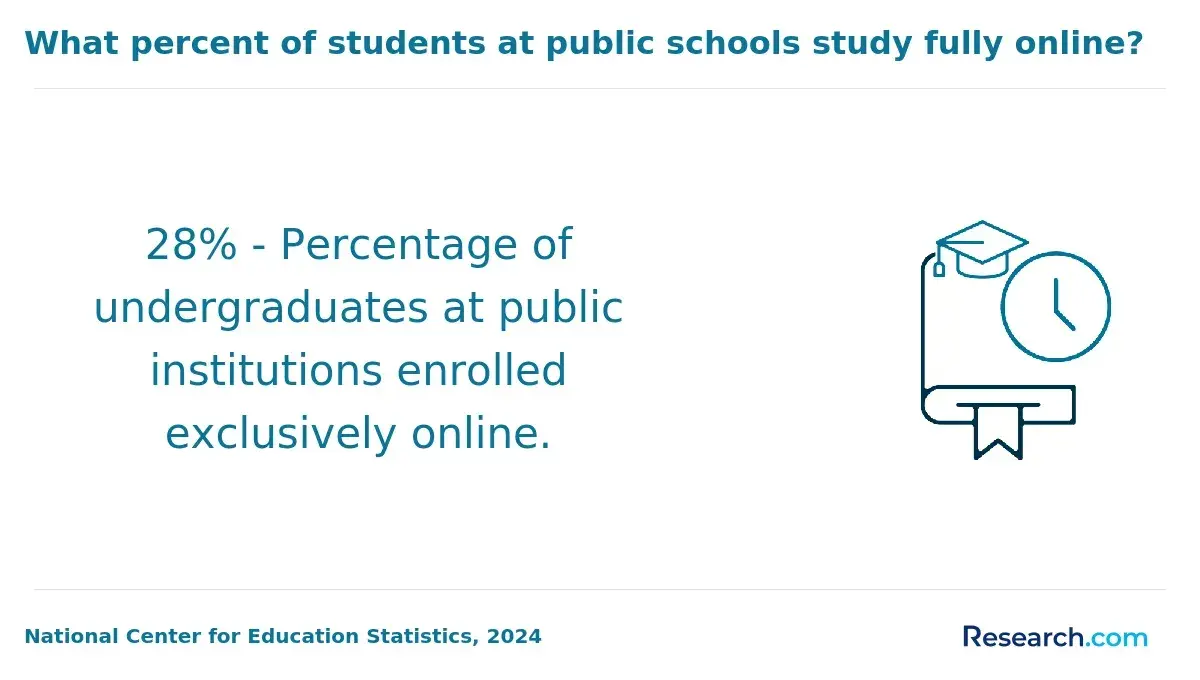
Professionals shifting into community outreach roles encounter a pivotal bottleneck: how to balance career advancement with demanding schedules while accessing credible education. With 45% of adult learners in 2024 enrolling in online programs, as reported by the National Center for Education Statistics, the trend reflects a decisive shift toward flexible, remote learning tailored for working adults. Yet, the quality and accreditation of these programs vary widely, influencing job prospects and employer recognition in the social & behavioral sciences sector. Navigating these trade-offs requires clear criteria grounded in employability and program rigor. This article evaluates top online social & behavioral sciences programs designed for professionals aiming to enhance community outreach impact and career mobility.
Key Things You Should Know
- Graduates with online social & behavioral sciences degrees focused on community outreach see a 12% wage premium over generalist peers, yet programs with heavy research methods can delay workforce entry by 18 months, impacting short-term earning potential.
- Employers prioritize applied community engagement experience over theoretical knowledge, with 68% of surveyed nonprofits preferring candidates from programs offering internships or practicum components, complicating selections for those with purely academic coursework.
- Programs leveraging asynchronous learning reduce opportunity costs for working adults but show 20% lower employer satisfaction scores due to perceived gaps in collaborative skill development, influencing hiring outcomes in team-driven outreach roles.
What are the best accredited online social and behavioral sciences programs for community outreach careers?
Employers hiring for community outreach roles prioritize candidates who combine interdisciplinary knowledge with applied skills such as data analysis, stakeholder engagement, and community needs assessment. The best accredited online social and behavioral sciences degrees for community outreach careers emphasize this practical blend, often incorporating capstone projects or remote internships that provide measurable outcomes experience. For instance, nonprofit health organizations increasingly expect coordinators to demonstrate grant writing and policy advocacy abilities alongside traditional social work competencies.
According to the Bureau of Labor Statistics, social and community service managers earn a median annual wage of $78,240 and have a projected growth rate of 6%, confirming steady demand. However, decisions about program format require weighing flexibility against networking opportunities; asynchronous online courses support working professionals but may lack critical mentorship components essential for career progression.
Choosing regionally accredited programs, preferably with CSWE accreditation for social work tracks, ensures curriculum integrity and access to federal aid. Prospective students should assess career services, alumni networks, and agency partnerships to maximize job placement. The value of top online social and behavioral sciences programs for professionals in community outreach lies in their ability to deliver both theoretical grounding and field-specific operational skills.
For detailed analysis and a vetted list of options, see MSW best programs.
How do online social and behavioral sciences degrees compare to campus-based programs for professionals?
Choosing between online social and behavioral sciences programs for working professionals and campus-based degrees hinges on managing the tradeoffs between theoretical knowledge and experiential skill-building. Campus programs embed practicum and internships within their curriculum, enabling immediate development of interpersonal skills crucial for community outreach work, which commands a median annual wage of $51,030 and projects 11% job growth over the coming decade. These experiential components often accelerate readiness to meet employer expectations prioritizing practical engagement over academic credentials alone.
Online degrees provide flexibility for students balancing employment but shift responsibility onto learners to independently secure local internships and fieldwork, potentially extending the timeline for hands-on experience. This scenario suits disciplined individuals with existing local access to supervised placements. However, those lacking networks may face delays in achieving competency required for community-based interventions.
Consider a public health professional pivoting roles without pausing income: an online pathway allows continuous work but demands rigorous self-management and proactive local partnership cultivation. Campus enrollees benefit from institutionally facilitated field placements and mentoring that streamline skill acquisition. Decision-makers evaluating these options should seriously weigh practical training access alongside academic delivery mode for optimal long-term workforce integration.
This comparison of online versus campus-based social and behavioral sciences degrees highlights distinct operational realities. Prospective students may also find value exploring NASP approved online programs as part of their broader planning process.
What types of social and behavioral sciences degrees support community outreach and advocacy work?
Degrees in psychology, sociology, social work, and public health provide foundational frameworks vital for effective community outreach and advocacy degree programs. These disciplines equip professionals with analytical tools to address social systems, health disparities, and structural inequalities, which are frequently targeted in advocacy efforts.
For instance, sociology offers methods to evaluate community needs critically, while social work prioritizes direct intervention strategies, preparing graduates for frontline engagement with vulnerable populations. Specialized credentials in community psychology or nonprofit management further develop skills in program leadership and impact evaluation, key for sustained advocacy outcomes.
Employers in government agencies, nonprofits, and grassroots organizations consistently seek candidates who combine these social and behavioral sciences degrees for advocacy careers with rigorous, practical fieldwork. Without embedded practicum or internship components, graduates risk lacking the hands-on experience essential to translating theory into community impact effectively.
Working professionals often consider online social science degrees that integrate these experiential elements more affordably; online bachelors degree programs in sociology are notable for reducing annual costs by nearly $12,000 compared to traditional routes, easing financial barriers for career pivots.
Choosing a pathway aligned with the specific institutional context, be it youth advocacy, criminal justice reform, or health equity, matters for skill relevance and employability. Accreditation and access to local internship placements remain critical factors that shape long-term career viability in this competitive sector.
How can I verify accreditation and program quality for online social and behavioral sciences schools?
Prioritizing accredited online social and behavioral sciences programs is essential because unaccredited degrees frequently impede access to federal financial aid, professional licensure, and competitive employment. Accreditation from agencies recognized by the U.S. Department of Education or Council for Higher Education Accreditation provides validation that programs meet rigorous academic and administrative standards valued by employers. Specialized accreditation, like CEPH for public health community outreach, further confirms relevant curriculum quality and practical training.
Assessing quality assurance for online social and behavioral sciences degrees requires scrutiny beyond accreditation. Programs that lack transparent graduate outcomes data can leave students vulnerable to underemployment or salaries below sector medians-social and behavioral scientists in public health earned a median wage of $80,450 nationally, with states like Virginia reporting over $103,000. For applicants aiming to pivot or advance in social and behavioral sciences roles, verifying employment rates, salary data, and employer partnerships is critical.
Curriculum design and experiential learning components also shape career readiness. Practical internships or community-based projects integrated into online delivery often distinguish programs aligned with employer expectations from those that do not. Evaluating how a program supports applied work and local networking helps balance online flexibility with essential workforce engagement.
Finally, confirming institutional claims against national repositories such as IPEDS or independent education reviews guards against marketing omissions. Those navigating these decisions should also explore recognized pathways beyond general degrees, for example by consulting resources like best online masters degree in human resource management programs to understand credential alignment with real-world job demands.
What courses and specializations should I expect in community-focused social and behavioral sciences programs?
Community-focused programs in social and behavioral sciences prioritize applied skills over theory, reflecting job market demands. Core courses in community health assessment, program planning, and culturally responsive communication equip students to design and manage outreach initiatives tailored to diverse groups. Specializations such as public health advocacy or behavioral intervention sharpen practical expertise that directly addresses issues like health disparities or resource coordination.
Students must develop fluency in both quantitative and qualitative research methods to analyze community data and support evidence-based actions. Leadership and policy analysis coursework prepares graduates for bureaucratic navigation-a frequent barrier in public health roles. For example, a professional moving into community health management needs budget oversight and stakeholder negotiation skills to obtain grants and sustain programs.
Practicum or capstone experiences integrated with local agencies provide hands-on exposure, reinforcing collaboration, crisis response, and impact evaluation skills valued by employers. With medical and health services management projected to grow by 28% from 2022 to 2032, according to University of Massachusetts Lowell's analysis of Bureau of Labor Statistics data, workforce absorption is promising but competitive.
Programs often offer flexible schedules and online options, essential for working adults. Yet, candidates should weigh the availability of mentorship and professional networks, as these affect long-term employment outcomes in community leadership. Careful selection is critical to balance learning convenience with access to opportunities that support career pivots or advancement.
What are typical admission requirements for online social and behavioral sciences programs for working adults?
Admission to online social and behavioral sciences programs for working adults hinges on balancing academic prerequisites with relevant professional history. While entry commonly requires a high school diploma or equivalent, many programs favor applicants with some college experience or an associate degree. Official transcripts demonstrating coursework in psychology, sociology, or related fields remain essential, as does demonstrable work experience in sectors like community outreach or social services, which employers value for practical skills.
Standardized tests such as the SAT or ACT are often waived, shifting emphasis toward comprehensive application reviews that consider career backgrounds and personal motivations. Applicants should prepare to submit references that reflect leadership and community commitment. Advanced standing or accelerated tracks typically demand a minimum GPA around 2.5 to 3.0. Graduate programs, meanwhile, require a bachelor's degree paired with documented experience in social service contexts.
Importantly, essays or goal statements must clearly connect program learning outcomes to career objectives, reflecting an understanding of increased employer expectations for graduates to effectively address complex social challenges. Given the projected 299,400 annual job openings in social service fields through 2033, this emphasis on combined academic and field expertise is critical.
Working adults face the additional challenge of coordinating application deadlines with ongoing job responsibilities, necessitating early communication with admissions advisors regarding program-specific prerequisites and flexible delivery models that accommodate part-time or asynchronous study.
How long do online social and behavioral sciences degrees take and what do they cost?
Completing an online social and behavioral sciences degree demands weighing program length against career impact, particularly for those aiming at community outreach or licensed counseling roles. A 2-year associate degree accelerates labor market entry but can create ceilings on advancement and earnings. Conversely, a 4-year bachelor's degree lengthens study time-often requiring around 120 credits-but substantially improves eligibility for higher-responsibility positions that command better wages.
Program costs vary widely: public institutions typically charge between $15,000 and $35,000 for bachelor's degrees, while private or specialized programs may exceed $50,000. Many use per-credit pricing models between $300 and $700, which affects part-time students managing monthly budgets. Students must balance tuition expenses with expected income gains, including factoring lost wages during full-time attendance.
Behavioral science pathways such as substance abuse and mental health counseling show a median wage near $59,190 annually with projected job growth of 17% over the next decade. These figures justify investing in longer, more comprehensive credentials when paired with practicums and accredited coursework, which employers prioritize for hiring and credential licensing.
- Associate degrees typically require about 60 credits and 2 years full-time
- Bachelor's degrees usually demand 120 credits and around 4 years
- Accelerated and part-time enrollment options extend or reduce timelines
Effective planning means evaluating tuition against realistic employment outcomes, especially for those balancing work and study or considering employer tuition reimbursement programs. This pragmatic approach aligns educational investment with labor market returns in social & behavioral sciences.
What careers can graduates of social and behavioral sciences programs pursue in community outreach?
Entering community outreach roles with a background in social and behavioral sciences requires navigating specific workforce expectations and certification nuances. Positions such as case managers, behavioral health specialists, and grant writers revolve around designing and managing programs that address critical social challenges like addiction, homelessness, and mental health disparities. For example, a community health worker facilitates access to healthcare for marginalized populations, bridging gaps between providers and patients.
Employers prioritize practical skills in needs assessment, data interpretation, and inter-agency collaboration. Licensing varies significantly by state, particularly for counseling and social work roles, which commonly require a Bachelor of Social Work (BSW) or advanced degrees. Professionals specializing in behavioral science frameworks typically encounter more favorable employment opportunities in public health and nonprofits.
Cost considerations are pivotal, especially for working adults balancing time and tuition. Online BSW programs like those at University of Alaska Fairbanks ($289/credit) and Charter Oak State College ($329/credit) offer lower tuition, which can reduce debt burden and accelerate workforce entry.
Hands-on experience remains a critical hurdle. Securing internships or practicums within community organizations is essential for job placement but often challenging. Prioritizing programs with embedded fieldwork and robust employer connections can improve career entry and upward mobility in community outreach.
What salary ranges and job outlook exist for community outreach and social services professionals?
Compensation and job prospects within community outreach and social services roles vary considerably based on specialization, geography, and employer. For example, community outreach coordinators commonly earn median salaries near $48,000 annually, while human services administrators, tasked with budgeting and staff oversight, approach $65,000. Crisis intervention specialists' pay averages around $50,000, influenced by certifications and frontline exposure. These figures align with U.S. Bureau of Labor Statistics 2024 data focused on social and community service managers.
Employment growth between 12% and 15% over the next decade is driven by heightened public health initiatives and funding directed at vulnerable populations. However, candidates must weigh tradeoffs between metropolitan and rural job markets: urban centers offer increased pay but higher competition and living costs, whereas rural settings provide fewer but steadier opportunities.
Graduates targeting careers as community outreach coordinators, crisis intervention specialists, or human services administrators benefit most from degrees with applied credentials in program evaluation and grant writing. Nonprofit employers prioritize measurable impact, making these skills vital for advancing beyond entry-level outreach roles.
Advancing into administrative leadership entails developing budgeting and management expertise, entailing less direct client interaction but greater responsibility and compensation. Early-career professionals should strategically build data analysis and grant acquisition capabilities to navigate competitive labor markets and optimize long-term outcomes.
How should professionals choose a reputable online program for community outreach career advancement?
Choosing an online program for community outreach in social & behavioral sciences demands more than just accreditation; it requires practical alignment with labor market realities and licensure pathways. Accreditation from bodies like CACREP ensures curriculum rigor, but programs lacking embedded internships or practicum experiences present a critical gap: candidates without hands-on exposure struggle to navigate field complexities such as crisis intervention or community engagement.
For example, a graduate from a purely theoretical online program may face barriers applying for social work roles where interpersonal skills and real-world judgment are paramount. Employers specifically seek candidates who have demonstrated these competencies through supervised fieldwork, reflecting a key operational tradeoff between program flexibility and employability.
Cost and duration should be weighed against timelines for licensure and credentialing, not just tuition fees. Social workers report a median wage of $61,330 with projected 6% growth-delays caused by non-aligned study plans can cost both income and career momentum.
Prospective students need to evaluate program faculty expertise and the strength of industry connections that facilitate job placement in public health agencies or nonprofit settings. Reliable career services and alumni employment outcomes are meaningful indicators of future opportunities.
Other Things You Should Know About Social & Behavioral Sciences
Not all online programs offer the same level of flexibility, and this impacts professionals who need to balance study with active outreach work. Programs that offer asynchronous coursework and extended time frames for assignments allow better integration with unpredictable field schedules. Rigid deadlines or synchronous sessions can create significant conflict, reducing learning effectiveness and increasing stress, so prioritize programs designed specifically with working adults and community practitioners in mind.
Employer acceptance depends largely on the program's accreditation and how well the degree aligns with community outreach competencies. Online degrees from regionally accredited schools with clear practical application components tend to be equally respected. However, degrees from less recognized providers or those lacking real-world practicums may raise concerns about candidate readiness, especially for leadership roles that require direct client interaction and program management skills.
Higher workload programs often correlate with deeper practical exposure and stronger career preparation, but they may be unsustainable for professionals maintaining current outreach responsibilities. Lower intensity programs might allow smoother progress but can offer fewer hands-on experiences, reducing immediate employability advantages. It's critical to evaluate your capacity and career goals, prioritizing programs that balance rigorous applied learning with manageable workloads to ensure both degree completion and skill acquisition.
References
- Aurora's Online BSW Prepares Grads for a Variety of Careers https://online.aurora.edu/program-resources/bachelor-social-work-job-opportunities/
- Guide to Careers in Social Work https://www.onlinemswprograms.com/careers/
- 7 Advantages to a Campus-Based Degree Program - Organizational Psychology Degrees https://www.organizationalpsychologydegrees.com/lists/advantages-to-a-campus-based-degree-program/
- Accreditation Guide - Quality Online Schools | Sora Schools https://soraschools.com/blog/accreditation-a-parents-guide-to-quality-online-schools
- Are Online Degrees Accredited? How to Identify Quality Distance Learning Programs https://www.umassglobal.edu/blog-news/online-degrees-accredited-identify-quality-distance-learning-programs
- Social and community service workers | WorkBC https://www.workbc.ca/career-profiles/social-and-community-service-workers
- How to Choose a Credible Online Programme | FourthRev https://fourthrev.com/how-to-choose-a-credible-online-programme/
- Social and Behavioral Science Careers and Education | PublicHealthOnline.org https://www.publichealthonline.org/social-and-behavioral-science/
- Community Engagement Credentials | NeighborWorks America https://www.neighborworks.org/Training-Services/Training-Professional-Development/Courses-Certifications/Community-Engagement
- Humanity in Action: Understanding Human Services Degrees https://www.ucumberlands.edu/blog/humanity-in-action-understanding-human-services-degrees