2027 RN to BSN Programs for Nurses With Busy Families

Co-Founder and Chief Data Scientist
Juggling a full nursing schedule while managing family responsibilities strains time and energy, making the pursuit of an RN to BSN program seem nearly impossible. Yet, the demand for nurses with baccalaureate degrees has surged, with the U. S. Bureau of Labor Statistics projecting a 15% growth for registered nurses by 2032, intensifying competition for advancement. Meanwhile, a 2024 National Center for Education Statistics report reveals a 24% rise in online nursing enrollments among adult learners since 2020, signaling growing access to flexible learning but also a need to scrutinize program compatibility with personal commitments. This article examines RN to BSN program options designed to balance career progression with family life, equipping nurses to choose effective, manageable pathways.
Key Things You Should Know
- Over 60% of U.S. nurses pursuing RN to BSN programs in 2026 fund their education independently, with average out-of-pocket costs exceeding $8,500, creating timing and financial pressure that often prolongs completion beyond two years according to the National Center for Education Statistics.
- Employers increasingly prioritize BSN-prepared RNs for leadership and specialty roles-with 75% of hospitals requiring BSN-level credentials by 2026 per the American Nurses Credentialing Center-shaping career advancement trajectories and forcing decisions on immediate job stability versus long-term mobility.
- Hybrid and asynchronous RN to BSN program models reduce time lost from work but introduce tradeoffs including diminished clinical practicum quality and peer networking, which several workforce analyses link to slower skill development and adaptation in complex care settings.
What is an RN to BSN program for busy nurses?
Nurses balancing family responsibilities often face significant challenges when pursuing further education. Flexible RN to BSN programs for working nurses address these barriers through asynchronous online coursework and minimized clinical travel, allowing students to tailor study time around demanding schedules. For instance, a nurse working full-time in acute care may attend virtual classes after shifts, leveraging employer support like tuition reimbursement or adjusted hours to maintain financial stability while studying.
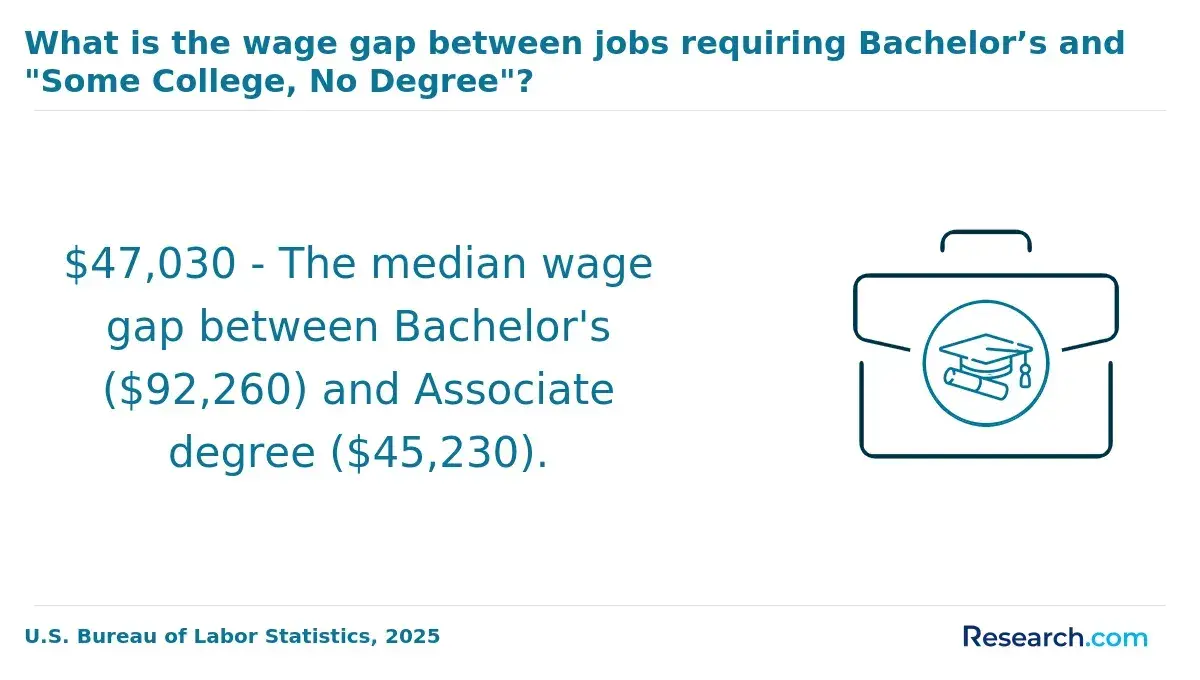
The financial impact of earning a BSN is considerable. U.S. Bureau of Labor Statistics data for 2025 show full-time RNs with a BSN earn a median wage of $86,070 annually versus $75,440 for associate-degree holders-a 14% difference. This wage premium can offset the investment of time and money required, especially when programs efficiently credit prior RN training to reduce redundancy and accelerate completion.
Practical tradeoffs include managing practicum requirements, which often demand local healthcare partnerships or simulations to avoid excess travel. Nurses should critically assess programs for graduate employability rates and employer preferences, as BSN credentials increasingly serve as gatekeepers for leadership and specialized roles in healthcare systems.
Successfully navigating these RN to BSN programs for nurses with family responsibilities requires strategic time management, active employer engagement, and program flexibility. For those balancing caregiving and work, selecting the right program can be a decisive factor in career trajectory. Options like the easiest RN to BSN program online can streamline this process without compromising rigor.
How do online and campus RN to BSN programs compare?
Choosing between campus and online rn to bsn programs hinges on balancing flexibility against structured learning environments, with critical implications for nurses managing demanding schedules. Online rn to bsn program flexibility for working nurses offers asynchronous coursework that accommodates shift work and childcare, minimizing scheduling conflicts. Yet, this demands strong self-discipline and reliable technology, which can be prohibitive if family support is limited. Conversely, campus programs provide valuable direct faculty interaction and hands-on clinical simulations, beneficial for those targeting leadership or specialized roles, but at the cost of commuting and fixed class times that may increase stress.
Employers principally prioritize the BSN credential itself, not the delivery mode, even as the national RN workforce is expanding with approximately 210,000 annual openings forecasted. Nurses balancing full shifts with parenting should weigh accredited online options that maximize study convenience. Those seeking deeper networking and experiential learning might tolerate campus constraints.
Key tradeoffs include:
- Flexibility and self-paced learning versus structured schedules and engagement
- Reduced logistical burdens versus broader experiential depth
- Technology and self-management demands versus commuting and fixed timetables
Balancing these factors will impact educational outcomes and career trajectories. For a detailed comparison of program options suited to varying professional needs, consult comprehensive rankings on online RN programs for non nurses.
What accreditation should an RN to BSN program have?
A critical practical consideration for choosing RN to BSN programs is verifying both regional and nursing-specific accreditation. Without accreditation from recognized bodies like the Higher Learning Commission and the Commission on Collegiate Nursing Education (CCNE), graduates risk limited employer recognition, credit transfer issues, and ineligibility for certain management roles. For instance, nurses seeking leadership positions within hospital systems can face hiring obstacles if their degree comes from a poorly accredited program.
Program flexibility, such as hybrid models combining online coursework with in-person clinical components, is increasingly sought after. However, prospective students must ensure these flexible delivery formats meet full accreditation standards, as this directly impacts post-graduation employability and licensure validation. Searches for "online BSN with in-person clinicals" have surged considerably, indicating demand for such balanced, yet credible, program structures.
Employers and licensing boards frequently require a BSN from fully accredited RN to BSN programs accreditation standards to recognize credentials without dispute. Programs lacking clear accreditation information often have weaker clinical partnerships and lower employment rates, increasing risks for working professionals investing time and resources.
When evaluating options, prospective nurses should prioritize accredited programs listed in official state nursing directories. Exploring resources like easiest nursing programs to get into can help identify pathways suited for immediate entry but should be cross-checked meticulously for accreditation quality and employer acceptance.
What are the admission requirements for RN to BSN programs?
Eligibility for RN to BSN programs near me hinges on maintaining an active, unrestricted registered nurse license-a non-negotiable baseline reflecting needed clinical experience. Admission also typically requires an accredited associate degree or nursing diploma with a minimum GPA of 2.5 to 3.0, verified through official transcripts. Programs demand more than credentials: background checks, professional recommendations, and completion of core general education credits-such as statistics, microbiology, and psychology-add layers of academic and ethical screening aligned with employer expectations.
Prerequisites for enrolling in RN to BSN programs with flexible scheduling become vital for working nurses balancing multiple roles. A 2024 survey reported by the Journal of Nursing Education highlighted that family responsibilities and work hours were the primary barriers cited by 73% and 72.2% of program directors, respectively. Consequently, part-time, online, and hybrid formats address these constraints, allowing nurses to work shifts and handle childcare while progressing academically. Yet, overextension remains a real risk, especially for nurses working intensive full-time hours in critical care with significant family commitments.
Careful evaluation of program timelines, prerequisite completion, and life demands is essential to mitigate dropout risks that can stall career progression. For nurses exploring advanced credentials, understanding these dynamics is as important as course content delivery methods. Those considering specialized roles may also explore related pathways such as FNP programs, which have their own distinct admissions and scheduling complexities.
How long does an RN to BSN program take to finish?
Choosing the pace for completing an RN to BSN program involves balancing professional responsibilities, financial constraints, and personal stamina. Full-time enrollment can compress the curriculum into about 12 months, yet most working nurses-especially those managing family care-opt for part-time pathways extending to two years or more. This extension allows better accommodation of shift work and caregiving duties but delays workforce reentry with enhanced credentials.
Programs offering asynchronous online coursework allow students to navigate nontraditional schedules, enabling options such as accelerated summer terms or lighter semester loads for those with young children. Employer tuition assistance, like a 25% discount for Carle Health employees at certain institutions, can reduce financial pressure and influence candidates toward faster completion. Absent such support, many may slow their progress to mitigate burnout and financial strain.
Deciding program length impacts not only educational outcomes but also career trajectory. Prolonged study may delay salary increases or promotions, while a compressed timeline risks personal exhaustion without employer backing. Candidates must account for:
- Their work hours and shift flexibility
- Available employer tuition support
- Family and caregiving responsibilities
- Their capacity for sustained academic effort
Strategically selecting program pacing is critical to aligning workforce reentry with professional advancement and realistic life demands.
How much do RN to BSN programs cost?
The broad cost range of RN to BSN programs-from roughly $5,000 to $25,000-reflects critical tradeoffs between institution type, residency, and delivery format. Public in-state options frequently represent the most economical route, while private or out-of-state tuition can more than double expenses. Online programs, although attractive for flexibility, rarely decrease overall financial burden significantly.
Beyond tuition, working nurses must budget for ancillary costs such as technology fees, required textbooks, and occasional campus obligations, which can add $500 to $2,000. Financial aid, employer tuition reimbursement, and veteran benefits can offset these expenses but require timely, informed application and verification.
Programs accommodating transfer credits and valuing prior RN experience shorten timeline and reduce total cost. For example, competency-based online offerings reviewed in 2024 enable completion within a year, potentially minimizing time lost from employment and family responsibilities.
Cost effectiveness must be weighed against graduate outcomes and employer expectations. Nurses investing $20,000 or more in a BSN credential may realize higher salary potential and expanded job opportunities over time.
- A nurse leveraging prior credits might complete an online program in under two years paying $7,000 plus minimal fees
- This often outweighs costlier, lengthier campus-based options that disrupt work schedules
Prospective students should systematically compare pacing, credit transfer policies, and total expenses to align program features with their professional and personal realities.
What courses are included in an RN to BSN curriculum?
The transition from RN to BSN programs involves a substantial shift from task-based clinical skills to broader healthcare competencies needed for leadership, research application, and community health management. This curricular shift addresses critical gaps in clinical judgment and coordination required for advanced nursing roles.
Hospitals are increasingly selective, favoring BSN-prepared nurses because facilities with a significant BSN workforce report better patient outcomes and lower mortality rates, aligning with industry data like the AACN 80% BSN initiative. The workforce demand now exceeds simple bedside care, prioritizing nurses trained in evidence-based practice and quality improvement methodologies.
Working nurses pursuing this degree often face notable challenges balancing coursework-especially population health and nursing policy assignments-with their professional and family obligations. Clinical practicum hours add complexity, frequently necessitating additional scheduling accommodation. These time pressures can slow progress or deter completion unless programs offer flexible delivery formats.
Beyond immediate workload, completing an RN to BSN program opens pathways into leadership roles such as charge nurse or nurse educator. These positions require enhanced communication and management skills cultivated in the curriculum. Nurses must weigh the temporary intensification in responsibilities against long-term employability benefits, noting that employer preference increasingly aligns with BSN qualifications.
How do RN to BSN programs fit family and work schedules?
Balancing the demands of work, family, and RN to BSN programs requires flexible scheduling options paired with pragmatic planning. Most accredited programs offer asynchronous online courses, which allow nurses working unpredictable hospital shifts to complete assignments during off-hours, preserving essential family time. Part-time enrollment options extend program length but often reduce weekly workload-an important consideration for caregivers managing multiple responsibilities simultaneously.
Clinical practicum requirements present another layer of complexity, yet placement coordination near students' homes or their employers' healthcare systems can alleviate commuting burdens and reduce disruptions to personal life. For RNs employed within integrated networks, onsite practicums often streamline this process.
Tuition costs range widely-from about $5,375 to $28,575-requiring nurses to weigh expenses against indirect costs like childcare or lost wages that lengthier programs tend to increase. Selecting programs with efficient scheduling and affordable tuition can mitigate overall financial impact.
- Asynchronous courses help accommodate shift work.
- Part-time options reduce weekly hours but extend program duration.
- Employer partnerships can ease practicum logistics.
- Tuition variance necessitates cost-benefit assessment beyond sticker price.
Employers are growing more insistent on BSN credentials for promotions, which compels nurses to balance short-term sacrifices against career durability and earnings potential. This decision hinges on identifying programs that harmonize financial feasibility, time management, and real-world employment demands-a nexus where strategic choice dictates the success of earning a BSN while sustaining a career and family life.
What jobs can you get after earning a BSN?
Nurses with a BSN gain access to roles that increasingly require more than basic clinical skills, including leadership positions such as charge nurse and clinical nurse leader, which hospitals prefer for complex patient and team management. Specialized areas like telemetry, pediatrics, oncology, and critical care also demand the broader clinical acumen afforded by a BSN.
Beyond bedside care, a BSN credential can shift a nurse's career into sectors like healthcare administration, nursing education, informatics, and quality improvement. These roles often allow for more predictable schedules compared to shift-based bedside nursing, a considerable factor for those balancing family and work. For example, nurses with caregiving responsibilities might find a quality assurance role better aligns with their personal constraints.
However, pursuing a BSN while maintaining employment and family duties presents measurable challenges. According to a 2024 BMC Nursing study, over half of online RN to BSN students experience delayed program completion due to these competing demands, which can postpone advancement. Employers may provide tuition reimbursement but expect steady work performance, intensifying scheduling conflicts during study periods.
The growing trend of requiring BSN credentials for promotion means nurses must weigh the time and financial investment carefully, considering part-time or hybrid RN to BSN programs that mitigate disruption. Ultimately, the decision hinges on balancing immediate work-life realities with the strategic opportunity to access higher-level roles and increased responsibility within healthcare organizations.
How do you choose the best RN to BSN program?
Choosing an RN to BSN program requires prioritizing flexibility and credential relevance to navigate the practical demands of working nurses with family responsibilities. Programs that offer asynchronous online coursework allow study during irregular hours-such as school time or night shifts-minimizing disruption to employment and caregiving. Regional accreditation by bodies like CCNE or ACEN remains non-negotiable, ensuring the degree meets licensure and employer expectations, especially important given employer preference trends shown in AACN's 2024-2025 enrollment data.
Evaluating programs through graduate employment rates near or above 85% within six months reveals direct alignment with healthcare hiring needs. Clinical practicum formats must be assessed for compatibility: situated clinicals or virtual simulations offer alternatives when in-person attendance conflicts with family or work schedules. Credit transfer policies can substantially reduce program length and cost, critical for minimizing time away from income and dependents.
State authorization impacts licensure portability and should factor into decisions especially if relocation is likely. Employers sometimes favor nurses from programs with formal articulation agreements tied to hospital systems, which can smooth internal advancement. Tuition affordability and flexible payment options mitigate financial stress, a significant consideration for working nurses balancing household support.
Tradeoffs include balancing quicker completion via maximum credit transfer against potential limitations in clinical format choice, and weighing employer network benefits against geographic licensing constraints. Understanding these variables informs a purposeful educational investment rather than a generic credential chase.
Other Things You Should Know About RN to BSN Programs
Many RN to BSN programs offer flexible pacing, but the workload can still be intense due to rigorous clinical requirements and research assignments. Part-time enrollment is often necessary to balance work and family responsibilities, especially if clinical practicums require in-person attendance during standard hours. Prioritize programs with asynchronous coursework and clear support systems, as these reduce scheduling conflicts and enable steady progress without sacrificing essential family or job commitments.
A BSN degree significantly improves eligibility for leadership positions, public health roles, and specialty certifications that employers increasingly prefer. However, simply earning the degree does not guarantee advancement; practical experience and additional credentials often remain necessary. Focus on RN to BSN programs that integrate leadership training and opportunities for specialization to maximize return on investment and career mobility.
In 2027, balancing an RN to BSN program, a full-time job, and family requires strategic planning. Consider online programs offering flexible schedules, part-time enrollment, and support services geared toward managing personal and professional responsibilities. Prioritizing tasks, effective time management, and utilizing family support are crucial for success.
Employer tuition assistance can significantly offset RN to BSN program costs and influence program selection based on partner schools or reimbursement conditions. Verify whether your employer requires attending specific accredited programs or maintaining certain grades for funding eligibility. Prioritizing programs accepted by your employer's assistance plans can result in substantial financial savings and reduce personal debt risk while ensuring the degree aligns with organizational standards.
References
- CCNE Accreditation https://www.aacnnursing.org/ccne-accreditation
- 5 Tips to Balance Family, Work and Nursing School https://www.chamberlain.edu/blog/5-tips-to-balance-family-work-and-nursing-school
- Top Online Accredited RN-BSN Programs - Better Nurse https://betternurse.org/bsn-degrees/
- What Nursing Programs Are Available for Working Parents? | NursingEducation https://nursingeducation.org/insights/programs-for-working-parents/
- RN to BSN | Baptist Health System School of Health Professions https://www.bshp.edu/academics/programs/bachelors/rn-to-bsn
- RN to BSN Program Length | University of Bridgeport https://www.bridgeport.edu/news/rn-to-bsn-program-length/
- Top 30 Best Online RN to BSN Programs - Healthcare Management Degree Guide https://www.healthcare-management-degree.net/best/online-rn-to-bsn-programs/
- 28 Cheapest RN to BSN Online Programs of 2025 https://www.rntomsn.org/cheapest-online-rn-to-bsn-programs/
- RN-to-BSN Admissions Requirements https://www.muw.edu/nursing/bsn/rnbsn/admissions/
- How Long Does BSN Nursing Degree Take? 8-48 Months | West Coast University https://westcoastuniversity.edu/blog/how-long-does-bsn-take-timeline-guide