2027 RN to BSN Careers in Community Health

Co-Founder and Chief Data Scientist
RNs aiming to transition into community health roles often face the puzzle of balancing clinical shifts with degree completion timelines. With 68% of adult learners juggling work and study, according to the National Center for Education Statistics in 2024, flexibility in RN to BSN programs emerges as a decisive factor shaping enrollment decisions. The surge in online and hybrid formats reflects a systemic adaptation but also raises questions about program rigor and employer recognition.
Delays or suboptimal program choices can stall advancement and limit access to community-focused positions demanding higher qualifications. This article clarifies how to navigate educational structures and market expectations for effective career progression in community health.
Key Things You Should Know
- Completion of RN to BSN programs increases eligibility for 30% of community health nursing roles requiring management or care coordination, but the average degree cost of $18,500 limits access for working RNs balancing income loss and expenses.
- Employers in federally funded community health organizations prioritize BSN credentials, correlating with 12% higher patient outcome scores in public health settings, pressuring RNs to upgrade credentials for long-term job security.
- The median time to complete RN to BSN bridge programs has extended to 24 months due to increased part-time enrollment and clinical requirements, creating timing challenges for RNs seeking rapid career pivots in community health.
What does an RN to BSN program focus on for community health nursing careers?
Community health nursing competencies for RN to BSN graduates extend beyond bedside care, focusing on population health, epidemiology, and tailoring interventions to vulnerable groups with limited healthcare access. Consider a community health nurse managing rural vaccination outreach who must utilize epidemiological data and coordinate with social services to overcome logistical barriers like transportation and misinformation. These practical skills emerge from curricula emphasizing public health skills developed in RN to BSN community nursing programs, including health promotion, cultural competence, and advocacy.
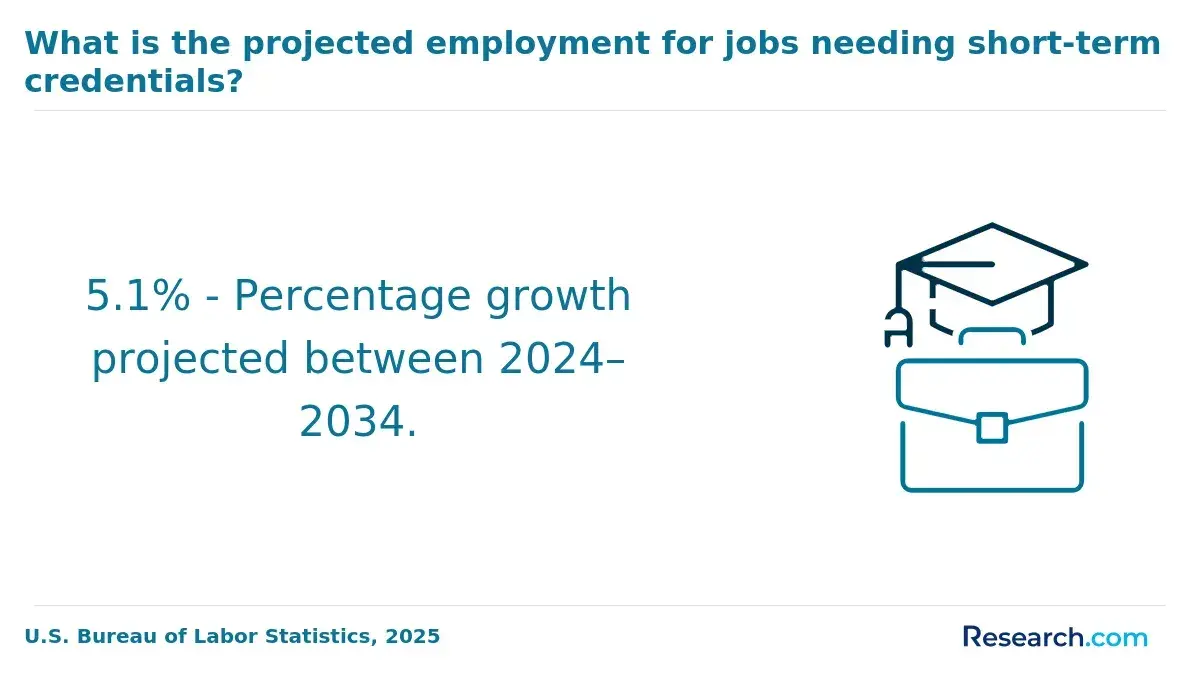
The broader scope BSN-prepared nurses hold meets employer demands driven by a projected 5% registered nursing employment growth through 2034, with 189,100 new openings annually. This growth, emphasizing community health roles, pressures RNs to gain BSN-level education to remain competitive.
Challenges for working professionals pursuing these programs include balancing work with community assessment-intensive coursework and the need for schedule flexibility. Financially, while wage increases in community health roles may be modest compared to hospital settings, the investment can yield greater job security and capacity to influence systemic health outcomes.
For those seeking flexibility, programs described as RN to BSN online no clinicals accredited offer pathways that accommodate working nurses without sacrificing essential public health training.
How does earning a BSN expand an RN's career options in community health?
Community health employers increasingly require a BSN due to the advanced competencies it develops, such as population health management, care coordination, and program evaluation. This demand translates into tangible advantages for nurses pursuing RN to BSN career advancement in community health roles, where leadership and specialized skills outweigh basic bedside care. For instance, a public health nurse overseeing immunization outreach needs expertise in interagency collaboration and epidemiological analysis, skills rarely emphasized in associate degree programs.
RNs holding only an ADN often face restricted upward mobility in community health agencies, which commonly list BSN qualifications even for entry-level supervisory posts. This credential gap results in fewer openings and comparatively lower wages for ADN-prepared nurses. The median salary for registered nurses is $93,600 annually, a baseline that typically improves with BSN credentials due to both market demand and organizational funding requirements.
Practical hurdles include balancing ongoing employment with degree completion. Flexible online offerings, including 12-month accelerated nursing programs, cater to working nurses but require critical scrutiny to ensure curricula emphasize community health content and fieldwork. Generic programs lacking this focus fall short of preparing nurses for expanded roles.
Expanded nursing opportunities with a BSN in community health often involve roles like nurse managers, public health educators, and case managers, reflecting how the degree equips nurses to address social determinants of health and implement prevention strategies that ADN programs typically omit.
What community health nursing roles can RN to BSN graduates pursue?
RN to BSN graduate roles in community health settings demand blended expertise in clinical care, leadership, and public health strategies. These positions-such as public health nurse, school nurse, home health nurse, and community outreach coordinator-require skills beyond bedside nursing, including community health assessment and program implementation targeting prevention and chronic disease management. For instance, public health nurses often coordinate vaccination initiatives or disease surveillance in underserved populations, involving close collaboration with local agencies.
Employers show a clear preference for BSN-prepared nurses, driven by a shift toward regulatory compliance and quality outcomes. The National Council of State Boards of Nursing 2024 Workforce Study reports that 73% of RNs have a baccalaureate or higher. Without a BSN, candidates risk exclusion from many community health nursing career opportunities for RN to BSN graduates, especially in competitive urban or government agency roles.
These roles frequently include data analysis, quality improvement, grant-writing, and health policy advocacy, underscoring the importance of research and leadership skills in RN to BSN programs. However, rural and resource-limited settings may offer fewer advanced roles, requiring graduates to prioritize geographic and employer selection strategically. Key steps for success include confirming employer BSN requirements early, securing community-focused practica, and effectively communicating the impact of community-level nursing in interviews.
Working professionals evaluating RN to BSN programs should also consider program accessibility and rigor; resources like nursing programs easy to get into can provide insight into balancing educational demands with career progression.
What are the education and licensure requirements for community health RN positions?
By 2026, community health RN roles demand more than an active Registered Nurse license; the baseline has shifted to require a Bachelor of Science in Nursing (BSN), driven by employers' emphasis on advanced competencies like population health management and care coordination. This change reflects practical licensure criteria for RNs in community health, where associate degrees no longer suffice due to expanded responsibilities and grant-related hiring standards.
RN to BSN programs provide a structured pathway for licensed nurses to meet these evolving demands while balancing licensure renewal, which typically involves 20 to 30 hours of continuing education biennially. However, candidates must have valid RN licensure from a state board approved by the National Council of State Boards of Nursing. States often add specialty certifications with additional costs and time, complicating progression.
Employers are increasingly selective amidst high workforce turnover, favoring BSN-educated nurses who exhibit leadership and adaptability. Without a BSN, many nurses face stalled wage growth or relegation to short-term roles with limited advancement.
Practical strategy involves aligning education with state board policies and employer expectations early to avoid credentialing delays that can halt employment opportunities. For nurses weighing long-term returns, assessing the scope and duration of their educational investment is critical, especially when considering options like the shortest DNP program online, which can complement BSN qualifications in community health settings.
How do online and campus RN to BSN programs differ for community health preparation?
Choosing between online and campus RN to BSN programs hinges on balancing immediacy and depth of community health training with scheduling flexibility. Campus programs distinctly integrate hands-on clinical placements within local public health settings, which cultivates direct exposure to population health challenges and swift assimilation into community roles. For nurses seeking roles requiring rapid adaptability in public health environments, this real-time engagement is a significant advantage.
Online programs provide flexibility critical for working nurses managing full-time jobs but often rely on virtual simulations or remote preceptorships, which can limit immediate community involvement and reduce access to direct mentorship. For instance, nurses in rural areas enrolled online must independently secure local practicum opportunities, such as partnerships with regional health departments or NGOs, to satisfy clinical requirements.
Employer preferences reflect the value of comprehensive community health training: 88.4% of employers prioritize candidates with BSN degrees, a figure documented by Sacred Heart University's career outlook report. This preference often translates into a bias for candidates with demonstrable field experience, which campus programs more reliably facilitate through institutional connections.
Practical implications for workforce readiness include:
- Campus students benefit from streamlined clinical placements and in-person networking that enhance community engagement skills.
- Online learners must proactively coordinate fieldwork and build professional networks to meet employer expectations.
- Public health departments and community clinics favor candidates showing tangible community collaboration experience, typically stronger among campus graduates.

What courses and clinical experiences in RN to BSN programs support community health practice?
RN to BSN programs pivot nursing education toward community-centered health by integrating population health principles with hands-on experience in non-acute settings. These curricula emphasize public health nursing, epidemiology, health policy, and community assessment-skills employers value amid shifts toward prevention and chronic disease management outside hospitals.
Clinical requirements, typically ranging from 200 to 400 hours, immerse students in environments like public health agencies and schools where they conduct health promotion, screenings, and education focused on underserved populations. Balancing these demands with work can be a significant challenge but is essential for developing competencies in culturally competent care and interdisciplinary teamwork.
For instance, a student participating in a local health department vaccination campaign gains firsthand experience in community liaison roles, data collection, and patient education. Such scenarios illustrate how RN to BSN programs reposition nursing roles toward holistic, population-level health responsibilities rather than solely bedside care.
Employer trends demonstrate a tangible financial and professional differential: according to OKCU Online, BSN-prepared nurses earn about $16,000 more annually than those with an ADN, reflecting added scope and leadership expectations in community contexts.
Graduates are thus equipped not only to fulfill direct care roles but to assume responsibilities in program planning, policy advocacy, and outreach coordination, aligning with healthcare's broader shift toward public health outcomes.
What are typical admission requirements, program length, and costs for RN to BSN degrees?
Admission into RN to BSN programs typically hinges on an active, unencumbered RN license paired with an accredited associate degree or diploma. Programs often require a minimum GPA near 2.5-3.0 and official transcripts. Some programs demand prerequisites like statistics or anatomy unless prior coursework or nursing experience compensates. This practical experience can be especially advantageous in competitive admissions, offering flexibility in meeting baseline academic criteria.
Program lengths vary from one to two years, frequently structured for part-time study to fit nurses' irregular schedules, particularly those employed in hospital settings. For example, nurses working full-time in general medical and surgical hospitals-comprising nearly 60% of RNs-may find accelerated formats impractical due to time constraints. Hence, pacing options represent a significant consideration linked directly to balancing work demands with educational progress.
Cost considerations differ widely by institution type and residency. Public in-state tuition generally ranges between $6,000 and $15,000, whereas private or out-of-state tuition may exceed $20,000. Additional fees for technology and clinical materials can increase total costs by 10-20%. While employer tuition reimbursement programs help offset expenses, upfront payments are usually mandatory, influencing financial planning strategies for working nurses.
Deciding among program durations, costs, and workload impacts requires weighing tradeoffs: shorter programs accelerate credentialing but intensify stress and may disrupt work-life balance, whereas longer pathways extend timelines but afford greater flexibility. Selecting regionally accredited programs is essential to ensure credit transferability and licensure compliance aligned with employer expectations.
- Active RN license and accredited associate degree or diploma generally required
- Minimum 2.5-3.0 GPA and prerequisite courses if not previously completed
- Program length from 12 to 24 months-part-time options suit nurses with variable schedules
- Typical tuition $6,000-$20,000+, plus fees; employer reimbursement often requires upfront payment
- Tradeoff between program intensity and work-life balance must inform selection
How important is CCNE or ACEN accreditation for RN to BSN community health careers?
Employers and certification bodies in community health nursing consistently require degrees from programs accredited by CCNE or ACEN to ensure standardized educational quality and clinical competence. Graduates from non-accredited RN to BSN programs often encounter delays in licensure upgrades and limited hiring opportunities, particularly in stringent public health environments such as state health departments or federally funded clinics where regulatory compliance is mandatory.
The demand for BSN-prepared nurses is substantial, with federal labor projections outlining over 189,000 annual RN openings through 2034. Hiring managers prioritize candidates with degrees from accredited programs because these nurses have demonstrated proficiency in leadership, epidemiology, and population health-competencies essential for community health roles.
Practical tradeoffs for students include potentially higher tuition or extended program duration at accredited schools. However, these costs are offset by improved job placement rates and eligibility for advanced certifications.
- Accreditation ensures access to employer-preferred credentials in regulated healthcare settings.
- Non-accredited graduates face barriers to credential recognition and employment delays.
- Verifying accreditation before enrollment is essential for aligning education with career goals.
Students considering RN to BSN programs should weigh these factors against their target employers' mandates and certification requirements to avoid investing in credentials that may not facilitate advancement or meet community health workforce standards.
What salary ranges and benefits can BSN-prepared community health nurses expect?
BSN-prepared community health nurses in 2026 command notably higher salaries than those with an associate degree, with median annual earnings near $72,382. This wage advantage, typically $5,000 to $10,000 more, aligns with employers' expectations that BSN credentials embody enhanced clinical judgment and leadership potential. Realistically, salary ranges depend heavily on geography and employer type, spanning roughly $55,000 up to more than $90,000, with urban public health departments and larger nonprofits paying at the upper end.
Take, for example, a BSN nurse in a community clinic managing chronic disease caseloads: they may earn $10,000 more annually but face increased administrative duties. Conversely, rural roles might offer less pay but include broader responsibilities like outreach and education, trading compensation for scope diversity. Employers also offer benefits that vary widely but often include healthcare, retirement plans such as 401(k)s or pensions, and paid leave.
For professionals balancing work and RN to BSN programs, it's crucial to weigh how the credential boosts earning potential within one to two years after graduation, considering the added time management demands. The labor market consistently values BSN-prepared nurses, yet regional salary disparities and benefits variability require nuanced job searches and strategic negotiation to maximize educational investment returns.
How is the job outlook and employer demand for BSN-trained community health nurses?
Employers filling community health nursing roles increasingly demand BSN credentials as a baseline for advanced competencies beyond bedside care. Community clinics serving underserved populations prioritize nurses who can navigate complex cultural and socioeconomic factors-a capability often absent in less-educated RNs. This preference stems from the need to coordinate care delivery, manage data effectively, and engage in health education and program planning. According to Bureau of Labor Statistics projections, employment of health educators and community health workers is set to grow 7% by 2032, indicating sustained demand for preventive and chronic care management at the community level.
Working RNs face important tradeoffs when pursuing RN to BSN programs, including balancing program length and cost against minimized income interruption, which motivates many to choose accelerated online options. The credential expands eligibility for specialized roles such as community outreach coordinator or case manager, which provide clearer career trajectories but require ongoing skill development to maintain competitiveness.
Since funding for community health positions often depends on grants and compliance with accreditation standards, BSN nurses improve their job security while also adapting to shifting public health priorities and stakeholder expectations. The practical realities of this pathway demand continuous learning beyond initial certification, reflecting evolving workforce and employer expectations in public health sectors.
Other Things You Should Know About RN to BSN Programs
Part-time RN to BSN programs offer flexibility but may delay degree completion and limit timely access to promotions or specialized roles. Employers in community health often prioritize candidates who complete their BSN efficiently, as faster graduation tends to correlate with current clinical knowledge and leadership readiness. When possible, prioritizing a full-time or accelerated track can improve marketability and reduce time out of leadership pipelines.
Clinical practica embedded in most RN to BSN programs require additional time commitments beyond coursework, which can challenge working nurses balancing shifts and family obligations. Some programs offer structured placements with community health partners, but locating or coordinating these can add stress. Prospective students should evaluate program support for practicum scheduling and weigh programs with flexible or virtual clinical options to minimize conflicts with employment.
No, employer perception varies based on program reputation, accreditation, and clinical emphasis. While CCNE and ACEN accreditations are baseline indicators, employers may value programs affiliated with strong community health networks or those offering practical population health projects. Applicants should prioritize programs with demonstrated outcomes in community health to enhance credibility and employer confidence.
References
- Online RN to BSN - Bachelor of Science in Nursing https://online.ben.edu/programs/nursing/rn-BSN/
- How to Become a Community Health Nurse https://credenzahealth.com/career-advice/how-to-become-a-community-health-nurse
- Community Health Nursing Career Guide | healthcareers.app https://healthcareers.app/blog/community-health-nursing-your-complete-guide-to-a-rewarding-healthcare-career-pathway
- Teamwork in action. Compassion in practice. A nursing team that has your back. https://jobs.communityhealthsystem.org/all-career-areas/nursing/
- What Does CCNE Accreditation Mean and Why Is It Important? https://blog.stanbridge.edu/ccne-accreditation-importance-for-nursing-students/
- How Do BSN Programs Prepare Students?| University of Bridgeport https://www.bridgeport.edu/news/how-do-BSN-nursing-programs-prepare-students/
- Careers in Healthcare in Africa: Community Health Nurse https://www.datelinehealthafrica.org/careers-in-healthcare-in-africa-community-health-nurse
- Nursing at Community https://www.ecommunity.com/careers/nursing
- RN-to-BSN Degree Programs - A Helpful Guide https://nursinglicensemap.com/nursing-degrees/bachelor-of-science-in-nursing/rn-to-BSN/
- Are Nurses in Demand? Nursing Job Outlook, Salary, and Hiring Trends | PracticeMatch https://www.practicematch.com/healthcare/articles/are-nurses-in-demand-analyzing-the-current-job-market-for-nursing-professionals.cfm