2027 Best Online RN to BSN Programs With the Lowest Total Cost

Co-Founder and Chief Data Scientist
Healthcare employers increasingly expect registered nurses to hold a bachelor's degree, yet many face the challenge of selecting an affordable RN to BSN program that fits around demanding work schedules and personal commitments. According to the National Center for Education Statistics, nearly 40% of nursing students in 2024 pursue online programs, highlighting growing adult learner preferences for flexibility without compromising accreditation or career relevance. This trend signals a shift toward juggling employment and education simultaneously, but affordability and total cost often become barriers, delaying career advancement.
This article evaluates the best online RN to BSN programs with the lowest total cost, helping prospective students identify cost-effective options aligned with workforce needs and personal constraints.
Key Things You Should Know
- The average total cost variance among top 2026 RN to BSN programs exceeds 40%, requiring candidates to prioritize institutions with accredited credits that minimize debt without sacrificing eligibility for employer tuition reimbursement.
- Employers increasingly expect BSN-prepared nurses to demonstrate quantifiable clinical leadership skills; programs offering competency-based assessments yield 15% higher job placement rates within 12 months post-graduation.
- Programs with accelerated timelines under 18 months reduce opportunity costs but may limit depth in population health coursework, influencing long-term career pivot potential in community nursing sectors.
What are the best low-cost online RN to BSN programs in the United States?
Cost-effective RN to BSN programs in the United States must be evaluated beyond price tags to balance affordability, accreditation, and tangible employability outcomes. Programs priced between $5,000 and $30,000, with a median near $17,500, often originate from public state universities like the University of Florida and Georgia Southern University, which offer accredited curricula aligned with licensure and credit transfer standards. However, selecting among the best affordable online RN to BSN programs in the United States requires scrutiny of clinical practicum integration, as insufficient hands-on training undermines readiness for managerial or specialty roles.
Working nurses face a practical tradeoff between program duration and total cost. Accelerated tracks-such as some 6-month RN to BSN program online options priced closer to $20,000-enable quicker credential attainment, minimizing lost income and extended living expenses. Conversely, programs extending beyond two years at lower costs may delay professional advancement and have limited value if they compromise employer-valued competencies.
Reviewing top low-cost online RN to BSN programs nationwide involves assessing institutional partnerships that facilitate local clinical hours, transparency about practicum expectations, and state-to-state license portability. The strategic selection of an online RN to BSN program often hinges on these nuanced operational details, which have direct implications for workforce mobility and the return on educational investments.
How much do affordable online RN to BSN programs typically cost from start to finish?
Cost considerations in affordable online RN to BSN programs greatly influence both the decision to enroll and the eventual financial outcomes. Total tuition typically ranges from $3,000 to $15,000, yet Western Carolina University offers a standout lower price at $2,729.30 for in-state students-about 84% less than the established average program cost benchmark. Such disparities compel prospective students to assess not only tuition but also ancillary expenses like fees, textbooks, and technology, which can add $1,000 to $2,000 over time.
Working nurses weighing the average cost to complete online RN to BSN programs must consider debt impact versus career progression. A lower-cost accredited online program with quality clinical and leadership curricula may expedite practical benefits without excessive financial strain. Importantly, employers increasingly prioritize BSN credentials when filling roles in states facing nursing shortages-making cost-effective choices instrumental in unlocking higher salaries and advanced opportunities.
Students should critically evaluate regional accreditation and transfer credit policies to avoid hidden costs or extended timelines. For those seeking alternative advanced degrees, a master's degree in marketing may present different tuition ranges and outcomes but comes with its own cost-benefit considerations.
How can you compare tuition, fees, and hidden expenses across online RN to BSN options?
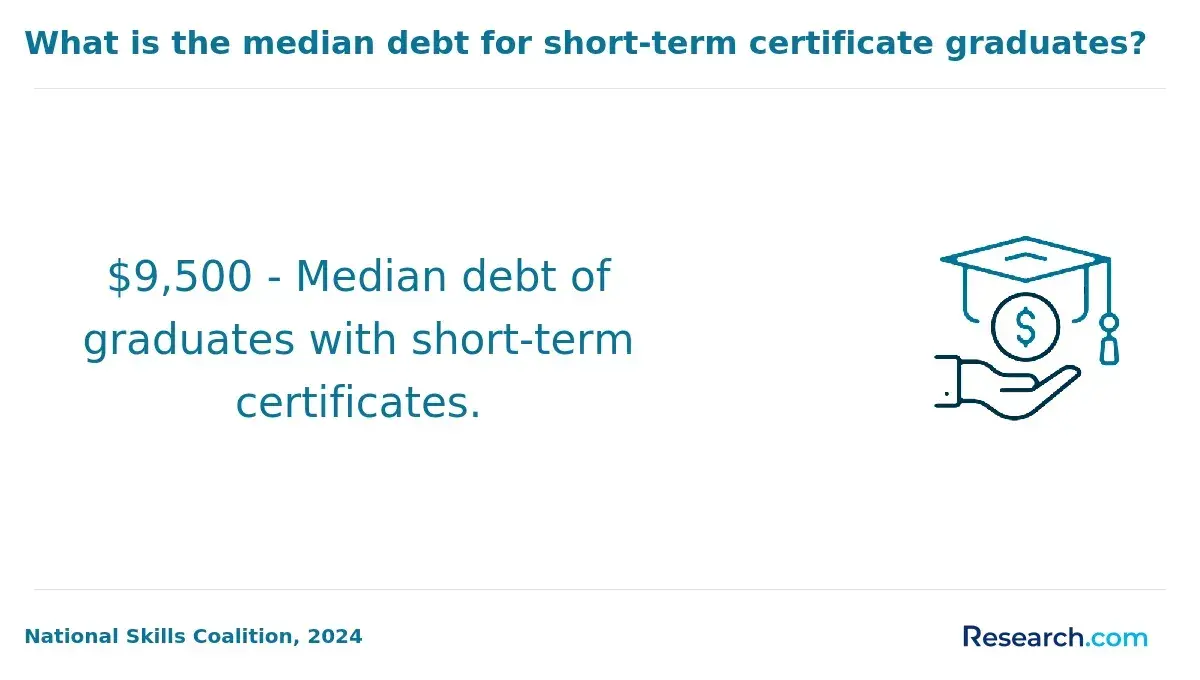
When evaluating online RN to bsn programs, total cost extends well beyond published tuition rates, necessitating scrutiny of mandatory fees and hidden expenses. Many candidates initially underestimate the cumulative impact of technology fees, clinical placement charges, and required software, which can cause budget overruns and delay degree completion.
Recent data from NCES, as cited by BestColleges, positions online bachelor's degrees in health professions at an average tuition and fees cost of $9,561 annually, notably lower than the $16,908 for on-campus. Yet, actual net costs after grants and scholarships commonly reduce this to about $6,305 online versus $9,505 on-campus, underscoring that careful financial aid comparison is critical. This is especially relevant for nurses balancing work and study obligations.
Comparing tuition and fees for online RN to bsn programs also requires attention to differing pricing models; some schools differentiate in-state and out-of-state tuition, while others offer uniform rates. Practical implications include differing eligibility for employer tuition assistance and potential penalties if program completion timeframes are exceeded.
Opportunity costs should not be overlooked. Reduced work hours or savings in commuting must be factored alongside clinical supervision requirements, which vary in being local or virtual, affecting scheduling and incidental travel expenses.
Prospective students should request detailed tuition breakdowns and financial aid offers to compare effective total costs, rather than rely solely on sticker prices. For more advanced nursing education, examining options through online PhD nursing programs can aid in long-term strategic planning.
Identify hidden expenses in online RN to bsn program costs early to avoid unexpected financial burdens that can hinder timely graduation or job placement.
What accreditation and state board approvals should an online RN to BSN program have?
Accreditation from the Commission on Collegiate Nursing Education (CCNE) or Accreditation Commission for Education in Nursing (ACEN) is a non-negotiable factor in evaluating online RN to BSN programs in the United States. Beyond academic validation, these accreditations impact credit transferability and licensure renewal, which are critical in real-world nursing practice. For instance, a nurse licensed in California must confirm that an out-of-state online program has state board of nursing approvals to validate clinical hours; otherwise, clinical placements risk invalidation, delaying graduation and employment.
Financially, attending accredited programs is linked closely to access to federal aid and scholarships, which affects affordability given that total tuition for affordable RN to BSN programs typically ranges from $8,000 to upwards of $50,000, depending on the institution's public or private status. Skipping accreditation risks sunk costs without corresponding credential recognition, a risk bearing on long-term career returns.
Employers increasingly expect proof of both accreditation and relevant state board approval for job eligibility and promotions, especially for roles in acute care or management. Failure to meet these criteria can block professional mobility between states and complicate renewal of licensure. These standards ensure alignment with national competency frameworks, addressing critical employer requirements.
Given the sector's rising complexity, understanding these regulatory parameters alongside market realities, including DNP salary transparency, informs prudent decision-making for professionals investing in online RN to BSN programs.
What are the typical admission requirements for online RN to BSN programs?
Admission to online RN to BSN programs typically demands an active, unrestricted RN license and a diploma or associate degree from an accredited nursing institution. Beyond credential verification, applicants must submit official transcripts confirming prerequisite courses-commonly anatomy, physiology, microbiology, and statistics-and meet minimum GPA standards around 2.5 to 3.0 to demonstrate readiness for advanced study.
Clinical experience requirements-usually one to two years-serve as a critical filter, ensuring candidates can connect coursework to hands-on nursing practice. These programs often request letters of recommendation and personal statements to assess alignment with professional goals, which impacts selection given the program's emphasis on applied competence.
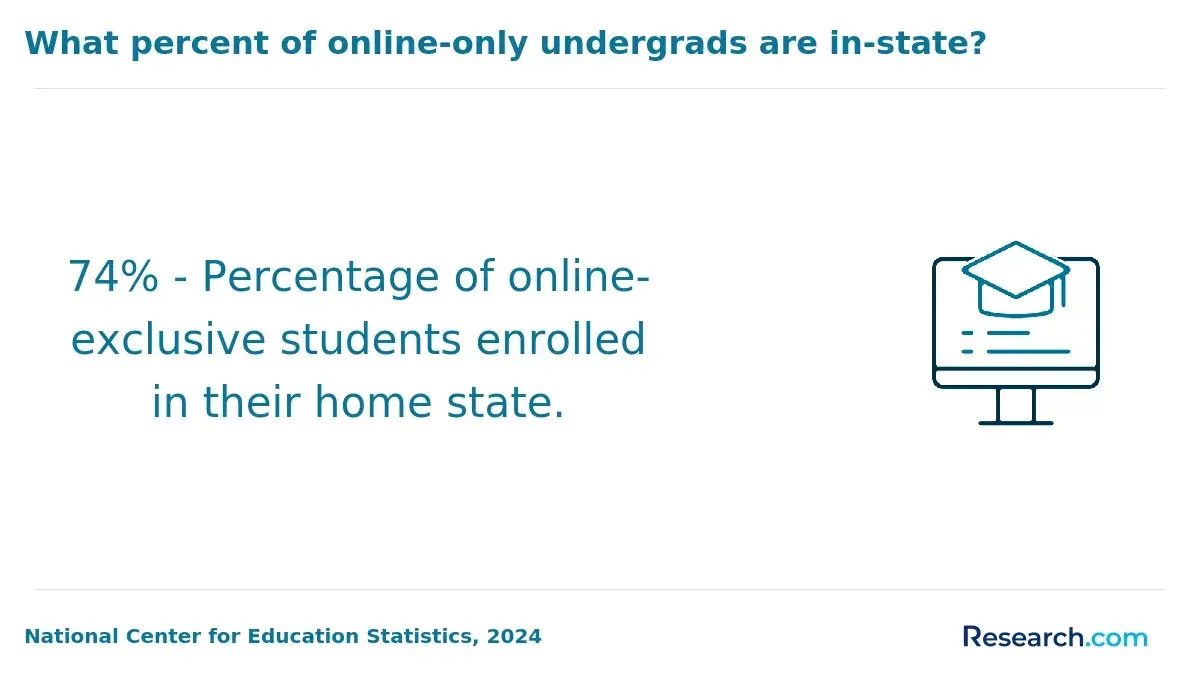
Tuition rates vary significantly by state residency, influencing the total financial burden and return on investment. Public institutions often charge non-residents three to four times more; however, some, like the University of Illinois Chicago, charge a uniform $330 per credit regardless of residency, simplifying cost comparison and financial planning.
Technical prerequisites include reliable internet and compatible technology for virtual labs, plus clinical compliance elements such as background checks and immunization documentation. Prospective students should weigh these operational demands alongside workforce implications, as nursing employers increasingly expect BSN-prepared RNs to meet evolving standards tied to clinical responsibility and organizational expectations.
How long does it take to complete an online RN to BSN and can you study part-time?
Choosing full-time versus part-time pacing in RN to bsn programs involves a strategic balance between accelerated entry into higher-paying roles and maintaining steady employment. Full-time study, typically completed in 12 to 18 months, demands significant schedule compression that may require reducing work hours or taking unpaid leave. In contrast, part-time options extending up to 36 months enable nurses to juggle work and family responsibilities but often increase total tuition costs due to longer enrollment.
Working nurses frequently select part-time study to preserve income continuity and benefits. This approach may involve taking two to three courses per semester, spreading coursework over multiple terms and sustaining clinical experience valued by employers. However, part-time completion delays credential attainment and corresponding salary gains, requiring a clear evaluation of personal financial resilience versus career goals.
Cost considerations are critical. East Georgia State College's flat rate of $128.33 per credit hour-regardless of residency-demonstrates how tuition efficiency can impact total investment over 30 to 40 credits. Prospective students should calculate full tuition over anticipated program length to understand true financial commitment.
Employers increasingly expect RN to bsn graduates to combine academic knowledge with validated clinical competence. Programs offering flexible scheduling alongside robust online clinical simulations or practicum placements support this dual requirement, maintaining alignment with evolving workforce standards and licensure expectations.
How do online RN to BSN programs differ from campus programs in format and flexibility?
Online RN to BSN programs offer substantial scheduling flexibility compared to campus-based formats, which adhere to fixed class times and in-person attendance. This flexibility benefits working nurses-such as an ICU nurse on night shifts-who need to study asynchronously during off-hours. However, this model shifts more responsibility to students for managing self-paced learning, technology, and organizing local clinical practicum hours, often requiring employer coordination and complicating logistics.
Cost transparency differs notably as well. Online students typically face technology fees of $100-$500 per semester and digital textbook expenses ranging from $500 to $1,500 annually. These often-overlooked costs can accumulate significantly and are less evident upfront than traditional campus fees, increasing the total financial investment required to complete RN to BSN programs.
Employers increasingly appreciate online RN to BSN graduates for their disciplined time management and capacity for independent learning-skills essential in clinical settings with irregular demands. Yet, the lack of standardized in-person clinical labs in online programs places greater burden on students to secure appropriate local experiences. Additionally, despite reduced expenses related to commuting and housing, reliable internet access and self-motivation are non-negotiable prerequisites.
- Campus programs restrict flexibility due to mandatory attendance.
- Online formats reduce commuting but require strong self-discipline.
- Hidden tech and materials costs increase online program expenses.
- Local clinical arrangements in online tracks require extra planning.
The decision between online and campus RN to BSN programs fundamentally hinges on balancing work demands, cost visibility, and clinical scheduling capabilities, crucial for nurses aiming to enhance their qualifications without jeopardizing employment stability.
What core courses and clinical experiences are included in most RN to BSN curricula?
RN to BSN programs gauge nurses' readiness to transition from bedside roles to leadership positions by integrating advanced courses in community health, nursing research, and evidence-based practice. Practical clinical hours in outpatient, community, and long-term care settings develop competence in population health management-a skill set increasingly demanded as healthcare shifts toward coordinated, multidisciplinary team models.
Curricula also emphasize healthcare policy and informatics, reflecting employer expectations for proficiency with electronic health records and data interpretation. For example, nurses moving into case management within managed care organizations must master these competencies to navigate complex patient information and regulatory requirements effectively.
Financial and scheduling constraints heavily influence program format choice. Accelerated RN to BSN options, typically ranging from $20,000 to $45,000, offer faster degree completion and quicker labor market returns but require intensive commitment. In contrast, part-time programs, costing roughly $8,000 to $25,000, grant flexibility for working professionals but may delay access to advanced roles and salary gains.
Clinical placement logistics pose additional challenges, especially for rural or full-time employed students. Early coordination with program advisors to align clinical experiences with career objectives is essential. Understanding these tradeoffs can decisively impact employability and long-term trajectory in nursing leadership.
What nursing roles, career advancement opportunities, and graduate study paths follow a BSN?
Nurses seeking expanded roles beyond bedside care must weigh the tangible benefits and practical demands of earning a BSN. This credential unlocks leadership and specialized positions-such as nurse managers, clinical nurse specialists, and infection control coordinators-that require competencies in systems coordination and policy integration not covered by associate degrees alone. Employer preferences increasingly favor BSN-prepared nurses for supervisory roles, especially within hospital systems targeting Magnet designation or enhanced patient outcomes.
For example, a nurse aiming to become a case manager in a major health network might see a salary boost of approximately $10,000 annually compared to counterparts without a BSN. Yet this pivot hinges on confirming that chosen RN to BSN Programs are accredited, cost-effective, and align with long-term career plans.
Graduate study aspirations-such as MSN or DNP degrees-depend on a BSN foundation, enabling shifts into advanced practice roles like nurse practitioners or educators. However, balancing work demands with the financial and time investments required remains a significant challenge.
From a financial perspective, RN to BSN Programs priced between $10,000 and $12,000 can mitigate the cost barrier relative to the median program cost near $17,500, making strategic choices crucial. Candidates must evaluate credit transfer policies and employer recognition to ensure the degree meaningfully advances employability rather than becoming a credentialing formality.
- Leadership and clinical specialization roles require broader competencies beyond bedside skills.
- Employment and salary benefits depend on organizational demand for BSN-qualified nurses.
- The decision to pursue graduate education amplifies the importance of program quality and scheduling flexibility.
What salary benefits and job outlook can RNs expect after completing a BSN degree?
RNs pursuing an RN to BSN program typically see median salary increases of 10% to 20% compared to associate-level credentials. The U.S. Bureau of Labor Statistics reports median RN wages near $77,600 annually, with BSN-prepared nurses often surpassing this due to eligibility for advanced clinical and leadership roles. Employers tend to prioritize BSN credentials for management, specialty care, and community health positions, which enhances job security and promotion prospects.
Practical impacts for BSN graduates include qualification for specialized certifications and stronger integration into interdisciplinary teams, components that commonly drive higher pay and employment stability. For instance, a nurse earning about $32 hourly in a bedside role might transition to a nurse manager position earning $42-$45 hourly after completing their BSN.
Tuition cost differences among RN to BSN programs can notably affect return on investment. Accredited online options listed by AllNurses for 2026 show tuition as low as $7,500, contrasting with median program costs around $17,500-offering a potential 57% reduction in out-of-pocket expenses and accelerating degree payback time for working nurses funding their studies. Additionally, BSN completion aligns with Magnet hospital standards and federal funding requirements, influencing hiring priorities and long-term career viability.
Other Things You Should Know About RN to BSN Programs
Employers primarily value accreditation and the program's rigor, not the delivery format. However, some healthcare employers may prioritize candidates from traditional or hybrid programs when clinical hours and in-person networking are emphasized. For those targeting advanced clinical roles or steady career progression, programs with strong employer connections or optional clinical placements offer a tangible advantage over purely online coursework.
RN to BSN programs vary significantly in pace and assignment intensity. Programs with strict deadlines and frequent synchronous sessions can strain working nurses, leading to possible burnout or delayed graduation. Prioritize programs offering asynchronous learning with flexible deadlines if your work schedule fluctuates or includes night shifts, as this balance is critical for sustained success without compromising job performance.
Specialty tracks can deepen expertise in areas like leadership, community health, or informatics, which benefit targeted career advancement. Yet, these tracks sometimes extend program length or reduce flexibility, adding cost and time. If immediate degree completion or broad employability is your priority, a comprehensive general education track may provide a more practical return on investment.
Some top 2027 online RN to BSN programs with the lowest total cost include Western Governors University, University of Texas at Arlington, and Fort Hays State University. These programs are known for their affordability, flexibility, and accreditation, making them attractive options for those seeking cost-effective education solutions.
References
- What’s the Deal with Accreditation? https://nursingcas.org/resources-for-current-schools/whats-the-deal-with-accreditation
- How an Online BSN Degree Program Works https://www.allnursingschools.com/bsn/online-or-on-campus/
- Bachelor of Science in Nursing (BSN) Degrees https://nursinglicensemap.com/nursing-degrees/bachelor-of-science-in-nursing/
- CCNE Accreditation https://www.aacnnursing.org/ccne-accreditation
- 30 RN to BSN Online Degrees Under $15,000 https://www.bestmasterofscienceinnursing.com/best/rn-to-bsn-online-tuition-under-10000/
- Online RN to BSN Programs | How Long Does it Take? https://acesonursing.com/blog/how-long-are-rn-to-bsn-programs/
- Most Affordable Online RN to BSN Programs - Find Top Schools for Saving https://www.edumed.org/online-schools/nursing-rn-programs/rn-to-bsn/most-affordable/
- Online vs. Traditional RN to BSN | Nexus University https://www.nexusuniversity.com/online-vs-traditional-rn-to-bsn/
- RN to BSN Program Online: Bachelor of Science Nursing https://www.chamberlain.edu/academics/nursing-school/rn-to-bsn
- Cheapest Online RN to BSN Programs - Better Nurse https://betternurse.org/cheapest-rn-to-bsn-online/