2027 Public Administration Degree Demand by State: Where Student Interest Is Rising Fastest

Co-Founder and Chief Data Scientist
Prospective students often face uncertainty when choosing where to pursue a public administration degree, aiming to align their education with growing job markets. Regional shifts in demand can affect opportunities for internships, networking, and employment post-graduation. Without clear data, making an informed decision can lead to missed chances or unnecessary relocation.
This article analyzes state-by-state trends in public administration degree interest, highlighting areas with rapidly increasing student demand. It aims to provide readers with actionable insights to target regions where educational investments have the highest potential return in career advancement and professional growth.
Key Things You Should Know
- Interest in public administration degrees has grown by 12% nationwide from 2024 to 2025, with the fastest increases seen in Texas, Florida, and Arizona.
- States with expanding government and nonprofit sectors correlate with higher enrollment growth, reflecting demand for skills in policy analysis and public service management.
- Graduate-level public administration programs report a 15% rise in applications, driven by professionals seeking career advancement amid evolving public sector challenges.
Which states show the fastest-growing student demand for public administration degrees?
States with the fastest-growing student demand for public administration degrees in 2026 include Texas, Florida, Arizona, and Washington. These states report annual enrollment increases between 8% and 12%, surpassing the national average growth in this field. Texas leads with nearly 12% growth, driven by expanding metropolitan areas and government sector employment. Florida and Arizona follow closely, fueled by municipal expansion and aging populations requiring effective public services. Washington's growth reflects significant investments in urban planning and sustainability initiatives.
In these states with rising student interest in public administration programs, strong employment sectors complement educational demand. In 2024, the U.S. public administration industry employed 7.70 million workers with an average full-time salary of $84,436. This robust labor market benefits graduates pursuing careers in government and nonprofit organizations, where competitive salaries and job prospects continue to improve.
Prospective students targeting these regions should consider key factors influencing demand, such as:
- Local government size and budget growth affecting demand for qualified administrators.
- State investments in public infrastructure and social services creating new career pathways.
- Demographic trends like aging populations requiring specialized public policy skills.
Graduates can explore diverse roles in policy analysis, urban management, and nonprofit leadership. Those researching public administration might also find valuable insights through healthcare administration degree programs, which share overlapping skills in administration and public service management.
How does public administration degree demand compare across states and regions in the U.S.?
Demand for public administration degree programs varies widely by U.S. state, shaped primarily by regional workforce needs and government growth. Southern and Western states lead in increasing student interest and job opportunities, aligning with broader economic and demographic shifts.
Between 2018 and 2028, Texas, Arizona, and Utah see projected growth rates of 19.8%, 18.2%, and 17.4%, respectively, for state and local government management analyst jobs, all surpassing the 13.6% national average reported by the U.S. Bureau of Labor Statistics. These trends reflect higher regional demand for public administration graduates equipped to manage public sector operations and implement policy.
States like Texas and Arizona feature expanding urban centers and rising public service needs, contrasting with slower growth in some Midwestern and Northeastern states where local government staffing remains steady or declines. Prospective students should carefully assess regional differences in public administration student interest and labor market conditions when selecting programs.
Practical steps to improve employment prospects include:
- Focusing on states with the strongest projected job growth for public administration majors
- Pursuing internships or cooperative education within local governments in high-growth areas
- Monitoring updates from sources such as the Bureau of Labor Statistics to guide career decisions
Aligning degree choices with regional demand helps candidates avoid constrained markets and maximize opportunities. Individuals seeking flexibility may also explore an affordable healthcare administration degree online as a complementary or alternative pathway.
What factors are driving rising interest in public administration programs in certain states?
Workers in public administration earn an average salary roughly 20% higher than the overall U.S. workforce, with full-time employees making about $84,436 compared to $70,343. This wage premium is a key factor contributing to the rising demand for public administration degrees by state, as students seek secure and well-compensated careers in government, nonprofit, and community-focused roles.
Regional growth factors influencing public administration program interest often align with expanding government functions and increased local governance. States with rising urban populations or significant infrastructure projects report higher enrollment in these programs, reflecting the need for skilled administrators to manage evolving public services.
Additional contributors to this trend include:
- State initiatives aimed at improving public service effectiveness requiring management expertise.
- Demographic changes, such as aging populations in states like Florida and Arizona, increasing social service demand.
- Flexible academic offerings including online degrees that fit working adults' schedules.
Students also benefit from targeted scholarships and internship programs that enhance practical experience and further stimulate interest in public administration education within their states. Many also opt for stable fields to counter private-sector market fluctuations. Those interested may consider related fields like online construction management as an alternative pathway in public sector careers.
What types of public administration degrees are most popular in high-demand states?
In high-demand states like Texas, Florida, and California, public administration degree programs focus mainly on master's level studies that blend public policy and management. Popular options include the Master of Public Administration (MPA) and Master of Public Policy (MPP), which emphasize governance, financial management, and policy analysis, closely aligning with expanding state and local government needs.
These most popular public administration degrees by region frequently offer specialized tracks such as healthcare administration, nonprofit management, and urban planning to address regional workforce demands in healthcare infrastructure, social services, and urban redevelopment.
Graduates from leading public-affairs master's programs report median annual incomes near $90,000 a decade after enrollment, approximately 1.7 times the median for all master's holders, according to the Education Data Initiative. This reflects the strong earning potential of these degrees.
Students seeking quick government or nonprofit sector entry often prefer accredited MPA programs featuring core courses in budgeting, ethics, and data analysis. Those targeting policy development typically choose MPP programs emphasizing research methods and economic evaluation.
Interest also grows in hybrid degrees combining public administration with cybersecurity or environmental policy to meet emerging public sector challenges. Prospective students should consider these trends alongside their local job market and professional aims.
For those exploring related educational paths, an accelerated business administration degree online can provide flexible options to complement public administration studies.
How do online public administration programs compare with campus-based options by state?
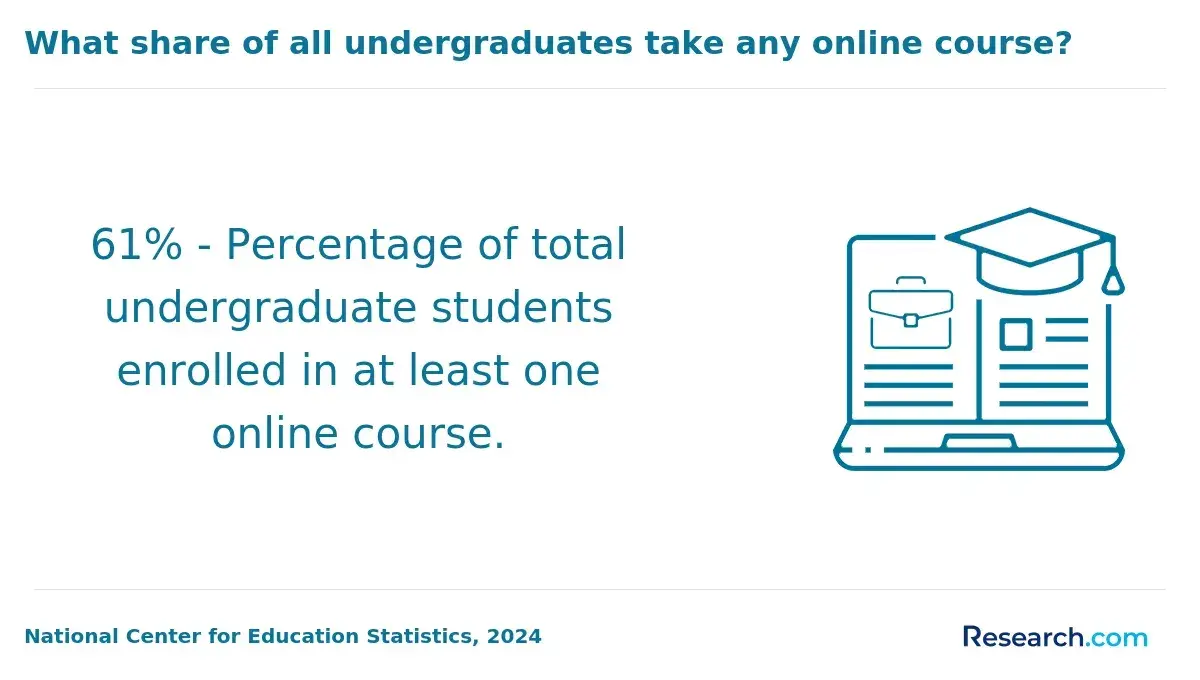
Online public administration programs offer notable accessibility and flexibility, especially appealing in states with dispersed populations or limited campus options. Texas, Florida, and California lead online enrollments due to well-established accredited online degrees and strong demand from expanding governmental and nonprofit sectors requiring remote training. Conversely, states like Washington, D.C., New York, and Illinois see higher enrollment in campus-based programs, often because of the networking and internship opportunities available through in-person study.
While nationwide completions of bachelor's and master's degrees have risen by about 2% since 2012-13, degrees in public-service fields, including public administration, have remained flat or declined slightly. This trend reveals that some states depend on online offerings to maintain or grow enrollment, whereas others prioritize traditional campus programs.
When choosing between online and campus-based degrees, prospective students should consider factors including employment markets, program reputation, and format preferences. Midwestern states typically offer strong online programs to meet regional needs, while Northeastern states focus on campus experiences linked to government agencies.
Online public administration degrees also benefit working professionals seeking career advancement without relocation. Campus programs often attract recent high school graduates looking for immersive experiences. Aligning program choice with individual circumstances and local job opportunities helps students optimize their education path.
What should students look for in accreditation when choosing a public administration program?
Accreditation is key when selecting a public administration program because it ensures the degree is recognized by employers and meets high academic standards. The Network of Schools of Public Policy, Affairs, and Administration (NASPAA) is the leading accrediting body for public administration programs, confirming the curriculum covers critical areas like management, policy analysis, and ethical governance.
Prospective students should consider how well a program's focus aligns with their career goals. Some programs emphasize public sector management, including budgeting and urban planning, while others specialize in nonprofit management with training in fundraising and volunteer coordination. Accreditation generally requires these specializations to maintain quality and expertise.
Graduating from a NASPAA-accredited program also enhances job prospects. The U.S. Bureau of Labor Statistics projects about 36,400 openings annually for administrative services and facilities managers, many of whom hold public administration degrees. Accredited schools often offer networking opportunities and internships connected to government agencies and nonprofits, providing valuable career launching pads.
Questions to consider when choosing a program include:
- Is the program accredited by NASPAA or another recognized body?
- Does it offer concentrations that align with my career goals?
- Are there opportunities for internships and job placement?
- Is the curriculum updated for current public administration challenges?
How do tuition, fees, and financial aid for public administration degrees vary by state?
Tuition and fees for public administration degrees vary greatly across states due to differences in state funding, residency rules, and university resources. For instance, in states like California and New York, in-state tuition generally ranges between $8,000 and $12,000 per year at public universities, while out-of-state students often pay over $25,000 annually. In contrast, states with lower living costs and smaller systems, such as North Dakota and Mississippi, frequently charge under $7,000 for in-state tuition. These variations heavily impact students' choices, especially those balancing costs with career prospects.
Financial aid options differ significantly by state. States with strong grant and scholarship programs, like Texas and Florida, can substantially offset tuition, making public administration more affordable for residents. Conversely, states with limited state-sponsored aid force students to depend more on federal aid or private scholarships. Prospective students should explore state-specific options, including grants and loan forgiveness programs aimed at public service professions.
Growing fields such as health administration influence tuition and aid priorities. For example, jobs for medical and health services managers are expected to increase 23% from 2024 to 2034, outpacing average job growth nationally. States investing in public health programs may adjust tuition and aid to attract students into these expanding sectors.
What careers can a public administration degree lead to, and do roles differ by state?
A degree in public administration prepares individuals for diverse roles in government, nonprofits, and the private sector focused on policy and management. Typical careers include city manager, policy analyst, budget analyst, human resources manager, and program evaluator. These positions require strong leadership, strategic planning, and efficient resource allocation to serve public needs.
Career opportunities often vary by state, reflecting different government structures and economic priorities. For example, large urban states such as California and New York see higher demand for public administrators in urban planning, housing, and transportation. In contrast, Texas and Florida emphasize emergency management and public health administration given their unique regional challenges. Rural states tend to focus on community development and grant management.
Diversity is significant in this workforce with women making up 45.6% and workers of color 37.6% of professionals in this field. This reflects public administration's role as an inclusive sector across various labor markets.
Specialized career paths are common. Those interested in environmental policy may gravitate toward states like Washington or Colorado where sustainability efforts are robust. Health care administration roles are expanding in states with large medical sectors such as Massachusetts and Minnesota.
How do public administration salaries and job outlook differ across states and metropolitan areas?
Salaries in public administration careers vary widely across states and metropolitan areas due to differences in local economies, government funding, and sector demand. Urban states like California and New York tend to offer median annual wages nearing $99,000 for management and social services positions. In contrast, states such as Mississippi and West Virginia have median wages closer to $50,000, reflecting lower local wage scales and fewer high-level roles.
Metropolitan areas with growing populations and economies, including Washington D.C., Houston, and Minneapolis, present stronger job prospects and advancement opportunities in public administration fields. These cities show high demand for professionals in education administration, social services management, and policy implementation.
Salary ranges depend on the sector focus: education and community services roles generally pay between $50,000 and $65,000, while government management and policy positions can exceed $80,000. Approximately 54% of bachelor's degree holders in public policy and social services work in education, community, social services, or management occupations, with median wages significantly higher than early-career earnings in other fields (National Center for Education Statistics).
Key factors to consider:
- State-specific demand and wages
- Sector focus within public administration
- Regionally driven employment growth trends
These insights can help prospective students and professionals identify locations and specialties that maximize career potential in public administration.
How can prospective students use state-level data to choose the best public administration program?
State-level data offers valuable guidance for prospective students targeting public administration programs aligned with regional workforce demands. The U.S. Bureau of Labor Statistics projects growth in many roles related to this field, with management analysts expected to rise by 11% and operations research analysts by 23%, surpassing the average 5% job growth forecast through 2031.
Students can benefit by prioritizing states where job opportunities in public administration are growing fastest. This approach connects education with thriving local job markets and ensures programs have strong employer networks and relevant specializations.
For example, a state with a major urban center might emphasize public policy management, while another with a robust nonprofit sector may focus on community development. Considering these curricular focuses alongside economic trends can help tailor education to employer needs.
Financial aid availability, scholarships, and residency benefits vary by state and can significantly affect education costs and return on investment. Additionally, analyzing state enrollment trends reveals program selectivity and the potential quality of peer interactions.
Integrating labor market forecasts, industry presence, and academic resources enables students to make informed choices about public administration education geared toward meaningful career advancement.
Other Things You Should Know About Public Administration
Students pursuing a public administration degree should develop strong analytical, communication, and organizational skills. Critical thinking and problem-solving abilities are essential to navigate complex policy issues. Additionally, leadership and ethical decision-making skills are crucial for managing public sector organizations effectively.
In 2027, Florida is experiencing the fastest growing interest in public administration degrees. This is driven by the state's expanding government services and increasing demand for qualified administration professionals to support its growing population.
A bachelor's degree in public administration usually takes about four years of full-time study. Graduate degrees, such as a master's in public administration (MPA), typically require two additional years. Some accelerated and online programs offer more flexible timelines.
Internships are highly valuable for gaining practical experience and building professional networks. Many degree programs encourage or require internships to help students apply classroom knowledge to real-world public service challenges. This experience often improves job prospects after graduation.
References
- Public Administration Scholarships and Online Resources for Students https://www.degreesforgood.org/financial-aid/scholarships/public-administration/
- Public Policy and Administration by the Numbers | Insight Into Academia https://insightintoacademia.com/public-policy-and-administration-by-the-numbers/
- 8 Public Administration Careers and Salaries https://online.hilbert.edu/blog/public-administration-careers/
- Accreditation - Canadian Association of Programs in Public Administration https://cappa.ca/en/what-we-do/accreditation/
- MPA Careers and Salaries https://teach.com/online-ed/government-degrees/online-masters-public-administration/mpa-careers/
- Public Administration M.P.A.* https://catalog.csustan.edu/preview_program.php
- Best Universities for Public Administration in 2022-2023 - Gyanberry https://gyanberry.com/blog/best-universities-for-public-administration-in-2022-2023/
- Best 73 Online MPA Programs for 2024-2025 Academic Year https://www.mastersofpublicadministration.org/top-online-mpa-programs
- Current Trends and Issues in Public Administration https://www.columbiasouthern.edu/blog/blog-articles/2022/april/current-trends-and-issues-in-public-administration/
- Fewer People Are Getting Degrees in Public Service https://www.governing.com/archive/gov-public-service-degrees.html